
Microsuction Earwax Removal Bristol

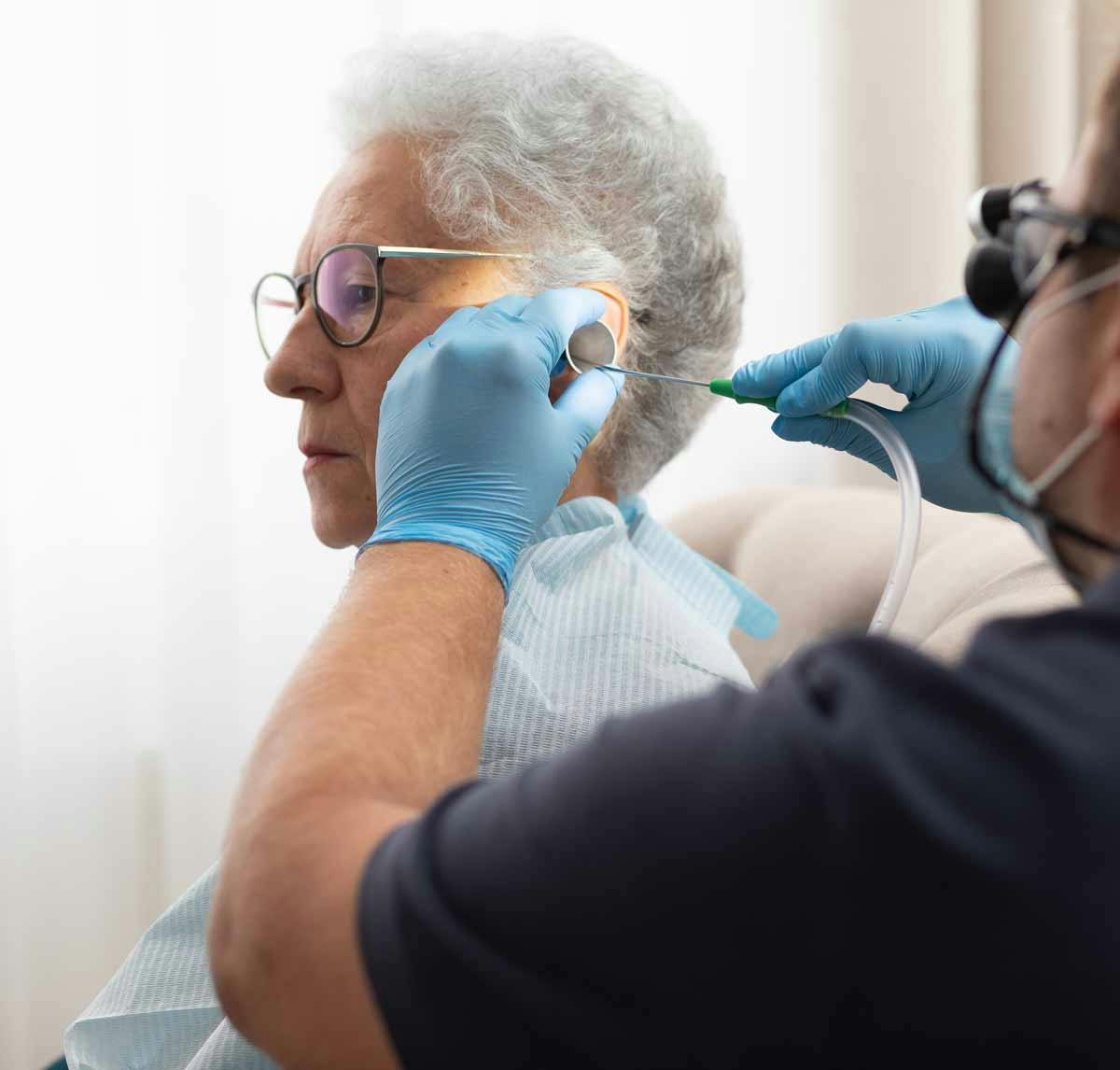
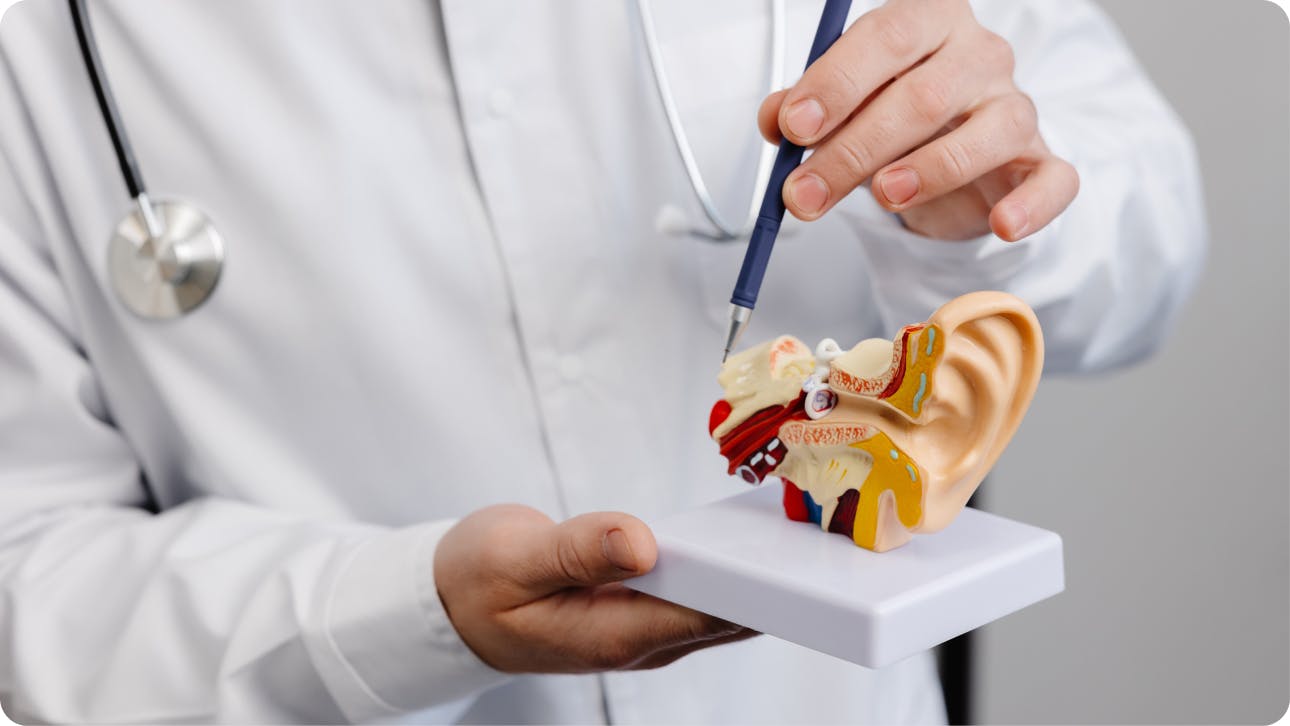
a professional ent doctor examines a patient

Safe, Gentle & Effective Earwax Removal

Microsuction is the gold-standard method for removing earwax recommended by ear, nose and throat (ENT) specialists for its safety, precision and comfort. At Pro Ear Clinic, we offer professional microsuction earwax removal from our clinic at The Hampton Spa (Failand) and through our convenient home visit service across Bristol.

Whether your ears feel blocked, muffled, or uncomfortable, microsuction can provide fast, effective relief usually within minutes.

What is Microsuction?

Microsuction is a medical technique that uses:

  • A gentle suction device
  • A microscope or high-definition otoscope
  • Precise manual instruments (if needed)

This allows your clinician to remove earwax without water, making it a cleaner, safer option for most patients.

Microsuction is ideal if you have:

  • A history of ear infections
  • Perforated eardrum
  • Previous ear surgery
  • A mastoid cavity
  • Narrow or sensitive ear canals
  • Vertigo or balance issues
  • Hearing aids

Because no water is used, the risk of infection or dizziness is significantly lower compared to irrigation.

Benefits of Microsuction

Safe for nearly all medical conditions

Microsuction is performed under direct vision, reducing the risk of accidental injury.

Fast relief

No water = lower infection risk and suitable for patients with perforations or previous ear problems.

Quick

Most appointments take 20–30 minutes, with instant improvement in hearing and comfort.

Precise and controlled

Your clinician can clearly see inside the ear canal at all times, allowing accurate wax removal.

Gentle and comfortable

Most patients feel very little sensation other than sound and light suction.

No messy water

Microsuction keeps your ear canal clean and dry.

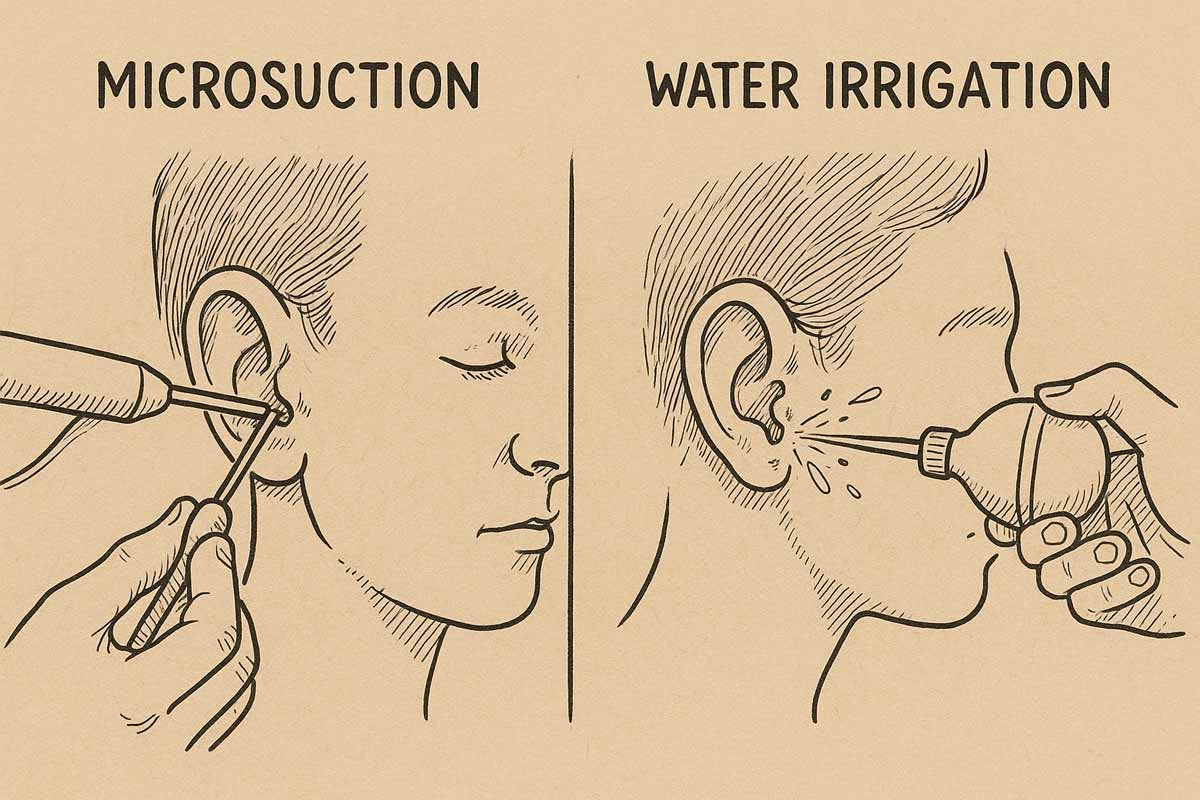
Microsuction vs. Irrigation – Which Is Better?

Both methods are effective, but each patient is different.

Microsuction is preferred when:

  • Earwax is dry, impacted or very firm
  • Irrigation has failed previously
  • The patient has a perforated eardrum
  • There is a history of infection
  • The patient has vertigo or tinnitus
  • Hearing aids are used
  • Water is not advisable

Irrigation may be recommended when:

  • Wax is soft and widespread
  • Microsuction alone cannot remove deeper material
  • The patient prefers a water-based method

At Pro Ear Clinic, your clinician will examine your ears using a video otoscope and recommend the safest, most effective method for you. In many cases, we use a combination of both for best results.

What to Expect at Your Appointment

1. Ear Examination

We begin with a detailed otoscopy or video-otoscopy so you can see the wax inside your ear canal. This helps us decide the safest approach.

2. Wax Removal

Using microsuction and specialist tools, we gently remove the wax. You’ll hear the suction sound, but it should not be painful. If needed, small instruments can help lift wax safely.

3. Final Check

Once the wax is removed, we re-examine your ears to ensure the canal and eardrum are healthy and clear.

4. Aftercare Advice

We provide guidance to help keep your ears wax-free and reduce future blockages.


Do I Need Ear Drops Before Microsuction?

Using olive oil or sodium bicarbonate ear drops for 3–4 days beforehand can help soften wax, but they are not always essential for microsuction.

We recommend:

  • 3–4 days of olive oil drops for firm or impacted wax
  • No drops if you have a perforation, infection or sensitivity to oil

If unsure, contact us before your appointment.

Price & Appointment Info

£95 flat fee – includes one or both ears, home visit, and full ear health check.
Duration: 20–30 minutes
Minimum age: 16 years old

What if no wax is found?

A full ear health assessment will still be performed.
In this case, a consultation fee of £45 applies.


Clinic & Home Visit Options


Clinic Appointments (The Hampton Spa, Failand)

Perfect if you prefer a calm clinical environment. Free on-site parking and easy access from Clifton, Long Ashton, Bedminster, Redland and surrounding areas.

Home Visit Appointments (Across Bristol)

Convenient and ideal for:

  • Elderly patients
  • Mobility issues
  • Busy schedules
  • Families

Same high-quality equipment and care at your home.


Who Does Microsuction Work Best For?

Microsuction is recommended for:

  • Blocked ears
  • Sudden hearing loss due to wax
  • Ear pain or fullness
  • Itching or discomfort
  • Hearing aid wearers
  • Swimmers or sports enthusiasts
  • Those with a history of ear problems
  • Patients who cannot have irrigation

If you’re unsure whether microsuction or irrigation is best, we can assess and advise during your appointment.

How Often Should I Have Microsuction?

This depends on your ears:

  • Some people produce wax more quickly
  • Hearing aid users often need cleaning every 3–6 months
  • Others need only occasional treatment

We’ll advise based on your individual needs.

Areas We Cover

We provide microsuction across:

  • Clifton
  • Long Ashton
  • Bedminster & Southville
  • Redland & Cotham
  • Henleaze & Westbury-on-Trym
  • Brislington
  • Keynsham
  • Portishead
  • Nailsea

And all surrounding areas in Bristol.

FAQs

Questions and Answers

Yes. Microsuction is considered one of the safest methods of earwax removal because it is performed under direct visual guidance using a microscope or high-definition otoscope. Since no water is used, the risk of infection, dizziness or eardrum irritation is very low. It is suitable for most patients, including those with perforated eardrums or previous ear problems.

Most people find microsuction comfortable. You may hear the sound of the suction device and feel a gentle pulling sensation as wax is removed, but it shouldn’t be painful. If anything feels uncomfortable at any point, your clinician will adjust the procedure immediately. Many patients describe the experience as quick, precise and surprisingly gentle.

A typical microsuction appointment lasts around 20–30 minutes. This includes the initial ear examination, video otoscopy, the microsuction procedure itself, and personalised aftercare advice. If wax is heavily impacted or both ears require treatment, the appointment may take slightly longer.

Using olive oil ear drops for 3-4 days before your appointment can help soften wax, making the procedure quicker and more comfortable. However, drops are not always essential. If you have a perforated eardrum, ear infection or have been advised to avoid drops, please let us know before using anything.

Yes. Microsuction is one of the safest earwax removal methods for people with perforated eardrums or a history of ear surgery. Because it’s a dry procedure and performed under direct vision, it avoids the risks associated with water irrigation. If you’re unsure whether microsuction is suitable for you, we will assess your ears during your appointment.

Most patients notice clearer hearing immediately after the wax is removed. If your ear canal was fully blocked, the improvement can be dramatic. In some cases, the ear may feel slightly sensitive or “open” for a few hours, but this settles quickly. If hearing doesn’t fully return, this may be due to other factors, and we can advise further.

Yes, microsuction is generally considered safer and more precise than traditional ear syringing because it does not use water. It is especially recommended for people with perforated eardrums, ear infections, tinnitus, or previous surgery. Irrigation may still be used in some cases when wax is soft and widespread. Your clinician will recommend the best method for your ears.

If tinnitus is caused or worsened by a wax blockage, microsuction can significantly reduce symptoms by clearing the obstruction. However, tinnitus can also have other causes unrelated to wax. After removing the wax, we will assess your ear health and advise if further investigation is recommended.

Earwax is a natural protective substance that helps trap dust, debris and bacteria. Some people naturally produce more wax due to genetics, narrow ear canals, hearing aids, skin conditions or regular use of earphones. Excess wax can build up over time and may need periodic removal.

Most people benefit from having their ears checked every 6–12 months, especially if they produce wax quickly or use hearing aids. Hearing aid users may require earwax removal more frequently because the devices stimulate wax production. We can advise the ideal interval based on your individual needs.

Yes. It is safe to fly after microsuction because the ear canal remains dry and the procedure does not affect inner ear pressure. If your ears were previously blocked, many patients find that flying becomes more comfortable once the wax is removed.

Microsuction rarely causes dizziness. Some patients may feel a brief moment of imbalance during the procedure due to sound and air movement in the ear canal, but this passes quickly. If you have a history of vertigo, let us know — we will proceed extra gently and safely.

Microsuction can be suitable for children depending on their age, ear anatomy and ability to stay still. For younger children or those who may find the procedure difficult, alternative techniques may be recommended. If you’d like microsuction for your child, contact us and we’ll advise based on their individual needs.

Book your Appointment

Your Ears. Our Care.
Wherever You Are in Bristol.

We provide professional ear wax removal in the comfort of your own home across the Bristol area.

Appointments are limited, secure your spot online today.
Need care home visits or something else? Visit our services page for more options.