Blocked ears and ear infections often feel similar at first, which is why many people are unsure whether they need earwax removal, ear drops, or a GP appointment. At Pro Ear Clinic, this confusion is one of the most common reasons patients book an assessment.
Both conditions can cause muffled hearing, pressure, and discomfort—but the cause, treatment, and risks are very different. Treating the wrong condition can delay recovery or make symptoms worse, especially if drops or self-cleaning are used incorrectly.
This guide explains how to tell the difference between a blocked ear caused by wax and an ear infection, what symptoms to watch for, and when to visit a clinic versus your GP.
Blocked Ear: Wax-Related Symptoms
What a Wax Blockage Usually Feels Like
Earwax build-up (cerumen impaction) is the most common cause of blocked ears seen in clinic. Wax is produced naturally to protect the ear canal, but when it doesn’t migrate out naturally, it can become compacted.
Typical symptoms of a wax-blocked ear include:
- Muffled or reduced hearing
- A feeling of fullness or pressure
- Crackling or popping sounds
- Sudden hearing loss after using cotton buds or drops
- Ringing in the ears (tinnitus)
- No significant pain
Wax blockages usually affect one ear more than the other, although both ears can be blocked.
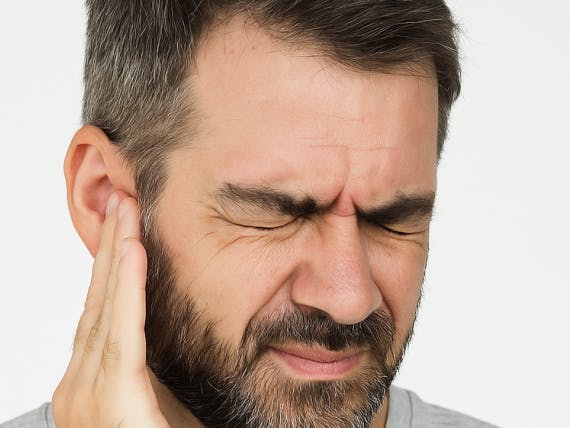
Importantly, wax-related blockage is rarely painful. If pain is present, another cause should be considered.
Ear Infection: Key Symptoms to Recognise
Ear infections occur when bacteria or fungi affect the ear canal or middle ear. They are usually associated with inflammation and irritation, which produces very different symptoms from wax blockage.
Common symptoms of an ear infection include:
- Ear pain (aching, throbbing, or sharp)
- Sensitivity to touch around the ear
- Swelling or redness
- Discharge from the ear
- Itching or burning sensation
- Hearing changes due to swelling or fluid
- Fever or general unwell feeling (sometimes)
Infections can affect the outer ear (otitis externa) or the middle ear (otitis media). Both can create a blocked sensation, but the underlying cause is inflammation—not wax.
Pain Comparison: Blocked Ear vs Infection
Blocked Ear (Wax)
- Usually painless
- May feel uncomfortable or full
- Pressure sensation rather than pain
- Sudden relief once wax is removed
Ear Infection
- Pain is common
- Pain may worsen when touching the ear
- Can disturb sleep
- Often described as aching, stabbing, or throbbing
👉 Key rule:
If your ear hurts, especially constantly or at night, it is less likely to be simple wax build-up.
Discharge Differences: What Comes Out of the Ear Matters
Discharge is one of the clearest ways to tell the difference between wax and infection.
Wax
- Thick
- Yellow, brown, or dark
- Dry or sticky
- Usually odourless
Infection Discharge
- Watery, cloudy, or pus-like
- May be white, yellow, green, or blood-tinged
- Often has an unpleasant smell
- Can soak pillowcases or hearing aids
For a detailed breakdown, see:
Ear Discharge Colours (internal link)
⚠️ If you have discharge, earwax removal should not be attempted until infection is ruled out.
Why Ear Drops Can Make It Worse
Many patients try ear drops when their ear feels blocked, assuming wax is the problem. This can backfire.
If the issue is wax:
- Drops may soften the outer layer
- Wax can swell and block the ear further
If the issue is infection:
- Incorrect drops may worsen irritation
- Moisture can encourage bacterial growth
- Symptoms may intensify
This is why we strongly advise not to self-diagnose.
Read more here: Why Ear Drops Can Make It Worse (internal link)
Hearing Loss: Sudden vs Progressive
Wax-Related Hearing Loss
- Often sudden
- May occur overnight
- Frequently linked to cotton bud use or drops
- Improves immediately after removal
Infection-Related Hearing Changes
- Gradual or fluctuating
- Linked to swelling or fluid
- May persist after pain settles
- Improves only after infection resolves
When to See a Clinic vs When to See Your GP
Book a Clinic Appointment If:
- Your ear feels blocked but not painful
- Hearing is muffled
- You suspect wax build-up
- You wear hearing aids
- There is no discharge
- Symptoms have lasted more than a week
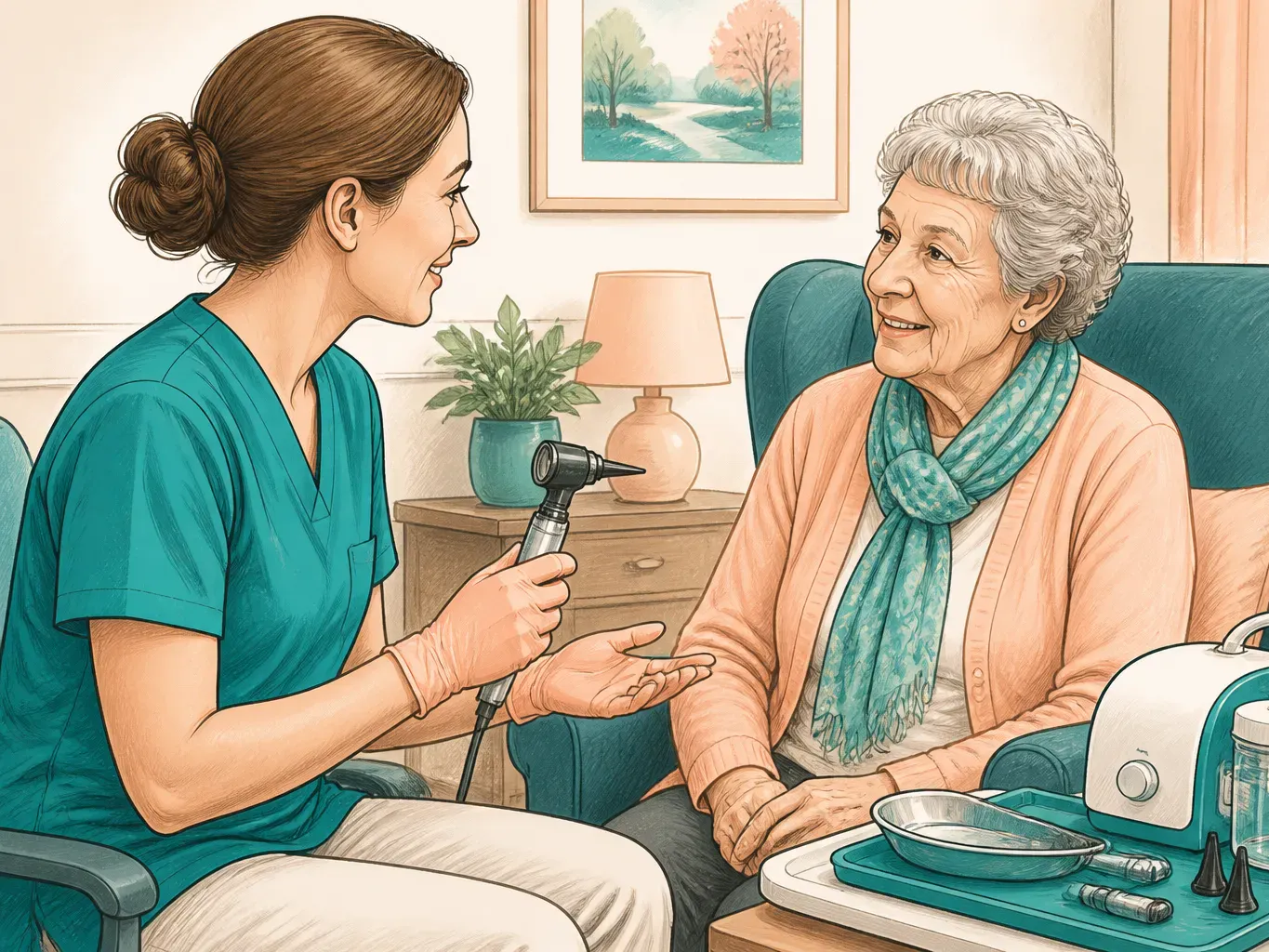
At Pro Ear Clinic, we always examine the ear first using otoscopy before carrying out any wax removal.
See Your GP If:
- You have ear pain
- There is discharge from the ear
- The ear feels hot, swollen, or itchy
- You feel generally unwell
- Symptoms worsen rapidly
- The ear is tender to touch
Wax removal is not appropriate during active infection.
What Happens If You Get It Wrong?
Attempting wax removal during an infection can:
- Increase pain
- Delay healing
- Spread infection
- Damage sensitive ear canal skin
Likewise, treating wax as an infection can mean:
- Weeks of unnecessary drops
- Persistent blocked hearing
- Frustration and repeat appointments
Correct diagnosis saves time, discomfort, and money.
How Pro Ear Clinic Approaches This Safely
Every appointment includes:
- Full ear examination
- Clear explanation of findings
- Decision on whether wax removal is appropriate
- Referral advice if infection is suspected
We will never remove wax if it is unsafe to do so.
Summary: Blocked Ear or Infection?
Symptom | Blocked Ear (Wax) | Ear Infection |
Pain | Rare | Common |
Discharge | No | Yes |
Hearing loss | Sudden, muffled | Fluctuating |
Pressure | Common | Sometimes |
Treatment | Microsuction | Medical |
Self-treatment risk | Moderate | High |
Book your Appointment
Your Ears. Our Care.
Wherever You Are in Bristol.
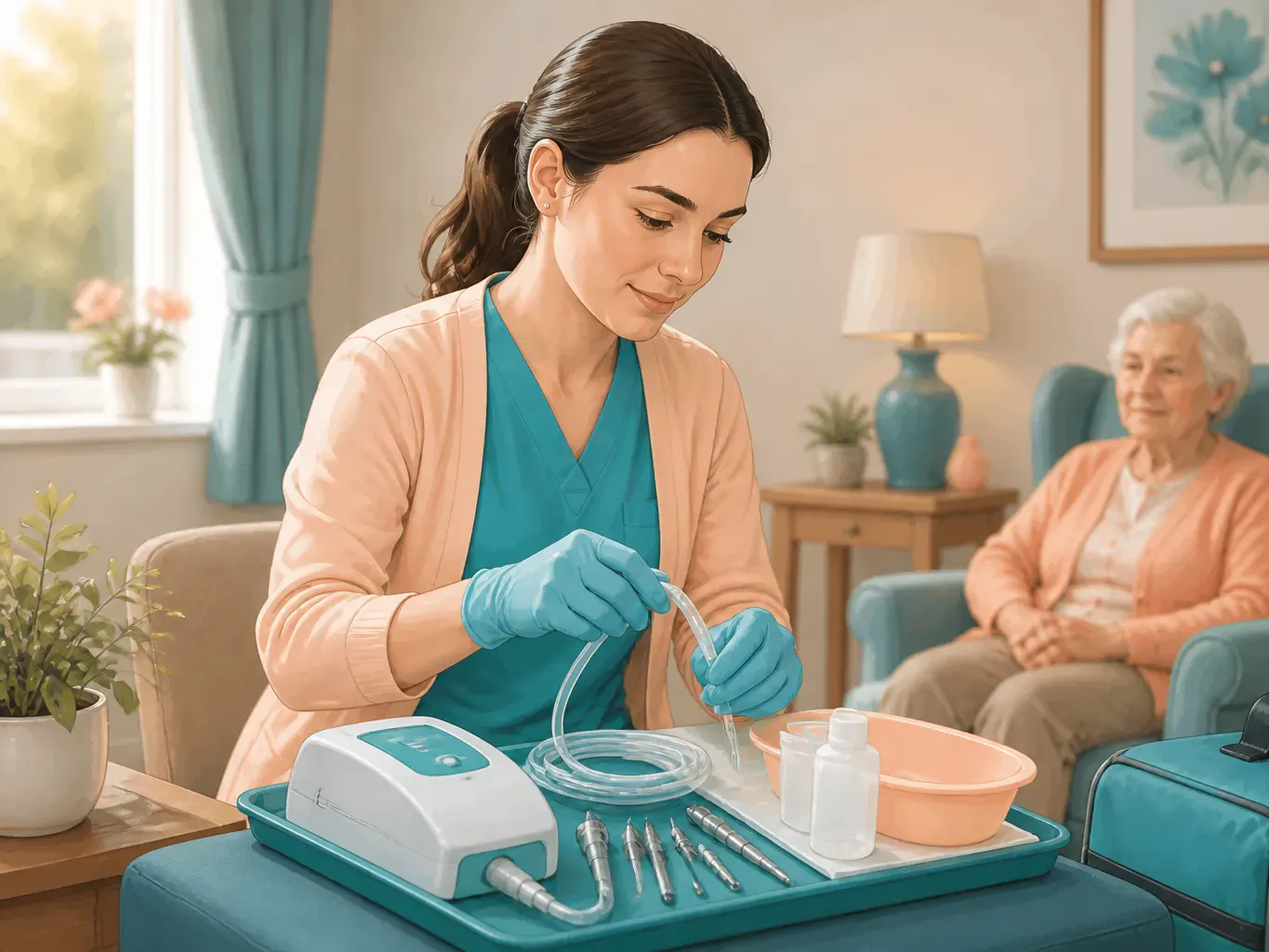
We provide professional ear wax removal in the comfort of your own home across the Bristol area.
Appointments are limited, secure your spot online today.
Need care home visits or something else? Visit our services page for more options.