Earwax removal has changed significantly over the past decade. While many people still remember having their ears “flushed out” at their GP, water-based syringing is now rarely used in medical settings due to safety concerns and the increased risk of complications. In contrast, microsuction has become the preferred method recommended by audiologists, ENT specialists, and private clinics across the UK—including at Pro Ear Clinic in Bristol.
If you’re unsure which method is best for you, this detailed comparison will explain exactly how each treatment works, the benefits and risks involved, and when irrigation may still be useful.
For a step-by-step breakdown of the microsuction process, you can also read our full guide, How Microsuction Works (internal link).
Understanding Each Method
What Is Ear Syringing?
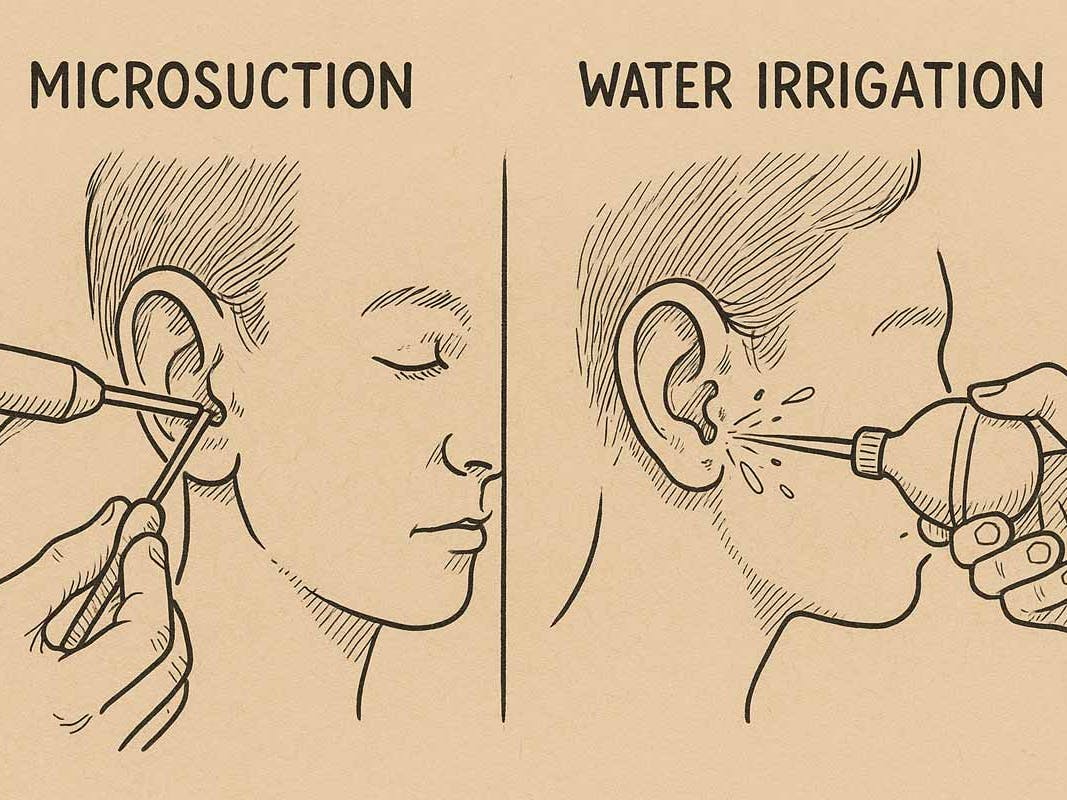
Ear syringing (also known as water syringing) is an older technique that uses a pressurised jet of warm water to flush earwax out of the ear canal. It was commonly used in GP surgeries for many years, and some patients still request it because they are familiar with the method or have used it in the past.
However, syringing is no longer recommended by many healthcare providers due to:
- Higher complication rates
- Unpredictable water pressure
- Post-treatment infections
- Safety concerns for perforated or weakened eardrums
Most NHS practices have discontinued routine syringing and direct patients to private clinics offering microsuction.
What Is Microsuction?
Microsuction is a modern, highly controlled procedure that removes earwax using a small, gentle vacuum device. The clinician views the inside of the ear through a microscope or video otoscope, allowing for precise, safe removal without the use of water.
It is considered the safest and most effective method of earwax removal available today, especially for patients with sensitive ears, perforations, or a history of complications with water-based methods.
For an in-depth explanation, visit How Microsuction Works (internal link).
Detailed Comparison: Microsuction vs Ear Syringing
1. Safety
Microsuction
- No water introduced into the ear
- Low risk of infection
- Safe for patients with perforations, grommets, or chronic ear conditions
- Continuous visibility means the clinician has complete control
Ear Syringing
- Water can become trapped and lead to infection
- Pressure may cause discomfort or dizziness
- Unsafe for perforations or damaged eardrums
- Higher risk of pushing wax deeper
Winner: Microsuction, due to minimal risk and suitability for more patients.
2. Effectiveness
Microsuction can remove all types of wax, including:
- Hard, dry, or impacted wax
- Wax lodged deep within the ear canal
- Wax surrounding hearing aid domes
- Wax that has been pushed in by cotton buds
Ear Syringing is effective mostly for soft wax only.
If the wax is too dry, impacted, or stuck to the canal wall, syringing often fails. Many patients who undergo syringing end up requiring microsuction afterwards.
Winner: Microsuction, because it works reliably for a wider range of wax consistencies and canal shapes.
3. Comfort Level
Patients frequently describe microsuction as:
- Quick
- Gentle
- Surprisingly comfortable
The suction sound can feel unusual, but discomfort is minimal.
Syringing may cause:
- Pressure
- Temporary dizziness
- Unpredictable spurts of water
- Sensitivity for several days
For anxious patients or those sensitive to noise or pressure, microsuction is typically the preferred option.
4. Visibility and Precision
Microsuction:
The clinician can see the ear canal clearly at every stage. This means wax can be removed accurately without touching the canal or eardrum unnecessarily.
Ear Syringing:
The clinician cannot see inside the ear during the flushing process. The water may wash the wax out—or push it further in.
Winner: Microsuction, because visibility equals precision and safety.
5. Risk of Complications
Common complications seen with syringing include:
- Ear infections
- Canal irritation or swelling
- Perforated eardrum
- Water trapped behind wax
- Significant dizziness
- Incomplete wax removal
These risks are the main reason the NHS now advises against routine syringing.
With microsuction, complications are rare, and typically limited to:
- Temporary sensitivity
- Mild dizziness (short-lived)
- Slight tickling sensation
Winner: Microsuction, with a much lower complication rate.
6. Suitability for Different Patients
Microsuction is suitable for almost everyone, including patients with:
- Perforated eardrums
- History of ear infections
- Narrow or curved ear canals
- Hearing aids
- Tinnitus
- Impacted or deep wax
Ear Syringing is NOT suitable for:
- Perforations
- Ear infections
- Grommets
- Recurring ear problems
- Patients who have reacted badly before
Winner: Microsuction, with greater suitability across patient types.
Risks of Ear Syringing
Although syringing can work for some patients, the risks mean it is no longer considered best practice. The risks include:
Introducing water into the ear increases the likelihood of bacterial growth. Moisture can become trapped behind wax or within the ear canal, leading to infections such as otitis externa.
High-pressure water can perforate the eardrum, especially in patients with pre-existing vulnerabilities.
The water jet can irritate or damage the skin of the ear canal, leading to discomfort or inflammation.
If the wax is too dry or impacted, syringing often doesn’t work. Patients may experience temporary worsening of symptoms until microsuction is performed.
Benefits of Microsuction
Why experts recommend microsuction as the safest choice for your ear health.
Microsuction is performed under direct vision, reducing the risk of accidental injury.
Microsuction keeps your ear canal clean and dry.
Most appointments take 20–30 minutes, with instant improvement in hearing and comfort.
Your clinician can clearly see inside the ear canal at all times, allowing accurate wax removal.
Most patients feel very little sensation other than sound and light suction.
No water = lower infection risk and suitable for patients with perforations or previous ear problems.
When Irrigation (Syringing) Is Still Useful
Although syringing is no longer the primary method, there are rare situations where gentle irrigation may still be considered appropriate.
It may be suitable when:
- Wax is soft and sitting near the outer portion of the canal
- The patient has no history of perforations
- No infections or ongoing ear conditions are present
- Microsuction is not tolerated (very rare)
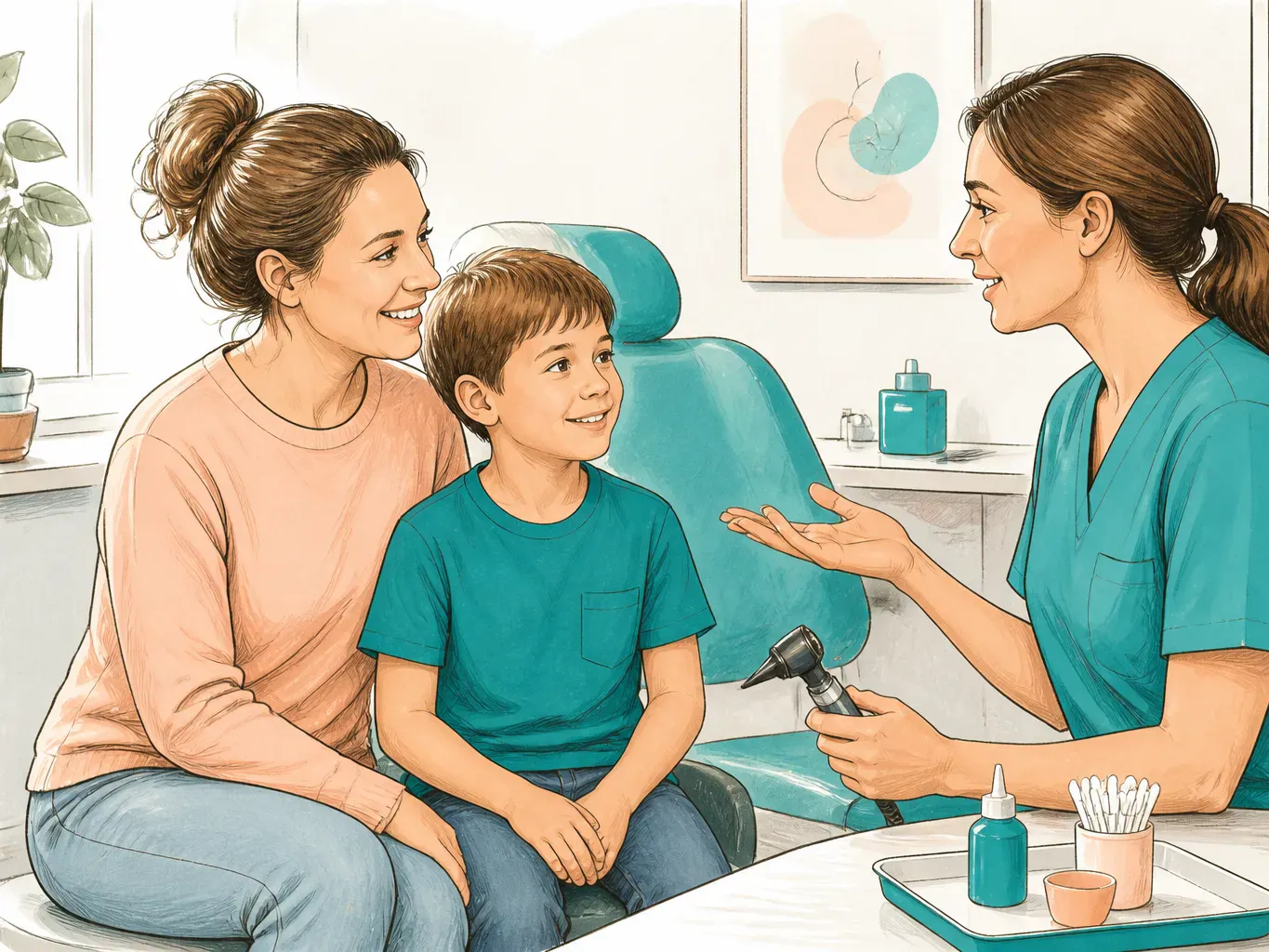
At Pro Ear Clinic, irrigation is used cautiously and only when clinically appropriate. We always assess the ear beforehand with video otoscopy to ensure it is safe.
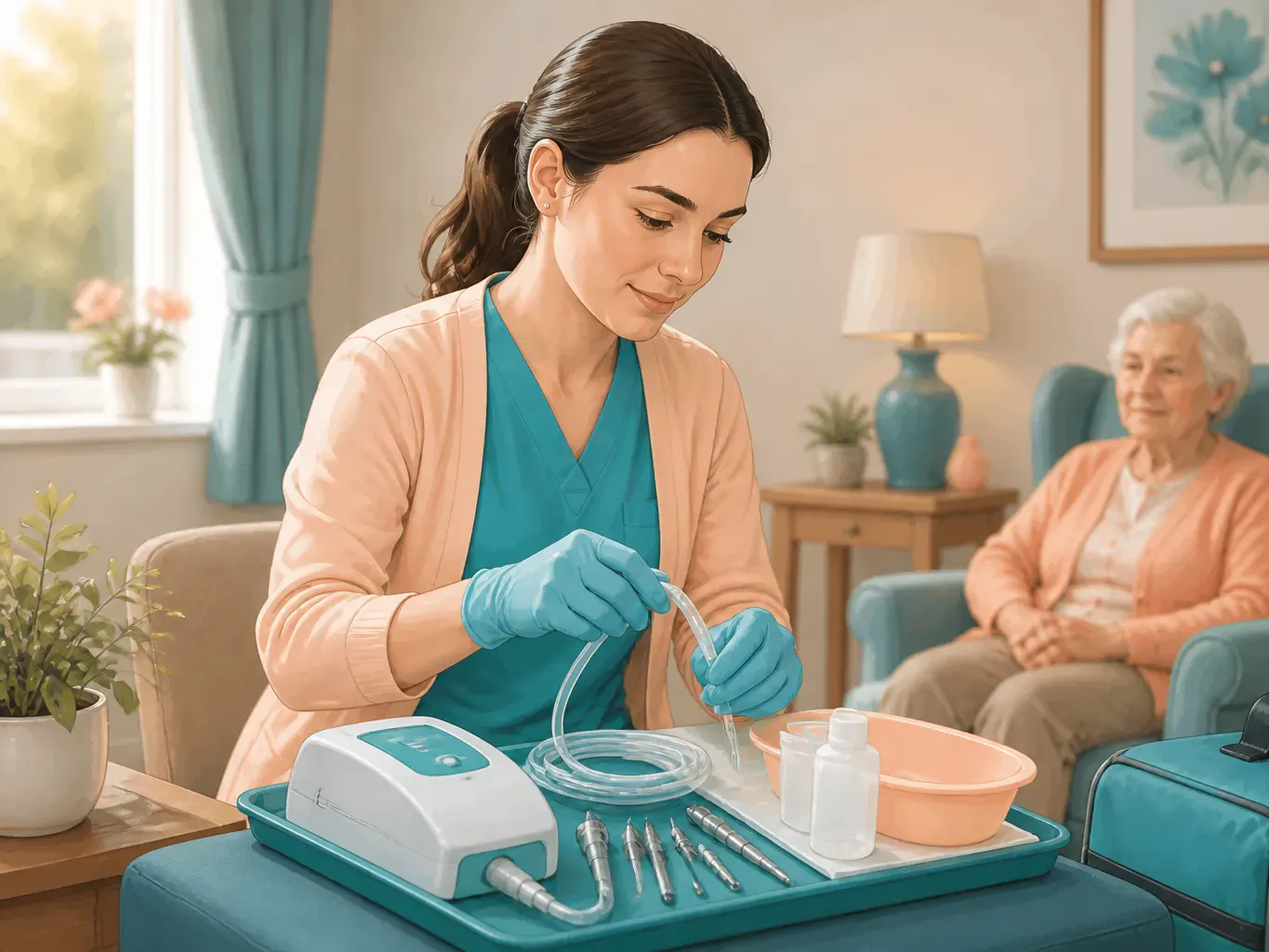
For patients unable to travel, a good option is our Home Visit Earwax Removal service (internal link), where we bring all required equipment directly to your home.
Clinician Recommendations: Which Method Should You Choose?
Most clinicians in the UK now recommend microsuction as the first-choice earwax removal method. It is safer, more comfortable, more predictable, and suitable for a broader range of patients.
Clinicians typically recommend microsuction when:
- You have had complications with syringing
- You have a perforated eardrum
- Your ears are infected or inflamed
- Wax is hard, dry, or impacted
- You wear hearing aids
- You want a fast, clean, and reliable procedure
Syringing is generally discouraged unless the conditions are ideal and the clinician has confirmed it is safe.
If you are wondering whether microsuction is always right, you may also find our guide helpful: When Is Microsuction Not Suitable? (internal link).
Book your Appointment
Your Ears. Our Care.
Wherever You Are in Bristol.
We provide professional ear wax removal in the comfort of your own home across the Bristol area.
Appointments are limited, secure your spot online today.
Need care home visits or something else? Visit our services page for more options.