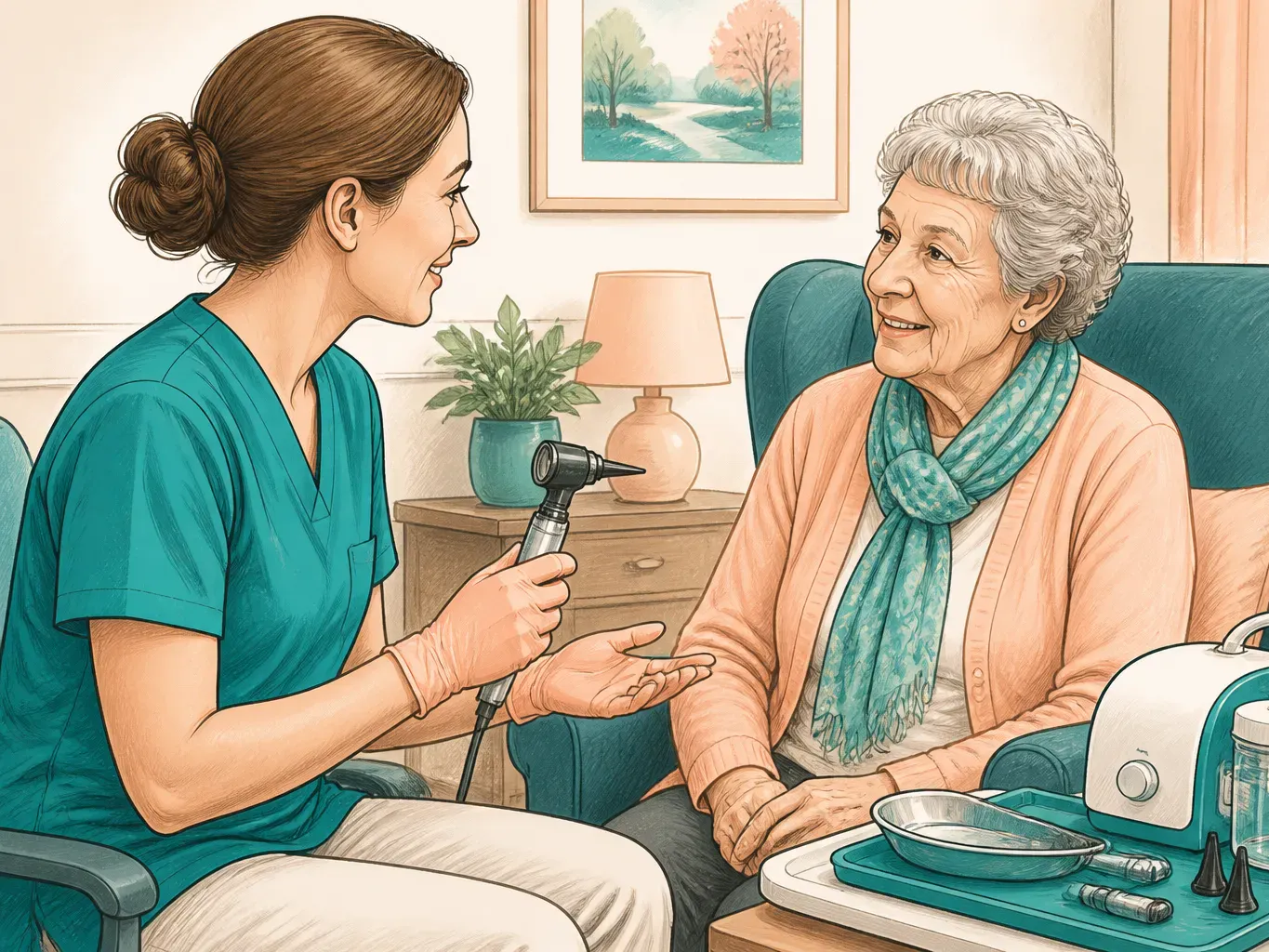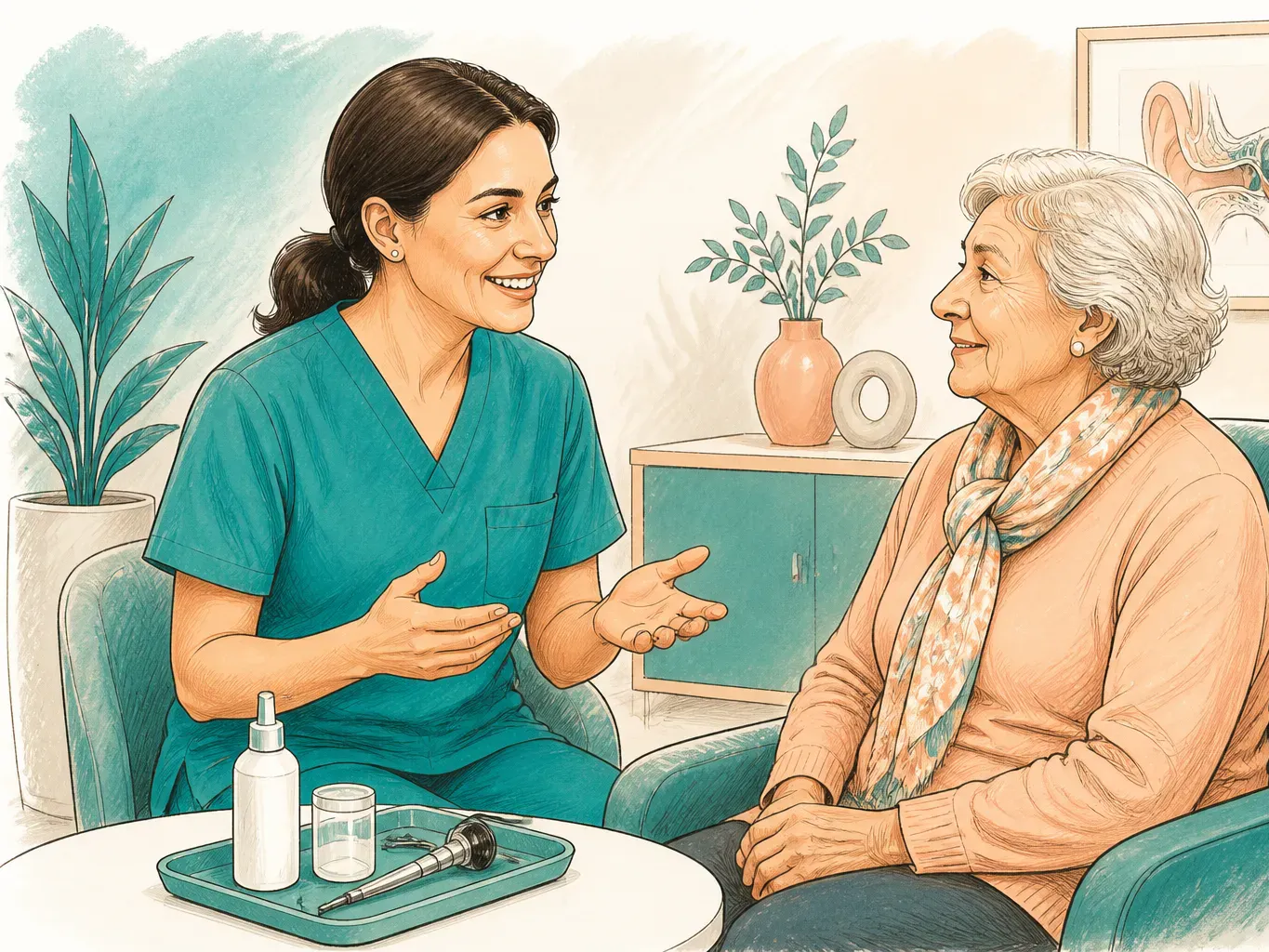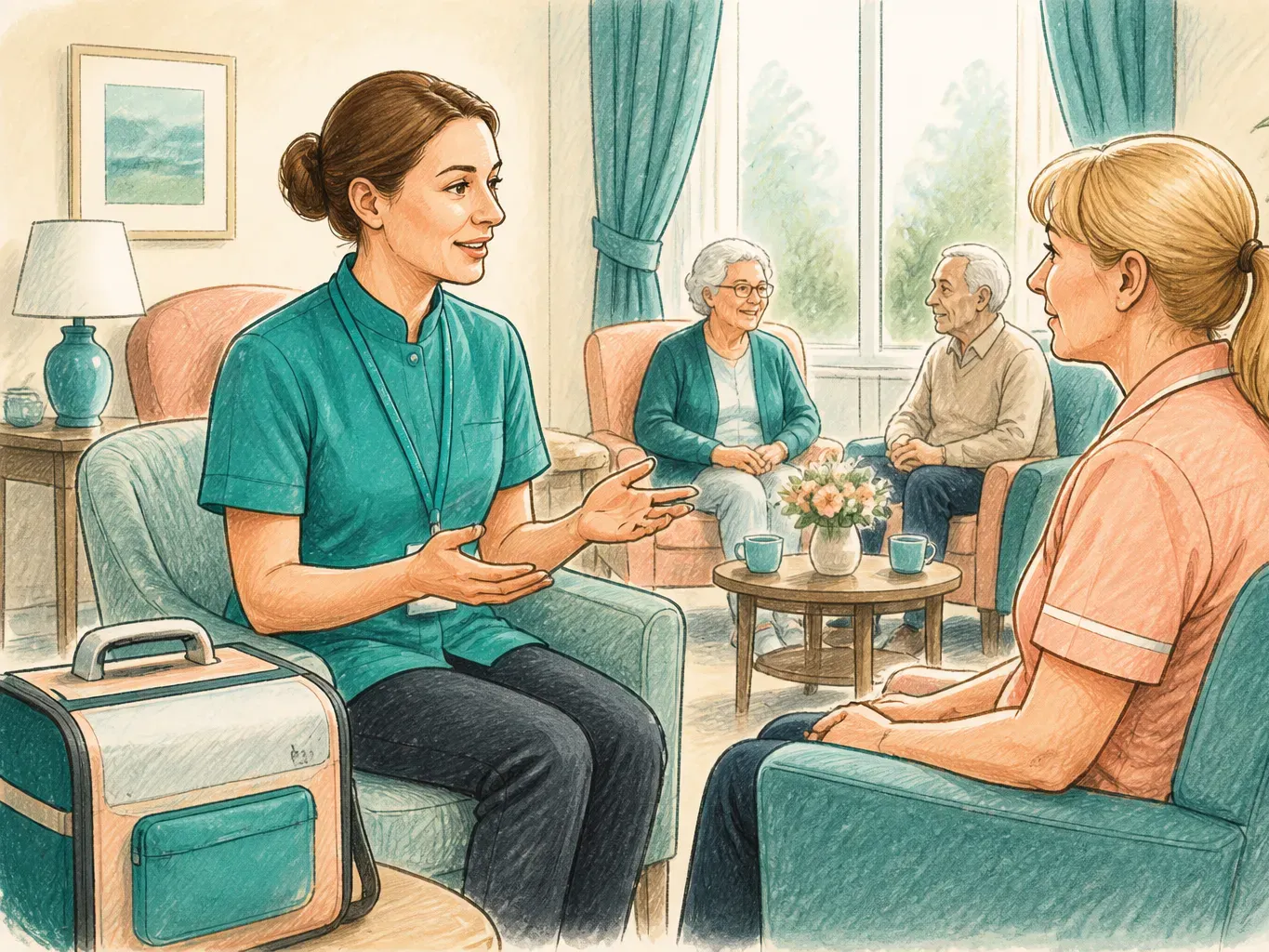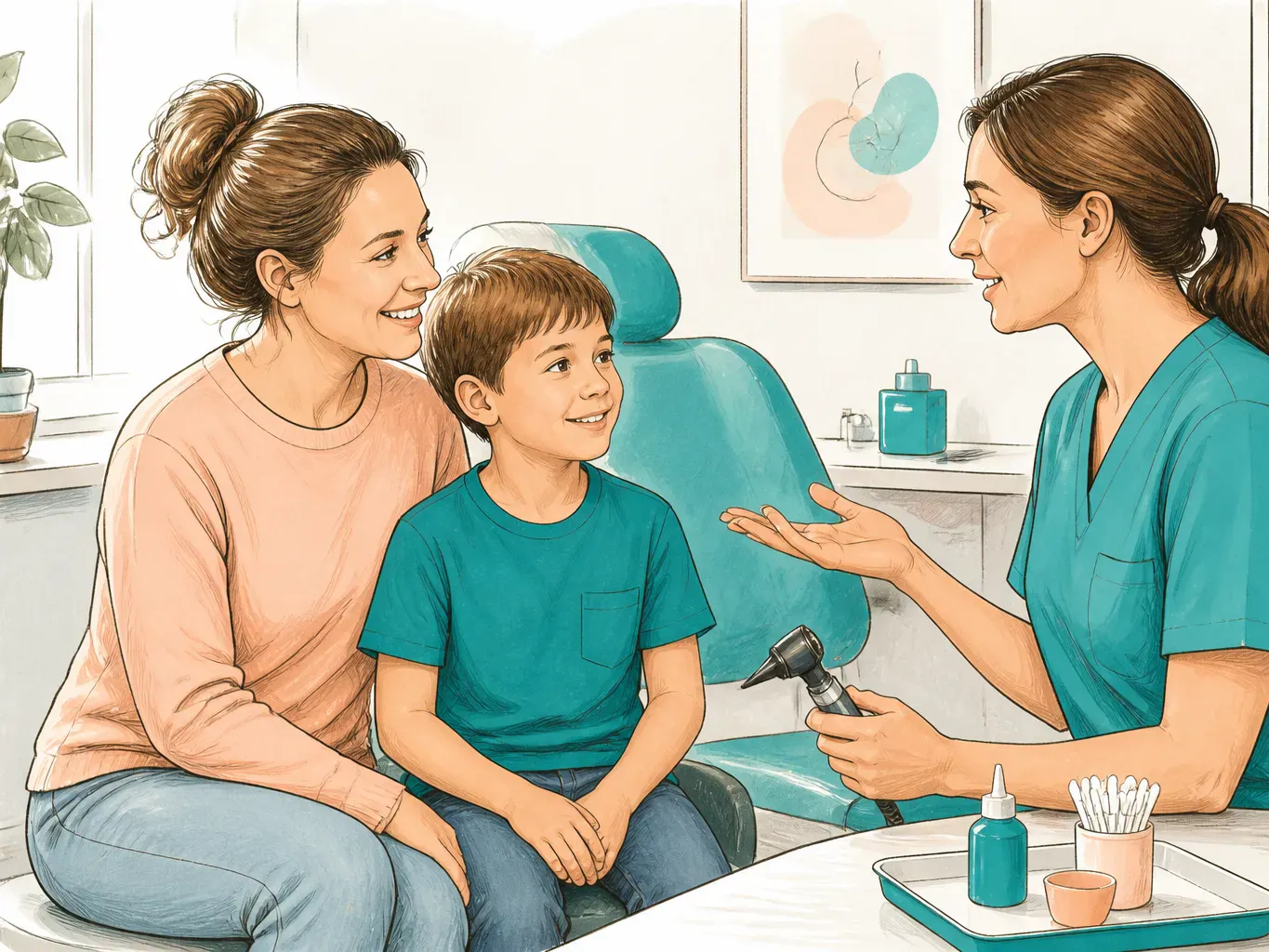
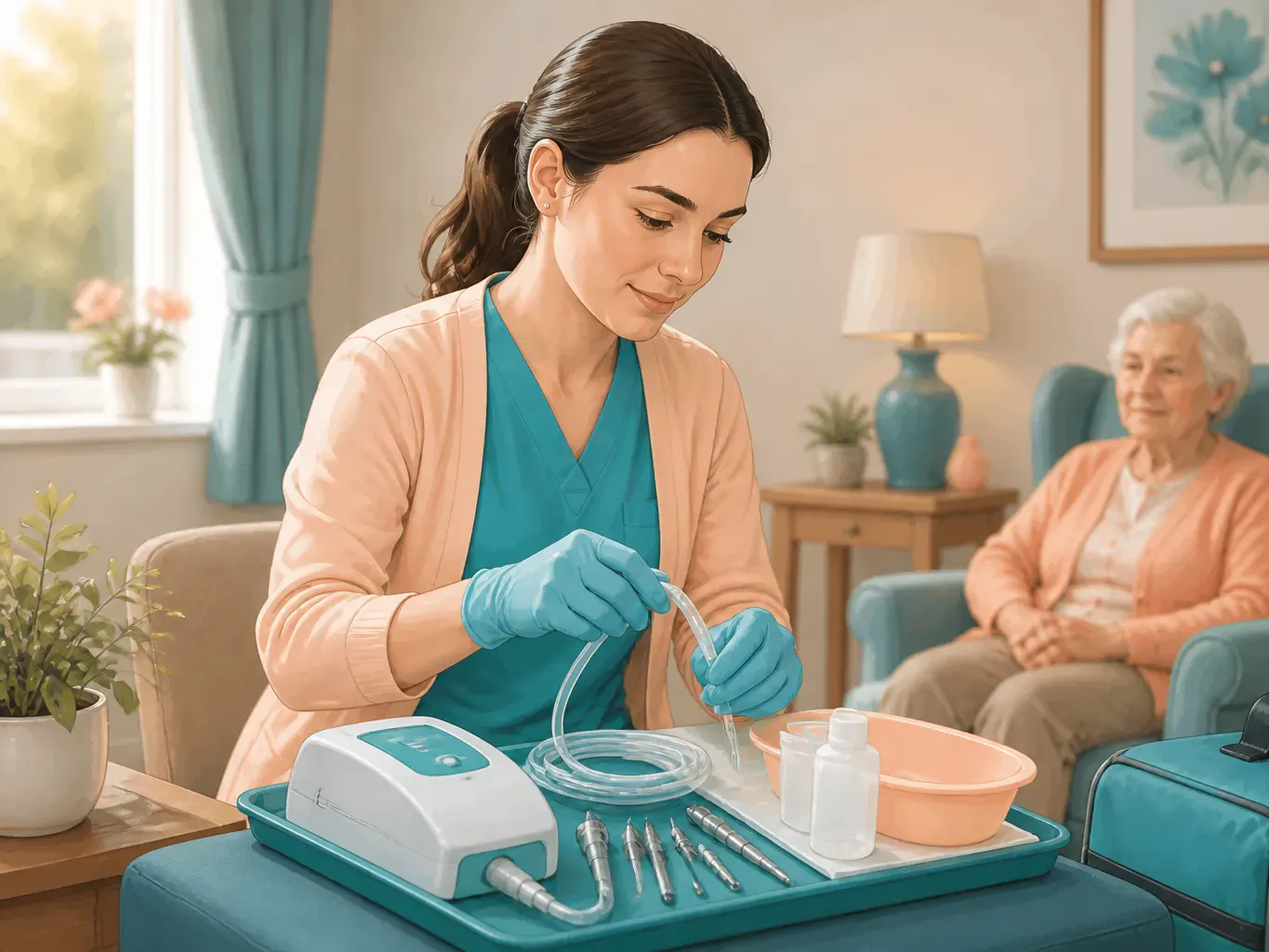
If a resident in a care home is struggling with blocked ears, a clinician can often visit on site, assess the ear canals, and remove wax safely without the stress of travelling. For many older adults, this is a practical and reassuring way to improve comfort and hearing, especially when mobility, frailty, dementia, or hearing aid issues make a clinic visit difficult.
The exact approach depends on the person’s ear health, symptoms, consent, and whether a gentle method such as microsuction is suitable. A proper assessment always comes first, because not every ear is safe to treat in the same way.
Quick answer, what care home ear wax removal involves
Care home ear wax removal usually means a trained clinician attends the care home, checks the ears, and removes impacted wax on site if it is safe to do so. It is especially helpful for residents who cannot easily travel, who feel anxious about clinic appointments, or who have hearing aid problems, discomfort, or reduced hearing caused by wax.
The visit is typically calm and efficient, but it still follows a careful clinical process. The clinician will assess each ear first, confirm consent, and then decide whether microsuction or another suitable method is appropriate for the person and their ear condition.
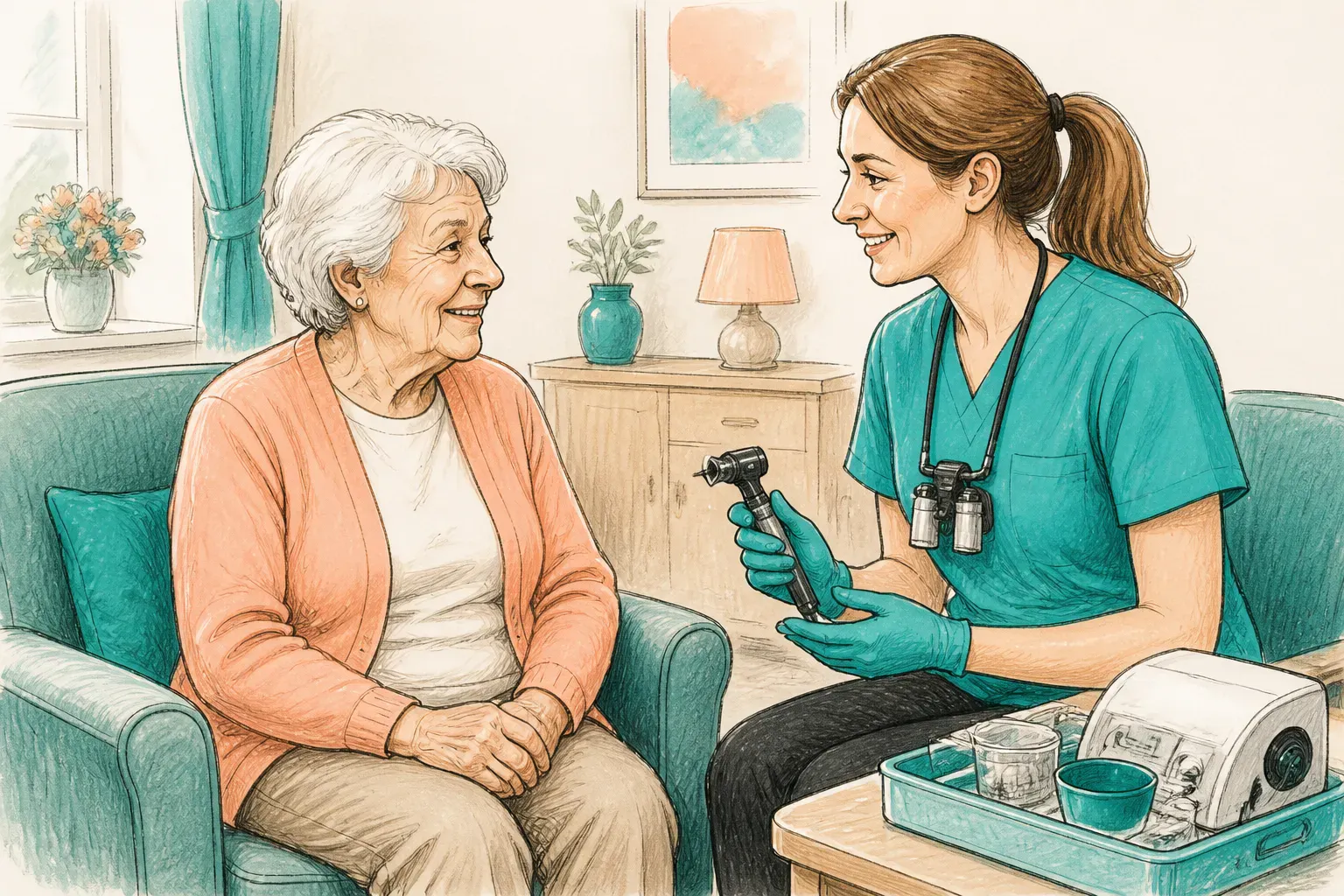
Who this service is for and when it may be needed
Blocked earwax is common, and it can affect everyday life in surprisingly disruptive ways. People often notice muffled hearing, a blocked or full feeling in the ears, itchiness, ringing or buzzing sounds, reduced clarity on the telephone, or feedback from hearing aids. Some residents may not describe the problem clearly, but staff or family might notice that they are asking for repetition, turning the television up, or seeming more withdrawn than usual.
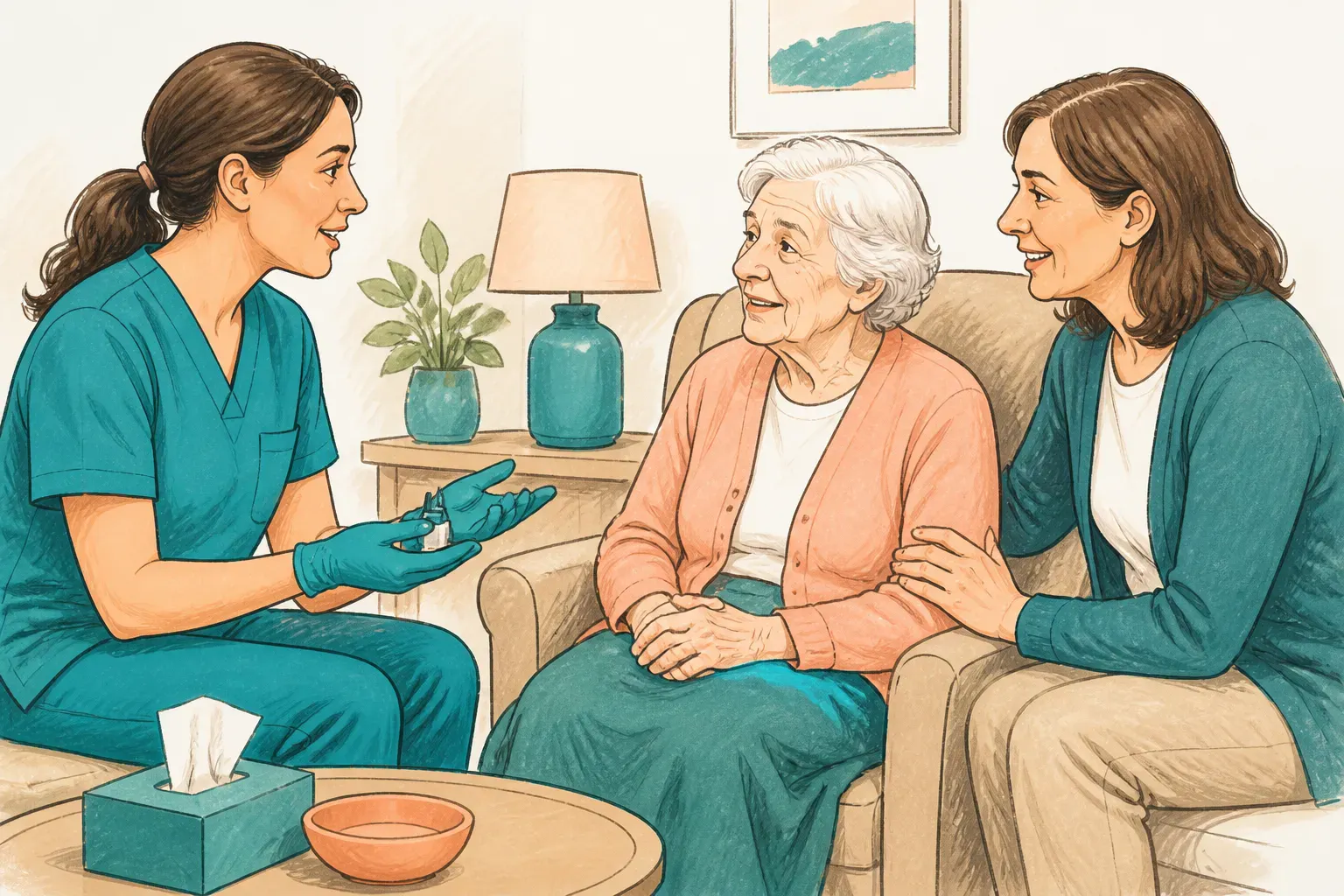
For care home residents, the need for an on-site service is often practical as much as clinical. Travelling to a clinic can be tiring, distressing, or simply difficult. A resident may use a wheelchair, need assistance transferring, tire quickly, or feel unsettled in unfamiliar surroundings. Some people living with dementia or cognitive impairment cope better in a familiar room with familiar staff nearby. In these cases, searching for home visit ear wax removal can be a sensible first step.
There are also cases where wax removal becomes important because it affects other care. Hearing aids may whistle or perform poorly when wax blocks the canal. Communication can become harder for residents with already reduced hearing, which can influence participation in activities, responsiveness to carers, and confidence in conversations. If the ear is painful, if wax is interfering with hearing, or if there is concern about a sudden change, an ear health assessment is the right starting point.
It is important to remember that blocked wax is not always the only cause of symptoms. Ear infection, perforation, skin conditions, foreign bodies, and other causes of hearing change can look similar at first glance. That is why a proper assessment matters before any treatment is attempted.
External guidance from sources such as the NHS earwax blockage advice and RNID advice on earwax and hearing can help families and care staff understand common symptoms and when to seek professional support.
How an on-site visit is arranged and what the care home needs to provide
Booking a care home ear wax removal visit is usually straightforward, but the provider should still gather enough information in advance to make the appointment safe and efficient. That often includes the resident’s name, relevant medical history, known ear problems, hearing aid use, communication needs, mobility concerns, and confirmation that the resident or their legal representative can give informed consent.
If the person lacks capacity to consent, the clinician and care team should follow the correct best interest process and local policy. A safe provider will not treat someone simply because wax is suspected. They should check whether the resident understands what is happening, whether they agree to the procedure, and whether there are any reasons to postpone or adapt the visit.
The care home can help by preparing a quiet, well lit room with enough space for equipment and for the clinician to move safely. A comfortable chair is important, and some residents may prefer their own chair or a familiar setting. It also helps if staff are available to support communication, reassure the resident, and share any relevant information such as recent ear pain, dizziness, ear drops, ear infections, or a history of ear surgery.
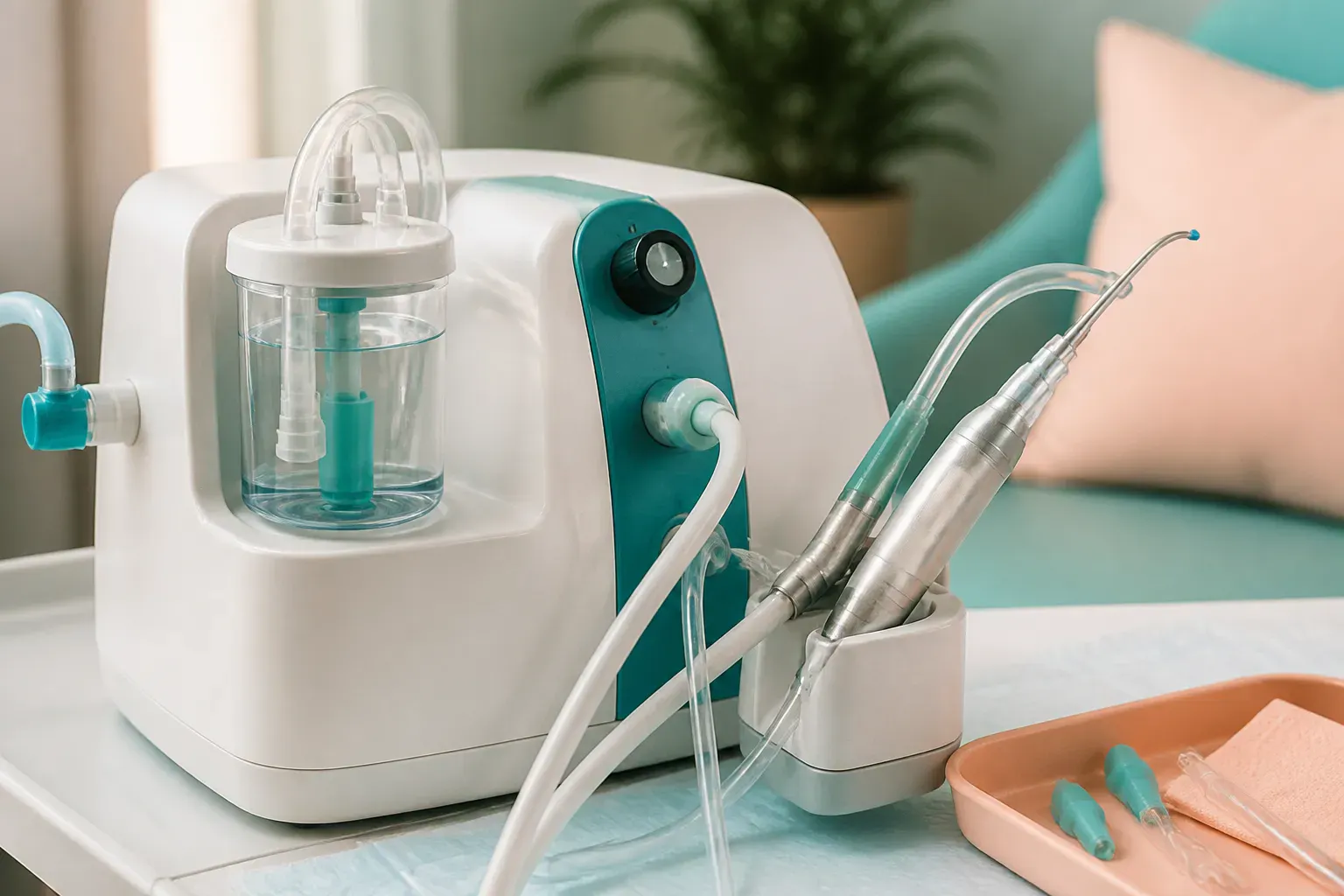
A simple booking checklist may include:
- The resident’s preferred name and communication needs
- Consent arrangements and contact details for a family member or decision maker if relevant
- Any hearing aid use, including whether the aids should be removed before the appointment
- Symptoms such as discomfort, reduced hearing, tinnitus, or discharge
- Recent illness, falls, balance issues, or ear infections
- Practical details about access, parking, and the best time of day for the resident
Staff support can make a noticeable difference. A reassuring face, slow explanation, and a familiar routine often help residents stay calm. If the resident is hearing impaired, staff should face them when speaking, keep sentences short, and avoid rushing the appointment. These small adjustments improve cooperation and can reduce anxiety before treatment begins.
What happens during the assessment
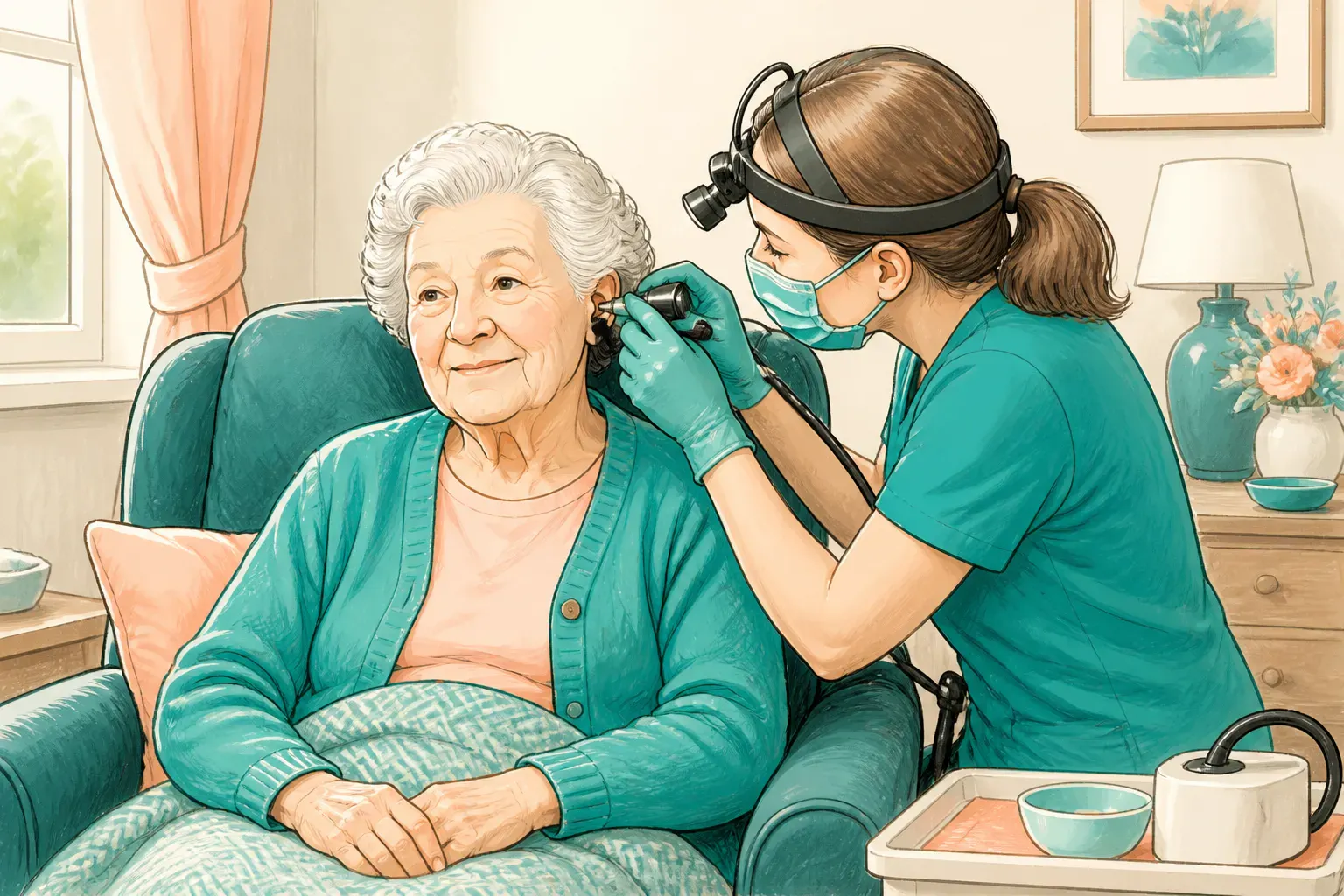
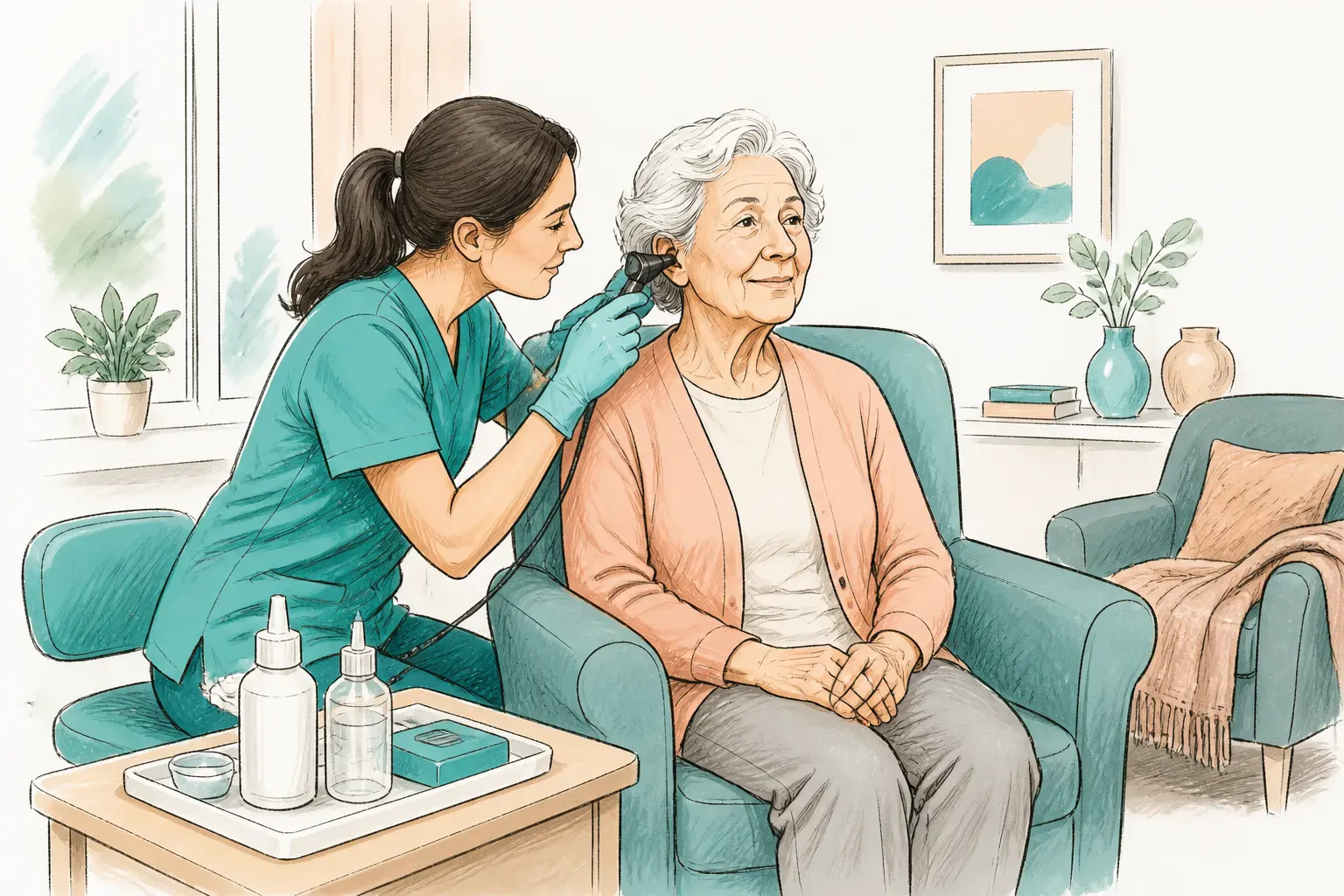
Every safe ear wax removal appointment should begin with assessment, not treatment. The clinician will inspect the ears, usually with an otoscope or another viewing device, to see how much wax is present and whether the ear canal and eardrum appear suitable for intervention.
The clinician may also ask questions about:
- When the symptoms started
- Whether hearing has changed suddenly or gradually
- Any ear pain, discharge, bleeding, or itchiness
- Previous ear infections or ear surgery
- Dizziness, balance issues, or nausea
- Hearing aid use and whether feedback has become more frequent
- Any past problems with ear wax removal
This part of the appointment is not just administrative. It helps the clinician decide whether wax is really the cause of the problem, which method is safest, and whether the resident needs onward referral instead of immediate treatment.
If the assessment shows that treatment is appropriate, the clinician can explain what will happen and proceed with the most suitable method. If the ear canal looks inflamed, there is suspected infection, the wax is too hard to remove safely on site, or the eardrum cannot be viewed clearly enough, the clinician may decide not to continue. That is a sign of good practice, not a failed appointment. The resident should be told clearly why treatment is being delayed and what the next step should be.
The British Society of Audiology guidance on earwax management is useful background reading for anyone who wants to understand why careful assessment and method selection matter.
Treatment options in a care home setting
In a care home, the most suitable removal method is usually the one that is safe, controlled, and practical in a non clinic environment. For many residents, microsuction is the preferred option because it does not rely on water and allows the clinician to see what they are doing throughout the procedure.
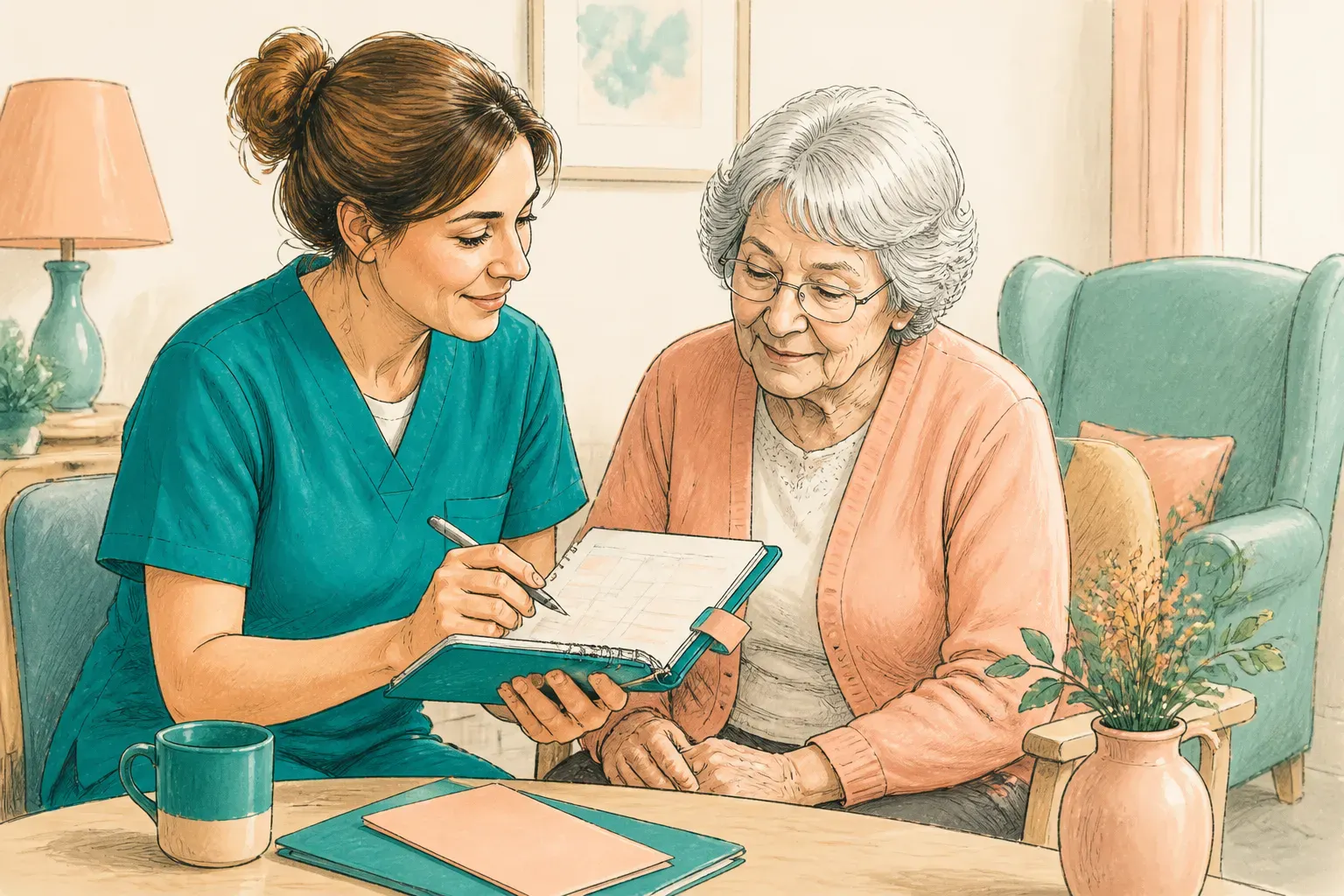
Microsuction uses a small suction device and magnified viewing to remove wax in a precise way. It can be especially helpful when wax is hard, when the ear canal is narrow, or when the person cannot tolerate irrigation. It is also often the most convenient approach for visits outside a clinic because it requires portable equipment and causes less mess.
Other methods may sometimes be considered, but only if they are appropriate to the individual and the ear condition. A careful provider should choose the technique based on safety, not convenience alone.
Method | How it works | Suitability for care home use | Equipment needs | Common considerations |
|---|---|---|---|---|
Microsuction | Uses gentle suction under direct view to remove wax | Often very suitable | Portable suction unit, magnification, lighting, disposable tips | Can be noisy, may feel unusual, requires clear visibility |
Irrigation | Uses controlled water to flush wax out | Sometimes less suitable on site | Water delivery system, drainage, appropriate infection control setup | Not ideal for some ear conditions, more environmental setup needed |
Manual instrumentation | Uses small instruments to lift or extract wax | Suitable in selected cases | Good lighting, magnification, steady positioning | Requires skill, still depends on ear canal shape and visibility |
Softening drops only | Helps wax loosen over time | Supportive rather than definitive treatment | None at the appointment itself | May be used before treatment if clinically appropriate |
In many care home settings, microsuction is often the most practical option because it is tidy, precise, and does not involve introducing fluid into the ear. That said, the best method still depends on the person. The clinician should not force a one size fits all process.
If you would like to understand this method in more depth, see microsuction ear wax removal.
What the procedure feels like
Many residents worry that ear wax removal will be painful, but a well conducted procedure should be more uncomfortable in theory than in practice. During microsuction, people may hear a suction sound, notice slight pulling sensations, or feel movement in the ear canal. Some describe a tickling feeling, while others feel pressure as the wax is removed.
The appointment is often quite short, although the time needed depends on how much wax is present, whether both ears need treatment, and how comfortable the resident feels. One ear can sometimes take only a few minutes, but a more complex visit may be longer because the clinician pauses frequently, reassesses the canal, and makes sure the resident is coping.
A gentle clinician should keep checking in, explain what they are doing, and stop if the resident appears distressed. This is especially important in care homes, where a resident may be hearing impaired, anxious, or unsure about a new person working close to their face. A stop and check approach is not a sign of delay, it is a sign of care.
Some residents notice an immediate improvement in hearing once the wax is removed. Others feel as though sounds are suddenly louder or sharper for a short time, because their hearing has been muffled for a while. That change can be welcome, but it may also feel unusual at first.
For anxious patients, calm pacing matters. Clear explanations, gentle positioning, and the option to pause can make the whole experience much easier. This is one reason ProEarClinic takes a patient friendly approach to ear care. Older adults, especially those with frailty or communication challenges, often do best when the process feels respectful, unhurried, and predictable.
Aftercare, follow-up, and when to seek help
After wax removal, many people notice better hearing, less pressure, and improved comfort quite quickly. Some mild temporary sensitivity can happen, especially if the ear canal was very blocked or if the clinician had to work around dry skin or narrow anatomy. A slight awareness of the ear may settle within a short time.
The resident and care team should be told what is normal and what is not. Aftercare advice usually includes keeping the ear dry if recommended, avoiding poking the ear with cotton buds, and monitoring for any worsening symptoms.
Seek medical advice if there is:
- Ongoing or increasing ear pain
- Bleeding or discharge from the ear
- Dizziness, vertigo, or loss of balance
- Sudden hearing loss or a marked change after the appointment
- Fever, swelling, or signs of infection
- A feeling that the ear remains blocked despite treatment
If hearing aids are used, they may need checking after wax removal to make sure they are clean and working properly. Sometimes a resident had been turning the aids up because of wax, and the settings may now need review. Staff or family should be aware that once hearing improves, the person may respond differently to environmental sounds and conversation.
Wax can come back, especially in older adults or in those who wear hearing aids. Good ear health habits help reduce repeat problems, although no method can prevent wax entirely. Avoid inserting cotton buds, hairpins, or other objects into the ear. If symptoms return, a follow up assessment can confirm whether wax is building up again or whether another cause is involved.
If you are unsure about symptoms after a visit, a fresh ear health assessment can be helpful, particularly if the resident has ongoing hearing changes, discomfort, or repeated blockage.
Cost, convenience, and when a home visit may be better than a clinic appointment
For many care homes, the main advantage of an on-site visit is convenience. There is no need to organise transport, escort the resident, or manage the stress of an unfamiliar clinic environment. That can save time for families and staff, and it can make the appointment more acceptable for residents who are anxious, frail, or reluctant to travel.
A care home visit may be especially helpful when:
- The resident has mobility limitations or uses a wheelchair
- Travelling would be tiring or distressing
- A familiar environment helps with reassurance and cooperation
- Hearing aid problems are affecting communication in the home
- Several residents need ear assessments, allowing care planning to be coordinated
Price and availability can vary depending on location, appointment length, how many ears need treatment, the complexity of the wax, and whether the provider offers single visits or scheduled care home sessions. It is sensible to ask what is included before booking, rather than assuming every service is the same.
Factor | Care home visit | Clinic appointment |
|---|---|---|
Travel | No travel for the resident | Resident must travel or be transported |
Comfort | Familiar surroundings, often calmer | New environment, may feel more clinical |
Setup | Requires a suitable room and coordination | Purpose built equipment already in place |
Time for staff | Staff help with preparation and communication | Staff may need to arrange transport and escort |
Best for | Frail residents, anxious patients, mobility issues | Residents who can travel easily and prefer clinic care |
A clinic visit can still be a better choice if the resident needs a more complex assessment, if the ears are difficult to examine safely on site, or if the clinician decides that a different environment is needed. The key question is not which option sounds more convenient in theory, but which is safest and most suitable for the person.
Choosing a safe provider and preparing useful questions
When selecting a provider for care home ear wax removal near me, safety should come before speed. Look for a clinician or service that explains its process clearly, uses evidence based techniques, and is prepared to stop if treatment is not suitable. Training, infection control, consent, and proper documentation all matter.
Useful questions to ask include:
- What assessment happens before treatment?
- Which method do you use, and why is it suitable for this resident?
- How do you handle consent and capacity concerns?
- What happens if the wax cannot be removed on site?
- What aftercare instructions do you give to staff and family?
- How do you manage residents who are anxious, frail, or hard of hearing?
It is also sensible to ask whether the provider can recognise when an ear needs referral rather than treatment. A safe ear care service should be comfortable saying no if the ear is not suitable for removal on the day.
From my perspective, the most important part of ear care for older adults is not just removing wax, but doing so in a way that protects dignity and confidence. Many residents feel vulnerable when something is happening so close to their face and ears. Gentle communication, patience, and clear consent are just as important as technical skill.
If you want to explore ProEarClinic’s approach further, you can read more through the contact ProEarClinic page or browse the ProEarClinic blog for more educational guidance, including practical information on ear health and microsuction.
FAQ
Can ear wax be removed safely in a care home?
Yes, in many cases it can. A clinician can assess the ears and remove wax on site if the resident is suitable, the environment is appropriate, and the provider uses a safe, evidence based method. If the ear looks inflamed, painful, or medically unsuitable, treatment should be postponed or referred.
What equipment is needed for a care home ear wax removal visit?
The exact setup depends on the method used, but a typical visit needs portable clinical equipment, good lighting, a comfortable chair, and enough space for the clinician to work safely. For microsuction, a suction unit and magnified viewing are usually required.
How long does ear wax removal take in a care home?
It varies. A straightforward visit may be quick, especially if wax is easy to remove, while a more complex appointment can take longer because the clinician may need to assess both ears carefully, pause for reassurance, or stop if treatment is not suitable.
Is microsuction suitable for older adults in care homes?
Often yes, because it is controlled, precise, and does not involve water. It is commonly used for older adults, including those who use hearing aids or have mobility issues. Suitability still depends on the ear assessment and the person’s overall condition.
What should a care home resident do before an ear wax appointment?
The resident should be prepared for a brief ear assessment, and staff should have any relevant history ready. If advised by the clinician, softening drops may be used beforehand, but this should only be done when appropriate for that individual.
When should ear wax removal not be attempted on site?
It should not be attempted if the ear appears infected, painful, bleeding, or otherwise unsafe to treat, or if the resident does not consent. It should also be avoided when the clinician cannot see the ear adequately or believes a different setting is needed.
Recommended reads
If you would like to learn more about ear care and hearing support, these resources are a useful next step:
- NHS earwax blockage advice
- British Society of Audiology guidance on earwax management
- NICE guidance on hearing loss in adults
- RNID advice on earwax and hearing
For residents in care homes, the best outcome usually comes from a careful assessment, a suitable technique, and a calm, patient centred approach. That combination makes ear wax removal not just possible on site, but genuinely practical for many people who need it most.