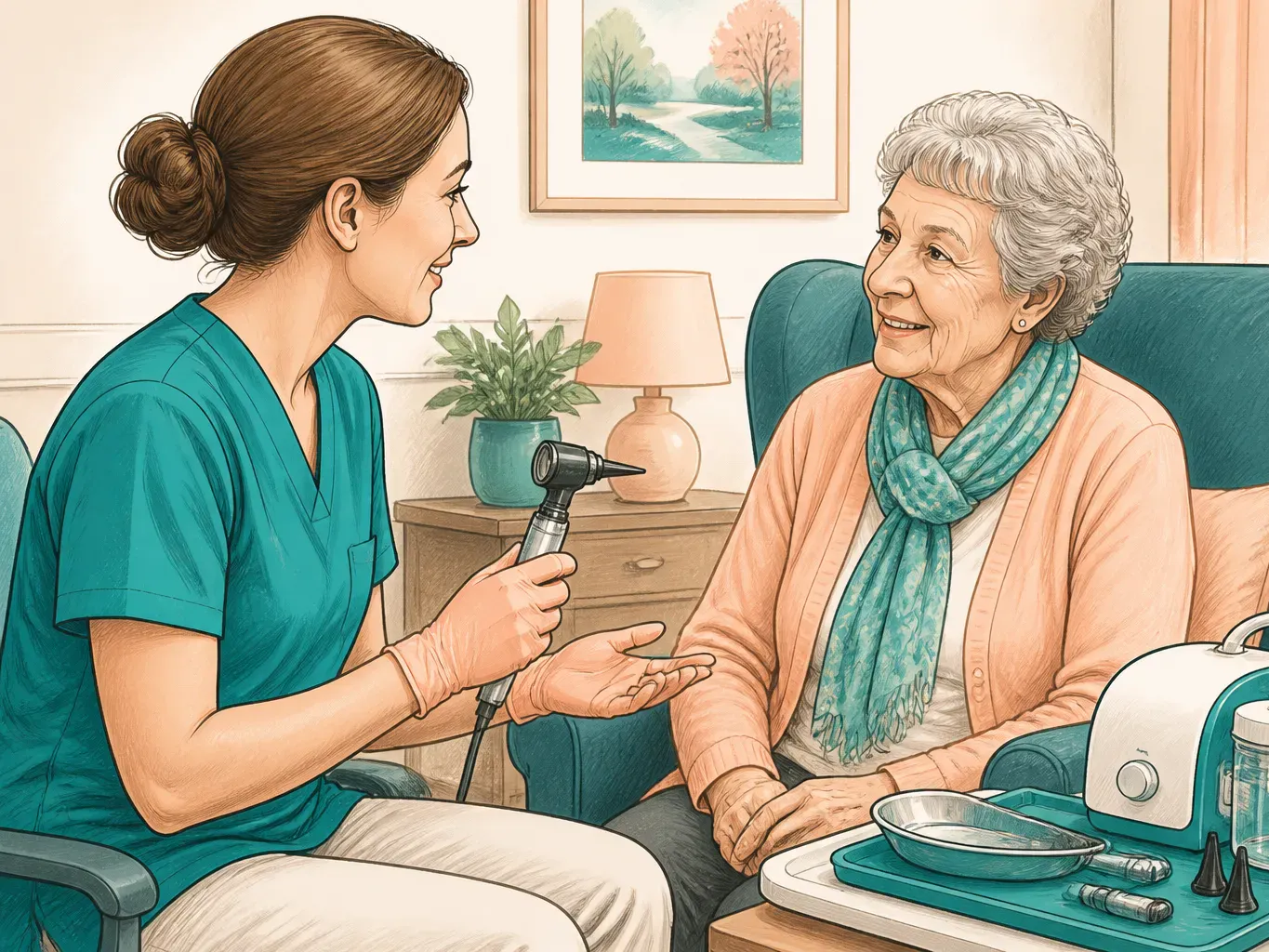

Ear cleaning service for seniors usually means a professional earwax assessment and removal appointment, carried out by a trained clinician in a gentle, safe way. For older adults, the aim is not routine cleaning at home, but careful treatment that helps restore comfort, improve hearing, and reduce the risk of pushing wax deeper into the ear canal.
Most seniors can expect a calm consultation, an ear examination, and, if needed, a suitable wax removal method such as microsuction. The appointment is typically straightforward, but it is adapted to mobility needs, hearing concerns, medical history, and any signs that treatment should be delayed for safety.
What a senior ear cleaning service is and who it helps
A senior ear cleaning service is a professional earwax removal appointment designed for older adults who have symptoms of wax build-up or need their ears checked before treatment. It is a clinical service, not a home cleaning routine, and it should never involve cotton buds or improvised tools. The purpose is to assess the ears, confirm that wax is the issue, and remove it using a safe method chosen by the clinician.
This service can help older people who feel their hearing has become muffled, who notice fullness or pressure in the ears, or who are struggling with hearing aids because sound seems weaker than usual. It can also support family members and carers who have noticed that a loved one is turning the television up, asking for repetition, or saying the ears feel blocked. In many cases, the appointment is useful simply because it provides reassurance and a proper look inside the ears.
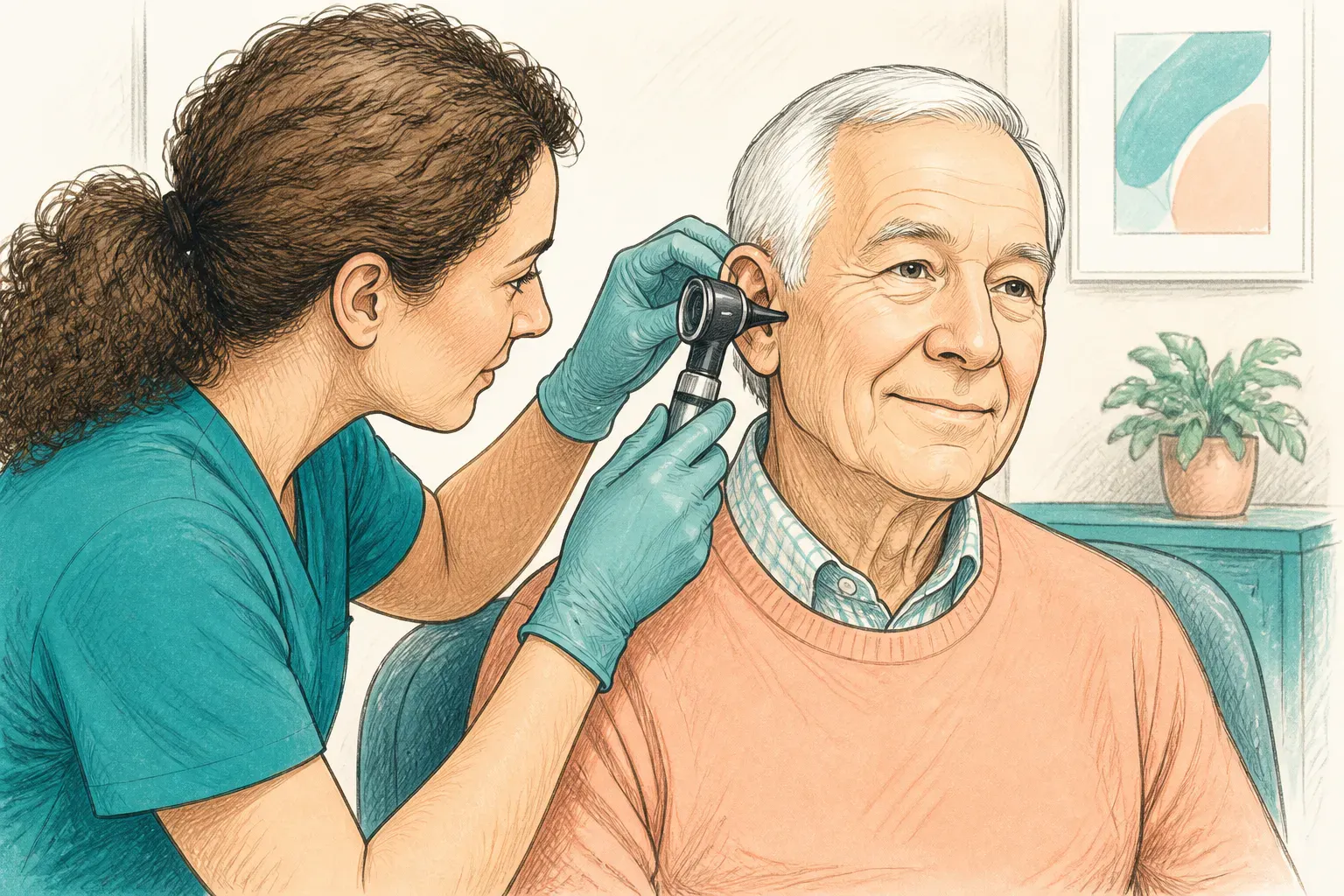
Older adults often need extra care because the ear canal can be more sensitive, skin may be drier or more fragile, and balance or mobility issues can make a rushed appointment uncomfortable. A good clinician will work slowly, explain each step, and adjust positioning so the patient feels safe and supported throughout.
Why earwax build-up is more common in older adults
Earwax is normal and useful. It protects the ear canal, traps dust, and helps keep the skin healthy. The problem starts when wax builds up faster than it naturally clears. In later life, that can happen more often for several reasons.
As we age, earwax can become drier and less likely to move out of the ear on its own. The ear canal may also be narrower or more curved, which makes it harder for wax to travel naturally. If hearing aids are worn regularly, they can affect how wax moves and may also make the ear feel blocked sooner. Earbuds, earplugs, and frequent use of in ear devices can contribute too, as can some skin conditions that affect the outer ear canal.
For many seniors, the first clue is not pain but a gradual change in hearing. Sounds may seem duller, speech may be harder to follow, and the ear can feel as though it is full of cotton wool. Some people notice itchiness, ringing in the ears, or mild discomfort. Others only become aware of the issue when a hearing aid is not working properly or a family member points out that hearing seems worse.
These symptoms are common and often manageable, but they should still be checked. Not every hearing change is caused by wax, so it is important to have a professional assessment rather than assuming the cause at home.
How the appointment usually works
A senior ear cleaning appointment usually begins with a short conversation. The clinician will ask about symptoms, how long they have been present, whether one or both ears feel affected, and whether the patient uses hearing aids or has had previous ear procedures. They may also ask about ear pain, discharge, dizziness, infections, or surgery, because those details help decide whether earwax removal is appropriate on the day.
After that, the clinician examines the ears with an otoscope or microscope. This allows them to see whether wax is present, whether the ear canal looks healthy, and whether there are any reasons to delay treatment. If wax is visible and removal is safe, the clinician explains the best method and what the patient should expect.
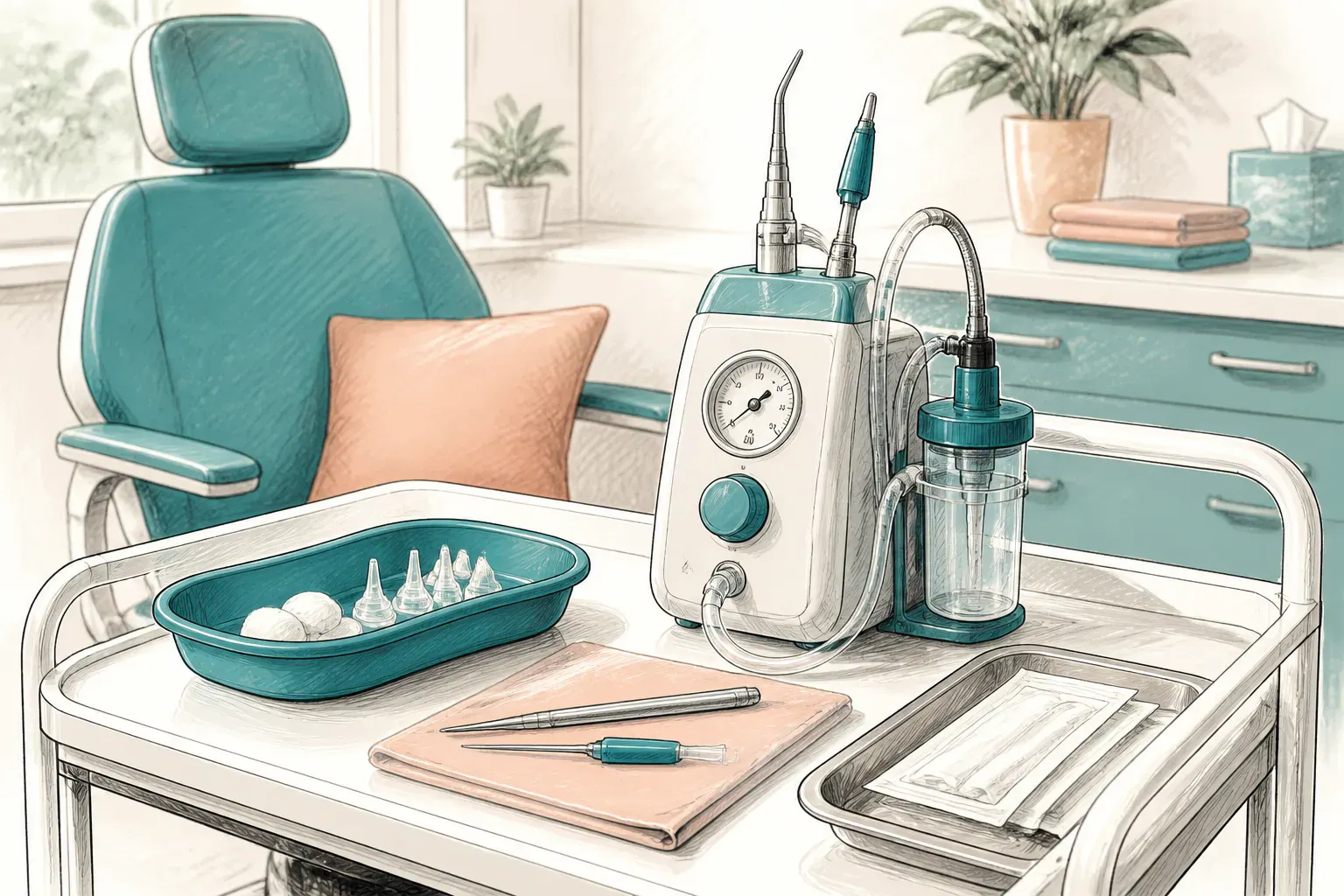
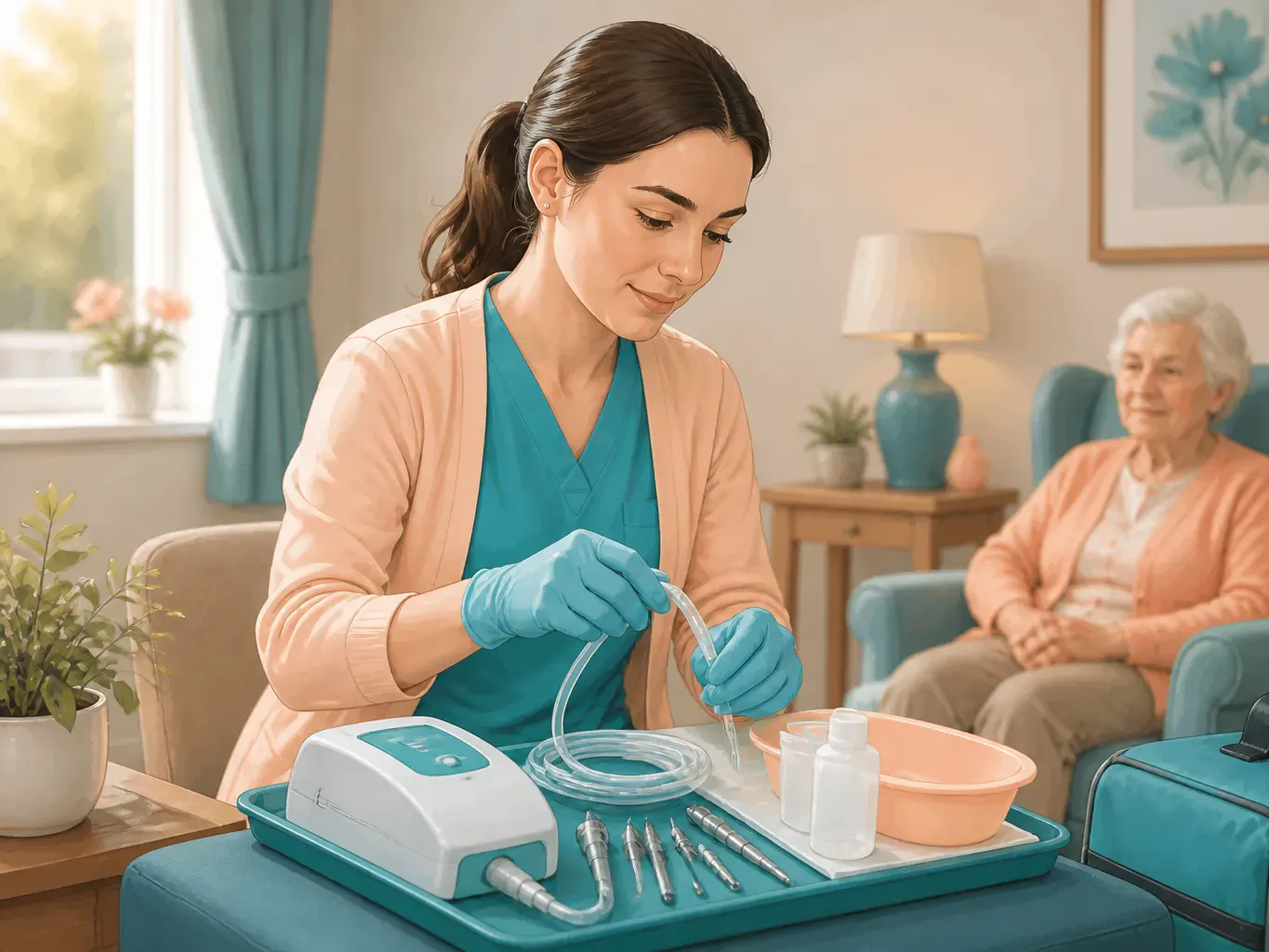
The actual treatment depends on the ear and the type of wax present. In many cases, microsuction is the preferred option because the clinician can see clearly while removing the wax. Some clinics may also consider irrigation or manual removal in specific situations, but the choice is always based on the ear examination and what is safest for that individual.
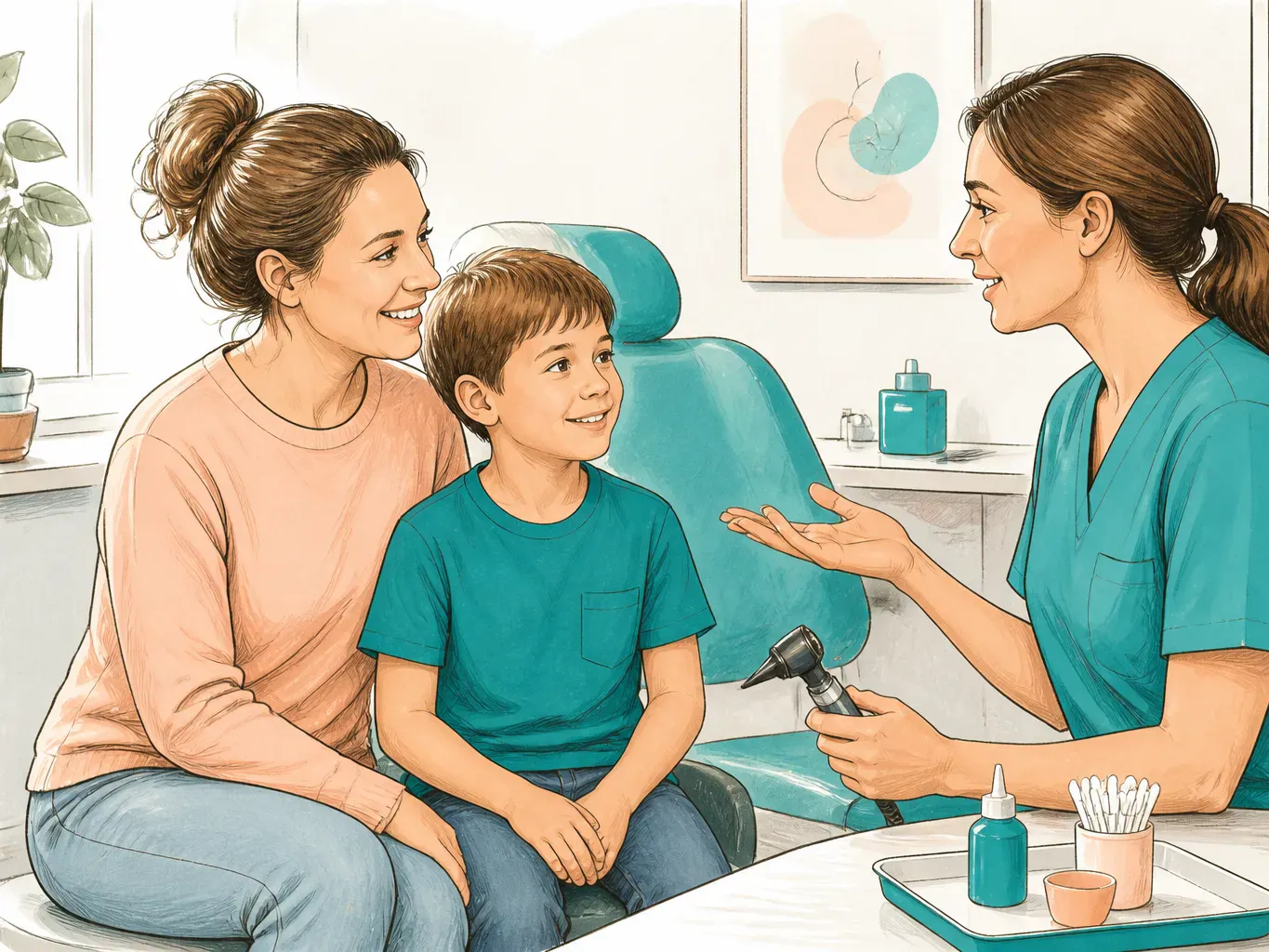
For a first time patient, the appointment can often take only a short while, but it is not rushed. If a person is anxious, hard of hearing, or needs help settling into the chair, the clinician can slow the pace and explain each stage in plain language. That steady communication is often what makes the experience feel more comfortable than many people expect.
Safe treatment methods used for seniors
There is no single method that suits every older adult. The best option depends on the ear examination, medical history, the type of wax, and whether any risk factors are present. The clinician’s job is to choose the safest and most appropriate approach.
Method | Comfort | Suitability for seniors | Common reasons it may be avoided |
|---|---|---|---|
Microsuction | Usually very well tolerated, with brief suction sounds | Often suitable when the canal needs careful visual control | May be delayed if the ear is very inflamed, the patient cannot sit still enough, or wax is too hard without prep |
Irrigation | Can feel warm and comfortable for some patients | May suit selected cases where the ear is healthy and the wax is soft | Often avoided with a perforated eardrum, recent surgery, infection, certain ear histories, or if the canal is too narrow |
Manual removal | Can be precise in skilled hands | May suit specific situations where wax is accessible and the clinician can see clearly | Not ideal if the wax is deeply impacted, the canal is sensitive, or there is limited visibility |
Microsuction is frequently favoured because it gives the clinician a clear view of the canal as the wax is removed. That visibility is valuable for older adults, especially where there is a history of fragile skin, hearing aid use, or previous discomfort with other methods. It also avoids introducing moisture into the ear, which can be helpful when the ear needs a gentler approach.
Irrigation uses water, or sometimes another suitable fluid, to flush wax out. It can work well for some people, but it is not appropriate for everyone. If the eardrum is perforated, the person has had certain ear surgeries, or there are signs of infection, irrigation may not be the safest choice.
Manual removal uses instruments to lift or extract wax under direct view. This can be effective, but it requires precision and a calm patient. For older adults, especially those who are anxious or have mobility issues, the clinician will judge whether it is the best option on the day.
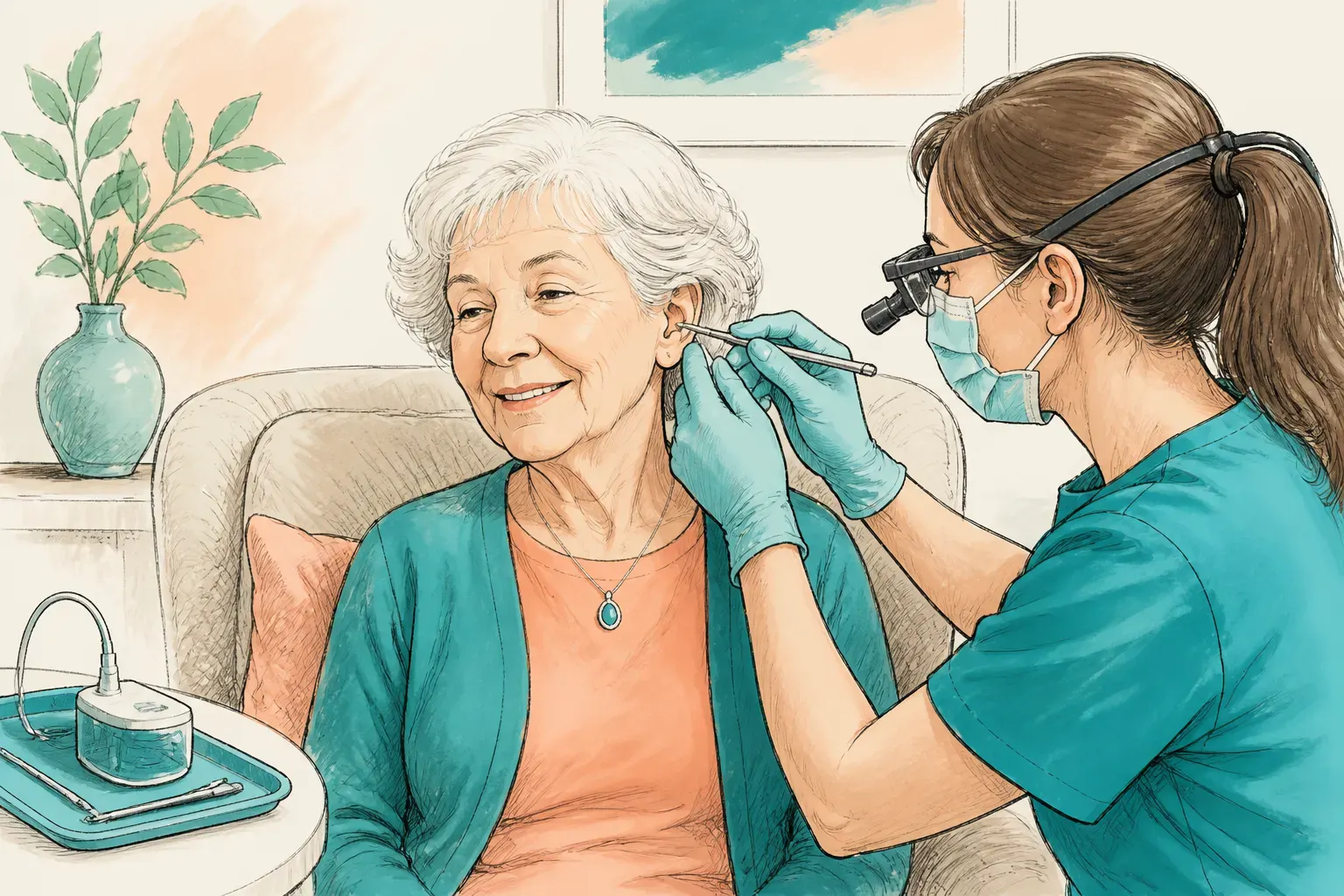
If you want to understand the approach in more detail, you can also read about Microsuction earwax removal and how it is commonly used in specialist ear care.
What feels different for older patients during treatment
Most older patients are pleasantly surprised by how manageable the appointment feels. The main sensations are usually the sounds of the equipment, a light suction feeling, or a sense of pressure as wax is lifted away. These sensations can feel unusual, but they should not be painful.
A clinician will normally talk through the process before starting and keep checking that the patient is comfortable. If someone is anxious, has hearing difficulty, or needs time to settle, the pace can be slowed. Clear instructions are particularly important for seniors, because they reduce uncertainty and help the appointment feel predictable.
Positioning matters as well. A patient may need help getting into a stable chair, turning the head gently, or staying relaxed for a few minutes at a time. In clinic, the setup is usually designed for comfort and safety. For people with back pain, frailty, or limited movement, the clinician can often make small adjustments so the appointment is easier to tolerate.
Family members or carers sometimes worry that the equipment will be uncomfortable, but most patients describe the experience as easier than expected. The key point is that a sensation of mild oddness can be normal, yet sharp pain is not expected and should be reported immediately.
Risks, safety checks, and when treatment may be postponed
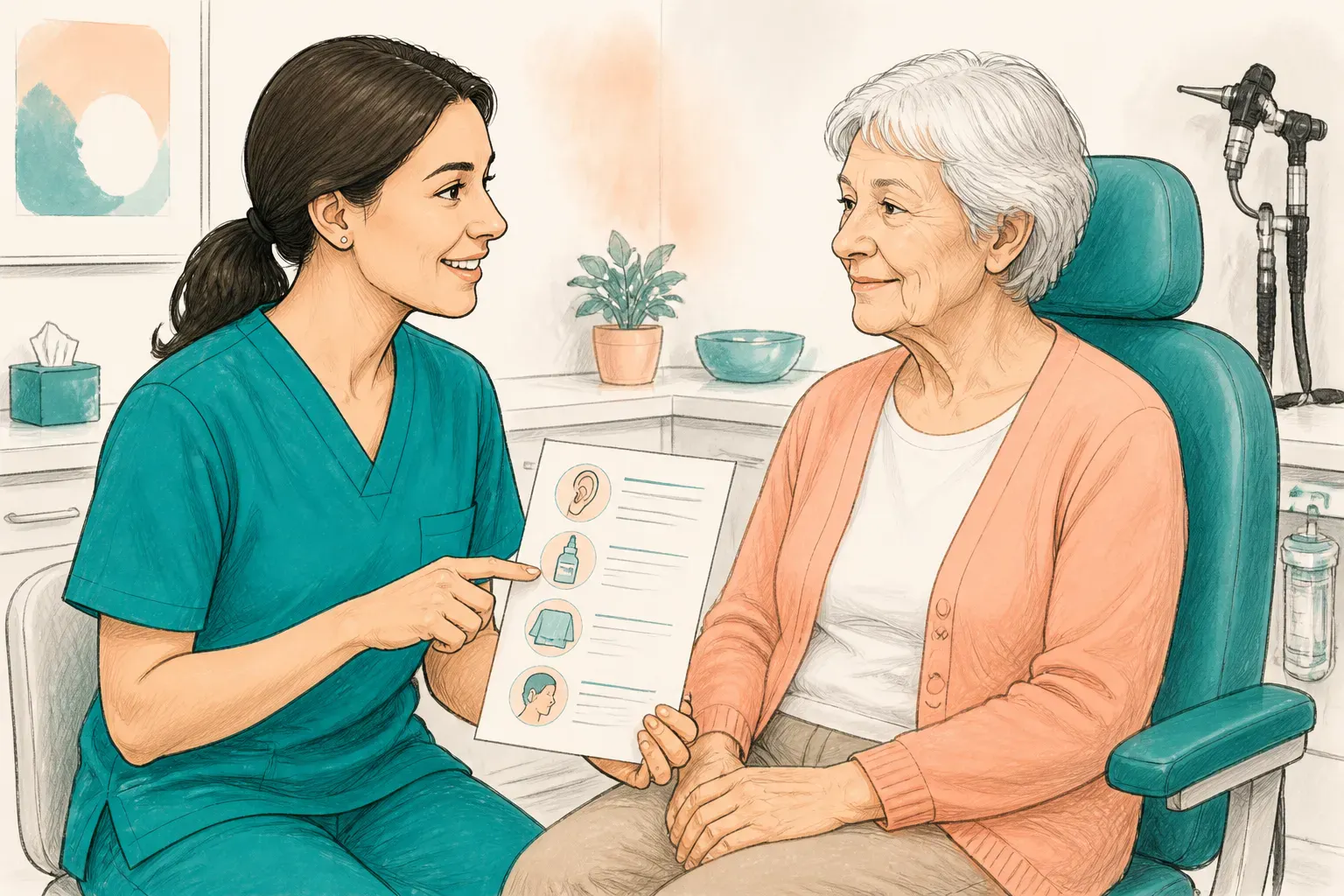
Safe ear cleaning starts with proper screening. Before any wax removal, the clinician checks for signs that the ear should not be treated immediately. This is especially important in older adults, because a small problem can sometimes be mistaken for wax when something else is going on.
Common safety checks include:
- Ear pain or tenderness
- Ear discharge or a possible infection
- Recent ear surgery
- A known perforated eardrum
- Dizziness or balance problems
- Severe inflammation in the ear canal
- A history that suggests the ear needs medical review first
If any of these are present, treatment may be delayed or the patient may be referred for further assessment. That is not a failure of service, it is good practice. The safest ear cleaning service for seniors is one that knows when to proceed and when to pause.
This is one reason professional assessment matters so much. Guidance from the NHS and NICE supports safe, evidence based management of earwax, and both emphasise careful examination rather than home attempts with objects or drops that are not appropriate for every situation. You can review NHS guidance on earwax build-up and NICE guidance on earwax removal.
Home tools, cotton buds, and sharp objects can push wax deeper, irritate the canal, or create a more serious problem. In older adults, where skin may be delicate and hearing may already be reduced, that risk is especially worth avoiding. The safest choice is always a trained clinician who can see the ear properly before deciding on treatment.
Aftercare, results, and how long relief lasts
Many people notice an immediate improvement in hearing after wax is removed, especially if the blockage had been dense or long standing. The ear may feel lighter, clearer, or simply more open. For some seniors, however, the benefit is gradual over a few hours as they adjust to hearing sounds they had not noticed for a while.
Aftercare is usually simple. The clinician may advise keeping the ears dry for a short time if appropriate, avoiding cotton buds, and not inserting anything into the ear canal. If drops or follow up advice are recommended, it is important to follow those instructions closely. This is particularly relevant for hearing aid users, because device care and ear health are closely linked.
If hearing does not improve as expected, further assessment may be needed. That could mean checking whether more wax remains, considering a hearing test, or looking for another cause of the symptoms. Earwax is common, but it is not the only reason a person may struggle to hear.
Families and carers can help by watching for ongoing discomfort, changes in balance, continued blockage, or new discharge after treatment. If anything seems unusual, it is sensible to contact the clinic or the person’s GP for advice.
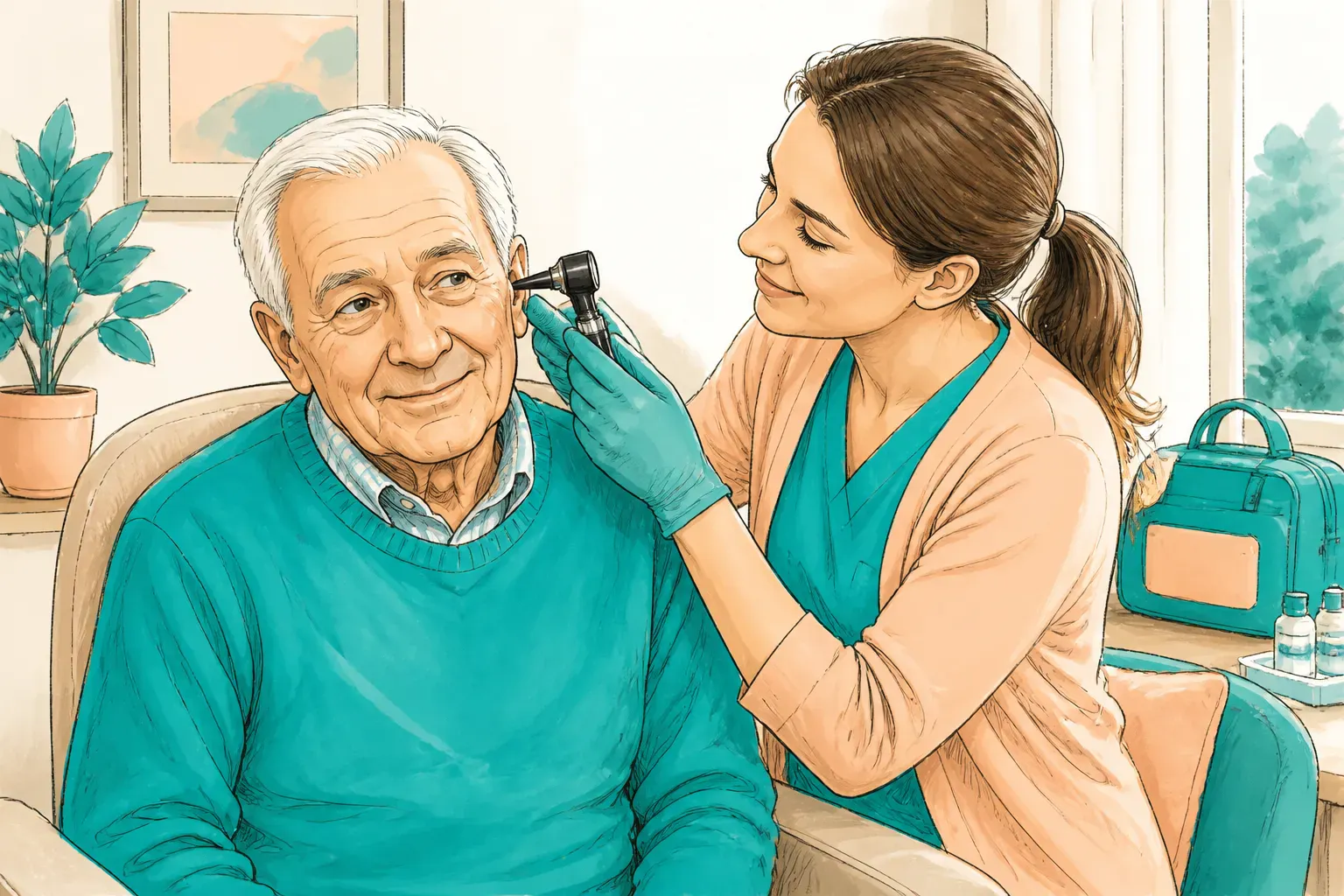
For practical aftercare and broader ear health advice, the Royal College of Nursing guidance on ear care and Age UK advice on hearing and older adults can be useful starting points.
Choosing the right option for a senior or care home resident
For many older adults, the decision is not only about treatment type, but also where the appointment happens. A clinic visit can be ideal when a patient is mobile enough to travel and wants the full clinic setup, including professional equipment and a controlled environment. A home visit may be better when leaving home is difficult, stressful, or impractical.
Home visits are often especially helpful for people with limited mobility, frailty, dementia, transport barriers, or care home residents who need ear care without disrupting routine. They can also be valuable for families who want a convenient option and for care teams managing several residents who may need assessment.
Setting | Best for | Convenience | Equipment access | Patient comfort |
|---|---|---|---|---|
Clinic appointment | Patients who can travel comfortably | Good, with a structured appointment time | Usually excellent, with full clinical setup | Often reassuring for those who like a dedicated treatment space |
Home visit | People with mobility issues, housebound seniors, care home residents | Very high, because travel is avoided | Depends on the service setup and the clinical assessment needs | Often very comfortable for patients who prefer familiar surroundings |
If you are unsure which option fits best, think about how the person travels, whether sitting still for treatment will be easy, and whether the ear needs a more detailed assessment first. In some cases, starting with an Ear health assessment is the most sensible way to decide.
If you live in or near Bristol and need a convenient option, you may also want to look at Home visit earwax removal. That can be especially useful for older adults who need care delivered with minimal disruption.
Recommended next steps if you think you need wax removal
If hearing has become muffled, the ears feel blocked, hearing aids no longer seem effective, or there is persistent fullness or itching, it is worth booking an assessment rather than waiting. Earwax can sometimes clear on its own, but if symptoms are affecting daily life, a professional check is the safest and most efficient next step.
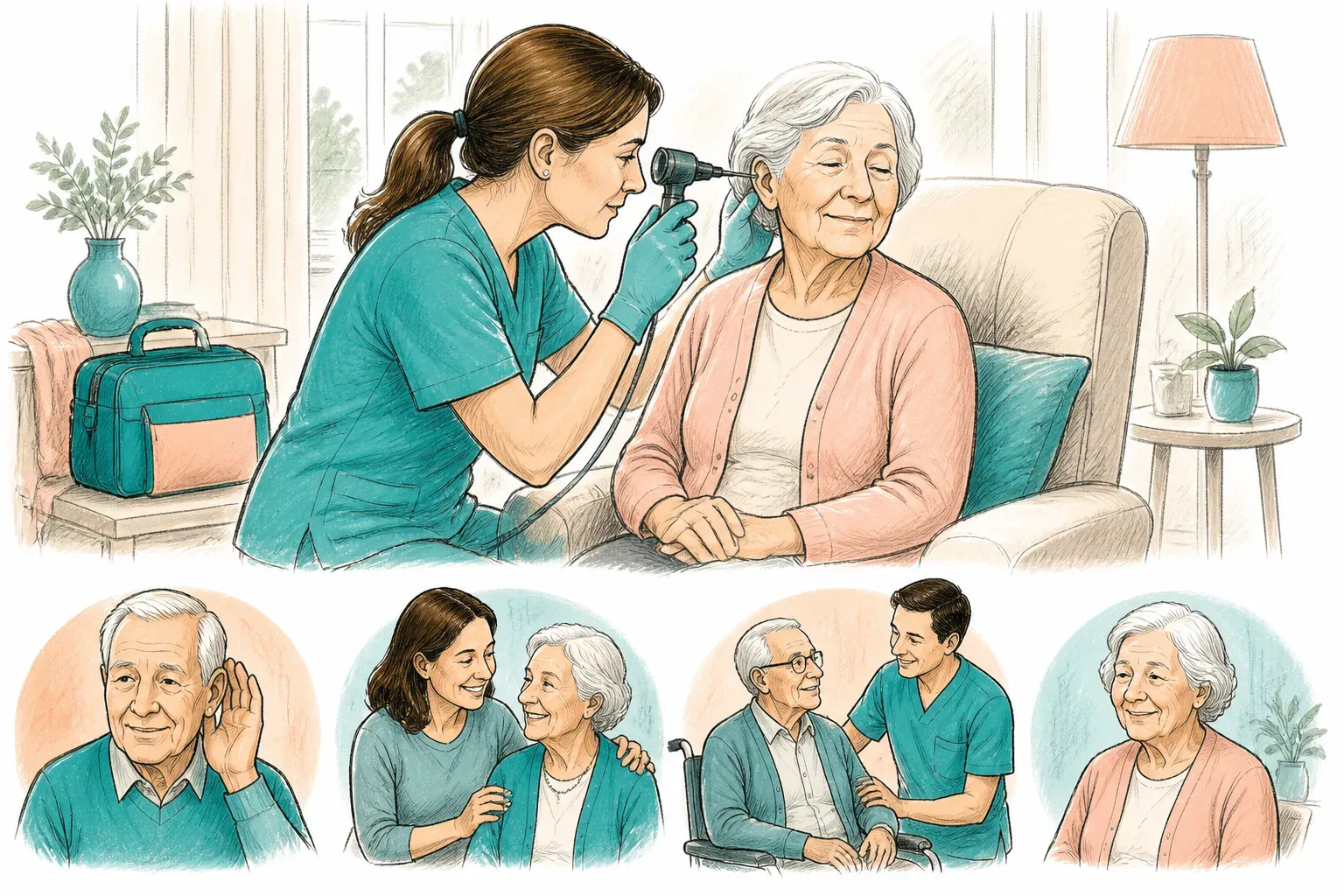
A useful rule of thumb is this: if the symptoms are new, persistent, or making it harder to hear or communicate, get the ears examined. The clinician can confirm whether wax is the cause and choose the right removal method if treatment is appropriate.
If you would like to read more before booking, these pages may help:
For a senior, the most important thing is comfort, clarity, and safety. A professional ear cleaning service should feel calm, respectful, and unhurried, with every step explained clearly. If you are supporting an older parent, relative, or care home resident, choosing a trained ear care provider can make the process much easier and more reassuring.
FAQ
Is ear cleaning safe for older adults?
Yes, when it is carried out by a trained professional after proper assessment. Older adults often benefit from gentle, careful earwax removal because it can improve hearing and comfort without the risks of home tools. Safety depends on checking the ear first and choosing the right method.
What happens during a professional ear cleaning appointment?
The clinician asks about symptoms and medical history, examines the ear with an otoscope or microscope, and then removes wax using the most suitable method if treatment is appropriate. Many patients have microsuction, but the exact approach depends on what is seen during the examination.
Does microsuction hurt?
It should not be painful. Some people notice a suction sound or a slight pulling sensation, which can feel unusual but usually passes quickly. If anything feels sharp or painful, the clinician should stop and reassess.
How long does earwax removal take?
Many appointments are completed within a short visit, though the time can vary depending on how much wax is present, how the ears respond, and whether the patient needs extra support. First time patients or people who need reassurance may take a little longer.
Can hearing aid users have earwax removed safely?
Yes, and they often benefit from it. Hearing aids can make wax more noticeable and wax can reduce device performance, so regular assessment can be helpful. The clinician will check the ear carefully to make sure the chosen method is suitable.
When should a senior avoid earwax removal and get checked first?
If there is ear pain, discharge, dizziness, recent ear surgery, a known perforated eardrum, or signs of infection, the ear should be assessed before any wax removal is attempted. In those cases, the safest option may be to delay treatment or refer for further medical advice.