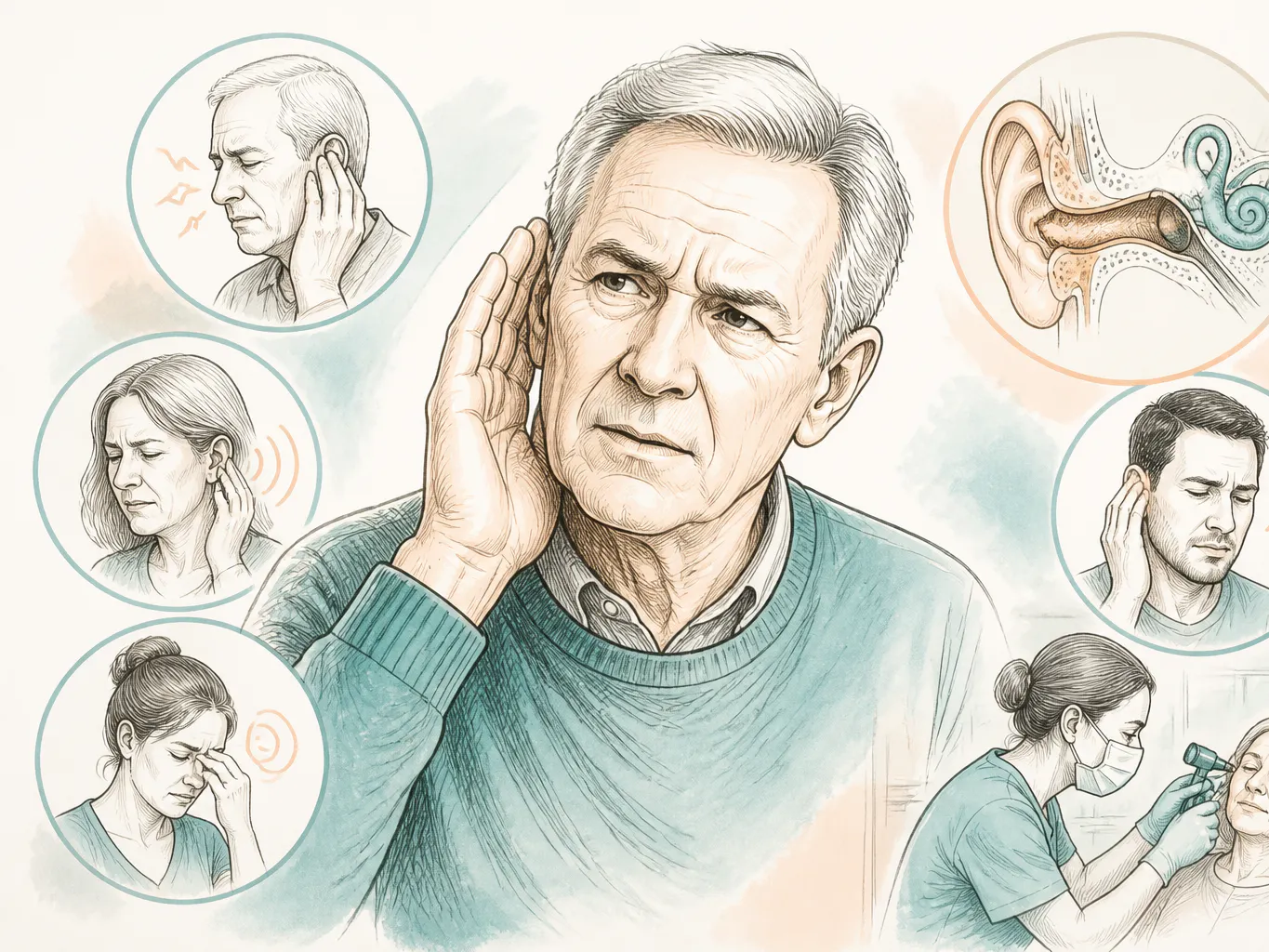
If your hearing suddenly feels muffled, your ear feels blocked, or you are noticing tinnitus, dizziness, or problems with your hearing aids, earwax build-up could be the cause. The signs you need earwax removal often become more obvious when symptoms persist for more than a few days or start affecting day-to-day life. In many cases, professional removal is safer and more effective than trying to clear the ear yourself.
Quick summary
Earwax is normal and protective, but it can sometimes collect and harden in the ear canal. When that happens, you may notice reduced hearing, pressure, ringing, itching, pain, or balance problems. If symptoms are lingering, worsening, or interfering with comfort, it is sensible to book treatment rather than keep waiting.
For some people, especially older adults, hearing aid users, and anyone with repeated blockage, planned ear checks can prevent bigger problems later. If you are unsure whether wax is the cause, a proper ear assessment can help separate earwax from infection or other ear conditions.
Table of contents
- Quick answer, when signs suggest you need earwax removal
- What earwax does, and when it becomes a problem
- The most common signs you need earwax removal
- When earwax symptoms mean you should book treatment soon
- When earwax is not the only likely cause
- Safe ways to manage suspected earwax at home before treatment
- What happens during professional earwax removal
- How to prevent earwax build-up happening again
- When to seek urgent help for blocked ears
- Book treatment with Pro Ear Clinic
- FAQ
- Recommended reads
Quick answer, when signs suggest you need earwax removal
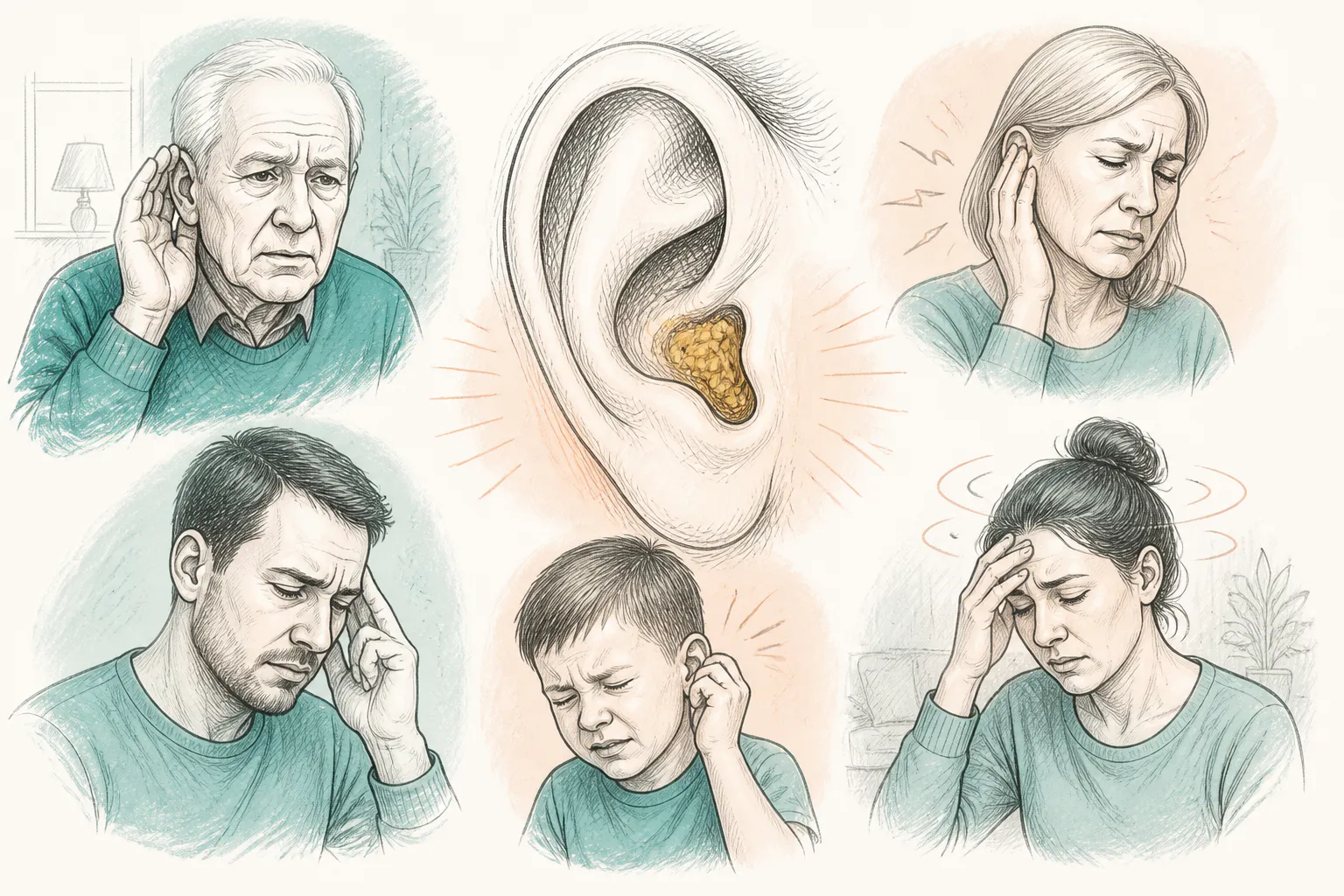
The most common signs you need earwax removal are blocked or muffled hearing, a feeling of fullness in the ear, tinnitus, earache, itching, dizziness, or trouble using hearing aids. If the symptoms are not settling after a few days, or they are affecting hearing and comfort, it is usually time to book an assessment.
Professional removal is often the safest option once symptoms are present, because trying to clear a blocked ear at home can make the wax harder, push it deeper, or irritate the ear canal.
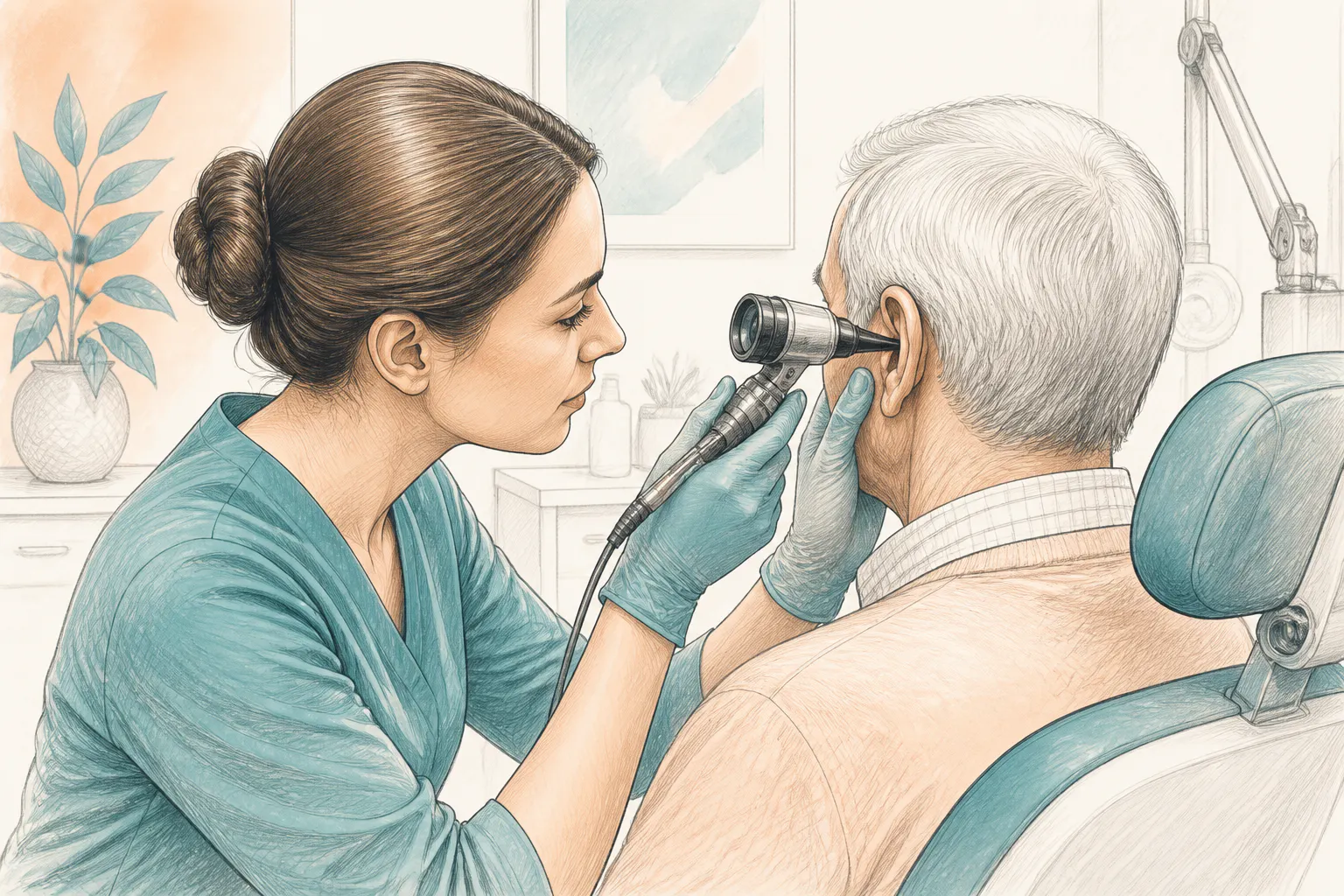
What earwax does, and when it becomes a problem
Earwax, also called cerumen, has an important job. It helps trap dust and debris, protects the skin inside the ear canal, and supports the ear’s natural cleaning process. In most people, wax moves out of the ear gradually and does not cause problems at all.
Trouble starts when wax builds up faster than it clears, becomes dry and compacted, or is pushed deeper into the ear canal. Cotton buds are a common cause, because instead of removing wax they often pack it down. Hearing aids, earplugs, narrow ear canals, and naturally heavier wax production can also make blockage more likely.
Some people are more prone to repeated build-up. Older adults may notice that wax becomes drier with age, which can make it harder for the ear to clear itself. Hearing aid users may also find that devices change airflow in the canal and contribute to a gradual build-up. If this sounds familiar, it is worth learning blocked ears causes and keeping an eye on early symptoms before they become disruptive.
For guidance from the NHS, you can also read NHS guidance on earwax build-up, which explains why wax is usually harmless but sometimes needs professional removal.
The most common signs you need earwax removal
Earwax blockage does not always feel dramatic at first. For many people, the earliest clue is simply that hearing feels different. A television may seem too quiet, voices may sound as if they are coming through a tunnel, or one ear may suddenly feel less open than the other.
Here are the most common signs to look out for.
Reduced or muffled hearing
This is one of the clearest signs you need earwax removal. The hearing loss may be mild, or it may be obvious enough that you keep turning up the volume on the television or asking people to repeat themselves. It can affect one ear or both, and it may come on quite suddenly.
If the hearing change is on one side only, do not ignore it. Earwax can certainly cause this, but so can other conditions that need prompt assessment.
Ear fullness or pressure
Many people describe a blocked ear as feeling full, heavy, or pressurised. Some say it feels as though water is trapped inside, even when they have not been swimming or bathing. Others notice the sensation more when chewing, yawning, or moving their jaw.
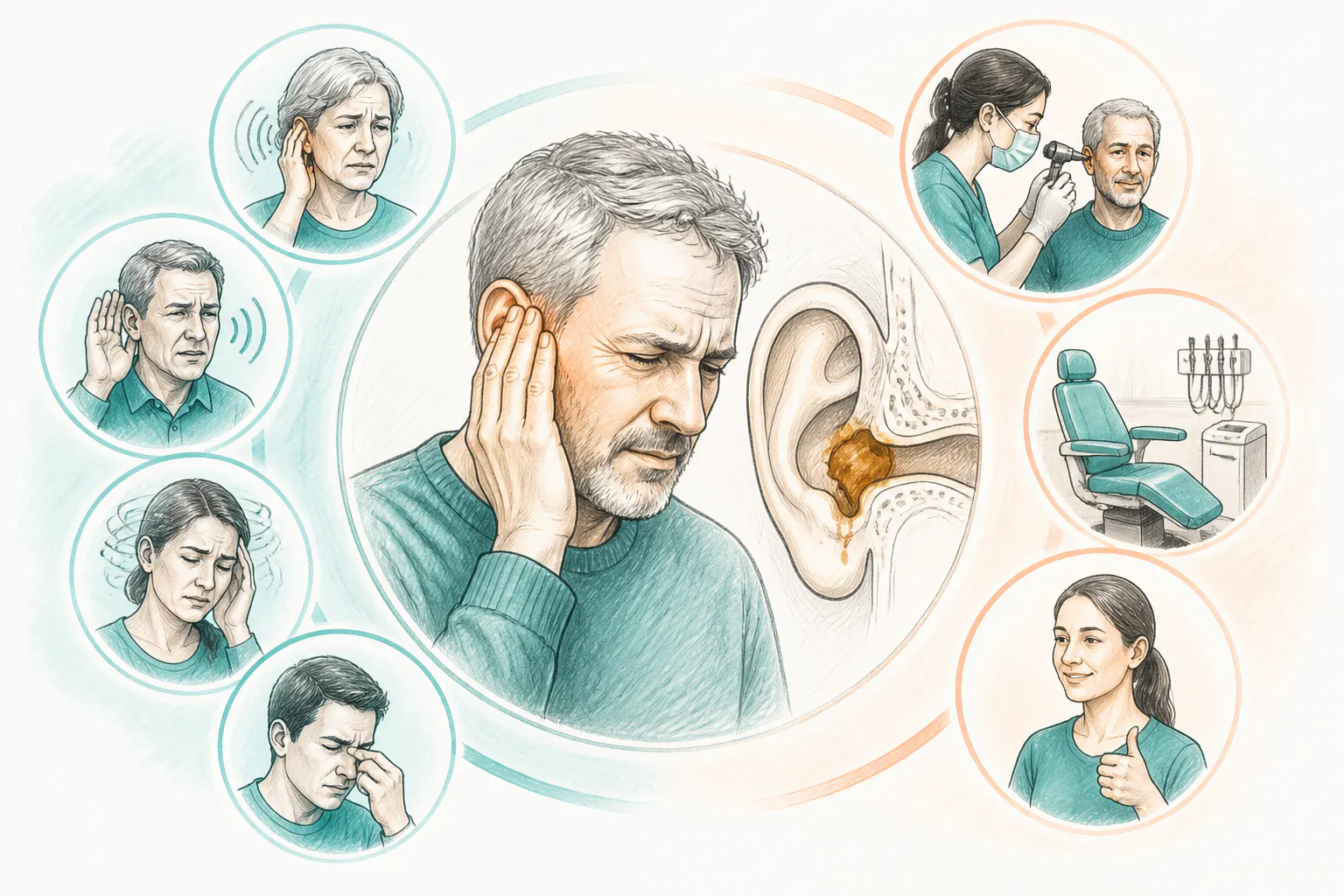
Tinnitus, crackling, popping, or echoing sounds
Wax can change how sound enters the ear canal, which sometimes causes ringing, buzzing, crackling, popping, or an echo effect. Tinnitus is not always caused by wax, but if it appears alongside blocked hearing or fullness, wax is a likely possibility.
Earache, itching, or discomfort
Earwax is not always painful, but a compacted blockage can irritate the ear canal and lead to itching or a dull ache. Some people feel as if they need to scratch the inside of the ear, but this usually makes things worse. If the pain is severe, or if there is discharge or fever, a different problem may be present.
Dizziness or imbalance
A blocked ear can sometimes make you feel off balance or a bit disorientated. The ear works closely with the balance system, so changes inside the ear can feel surprisingly unsettling. Dizziness should always be taken seriously, especially if it is sudden, strong, or paired with new hearing loss.
Problems with hearing aids
Hearing aid users often notice wax blockage because the aid may whistle, seem less effective, or feel uncomfortable in the ear. Sometimes the device is working properly, but the wax is stopping sound from reaching the eardrum as it should.
A simple symptom checklist
If you are trying to work out whether earwax may be the cause, check whether you have one or more of these symptoms:
- Hearing feels muffled or reduced
- One or both ears feel blocked
- You notice ringing, buzzing, crackling, or echoing
- The ear feels itchy or mildly sore
- Your balance feels a little off
- Your hearing aids are not working as well as usual
The more of these symptoms you have, the more likely it is that earwax is contributing to the problem.
When earwax symptoms mean you should book treatment soon
If symptoms are mild and short lived, they may settle on their own. But if they are affecting communication, sleep, concentration, or daily comfort, it is sensible to arrange treatment rather than wait.
This matters for many different people. Older adults may struggle to hear clearly in conversations and may feel isolated if they cannot follow speech well. Busy families often need a quick, convenient solution because blocked ears can interfere with work, school, and caring responsibilities. Care home residents may rely on hearing to stay engaged and safe. Anxious patients often feel better once the ear has been assessed properly and a clear plan is in place.
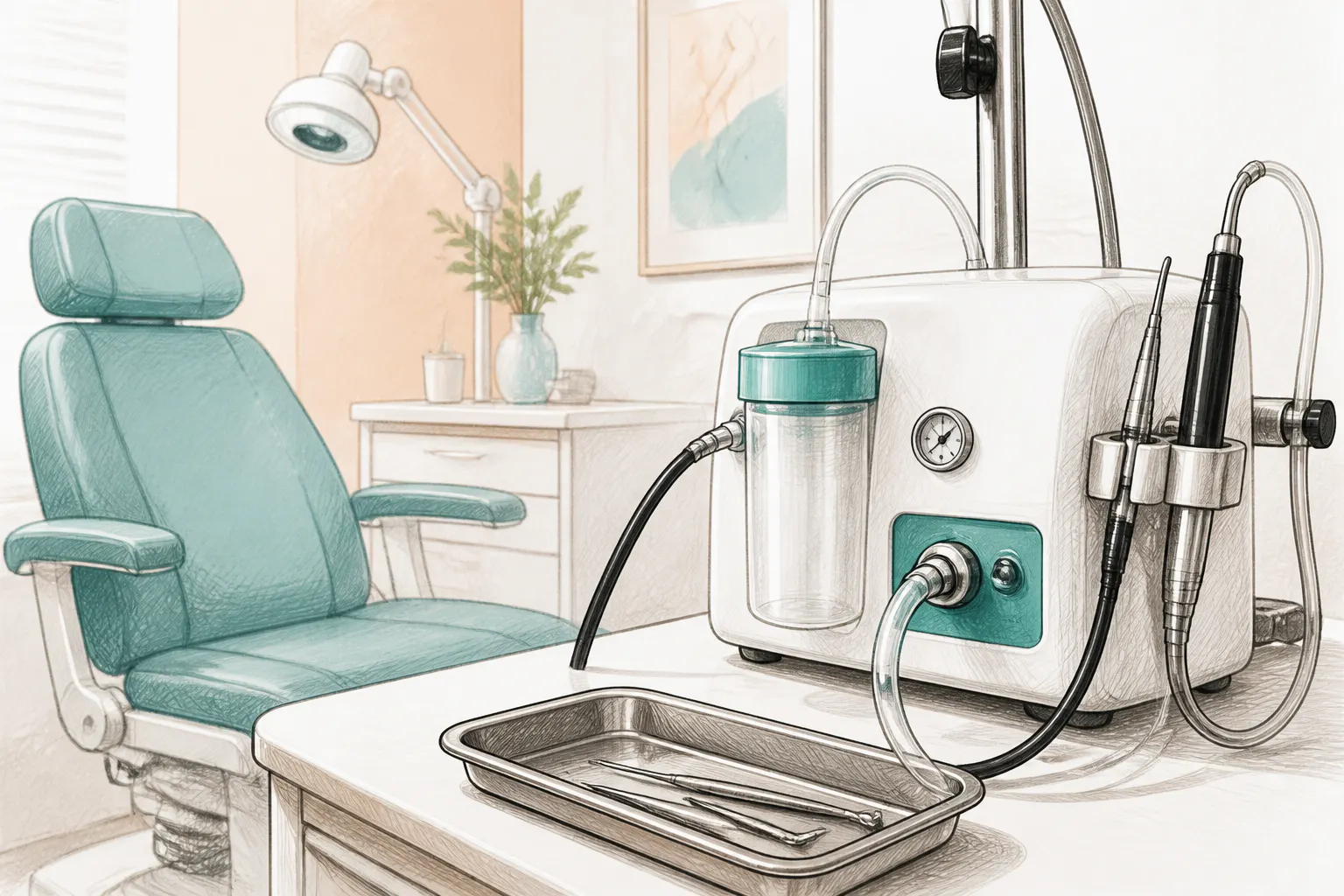
If you have already tried softening drops and the symptoms are still there, do not assume the problem will go away on its own. Wax can soften without fully clearing, and sometimes it needs professional removal.
When to book versus when to seek faster help
Situation | What it may mean | Suggested timing |
|---|---|---|
Mild blocked feeling, no pain, recent onset | Possible early wax build-up | Book a routine appointment if it does not improve |
Hearing is noticeably muffled, one or both ears feel blocked | Wax likely affecting hearing | Book soon, especially if work or communication is affected |
Tinnitus, crackling, or mild discomfort with blocked ears | Wax may be the cause, but not always | Book treatment in the near future |
Hearing aids whistle or stop fitting properly | Wax may be blocking the canal | Book promptly, particularly if you rely on hearing aids daily |
Pain, discharge, fever, or sudden hearing loss | May be something other than wax | Seek medical advice urgently |
If you want a quick route to relief, options such as same-day earwax removal can be helpful when symptoms are disrupting day-to-day life.
For a wider clinical overview, the NICE clinical knowledge summary on earwax explains when treatment is appropriate and why assessment matters.
When earwax is not the only likely cause
Blocked ears are not always caused by wax, even if the symptoms feel similar. That is one reason a proper assessment is so useful. Ear infection, fluid behind the eardrum, pressure changes from a cold or sinus congestion, and other ear conditions can all cause reduced hearing or a blocked sensation.
Look out for warning signs that suggest something else may be going on:
- Fever or feeling generally unwell
- Ear discharge
- Severe pain
- A very sudden change in hearing
- Symptoms after trauma, a loud noise, or flying with significant pressure pain
- Vertigo, where the room feels as if it is spinning
These symptoms need proper medical assessment, not just routine wax removal. If you are unsure, it is safer to be examined rather than guessing.
You may also find it helpful to read more about blocked ears causes, especially if you are trying to distinguish between wax and other common ear problems.
If you prefer an NHS perspective, the NHS 111 advice on hearing loss and blocked ears can help you decide what level of care is appropriate.
Safe ways to manage suspected earwax at home before treatment
If your symptoms are mild, and you have no red flags, there are a few sensible things you can do while waiting for an appointment.
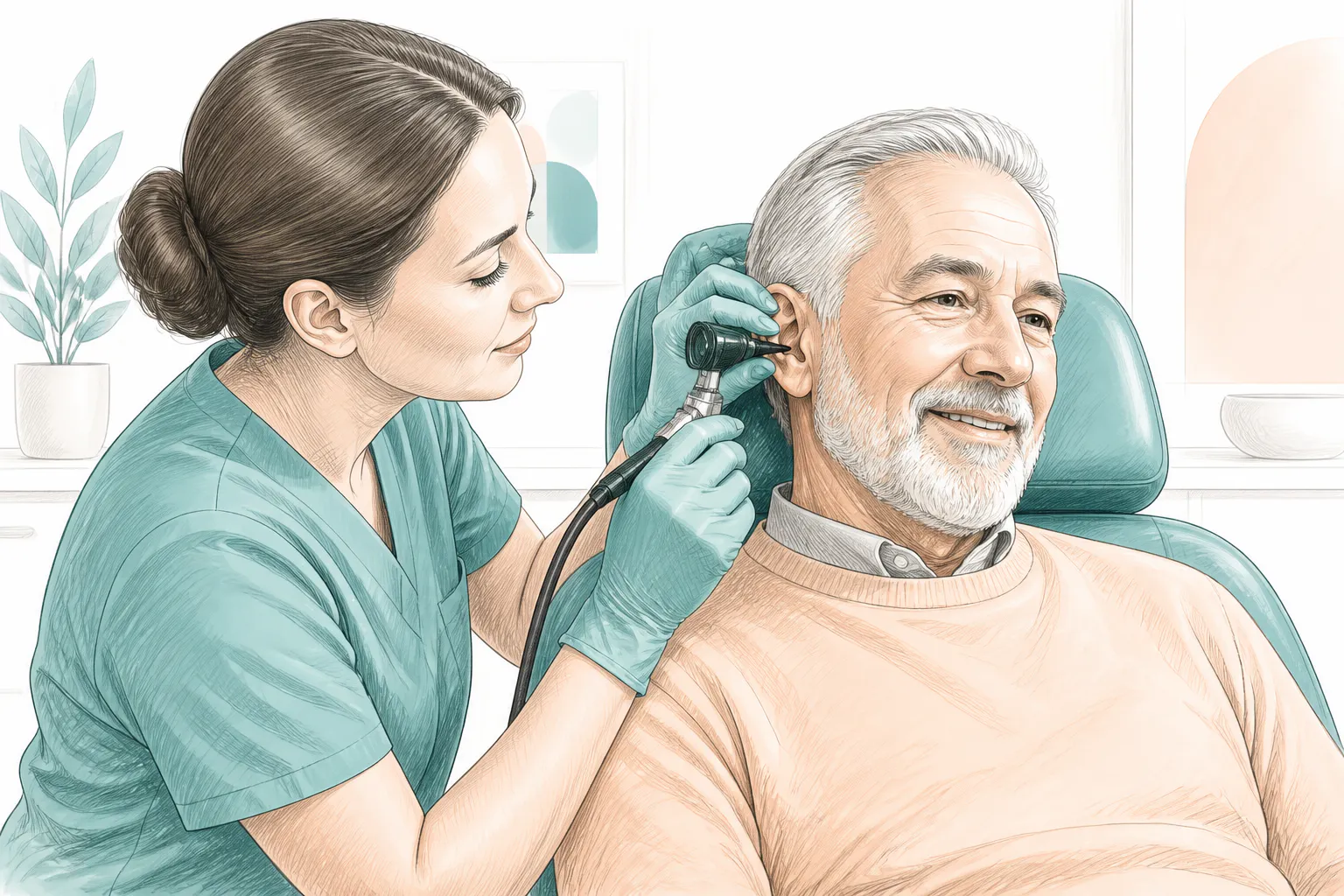
The most commonly suggested home measure is softening the wax. Some clinicians recommend olive oil drops for suitable cases, as they can help loosen dry wax and make professional removal easier. If you use softening drops, follow the instructions carefully and stop if your ear becomes painful or irritated.
A few important precautions:
- Do not use cotton buds inside the ear canal
- Do not try to dig wax out with hairpins, tweezers, or other objects
- Do not use ear candles, as they are not a safe or reliable method
- Do not keep putting drops in if the ear becomes sore or you develop discharge
Home softening is not suitable for everyone. If you have severe pain, a history of a perforated eardrum, ear surgery, ear discharge, or a suspected infection, you should not keep self-treating without advice.
For some people, home softening is only a temporary step before professional care. It may help the wax move, but it does not always remove the blockage completely.
What happens during professional earwax removal
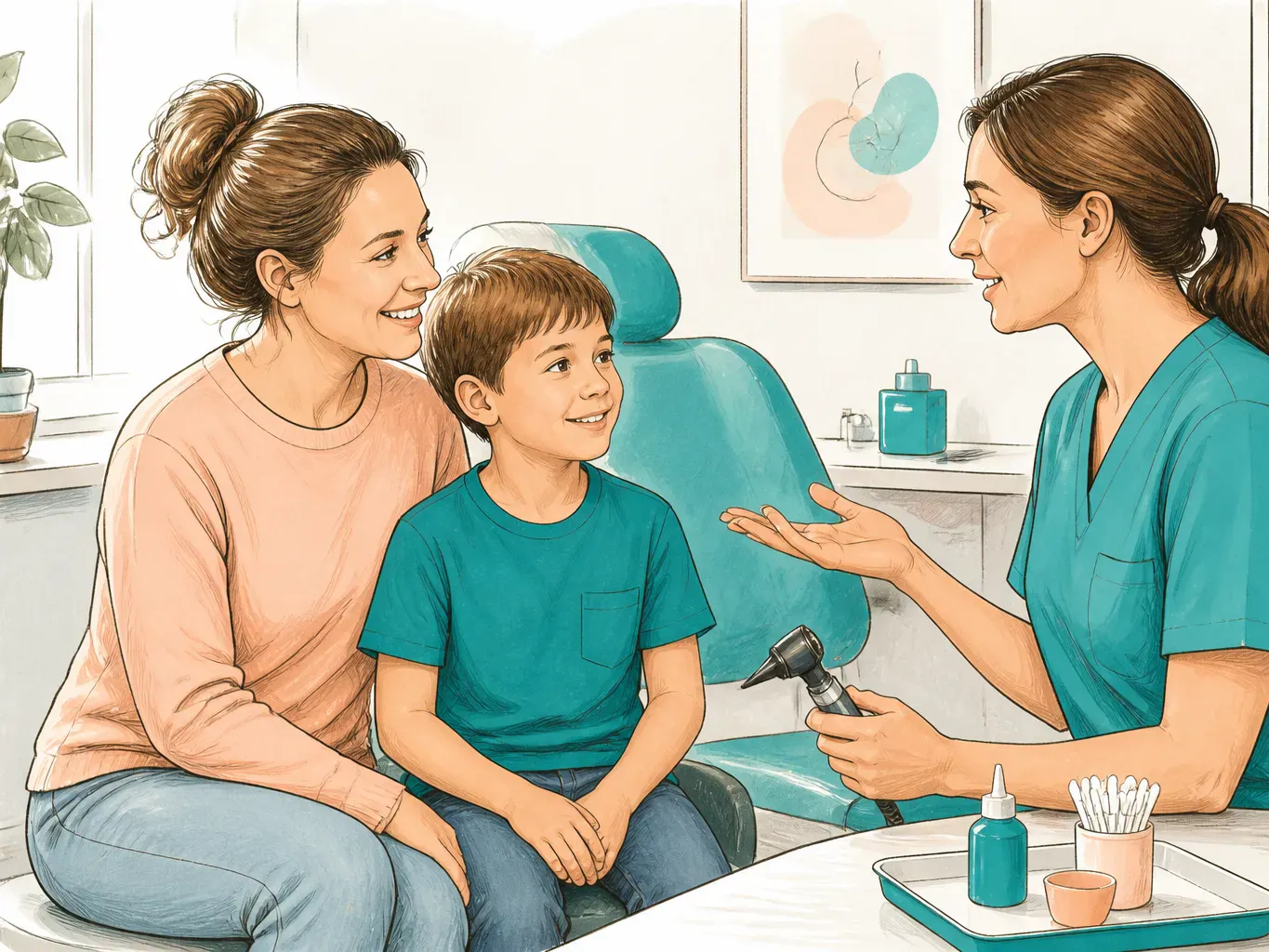
A good earwax removal appointment should feel calm, unhurried, and clear from the moment you arrive. At Pro Ear Clinic, the focus is on evidence-based, patient-friendly care, with a gentle approach that helps reduce anxiety and supports good outcomes.
A typical appointment usually includes:
- A discussion of your symptoms and health history.
- An examination of the ear canal and eardrum, usually with magnification.
- A decision on the safest treatment method.
- The removal itself, followed by a check of the ear.
- Aftercare guidance so you know what to expect next.
Microsuction is often preferred because it allows precise removal under direct vision. A clinician can gently remove the wax without introducing water into the ear canal, which is especially useful for people with sensitive ears, hearing aids, previous ear problems, or a need for quick, controlled treatment. You can read more on the service page for Microsuction earwax removal.
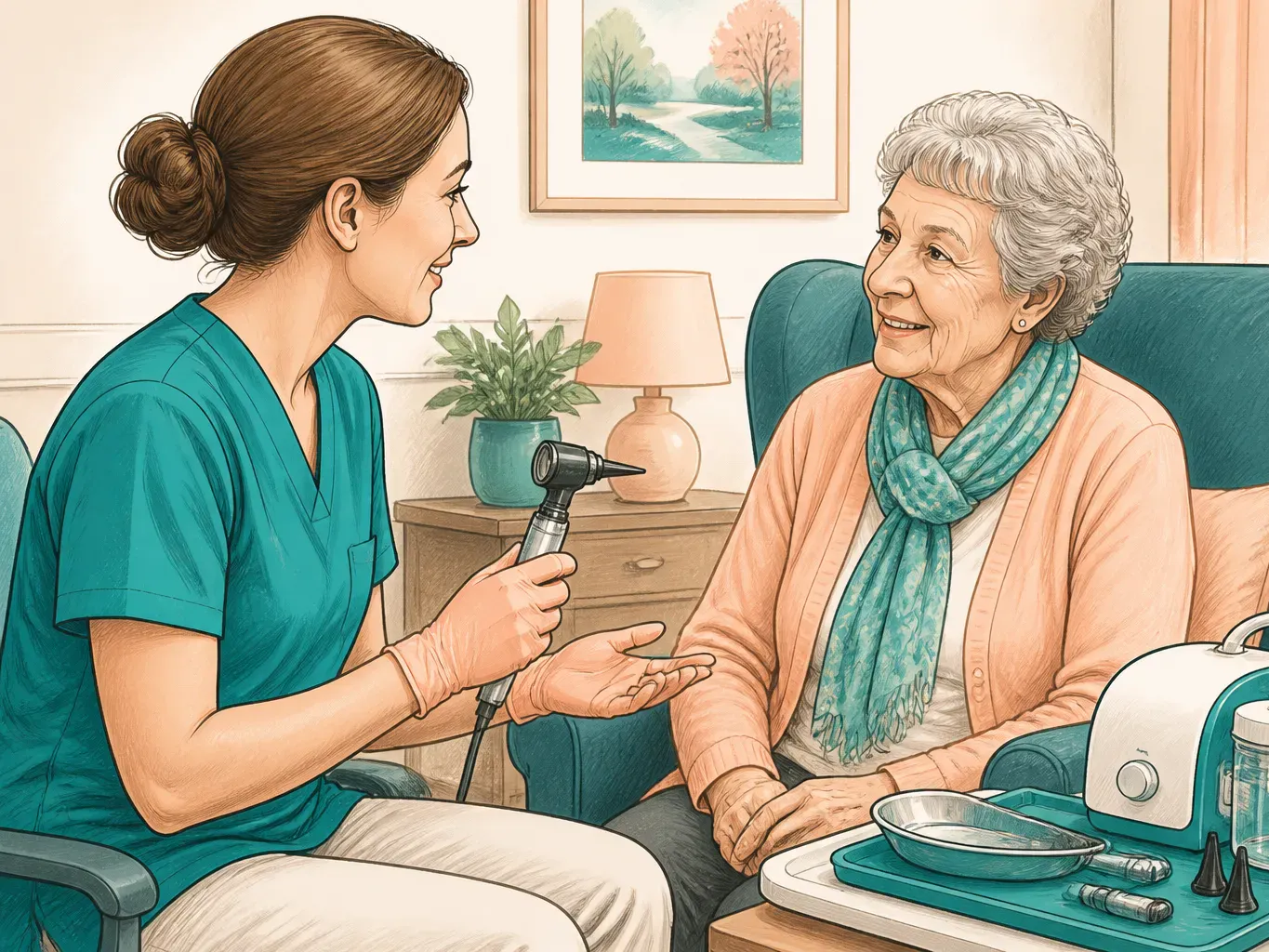
Some patients are more comfortable attending a clinic, while others, including elderly clients or care home residents, may benefit from a home visit. If that is your situation, Home visit earwax removal in Bristol may be more practical.
Comparing common earwax management options
Option | Comfort | Suitability | Speed | Aftercare considerations |
|---|---|---|---|---|
Microsuction | Usually precise and well tolerated | Good for many blocked ears, including more complex cases | Often fast in one appointment | Mild temporary sensitivity can happen, but aftercare is usually straightforward |
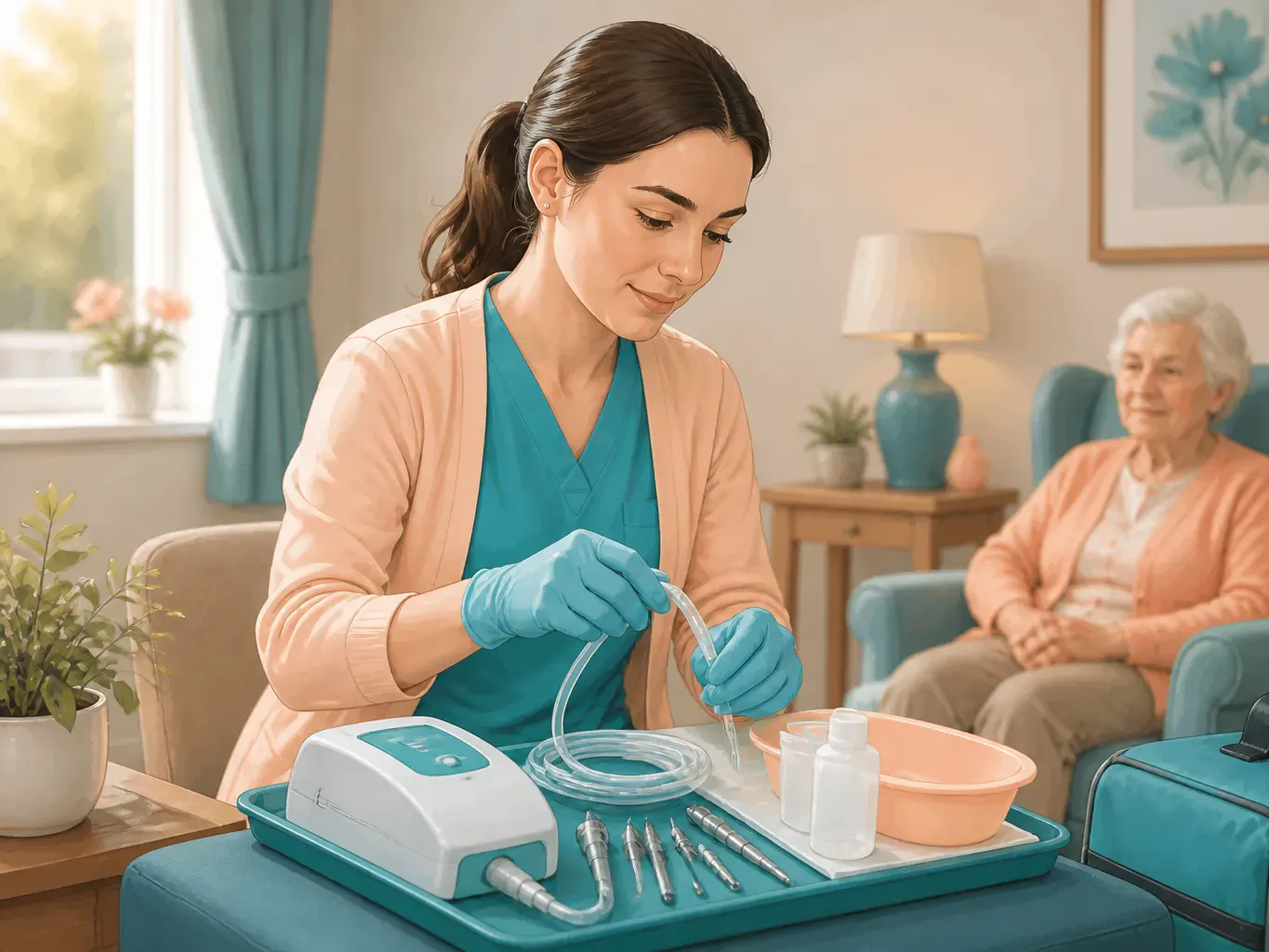
Water irrigation | Can work well in suitable ears | Not appropriate for everyone, especially if there is ear disease history | May require preparation and may not suit urgent cases | Ears can feel a little wet or irritated afterwards |
Home softening | Low effort and gentle when suitable | Best for mild build-up or before professional treatment | Slower and may not fully clear the blockage | Must stop if pain, discharge, or worsening symptoms occur |
If you are trying to understand the procedure in more detail, Pro Ear Clinic also has a helpful article on How Microsuction Works, which is useful if you have never had treatment before.

How to prevent earwax build-up happening again
You cannot always stop earwax from forming, because wax production is a normal part of ear health. What you can do is reduce the chance of blockage becoming a recurring problem.
Start with the basics:
- Avoid putting anything into the ear canal
- Be cautious with cotton buds, even if they seem to remove wax at first
- Keep an eye on symptoms if you wear hearing aids or earplugs regularly
- Ask about periodic ear checks if you have a history of repeated blockage
Older adults and hearing aid users often benefit from planned maintenance rather than waiting until the ear is completely blocked. Regular checks can catch early build-up before hearing becomes affected. This is particularly useful if clear hearing is important for safety, communication, or independence.
Some people find that occasional professional review is the most practical approach. For example, if you are prone to dry wax or you have one ear that seems to block more easily, a regular ear health plan can save time and reduce discomfort later.
When to seek urgent help for blocked ears
Most earwax problems are not emergencies. However, some symptoms are not typical of simple wax build-up and should be treated as urgent.
Seek prompt medical advice if you have:
- Sudden hearing loss, especially in one ear
- Severe ear pain
- Ear discharge or bleeding
- A fever
- Marked dizziness or spinning vertigo
- New hearing changes after injury or a very loud noise
Sudden one-sided hearing loss deserves urgent attention because it can be caused by conditions that need same-day or rapid medical review. Do not assume it is just wax.
If symptoms feel severe, unusual, or rapidly worsening, follow NHS-style urgent advice and do not wait for routine care. The Royal College of General Practitioners earwax information and the NHS guidance on earwax build-up both stress the importance of proper assessment when symptoms do not fit a simple blockage pattern.
Book treatment with Pro Ear Clinic
If you recognise the signs you need earwax removal, the next step is usually straightforward: book an assessment and get the blockage treated safely. Pro Ear Clinic supports patients who want careful, reassuring ear care, whether they need a quick clinic appointment, a same-day solution, or a home visit because travel is difficult.
This can be especially helpful for anxious individuals who want a gentle experience, busy families looking for convenient care, elderly clients who prefer support at home, and care home residents who need on-site attention. If your hearing is affecting work, conversations, or confidence, it is better to act early than to keep struggling with the problem.
From my perspective, the most reassuring part of proper earwax treatment is clarity. Once the ear is examined, you can usually tell whether wax is the issue, whether another cause needs attention, and what to do next.
To arrange care, explore the main earwax removal service page and, if needed, the option for same-day earwax removal. If home support is more appropriate, the home visit earwax removal in Bristol service may suit you better.
FAQ
What are the main signs you need earwax removal?
The main signs are blocked or muffled hearing, a feeling of fullness in the ear, tinnitus, itching, earache, dizziness, and difficulty with hearing aids. If these symptoms last more than a few days or start affecting daily life, it is worth booking an assessment.
Can earwax cause tinnitus or dizziness?
Yes, earwax can sometimes cause tinnitus, crackling, or a feeling of imbalance. That said, these symptoms are not always caused by wax, so persistent or severe changes should be assessed properly.
How do I know if it is earwax or an ear infection?
Earwax commonly causes blocked hearing, fullness, and mild discomfort. Infection is more likely if you have fever, discharge, severe pain, or feel unwell. If you are unsure, it is best to have the ear examined rather than guessing.
Is it safe to remove earwax at home?
Gentle softening may be suitable for some people, but it is not safe to dig into the ear canal or use cotton buds. If you have pain, discharge, a perforated eardrum history, or a suspected infection, you should seek professional advice.
How quickly should I book treatment if my hearing feels blocked?
If the blockage is affecting communication, work, sleep, or confidence, book soon. If the hearing loss is sudden, one-sided, severe, or accompanied by pain or dizziness, seek urgent medical advice.
What is the safest professional treatment for earwax removal?
For many patients, microsuction is a very safe and precise option because the clinician can remove wax under direct vision. The best method depends on your ear health, symptoms, and medical history.
Can hearing aid users get blocked ears from earwax more often?
Yes, hearing aid users are often more likely to notice build-up, and sometimes the device can contribute to it. Regular checks can help prevent wax from affecting sound quality or device fit.