Ear wax removal for families is usually simple, safe, and very effective when it is done gently and at the right time. Most ear wax does not need urgent treatment, but if it starts to affect hearing, comfort, balance, or day to day life, a family friendly assessment can help you choose the safest next step.
What families need to know about ear wax
Ear wax, also called cerumen, is a normal part of ear health. It helps trap dust and debris, protects the skin inside the ear canal, and has natural antibacterial properties. For many people, wax moves out of the ear by itself as the jaw moves during talking and chewing, so no treatment is needed at all.
Problems begin when wax builds up and becomes impacted, meaning it blocks the ear canal or sits close enough to interfere with hearing and comfort. This can happen in adults and children, and it is more common if someone uses hearing aids, has narrow ear canals, produces naturally thicker wax, or has a history of repeated blockage. Families often notice the issue only when a child stops responding properly, an older relative turns the television up too high, or someone starts saying that sounds feel muffled.
The good news is that ear wax removal for families can usually be managed safely with a calm, step by step approach. The main goal is not to remove every trace of wax, but to restore comfort and hearing without causing damage. That means choosing methods that are suitable for the person’s age, symptoms, and ear health history, rather than trying to solve the problem quickly with home tools that can make things worse.
For most households, the best approach is simple: recognise the signs early, avoid putting anything inside the ear, and seek advice if the wax does not clear with gentle softening. If you are unsure whether ear wax is the cause, a professional ear health assessment can help separate wax related symptoms from other causes of hearing loss or discomfort.
Signs an adult or child may need ear wax removal
Ear wax build-up does not always hurt. In fact, the most common clue is that hearing changes gradually, so families may assume the person is just distracted or tired. Looking for a pattern of symptoms is often more useful than waiting for severe discomfort.
Common signs in adults and children include:
- Muffled hearing or a feeling that sounds are blocked
- A sensation of fullness or pressure in the ear
- Itching inside the ear canal
- Mild discomfort or irritation
- Ringing or buzzing in the ear, known as tinnitus
- Difficulty hearing in noisy rooms
- Balance changes or a slightly off feeling
- A need to increase the television or device volume
Children may show different signs because they are less likely to explain what they feel clearly. A child with wax blockage may ask for things to be repeated, turn their head to one side, seem inattentive at school, or misunderstand instructions. Teachers or carers sometimes notice the issue first. Younger children may also pull at the ear, become frustrated during conversation, or appear unusually quiet.
It is important to remember that ear wax is only one possible cause of these symptoms. If hearing changes appear suddenly, if one ear is much worse than the other, or if there are other symptoms such as pain, dizziness, discharge, or fever, a professional should assess the ear rather than relying on home care alone. Guidance from the NHS guidance on earwax build-up explains when wax can be managed conservatively and when clinical help is needed.
Families should also pay attention to older adults who wear hearing aids. Wax can interfere with how the hearing aid fits and works, and the person may think the device is failing when the real issue is blockage. If that sounds familiar, checking for wax is a sensible first step before arranging costly repairs or replacements.
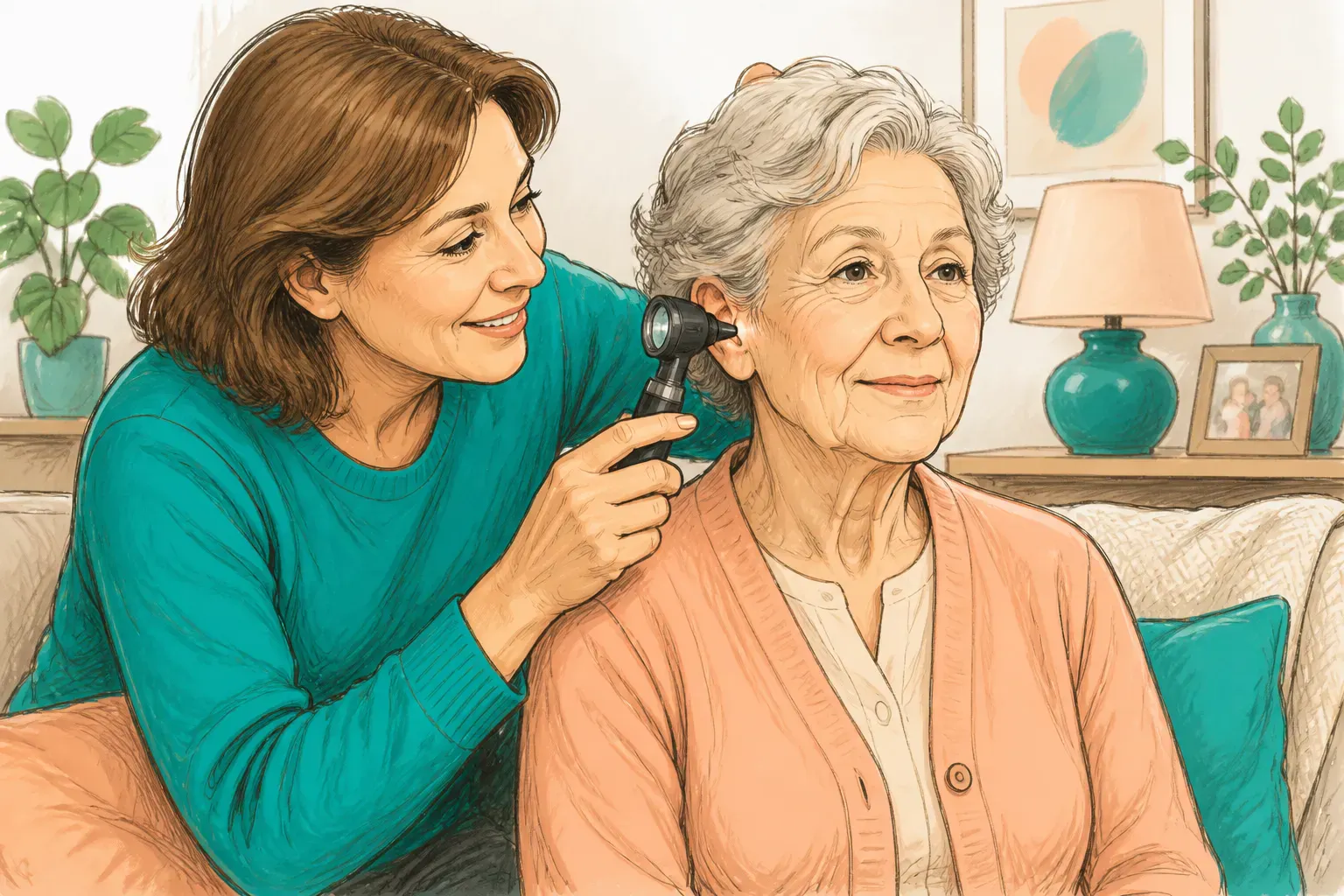
Safe home care for families before treatment
Gentle home softening can be useful when symptoms are mild and there are no warning signs. The purpose is to soften the wax so it can move out more easily or so professional removal becomes simpler and more comfortable.
Many clinicians suggest using a softening agent such as olive oil or an approved ear drop for a short period before treatment, provided the ear is otherwise healthy. A common approach is a few drops once or twice a day for several days. Always follow the instructions on the product or the advice you are given, because overuse does not work better and may irritate the ear. If you are using home softening for a child, it is sensible to check suitability with a pharmacist, GP, or ear care clinician first.
Just as important is knowing what to avoid. Families should not use cotton buds, hair grips, tissue corners, or any other object to dig wax out. That often pushes the wax deeper, scratches the ear canal, or damages the eardrum. Ear candles should also be avoided. They do not reliably remove wax and can cause burns or other injury.
Home softening is not suitable for everyone. Stop and seek advice if the person has ear pain, discharge, bleeding, suspected infection, a known or possible perforated eardrum, recent ear surgery, or a history of severe ear disease. If softening drops make symptoms worse, or there is no improvement after several days, the next step should be professional assessment rather than repeated self treatment.
A few sensible home habits can also help reduce the chance of future blockage. Let the ears clean themselves naturally, keep hearing aids clean and well fitted, and avoid excessive water or soap getting trapped in the ear canal. If someone keeps developing wax problems, regular professional review is often more effective than repeated guessing at home.
Professional ear wax removal options and how they differ
When home softening is not enough, families usually want to know which professional option is safest and most suitable. The right choice depends on age, the condition of the ear, how much wax is present, and whether there are any signs that make one method more appropriate than another.
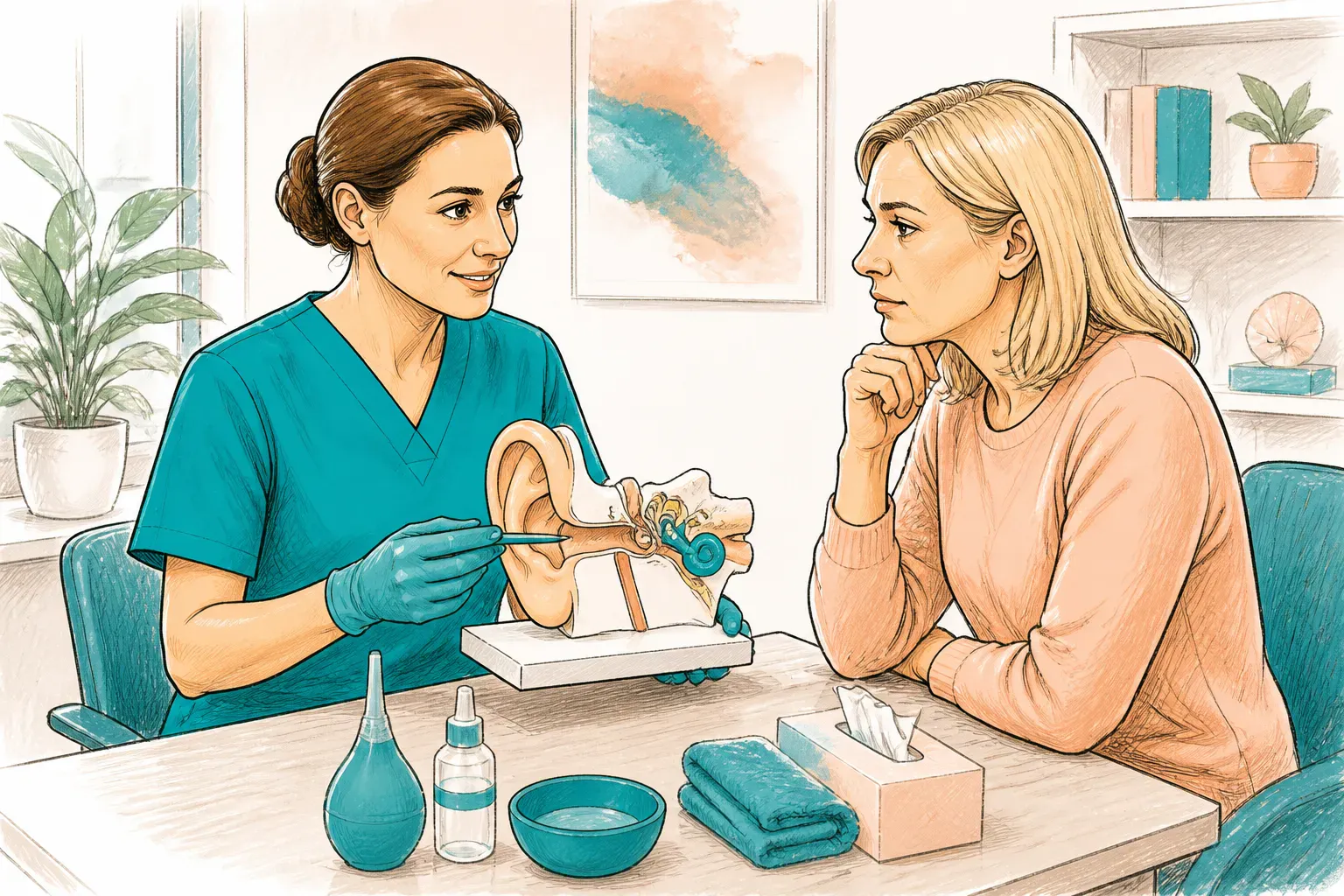
Method | What it involves | Best suited to | Benefits | Cautions |
|---|---|---|---|---|
Microsuction | A clinician uses a fine suction device and direct visualisation to remove wax carefully | Adults and many children, especially when precision is important | Controlled, accurate, usually no water needed, useful for delicate ears | Can feel noisy, may not suit everyone if they cannot sit still comfortably |
Irrigation | Warm water is used to flush wax from the ear canal | Some people with healthy ears and suitable history | Can be effective for soft wax and may be quick in the right cases | Not suitable if there is perforation risk, infection, certain ear conditions, or past surgery |
Clinic assessment only | The ear is examined, history is reviewed, and advice is given before deciding on treatment | Anyone with unclear symptoms, pain, discharge, or complex history | Helps rule out other problems and choose the safest method | May not remove wax on the first visit if the ear needs further softening or medical review |
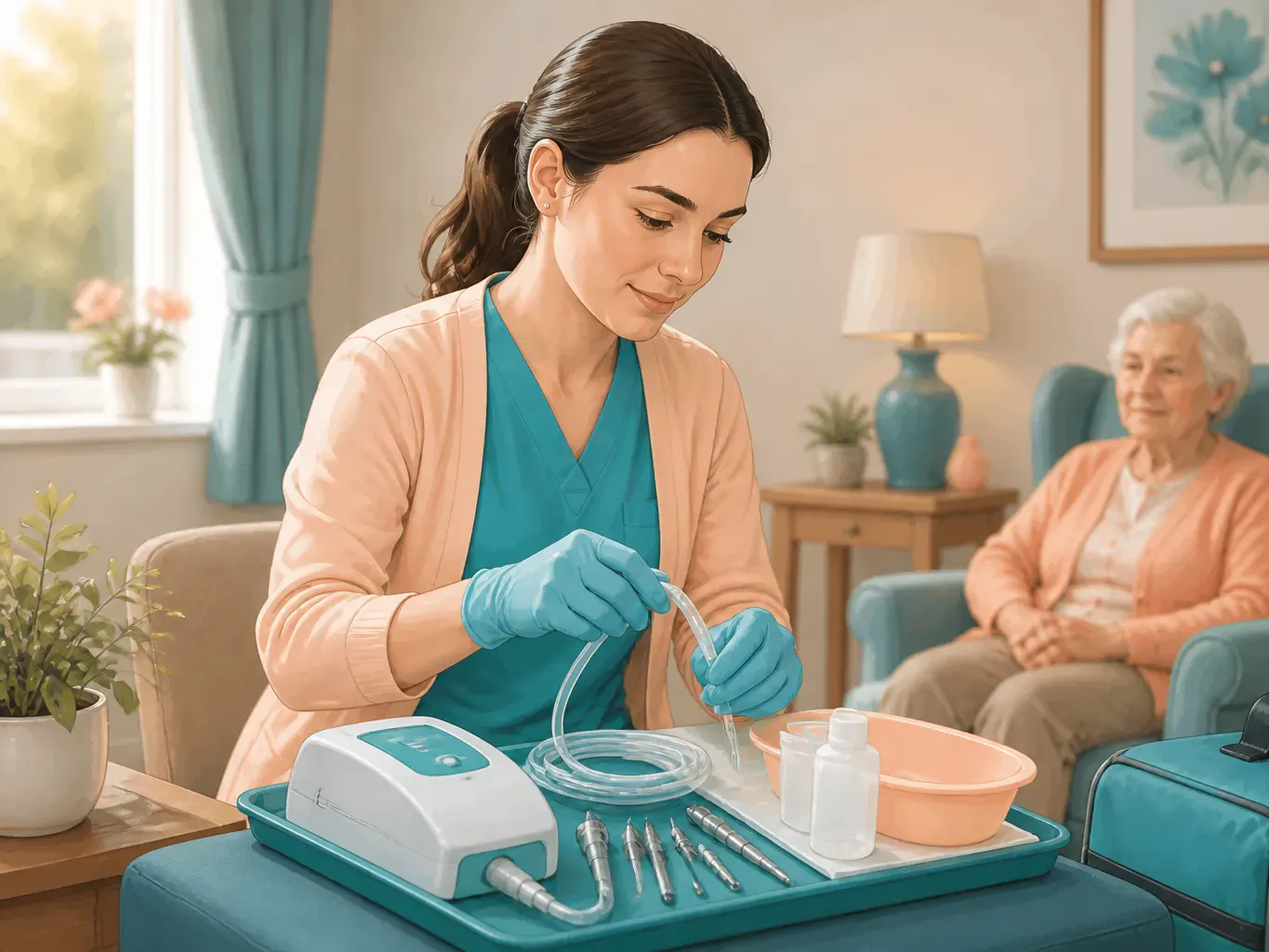
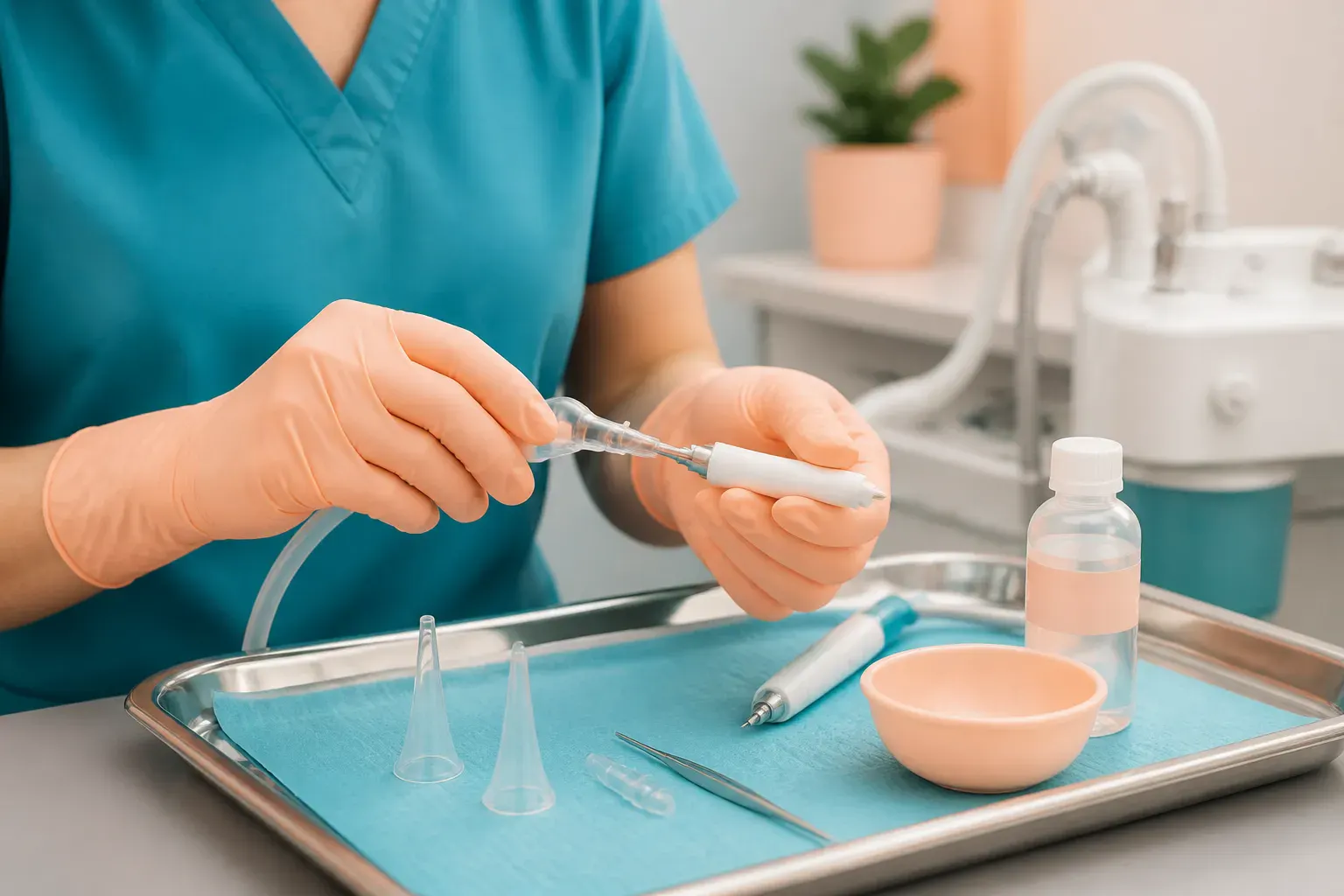
At Pro Ear Clinic, microsuction is often a preferred option because it is precise and allows the clinician to work while seeing the wax clearly. That is especially useful when the ear canal is narrow, the wax is hard, or a person has previously had problems with irrigation. It can also be reassuring for anxious patients because the process is controlled and closely monitored.
Irrigation can still be appropriate in some situations, but it is not the right choice for every family member. A proper assessment comes first, because the safest method is the one matched to the ear, not the one that sounds simplest. The British Society of Audiology earwax removal guidance is a useful professional reference for understanding why assessment matters before treatment.
What to expect at a family ear wax appointment
A good appointment should feel calm, clear, and unhurried. For many families, knowing the sequence of events makes the experience much less stressful.
The clinician usually begins by asking about the symptoms, how long they have been present, and whether anything has been tried at home. They will also ask about hearing aids, previous ear infections, ear surgery, dizziness, discharge, pain, and any history of a perforated eardrum. For children, they may ask how the symptoms affect school, sleep, listening, and concentration.
Next comes an examination of the ears using an otoscope or a microscope. This allows the clinician to check whether wax is actually the cause, how much is present, and whether the ear canal and eardrum look healthy enough for removal. If it is appropriate to proceed, the wax is removed carefully, usually with direct visual guidance.
With microsuction, you may hear a suction sound and feel a little movement in the ear, but the process should not be painful. Some people describe brief tickling or a mild sensation of pressure. If anything is uncomfortable, the clinician should pause and adjust the approach. A child may be helped by calm explanation, a parent’s presence, and short, simple instructions.
Aftercare is usually straightforward. People may be advised to avoid inserting anything into the ear, to keep the ear dry for a short time if needed, and to contact the clinic if symptoms do not settle as expected. It is not unusual for hearing to feel clearer immediately after removal, although some people notice a little sensitivity or awareness of the ear for a short period.
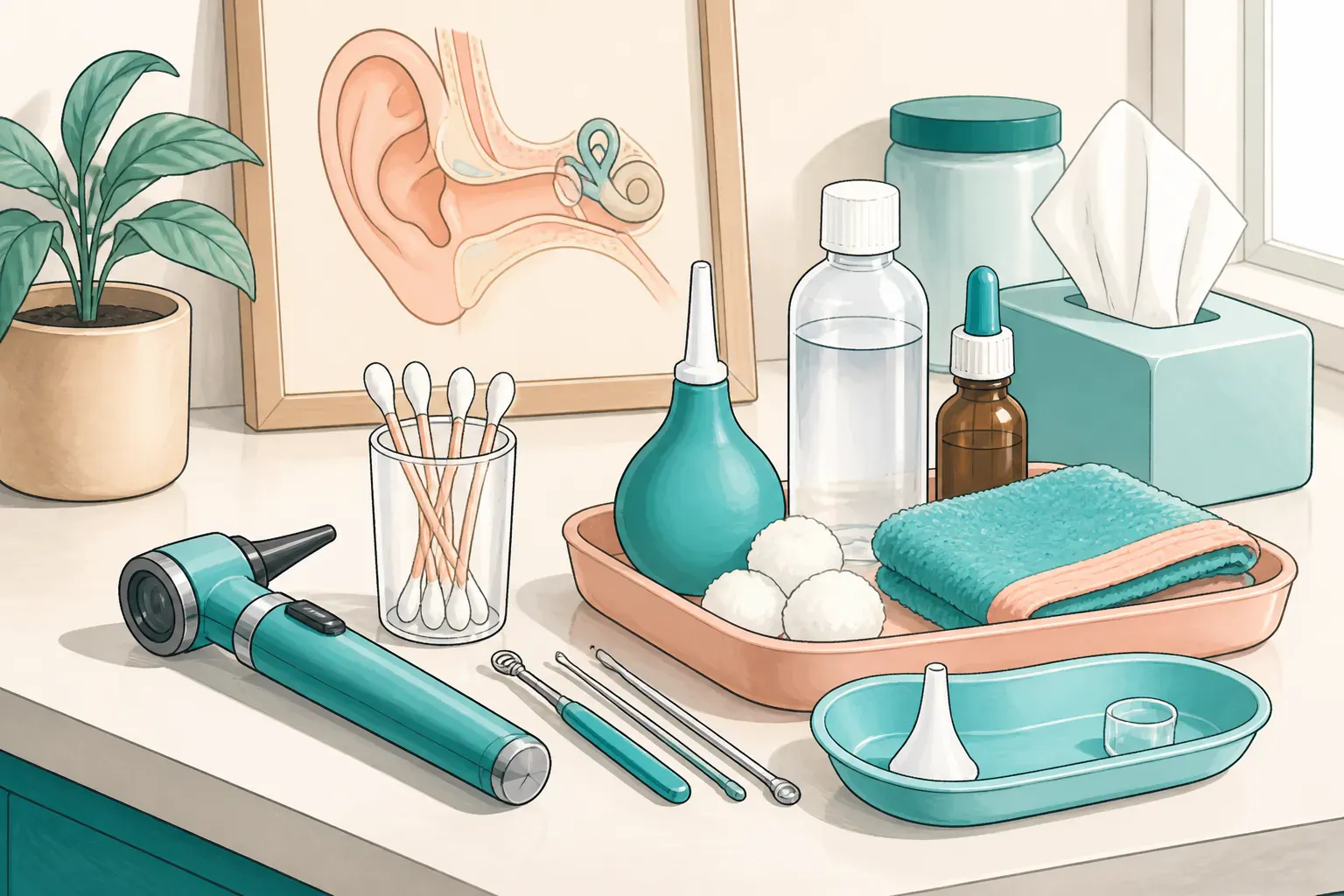
If the appointment reveals that wax was not the full explanation, the clinician may recommend further assessment. That is another reason families benefit from seeing a specialist rather than trying to solve every ear symptom at home.
Ear wax removal for children, older adults, and anxious patients
Different family members need different kinds of support, even when the treatment itself is similar. A good ear care service adapts to the person in front of it.
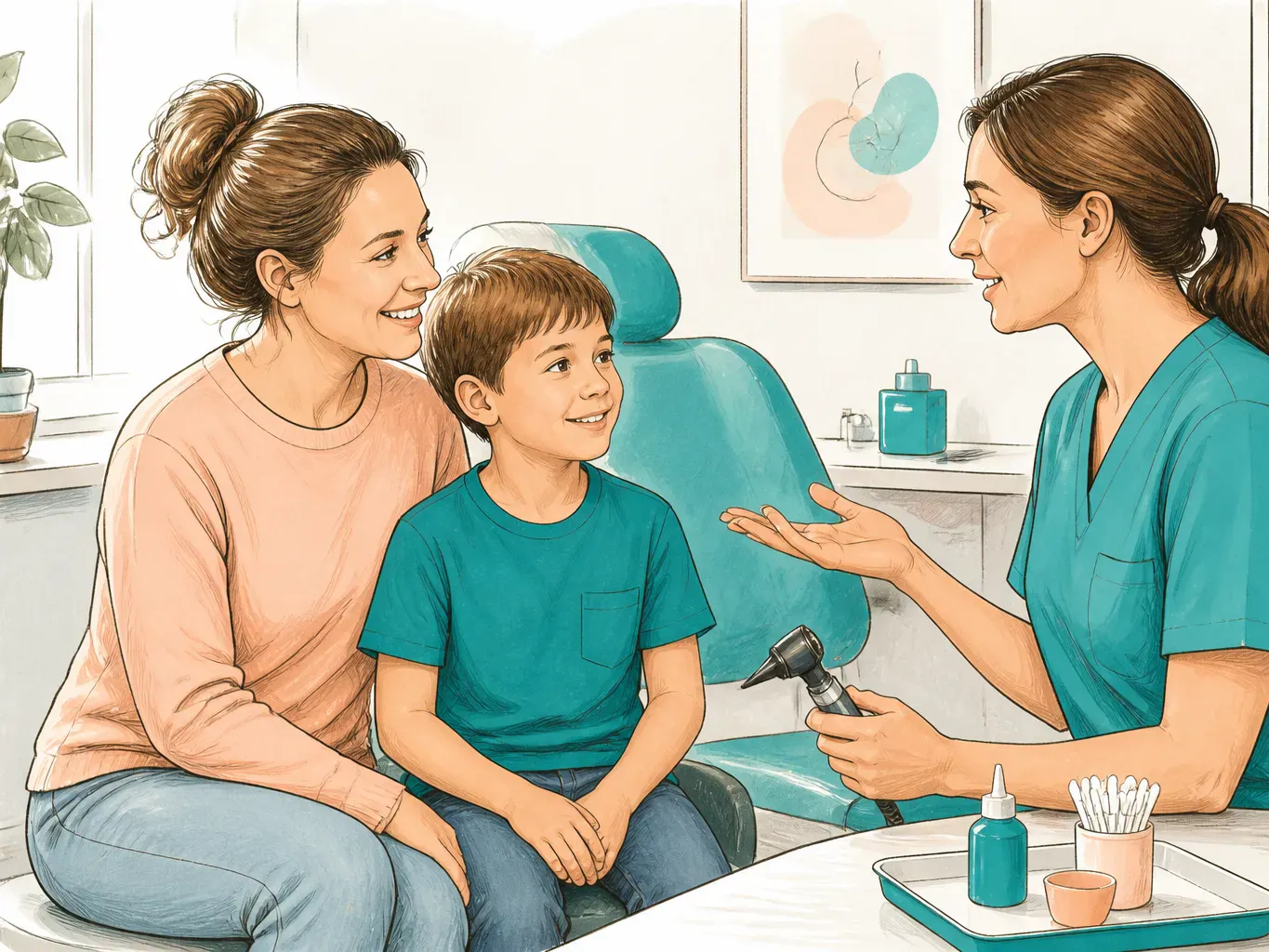
For children, reassurance and age appropriate communication matter most. The clinician may explain what will happen in simple language, keep the appointment moving at a steady pace, and involve the parent or carer in a reassuring way. The aim is to create a sense of safety, not to rush. If a child is very young or unable to cooperate comfortably, the clinician may decide that another approach or a different time is more suitable.
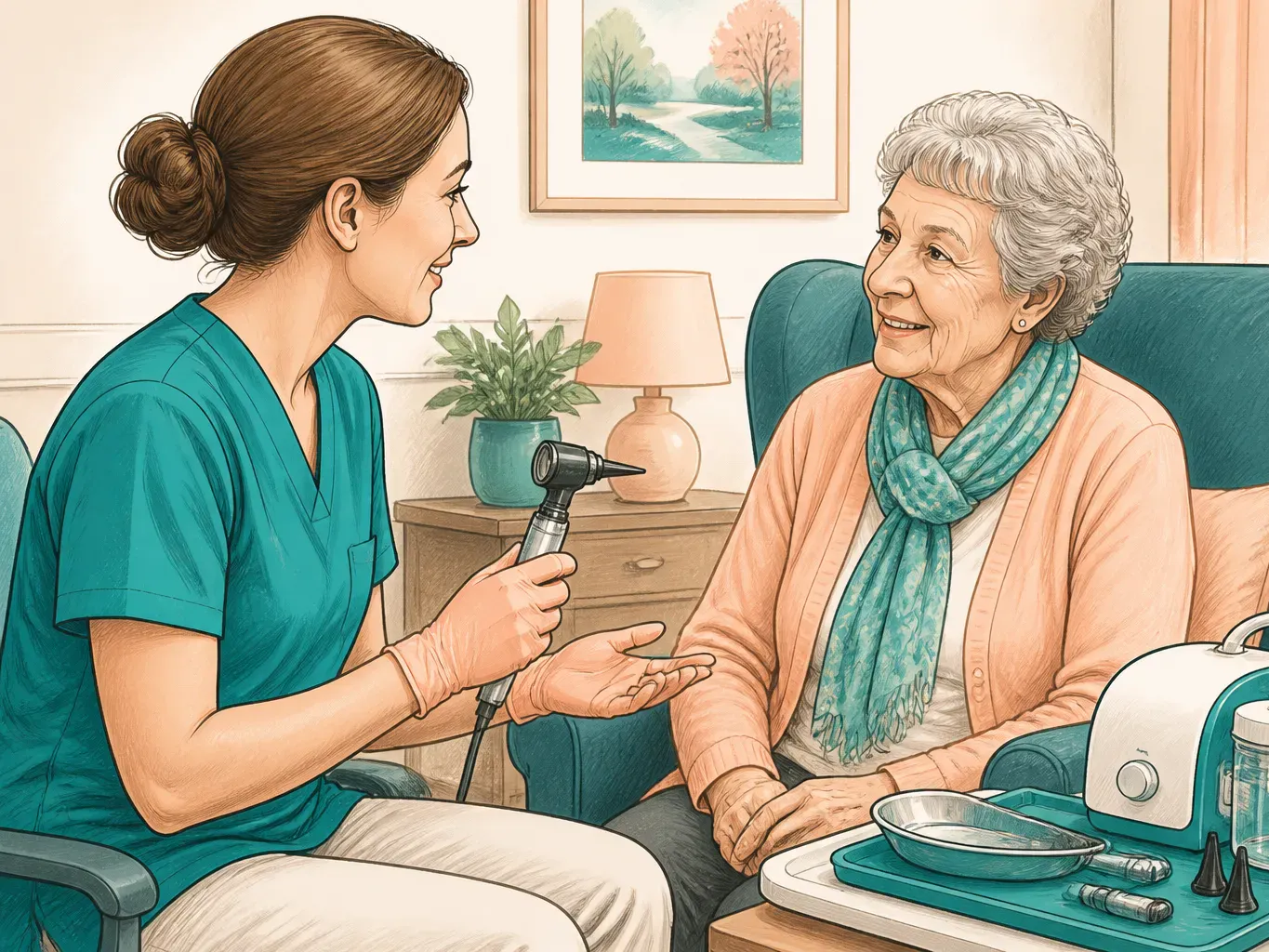
Older adults often have extra factors to consider. Hearing aids can affect wax patterns, and reduced dexterity may make home softening difficult. Some people also have arthritis, mobility limitations, or a history of ear problems that make a gentle clinic based approach more practical. If a home visit is needed, a service such as Home visit earwax removal can be a valuable option for those who find travel challenging.
Anxious patients benefit from predictability. It helps to know what the room will look like, how long the appointment may take, and that the clinician will explain each step before it happens. A calm tone, good lighting, and a patient led approach can make a big difference. Many people who were worried beforehand find that the process is much easier than expected once they are properly informed.
If a family member has ongoing hearing concerns as well as wax problems, a broader Ear health assessment may be useful so the clinician can consider the whole picture rather than only treating the blockage.

When families should choose professional help rather than home treatment
Home softening has a place, but there are clear times when professional care is the safer choice. Families should stop self treatment and seek assessment if any of the following apply:
- Ear pain that is persistent or worsening
- Discharge, bleeding, or a foul smell from the ear
- Sudden hearing loss
- Significant dizziness or balance problems
- A known or suspected perforated eardrum
- Recent ear surgery or a history of complex ear disease
- Wax that does not improve after several days of softening
- Recurrent blockage, especially with hearing aids
Professional help is also sensible when the person has repeated episodes of wax build-up, because repeated blockage can suggest that the ears need regular care rather than occasional guesswork. This is common in older adults and hearing aid users. It is also wise to seek clinical support if the family is not sure whether symptoms are caused by wax at all.
The NICE guidance on hearing loss in adults is a useful reminder that hearing changes deserve proper assessment, especially when the cause is uncertain or symptoms affect everyday life. Hearing problems are not always caused by wax, and waiting too long can delay the right support.
If home care is making things worse, or the person becomes more uncomfortable after trying drops, stop and arrange a review. The safest choice is always the one that protects the ear canal and eardrum first.
How Pro Ear Clinic supports family ear care
Pro Ear Clinic focuses on safe, patient friendly ear care with evidence based methods and a reassuring approach. For families, that means clear explanations, careful assessment, and treatment that is chosen because it suits the individual ear, not because it is the quickest option.
Microsuction is a key part of the clinic’s service model because it allows precise removal under direct vision. That can be especially helpful for children, older adults, hearing aid users, and anyone who wants a controlled technique with minimal fuss. The clinic also offers practical guidance before and after treatment so patients know how to prepare, what to expect, and when to ask for further advice.
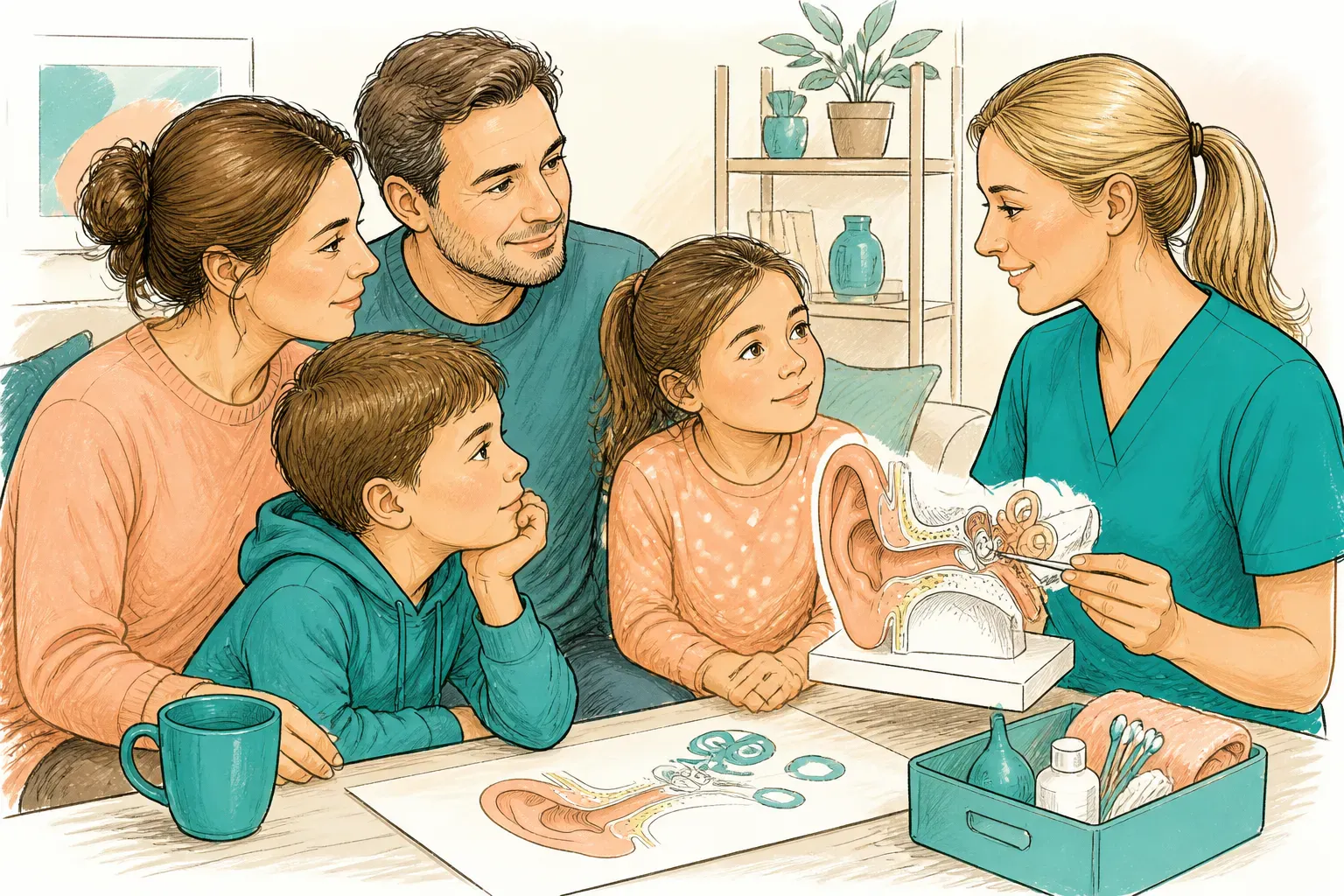
Families can also use the site’s educational resources to learn more before booking. If you want a child focused option, see Children’s earwax removal in Bristol. If travel is difficult for an older relative or a care setting, Home visit earwax removal may be more suitable. For broader support around symptoms and prevention, Microsuction ear wax removal explains the treatment in more detail and can help families make a confident decision.
If you like to read before you book, these external resources are also worth keeping in mind: NHS guidance on earwax build-up, British Society of Audiology earwax removal guidance, and NICE guidance on hearing loss in adults. Together they provide a helpful evidence based backdrop for choosing safe care.
For most families, the key message is simple. Ear wax is normal, but troublesome wax should be handled carefully. With the right advice, the right timing, and the right method, treatment can be calm, effective, and reassuring for every generation in the household.
FAQ
Is ear wax removal safe for children and older adults?
Yes, when it is done by a trained clinician and matched to the person’s ear health. Children and older adults can both be treated safely, but the approach should be gentle, well explained, and adjusted for cooperation, comfort, and medical history.
How do I know if ear wax is causing my family member’s hearing problems?
Wax often causes muffled hearing, a blocked feeling, or a need to turn up the volume. If the change is gradual and one or more of these symptoms are present, wax may be involved, but a professional assessment is the best way to confirm it.
Can I use olive oil at home before booking ear wax removal?
Often, yes, if there is no pain, discharge, infection, or suspected perforation. Olive oil can help soften wax over a few days, but it should be used as directed and stopped if symptoms worsen.
When should we avoid home ear wax removal and see a clinician instead?
Avoid home treatment if there is pain, discharge, bleeding, dizziness, sudden hearing loss, a known eardrum perforation, recent ear surgery, or no improvement after softening. In those cases, professional assessment is safer.
What is the gentlest professional method for ear wax removal?
Microsuction is often considered one of the gentlest and most controlled methods because the clinician can see the wax directly while removing it carefully. It is not always the only suitable method, but it is often preferred for precision.
How long does a family ear wax appointment usually take?
Many appointments are relatively quick, often around 15 to 30 minutes, although this varies depending on the amount of wax, the condition of the ears, and whether assessment is needed before treatment.