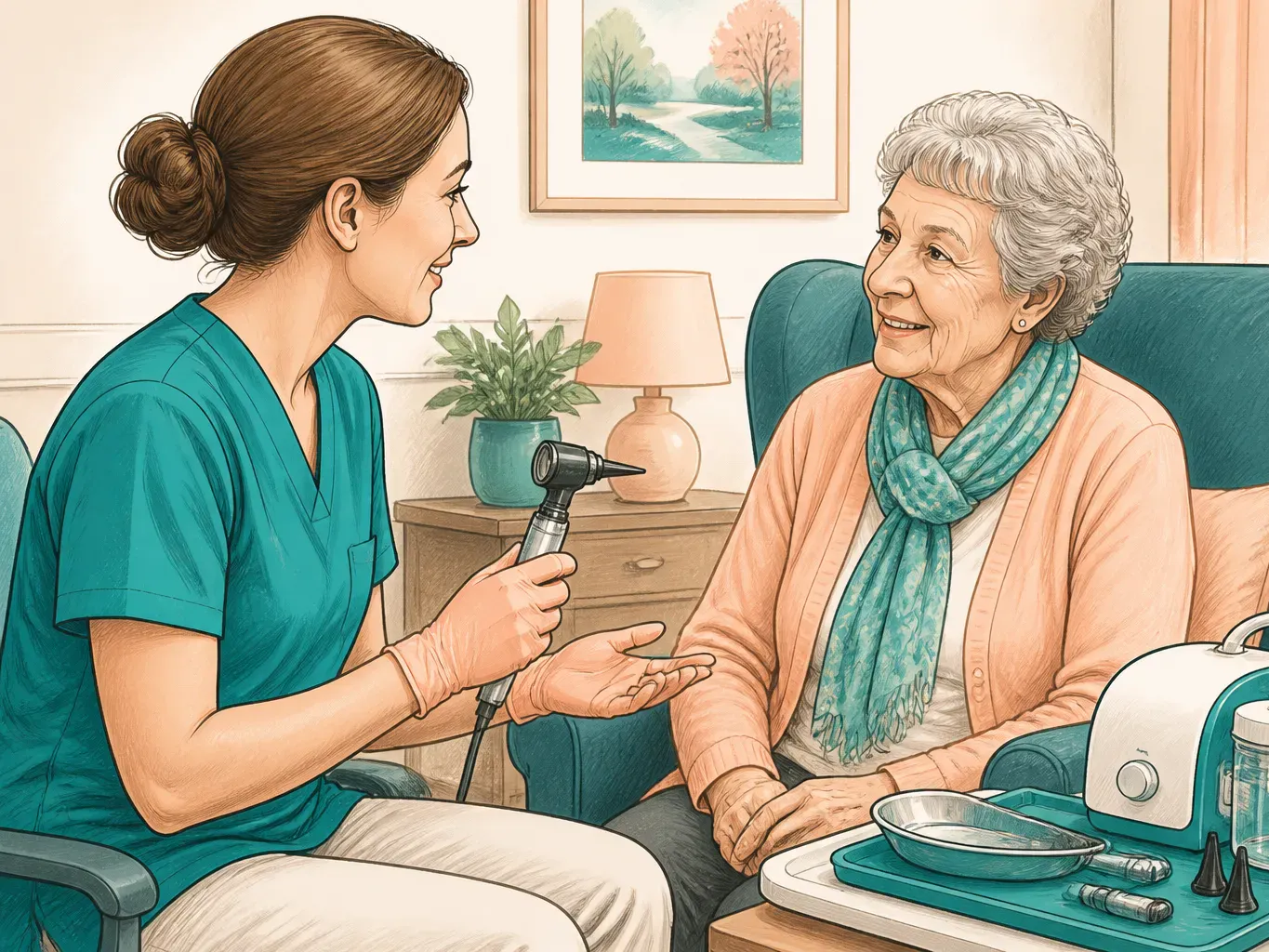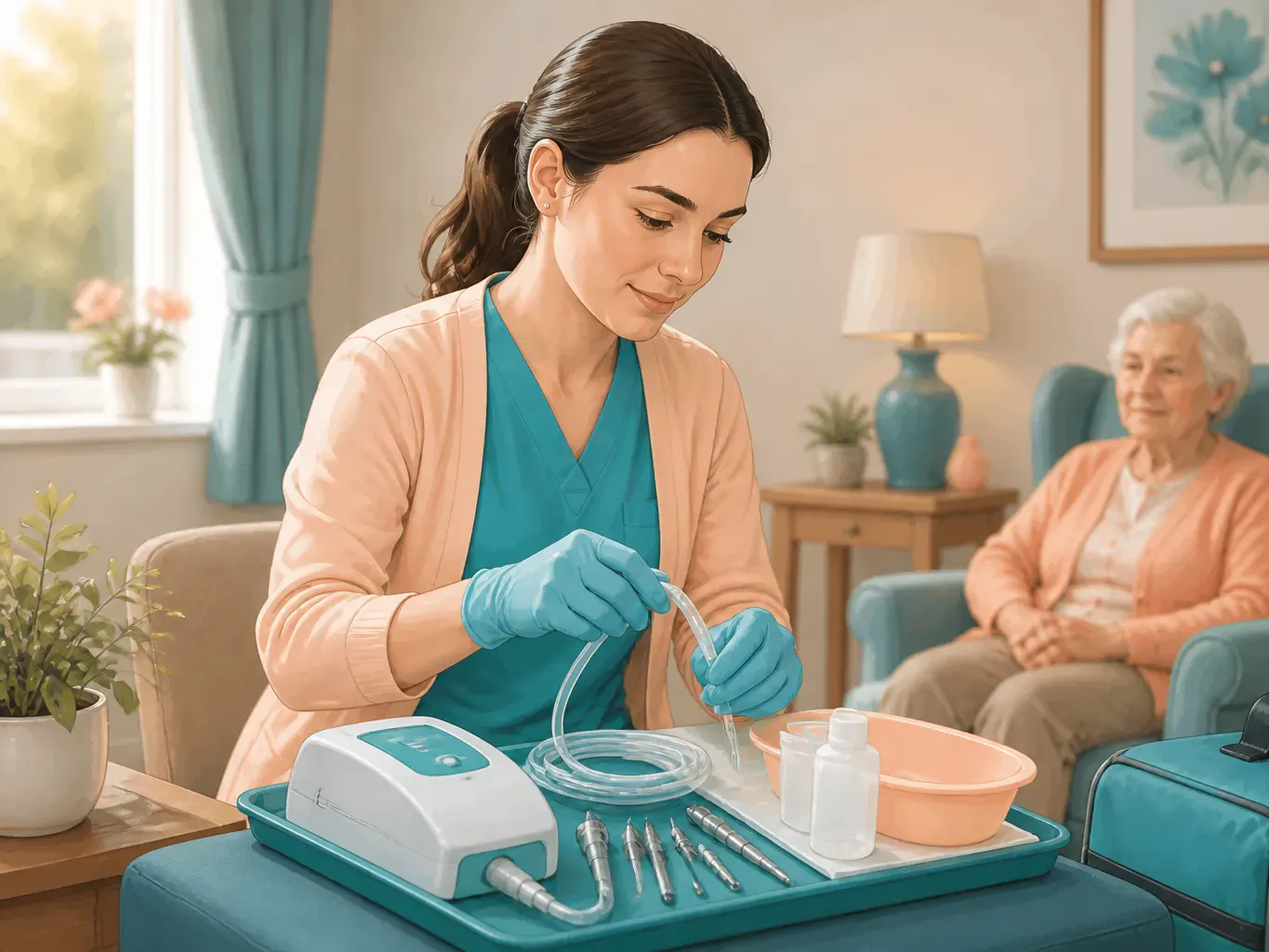

Boots ear wax removal usually means a pharmacy conversation about blocked ears, advice on safe self care, softening drops, or a referral onwards if the wax needs more direct treatment. It is not always a single in pharmacy procedure, and for many people the safer choice is a clinician led assessment with treatment such as microsuction.
Quick answer, what Boots ear wax removal is
When people search for Boots ear wax removal, they are often looking for a convenient way to deal with blocked ears quickly. In practice, Boots may offer pharmacist advice, recommend olive oil or other softening drops where suitable, and explain whether you should see a GP or an ear care specialist. If your symptoms are persistent, painful, or affecting hearing, a dedicated ear wax appointment is usually the more reliable and safer option.
Why earwax builds up and when it becomes a problem
Earwax, also called cerumen, is a natural substance that protects the ear canal. It helps trap dust and debris, keeps the skin in the ear canal lubricated, and has mild antibacterial properties. For most people, earwax moves out of the ear on its own as part of the normal cleaning process, then dries and flakes away unnoticed.
Problems start when too much wax is produced, wax is pushed deeper into the canal, or the ear canal does not clear it efficiently. This can happen for a number of everyday reasons. Older adults may have drier wax and more curved ear canals, hearing aid users may find that devices stop wax from moving naturally, and people who use cotton buds often push wax further in rather than removing it. Narrow ear canals, eczema, and previous ear surgery can also make a blockage more likely.
A build up of earwax does not always cause obvious symptoms straight away. In fact, many people do not notice a problem until hearing becomes muffled or one ear feels suddenly full. Common signs of impacted wax include:
- Reduced hearing or a blocked sensation
- Pressure or fullness in one or both ears
- Tinnitus, which is ringing, buzzing, or humming
- Mild ear discomfort or itchiness
- A feeling that your own voice sounds different
- Occasional dizziness or imbalance
It is important to recognise that these symptoms can overlap with other ear conditions. Not every blocked ear is caused by wax, and not every ear discomfort can be solved with drops. That is one reason why a careful assessment matters, especially for older adults, care home residents, or anyone who has repeated ear problems.
If you want to understand more about how the NHS approaches this issue, useful references include NHS guidance on earwax build-up and NHS information on using olive oil to soften earwax.
What Boots may offer for ear wax concerns
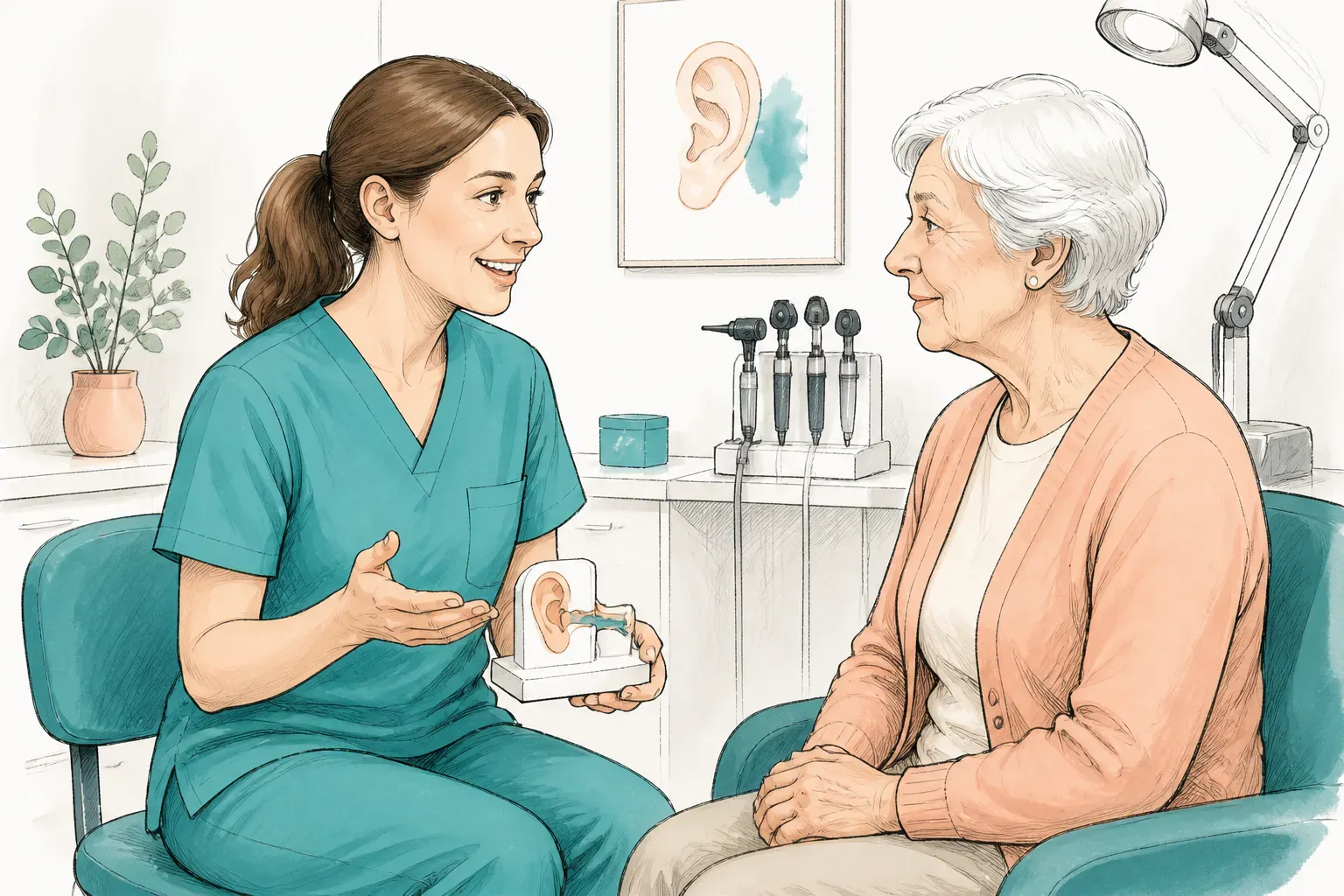
A Boots pharmacy conversation is often a sensible starting point if your symptoms are mild and you are not in pain. A pharmacist may ask how long the blockage has been present, whether you have ear pain or discharge, and whether you use hearing aids or have a history of ear problems. On that basis, they may suggest simple self care, recommend a wax softening product, or advise you to book an appointment with a GP or ear care provider.
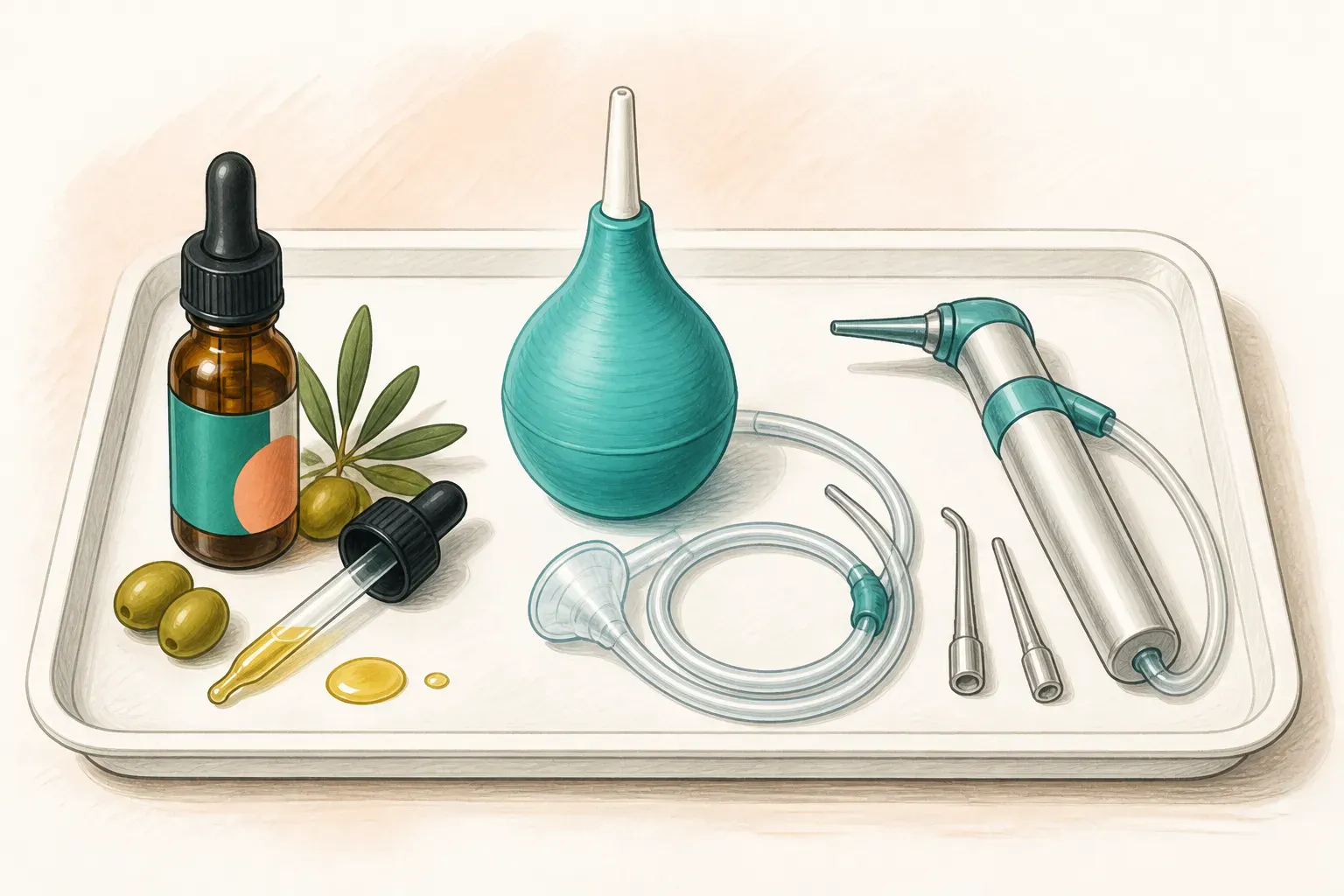
In many cases, the most common pharmacy suggestion is olive oil drops, provided they are appropriate for your situation. Olive oil can soften hard wax and make it easier for the ear to clear naturally or for a clinician to remove it later. It is generally a conservative first step, not a quick fix for every blockage. Some people improve within a few days, while others need a more direct treatment.
What Boots may not be able to offer is a full wax removal procedure in every branch. Pharmacy services vary, and not all pharmacies provide ear irrigation or wax removal at all. Even where a pharmacy can help with triage, there are limits, particularly if your symptoms suggest infection, a perforated eardrum, foreign body, sudden hearing loss, or a long standing blockage that has not responded to softening drops.
A practical way to think about pharmacy support is this: it can help you decide what to do next, but it is not always the final answer. If your ears are very blocked, if you need rapid relief, or if you are anxious about trying home methods, a specialist clinic is often the better option.
Safer alternatives to Boots ear wax removal
If pharmacy advice is not enough, there are several safer alternatives that are widely used in UK ear care. The right option depends on the amount of wax, your symptoms, your medical history, and how quickly you need relief.
Option | What it involves | Best for | Pros | Limitations and risks |
|---|---|---|---|---|
Olive oil softening | Drops used over several days to soften wax | Mild blockage, preparing for treatment | Simple, inexpensive, often a sensible first step | Slow, not suitable for every ear, may not clear impacted wax on its own |
Ear irrigation | Warm water gently flushes wax out of the canal | Some patients with suitable ear anatomy and no contraindications | Can work well when appropriate | Not suitable for everyone, can be uncomfortable, small risk of infection or eardrum issues |
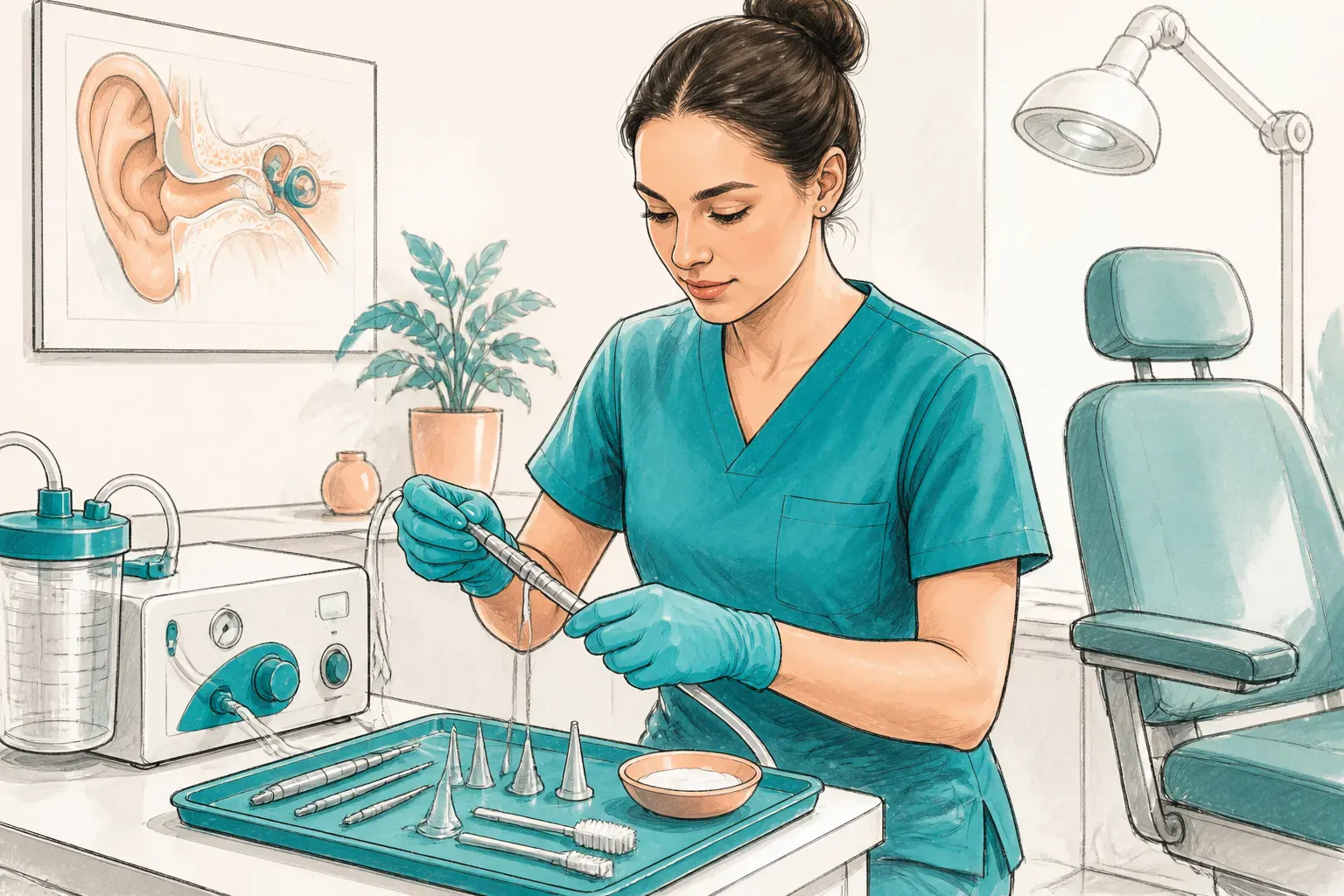
Microsuction | Wax is removed under direct view using a low pressure suction device | Impacted wax, hearing aid users, many people wanting controlled removal | Precise, clean, often quick, no water used | Requires trained clinician and suitable equipment |
Clinic assessment only | Ear examination and advice without immediate removal | Unclear symptoms, suspected infection, or when the ear needs review first | Helps identify the real cause of symptoms | May need a second appointment for treatment |
Of these, microsuction is often the most controlled and patient friendly method when carried out by trained professionals. Because the clinician can see the ear canal directly, they can remove wax in a targeted way and stop as soon as the canal is clear. This can be especially reassuring for anxious patients, older adults, or anyone who has previously had a difficult experience with water based methods.
Ear irrigation can still be suitable in some cases, but it is not ideal for everyone. It is usually avoided if there is a history of eardrum perforation, ear infection, ear surgery, some balance problems, or certain other ear conditions. That is why a proper assessment is essential before choosing a method.
If you are comparing local options, it may help to read about Microsuction ear wax removal and Same-day earwax removal if you want a fast, professional solution.
You can also review NICE guidance on earwax management and the British Society of Audiology guidance on earwax removal for more background on clinical approaches in the UK.
Why home remedies can be risky if used the wrong way
It is understandable to want to sort out blocked ears at home, especially when hearing is muffled and appointments feel inconvenient. The problem is that some common home remedies do more harm than good.
Cotton buds are one of the biggest culprits. They often push wax deeper into the canal, compacting it against the eardrum and making the blockage harder to treat. They can also scratch the ear canal skin, which raises the risk of pain and infection. The same warning applies to hairpins, tweezers, tissue corners, or any other object inserted into the ear.
Ear candles are another unsafe option. They are not supported by good evidence for removing wax, and they can cause burns, ear canal injury, or candle wax debris in the ear. They may feel like a quick fix, but they are not a reliable treatment.
Even olive oil should be used with care. It is often a sensible softening step for uncomplicated wax, but it is not suitable if you have pain, discharge, a suspected infection, a perforated eardrum, or recent ear surgery unless a clinician has specifically told you otherwise. If you are unsure, it is safer to ask a pharmacist or ear care professional before starting drops.
For anxious patients and older relatives, the safest message is simple: do not put anything inside the ear unless you have been advised to do so. A blocked ear is common, but self treatment should never increase the risk of damage.
How professional ear wax removal works at Pro Ear Clinic
At Pro Ear Clinic, the approach is built around careful assessment, clear explanations, and gentle treatment. That matters because many people searching for Boots ear wax removal are not only looking for convenience, they are looking for reassurance that the problem will be handled properly.
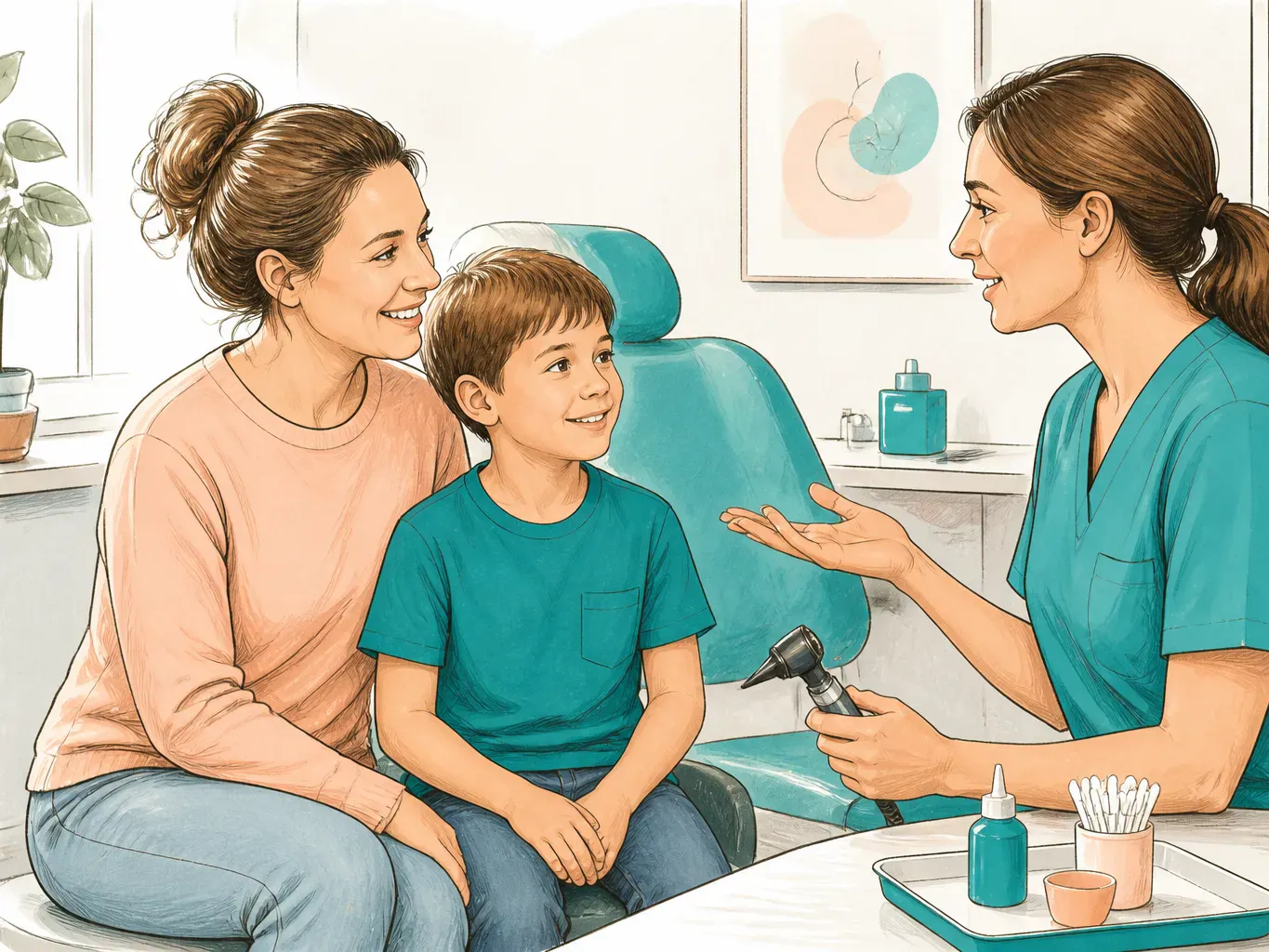
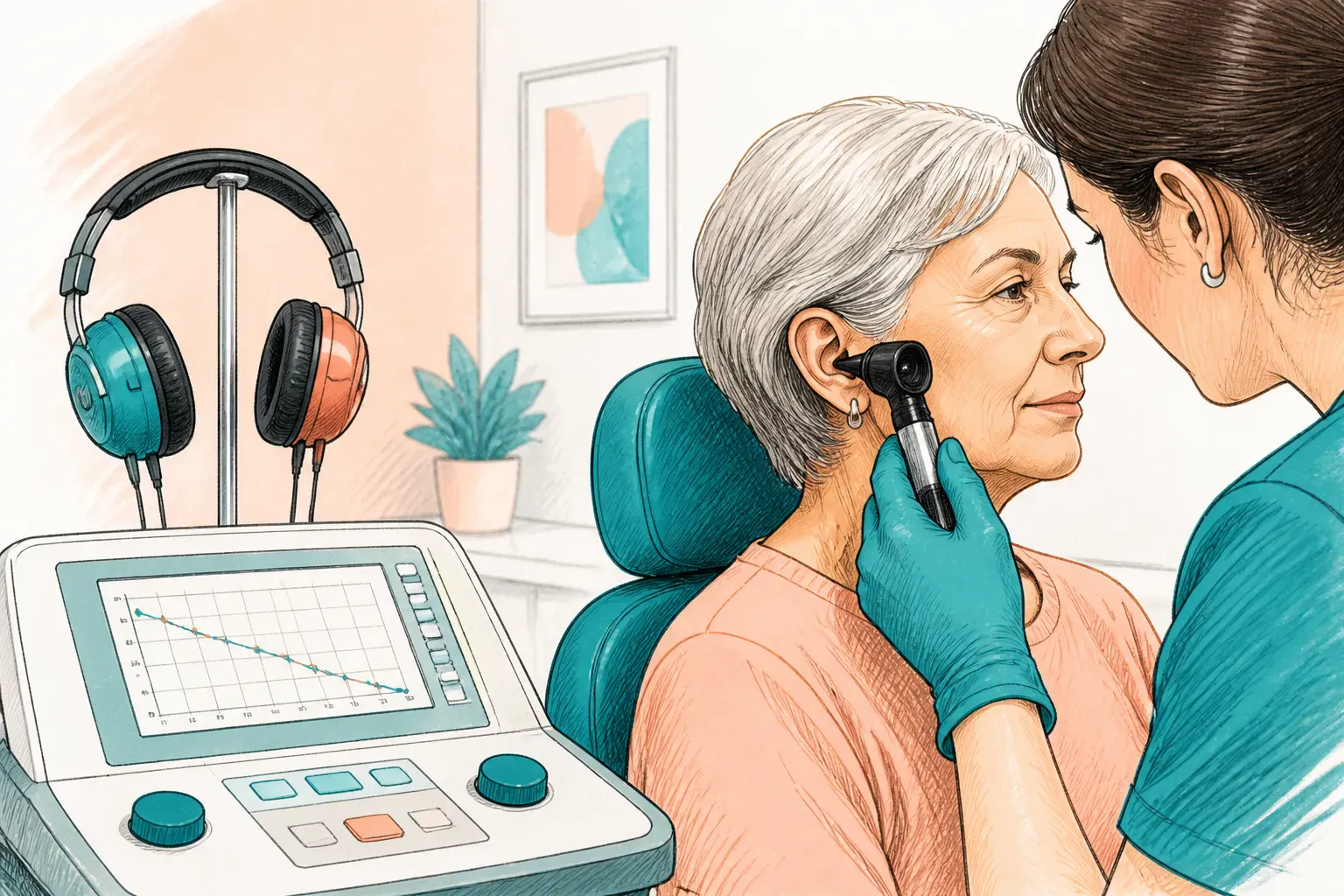
A typical appointment begins with a discussion of your symptoms, medical history, hearing aids if you use them, and any previous ear issues. The clinician then examines the ear canal and eardrum where possible, so they can confirm whether wax is the cause and whether removal is appropriate that day. If treatment is suitable, you will be told what will happen, what to expect, and how to let the clinician know if you feel uncomfortable at any point.
Microsuction is often the main treatment because it gives direct visual control and avoids water entering the ear. For many patients, that makes it feel cleaner, quicker, and easier to tolerate than older methods. It is especially useful for impacted wax, ear canals that are narrow or sensitive, and situations where precision matters.

The clinic experience is designed to suit a wide range of people. Busy families often value straightforward booking and efficient care. Anxious patients usually appreciate the calm, modern environment and the opportunity to ask questions before anything begins. Older adults can benefit from a method that is careful and well explained, while home visit arrangements can be helpful for people who find travel difficult or who live in care settings.
If you need treatment away from the clinic, you can explore Home visit earwax removal for more information.
Boots vs clinic care, which option fits your situation
The choice between pharmacy advice and specialist care depends on urgency, symptoms, and how confident you feel about the cause of the blockage.
Situation | Boots pharmacy advice | Specialist clinic care |
|---|---|---|
Mild fullness, no pain, no discharge | Often a reasonable first step | May not be needed immediately |
Need guidance on softening drops | Helpful | Helpful, especially if symptoms are persistent |
Hearing heavily affected | May be insufficient | Often the better choice |
Strong discomfort, dizziness, or discharge | Not enough on its own | Needs clinical assessment |
Want same day relief | Unlikely to be guaranteed | Often more suitable |
History of ear surgery or perforation | Pharmacist may advise caution and referral | Assessment is important before any removal method |
Care home or housebound patient | Advice may be limited by access | Home visit service may be more practical |
A pharmacy visit can be enough when symptoms are mild and you simply need an initial plan. But if the blockage is affecting daily life, hearing aids are no longer fitting well, or the ear feels fully blocked, a specialist appointment is usually more efficient. It reduces guesswork and can save time compared with trying multiple home methods first.
There are also clear reasons to move beyond pharmacy support sooner. Sudden hearing loss, significant pain, discharge, fever, or dizziness should not be treated as routine wax. Those symptoms need proper assessment, because they may point to infection or another ear condition.
If you live locally and want prompt help, Blocked ear removal in Bristol may be a useful next read.
What to do before your appointment or pharmacy visit
A little preparation can make ear wax treatment smoother and more effective. If a pharmacist or clinician has recommended olive oil, use it exactly as directed and for the length of time advised. Many people use it for a few days to soften wax before assessment, although the right approach depends on the individual case.
Before your visit, avoid putting anything in the ear, including cotton buds or makeshift tools. Try not to flush the ear yourself with home irrigation kits unless you have been trained and told it is appropriate for you. If you use hearing aids, bring them with you or explain how long the ear has felt blocked since the hearing aid started becoming less effective.
If you are preparing for a child, an older relative, or someone in a care setting, a short checklist can help:
- Note the main symptoms and how long they have lasted
- Record any pain, discharge, dizziness, or fever
- List current ear drops, medications, and any past ear surgery
- Bring glasses, hearing aids, or mobility aids if needed
- Make sure the person is comfortable and understands the plan
For care home staff and family members, the key point is not to delay unnecessarily if symptoms are worsening. Wax can often wait a few days for softening, but it should not be ignored if hearing is significantly reduced or if the person seems more confused, withdrawn, or off balance than usual.
When to seek urgent help for earwax symptoms
Sometimes what looks like earwax is actually something that needs prompt medical review. Seek urgent help if you have any of the following:
- Severe ear pain
- Discharge of pus or blood from the ear
- Sudden hearing loss, especially in one ear
- Fever or feeling generally unwell
- Marked dizziness or balance problems
- Recent head injury
- A foreign body in the ear
- Diabetes or a weakened immune system with ear pain or discharge
These symptoms do not mean the problem is definitely serious, but they do mean it should not be treated as routine wax. Blocked ear symptoms can overlap with infection, inflammation, and other conditions that need different management. If you are unsure, a pharmacist can help you decide whether to seek a GP, urgent care, or ear specialist review.
If same day help is important, Same-day earwax removal may be worth considering when the symptoms are appropriate for wax removal rather than urgent medical referral.

Recommended reads and next steps
If you are weighing up Boots ear wax removal against a specialist option, the next step is usually to match the service to the symptoms. Mild, uncomplicated wax may begin with softening drops and pharmacy advice. Persistent blockage, hearing changes, or a need for quick relief often point towards a professional ear health assessment.
Helpful next reads on the Pro Ear Clinic blog and site include:
- Microsuction ear wax removal, for a clear explanation of how the treatment works
- Home visit earwax removal, for patients who need care at home or in supported living
- Same-day earwax removal, for those seeking fast relief
- Blocked ear removal in Bristol, for practical guidance on blocked ear symptoms
You can also explore the wider NHS and professional guidance linked above if you want to understand why some methods are recommended and others are not. The safest path is usually the simplest one: confirm the cause, use softening drops only when appropriate, and choose a method that suits your ears rather than forcing a one size fits all solution.
Frequently asked questions
Does Boots remove ear wax for you?
Boots may provide advice, recommend softening drops, or signpost you to the next appropriate service, but not every branch offers direct ear wax removal. The exact support available depends on the pharmacy and your symptoms.
Is Boots ear wax removal safe?
Pharmacy advice is generally safe when it is limited to proper triage and suitable self care guidance. The main risk comes from assuming all blocked ears are simple wax, or from using home methods that are not appropriate for your situation.
What is the best alternative to Boots ear wax removal?
For many people, a specialist ear assessment followed by microsuction is the best alternative because it is controlled, precise, and suitable for many blocked ear cases. The right choice still depends on your ear health history and current symptoms.
Can olive oil drops clear blocked ears?
Olive oil can soften wax and sometimes allow it to clear naturally, especially if the blockage is mild. It does not always remove impacted wax on its own, and it should not be used if you have pain, discharge, or a suspected perforation unless a clinician has advised it.
When should I book a professional ear wax removal appointment?
Book an appointment if your hearing is affected, the ear feels fully blocked, symptoms are not improving, or you need quick relief. You should also book sooner if you use hearing aids, have a history of ear problems, or are unsure whether wax is actually the cause.
Is microsuction better than ear irrigation?
Microsuction is often preferred because it is direct, controlled, and does not use water. Ear irrigation can still suit some patients, but it is not appropriate for everyone, so a proper assessment is the best way to decide.