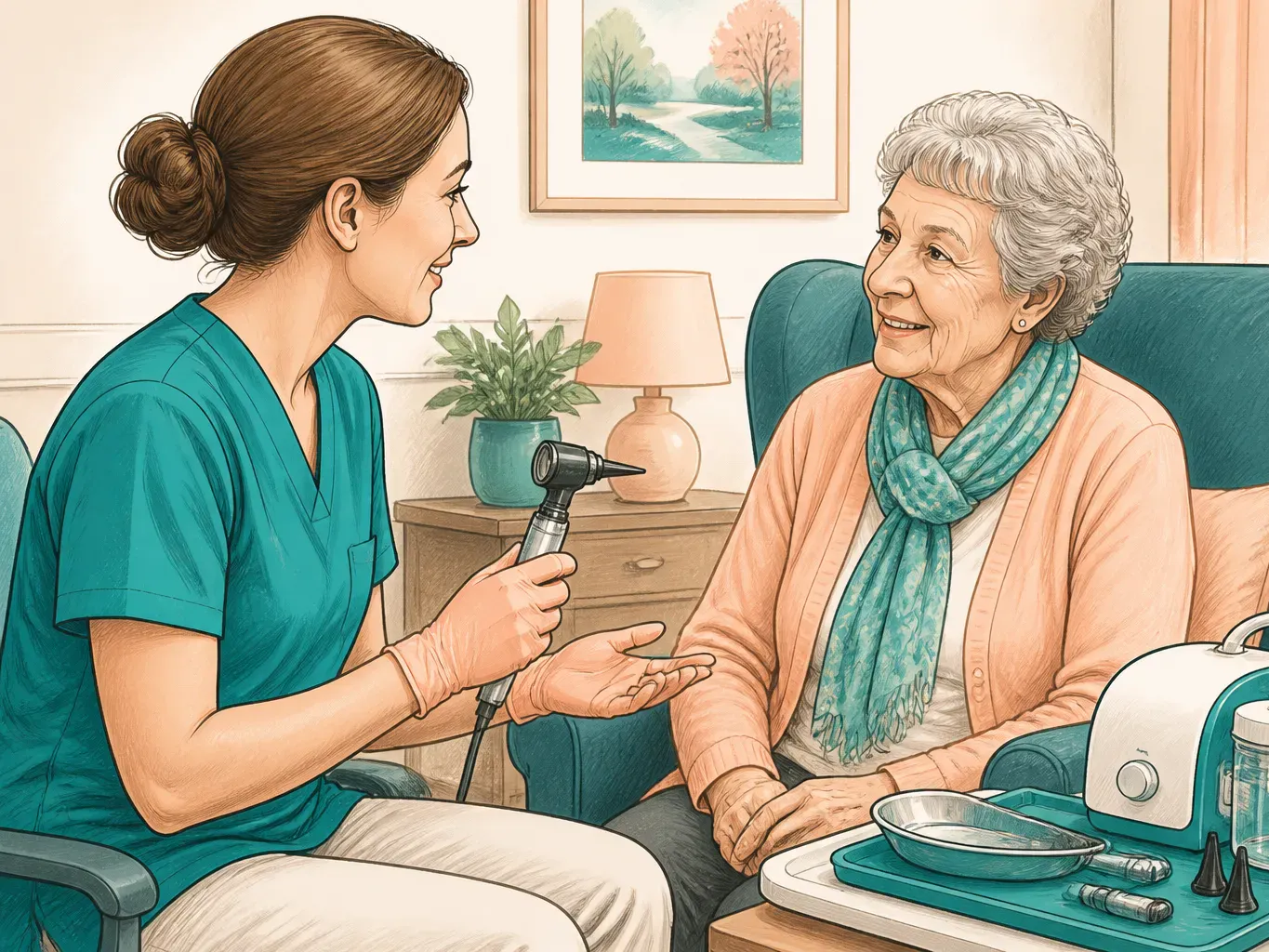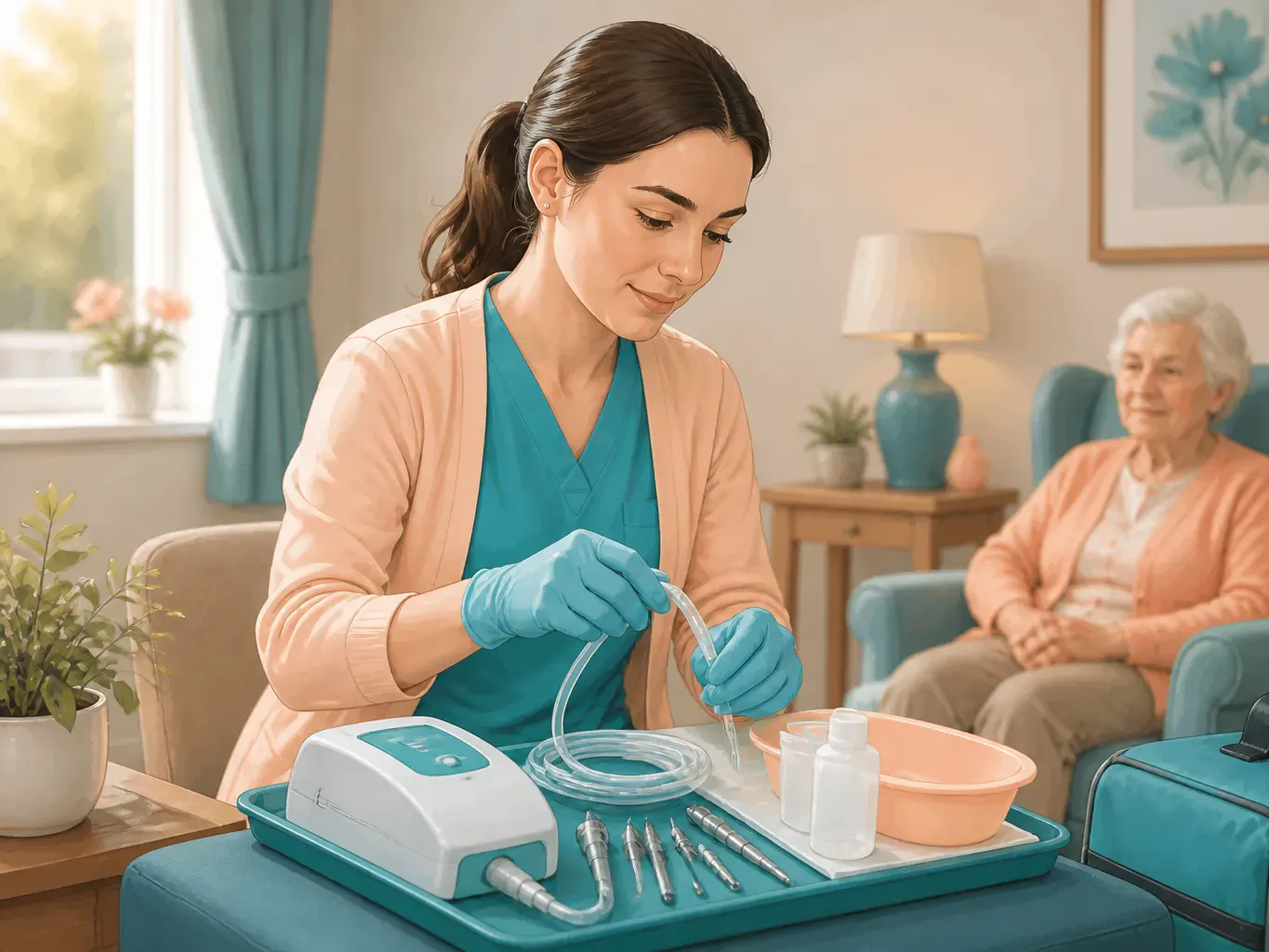

Yes, microsuction is generally considered a safe option for many elderly patients when it is carried out by a trained clinician after a proper ear assessment. Safety depends on the condition of the ear, the person’s medical history, and how experienced the practitioner is. For older adults who want a gentle and controlled approach, it is often a very suitable choice.
Can microsuction be safe for older adults?
For many older adults, the answer is yes. Microsuction is widely used because it allows a clinician to remove earwax while looking directly into the ear, which helps make the procedure precise and controlled.
That said, no ear treatment is right for everyone. An older person may have a more complex medical history, thinner ear skin, a history of ear surgery, or communication needs that affect how the appointment should be managed. This is why a proper assessment matters as much as the treatment itself.
If you are asking, “is microsuction safe for elderly patients?”, the most accurate answer is that it is usually safe when done by someone with the right training and when the ears have been checked first. In the right setting, it is often one of the gentlest options for removing troublesome wax.
This guide explains why many older adults do well with microsuction, when it may not be appropriate, what the appointment feels like, and how families or carers can help choose the safest route.
What makes microsuction a good option for seniors?
Microsuction is often favoured for older adults because it is a dry method. No water is flushed into the ear, which can feel more comfortable for patients who are nervous, frail, or sensitive to temperature changes.
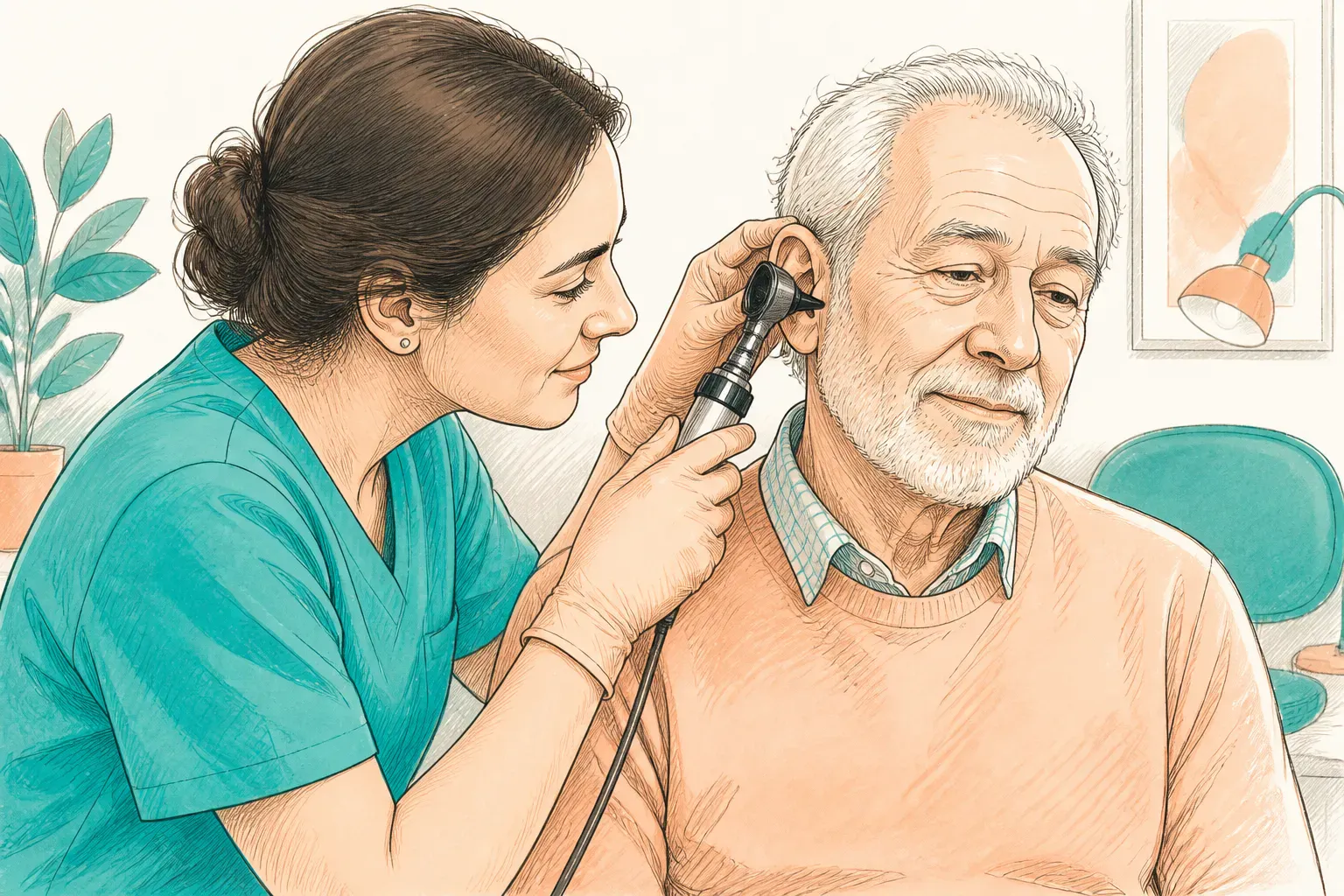
Another major benefit is visibility. The clinician can see the ear canal and the wax clearly throughout the treatment. That direct view helps reduce guesswork and allows the practitioner to stop or adjust if the ear looks irritated, narrow, or difficult to access.
For many seniors, the appointment is also quite quick. When wax is soft and the ear anatomy is straightforward, removal can often be completed in a short visit. That can be helpful for people who tire easily, have mobility limitations, or prefer a simple, efficient appointment.
Microsuction can also suit people who wear hearing aids. Hearing aids often contribute to wax build-up because they can affect airflow in the ear canal, and wax can build up around the device. When wax is removed carefully, hearing aid users may notice improved sound quality and a better fit.
It is also a reassuring option for anxious patients. Because the clinician works under direct vision and can move at a gentle pace, many people feel more in control than they might with methods that involve flushing water.
Option | Comfort for older adults | Visibility for clinician | Water used | Typical suitability | Recovery considerations |
|---|---|---|---|---|---|
Microsuction | Often well tolerated | High | No | Good for many seniors, including hearing aid users | Usually minimal, with brief sensitivity possible |
Irrigation | Can be comfortable for some, but not all | Moderate | Yes | Depends on ear health and history | May leave water sensation or temporary fullness |
Home remedies | Variable and often uncertain | Low | Sometimes | Only limited use, and not suitable for every ear | Risk of pushing wax deeper or irritating the canal |
For reliable background on earwax management, it can help to review NHS guidance on earwax build-up, as well as NICE guidance on management of earwax and the National Institute for Health and Care Excellence earwax recommendations.
If you would like a fuller explanation of the procedure itself, our guide on how microsuction works is a helpful next read.
When microsuction may not be suitable
Microsuction is not the best choice in every situation. A careful clinician should always check the ears first and consider the wider medical picture before going ahead.
Some of the more common reasons to pause or reassess include:
- an active ear infection
- recent ear surgery
- a known or suspected perforated eardrum
- significant ear pain without a clear cause
- very narrow ear canals that make access difficult
- a history of severe dizziness during ear procedures
- unusually fragile tissue or bleeding risk that needs medical review
Older adults may also have other health factors that affect decision making. For example, if someone has had repeated ear problems, unexplained hearing changes, discharge from the ear, or a sudden increase in pain, those symptoms should be checked before wax removal is attempted.
This matters because not every symptom that feels like wax is actually caused by wax. In some cases, a blocked sensation may be linked to infection, middle ear problems, or another issue that needs a different approach.
A good clinician will not rush into treatment. They will inspect the ear, ask about relevant history, and decide whether microsuction, another method, or referral is safest. That cautious process is especially important for elderly patients, whose ears may be more sensitive and whose overall health may be more complex.
If a family member is unsure whether an ear should be treated, it is sensible to arrange an ear health review first rather than assuming wax removal is the answer.
What older patients can expect during the appointment
Knowing what will happen often makes the appointment feel much easier. For many older adults, the process is straightforward and calm, with the clinician explaining each step before it happens.
The visit usually begins with a conversation about symptoms, hearing changes, discomfort, hearing aid use, and any past ear surgery or infections. The clinician then looks into the ear with an otoscope or similar examination tool to confirm whether wax is present and whether microsuction is suitable.
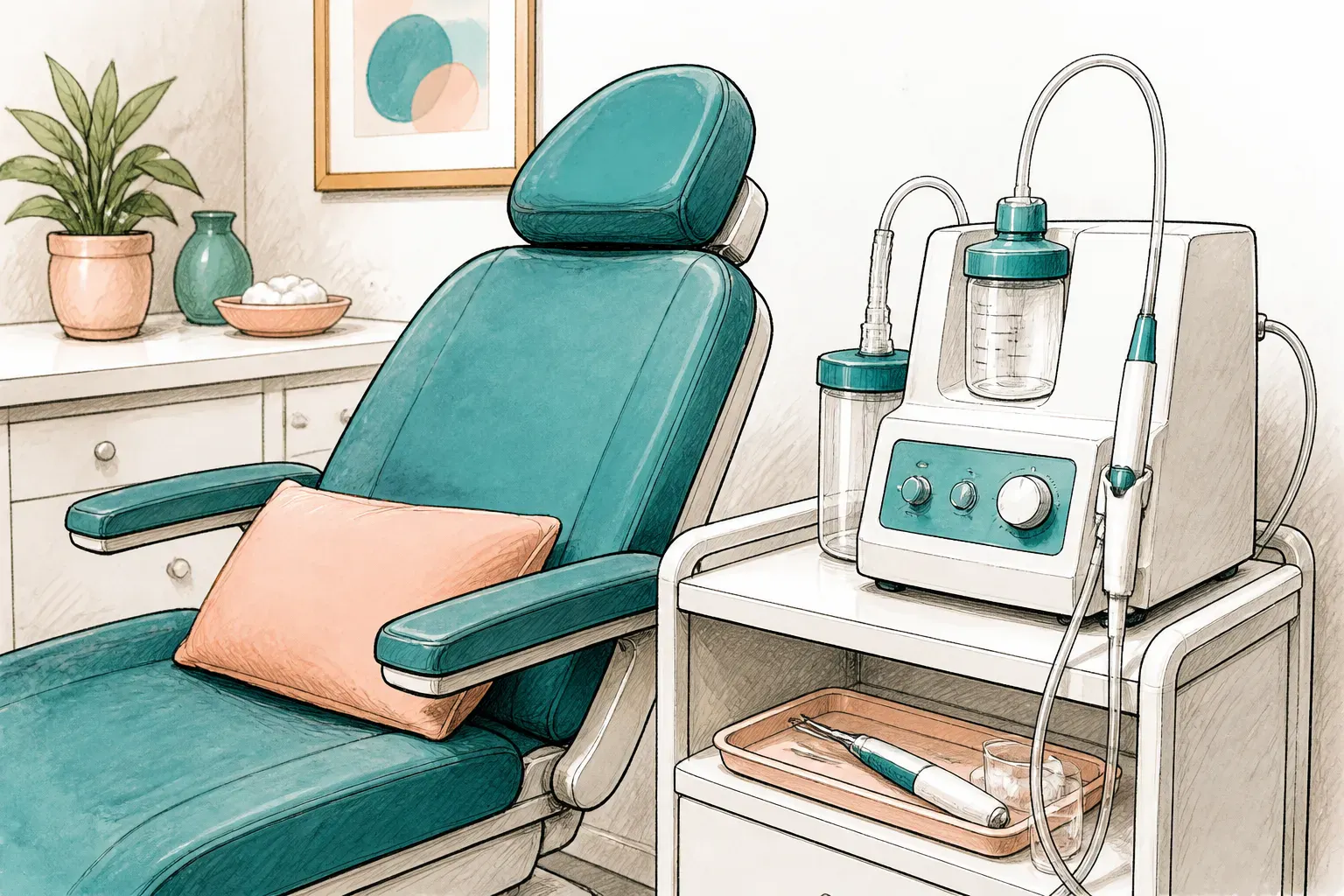
If treatment goes ahead, the patient is usually seated comfortably and asked to keep still while the clinician works under direct visual guidance. The suction device makes a noticeable sound, which some people describe as a soft hiss or whir. That sound can be surprising the first time, but it does not usually mean anything is wrong.

Most people feel light pressure rather than pain. Some patients notice a ticklish sensation or brief moments of sensitivity as the wax is lifted away. If the ear becomes uncomfortable, the clinician should stop, check the ear, and continue only if it remains safe and appropriate.
The appointment often ends with a quick recheck of the ear canal and, if needed, advice about aftercare. Many people notice clearer hearing very soon afterwards, especially if the wax blockage was significant.
For older patients who feel anxious, it can help to bring a family member or carer, wear easy clothing, and let the clinician know about any worries at the start. Clear communication makes the whole experience smoother.
Possible side effects and how they are managed
Like any clinical procedure, microsuction can cause mild side effects, although serious complications are uncommon when it is performed properly.
Short term effects may include:
- slight dizziness or a brief feeling of unsteadiness
- temporary sensitivity in the ear canal
- mild ringing in the ears for a short time
- a little irritation if the canal skin is already delicate
- a feeling of fullness or awareness of the ear after treatment
These effects are usually short lived. Dizziness, for example, can happen because the ear canal is closely connected to the balance system, and the suction sound or sensation can briefly unsettle some patients. In most cases, it settles quickly once the procedure stops.
A gentle practitioner should always monitor the patient’s response and avoid pushing through discomfort. If an older patient feels unwell, the procedure can be paused. If the ear appears inflamed, the clinician may recommend medical assessment or a different plan.
You should seek further advice if there is ongoing pain, bleeding, discharge, worsening hearing, or dizziness that does not settle. It is better to check persistent symptoms promptly rather than assume they are a normal part of recovery.
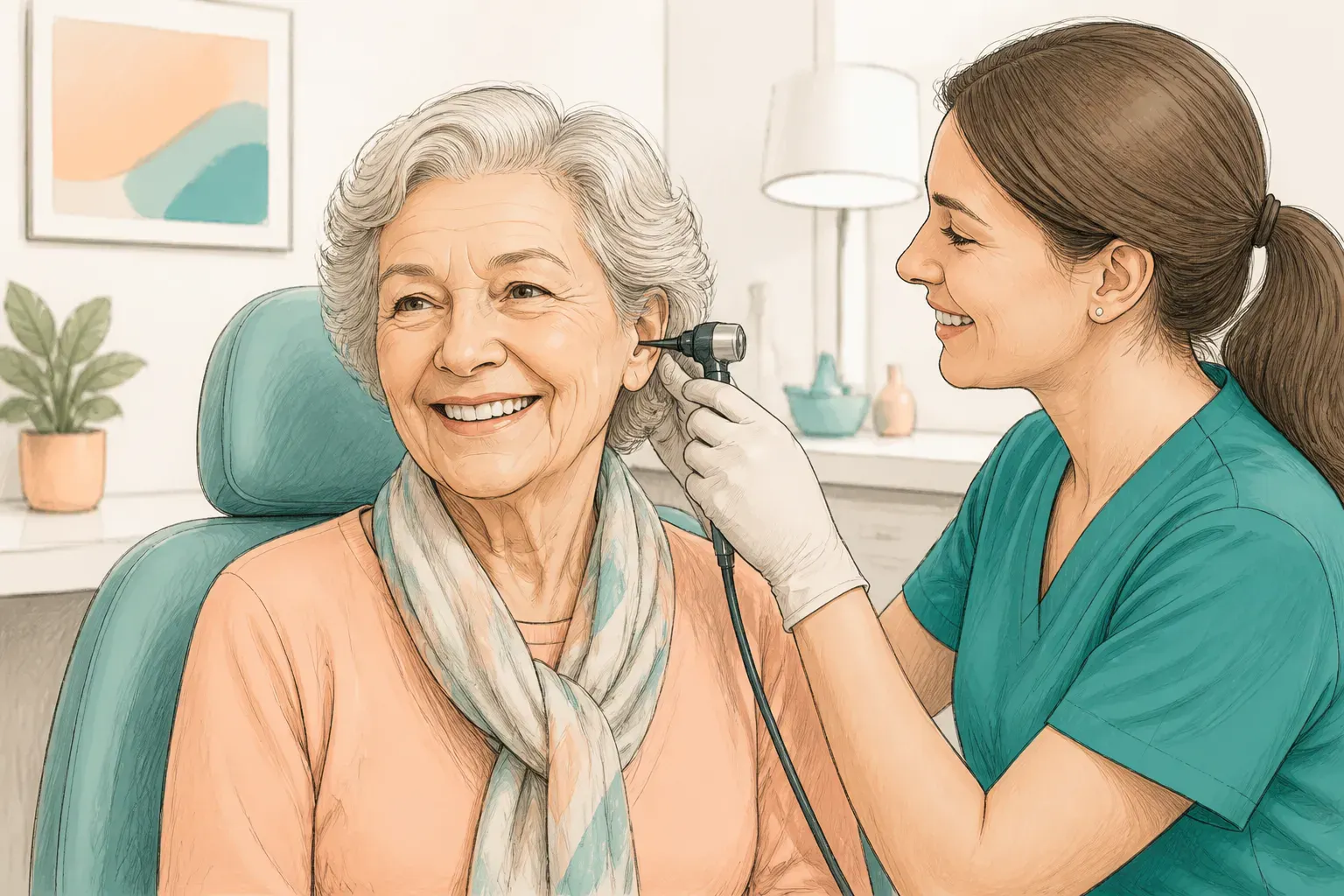
The low risk profile is one of the reasons microsuction is often discussed positively in UK ear care guidance. For readers who want a broader clinical perspective, Royal College of Nursing guidance on ear care is a useful professional resource.
How to decide if microsuction is right for an elderly family member
Choosing the right earwax removal approach depends on more than convenience. For older adults, the safest option is usually the one that takes account of hearing, comfort, medical history, and practical support.
It may be worth considering the following:
- Does the person wear hearing aids, and are they struggling because of wax?
- Have they had wax problems before, or do they regularly feel blocked?
- Are they anxious about ear treatment or sensitive to touch?
- Can they comfortably travel to a clinic, or would a home visit be easier?
- Do they have mobility, balance, or communication difficulties?
- Have they ever had ear surgery, a perforated eardrum, or recurring infections?
If the answer to any of those questions suggests complexity, an ear health assessment is a sensible first step. That gives the clinician a chance to inspect the ear, identify red flags, and advise on the most suitable route.
For some people, a clinic appointment is the best choice because it offers a controlled environment and access to equipment. For others, a home visit may feel easier if travel is difficult or the person lives in a care setting.
Care pathway | Convenience | Best for | Support needed | Notes |
|---|---|---|---|---|
Clinic microsuction | Moderate | Patients who can travel and want direct clinical assessment | Family member, carer, or transport may help | Good choice when a full ear examination is needed |
Home visit | High | People with limited mobility, care home residents, or very anxious patients | Useful when travel is difficult | Depends on service availability and clinical suitability |
Assessment first, treatment later | Variable | Complex cases or patients with uncertain symptoms | Often recommended if there are warning signs | Helps confirm whether wax is truly the cause |
If you are exploring care options for an older relative, our article on earwax removal for seniors gives more practical detail about comfort, timing, and support needs. You can also book an ear health assessment if you want a clinician to check the ear before treatment.
Aftercare tips for older adults
After microsuction, many older adults notice clearer hearing almost immediately. Some feel a little sensitive for a short while, especially if the ear had been blocked for some time.
Simple aftercare can help the ear settle comfortably:
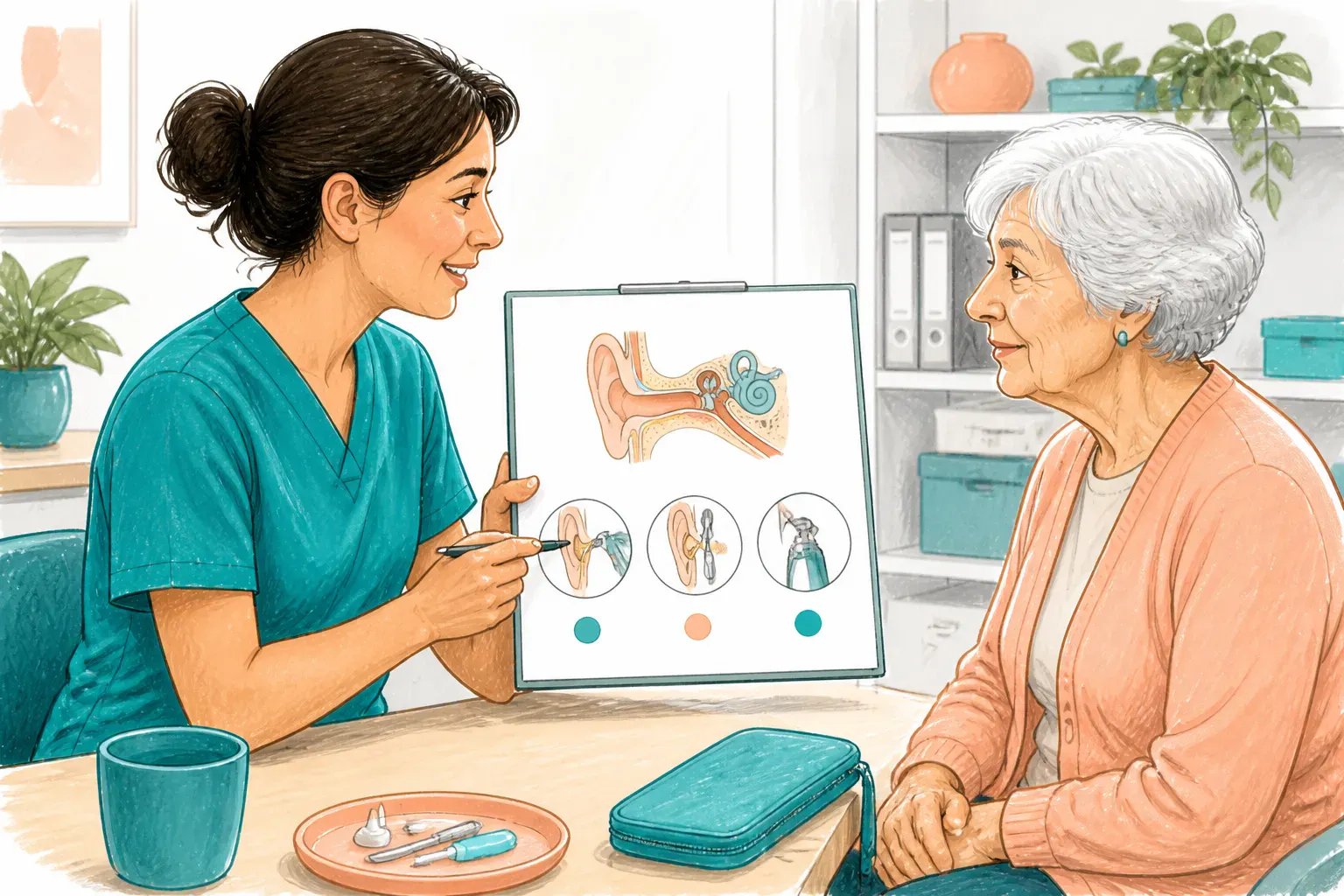
- follow the clinician’s advice exactly
- avoid putting cotton buds or other objects into the ear
- keep an eye out for persistent pain, discharge, or dizziness
- use hearing aids as advised, especially if the ear feels tender at first
- return for review if wax build-up keeps happening or if hearing changes again
For hearing aid users, good ear hygiene and regular checks can help prevent repeated blockages. It is also wise not to over clean the ear, since aggressive cleaning can irritate the canal and sometimes make wax problems worse.
Older adults who live with carers or in residential settings may benefit from a routine ear review, particularly if they have difficulty explaining hearing changes or if staff notice they are turning up the television, asking for repetition, or seeming less engaged than usual.
If wax keeps returning, a clinician may suggest periodic assessments rather than waiting until the ear becomes completely blocked. That approach can be more comfortable and may help maintain better hearing over time.
How Pro Ear Clinic supports elderly patients
At Pro Ear Clinic, the focus is on safe, patient friendly ear care with a calm and respectful approach. That matters for older adults, especially those who feel nervous, have hearing loss, or need extra time to feel settled during an appointment.
Our approach centres on careful assessment first, then a treatment plan that fits the person rather than forcing one method on every patient. For many elderly clients, that means microsuction, but only when it is appropriate for the ear in front of us.
We also recognise that some patients do better with extra reassurance, clearer explanations, or support from a relative or carer. Taking the time to communicate well can make a big difference, particularly for first time patients or people who have had an uncomfortable ear experience in the past.
From an author’s perspective, the most reassuring part of working in ear care is seeing how much better patients can feel once a blocked ear is treated properly. A careful, evidence based approach is often the difference between anxiety and relief, and between guesswork and a clear plan.
If you are considering treatment, start with a proper assessment so the clinician can check whether microsuction is the right choice. That step is especially important for older adults, because safe care begins with the right diagnosis, not just with the procedure itself.
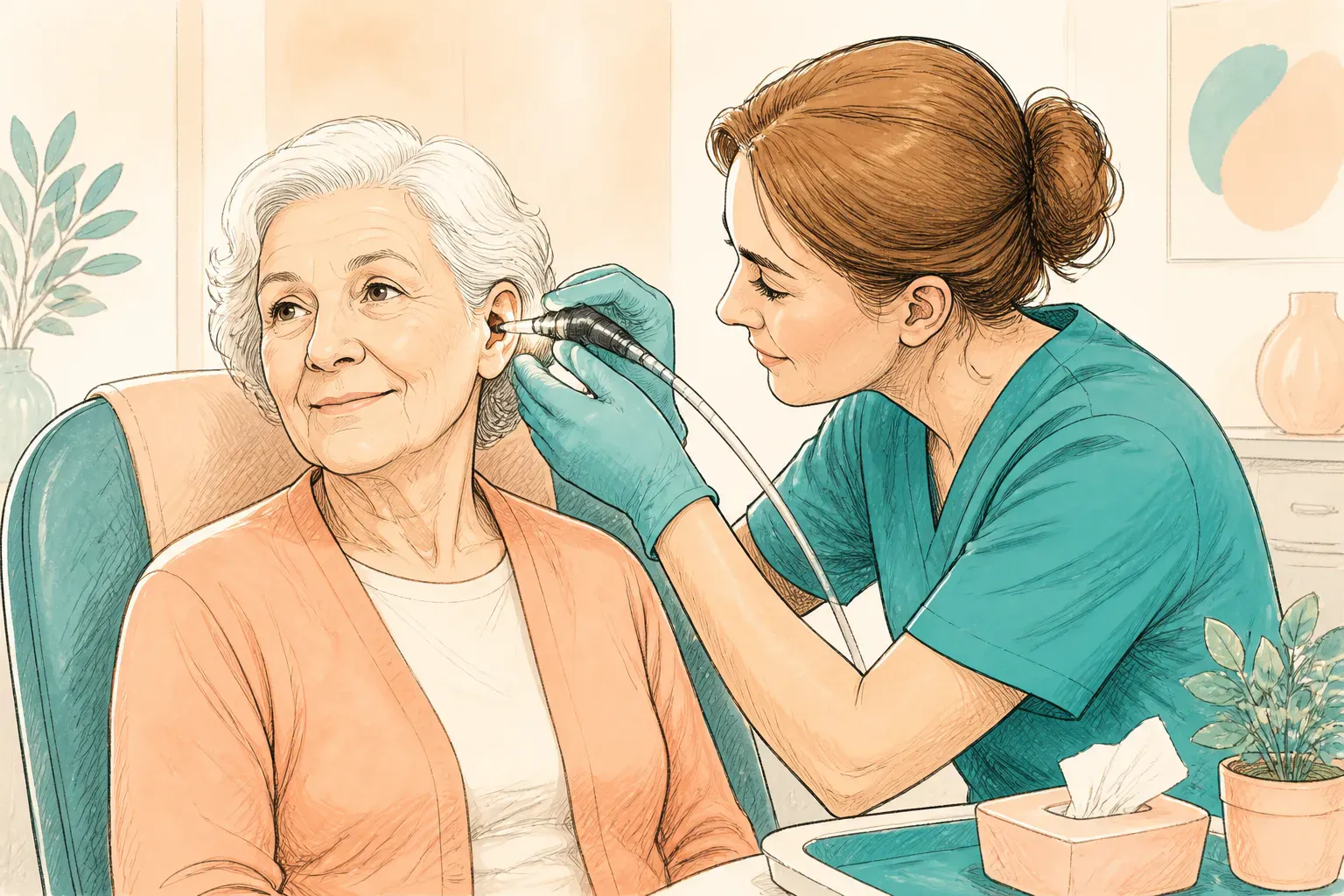
Quick summary
Microsuction is often safe for elderly patients when it is performed by a trained clinician after a proper ear examination. It is a dry, controlled method that suits many older adults, especially those with hearing aids, anxiety about water based treatment, or recurring wax build-up.
It is not right for every case, though. Ear infection, recent surgery, a perforated eardrum, severe pain, or other warning signs may mean the ear needs further assessment before wax removal is attempted.
If you are unsure, the safest next step is an ear health check. That gives a clinician the chance to assess the ear carefully and recommend the most appropriate treatment for the person’s needs.
FAQ
Is microsuction painful for elderly patients?
Most elderly patients do not find microsuction painful. It may feel like light pressure, a tickling sensation, or brief sensitivity as wax is removed. If a patient does feel pain, the clinician should stop and reassess the ear.
Is microsuction safer than ear syringing for older adults?
Microsuction is often considered a preferable option for many older adults because the clinician can see the ear canal directly and no water is used. That said, the safest method depends on the person’s ear health, medical history, and symptoms. A clinician should decide case by case.
Can people with hearing aids have microsuction?
Yes, many hearing aid users can have microsuction. In fact, it is often helpful because hearing aids can contribute to wax build-up. The clinician should check the ears carefully and advise on how soon the hearing aids can be worn afterwards if the canal feels sensitive.
What should I avoid before an ear microsuction appointment?
Avoid putting cotton buds, ear candles, or other objects into the ear. Unless a clinician has advised otherwise, do not try to dig out wax yourself. If you have been told to use softening drops, follow that advice, but if you have pain, discharge, or a history of ear problems, check before using anything.
When should an older person see a clinician before earwax removal?
An older person should be seen first if they have ear pain, discharge, dizziness, sudden hearing loss, a recent ear infection, a history of ear surgery, or any concern that the problem may not simply be wax. A proper examination helps avoid choosing the wrong treatment.
How long does microsuction take for an elderly patient?
The treatment itself is often quite quick, but the full appointment may take longer because the clinician needs to examine the ear, explain the process, and check the outcome afterwards. If wax is hard or the ear is more complex, the visit can take a little longer.