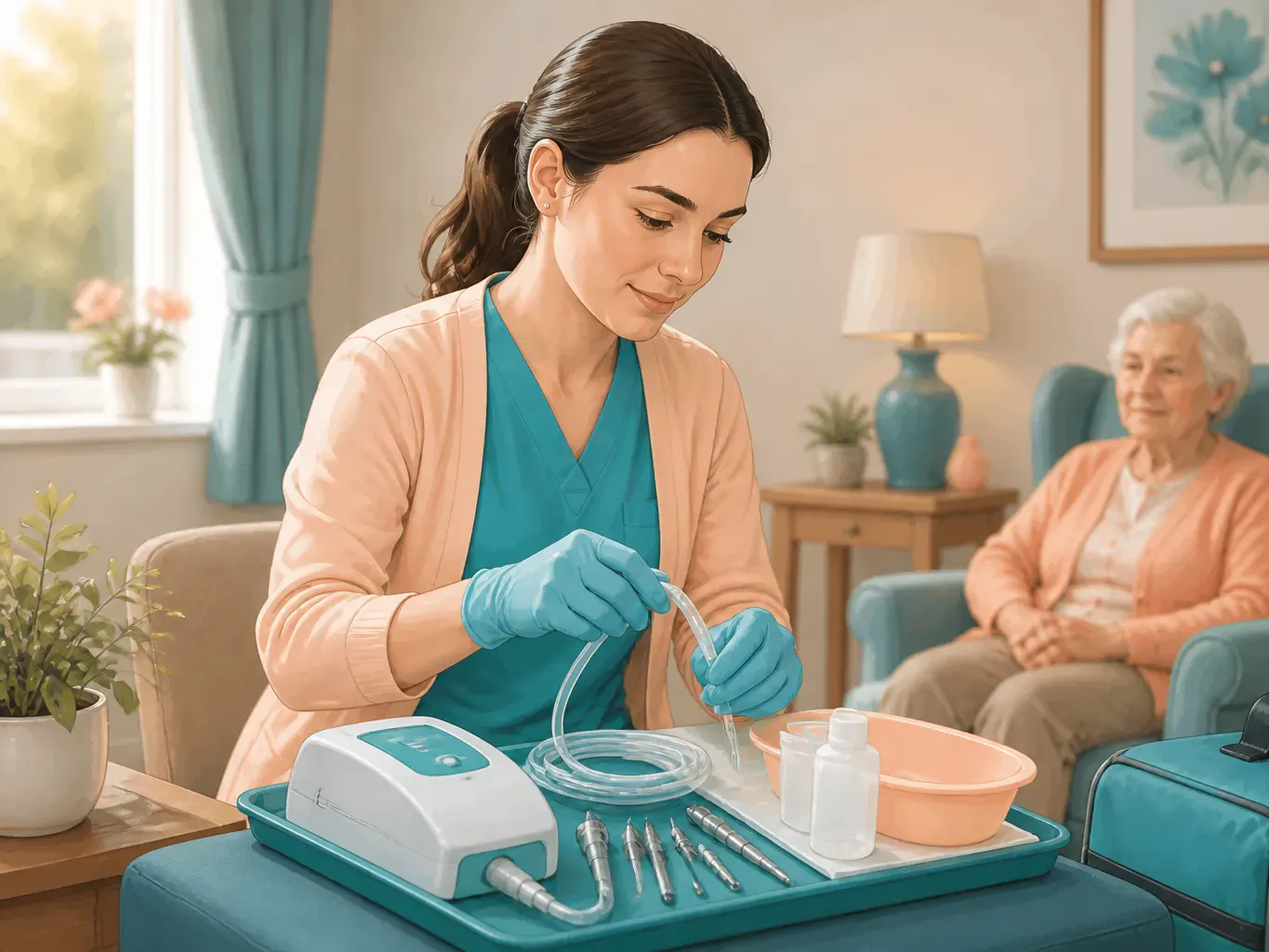
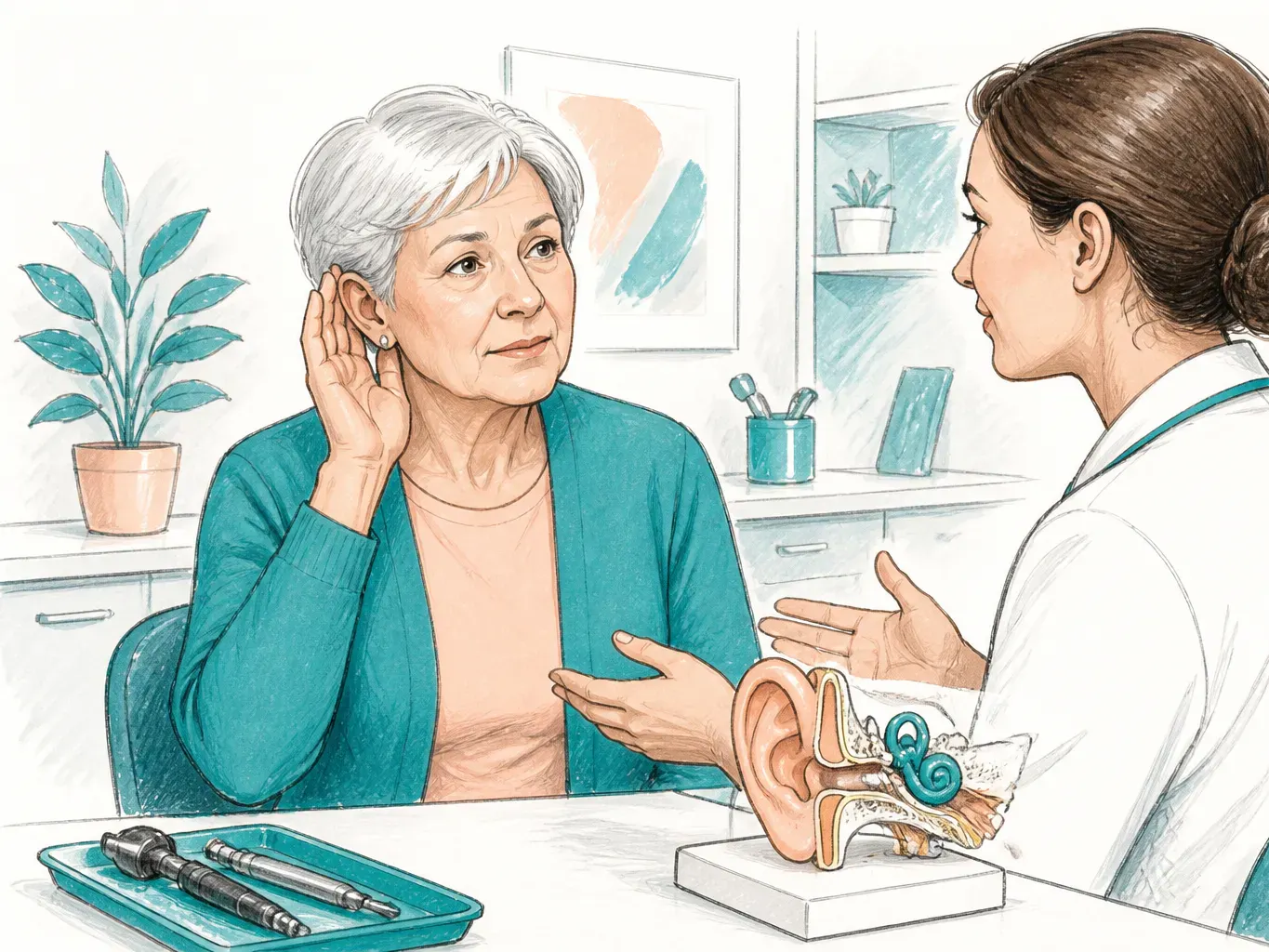
Muffled hearing often happens when sound cannot travel cleanly through the ear, most commonly because of earwax, pressure changes, infection, or fluid behind the eardrum. It can also be an early sign of hearing loss, so if the change is sudden, one sided, or comes with pain, discharge, dizziness, or fever, it is sensible to seek prompt professional assessment.
Quick summary
A muffled ear usually means sound is being blocked, dampened, or distorted somewhere along the hearing pathway. In many cases the cause is simple and treatable, but the symptom should not be ignored if it appears suddenly, keeps returning, or affects only one ear.
The safest next step is to look for warning signs and avoid poking the ear with cotton buds or other objects. If you are unsure whether it is wax, pressure, infection, or something more serious, a gentle ear health assessment can help you get clarity quickly and avoid making the problem worse.
How muffled hearing feels and why it happens
People describe muffled hearing in different ways. Some say their ear feels blocked or full, others notice that speech sounds distant, dull, or as if they are listening underwater. You may hear the television more softly than usual, struggle to follow conversation in a noisy room, or feel as though one ear is not “opening up” properly.
It can affect one ear or both ears. For some people it is temporary and clears within hours or days. For others it lingers, comes and goes, or gradually worsens over time. That pattern matters, because short-lived muffling after a cold or flight can have a different cause from ongoing muffling linked to wax build-up or hearing loss.
From my perspective, the most important thing is not to guess for too long. I have seen many people spend weeks assuming their hearing change is only wax or congestion, when a simple assessment could have provided reassurance, safe treatment, or a referral if needed. Early attention is usually better for both comfort and hearing health.
1. Earwax build-up
Earwax is the most common and one of the most treatable causes of muffled hearing. Wax is normal and useful because it protects the ear canal, traps dust, and helps keep the skin of the ear healthy. Problems begin when too much wax builds up, becomes impacted, or is pushed deeper into the canal.
When that happens, sound waves cannot pass through the ear canal properly. The result may be reduced hearing, fullness, itching, ringing in the ears, or a feeling that the ear needs to pop. Some people also notice that their hearing aid sounds different or that one ear suddenly feels worse after using cotton buds.
Older adults, hearing aid users, and people who clean their ears often are more likely to develop impacted wax. Cotton buds can push wax further in, while narrow ear canals and dry skin can make the problem recur.
The table below shows common options and when they may be suitable.
Option | When it may help | When to avoid it |
|---|---|---|
No treatment and observation | Very mild symptoms that may settle, or when the ear only feels slightly full after a short period | If hearing is significantly reduced, symptoms are one sided, or there is pain, discharge, or dizziness |
Earwax softening drops | When wax is suspected and the ear is otherwise comfortable, especially before professional removal | If you have a history of eardrum perforation, ear surgery, active infection, or if drops cause pain |
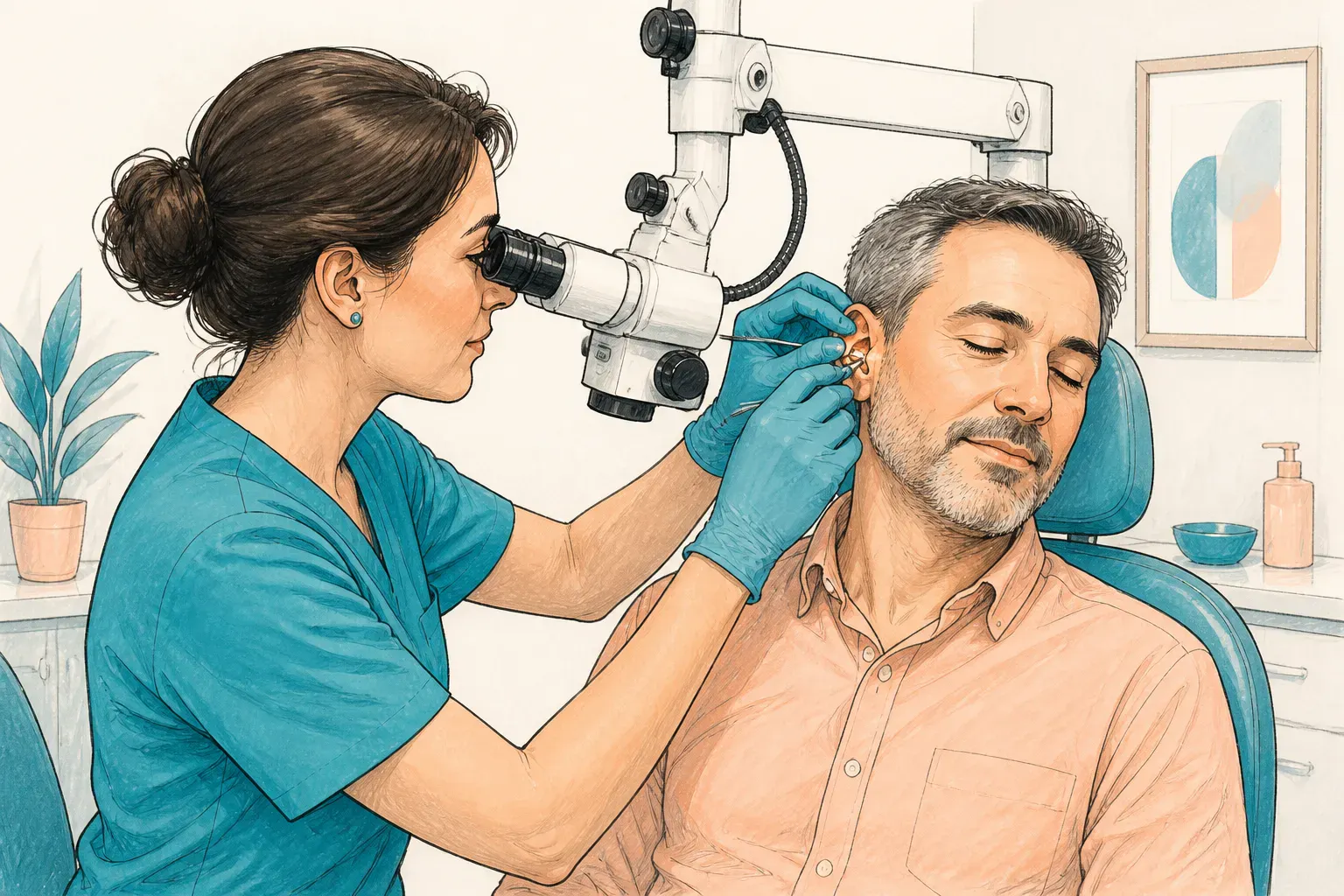
Professional microsuction | When wax is blocking hearing, causing discomfort, or not shifting with drops, and you want a safe, controlled removal | If a clinician advises a different approach because of ear anatomy or an active medical issue |
Home tools, cotton buds, or syringing attempts | Not recommended as a first choice | If you are anxious, have pain, have a narrow canal, wear hearing aids, or have had ear problems before |
If you are considering removal, professional treatment is usually the safest route, particularly for people with fragile skin, anxiety about the procedure, or a history of troublesome wax. You can read more about Microsuction ear wax removal if you want a clearer picture of how controlled wax removal works.
For a wider look at blocked ears and the different reasons they happen, see our guide to Blocked ears causes.

2. Ear infection or inflammation
An ear infection can make hearing sound muffled because swelling, fluid, or discharge interferes with sound transmission. This may involve the outer ear canal, which can become sore and tender, or the middle ear, where infection or inflammation can create pressure and fluid behind the eardrum.
Common clues include pain, tenderness when the ear is touched, discharge, fever, itchiness, or a recent cold. Some people also feel generally unwell. Outer ear problems often feel sore to touch, while middle ear problems can feel more like pressure, popping, or reduced hearing after a respiratory illness.
If the muffled hearing is accompanied by severe pain, smelly discharge, fever, or swelling, it is wise to arrange a medical review. A blocked feeling that follows a cold and then gradually improves may settle, but worsening symptoms or one sided symptoms deserve closer attention.
3. Fluid behind the eardrum
Fluid can sometimes remain behind the eardrum after a cold, sinus infection, or allergy flare-up. Even if the acute illness has passed, the ear may still feel full, crackly, or blocked, and hearing can sound soft or slightly underwater.
This often happens because the normal ventilation of the middle ear is temporarily disrupted. Children experience this frequently, but adults can have it too, especially if they have repeated congestion, allergy symptoms, or recurrent sinus issues. People often notice popping sounds, pressure changes, or hearing that shifts throughout the day.
In some cases, watchful waiting is reasonable, particularly if the symptoms are mild and clearly linked to a recent cold. However, if the muffled hearing lasts for more than a few weeks, keeps recurring, affects only one ear, or is linked to pain or dizziness, an assessment is better than assuming it will simply resolve.
4. Eustachian tube dysfunction and pressure changes
The Eustachian tube is the small passage that helps equalise pressure between the middle ear and the back of the nose. When it does not open properly, pressure can build up and the ear may feel blocked, full, or muted.
This is a common reason for muffled hearing after flying, driving through mountains, diving, or during a cold or allergy flare-up. Sinus congestion can also interfere with normal pressure equalisation. People often try to yawn, swallow, or gently chew to encourage the ear to open, and these can help when the cause is pressure related.
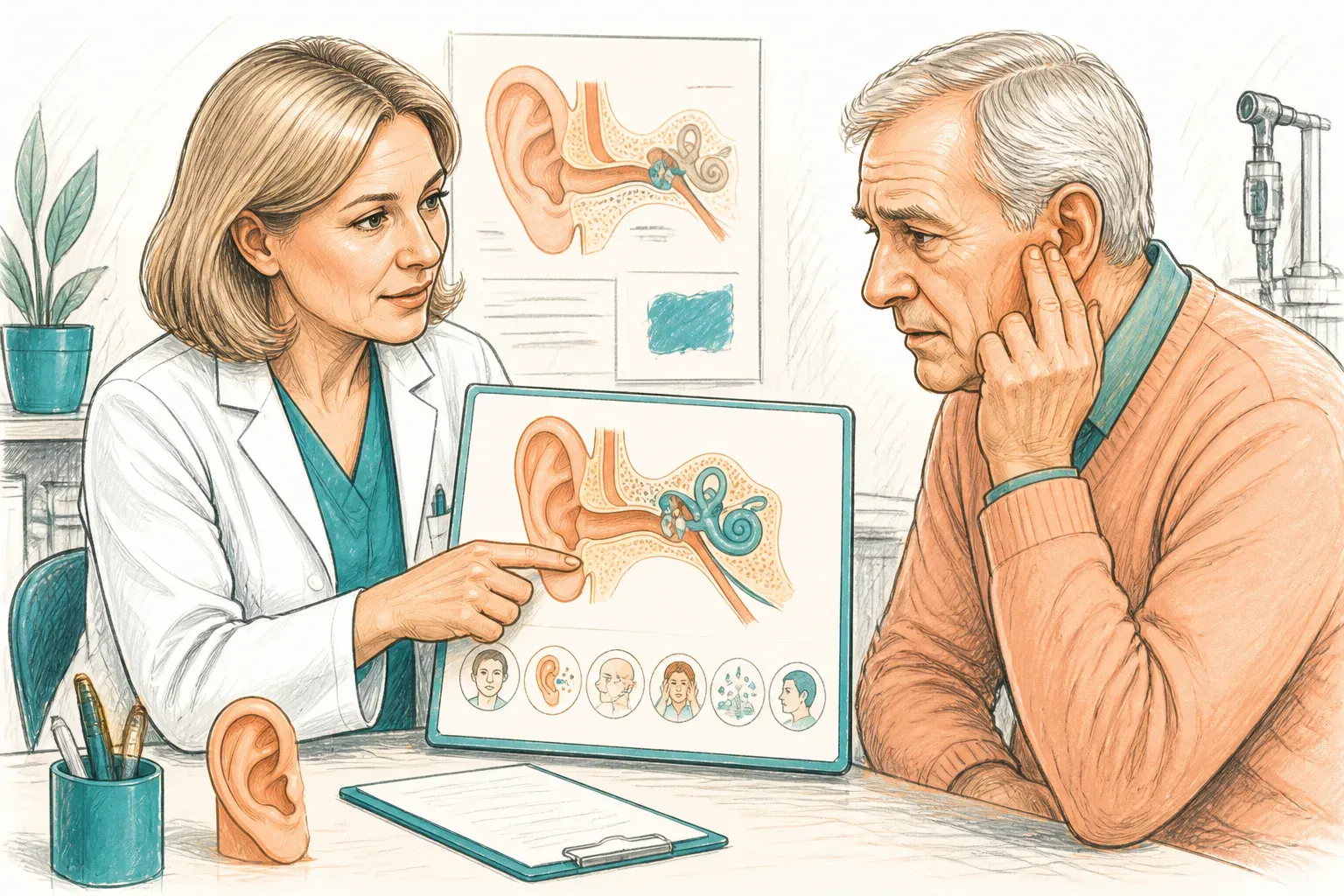
Simple self-care can be useful if the ear feels blocked without severe pain. Swallowing, sipping water, and gentle pressure equalisation techniques may relieve the sensation. What you should not do is forcefully blow against a pinched nose if it causes pain or if you feel unwell, because that can make symptoms worse.
If the pressure sensation is persistent, intense, or linked to hearing loss, a clinician should check whether the problem is pressure related, wax related, or due to another ear condition.
5. Sudden or gradual hearing loss
Not every muffled ear is caused by blockage. Sometimes the symptom is true hearing loss, and that distinction matters.
Sudden hearing loss is a medical emergency. If hearing changes abruptly, especially in one ear, do not wait to see if it clears on its own and do not assume it is only wax. Sudden sensorineural hearing loss needs urgent assessment because treatment is time sensitive.
Gradual hearing loss can be less dramatic but still important. Age related changes, repeated loud noise exposure, and other ear conditions may slowly reduce clarity so that speech seems muffled, especially in busy or echoey settings. People often notice they can hear sounds but cannot understand words as clearly.
A useful rule is this: if the hearing change came on quickly, is one sided, or feels markedly different from your usual hearing, seek urgent advice. For general guidance on hearing changes and blocked ears, the NHS guidance on hearing loss and blocked ears is a sensible place to start, but urgent sudden changes should not be delayed.
6. Tinnitus, noise exposure, and ear damage
Repeated loud noise can damage delicate structures in the inner ear. This can make hearing sound dulled, unclear, or compressed, and it may happen gradually over time. Concerts, machinery, power tools, headphones played at high volume, and noisy workplaces are common sources of exposure.
Tinnitus, which is a ringing, buzzing, or hissing sound in the ears, can appear alongside muffled hearing. The two symptoms do not always mean the same cause, but together they can suggest hearing strain or damage. If you are hearing less clearly and also noticing ringing, it is worth taking the change seriously.
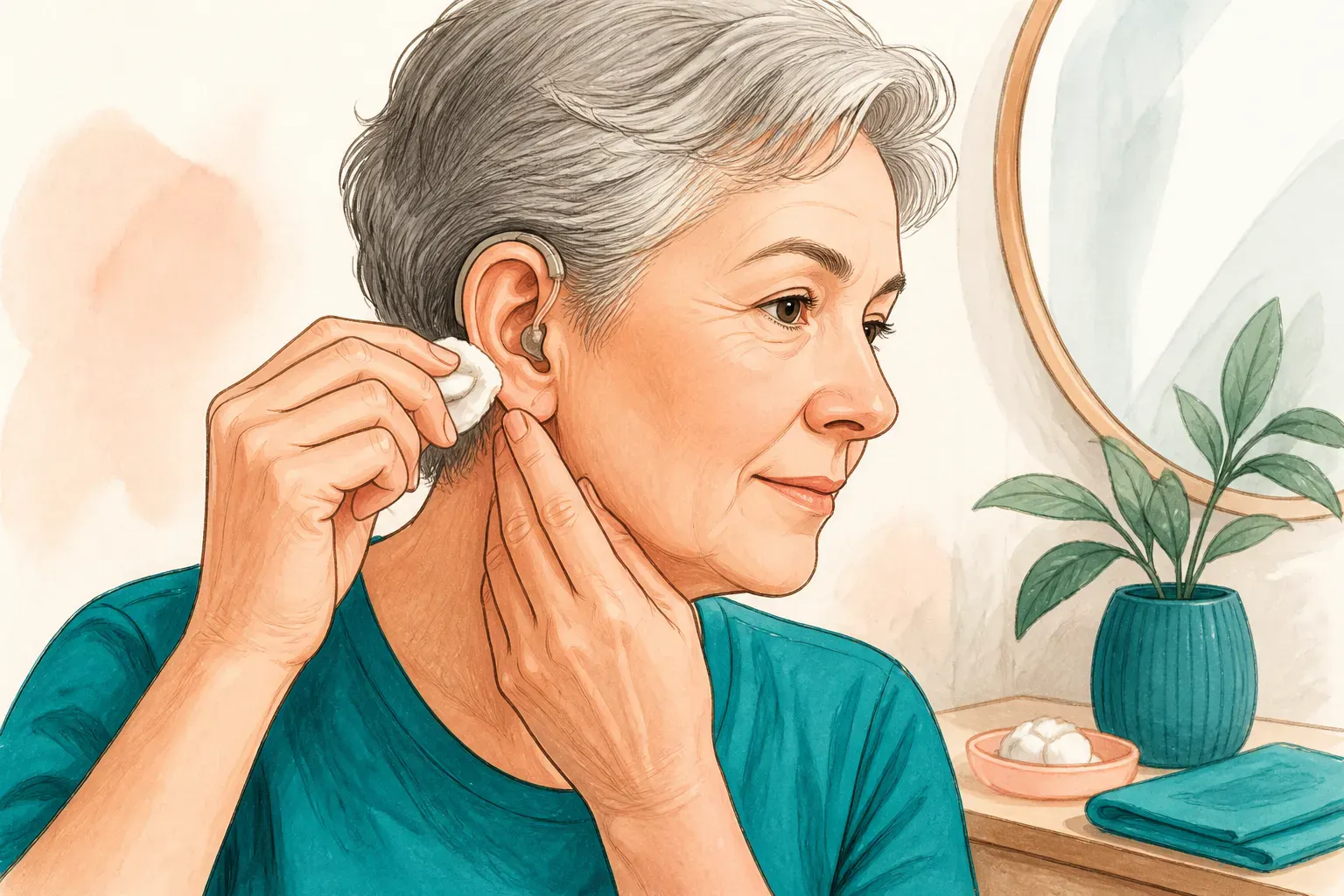
Prevention matters. Use hearing protection in loud environments, keep headphone volume at a safer level, and give your ears quiet breaks when possible. The British Tinnitus Association information on tinnitus and ear symptoms can be helpful if ringing is part of your experience.
7. Less common causes to keep in mind
If earwax, infection, and pressure changes do not explain the symptom, there are other possibilities to consider. These are less common, but they matter when muffled hearing is persistent or unusual.
Examples include narrowing of the ear canal, a foreign body in the ear, jaw problems such as TMJ irritation, and inner ear conditions that affect hearing or balance. Some of these may cause pain around the jaw, clicking when chewing, dizziness, or a sensation that the ear is blocked without much wax present.
The clue that the cause may be more than simple blockage is often the pattern of symptoms. If the ear is not improving, if the hearing change is one sided, or if you also have facial pain, balance symptoms, or unexplained ringing, professional assessment becomes more important. For general advice on hearing concerns, NICE guidance on hearing loss in adults and RNID advice on earwax and hearing changes are useful references.
When to seek help and what Pro Ear Clinic can do
You should seek prompt professional review if you have sudden hearing change, hearing loss in one ear, ear pain, discharge, fever, dizziness, facial weakness, or symptoms that are getting worse rather than better. It is also sensible to book an assessment if simple measures have not helped, if you are unsure whether wax is the cause, or if you have repeated blocked ear episodes.
For many patients, an Ear health assessment is the best starting point because it helps identify the likely cause before treatment is chosen. This is especially reassuring for anxious individuals, busy families wanting quick answers, older adults, and care home residents who need gentle and practical support.
Pro Ear Clinic focuses on safe, evidence based ear care, including microsuction where appropriate. Microsuction is often preferred because it allows wax to be removed under direct vision, which can be comfortable and precise. In some cases, especially for older adults or those who struggle to travel, home visits may be the most convenient option when available. If you are planning care for an older relative, our article on Ear wax removal for seniors offers a gentler overview of what to expect.
The table below shows typical next steps.
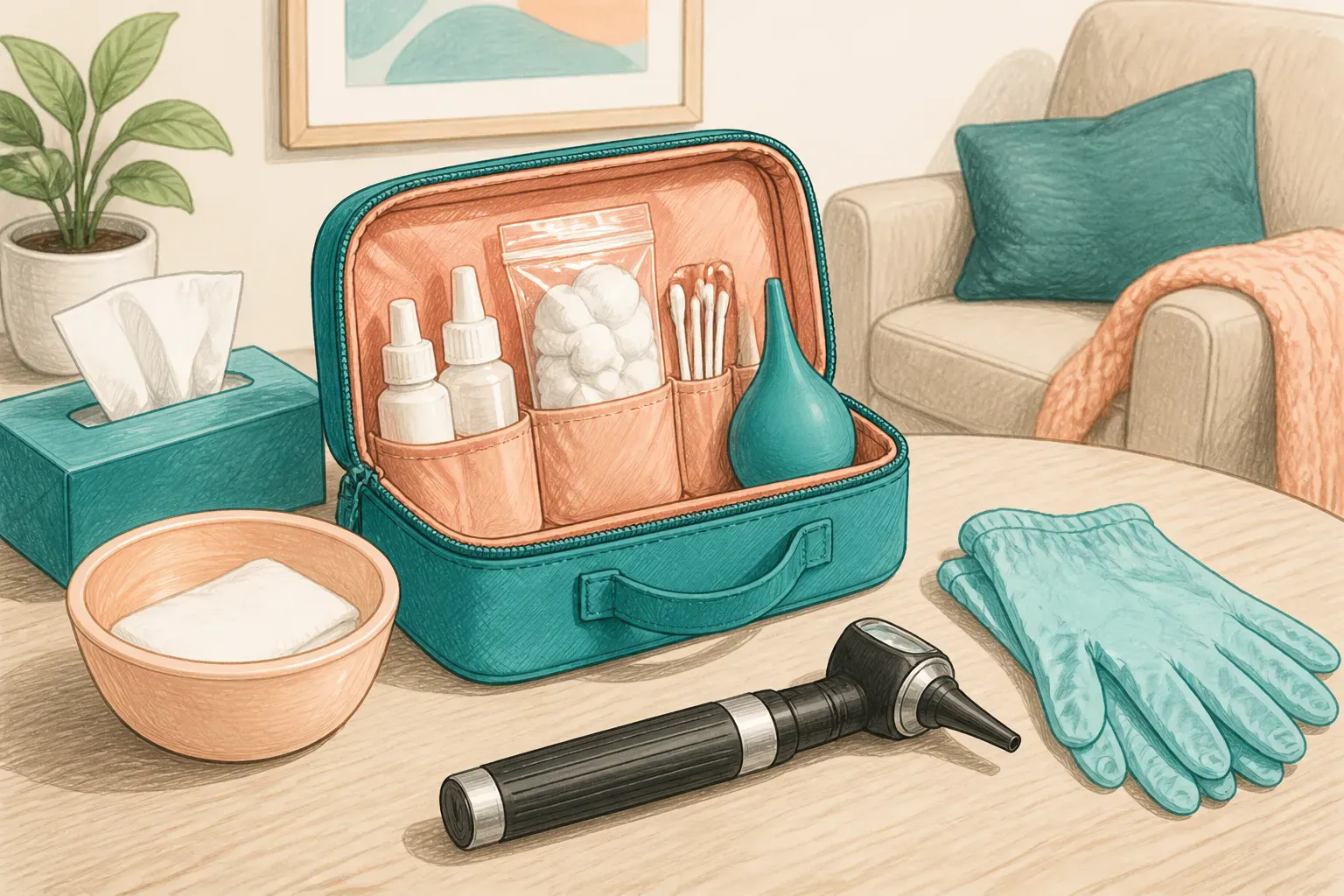
Situation | Useful next step | Why it helps |
|---|---|---|
Ear feels blocked after using cotton buds or hearing aids | Ear health assessment and possible wax removal | Confirms whether wax is the cause and avoids further irritation |
Sudden one sided hearing change | Urgent medical assessment | Sudden hearing loss needs prompt attention |
Ear pain, discharge, or fever | Medical review | These signs may suggest infection or inflammation |
Blocked feeling after a cold or flight | Assessment if symptoms persist, or watchful waiting if mild | Helps distinguish pressure changes from wax or infection |
Recurrent muffled hearing in an older adult | Ear health assessment and hearing review if needed | Identifies recurring wax, hearing loss, or another underlying issue |
If you want a careful, patient friendly service, the aim is not just to remove wax, but to understand why the ear feels blocked in the first place and reduce the chance of it coming back.
FAQ: common questions about muffled hearing
What is the most common cause of muffled hearing?
Earwax build-up is one of the most common causes, especially if the hearing change comes on gradually or follows ear cleaning with cotton buds. Pressure changes, infection, and fluid behind the eardrum are also common reasons.
How do I know if muffled hearing is earwax or hearing loss?
Wax often comes with fullness, itching, a blocked sensation, or a change after cleaning the ears or wearing hearing aids. Hearing loss is more likely if speech sounds unclear in both ears, the problem is not improving, or the change was sudden. If you are unsure, an ear health assessment can help distinguish the two.
Can muffled hearing go away on its own?
Yes, sometimes it can, especially after a mild cold, temporary congestion, or a short lived pressure change. However, if symptoms last more than a few days, keep returning, or affect only one ear, it is better to get checked rather than wait indefinitely.
When should I seek urgent help for sudden hearing changes?
Seek urgent help if hearing changes suddenly, especially in one ear, or if the change is accompanied by dizziness, severe pain, facial weakness, or discharge. Sudden hearing loss should be treated as urgent, not as routine wax.
Is it safe to remove earwax at home if my ear feels blocked?
It is usually not safe to use cotton buds, hairpins, or other tools, because these can push wax deeper or injure the ear canal. Softening drops may help in some cases, but if you have pain, discharge, a history of ear surgery, or uncertainty about the cause, professional removal is the safer option.
Recommended reads
If you would like to learn more, these related guides may be useful:
Muffled hearing is common, but it is not something you need to guess at for long. A careful assessment can quickly show whether the issue is wax, pressure, infection, or something that needs more urgent care, and that peace of mind is often the first step back to clearer hearing.