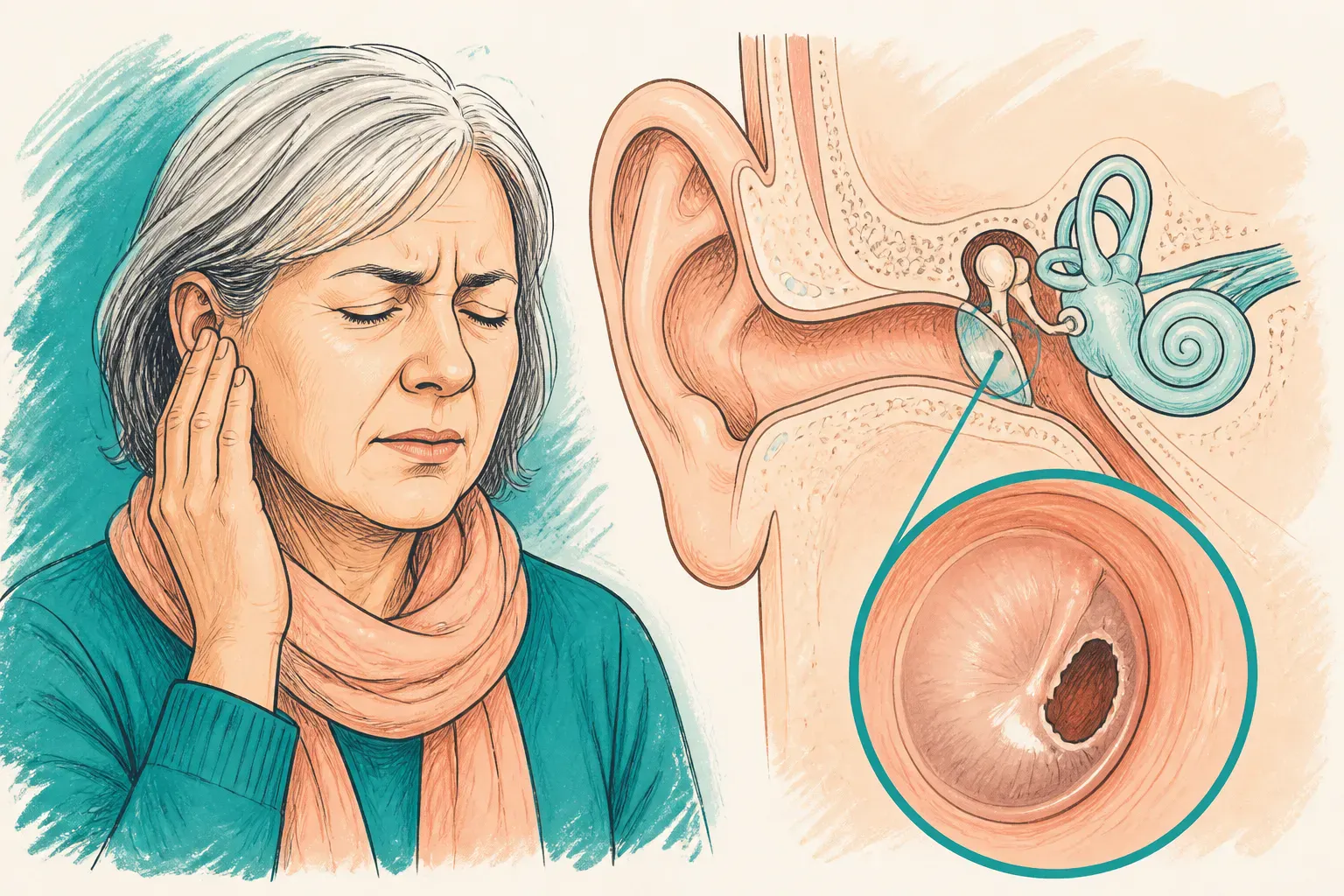
A perforation in ear, also called a perforated eardrum or tympanic membrane perforation, is a hole or tear in the thin membrane between the ear canal and the middle ear. It can cause pain, reduced hearing, ringing, discharge, or a feeling of fullness, although some people notice very little at first. Many small perforations heal on their own, but you should still have the ear assessed if symptoms are persistent, severe, or linked to infection, injury, or sudden hearing loss.
Quick summary for readers in a hurry
If you think you may have a perforation in ear, the safest first steps are simple: keep the ear dry, do not put anything into the ear canal, and avoid ear drops unless a clinician has told you they are suitable. A perforated eardrum can happen after infection, a pressure change, a foreign object, loud trauma, or an ear procedure, and it can sometimes be confused with earwax blockage.
Seek same day medical advice if you have sudden hearing loss, severe pain, dizziness, a high temperature, facial weakness, heavy discharge, or a head injury with ear symptoms. If the symptoms are milder but not settling, an ear examination can help confirm what is going on and whether you need further treatment.
For people who often struggle to tell the difference between earwax and other ear problems, a careful assessment is useful. If you are unsure whether your symptoms are from wax, infection, or something else, an Ear health assessment can help clarify the next step.
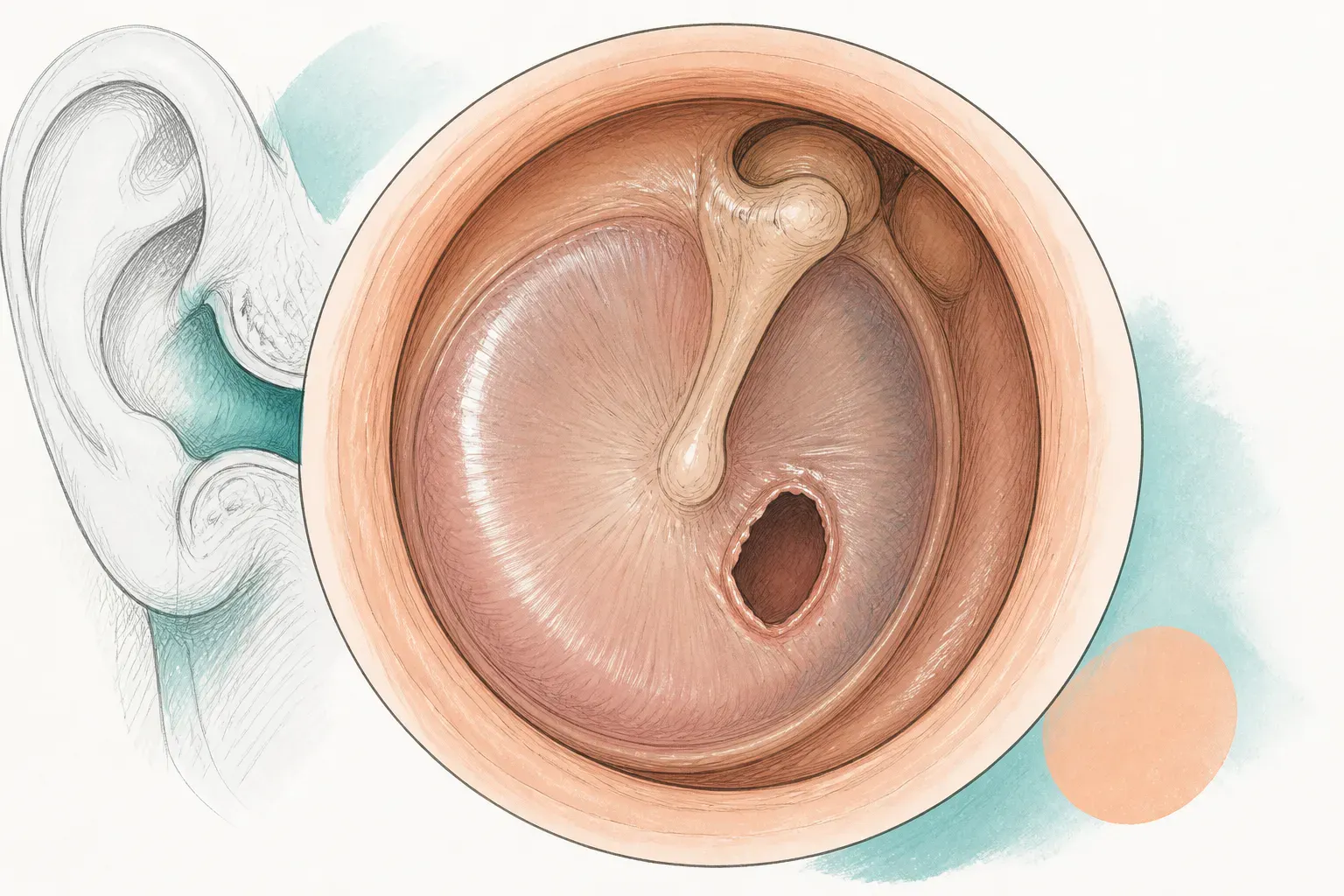
What a perforated eardrum means
A perforated eardrum means there is a hole or tear in the tympanic membrane, which is the thin layer that separates the outer ear from the middle ear. The eardrum helps transmit sound and also protects the middle ear from water, debris, and infection, so a break in that membrane can affect both hearing and comfort.
Not every perforation is dramatic. Some are tiny, cause only mild symptoms, and heal by themselves as the membrane repairs. Others are larger, more painful, or linked to infection and may need monitoring, treatment, or a referral to an ear, nose and throat specialist.
For most people, the key point is this: a perforation in ear is often manageable, but it should not be ignored. The sooner it is properly assessed, the easier it is to protect the ear while it heals and reduce the risk of further problems.
Symptoms of a perforated eardrum
Symptoms can vary depending on the size of the perforation, the cause, and whether infection is also present. Some people have a sudden sharp pain followed by a partial improvement, while others mainly notice hearing changes or discharge.
Common symptoms include:
- Ear pain, which may be sudden or brief
- Reduced hearing on the affected side
- A ringing, buzzing, or hissing sound in the ear
- Discharge from the ear, which may be clear, bloody, or pus-like
- A feeling of fullness or pressure
- Dizziness or balance disturbance in some cases
A useful clue is that a perforated eardrum often affects hearing more suddenly than earwax build-up. That said, symptoms can overlap, which is why an examination matters.
Feature | Perforated eardrum | Blocked ear or earwax | Ear infection |
|---|---|---|---|
Pain | May be sudden, sharp, or improve after the tear | Often mild discomfort or no pain | Often aching or throbbing |
Hearing | Can drop suddenly or noticeably | Muffled, reduced hearing | Muffled hearing, sometimes with pain |
Discharge | May be clear, bloody, or infected | Usually none | Common if infection is active |
Tinnitus | Can occur | Can occur | Can occur |
Dizziness | Possible, especially if severe | Uncommon | Possible in some cases |
If you are trying to work out whether you have wax or something more significant, it may help to read our guide on Ear infection vs blocked ear. Even then, the safest approach is to let a clinician look in the ear rather than guessing and treating it at home.
Common causes and risk factors
A perforation in ear usually develops because something has irritated, damaged, or stressed the eardrum. In the UK, some of the most common causes are everyday ones, especially infections and pressure changes.

Ear infection
Middle ear infections can build pressure behind the eardrum. If the pressure becomes too great, the membrane may tear. This is more likely when infections are repeated or not settling properly.
Sudden pressure changes
Rapid changes in air or water pressure can injure the eardrum. This can happen during air travel, diving, or forceful blowing of the nose in the middle of an ear problem. Some people are more vulnerable if their Eustachian tube is already congested from a cold or allergy symptoms.
Foreign objects and cleaning injuries
Cotton buds, hairpins, and other objects can damage the delicate eardrum if they are inserted into the ear canal. Vigorous home cleaning can also worsen irritation, push wax deeper, or cause direct injury. This is one reason professional ear care matters, especially for people tempted to “sort it out” themselves when the ear feels blocked.
Loud noise or trauma
A sudden blast, explosion, slap to the ear, fall, or head injury can damage the membrane. Even if the ear looks fine from the outside, trauma can still affect the eardrum and should be taken seriously.
Complications from ear procedures
Although uncommon, the eardrum can be injured during procedures if the ear is very inflamed, the canal is narrow, or the tissue is fragile. This is why careful assessment and appropriate technique matter.
Risk factors to keep in mind
You may be at higher risk if you have:
- Repeated ear infections
- A recent cold, sinus issue, or blocked Eustachian tube
- Recent flying, diving, or pressure changes
- A history of ear trauma
- Habitual cotton bud use or vigorous self-cleaning
- Previous ear procedures or chronic ear disease
Prevention starts with understanding what makes the eardrum vulnerable. Safe ear hygiene and timely assessment of ear symptoms can reduce the chance of problems becoming more serious.
How a perforated eardrum is diagnosed
A proper diagnosis starts with a conversation about your symptoms, when they began, whether they came on suddenly, and whether you have had recent infection, travel, trauma, or ear cleaning. That history gives important clues, because a perforation in ear is often linked to a clear trigger.
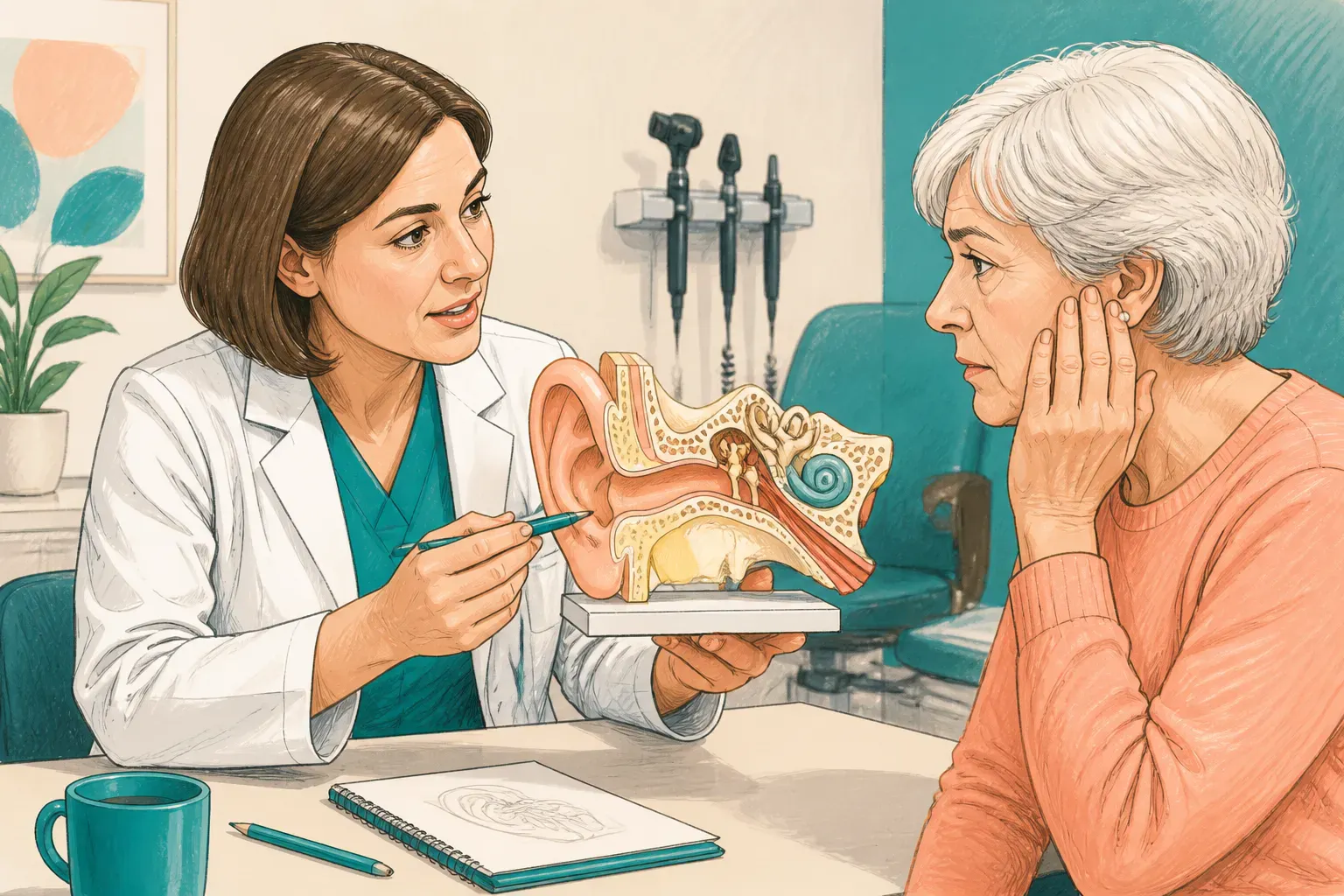
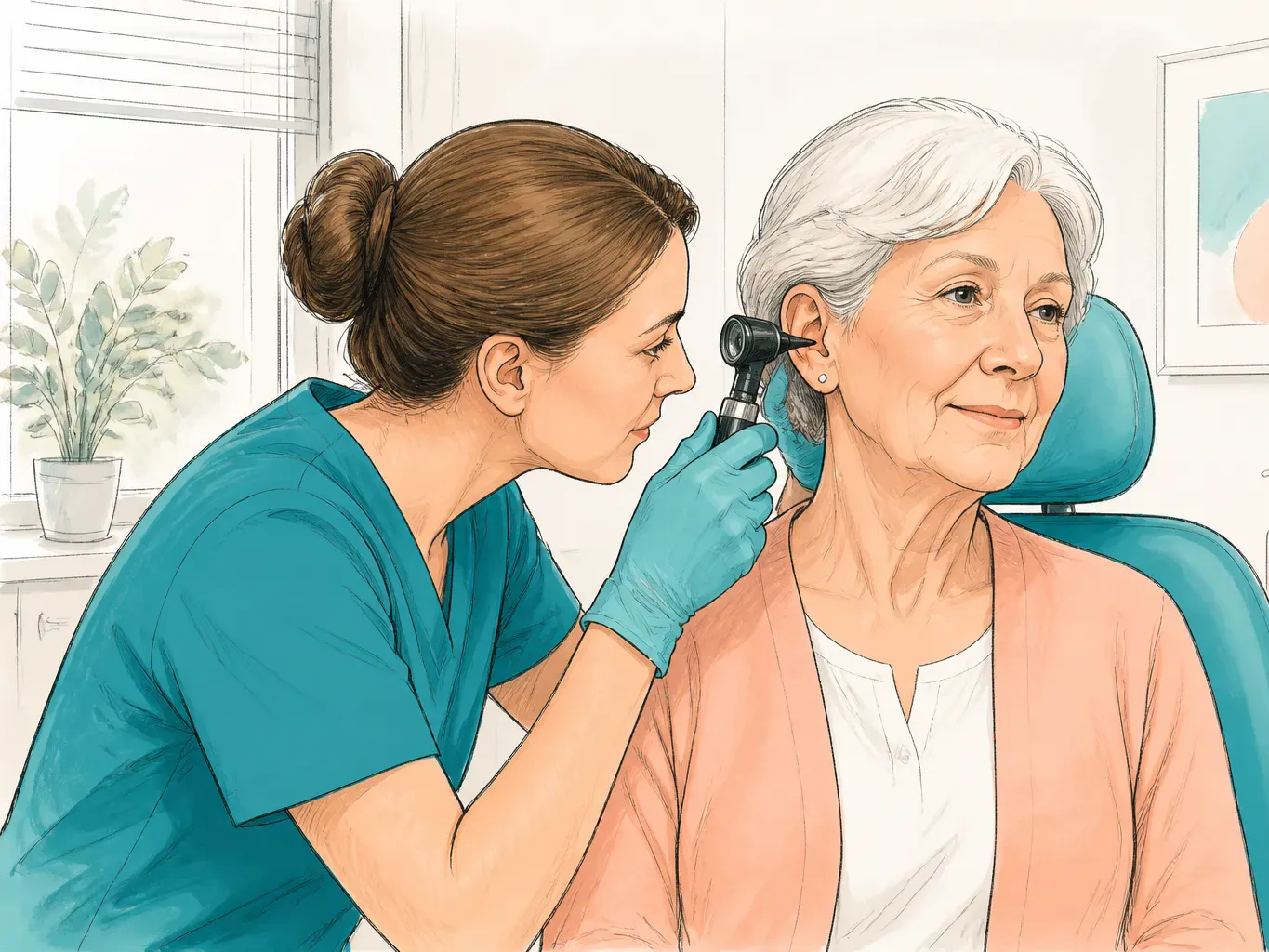
The main examination tool is otoscopy, where a clinician looks into the ear canal and checks the eardrum. They will assess the size and position of any perforation, whether there is swelling or discharge, and whether the ear canal itself is affected by wax or inflammation.
Hearing checks may also be used if hearing loss is significant or if the clinician wants to understand how much the ear is being affected. If there are signs of persistent infection, complicated symptoms, or delayed healing, further evaluation or referral to ENT may be recommended.
If the ear is so blocked with wax or debris that the eardrum cannot be seen clearly, that itself needs careful handling. A professional assessment can determine whether wax removal is appropriate, or whether the ear should be left alone because of the suspicion of a perforation. If wax is part of the problem, Microsuction ear wax removal may be considered when clinically appropriate, but it is not a fix for an active tear in the eardrum.
What to do at home while it heals
If a clinician suspects or confirms a perforated eardrum, the priority at home is to protect it while it recovers. Most of the advice is about preventing water, pressure, and further trauma from reaching the middle ear.
Do
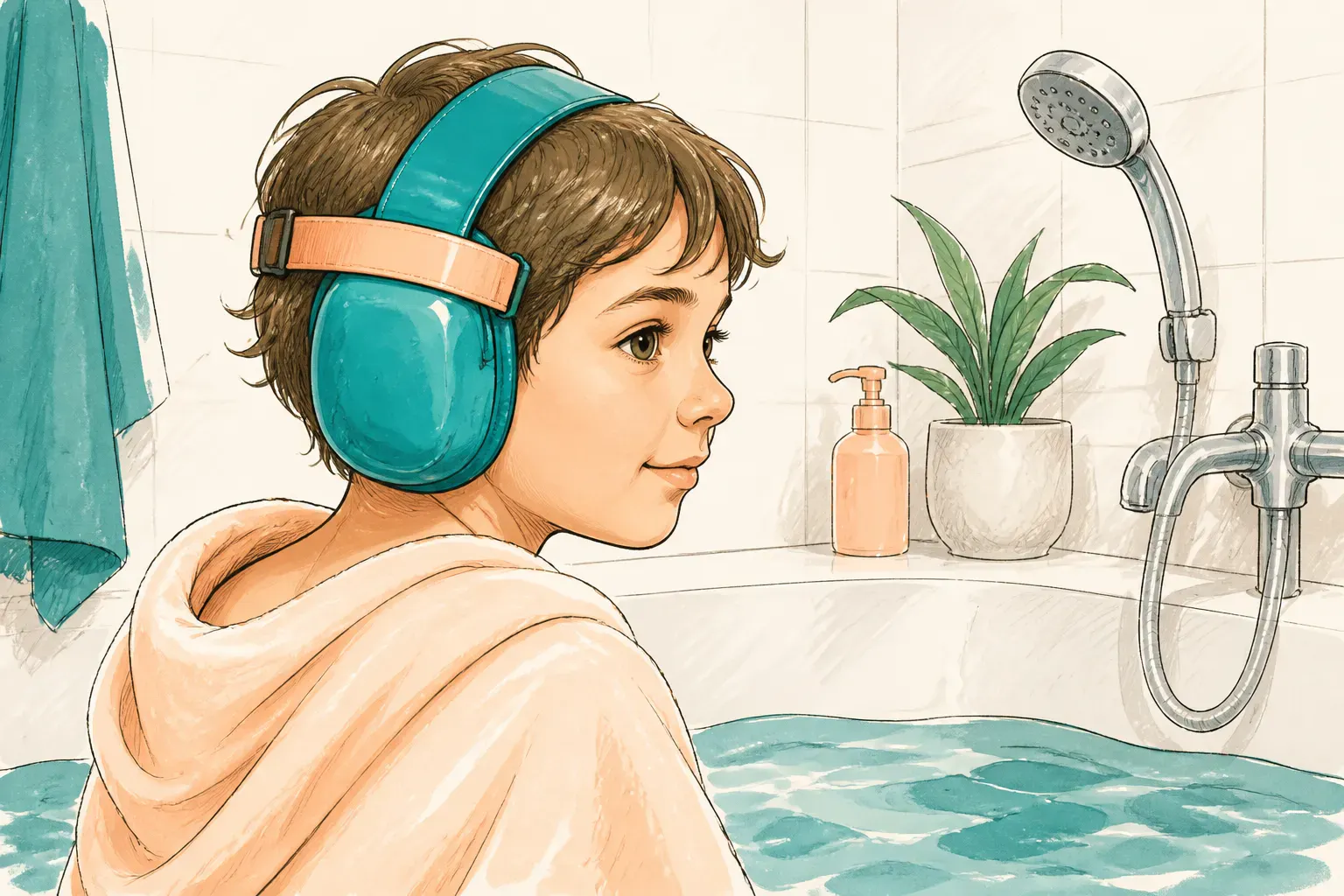
- Keep the ear dry when showering or bathing
- Use a shower cap or cotton wool coated lightly with petroleum jelly if advised by a clinician
- Use pain relief that is appropriate for you, following the packet instructions or medical advice
- Rest if you feel dizzy or unwell
- Follow up if symptoms are not improving
Do not
- Put cotton buds, tissue, pins, or other objects into the ear
- Use ear drops unless a clinician has said they are suitable
- Try to flush the ear yourself
- Swim until you have been told it is safe
- Blow your nose forcefully if that increases ear pain or pressure
If you are a parent or carer, it is worth being extra careful with children, who may be more likely to poke at the ear or get water into it during washing. For vulnerable adults and care home residents, having a simple ear care plan can prevent unnecessary irritation and help staff know when to escalate concerns.
Practical bathing tip
When washing hair or showering, tilt the affected ear away from the water stream. Some people find it helpful to keep a clean towel nearby and dry the outer ear gently afterwards without inserting anything into the canal.
If you need a broader check of ear comfort, wax, and symptoms, it may help to book an assessment rather than trying multiple home remedies. You can also review Contact Pro Ear Clinic if you want to ask about the most suitable next step.
When to seek urgent medical help
Most perforations are not medical emergencies, but some symptoms should not wait. Same day assessment is important if you have any of the following:
- Severe or worsening ear pain
- Sudden major hearing loss
- Heavy, bloody, or foul smelling discharge
- Vertigo or spinning dizziness
- Facial weakness or drooping
- High fever or feeling very unwell
- A head injury followed by ear symptoms
Head injury is especially important because ear symptoms after trauma may indicate more than a simple eardrum tear. In that situation, urgent medical care is the right choice.
Persistent symptoms also deserve attention. If the ear is still painful, leaking, or blocked after a few days, do not assume it will sort itself out. You can check national advice from the NHS guidance on perforated eardrum, which explains common symptoms and when to seek help.
For red flag symptoms linked to ear infections, it is also sensible to review NICE guidance on ear infections and red flags. If you are unsure, a GP or urgent care service can advise on the safest route.
Recovery, healing time and possible complications
Healing time varies. Many small perforations close over a few weeks, especially when they are kept clean and dry and there is no ongoing infection. Larger perforations, or those caused by repeated infection or trauma, may take longer and sometimes do not close completely without further treatment.
During recovery, the eardrum is vulnerable. Repeated water exposure, pressure changes, or another injury can delay healing. That is why good self-care matters as much as the initial diagnosis.
Possible complications include:
- Ongoing reduced hearing
- Repeated ear infections
- Persistent discharge
- Chronic perforation that does not close fully
- Balance symptoms if the inner ear is also affected
The good news is that many people recover well, especially when the cause is treated and the ear is protected from further irritation. Early review is helpful if healing seems slow, because that can identify whether there is an infection, trapped debris, or another issue that needs attention.
Prevention tips and protecting ear health
The best prevention is gentle, sensible ear care. Most eardrum injuries are avoidable, and many can be reduced by changing a few habits.
Safe ear hygiene
Keep the outer ear clean, but avoid putting anything into the canal. The ear is usually self-cleaning, and wax movement happens naturally. If you struggle with blockage, seek advice rather than trying to dig wax out yourself.
Be careful with pressure changes
If you are flying with a cold, allergy flare, or blocked ears, consider speaking to a pharmacist or clinician about what is suitable. Chewing, swallowing, or following pressure equalising advice may help some people, but forceful nose blowing can worsen pain if the ear is already irritated.
Protect the ear during water exposure
For people with ear problems, the ear should be kept as dry as possible until they are told otherwise. This is especially important for children, older adults, and anyone who has a history of ear infection.
Reduce injury risk
Never use cotton buds in the ear canal. It is a simple habit to stop, but it can prevent a great deal of trouble. Families and carers should also remind children not to put toys or small objects into their ears.
Book assessment when symptoms keep returning
If you often have blocked ears, recurring infections, or hearing changes, a professional review can help identify the cause and prevent escalation. A planned Ear health assessment is often a sensible starting point for recurring concerns.
For general ear care standards and safety principles, the British Society of Audiology information on ear care is a helpful reference point.
When Pro Ear Clinic can help
Pro Ear Clinic supports people who are worried about ear symptoms and need clear, gentle guidance on what to do next. If you are unsure whether your problem is wax, infection, irritation, or something more concerning, an assessment can help you make an informed decision without guesswork.
Our team can look for signs that suggest earwax blockage, infection, or another ear canal issue, and advise whether further medical assessment is needed. In some cases, safe wax management may be appropriate if wax is contributing to symptoms. In other cases, especially where a perforation in ear is suspected, the safest step is referral or medical review rather than wax removal.
It is important to be clear that microsuction is not a treatment for an active perforated eardrum unless a clinician has specifically assessed the ear and decided it is appropriate. The goal is always to protect the ear first.
If you are feeling anxious, have ongoing symptoms, or just want a professional opinion before doing anything at home, we are here to help with a calm, practical assessment. You can start by reading more about Microsuction ear wax removal, and if you need to speak with the clinic directly, use the Contact Pro Ear Clinic page.
Recommended reads
- How Microsuction Works
- Ear infection vs blocked ear
- Ear health assessment
- NHS guidance on perforated eardrum
- ENT UK patient information on eardrum perforation
FAQ
Can a perforated eardrum heal on its own?
Yes, many small perforations heal on their own over time, especially if the ear is kept dry and there is no ongoing infection. Larger tears, repeated infections, or injuries may need more medical input.
How do I know if I have a perforated eardrum or earwax blockage?
Both can cause muffled hearing and a blocked feeling, but a perforated eardrum is more likely to cause sudden pain, discharge, ringing, or dizziness. The only reliable way to tell is by having the ear examined.
Should I keep my ear dry if I have a perforated eardrum?
Yes. Keeping the ear dry is one of the most important steps while it heals. Water in the middle ear can increase the risk of infection and slow recovery.
Can I fly with a perforated eardrum?
Many people can fly, but it depends on your symptoms and whether there is active infection or severe pain. If you have recently developed symptoms, it is sensible to ask a clinician before travelling.
When should I see a doctor for a perforated eardrum?
See a doctor if the pain is severe, hearing has dropped suddenly, there is discharge, dizziness, fever, facial weakness, or the symptoms are not improving. You should seek urgent help after a head injury or if you feel very unwell.
Is it safe to put ear drops in a perforated eardrum?
Not unless a clinician has told you the drops are suitable. Some ear drops are not safe when the eardrum is perforated, so it is important to get proper advice first.