Blocked ear removal usually means clearing excess earwax, but it can also involve checking for infection, trapped water, pressure changes, or another cause of hearing blockage. In Bristol, people often look for professional help when their hearing feels muffled, their ear feels full or painful, or home care has not worked. Safe options are available, including clinic-based treatment and home visits, and the right choice depends on the cause, your symptoms, and your overall ear health.
Quick summary: what to know before you book
Most blocked ears are caused by earwax build-up, especially if the wax has become compacted and is pressing against the ear canal. Common symptoms include reduced hearing, a sense of fullness, popping, itchiness, tinnitus, and mild discomfort. Sometimes the problem is not wax at all, so a proper look inside the ear is important before treatment.
For many people, microsuction is the preferred option because it is precise, quick, and does not rely on flushing water into the ear. Irrigation can be suitable in some cases, but it is not right for everyone. If you have ear pain, discharge, a history of eardrum perforation, ear surgery, or sudden hearing loss, a clinician should assess you before any removal is attempted.
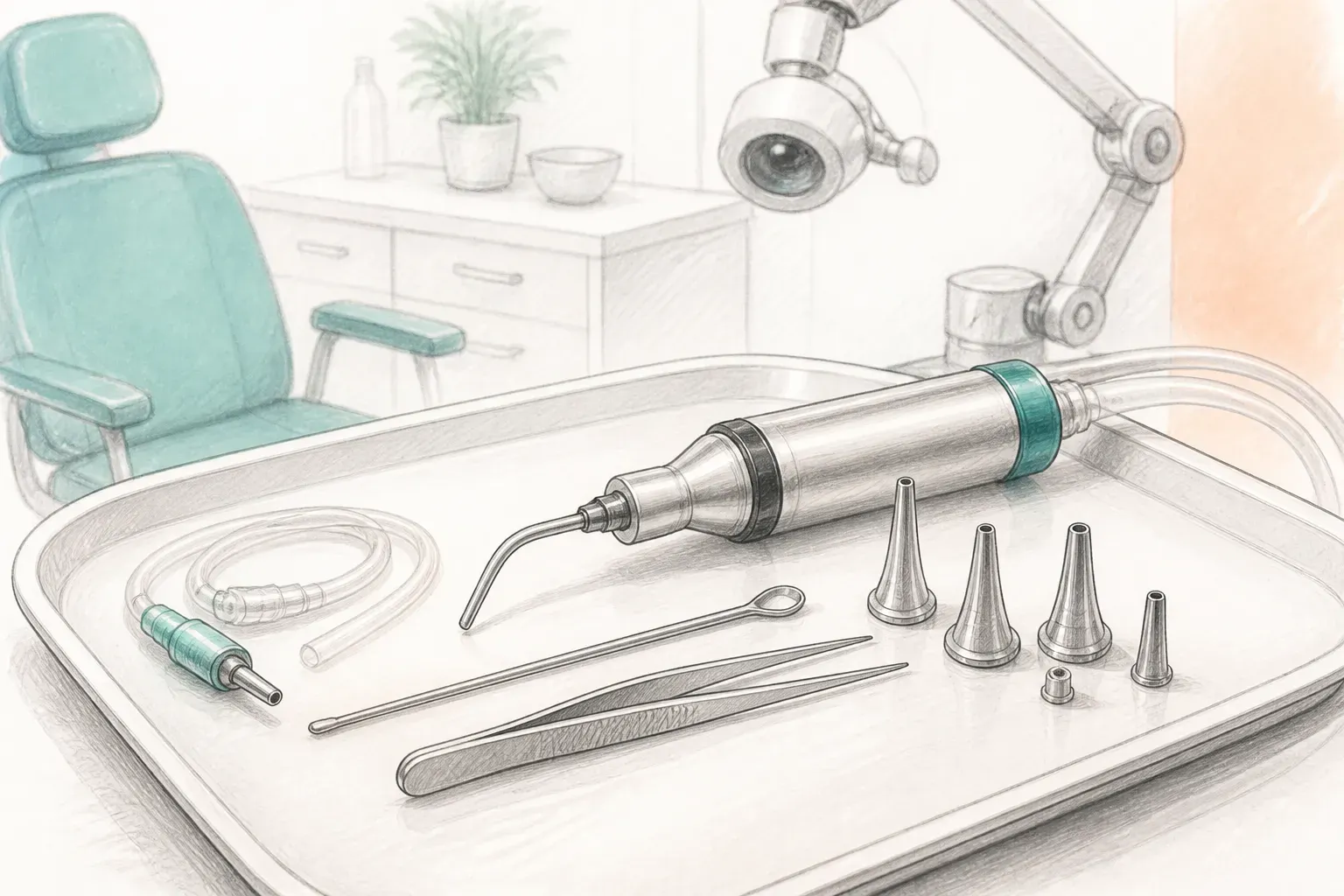
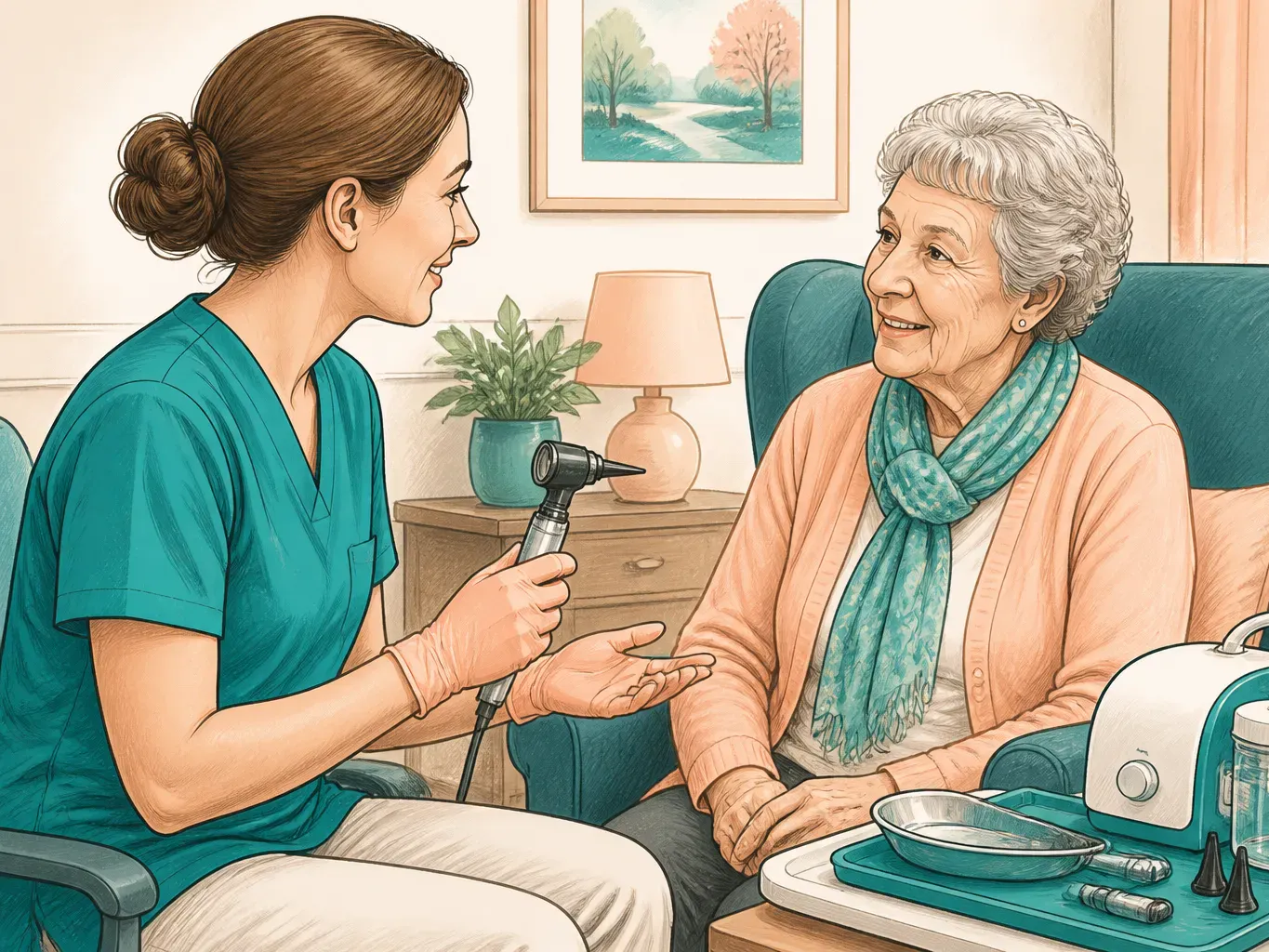
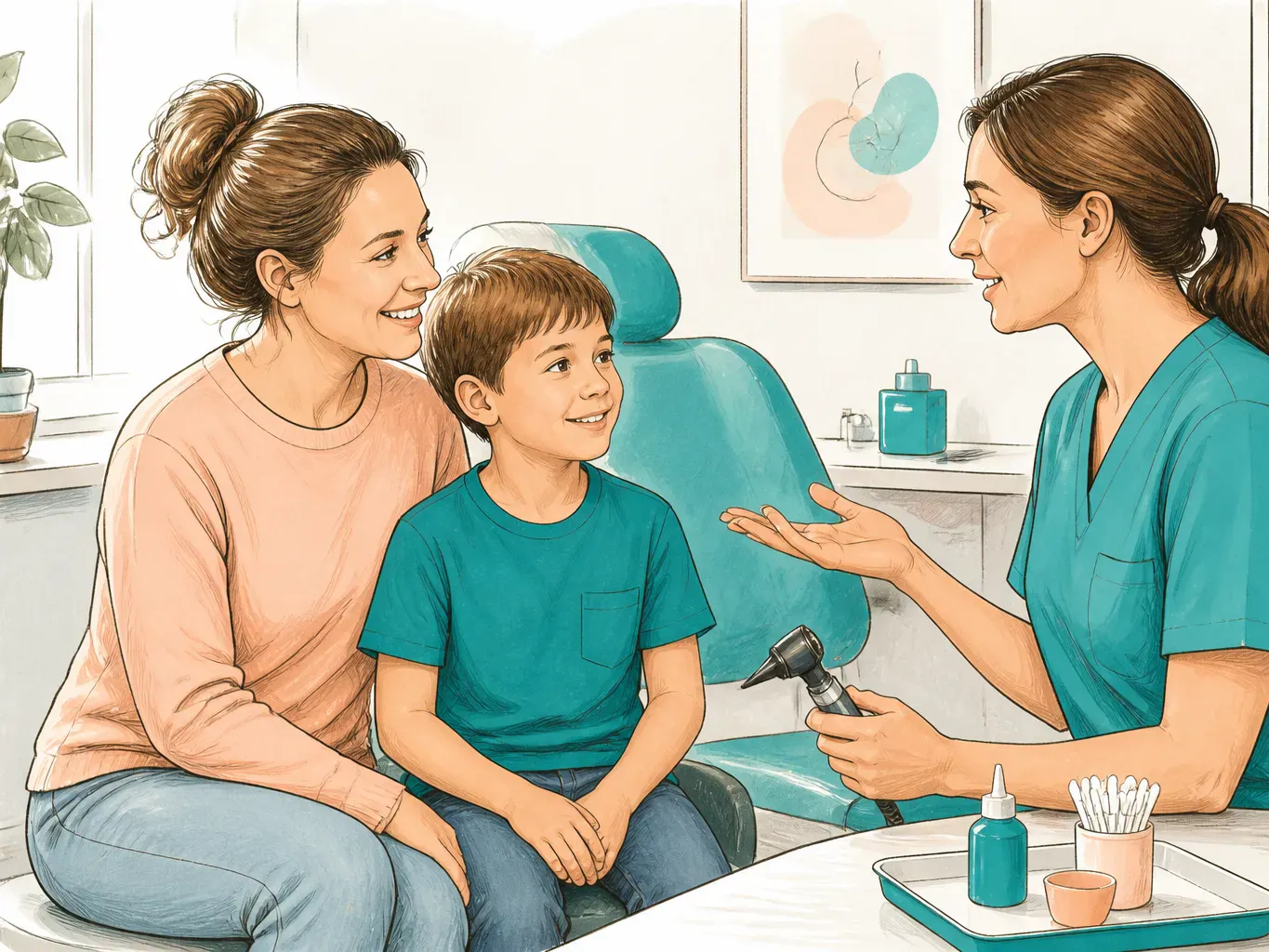
If you are a busy parent, an older adult, a care home resident, or someone who feels anxious about ear treatment, Bristol clinics can often offer options that are calm, convenient, and tailored to your needs. Pro Ear Clinic focuses on safe, patient-friendly care, with both clinic appointments and home visit support available for suitable patients.
What causes a blocked ear?
A blocked ear can happen for several reasons, and the feeling is not always caused by wax alone. Earwax is the most common cause, but a similar blocked sensation can also happen when water is trapped in the ear canal, when pressure changes affect the middle ear, or when an infection or foreign body is present.
Earwax is a normal substance. It protects the ear canal by trapping dust and debris and helping the skin stay healthy. Problems start when too much wax builds up, becomes dry and hard, or is pushed deeper into the canal. This is more likely in hearing-aid users, people who use earbuds regularly, and anyone with narrow or bendy ear canals.
Other causes can feel very similar at first. A cold or sinus issue may create pressure and popping. Water after swimming or showering can make the ear feel full. An ear infection may cause pain, reduced hearing, or fluid. Occasionally, a small object such as a cotton tip fragment or hearing aid dome can block the canal.
Possible cause | Typical symptoms | Is professional removal usually appropriate? |
|---|---|---|
Earwax build-up | Fullness, muffled hearing, tinnitus, itchiness | Yes, if wax is confirmed and safe to remove |
Compacted earwax | Worse hearing loss, pressure, discomfort | Yes, often needs professional treatment |
Trapped water | Full or sloshing feeling, temporary muffling | Sometimes, but often settles naturally |
Infection | Pain, discharge, fever, tenderness | Not simple removal first, needs assessment |
Pressure changes | Popping, blocked sensation after flying or a cold | Usually not wax removal unless wax is also present |
Foreign body | Sudden blockage, discomfort, reduced hearing | Yes, but careful clinical assessment is needed |
If you want a broader explanation of why ears block, you may find Blocked ears causes helpful.
Signs you may need earwax removal
The most common clue is hearing that suddenly feels dull or muffled. Some people describe it as listening through cotton wool. Others notice that one ear feels heavier, full, or strange when chewing or talking.

Typical signs of earwax build-up include:
- Muffled or reduced hearing in one or both ears
- A feeling of fullness or pressure
- Popping or crackling sounds
- Itching inside the ear
- Mild ache or discomfort
- Tinnitus, which is ringing or buzzing
- Occasionally dizziness or imbalance, although this needs careful assessment
Mild blockage may be irritating but manageable for a short time, especially if it started after a bath, swim, or cold. More urgent signs include severe pain, discharge, sudden marked hearing loss, or dizziness. Those symptoms may mean the ear problem is not simple wax.
Hearing-aid users should be especially alert to wax build-up, because wax can reduce device performance and make feedback or distortion more likely. Older adults may not always notice gradual hearing change until communication becomes difficult. Children and care home residents may also have blocked ears without clearly describing what they feel, so behavioural changes, irritability, or withdrawing from conversation can be clues.
If you have frequent blockages, regular ear checks can help prevent bigger problems later. This is especially useful for people who rely on hearing for work, family life, or daily safety.
Safe ways to remove blocked earwax
There are several ways to remove earwax, but not all are equally suitable for every person. The safest choice depends on the shape of the ear canal, the type of wax, your medical history, and whether there are any signs of infection or eardrum problems.

Method | How it works | Benefits | Limitations or risks | Best suited to |
|---|---|---|---|---|
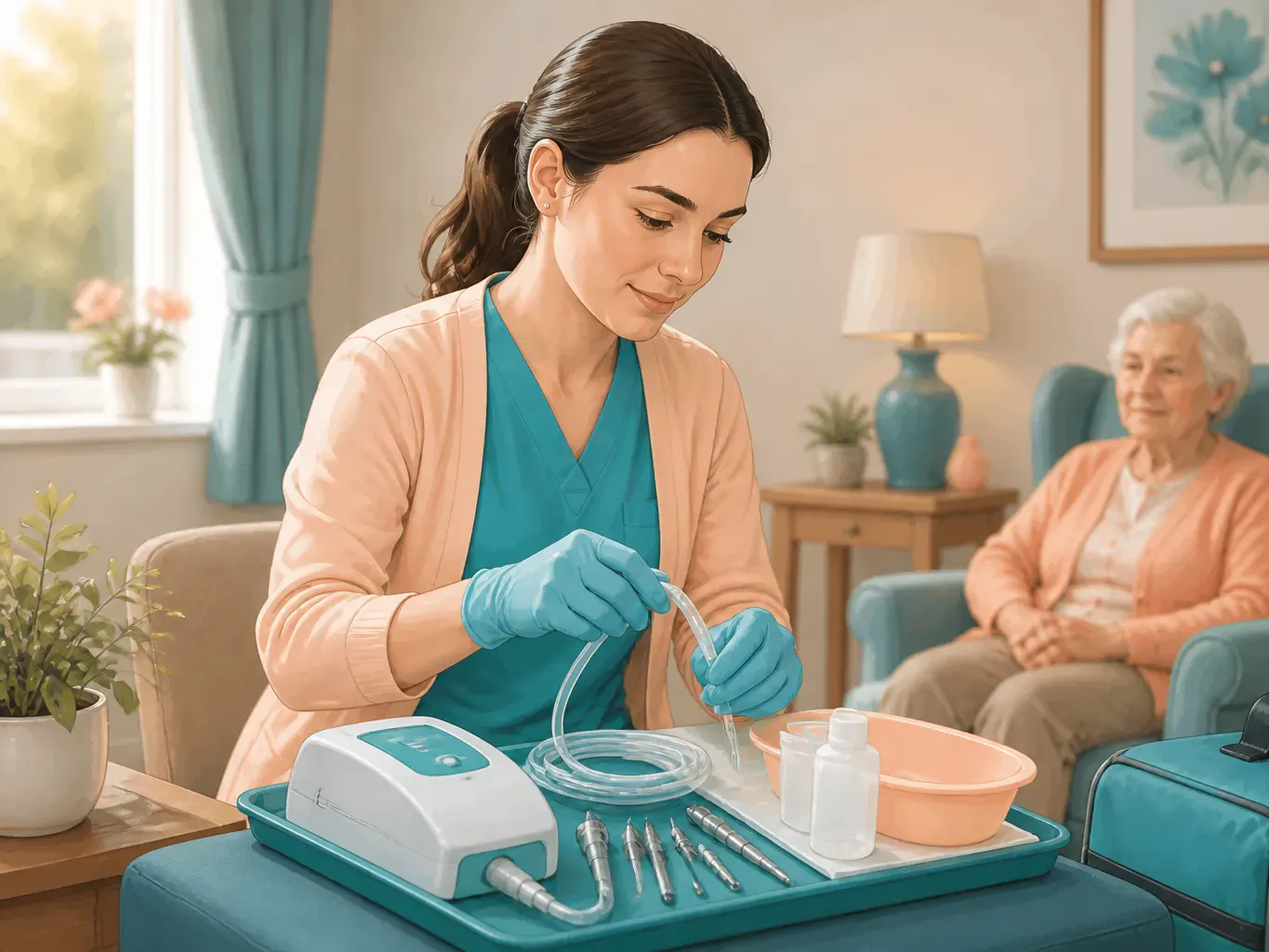
Microsuction | A clinician uses a small suction device to remove wax under direct view | Precise, quick, usually no water, good control | Can feel noisy, may cause temporary sensitivity | Most adults, anxious patients, and many complex cases |
Irrigation | Warm water is used to flush wax out | Widely known, can work well for suitable ears | Not suitable for some ear conditions, can cause discomfort or moisture issues | Selected patients with healthy ears |
Manual removal | Instruments are used to lift or extract wax | Useful in certain situations, very controlled | Requires skill and a clear view, not always comfortable | Cases where wax is soft and accessible |
Home softening drops | Olive oil or similar drops soften wax over time | Gentle, easy to do at home, may help wax move naturally | Does not always solve impacted wax, takes time | Mild build-up or before a planned appointment |
Microsuction is often preferred for safe, targeted removal because the clinician can see what they are doing throughout the procedure. That makes it especially useful when wax is hard, deep, or close to the eardrum. Irrigation may still be appropriate for some patients, but it is not suitable if you have a perforated eardrum, a history of ear surgery, active infection, or certain other ear conditions.
At ProEarClinic, the emphasis is on evidence-based, patient-friendly treatment, with careful assessment before any removal is started. That approach matters, because ear care should feel reassuring as well as effective.
For more detail about the process itself, see Microsuction ear wax removal.
What happens during a professional earwax removal appointment?
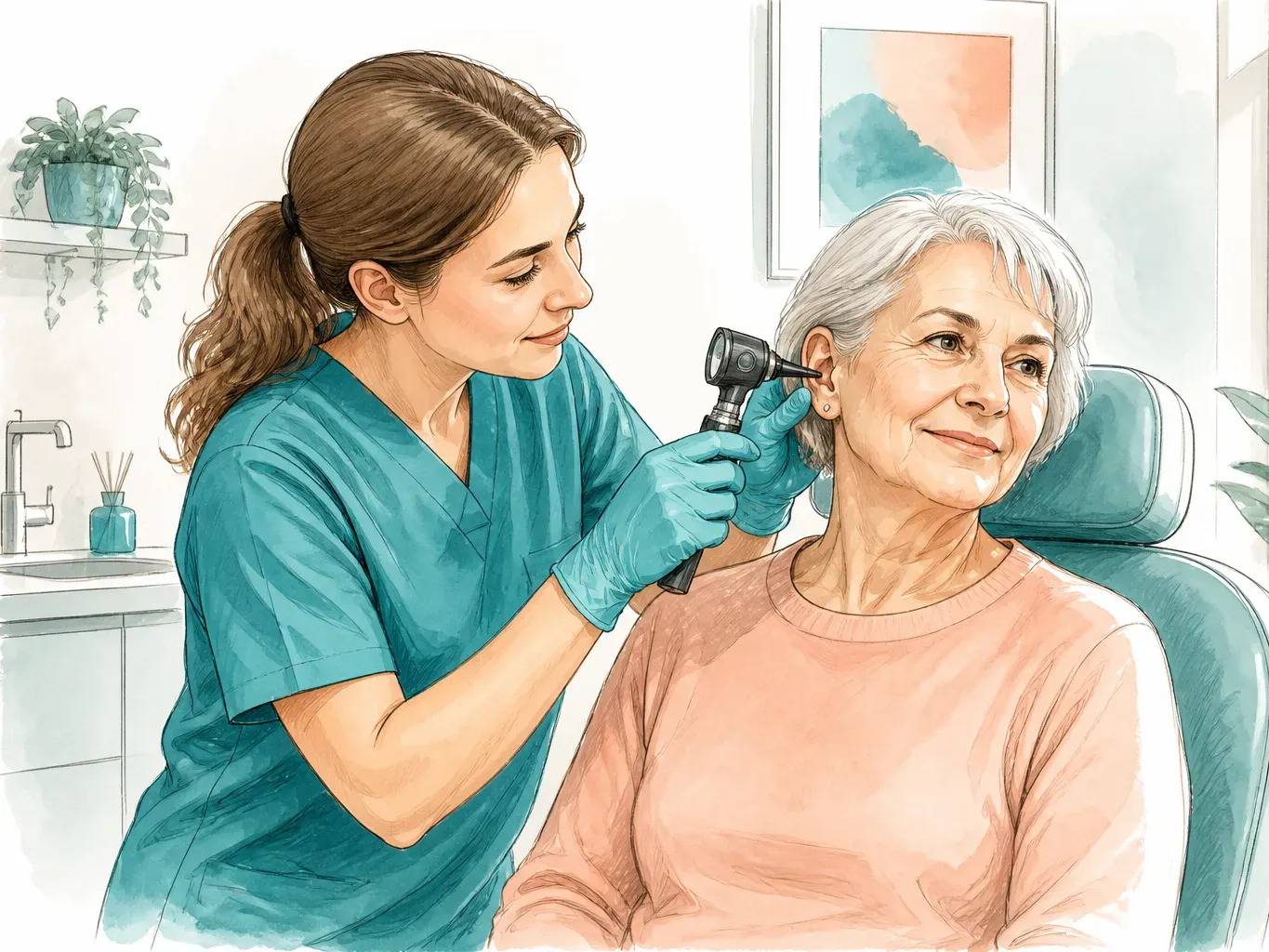
A professional appointment is designed to be straightforward. The first step is usually a discussion about your symptoms, medical history, and any previous ear problems. The clinician then examines the ear with appropriate lighting or magnification to confirm whether wax is the cause and to check whether treatment is safe.
A simple appointment often follows this pattern:
Step | What happens | Why it matters |
|---|---|---|
Consultation | The clinician asks about symptoms and history | Helps identify the likely cause and any safety concerns |
Ear examination | The ear canal and eardrum area are checked | Confirms whether wax is present and whether removal is suitable |
Treatment choice | The best method is selected | Keeps treatment tailored to the ear and the person |
Removal | Wax is removed using the chosen method | Improves hearing and reduces blockage |
Aftercare | Advice is given for the next few days | Helps protect the ear and prevent recurrence |
Microsuction usually feels like a gentle suction sensation, with some people noticing a quiet buzzing or whistling sound. It is often quick, though timing varies depending on the amount and consistency of wax. Some ears clear in minutes, while others take longer if wax is dry or compacted.
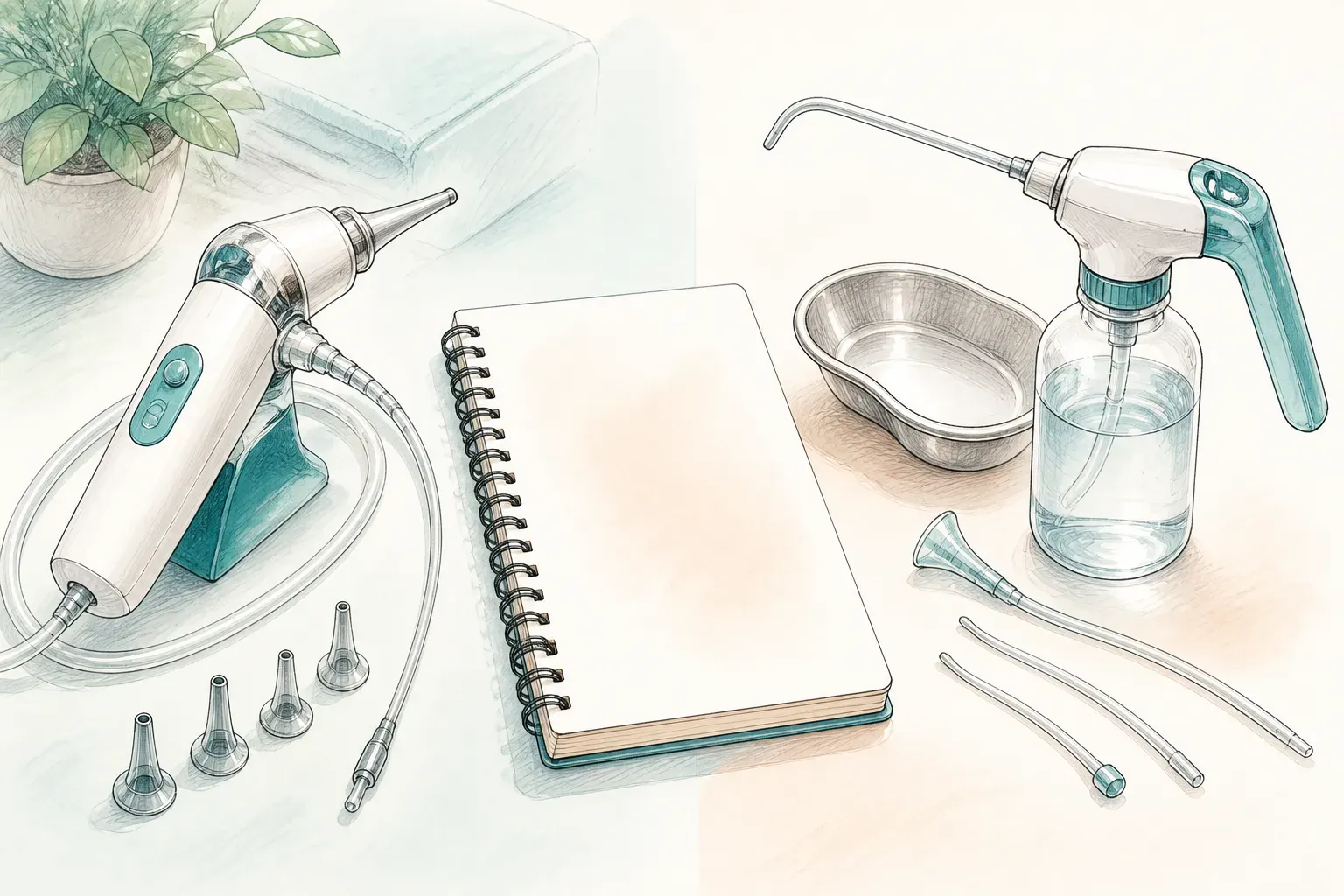
After treatment, hearing can improve immediately, although some people notice temporary sensitivity or a slight awareness of the ear canal. That usually settles quickly. If the ear is inflamed or irritated, your clinician may suggest follow-up advice or a GP review if something beyond wax is suspected.
The aim is not only to remove the blockage, but to make the experience calm and predictable, especially for nervous patients.
Can you treat blocked ears at home?
Mild wax build-up can sometimes be managed at home with softening drops, especially if you are not in pain and there are no warning signs. Olive oil is commonly used to soften wax, and it may help the wax move out naturally over several days. Many people use it once or twice a day for a short period before a professional appointment, but it does not work instantly and it will not suit everyone.
Safe home care means knowing what to avoid as well. Do not use cotton buds inside the ear, because they often push wax further in and can irritate the canal. Ear candles should also be avoided. They are not a reliable method of wax removal and can cause burns or injury.
If you are trying drops at home, stop and book an appointment if:
- Pain gets worse
- You develop discharge
- Hearing drops suddenly
- Dizziness appears
- The ear becomes swollen or hot
- Wax does not improve after a reasonable period
For a fuller guide on softening wax before treatment, you may want to read olive oil and earwax guidance once published or speak to a clinician for personalised advice.
Blocked ear removal in Bristol: clinic, home visit, or same-day care?
People in Bristol often want two things at once: fast relief and a service that fits real life. Some patients prefer a clinic appointment because it is efficient and controlled. Others need help at home because travel is difficult, mobility is limited, or the patient lives in a care setting. Same-day care can be useful when symptoms are disruptive and the blockage is affecting hearing, work, or daily safety.
Service option | Best for | Advantages | Things to consider |
|---|---|---|---|
Clinic appointment | Most routine cases, first-time patients, people happy to travel | Full equipment, focused environment, often very efficient | Requires getting to the clinic |
Home visit | Elderly patients, care home residents, housebound patients | Convenient, familiar setting, less travel stress | Availability depends on area and suitability |
Same-day care | Sudden blockage, urgent hearing needs, busy schedules | Fast access to relief | Not every case is appropriate for immediate treatment |
If mobility is limited or anxiety is high, a home visit can be a very practical choice. If speed matters most, same-day options may help. If you want to read more about service logistics, see Home visit earwax removal in Bristol and Same-day earwax removal.
For many people, the right choice comes down to comfort, access, and the level of reassurance needed. A busy family may prefer a quick clinic slot. A care home resident may benefit from treatment where they already are. An anxious patient may appreciate a calm explanation and a gentle approach.
When blocked ears may be something more serious
Although wax is common, not every blocked ear should be treated as a simple wax problem. Some symptoms need medical assessment before removal, because they may point to infection, eardrum injury, or another condition.
Seek professional medical advice if you have:
- Severe ear pain
- Discharge, especially if it is smelly or bloody
- Fever or feeling unwell
- Sudden or significant hearing loss
- Dizziness or spinning sensation
- Recent trauma to the ear or head
- A known perforated eardrum
- A history of ear surgery unless you have been advised otherwise
Symptom pattern | More like wax | More like infection or another issue |
|---|---|---|
Hearing | Gradual muffling | Sudden change or one-sided loss |
Pain | Mild pressure or discomfort | Strong pain, worsening tenderness |
Discharge | Usually absent | May be present, sometimes with smell |
General feeling | Otherwise well | Fever, dizziness, or feeling unwell |
Response to home drops | May improve slowly | Often does not improve, or worsens |
If you are unsure, it is safer to have the ear examined rather than trying repeated home remedies. The NHS advice on blocked ears and hearing changes is a useful general resource, and the NHS guidance on earwax build-up explains when to seek help.

Aftercare, prevention, and when to book again
Once the blockage is cleared, the next step is keeping the ears comfortable and reducing the chance of repeat build-up. Most people do best with simple habits rather than trying to clean deeply inside the ear.
Useful prevention tips include:
- Avoid putting cotton buds, hair grips, or tissues into the ear canal
- Keep hearing aids clean and well maintained
- Use softening drops only if appropriate for your ears
- Ask for periodic ear checks if you are prone to wax build-up
- Seek help earlier if you notice hearing changes rather than waiting for complete blockage
People who regularly get blocked ears may benefit from planned reviews, especially if they are older, wear hearing aids, or rely on clear hearing for communication. Care home residents may also need periodic attention to avoid repeated discomfort or missed changes in hearing.
If wax keeps returning, the cause may be anatomical, related to hearing aid use, or linked to dry earwax production. A clinician can advise on the best interval for review. There is no single schedule that suits everyone, but many people benefit from checking sooner if symptoms begin rather than waiting until the ear becomes completely blocked.
For more background, Blocked ears causes is a useful next read. For the procedure itself, Microsuction ear wax removal explains a common treatment option in more detail.
Author perspective and recommended reads
From a patient-care perspective, the most important part of earwax removal is not simply clearing the blockage, it is making sure the person feels listened to, informed, and safe. That matters especially for anxious patients, older adults, and families trying to fit treatment around busy lives. Gentle, evidence-based care reduces uncertainty and helps people make better decisions about when to wait, when to soften wax at home, and when to book professional help.

If you are exploring your options, these resources may help you decide what to do next:
- Microsuction ear wax removal
- Home visit earwax removal in Bristol
- Same-day earwax removal
- Blocked ears causes
For broader clinical guidance, you can also review NICE guidance on earwax management and British Society of Audiology information on earwax, alongside the NHS pages linked above.
FAQ
What is the safest way to remove blocked earwax?
For most people, the safest option is professional assessment followed by the most suitable method for that ear. Microsuction is often preferred because it allows direct visual control, which can make it a precise and gentle choice. The right method depends on your ear history, symptoms, and whether there are any signs of infection or eardrum problems.
How do I know if my blocked ear is wax or an infection?
Wax usually causes gradual muffling, fullness, and possibly itchiness or mild discomfort. Infection is more likely if you have pain, discharge, fever, or the ear feels hot and very tender. If you are unsure, it is best to have the ear examined rather than guessing.
Does microsuction hurt?
Most people find microsuction tolerable and not painful, although it can feel unusual because of the suction sound and movement in the ear canal. If the ear is already sore or inflamed, it may be more sensitive. A careful clinician will explain what to expect and stop if you need a pause.
How long does professional earwax removal take?
Many appointments are quite short, often taking only a few minutes once the ear has been examined. More complex ears, hard wax, or multiple blockages can take longer. The consultation and aftercare advice also add time, so it is sensible to allow a little extra for the visit.
Can I use olive oil before earwax removal?
Yes, olive oil is commonly used to soften wax before treatment, provided you do not have ear pain, discharge, or a known eardrum problem. It may take several days to have an effect. If symptoms worsen or do not improve, book a professional assessment.
When should I seek urgent help for a blocked ear?
Seek urgent help if you have sudden hearing loss, severe pain, discharge, fever, dizziness, or recent trauma to the ear or head. Those symptoms can mean the problem is not simple wax and may need medical assessment quickly.
Is home earwax removal suitable for elderly patients or care home residents?
Home softening drops may be suitable in some cases, but active removal at home is not something people should try themselves. For elderly patients or care home residents, a professional home visit can be a safer and more comfortable option than travelling to a clinic.
How often should I have earwax checked if I get blocked ears regularly?
It depends on how quickly your ears build up wax and whether you wear hearing aids or have other risk factors. Some people only need occasional checks, while others benefit from planned review when symptoms begin. A clinician can help set a sensible routine based on your history.