For most people in Bristol, home care is best for softening mild earwax, while clinic removal is better for blocked ears, troublesome symptoms, or anyone who wants a safer and more complete solution. If you have pain, sudden hearing loss, discharge, a history of ear problems, or wax that keeps coming back, a professional assessment is usually the smarter choice.
Quick answer, which option is better?
The best choice depends on what is happening in the ear, how quickly you need relief, and whether it is safe to manage the wax yourself. Gentle home softening can help prevent build-up and may be enough when the wax is mild, but a clinic appointment is usually the safer option when the ear feels fully blocked, hearing has dropped, or symptoms are getting in the way of daily life.
For many Bristol patients, the real question is not whether home care or clinic care is always better, but which option matches the situation. Older adults, anxious patients, busy families, and people who cannot easily travel may need a different approach from someone with a simple wax build-up and no warning signs.
Quick summary
Situation | Usually better option | Why |
|---|---|---|
Mild wax, no pain, no red flags | Home softening | Low cost, convenient, may help wax move naturally |
Blocked ear, hearing loss, fullness | Clinic removal | Faster relief and a proper ear examination |
Pain, discharge, dizziness, fever | Clinic assessment | Could be something other than wax |
Older adult with mobility issues | Home visit or clinic, depending on access | Safer and easier than self-treatment |
Hearing aid user with repeat build-up | Clinic care | More complete removal and ear check |
At a glance comparison table
Factor | Home earwax care | Clinic earwax removal in Bristol |
|---|---|---|
Safety | Good for gentle softening when used correctly | Usually safer for blocked, painful, or difficult ears |
Speed of relief | Slow, often takes days | Often quicker, sometimes same day |
Convenience | Very convenient at home | Requires travel, unless a home visit is arranged |
Cost | Lower upfront cost | Higher upfront cost, but often more effective |
Effectiveness | Helps soften wax, not ideal for deep blockage | More likely to clear the ear fully |
Suitable for older adults | Sometimes, if they can self-manage safely | Often better, especially if hearing or mobility is limited |
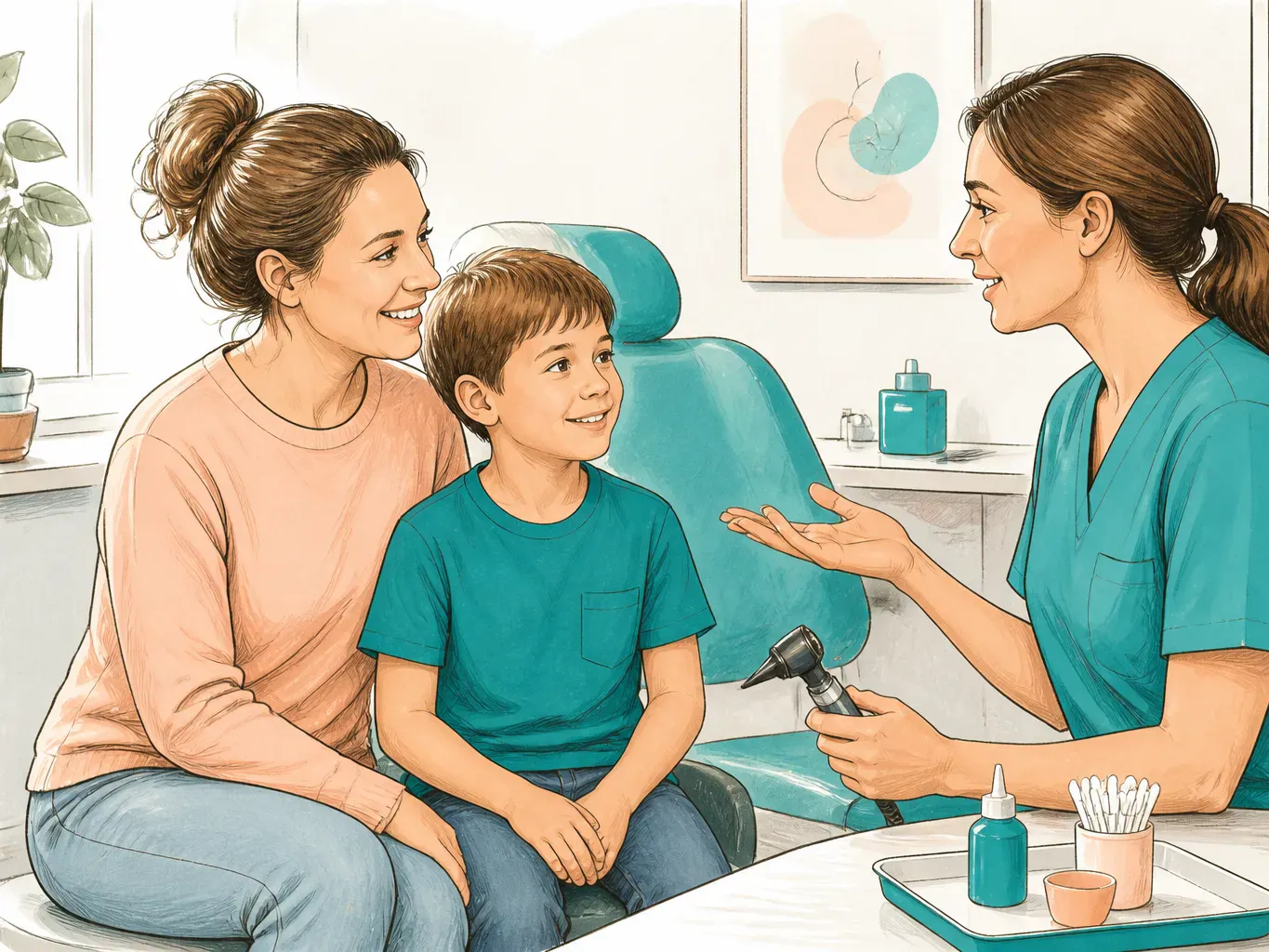
Suitable for children | Only with careful guidance from a clinician | Usually preferable when removal is needed |
Risk of complications | Higher if people use cotton buds, tools, or ear candles | Lower when carried out by trained clinicians |
Best for | Mild build-up and prevention | Blocked ears, repeat wax, hearing aid users, urgent relief |
What earwax removal at home usually involves
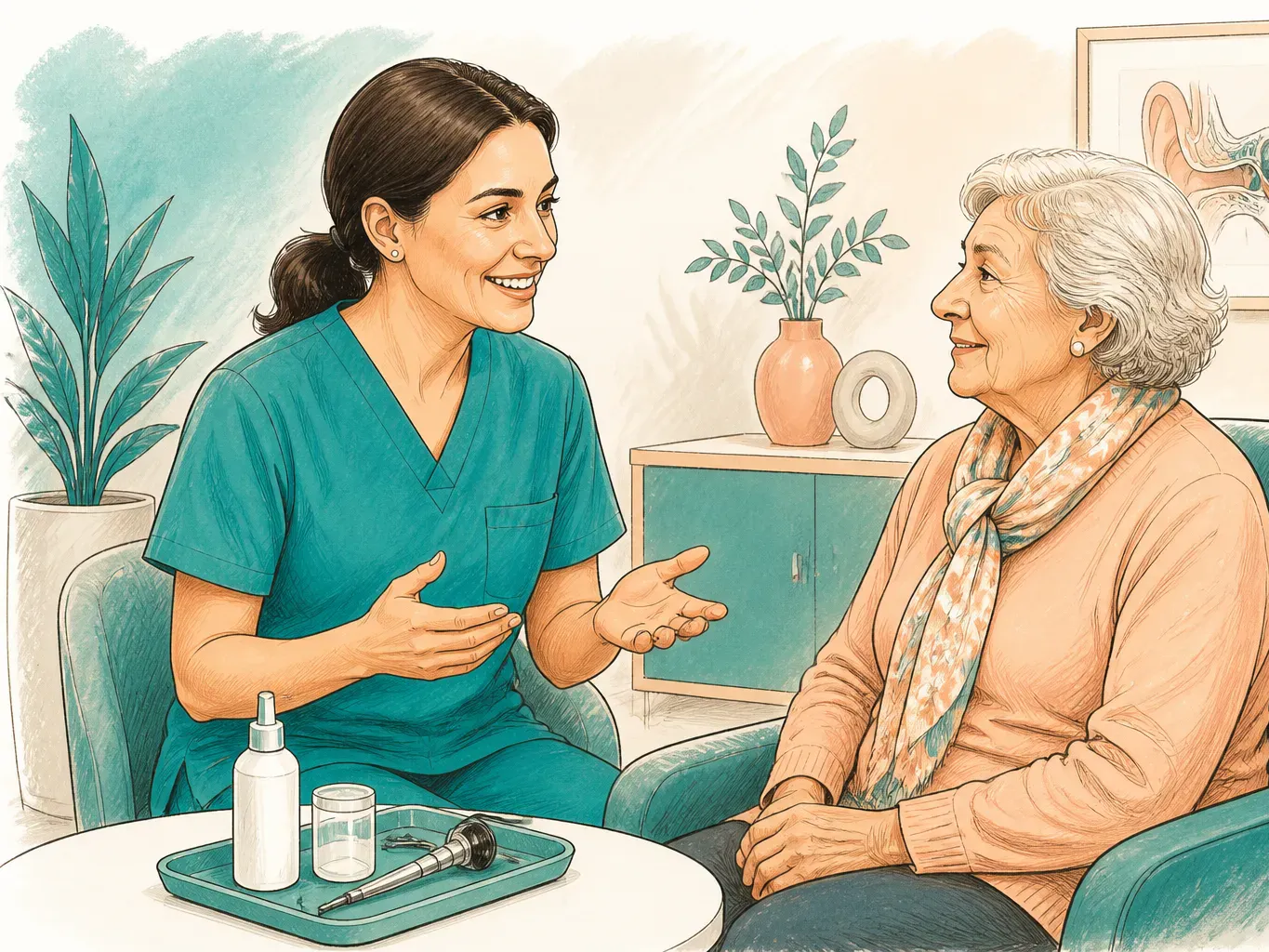
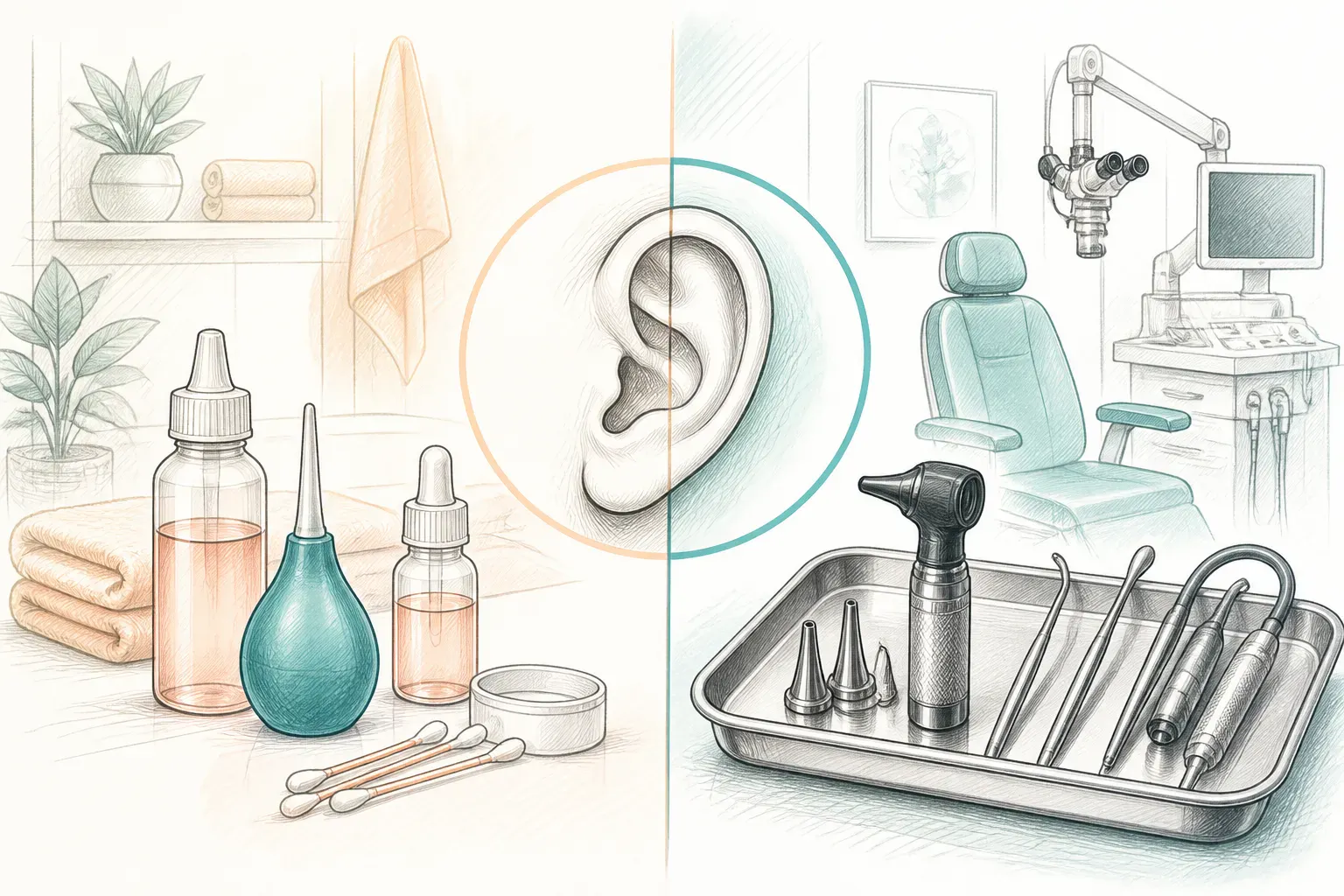
At home, earwax care usually means softening the wax so the ear can clear it naturally. The most common approach is to use olive oil drops, a pharmacy earwax softener, or another clinician or pharmacist recommended preparation. The aim is not to dig the wax out. The aim is to make it softer, looser, and more likely to come away on its own.
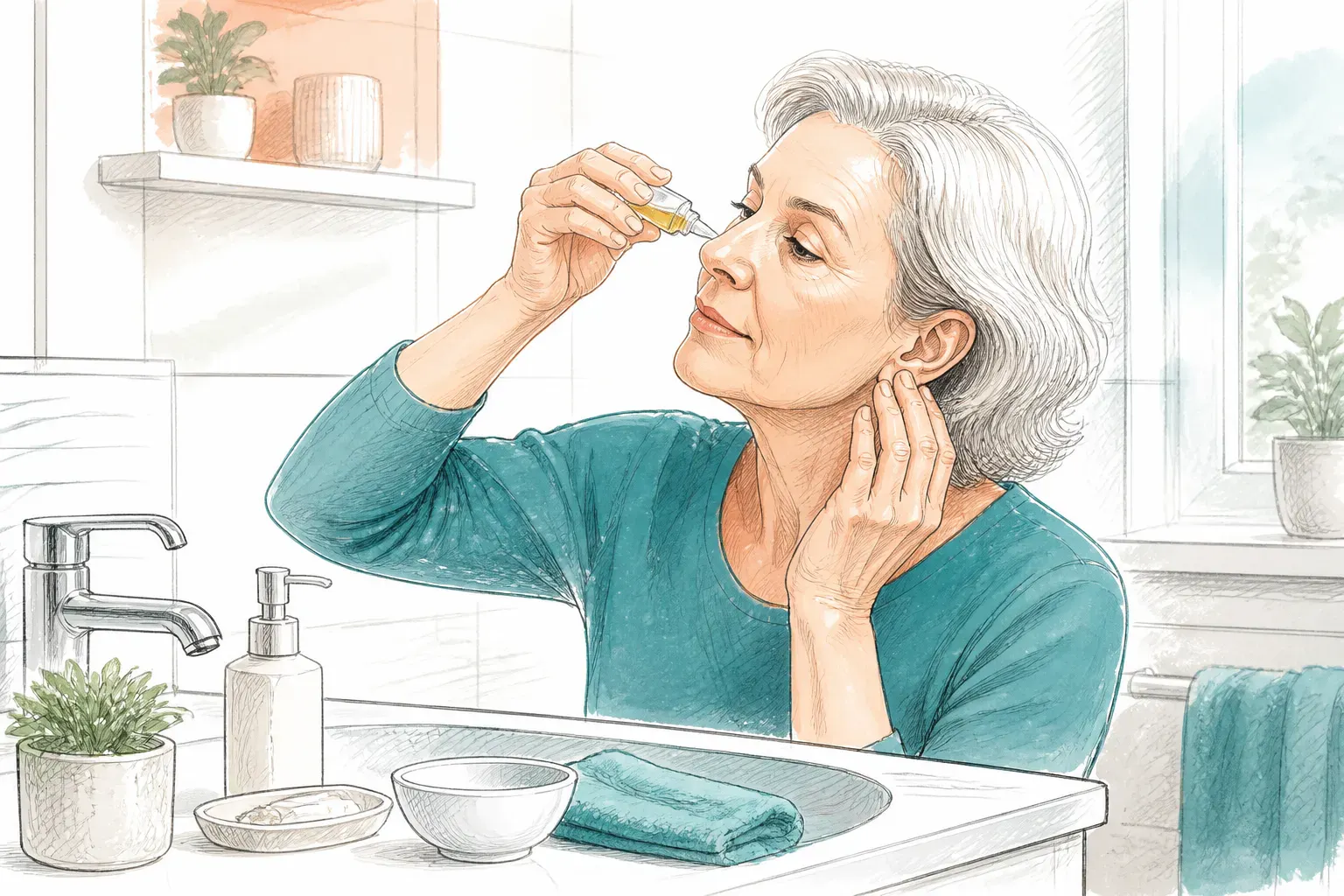
That distinction matters. Many people try to remove wax with cotton buds, hairpins, ear scoops, or other household items, but these can push wax deeper into the canal and make the blockage worse. They can also irritate the skin, scratch the ear canal, or increase the risk of infection.
A sensible home routine usually looks like this:
- Check that there are no warning signs such as pain, discharge, fever, or sudden hearing loss.
- Use olive oil or a pharmacy softener as directed.
- Keep the ear dry and avoid inserting anything into it.
- Give the softener time to work, usually over several days.
- If symptoms do not improve, book a professional assessment.
Home softening is most useful when the wax is mild or when a person gets regular build-up and wants to reduce the chance of future blockage. It can also be a helpful first step before a clinic appointment, because softened wax is often easier to remove professionally.
However, home care has limits. It does not suit everyone, and it is not the right answer if the ear is already very blocked or if there may be another problem. If you are unsure, it is better to get advice than to keep experimenting at home.
Useful guidance from the NHS on this topic is available here: NHS advice on earwax build-up.
What clinic earwax removal in Bristol usually involves
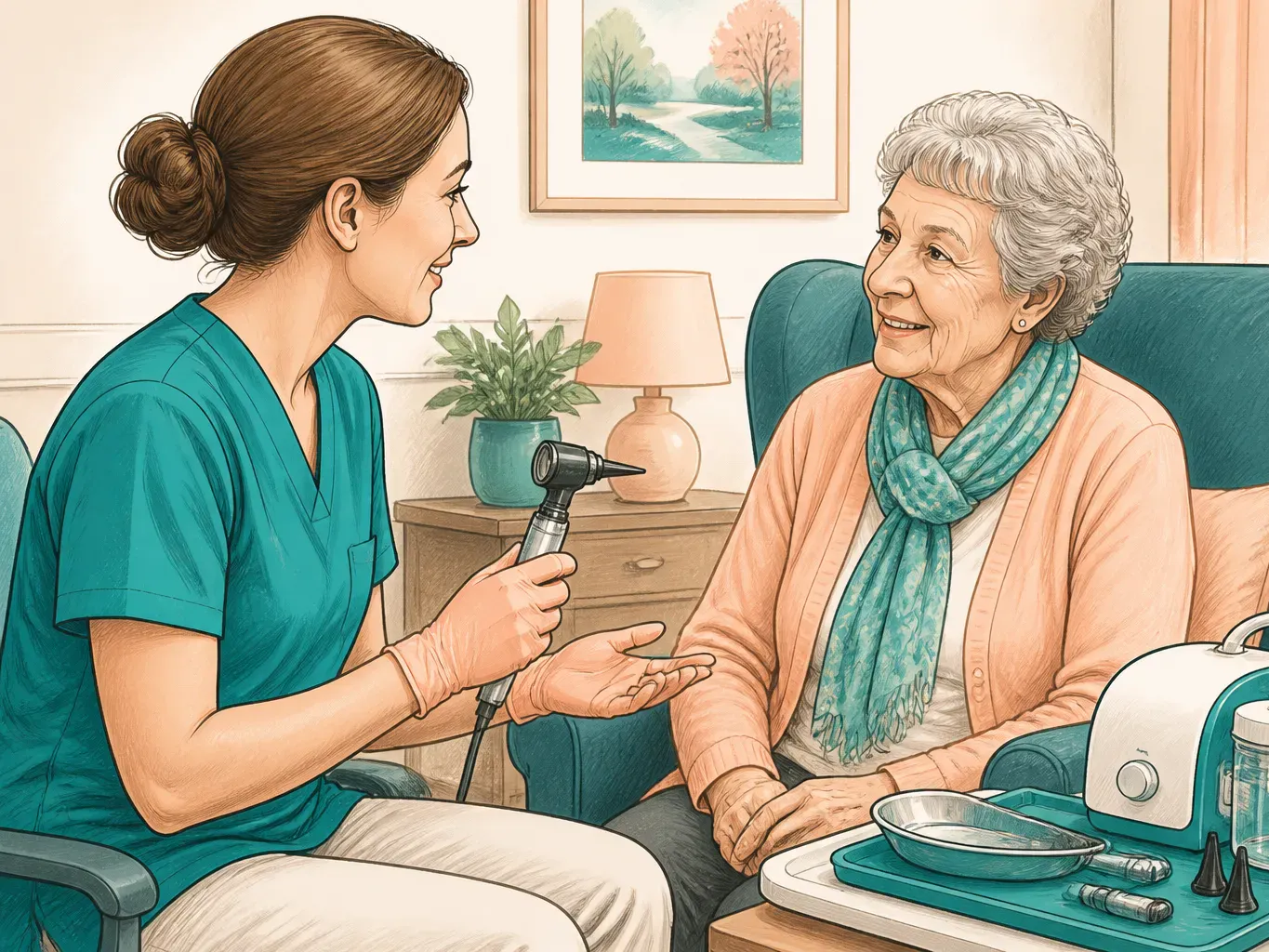
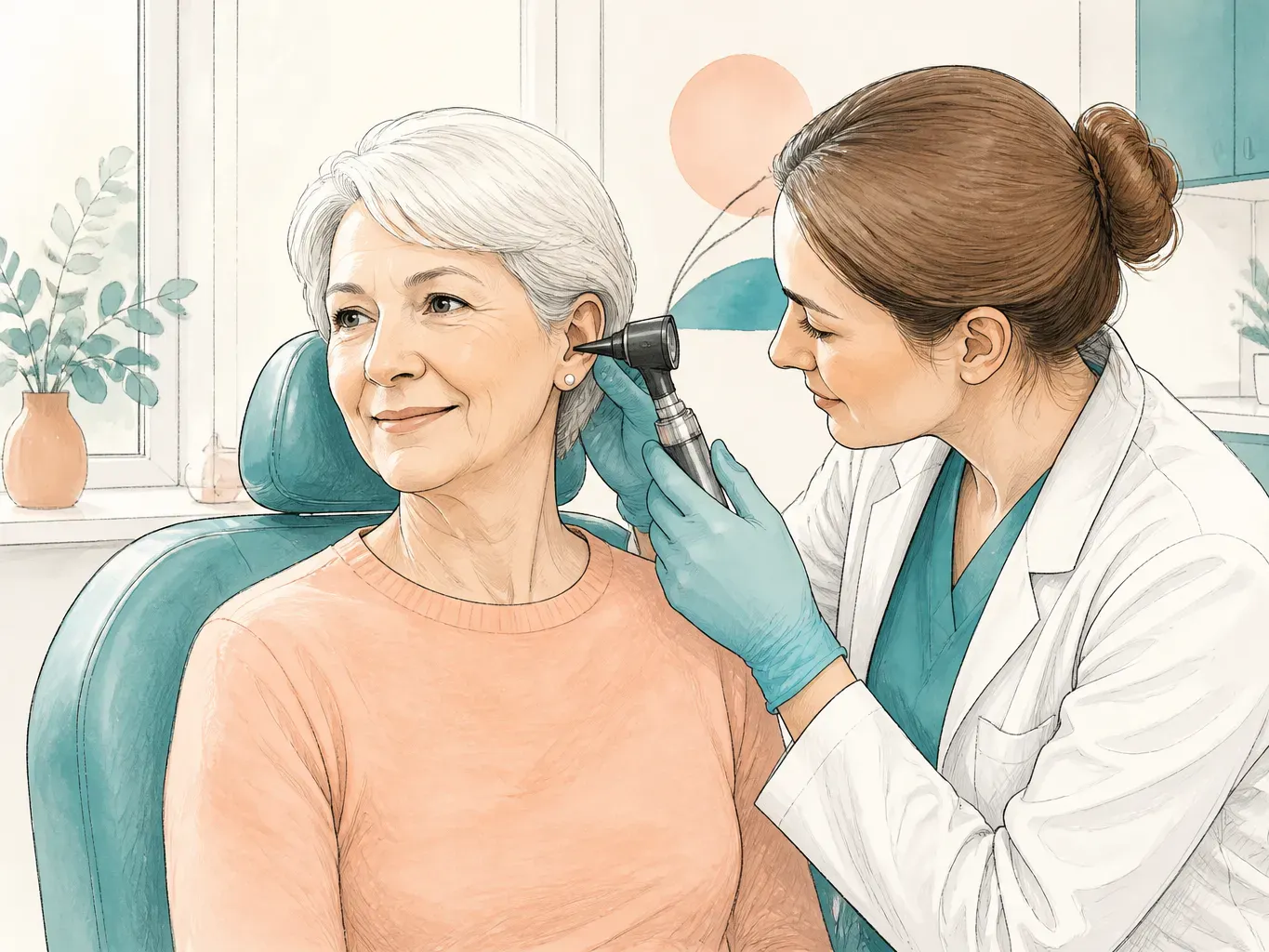
Professional earwax removal in a clinic begins with an ear examination. A clinician checks the ear canal and eardrum, asks about symptoms, and decides whether wax is the likely cause. This step matters because not every blocked ear is caused by wax, and it is important not to miss infection, perforation, or another issue.
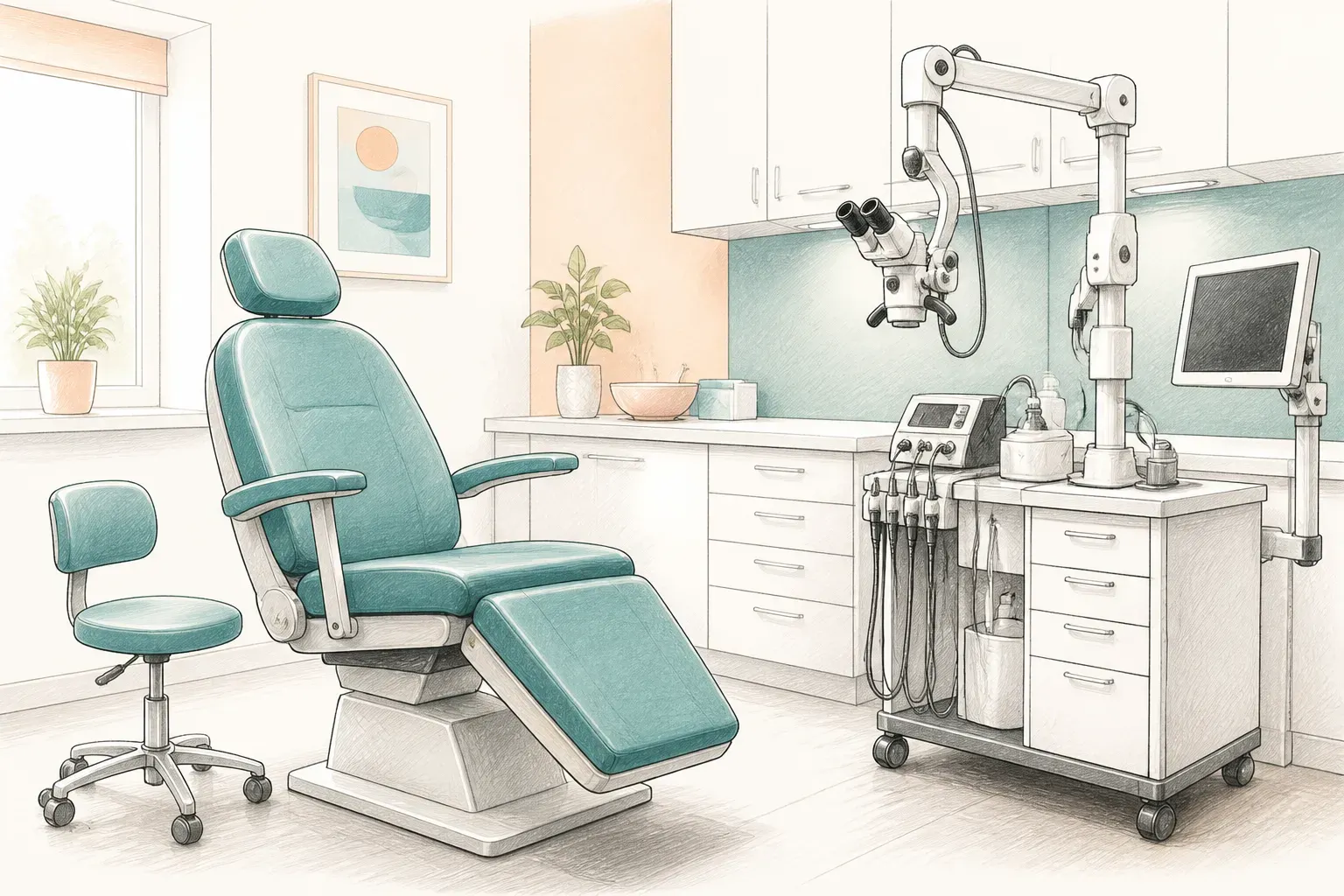
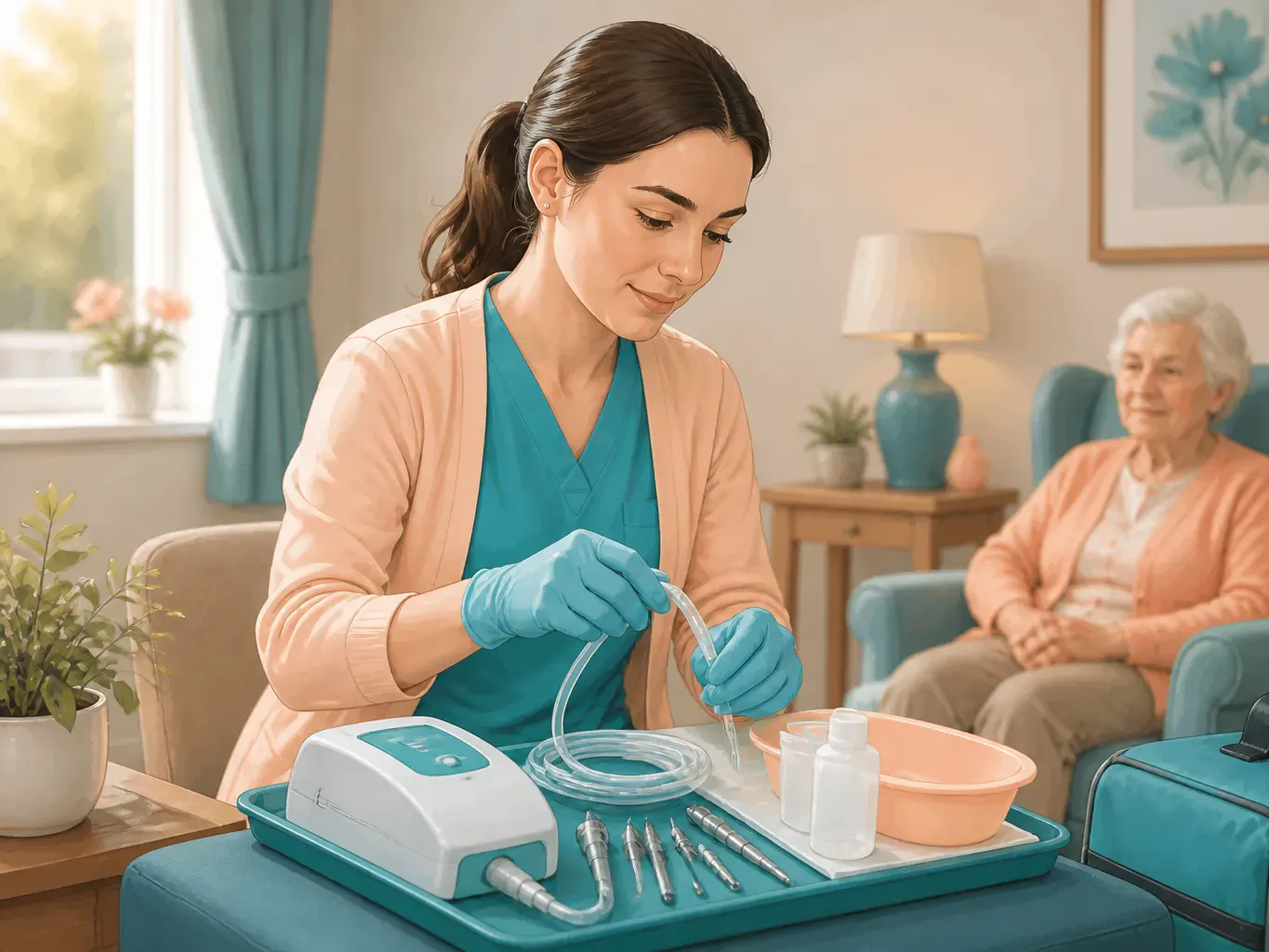
One of the most common professional methods is microsuction. This uses a small suction device and direct visualisation to remove wax carefully from the ear canal. It is widely used because it allows the clinician to see what they are doing, which makes it a precise and patient friendly option for many people. Some clinics also offer irrigation in suitable cases, although this is not appropriate for every ear.
A typical appointment often includes:
- A brief history of symptoms and medical background.
- Inspection of the ear with an otoscope or microscope.
- Removal using microsuction or another appropriate method.
- A post treatment check of the canal and eardrum.
- Aftercare advice to help prevent wax build-up returning too quickly.
For many people, this feels reassuring because the process is supervised by a trained clinician. It also means that if the ear looks inflamed, narrow, impacted, or otherwise unusual, the clinician can adjust the plan instead of continuing blindly.
If you would like to understand the technique in more detail, see how microsuction works and the page on microsuction ear wax removal.
For professional guidance on impacted wax, you can also consult the NICE Clinical Knowledge Summaries on impacted earwax, which are used by many UK clinicians when deciding the safest next step.
Safety, risks, and who should avoid DIY removal
Safety is the biggest difference between home care and clinic care. Home softening is usually low risk when done sensibly, but DIY removal methods can be harmful. The common risks include pushing wax deeper, irritating the canal, causing dizziness, and injuring the eardrum.
Some people should avoid DIY removal altogether and book an assessment instead. That includes anyone with ear pain, discharge, bleeding, a known perforated eardrum, a history of ear surgery, recent infection, or sudden hearing loss. It also includes people who have tried home softening several times without success.
Here is a simple risk comparison:
Risk | Home DIY removal | Professional clinic removal |
|---|---|---|
Wax pushed deeper | Common when tools are used | Unlikely with proper technique |
Ear canal irritation | Possible | Lower risk, though mild sensitivity can still occur |
Eardrum injury | Possible with unsafe methods | Rare when performed by trained staff |
Dizziness | Possible with some irrigation or incorrect technique | Monitored and usually managed quickly |
Missed diagnosis | More likely | Less likely because the ear is examined first |
Older adults and care home residents may be at greater risk if they try to manage wax without support, especially if hearing is already reduced. Poor hearing can affect communication, balance, confidence, and social interaction. In those cases, supervised care is often the safer and more practical path.
The British Society of Audiology offers useful background reading on ear care: British Society of Audiology information on ear care.
If a person is anxious, clinic care can also be the gentler option. A calm explanation, a visual check, and a controlled removal are often easier to tolerate than repeated attempts at home that leave the ear feeling worse.
Cost, convenience, and time, what matters most in Bristol?
Cost often drives the decision, but the cheapest option upfront is not always the cheapest overall. Home softening products are usually inexpensive, and they are easy to buy locally or from a pharmacy. That makes them appealing for mild earwax build-up or preventive care.
The problem is that home care sometimes takes several days and may not work if the wax is hard or deeply impacted. If it fails, the person may still need a clinic appointment, which means the total cost can rise once time, frustration, and repeated products are added in.
Clinic treatment costs more at the start, but it can be more efficient. If the ear is blocked, a trained clinician may clear it in one appointment and check for other issues at the same time. For people who need immediate hearing relief, that is often worth it.
Convenience also looks different for different households:
- Busy families may want a quick clinic appointment rather than several days of home softening.
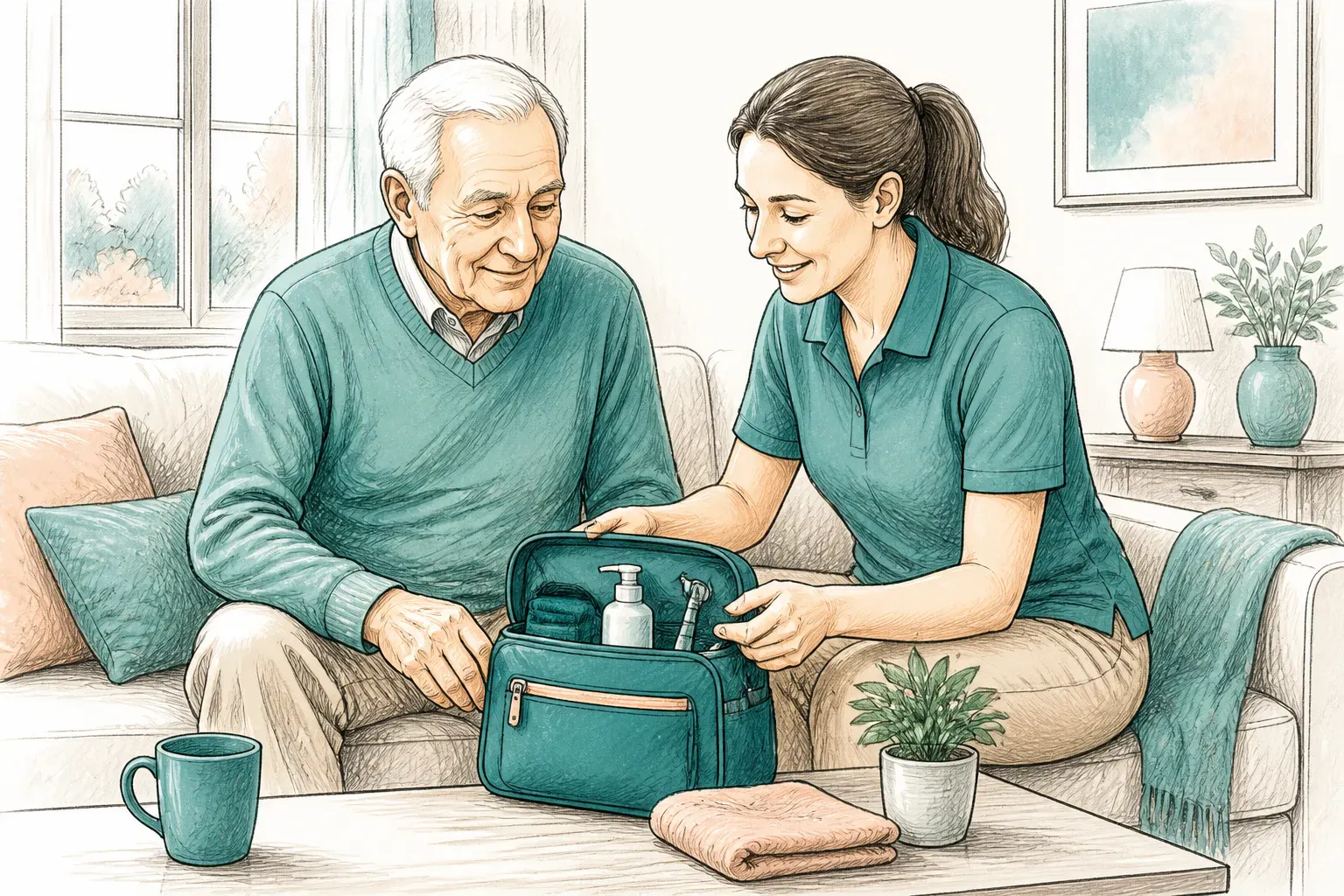
- Older adults may prefer a home visit if travel is difficult.
- Hearing aid users often need a prompt solution because blockage can affect device performance.
- Care home residents may benefit from on site support, especially if transport is a challenge.
If travel is a problem, a home visit earwax removal in Bristol service can be a practical middle ground. It keeps the professional standard of care while reducing the burden of getting to a clinic.
Which option is best for different people?
The best choice changes depending on the person, not just the wax.
Mild build-up and no warning signs
Home softening is often a sensible first step if the ear feels a bit full but there is no pain, discharge, fever, or sudden change in hearing. This is particularly useful if you have a history of wax and know what tends to work for you.
People needing immediate relief
Clinic care is usually better if the ear feels fully blocked or if hearing has dropped enough to affect work, conversation, or safety. A professional removal is more likely to help quickly and completely.
Hearing aid users
Hearing aid wearers often need professional wax checks because wax can affect sound quality and device function. If the ear feels blocked, a clinic appointment may prevent ongoing problems and unnecessary adjustment of the hearing aid itself.
Older adults
Older adults can sometimes use home softening safely, but clinic care is often the better option if dexterity, memory, balance, or hearing makes self care difficult. If travel is hard, a home visit may be the most realistic and reassuring approach.
Care home residents
Care home residents may benefit from on site ear care when transport is awkward or when regular checks are needed. In these situations, supervised professional removal can be much easier than repeated attempts at home.
Anxious patients
If you are nervous about ear treatment, a good clinic can make a big difference. The process is explained, the ear is checked carefully, and treatment is stopped if something does not look right. That level of reassurance is hard to match with DIY methods.
Families with children
Children are not ideal candidates for improvised home removal. If wax is clearly affecting hearing or comfort, it is safer to get professional advice rather than trying to manage it with household tools.
How to decide in practice, a simple step by step checklist
Use this checklist if you are trying to decide what to do today:
- Is there pain, discharge, fever, bleeding, or sudden hearing loss? If yes, do not keep trying home remedies. Arrange a professional assessment.
- Is the ear just mildly blocked, with no red flags? If yes, home softening may be reasonable for a few days.
- Have you already tried olive oil or a pharmacy softener without improvement? If yes, a clinic appointment is probably the next sensible step.
- Do you have a history of perforation, ear surgery, or repeated infections? If yes, avoid DIY removal and seek advice.
- Do you rely on hearing aids or need quick relief for work, caregiving, or travel? If yes, clinic treatment is often the most practical option.
- Is getting to a clinic difficult? If yes, ask about a home visit rather than continuing with uncertain DIY methods.
A useful rule is this: if softening helps and the ear is gradually improving, you may be on the right track. If symptoms are unchanged after a few days, or if they are getting worse, stop and book a professional assessment.
For readers who want a better understanding of the treatment process before booking, the clinic page on clinic earwax removal in Bristol is a helpful place to start.
Recommended reads and related ProEarClinic guides
If you are comparing your options, these guides may help you decide with more confidence:
- how microsuction works, a simple guide for first time patients
- microsuction ear wax removal, for people considering a professional procedure
- clinic earwax removal in Bristol, for in practice treatment details
- home visit earwax removal in Bristol, for patients who need care at home
For broader professional reading, these external resources are also useful:
- NHS advice on earwax build-up
- Royal College of General Practitioners guidance on earwax management
- British Society of Audiology information on ear care
Author perspective: In day to day ear care, the people who do best are usually the ones who choose the simplest safe option early, rather than waiting for the blockage to become more stubborn.
Final verdict, home care or clinic care?
If your earwax is mild, home softening can be a sensible, low cost first step. If the ear is blocked, painful, affecting hearing, or simply not improving, clinic care is usually the better and safer option.
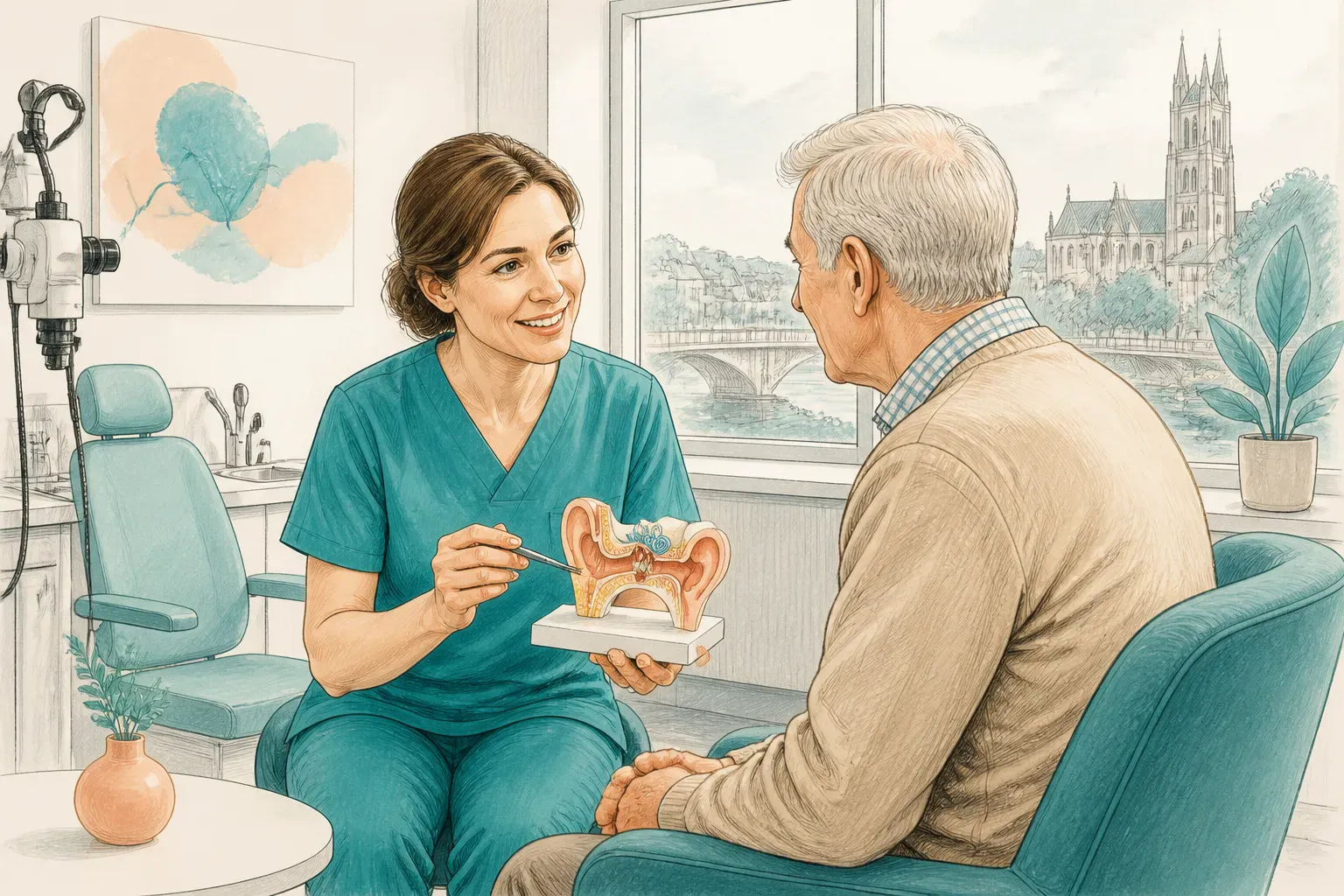
For Bristol patients, the decision often comes down to urgency and access. People who want quick relief, need a proper examination, or have a history of ear problems generally do better with professional treatment. That is especially true when microsuction is available, because it offers a controlled and careful way to remove wax without the guesswork of DIY methods.
ProEarClinic focuses on patient friendly, evidence based ear care, with a calm approach designed to make treatment feel straightforward rather than stressful. If you are unsure which route is right for you, starting with a professional assessment is often the safest way to protect your hearing and avoid unnecessary irritation.
If you want to learn more before booking, read how microsuction works, or explore the service pages for clinic and home visit options to see what best fits your needs.