An earwax removal Bristol appointment is a straightforward clinic visit where a clinician checks your symptoms, confirms whether excess wax is causing the problem, and removes it safely if appropriate. It is commonly booked for blocked ears, muffled hearing, pressure, itching, tinnitus, or hearing aid issues, and most appointments are designed to be calm, brief, and reassuring.
Quick summary
If you are looking for an earwax removal Bristol appointment, the main goal is simple: assess the ear, confirm that wax is the likely cause of your symptoms, and clear it safely using a professional method. Many people book because hearing feels dull, the ear feels full, or a hearing aid is not fitting or performing as it should.
A good appointment should feel unhurried, gentle, and clearly explained. At Pro Ear Clinic, the emphasis is on evidence based care, patient comfort, and making sure you understand what is happening before anything begins.
What an earwax removal appointment involves
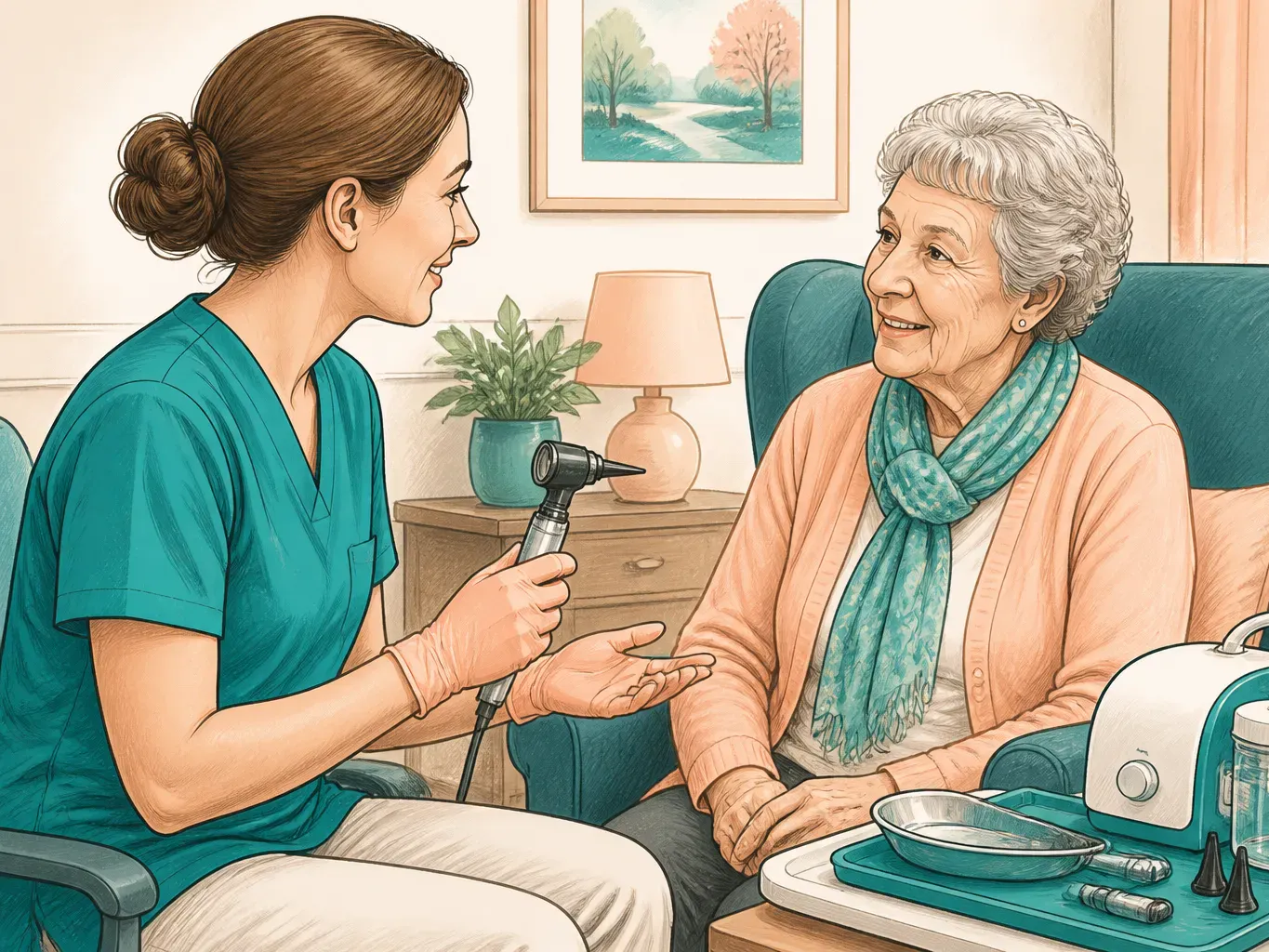
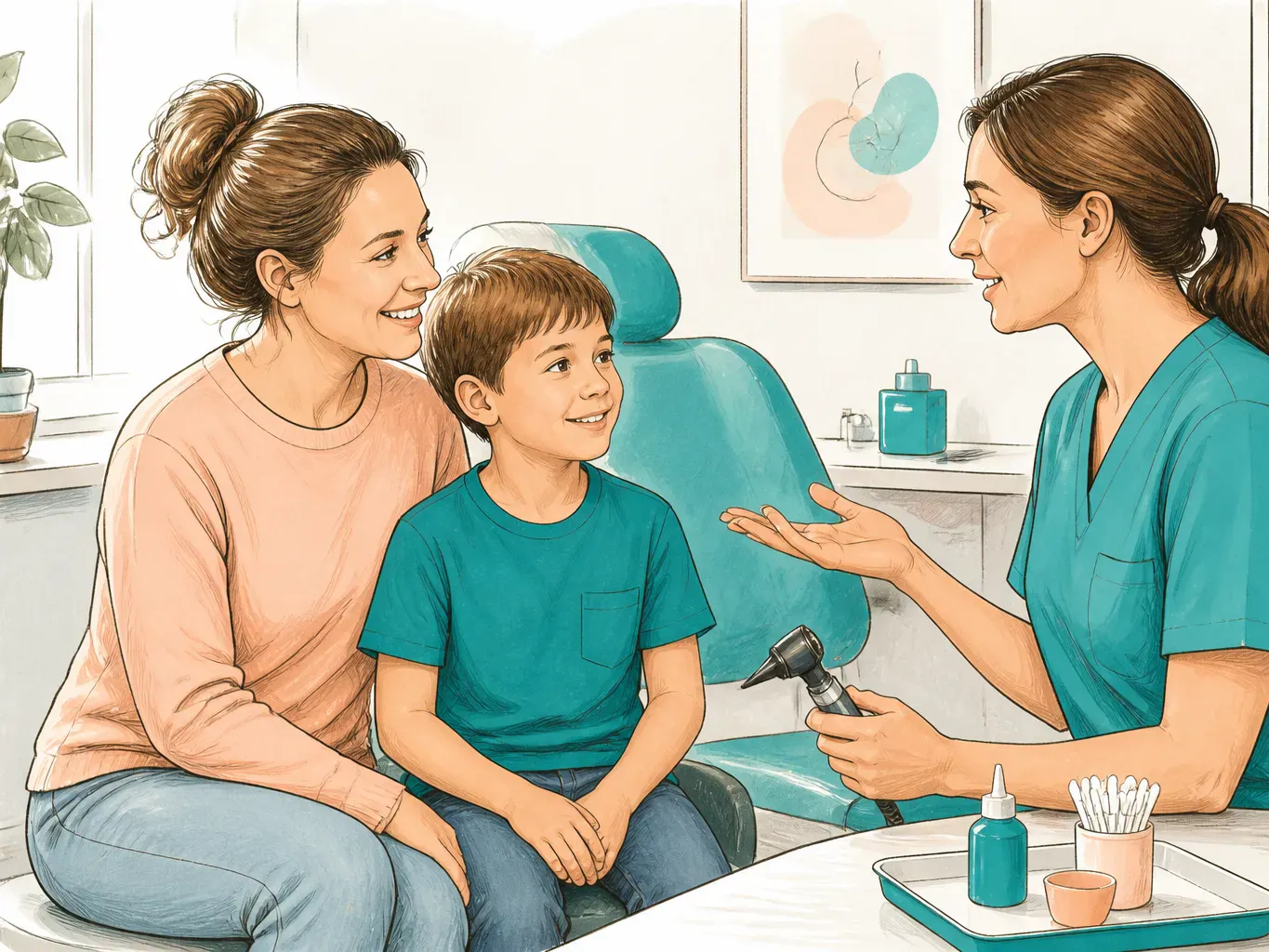
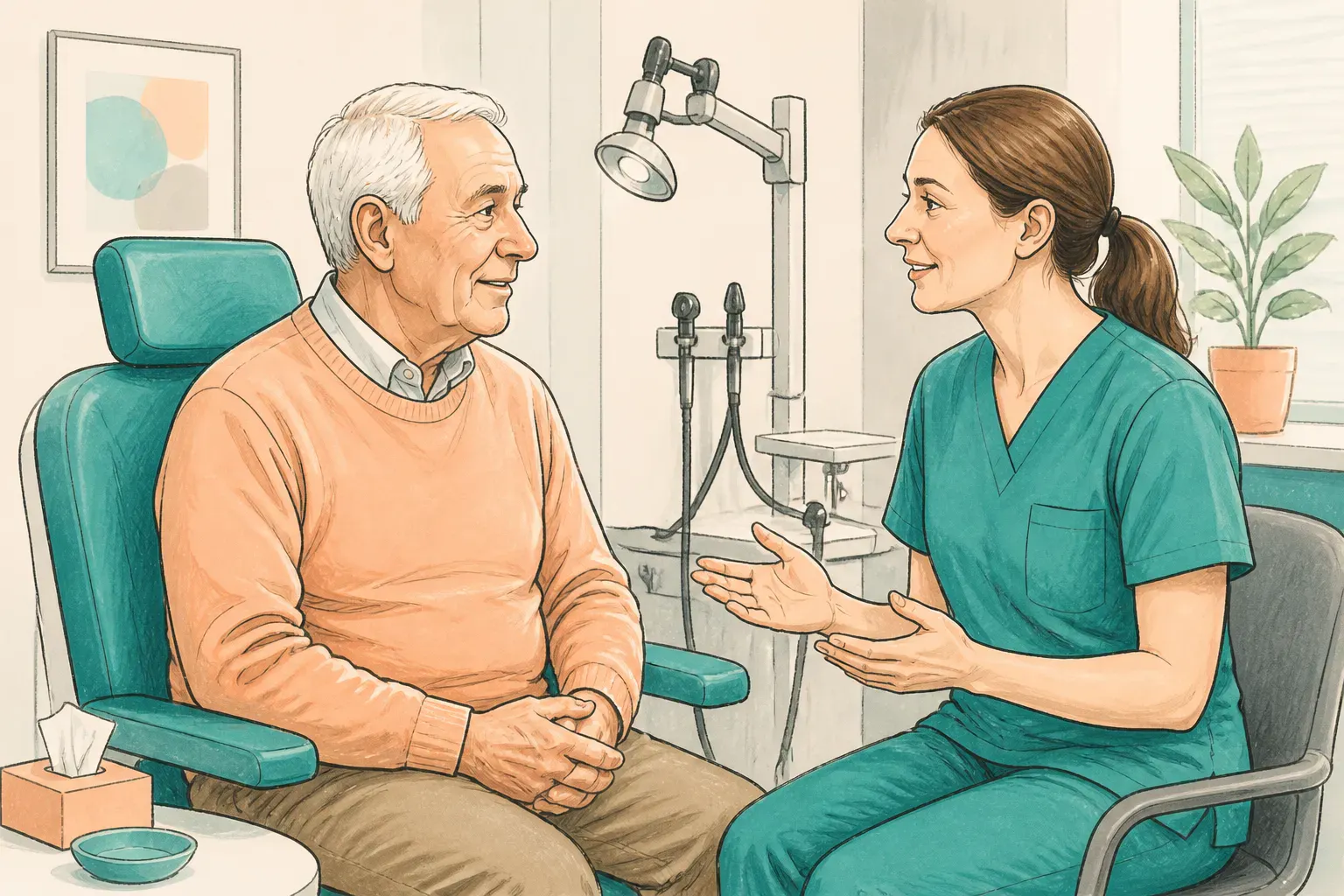
A typical earwax removal appointment in Bristol starts with a conversation, not treatment. The clinician will usually ask what symptoms you have noticed, how long they have been present, whether you wear hearing aids, and whether you have any past ear issues, surgery, infections, pain, discharge, or dizziness. This helps decide whether wax is likely to be the cause and whether removal is suitable on the day.
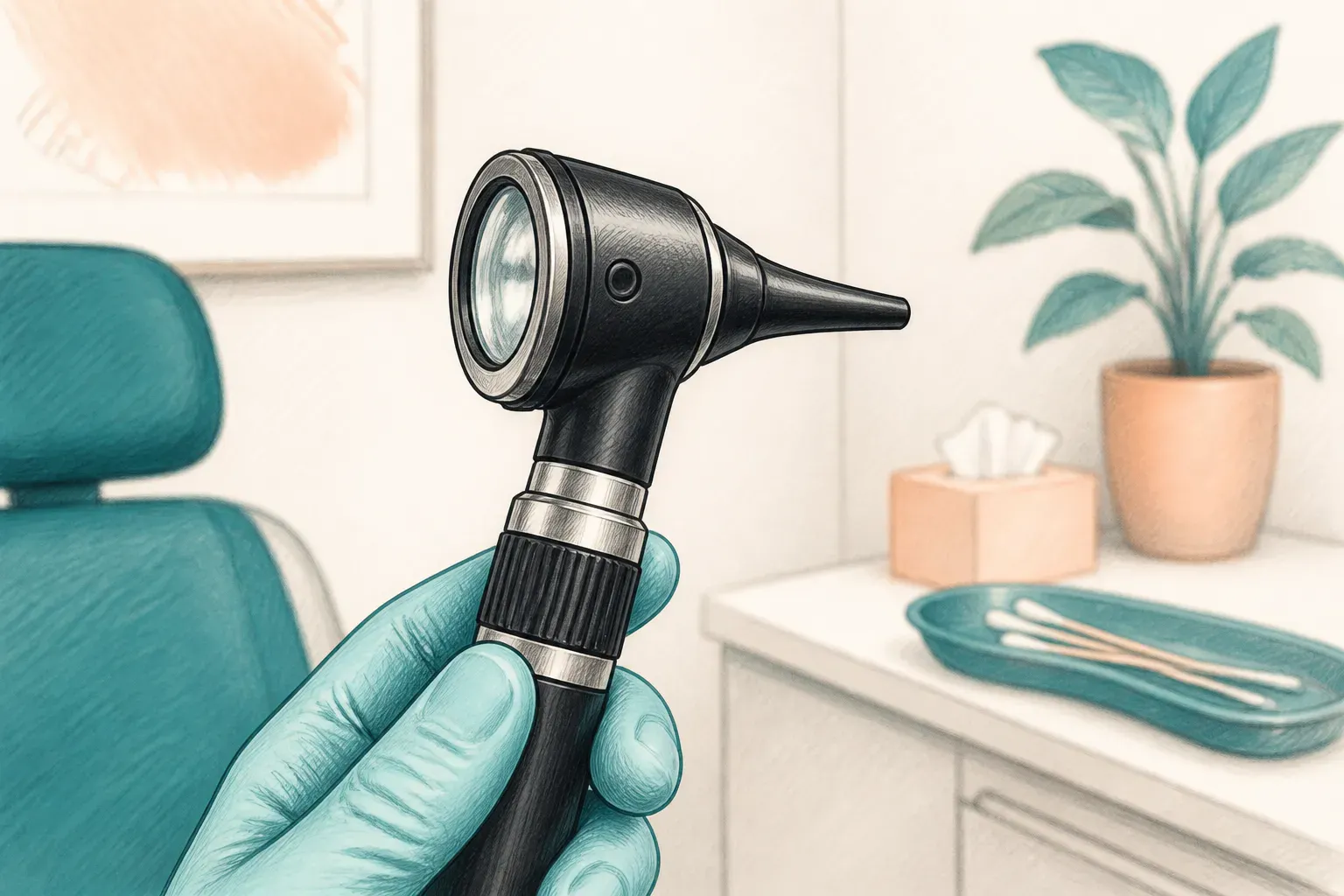
Next comes a careful examination of the ear canal, often with an otoscope or microscope. This lets the clinician see whether wax is present, how tightly it is sitting in the canal, and whether the ear looks healthy enough for removal. Sometimes the answer is not to treat immediately, for example if there is inflammation, infection, or another issue that needs medical review first. That is part of safe care, and it protects you from having the wrong procedure done at the wrong time.
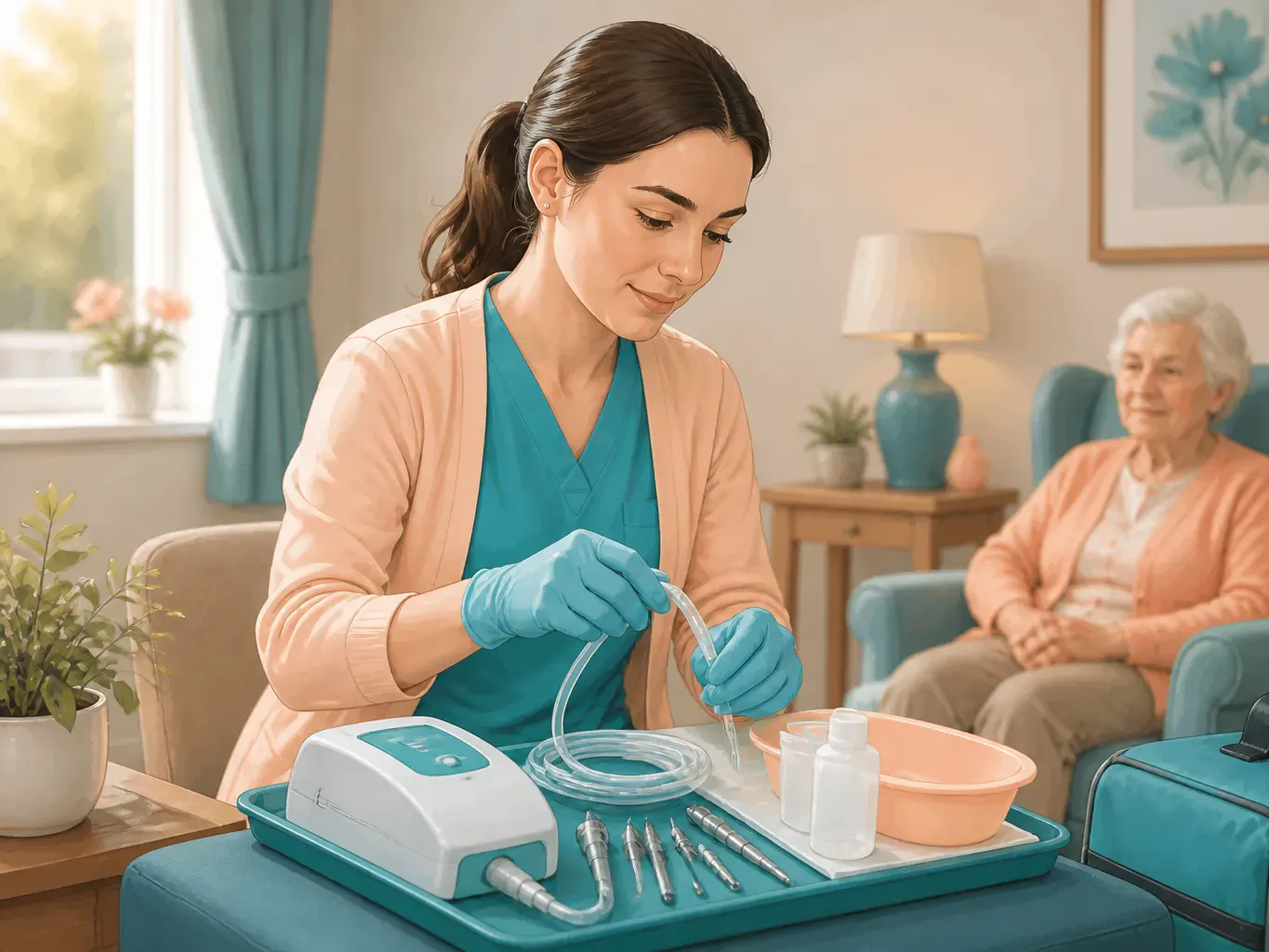
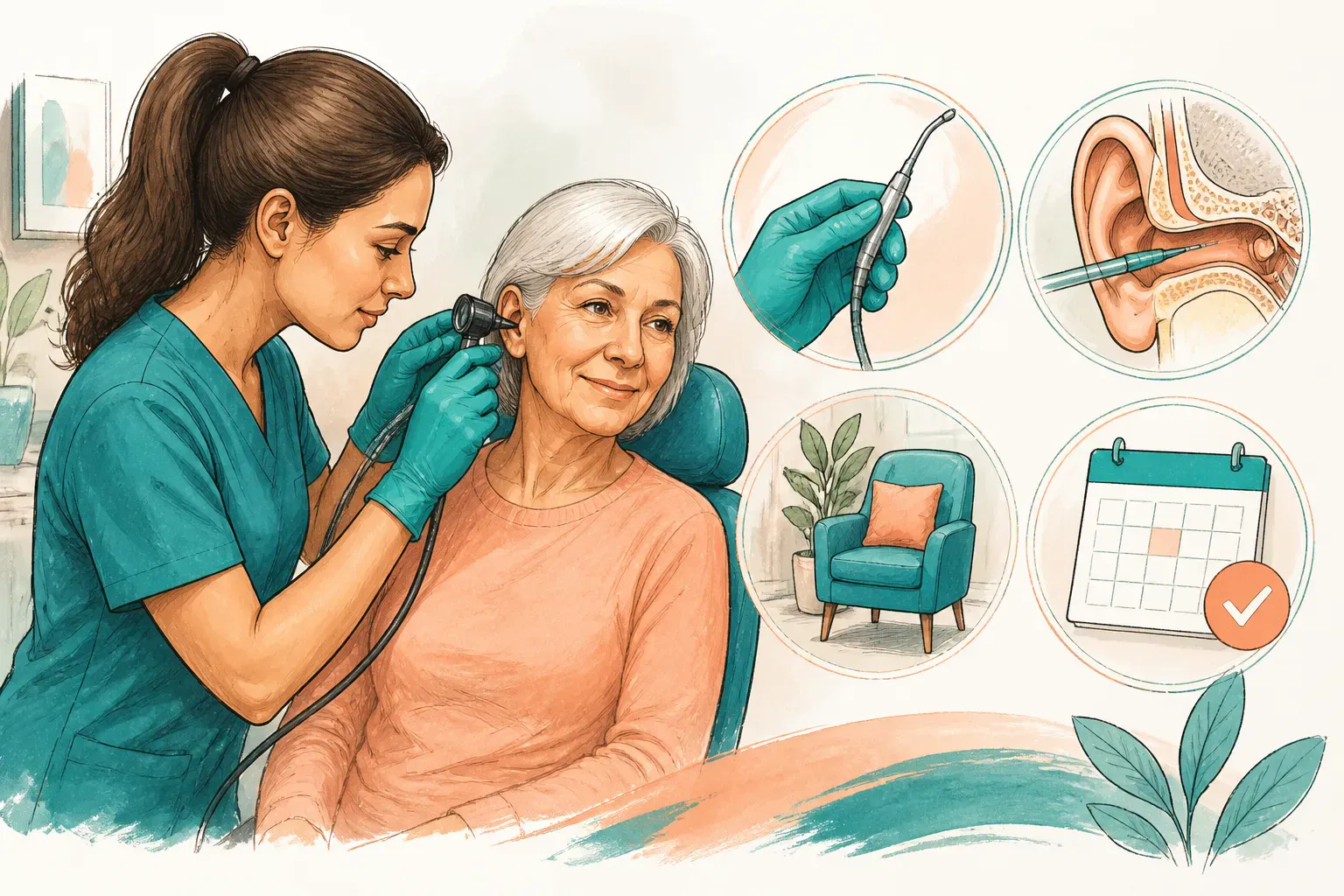
If treatment goes ahead, the clinician will choose the most suitable method. For many patients this is microsuction, which uses gentle suction to remove wax while the clinician can see the canal directly. Some cases may be suitable for irrigation, although this depends on your ear health and history. The clinician may remove wax from one ear or both, then recheck the ear to confirm that the canal is clear and the eardrum area looks as expected.
A simple patient journey often looks like this:
- Arrival and registration.
- Discussion of symptoms and medical history.
- Ear examination.
- Wax removal if appropriate.
- Recheck of the ear.
- Aftercare guidance and next steps.
For first time patients, this structure is reassuring because it is clear and predictable. You are not expected to know the process in advance, and a good clinician should explain each stage as they go.
If you would like to explore the clinical approach in more detail, you may find the ear health assessment page useful, especially if you are not yet sure whether wax is the real cause of your symptoms.
When to book an appointment
You do not need to wait until your ear feels completely blocked before asking for help. Many people book an earwax removal Bristol appointment as soon as symptoms begin to affect daily life. Common signs include:
- Muffled or reduced hearing
- A feeling of fullness or pressure in one or both ears
- Itching or irritation in the ear canal
- Tinnitus, which is ringing or buzzing in the ear
- Ear discomfort without severe pain
- Problems with hearing aid fit or sound quality
- Crackling or popping sensations
- Needing to turn the television up higher than usual
Wax can build up gradually, so symptoms often come on slowly. That can make it easy to miss at first. Some people only realise there is a problem when a family member notices they are asking for repetition, or when a hearing aid starts to sound weak or distorted.
It is also worth remembering that not every ear symptom is caused by wax. Severe pain, fluid or discharge, fever, sudden hearing loss, dizziness, or facial weakness may suggest a different problem and should not be treated as routine wax build-up. In those situations, you should seek medical advice promptly.
If you are unsure whether your symptoms are wax related, a professional assessment is often the safest starting point. It avoids unnecessary home attempts and gives you clear guidance about whether removal is suitable.
For NHS background information on symptoms and self care, see the NHS guidance on earwax build-up. For broader clinical standards, the NICE guidance on earwax management is also a useful reference point.
Why a clinic appointment is often safer than home removal
Many people try to manage blocked ears themselves first, especially if they want quick relief. That is understandable, but some common home methods can make the problem worse. Cotton buds often push wax deeper into the canal rather than removing it. Ear candles are not recommended, because they do not reliably remove wax and can cause burns or injury. Unsupervised digging with hairpins, tissues, or other objects is also risky.
A clinic appointment offers several important advantages:
- The ear can be examined before any treatment begins.
- The clinician can confirm whether wax is actually the issue.
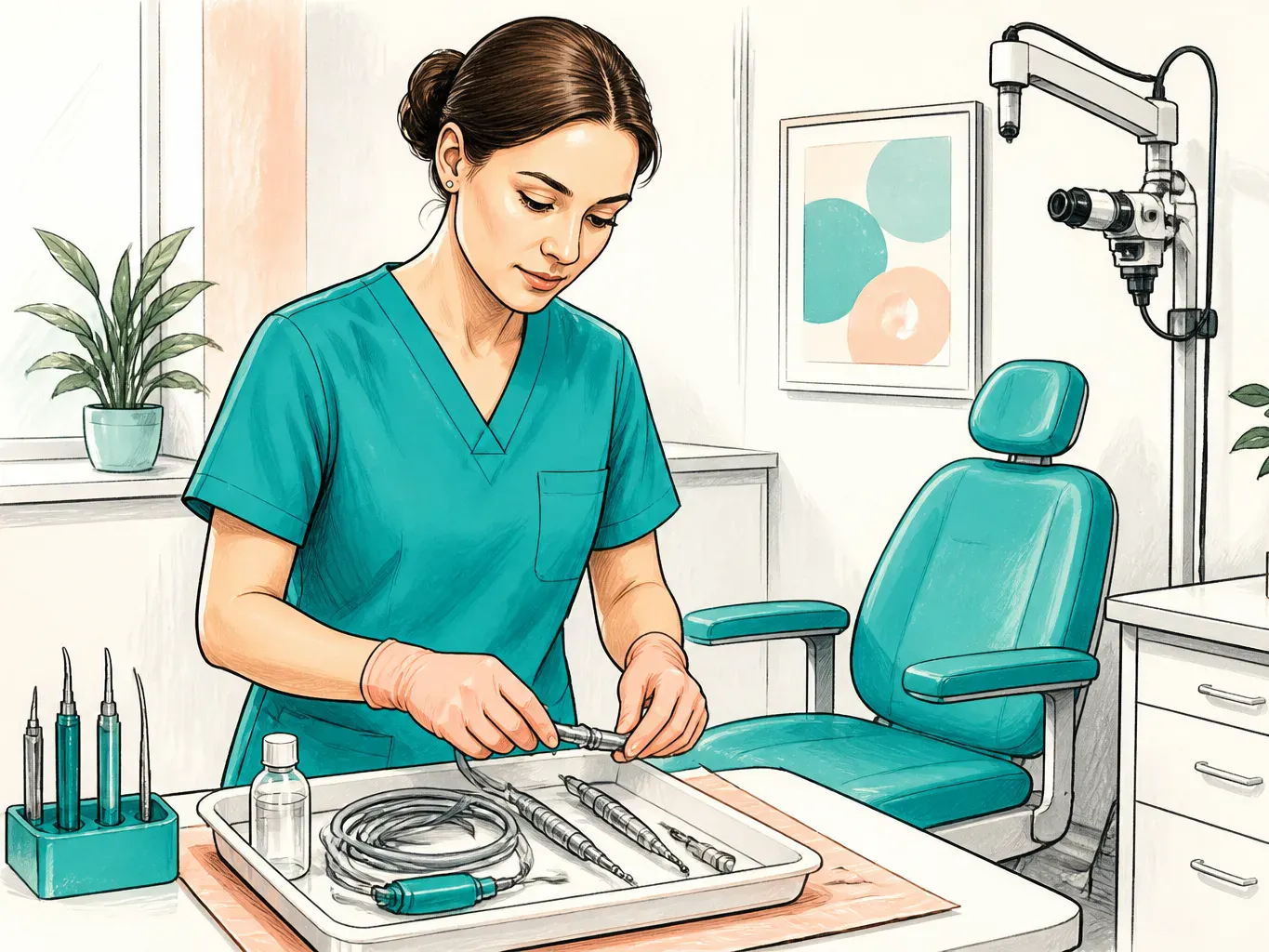
- Removal is done using controlled equipment.
- Treatment can be adjusted to suit your ear shape, wax consistency, and comfort level.
- You can ask questions and receive aftercare advice tailored to you.
This is especially valuable for older adults, people who feel anxious about ear treatment, anyone with narrow or sensitive ear canals, and hearing aid users who may already have recurring wax issues. A professional approach also matters if you have a history of ear infections, a perforated eardrum, or surgery, because the safest method can vary from one patient to another.
There is also a practical benefit. When wax is removed in a clinic, the result can be checked immediately. If the wax is stubborn or if another issue is seen, the clinician can advise on the next step rather than leaving you to guess. For many patients, that reassurance is as important as the hearing improvement itself.
The British Society of Audiology advice on earwax removal is a helpful source for understanding why professional assessment matters, particularly when symptoms are persistent or complicated.

Microsuction and other treatment options
Microsuction is one of the most commonly used clinic methods for earwax removal. In simple terms, it uses a small suction device to remove wax while the clinician watches the ear canal through magnification. That direct view helps the clinician work carefully and precisely, which many patients find reassuring.
Microsuction is often suitable when wax is dry, firm, or only partly blocking the ear. It may also be preferred if the ear should not be exposed to water. Some patients find the sound of the suction noticeable, but the procedure is usually quick and does not involve filling the ear canal with liquid.
Irrigation is another possible method in some cases. This uses a controlled flow of water to dislodge wax. It can work well for certain patients, but it is not suitable for everyone. The clinician will consider factors such as ear health, history of perforation, infection risk, and whether there are any reasons to avoid water in the ear.
Here is a simple comparison of common approaches:
Method | How it works | Comfort | Typical speed | Best suited for | Common cautions |
|---|---|---|---|---|---|
Microsuction | Wax is removed with gentle suction under direct vision | Usually well tolerated, though the sound can be noticeable | Often quick | Dry, stubborn, or impacted wax, and ears needing careful control | Not suitable for every ear without assessment |
Irrigation | Controlled water flow helps loosen and remove wax | Can feel odd for some people | Often efficient when suitable | Selected cases where water use is appropriate | Avoided with certain ear conditions or histories |
Home softening only | Drops soften wax over time | Generally comfortable | Slow, depends on the wax | Mild build-up or preparation before assessment | May not clear impacted wax on its own |
The best method depends on your ears, not just on convenience. That is why a proper assessment matters. One person may be ideal for microsuction, while another may be better managed with a different approach or with softening first.
If you would like to learn more about the main technique used in many specialist clinics, see Microsuction ear wax removal. If you need local clinic information, the page for Clinic earwax removal in Bristol may also be helpful.
The Royal National Institute for Deaf People information on earwax and hearing is also useful if you want a plain English explanation of how wax affects hearing and hearing aid use.
What to do before your appointment
A little preparation can make your appointment smoother, but do not overdo it. The most useful step is to follow any instructions given by the clinic, particularly if you have been advised to soften wax first. Sometimes a short course of olive oil drops or another recommended softening agent can help, but this should be done only if it has been suggested for your situation.

Before you attend, it helps to bring:
- Your hearing aids and any relevant accessories
- A list of medicines, if you think they may matter
- Details of any past ear infections, surgery, perforation, or grommets
- Information about any pain, discharge, dizziness, or sudden change in hearing
It is also wise to avoid common mistakes before the appointment. Do not put cotton buds into your ears. Do not try to remove wax with tweezers or other objects. If you have been told not to soften wax because of your ear history, follow that advice. If you use hearing aids, bring them along, because wax can affect fit, performance, and the advice you receive afterwards.
If you have a busy schedule, it can help to book at a time when you are not rushing straight into another commitment. Even though the appointment is usually short, leaving a small buffer makes the experience less stressful, especially if you are anxious or if both ears need attention.
How much time it takes and what it may cost
Most earwax removal appointments are relatively short, but the exact time depends on what the clinician finds. A simple blockage may be dealt with quickly, while harder wax, very narrow canals, or more than one concern can take longer. If the clinician needs to assess, treat, and recheck both ears, allow extra time so the visit does not feel rushed.
Cost can vary depending on whether you need a consultation, one or both ears treated, same day availability, or follow up advice. Because services are not identical from one provider to another, it is best to look at value rather than only the headline price. A clear assessment, a safe method, and proper aftercare can be worth more than a cheaper option that does not include enough time or clinical review.
When comparing providers, ask what is included. Useful questions include:
- Is the appointment just removal, or does it include an ear health check?
- Is both ear treatment included if needed?
- What happens if the wax cannot be removed on the first visit?
- Is follow up advice included?
- Are same day slots available if I need quick relief?
For many people, the biggest value is not just clearing wax, but avoiding uncertainty. Knowing that the ear has been examined properly and that the symptoms have a clear explanation can be a major relief.

If fast access matters to you, you may also want to review Same-day earwax removal where available.
Aftercare and what happens next
After treatment, many people notice improvement straight away. Speech may sound clearer, background sounds may seem more natural, and pressure in the ear can ease. Some patients also feel a little sensitive for a short time, especially if the ear canal was already irritated by wax or repeated self cleaning.
Typical aftercare advice may include:
- Keep the ear dry for the time recommended by your clinician
- Avoid putting anything into the ear canal
- Use any drops only if you have been told to do so
- Monitor for pain, discharge, dizziness, or persistent discomfort
- Return if symptoms do not improve as expected
If you wear hearing aids, check the fit and sound after the wax is removed. Sometimes wax build-up has been masking problems with the device, and once the ear is clear the hearing aid may need a small adjustment or cleaning. People who get regular build-up may also be advised on maintenance, review timing, or softening routines that help prevent repeat blockage.
Follow up may be recommended if the wax was not fully cleared, if the ear canal was too sensitive for complete treatment, or if symptoms suggest something other than wax. That is not a failure, it is careful practice. Good aftercare is part of a safe service, especially for patients with recurring issues.
Choosing the right Bristol earwax removal service
Not every service feels the same, and when you are already dealing with blocked ears, the experience matters. A good Bristol provider should offer a clear assessment, explain the treatment options, and make you feel comfortable asking questions. For elderly clients, anxious patients, and busy families, the practical side of care matters too, including easy booking, punctual appointments, and calm communication.
When comparing providers, look for these points:
- Clinician experience with earwax removal
- A proper assessment before treatment
- Access to microsuction or another suitable method
- Clear aftercare advice
- A patient friendly approach
- Good accessibility for people with mobility or hearing needs
- Options that suit urgent or same day care if needed
A simple checklist can help:
What to check | Why it matters |
|---|---|
Assessment first | Confirms wax is the cause and checks for other issues |
Suitable treatment options | Helps match the method to your ear health |
Comfort focused care | Especially important for anxious patients and older adults |
Clear aftercare | Reduces confusion after the appointment |
Convenient location or timing | Helpful for families, workers, and care home residents |
Good communication | Makes the whole process less stressful |
At Pro Ear Clinic, the focus is on safe, patient friendly ear care that balances modern clinical standards with a calm, reassuring experience. That matters whether you are booking for yourself, arranging care for a parent, or helping someone who needs reliable support with recurring wax build-up.
Recommended reads
If you are planning your first visit, these related pages may help you prepare and choose the right option:
- Microsuction ear wax removal
- Clinic earwax removal in Bristol
- Same-day earwax removal
- Ear health assessment
For broader background reading, you may also find these external resources useful:
- NHS guidance on earwax build-up
- NICE guidance on earwax management
- British Society of Audiology advice on earwax removal
- Royal National Institute for Deaf People information on earwax and hearing
FAQ
How do I know if I need an earwax removal appointment?
If your hearing feels muffled, your ear feels full, you have itching or pressure, or your hearing aids are not working as well as usual, wax could be the cause. An appointment is the best way to confirm that and make sure nothing else is going on.
Is microsuction safe for older adults?
Microsuction is commonly used for older adults because it allows careful removal under direct vision. Suitability still depends on the condition of the ears and the person’s medical history, so a proper assessment is important.
How long does an earwax removal appointment usually take?
Many appointments are fairly short, but the total time depends on how much wax is present, whether one or both ears need treatment, and whether the clinician needs to spend longer assessing the ear first. It is sensible to allow a little extra time so you do not feel rushed.
Should I use olive oil before my appointment?
Only if the clinic has advised it. In some cases softening wax beforehand can help, but it is not suitable for everyone, especially if you have certain ear conditions or a history that makes softening inappropriate.
Can I get same-day earwax removal in Bristol?
Some clinics do offer same day appointments when availability allows. If you need fast relief, it is worth checking directly and looking for a service that offers same-day earwax removal.
What should I expect after earwax removal?
Many people notice clearer hearing quickly, although the ear may feel a little sensitive for a short time. Your clinician should explain aftercare, what to avoid, and when to return if symptoms do not settle or if wax builds up again.
A well managed earwax removal Bristol appointment should leave you feeling informed, cared for, and clearer about your hearing health. If you choose a clinic that uses careful assessment, suitable treatment methods, and sensible aftercare, the whole process can be straightforward and reassuring.