Earwax removal in Bristol is usually safest when you soften the wax first, then choose a professional method if your symptoms do not clear or if home care is not suitable. For most people, the best next step is a gentle assessment and, where needed, clinic-based removal such as microsuction, or a home visit if travelling is difficult.
How to remove earwax safely in Bristol
If you are looking for earwax removal Bristol advice, the safest approach is simple: do not poke around in the ear, soften the wax if appropriate, and get it removed professionally if the blockage is still causing symptoms. Cotton buds, hairpins, and other improvised tools often push wax deeper and make the blockage harder to clear.
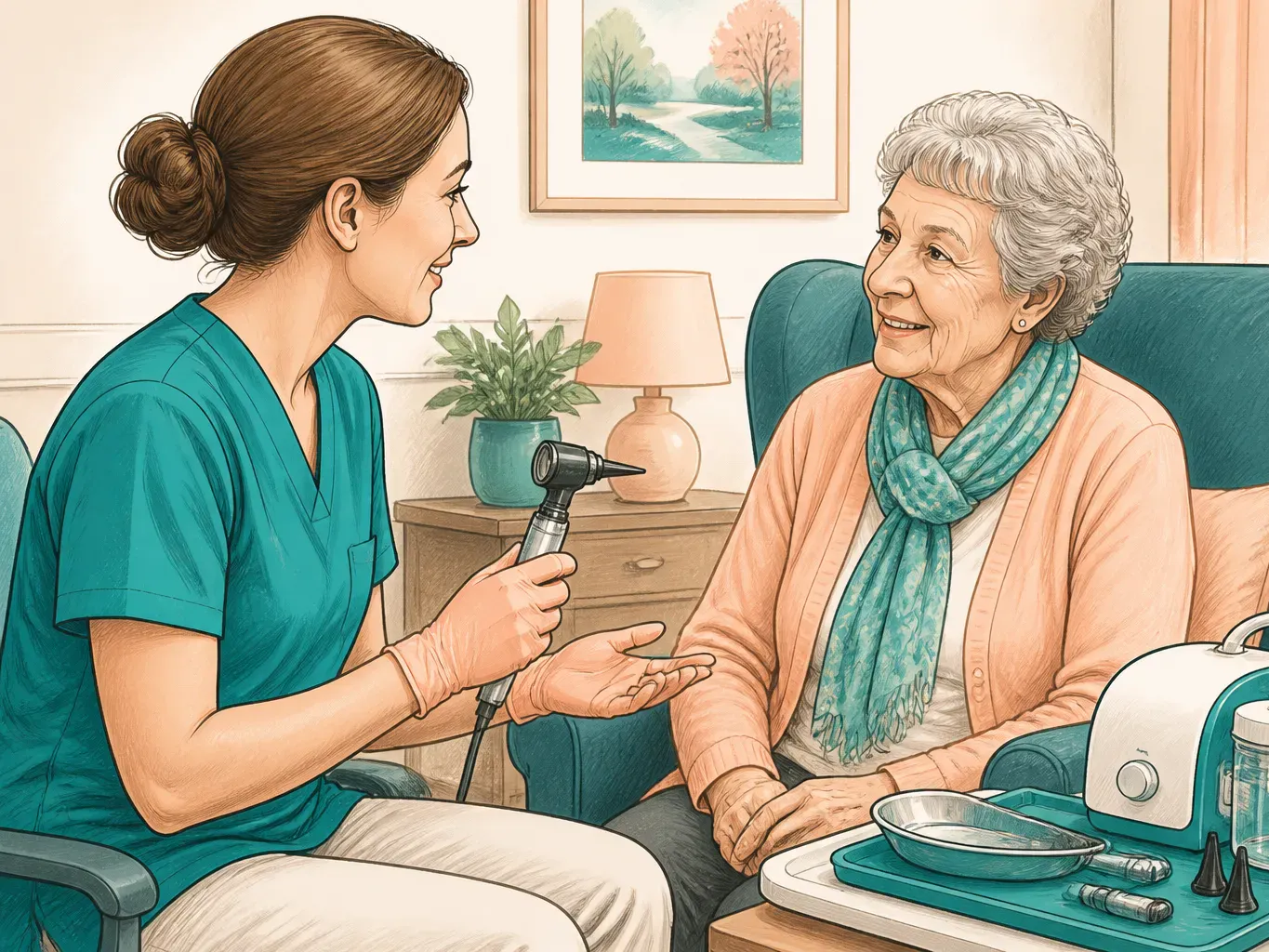
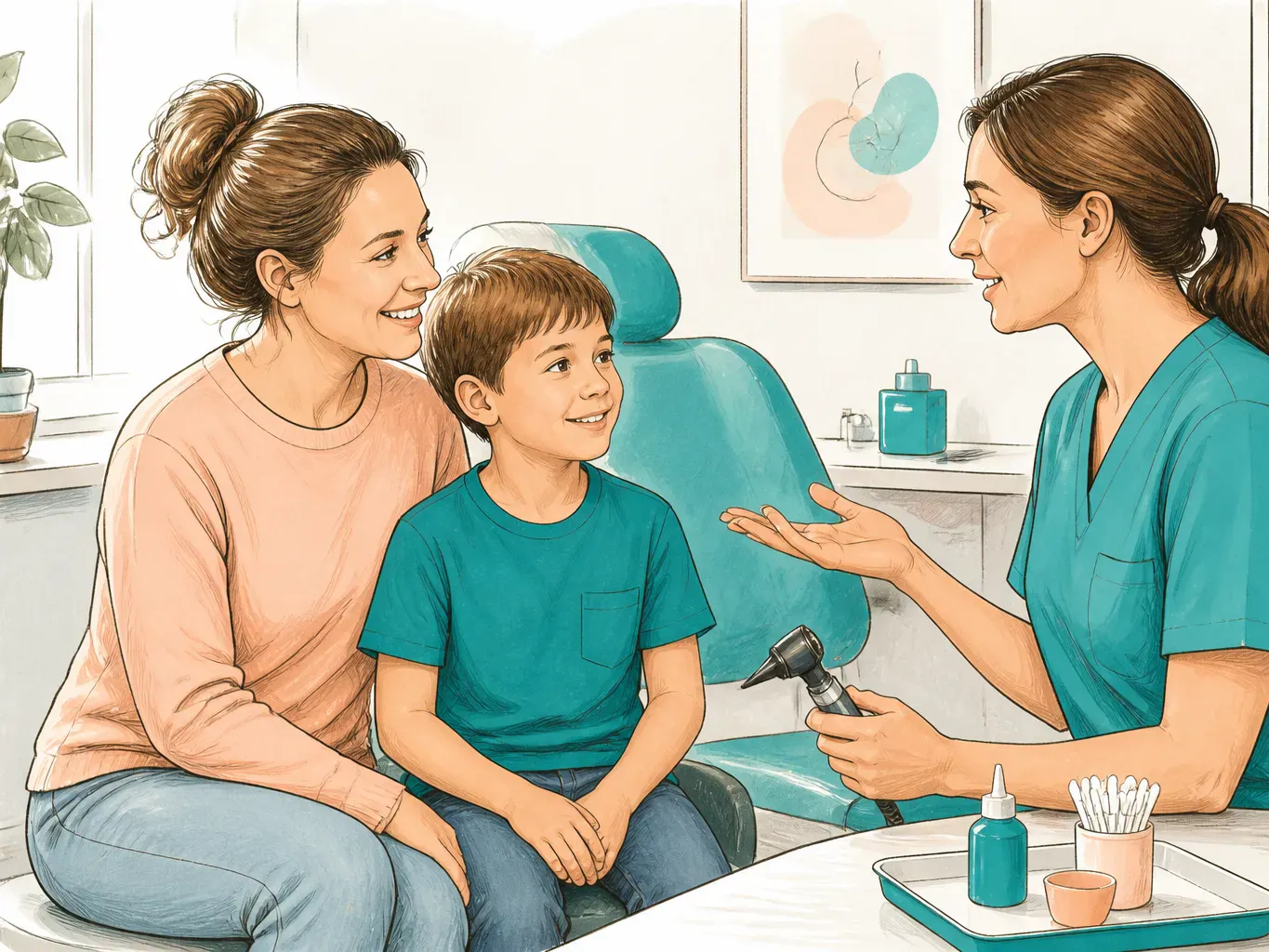
In practice, people often benefit most from professional help when the wax is causing hearing loss, a blocked feeling, ringing, or discomfort. That includes elderly clients, hearing aid users, busy families who need a quick appointment, care home residents, and anyone who finds ear care difficult at home.
Quick summary of the steps
Here is the basic route most people follow:
- Check whether your symptoms match earwax build-up.
- Soften the wax with a suitable home method, if it is safe for you.
- If the blockage persists, book a professional ear examination.
- Choose the right removal method, usually microsuction or another clinically appropriate technique.
- Follow simple aftercare and avoid overcleaning the ear.
For readers who want a straightforward overview, this guide covers each stage in plain English so you can decide what to do next without guesswork.
Simple table of contents
- Signs your earwax needs attention
- Step 1, soften the wax at home
- Step 2, choose the right removal method
- Step 3, what happens at a professional appointment
- At-home care, what to do and what to avoid
- When to book earwax removal in Bristol
- Aftercare and preventing repeat build-up
- Recommended reads and useful Bristol resources
- FAQ
Signs your earwax needs attention
Earwax is normal and protective, but it can build up and block the ear canal. Common signs include muffled hearing, a feeling of fullness, itching, mild discomfort, intermittent ringing in the ear, or sounds seeming quieter on one side.
Some people notice wax build-up after using hearing aids, earplugs, or in-ear headphones, because these can interfere with the ear’s natural cleaning process. Older adults may also be more prone to compacted wax because wax can become drier and harder with age.
It is important to remember that not every blocked ear is caused by wax. Ear pain, discharge, fever, dizziness, or sudden hearing loss can suggest infection, pressure problems, or another ear condition. If you have severe pain, fluid coming from the ear, vertigo, or a sudden change in hearing, seek prompt medical assessment rather than trying to remove wax yourself.
If symptoms are mild and you suspect wax, a short period of softening at home is often the safest first step. If there is no improvement, or if you have a history that makes home treatment unsuitable, a professional ear health assessment is the better option.
Step 1, soften the wax at home
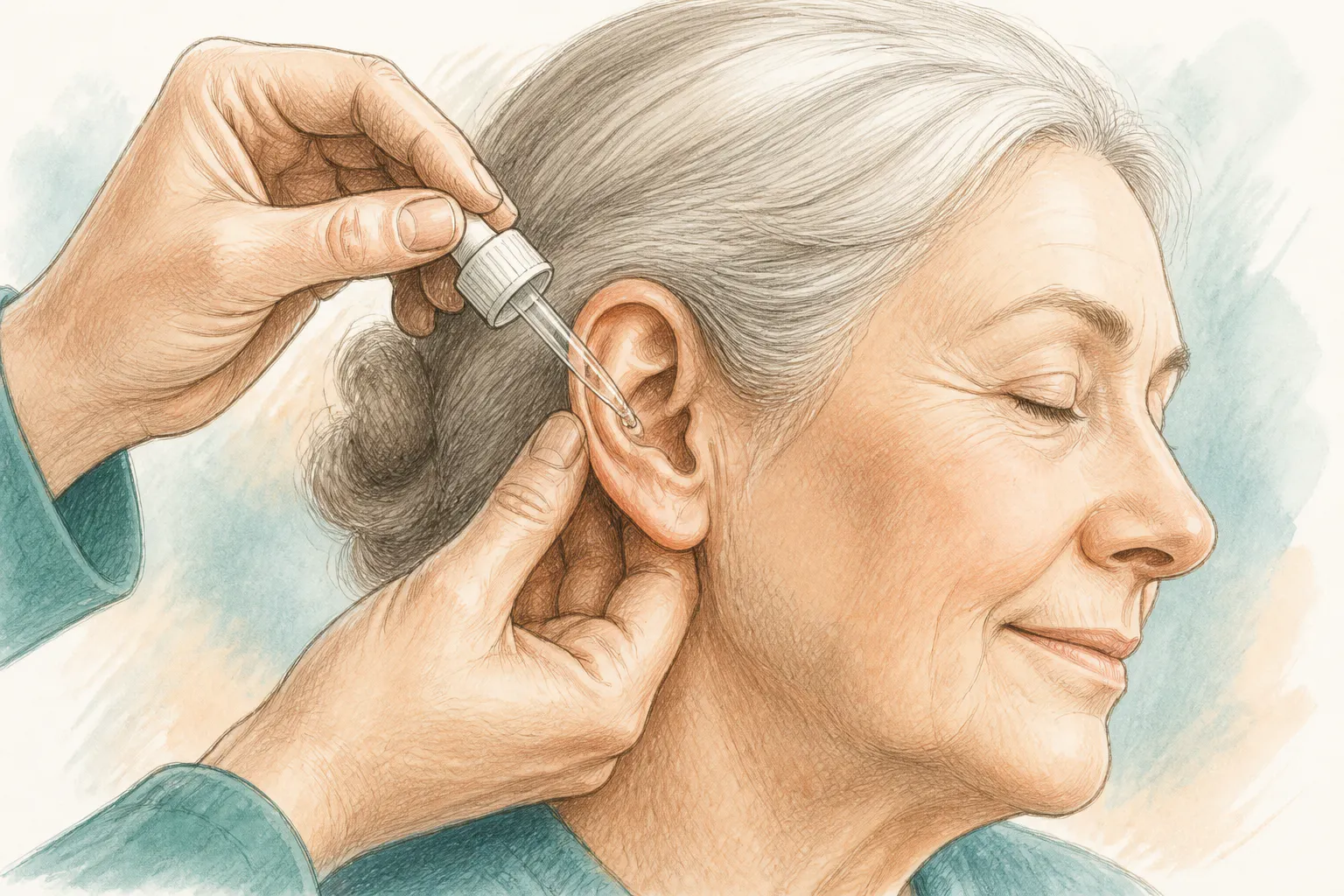
Softening earwax can make removal easier and less uncomfortable. Many people use prescribed or pharmacy ear drops, or a small amount of olive oil, to help loosen the wax before an appointment.
The usual approach is to lie on your side, place the drops in the affected ear if the product instructions allow it, and stay in position briefly so the drops can reach the wax. The exact timing depends on the product, but many softening routines are used over several days before review or treatment.
Softening is not right for everyone. You should be cautious if you have had ear surgery, grommets, a known perforated eardrum, recent infection, or sudden ear pain. In those cases, speak to a clinician before putting anything into the ear.
Softening options at a glance
Option | Ease of use | When it may help | When to avoid |
|---|---|---|---|
Olive oil | Simple for many adults | Mild wax build-up and dry wax | If advised not to place liquids in the ear, or if the ear is painful or discharging |
Earwax softening drops | Straightforward and widely used | Harder, more compacted wax | If you suspect infection, perforation, or have had ear surgery unless a clinician says it is suitable |
Professional softening advice | Best for complex cases | Recurrent or stubborn wax | Not usually needed for simple wax build-up |
The goal is not to force the wax out yourself. Softening is just preparation. If the blockage is significant or symptoms remain after a short period, a professional method is usually the safest next step.
For further background on safe ear care, you may find the NHS guidance on earwax build-up helpful, along with British Society of Audiology ear care resources.
Step 2, choose the right removal method
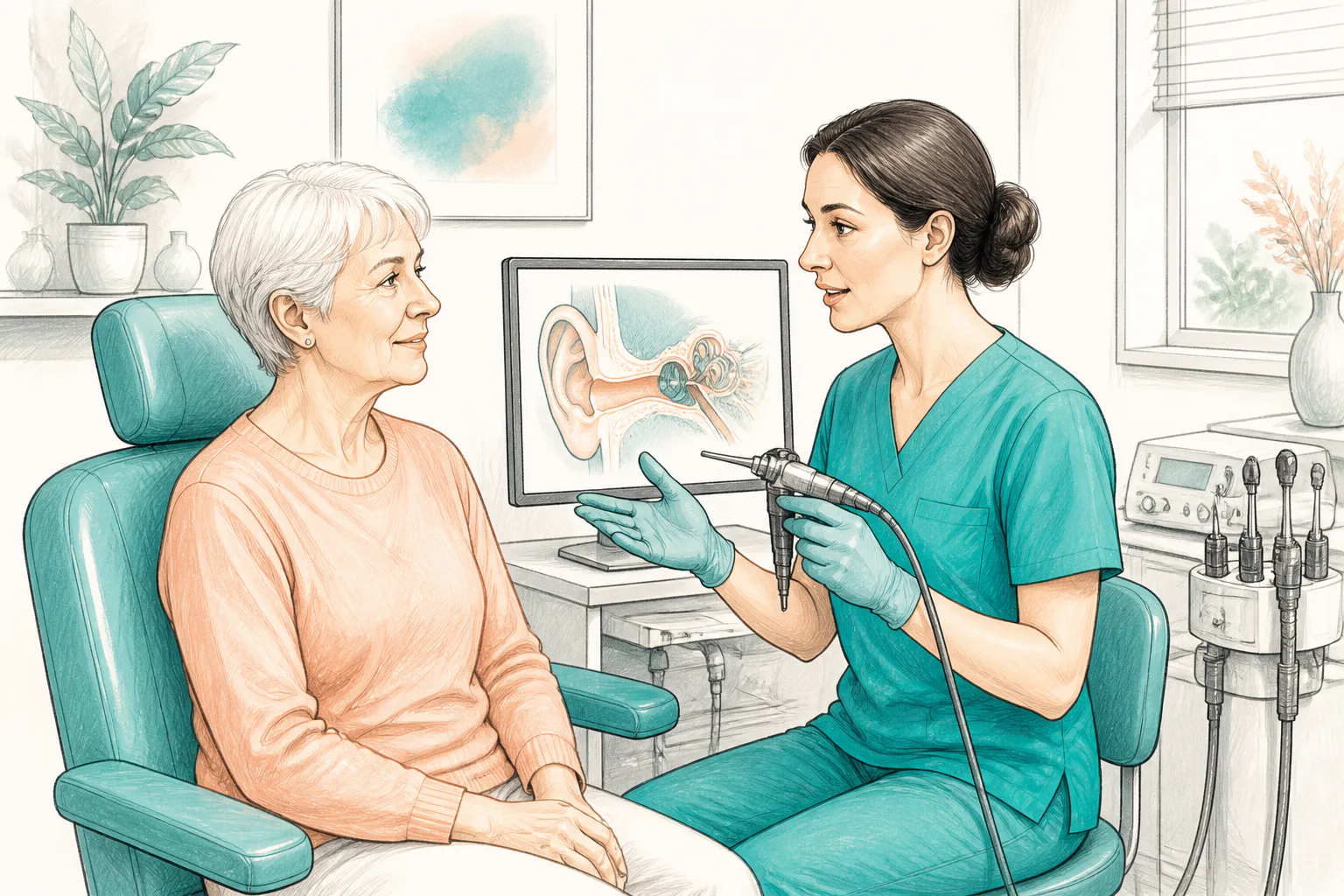
Once earwax has been softened, the next step is choosing a removal method that suits your ears and your circumstances. In Bristol, the main approaches are microsuction, irrigation, and manual removal. The safest choice depends on the shape of the ear canal, the condition of the ear drum, your symptoms, and any medical history that could affect treatment.
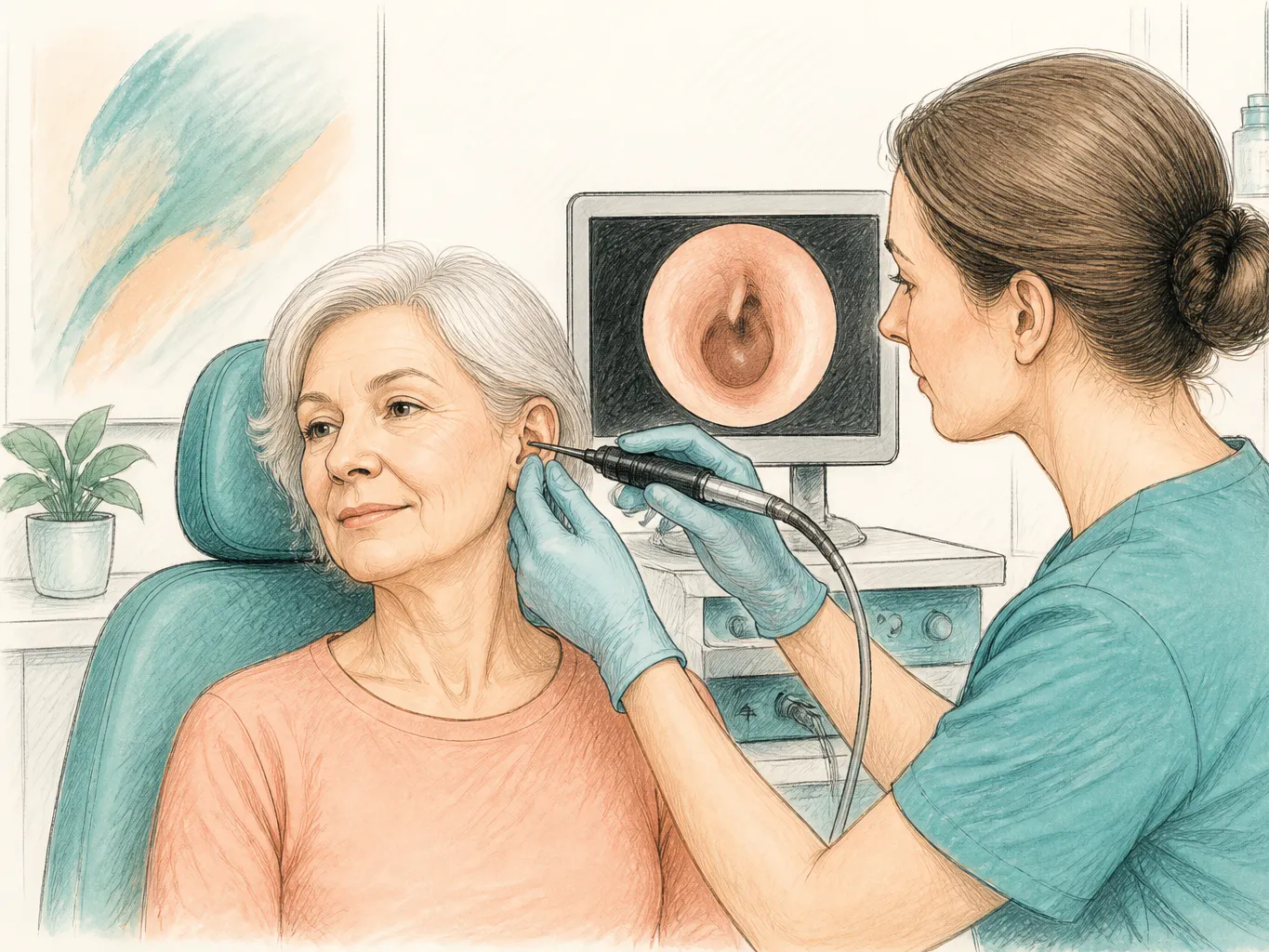
Microsuction is often preferred because the clinician can see what they are doing throughout the procedure. That visibility makes it a precise option, especially for people with narrow canals, hardened wax, or a history that makes water-based methods less suitable.
Irrigation uses a controlled flow of water to help dislodge wax. It can work well for some people, but it is not suitable for everyone and should always be used with clinical judgement. Manual removal may be appropriate in selected cases, particularly when a clinician can directly assess the ear and the wax is accessible.
Comparing common earwax removal methods
Method | Comfort | Suitability | Speed | Typical use case |
|---|---|---|---|---|
Microsuction | Usually well tolerated, though it can sound loud | Good for many adults, including more complex cases | Often quick | Precision removal when visibility matters |
Irrigation | Can feel warm or odd, but is often manageable | Suitable for some patients, not all | Moderate | Wax softened enough to be flushed out safely |
Manual removal | Typically brief when used appropriately | Best in selected cases by experienced clinicians | Often quick | Accessible wax that can be removed directly |
If you are comparing treatment choices, it can help to read more about Microsuction ear wax removal and how it differs from other options. You can also review Clinic earwax removal in Bristol if you want a face-to-face appointment, or Home visit earwax removal in Bristol if getting to a clinic is difficult.
The safest treatment is not always the one that sounds simplest. It is the one that matches your ear, your symptoms, and your medical history.
Step 3, what happens at a professional appointment
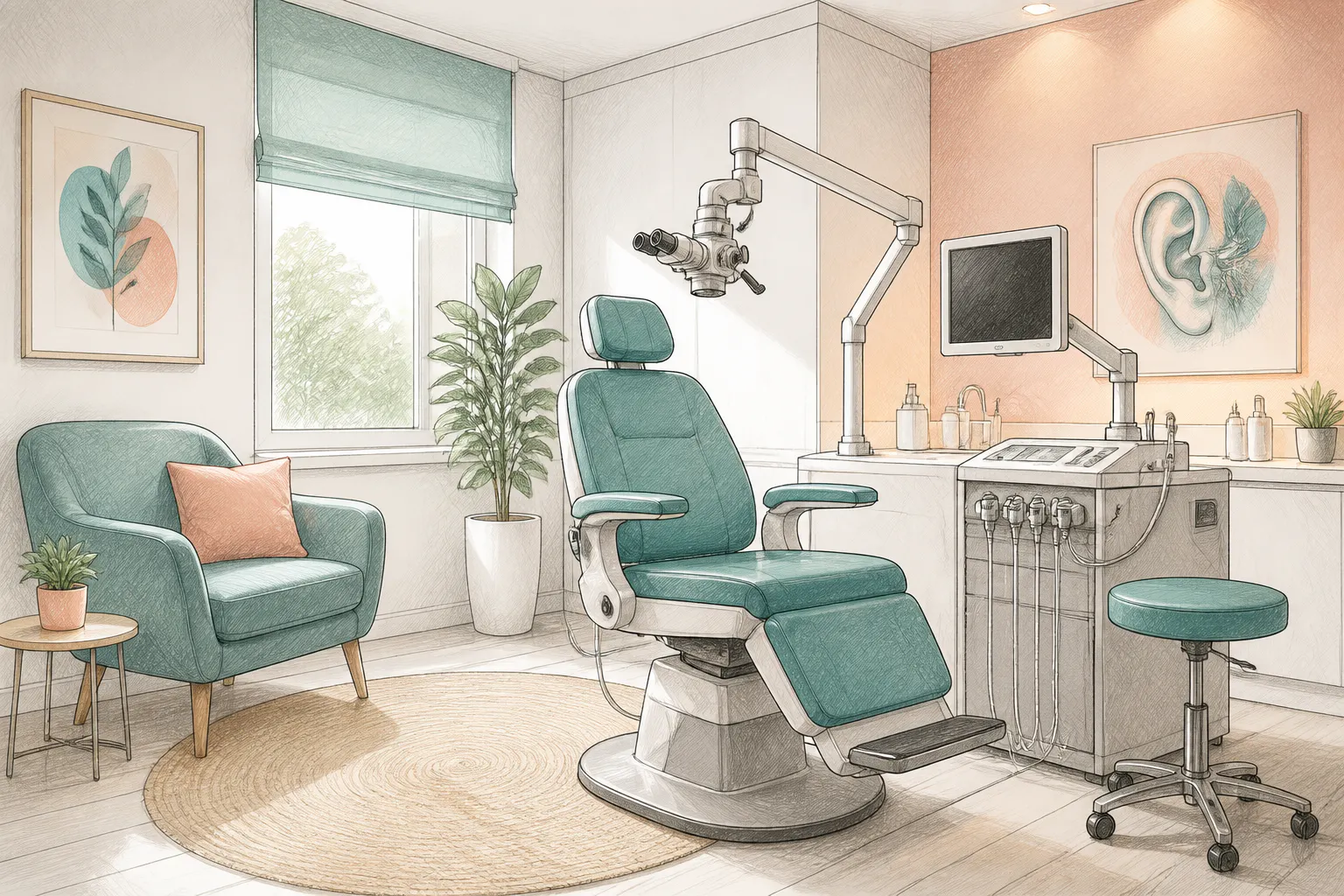
A professional earwax appointment is usually more straightforward than people expect. At Pro Ear Clinic, the process is designed to be calm, clear, and gentle, which matters for anxious patients, older adults, and care home residents who may be worried about discomfort or unfamiliar equipment.
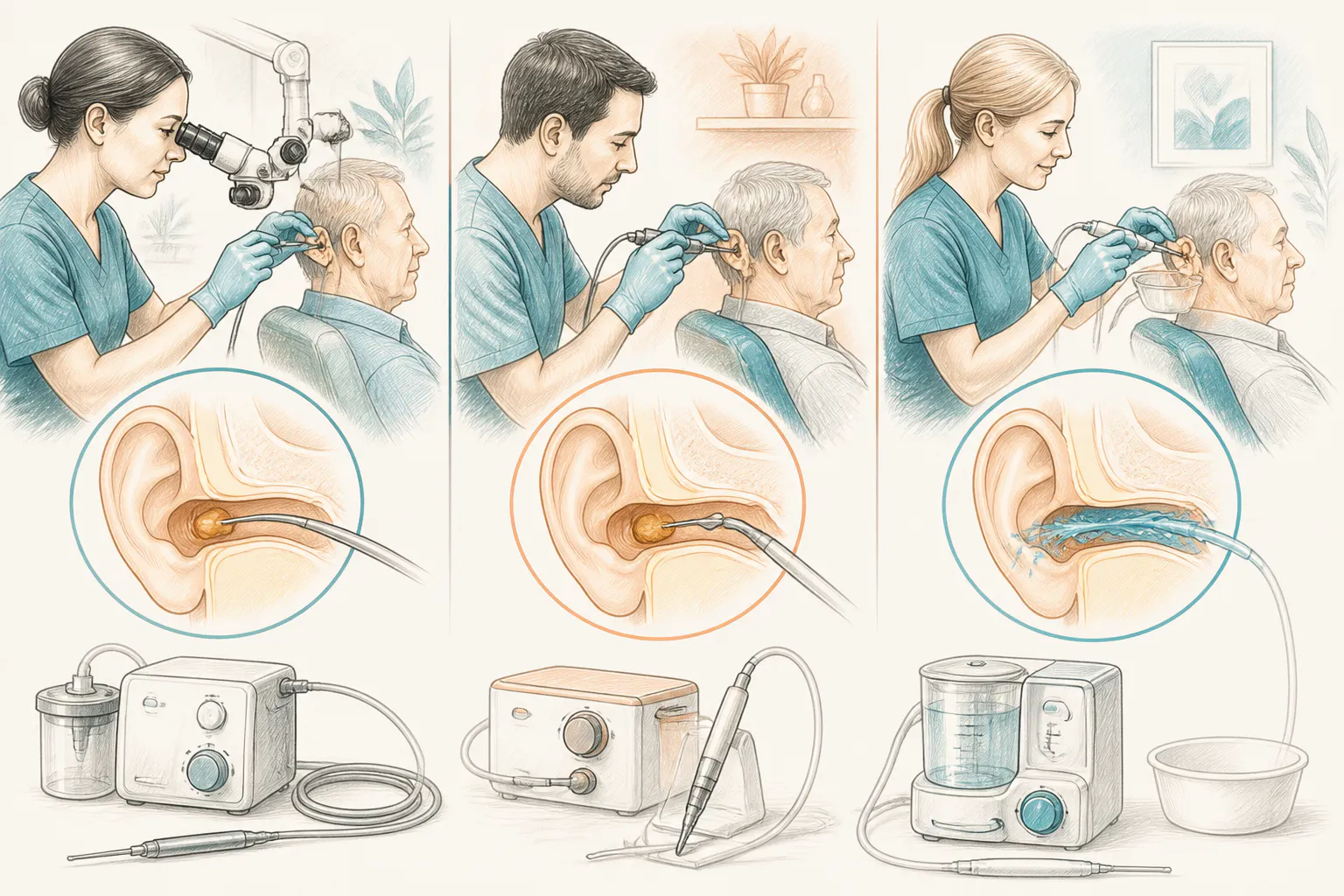
The appointment normally starts with an ear examination. The clinician checks the ear canal and ear drum, asks about your symptoms, and confirms whether wax removal is appropriate. You may be asked about ear pain, discharge, infection, surgery, hearing aids, or previous treatment.
If removal is suitable, the clinician explains the method and asks for your consent. During microsuction, a small suction device is used under direct vision to remove wax carefully. You may hear a loud whistling or suction sound, but the treatment itself is usually brief. Some people notice immediate improvement in hearing once the blockage is cleared.
After the wax is removed, the clinician may recheck the ear and explain any aftercare. If the ear still looks irritated, or if another issue seems more likely than wax alone, you should be advised on next steps.
Most appointments are completed in one visit, although stubborn wax can sometimes need a follow-up or additional softening first. For many people, the biggest benefit is simply knowing the blockage has been assessed properly by someone who can see the ear clearly.
At-home care, what to do and what to avoid
If your symptoms are mild and you are waiting for an appointment, good at-home care can prevent things from getting worse. The key is to be gentle and resist the urge to dig.
Do
- Leave the ear canal alone and let the wax move naturally.
- Use softening drops only as directed.
- Keep the outer ear clean and dry.
- Arrange hearing aid checks and ear care routines if you regularly get build-up.
- Seek advice early if you are prone to blocked ears.
Do not
- Use cotton buds inside the ear canal.
- Try to remove wax with hairpins, keys, tweezers, or similar objects.
- Use ear candles, which are not a safe or reliable method.
- Keep probing the ear if it feels blocked or itchy.
- Put water into the ear if you have been told not to use irrigation or if you suspect infection.
These points matter because repeated DIY attempts often pack the wax deeper or irritate the ear canal. That can make the blockage worse and increase the chance that removal becomes more difficult later.
If you are uncertain whether home care is enough, an Ear health assessment can help you avoid unnecessary trial and error.
For public guidance on blocked ears and earwax, the NICE guidance on earwax removal methods and Royal National Institute for Deaf People advice on blocked ears are useful starting points.
When to book earwax removal in Bristol
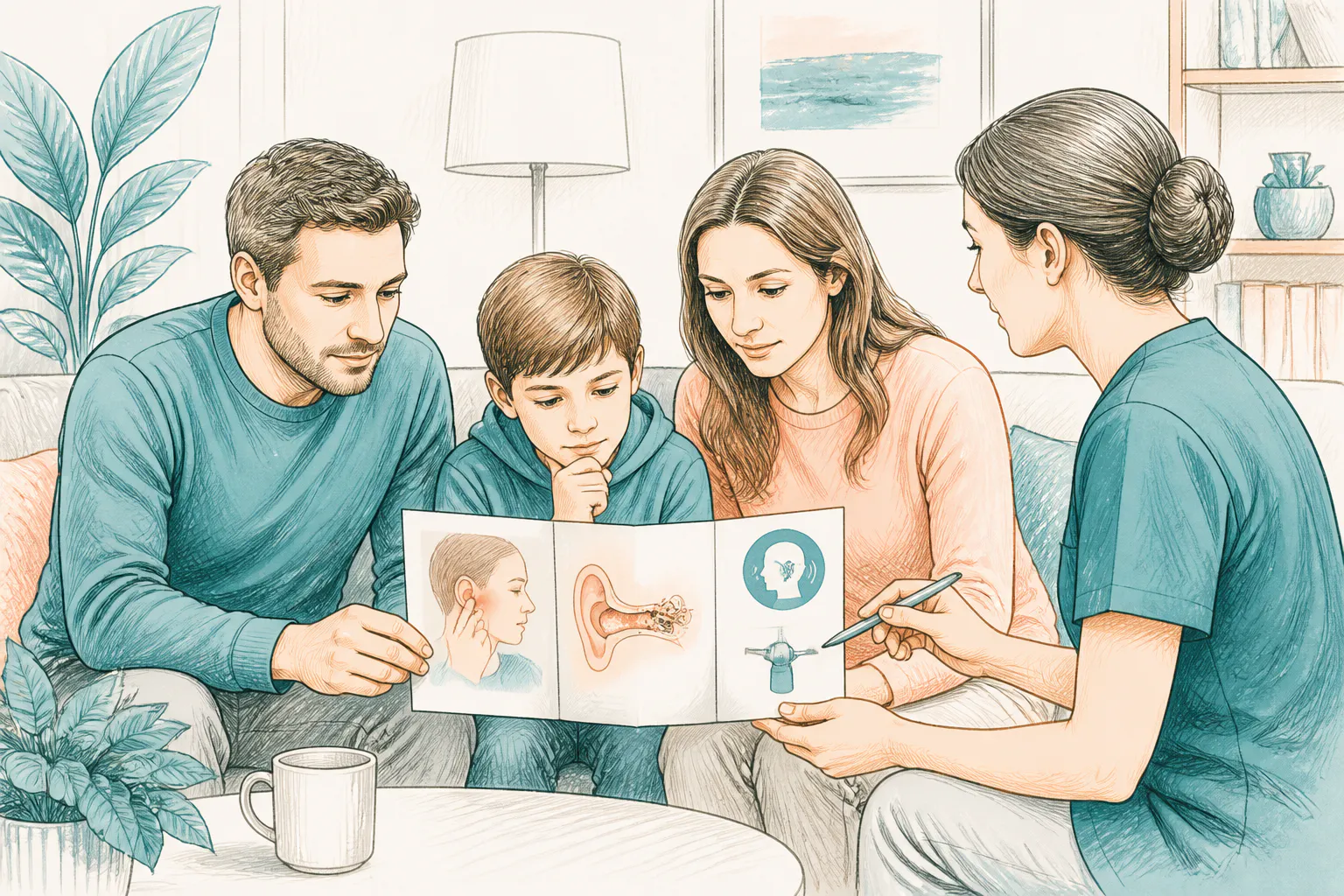
You should book earwax removal in Bristol when symptoms are affecting hearing, comfort, communication, or day to day life, and softening at home has not helped. You should also book sooner if you need hearing aids to work properly, if one ear is particularly blocked, or if the problem keeps returning.
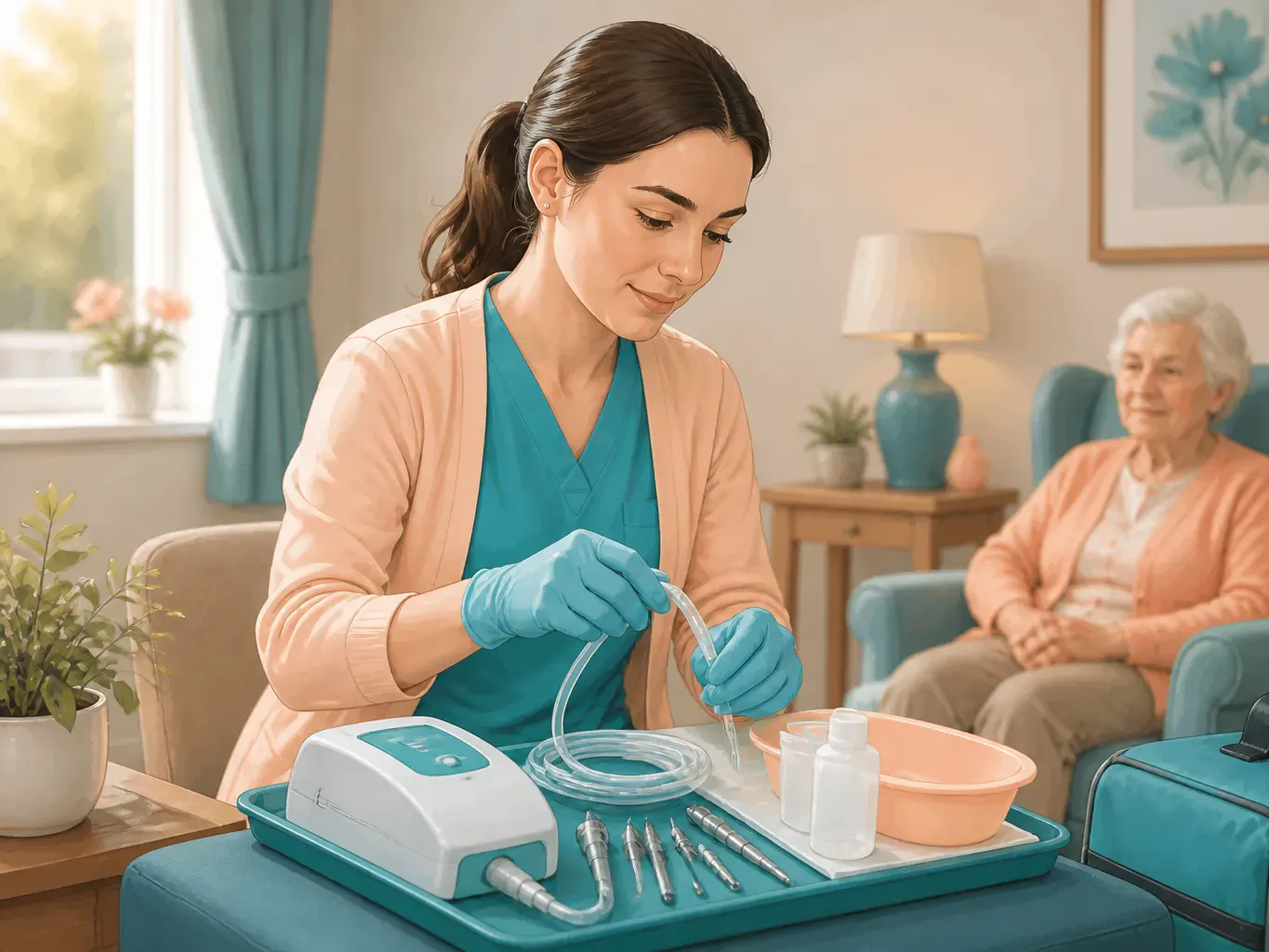
Different service types suit different needs. Busy families often prefer clinic appointments for speed and convenience. Anxious patients may want a gentle, explained process in a calm environment. Care home residents and people with mobility problems may benefit from a home visit.
Comparing service options
Service type | Access | Suitability | Convenience | Speed |
|---|---|---|---|---|
Clinic appointment | Travel to the practice | Good for most patients | Best if you can attend easily | Often same day or soon |
Home visit | Clinician comes to you | Ideal for mobility limits or care settings | Very high | Depends on scheduling |
Assessment first | Helps confirm the right option | Useful for uncertain or complex cases | Flexible | May prevent unnecessary treatment |
If you are unsure what to choose, start with the option that fits your mobility and urgency. People with severe discomfort, significant hearing problems, or repeated build-up should not wait too long, because wax can affect communication, balance confidence, and hearing aid performance.
Aftercare and preventing repeat build-up
After earwax removal, it is normal for hearing to feel clearer quite quickly. Some people notice a little sensitivity, a slightly strange sensation, or awareness of the ear canal for a short time afterwards. This usually settles without treatment.
Simple aftercare is best. Avoid putting anything into the ear, and follow any specific advice given after your appointment. If your clinician recommends keeping the ear dry for a short time, do that. If your hearing changes again, or if pain, discharge, or dizziness appears after treatment, seek advice.
To reduce repeat build-up, especially if you wear hearing aids or tend to have dry or narrow canals, try the following:
- Have your ears checked before blockage becomes severe.
- Use ear drops only when appropriate and as directed.
- Keep hearing aids clean and properly fitted.
- Avoid overcleaning, which can irritate the canal.
- Book periodic reviews if you regularly form hard wax.
Older adults often benefit from routine monitoring because they may not notice gradual hearing changes right away. The same is true for people in care homes, where small communication changes can have a big effect on wellbeing.
If symptoms come back, do not keep repeating home remedies indefinitely. Reassessment can confirm whether the issue is wax again or something else that needs attention.
Recommended reads and useful Bristol resources
If you want to learn more before booking, these pages may help:
- Microsuction ear wax removal for a closer look at the technique.
- Clinic earwax removal in Bristol if you want to understand what happens in person.
- Home visit earwax removal in Bristol for people who need treatment at home or in care settings.
- Ear health assessment if you are not sure whether wax is the real cause.
You may also find the Pro Ear Clinic blog useful, especially the article on how microsuction works for first time patients at proearclinic.co.uk. It is a good companion read if you are nervous about your first appointment.
If you are still unsure which option is best, it is usually wise to speak with a clinician before trying more home remedies. A quick conversation can save time, reduce discomfort, and point you towards the safest route for your ears.
FAQ
How do I know if I need earwax removal in Bristol?
If you have muffled hearing, a blocked feeling, itching, ringing, or mild discomfort, earwax may be the cause. If symptoms are sudden, severe, or include discharge, dizziness, or strong pain, you should get assessed promptly.
Is microsuction better than ear syringing for blocked ears?
Microsuction is often preferred because the clinician can see the ear canal clearly while removing the wax. Syringing or irrigation can help in some cases, but it is not suitable for everyone and should only be used when clinically appropriate.
Can I safely remove earwax at home with olive oil or drops?
Softening drops or olive oil can be helpful for some people, especially when the wax is dry or hard. However, they are not suitable for every ear, particularly if you have ear surgery, grommets, infection, or a suspected perforation.
How long does professional earwax removal usually take?
Many appointments take only a short time, although the exact length depends on how much wax is present and which method is used. Some people notice improvement straight away.
Is earwax removal painful?
It should not be painful, though you may hear suction noise or feel mild pressure during treatment. If anything feels uncomfortable, tell the clinician so they can adjust the approach.
Who should avoid irrigation or home earwax remedies?
People with ear pain, discharge, recent infection, grommets, previous ear surgery, or a suspected perforated eardrum should seek clinical advice before using home remedies or irrigation.
Can ProEarClinic help with same-day or home-visit earwax removal in Bristol?
ProEarClinic offers specialist ear care options designed to be convenient and patient friendly, including clinic appointments and home visit support where appropriate. If you need help choosing, an assessment can point you to the most suitable service.