
Most people do not need to clean inside their ear canals at all. For most ears, the safest routine is to leave wax alone unless it is causing symptoms, and to clean only the outer ear with a soft cloth. If you are wondering how often should ears be cleaned, the short answer is: usually not very often, and never with anything that goes into the ear canal.
Quick answer, how often should ears be cleaned?
The ear is designed to be self-cleaning, so routine deep cleaning is usually unnecessary. In fact, frequent cleaning inside the canal can do more harm than good by irritating the skin, compacting wax, or increasing the risk of infection.
A sensible rule is to clean the outside of the ear as part of normal washing, then seek help only if wax buildup starts affecting comfort or hearing. If that happens, a professional ear check is usually the safest next step.
Quick summary
- Most people do not need to clean inside the ear canal regularly.
- Clean only the outer ear with a warm, damp cloth.
- Avoid cotton buds, hairpins, ear candles, and anything sharp.
- If you notice blocked hearing, fullness, or ringing, wax may be building up.
- Some people need ear checks more often, especially hearing aid users, older adults, and anyone with a history of blocked ears.
- If symptoms persist, a professional assessment is safer than repeated home cleaning.
Why earwax exists and why it usually does not need frequent removal
Earwax, also called cerumen, is not dirt. It is a natural substance that protects the ear canal in several important ways. It helps trap dust and tiny particles, keeps the skin in the canal lubricated, and has mild protective properties that help reduce irritation and infection risk.
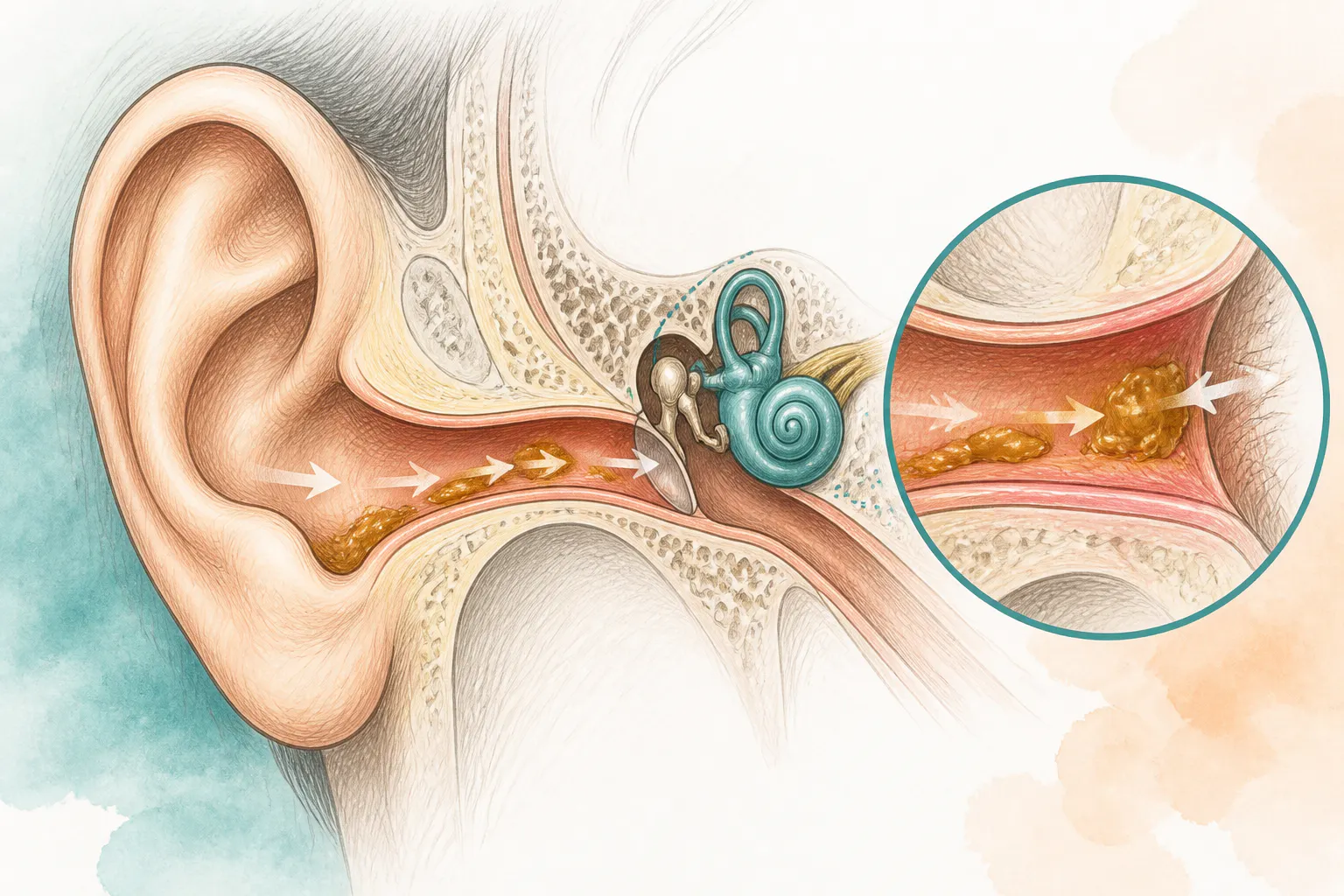
The ear also has its own way of moving wax outwards. Everyday jaw movement from talking and chewing helps the wax migrate slowly from deep in the canal to the outer ear, where it can dry and fall away. For that reason, many people never need to do anything beyond normal washing of the outer ear.
The problem often begins when people try to remove wax too often. Cotton buds and similar objects can push wax deeper, where it becomes packed down and harder to shift. They can also scratch the delicate skin inside the canal, which may cause soreness, itching, or even a swollen ear canal. For older adults, anxious patients, and anyone with narrow ear canals, repeated cleaning attempts can quickly turn a minor issue into a blocked ear.
If you have ever wondered whether wax is something to get rid of on a schedule, it helps to think of it more like a natural shield than a nuisance. In many cases, the best approach is patience rather than intervention.
What is normal ear cleaning at home?
Normal ear hygiene is simple. Wash the outer ear as part of your usual bathing routine, then dry it gently with a towel. There is no need to probe into the canal.
A good home routine looks like this:
- Use a warm, damp cloth to wipe the outside of the ear.
- Dry the outer ear and the area behind it carefully.
- After showering or swimming, tilt the head slightly to let water drain out naturally.
- If the ear feels moist, dab the outer area with a clean towel.
What you should not use is just as important. Anything that goes into the ear canal can cause injury or make wax problems worse. Ear candles are not recommended. They are not a safe way to remove wax and can lead to burns or other damage. Hairpins, cotton buds, matchsticks, and similar objects should also be avoided.
Method | Safety | When to use it |
|---|---|---|
Warm damp cloth on outer ear | Safe | For everyday washing |
Dry towel on outer ear | Safe | After bathing or swimming |
Cotton buds inside the canal | Unsafe | Do not use |
Hairpins or other tools | Unsafe | Do not use |
Ear candles | Unsafe | Do not use |
Professional wax removal | Safe when clinically appropriate | When symptoms suggest a blockage |
A lot of people use cotton buds because they think they are cleaning out wax, but in practice they often push it deeper. If your ear is itchy or feels full, that is a sign to pause, not to dig further.
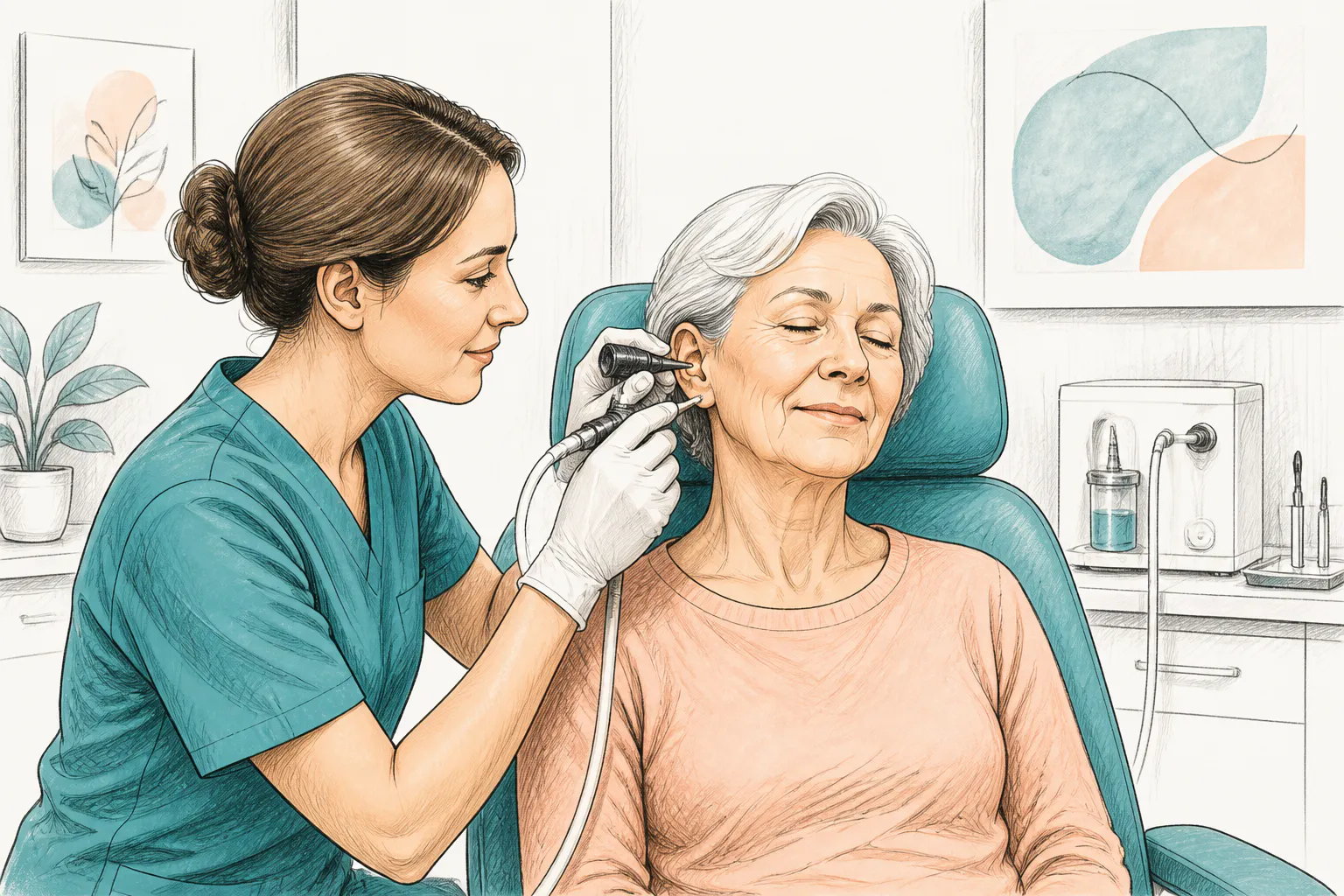
Signs you may have too much earwax
Wax only becomes a problem when it starts to build up and block the canal. Common signs include:
- muffled or reduced hearing
- a feeling of fullness or pressure in the ear
- ringing or buzzing, also known as tinnitus
- itching inside the ear
- mild discomfort or ache
- sounds seeming dull or blocked
- needing to turn the television or phone volume up more than usual
Sometimes the signs are subtle. You may not realise your hearing has changed until someone points it out, or until you compare one ear with the other. Hearing aid users often notice feedback, reduced clarity, or a poor fit when wax is present.
People with narrow ear canals, excess hair in the ear canal, eczema, or a history of wax impaction are also more likely to have recurring build-up. If the ear feels blocked despite your attempts to clean it at home, the issue may no longer be cleaning, but removal.
At that point, a professional ear health assessment is usually the most practical option. It helps confirm whether wax is the cause, whether the ear is healthy enough for removal, and whether another problem might be responsible for the symptoms.
How often should different people have their ears checked?
There is no single cleaning schedule that suits everyone. A better question is how often ears should be checked, especially for people with a higher chance of wax build-up.
Group | Common risk factors | Suggested review frequency |
|---|---|---|
Older adults | Slower wax movement, dry skin, reduced dexterity | Check if symptoms appear, or periodically if there is a history of blockage |
Hearing aid users | Wax can affect fit, sound quality, and device function | Regular checks are sensible, especially if hearing aid performance changes |
Care home residents | Limited self-care, communication difficulties, reduced mobility | Periodic ear checks can be useful, guided by symptoms and care needs |
Swimmers | More moisture and possible trapped debris | Review if ears feel full, itchy, or blocked after swimming |
People with past wax impaction | Recurrent build-up is more likely | Consider scheduled checks based on previous patterns |
People with narrow or curved ear canals | Wax may not clear easily on its own | Check if symptoms develop, and consider periodic professional review |
For elderly clients and care home residents, a practical routine is often better than waiting until hearing is clearly reduced. Families and carers may notice that the person is turning up the volume, missing conversations, or seeming more withdrawn because they cannot hear comfortably. These can all be signs worth checking.
Hearing aid users benefit from a more proactive approach, because wax can interfere with both hearing and device function. Even a small amount of wax can change sound quality enough to make the aid seem less effective.

For everyone else, there is usually no need for a fixed cleaning timetable. Instead, check only when symptoms appear, or when a clinician recommends a follow up because of your ear health history.
When home care is enough and when to avoid it
Some mild wax build-up can settle with simple home softening measures, provided there are no warning signs. In the UK, this may include the short-term use of olive oil drops or other ear drops recommended by a pharmacist or clinician. The aim is to soften the wax so it can move out more naturally.
Home softening may be reasonable when:
- the ear feels a little blocked but there is no pain
- there is no discharge
- you have no history of perforation or ear surgery that makes drops unsuitable
- the symptoms are mild and recent
- a pharmacist or clinician has advised this approach
Home care should be avoided, or used only with professional advice, if you have:
- ear pain
- discharge from the ear
- fever or signs of infection
- a known perforated eardrum
- grommets in place
- recent ear surgery
- dizziness, significant hearing loss, or bleeding
Repeated failed attempts at self-care can make the blockage worse. If you keep using drops, then trying to remove the wax yourself, then repeating the cycle, the wax may become more firmly impacted. That is when a simple problem can become uncomfortable and time-consuming.
If you are unsure whether drops are appropriate, ask a pharmacist, GP, or ear care professional for advice first. That is especially important for older adults and people with complex ear histories.
Safe professional earwax removal options in the UK
When wax is causing symptoms, professional removal is often the most effective and comfortable solution. In the UK, the main methods are microsuction, irrigation, and manual removal.
Method | How it works | Best for | Main considerations |
|---|---|---|---|
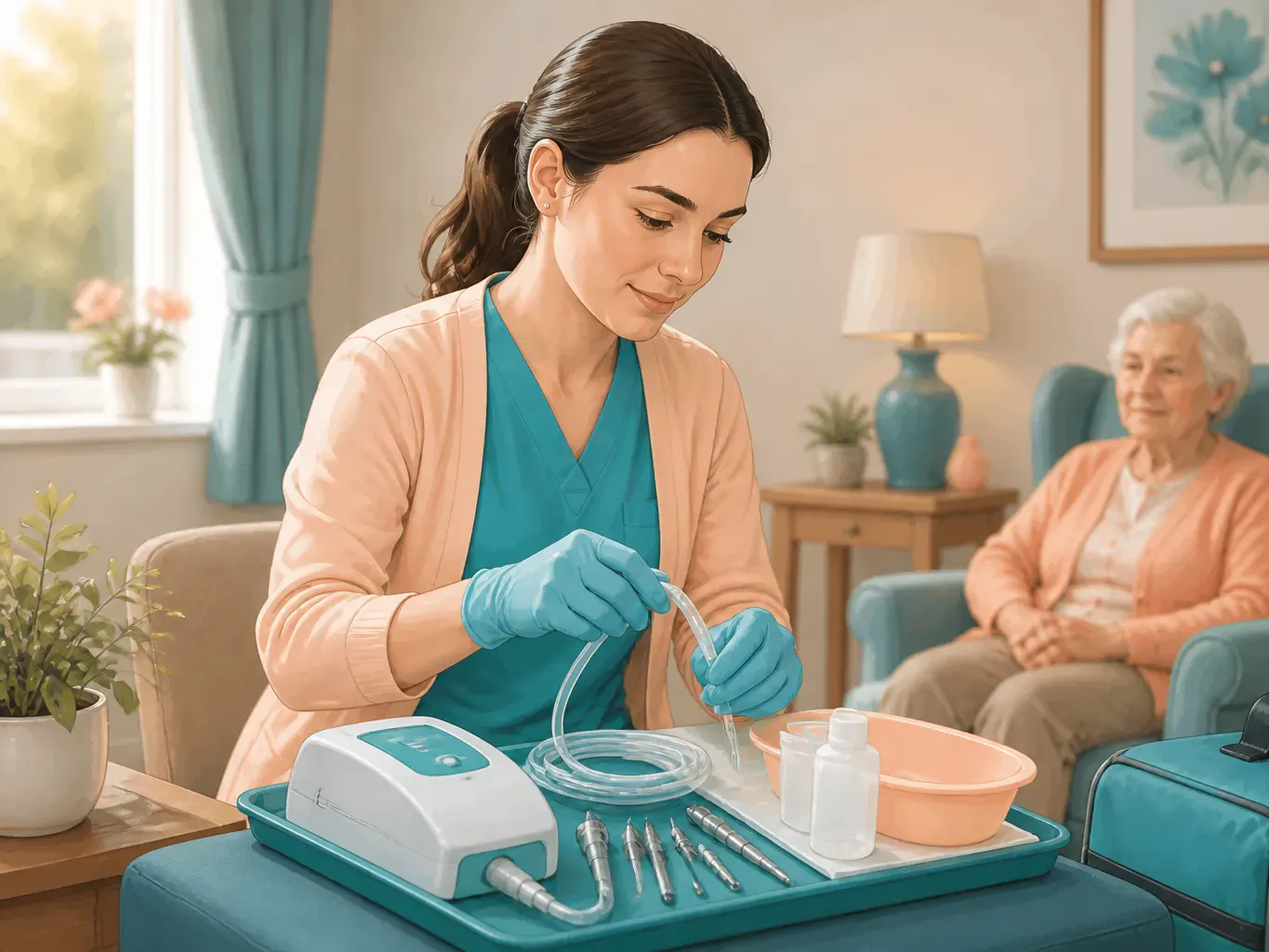
Microsuction | A small suction device gently removes wax while the clinician looks into the ear | Precision removal, difficult wax, hearing aid users, many routine cases | Can be noisy, but is usually quick and controlled |
Irrigation | Warm water is used to flush wax out of the ear | Soft wax in suitable ears | Not suitable for everyone, especially if there is perforation, infection, or certain ear histories |
Manual removal | Small instruments are used to lift or extract wax under direct view | Selected cases where the wax is visible and accessible | Needs skill and a steady approach, not ideal for all patients |
For many people, microsuction is preferred because it allows the clinician to see what they are doing and remove wax precisely. It is often a good choice when wax is hard, when the ear canal is narrow, or when comfort and control matter, such as for anxious patients or older adults.
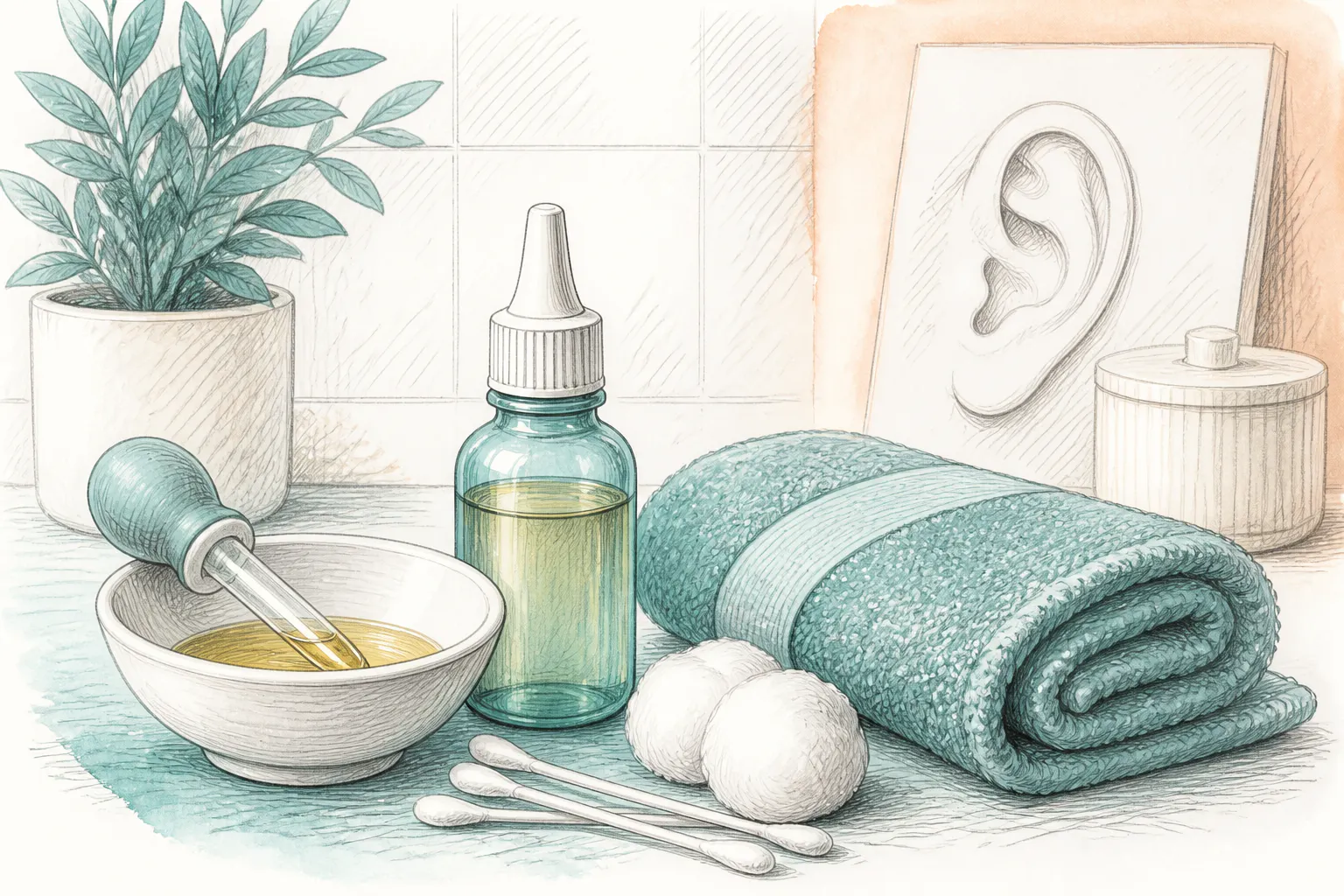
If you want to understand the process in more detail, see our guide on Microsuction ear wax removal and our page for Same day earwax removal when relief is needed quickly.
Professional treatment is not just about clearing the blockage. It also helps identify whether the symptoms really are due to wax, or whether further assessment is needed.
What happens at a ProEarClinic appointment
At ProEarClinic, we aim to make ear care calm, clear, and reassuring. Many patients arrive feeling uncertain, especially if they have had blocked ears for a while or are nervous about treatment. That is completely understandable. Our approach is to explain each step before anything happens, so you know what to expect.
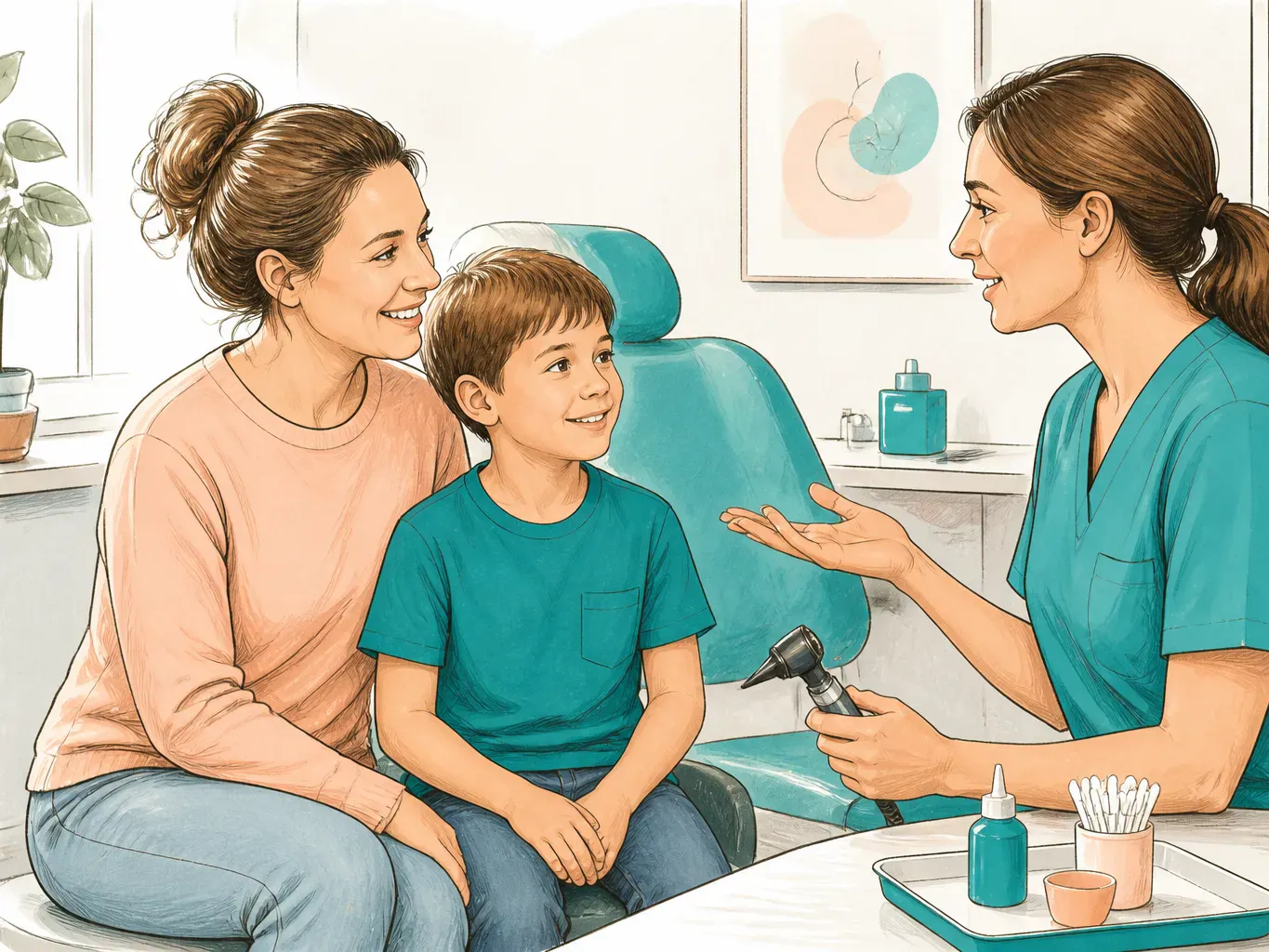
An appointment usually begins with a conversation about your symptoms, your ear history, and any relevant health information. We may ask whether you have pain, discharge, tinnitus, dizziness, previous surgery, or hearing aids. This helps determine the safest approach for your ears.
Next, we examine the ear canal and eardrum using appropriate equipment. If wax is the cause, we discuss the best removal method for your situation. In many cases, microsuction can remove wax efficiently and with good visibility. If the ear needs a different approach, we explain why before proceeding.
After treatment, we give practical aftercare advice. This might include tips on keeping the outer ear clean, when to return if symptoms come back, and when to seek further help if something does not feel right. For some patients, a follow up ear check is useful, especially if they have a history of recurring wax build-up.
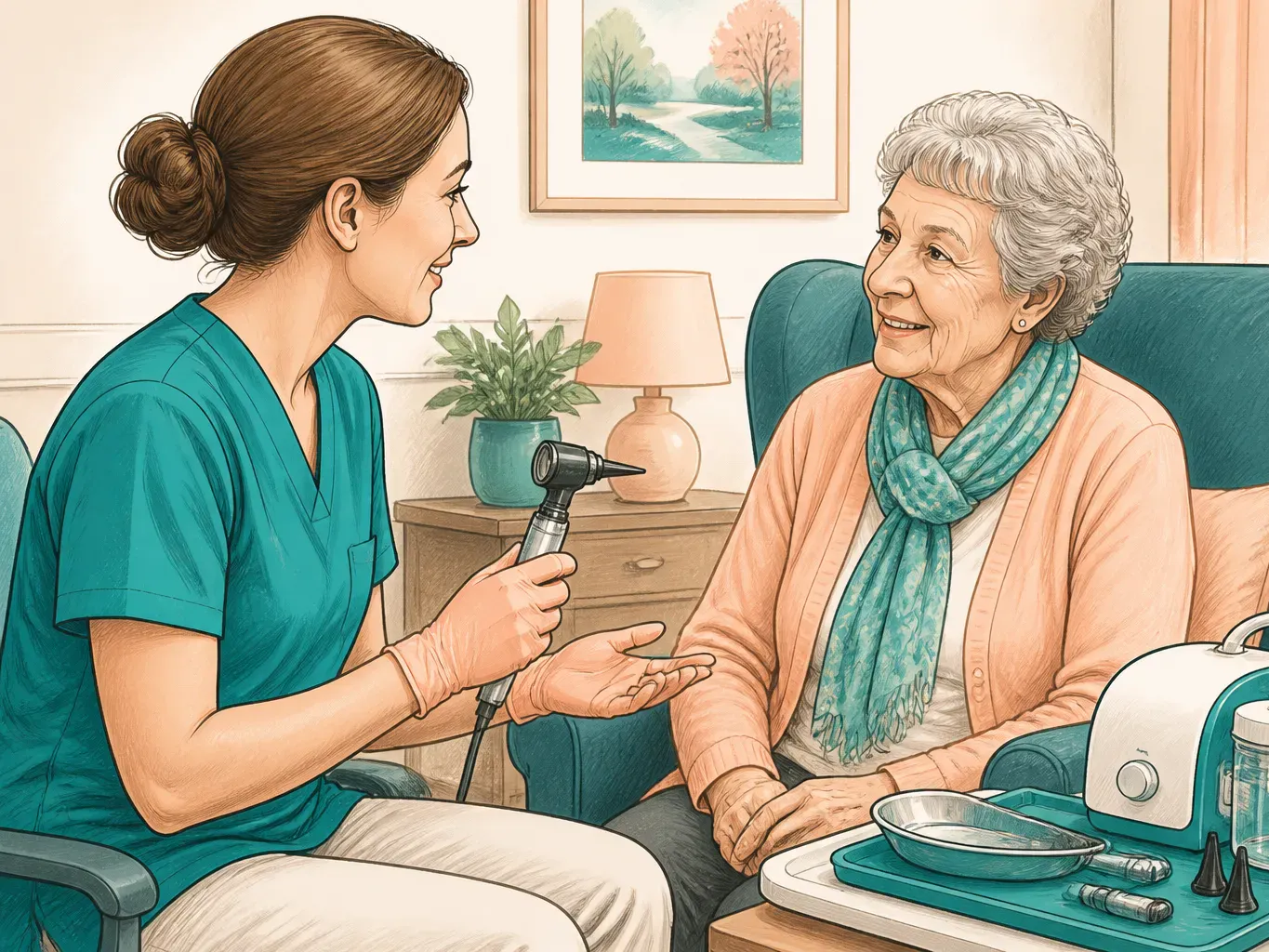
If you are looking after a parent, supporting someone in a care home, or struggling to attend a clinic, we also offer options that may suit your circumstances. You can learn more about our Ear health assessment and Home visit earwax removal in Bristol services.
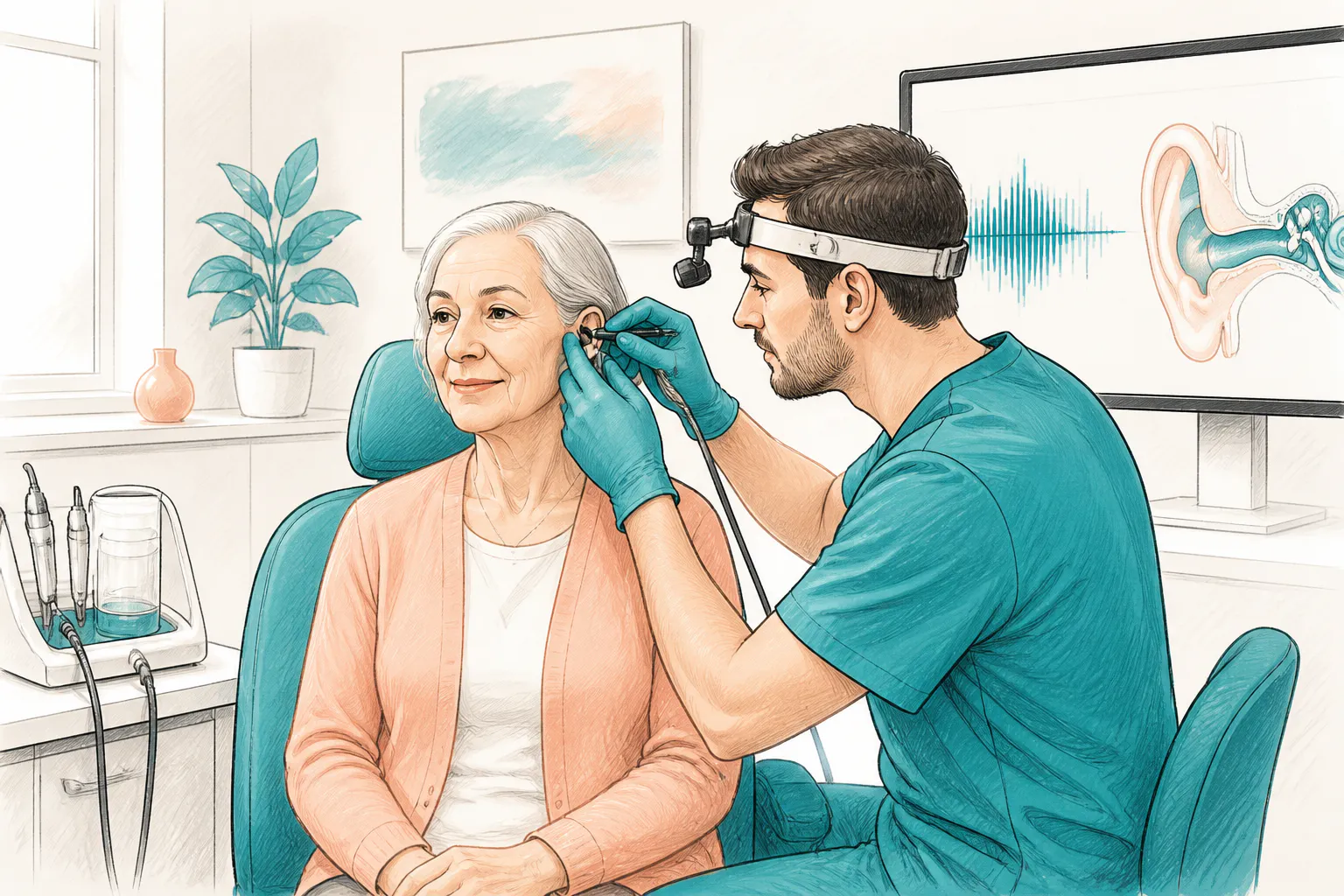
The goal is simple, safe ear care with as little stress as possible. For anxious individuals, that calm, measured approach often matters just as much as the treatment itself.
When to seek urgent help rather than waiting
Not every blocked ear is caused by wax. Some symptoms need prompt medical attention and should not be treated as a routine cleaning issue.
Seek urgent help if you have:
- sudden hearing loss
- severe ear pain
- discharge, especially if it is bloody or foul smelling
- fever with ear symptoms
- dizziness or severe vertigo
- bleeding from the ear
- facial weakness
- one-sided hearing change that appears quickly
These signs can point to an infection, perforation, injury, or another ear condition that needs clinical review. They are not suitable for home cleaning or casual wax removal.
It is also sensible to seek advice if symptoms persist after wax has been removed, or if one ear remains noticeably different from the other. In those cases, the problem may not have been wax in the first place.
For official UK guidance, the NHS guidance on earwax build-up is a helpful place to start, and the NICE CKS: earwax summary gives clinicians evidence-based advice on assessment and management. If you would like broader patient guidance, the Royal National Institute for Deaf People earwax advice is also useful.
Final answer and key takeaways
So, how often should ears be cleaned? For most people, the answer is not on a regular inside-the-canal schedule at all. The ear usually cleans itself, and your job is simply to wash the outer ear gently and leave the canal alone unless symptoms develop.
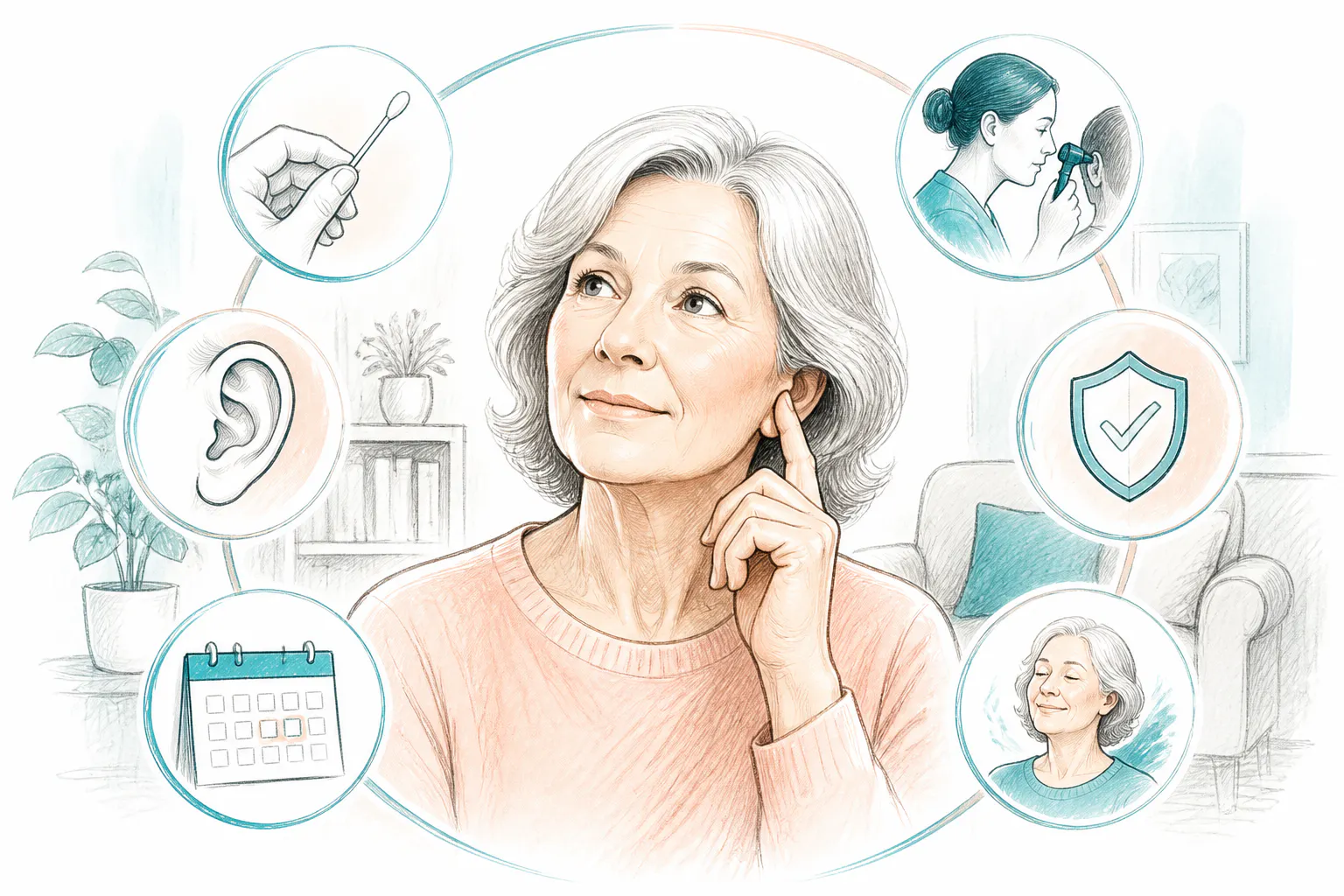
If you start noticing muffled hearing, fullness, itching, ringing, or discomfort, wax may be building up. At that point, it is better to stop digging around and arrange a professional check, especially if you wear hearing aids, have had blocked ears before, or support an older adult who may not notice the problem early.
A safe routine is simple: clean the outside of the ear, avoid inserting objects, and ask for help if symptoms do not settle. Professional earwax removal can be quick, comfortable, and far safer than repeated home attempts.
If ear symptoms are affecting hearing, comfort, or confidence, a timely assessment can make a real difference.
Recommended reads
- Learn more about Microsuction ear wax removal
- Explore our Ear health assessment
- Read about Same day earwax removal
- Arrange Home visit earwax removal in Bristol
- Pro Ear Clinic blog: How microsuction works, a simple guide for first time patients
FAQ
How often should ears be cleaned if I wear hearing aids?
Hearing aid users often need their ears checked more regularly, because wax can affect sound quality and device fit. The exact frequency depends on how quickly your ears build up wax, but many people benefit from periodic reviews rather than waiting until the aid stops working properly.
Is it safe to use cotton buds to clean ears?
Cotton buds are not recommended for cleaning inside the ear canal. They can push wax deeper, irritate the skin, and sometimes cause blockage or injury. It is safer to clean only the outer ear with a damp cloth.
How do I know if I have earwax build-up or an ear infection?
Wax build-up often causes fullness, muffled hearing, itching, or mild discomfort. An infection is more likely if you have pain, discharge, fever, or significant tenderness. If you are unsure, a professional examination is the safest way to tell the difference.
Can olive oil help soften earwax at home?
Olive oil may help soften wax in some cases, but it is not suitable for everyone. It should be avoided if you have pain, discharge, a perforated eardrum, grommets, or recent ear surgery unless a clinician says it is appropriate.
When should I book professional earwax removal?
Book a professional appointment if your hearing feels blocked, if symptoms are not improving, if you have repeated wax problems, or if you wear hearing aids and notice changes in performance. It is also sensible to book if home care has not helped.
What is the safest way to clean ears in the UK?
The safest routine is to clean only the outer ear with a warm, damp cloth and avoid putting anything into the ear canal. If wax is causing symptoms, professional earwax removal is safer than trying to remove it yourself.