Booking earwax removal in Bristol is usually straightforward. If you have blocked ears, muffled hearing, a feeling of fullness, or discomfort caused by wax, you can arrange a suitable appointment and get assessed by a trained clinician. Depending on your needs, you may be offered a clinic visit, a same-day appointment, or another appropriate service option.
Quick summary
If you want to book earwax removal in Bristol, the first step is to choose the appointment type that suits your symptoms, schedule, and comfort level. A short booking enquiry is usually enough to confirm availability, discuss any ear health concerns, and arrange the right treatment pathway.
For many people, the process is calm and simple: you contact the clinic, share a few details about your symptoms, and then attend a professional ear examination and treatment appointment. If you are anxious, elderly, short on time, or helping a family member arrange care, it can be reassuring to know that the process is designed to be clear and patient friendly.

How to book earwax removal in Bristol
From my perspective as someone writing for patients who often feel unsure about ear care, the booking stage should feel as easy as possible. You do not need to diagnose the problem yourself before reaching out. If your ears feel blocked, your hearing has become muffled, or your hearing aids do not seem to fit or work as well as usual, booking a professional assessment is a sensible next step.
A typical booking journey looks like this:
- Choose the type of service you need, such as a clinic appointment or a same-day option if your symptoms are urgent.
- Contact the clinic by phone or through the available online booking route.
- Share the key details that help the clinician assess suitability, including your symptoms and any ear history.
- Confirm the time, location, and any preparation advice.
- Attend the appointment for examination and, if appropriate, treatment.
It helps to have a few details ready before you book. These include which ear feels blocked, whether the problem is in one ear or both, how long the symptoms have been present, whether you use hearing aids, and whether you have had any recent ear pain, discharge, infection, perforation, surgery, or dizziness. These details allow the clinic to decide whether earwax removal is suitable and whether a particular method is the best choice.
If you are booking for an older relative, a care home resident, or someone with mobility needs, it is also worth mentioning access requirements early. That makes it easier to match the appointment type to the person, rather than trying to adapt later.
Here is a simple comparison of common booking approaches:
Booking method | Typical speed | Convenience | Best for |
|---|---|---|---|
Phone enquiry | Fast | Very convenient for questions and reassurance | Anxious patients, older adults, people who want to discuss symptoms first |
Online booking or enquiry form | Fast to moderate | Very convenient outside office hours | Busy families, repeat visitors, people who prefer written details |
Same-day request | Fastest when available | Best for urgent blocked-ear relief | People with sudden symptoms or time-sensitive hearing needs |
If you are looking for more detail about the service itself, it can help to read about Earwax removal services before booking. If you already know you want a specific method, you can also review Microsuction earwax removal to understand what that appointment involves.
For people who want a local appointment, the page on Clinic earwax removal in Bristol is a useful place to understand how in-clinic care is organised. If timing matters, the option for Same-day earwax removal may be especially relevant.
Which earwax removal option is right for you?
The best earwax removal option is not always the fastest one. Safety, comfort, and suitability matter more than simply getting the earliest slot. For some people, a clinic appointment is ideal. Others may need prompt same-day care, and some patients may need the clinician to assess whether microsuction is the most appropriate method.
The main choice is usually between the setting, the method, and the urgency of the appointment. A busy parent may want the most convenient slot, while an older adult may prioritise reassurance and a gentle approach. Someone with hearing aids may need wax removed promptly because even a small amount of build-up can affect fit and sound quality. A person with a strong gag reflex, anxiety, or a history of ear sensitivity may prefer a service that feels more controlled and calm.
Here is a practical comparison:
Option | Setting | Speed | Comfort | Typical suitability |
|---|---|---|---|---|
Clinic earwax removal | Clinic | Moderate to fast | Often calm and controlled | Most routine cases, first-time visitors, people who can travel easily |
Microsuction | Clinic | Moderate | Usually well tolerated when performed by a trained clinician | Blocked ears, hearing aid users, patients who want a precise method |
Same-day appointment | Clinic, subject to availability | Fastest | Good when timely relief is needed | Sudden wax problems, urgent hearing concerns, tight schedules |
Home visit, if available | At home or suitable care setting | Depends on logistics | Helpful for reduced mobility or complex care needs | Elderly clients, care home residents, people unable to travel |
If you are arranging care for an elderly parent or someone in a care home, a home based or coordinated appointment can be much easier than asking them to travel. For anxious patients, the most reassuring choice is often the setting where the clinician can explain each step slowly and answer questions without pressure. For people who need to get back to work, school, or family routines quickly, a same-day slot may be the best balance of speed and practicality.
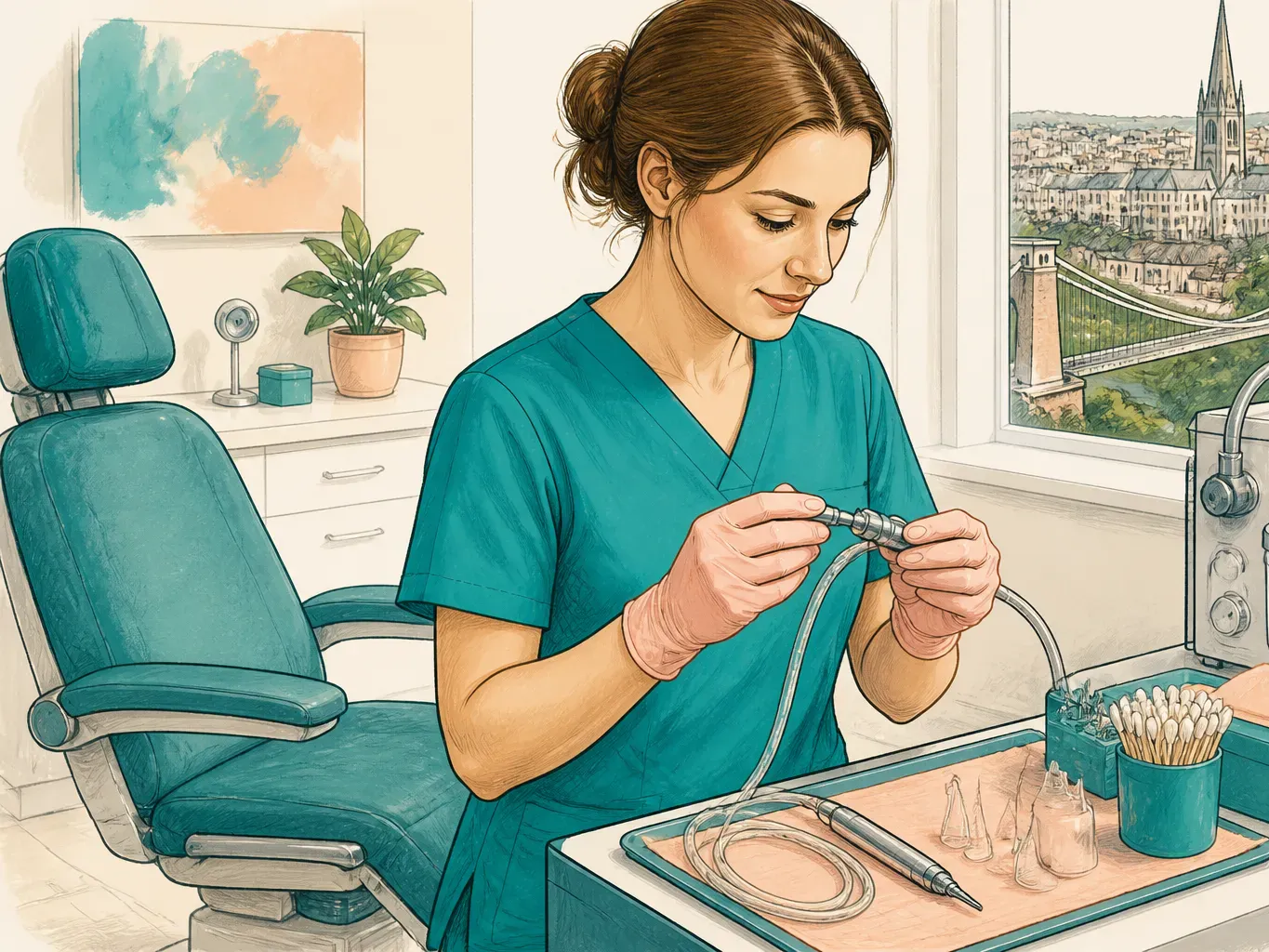
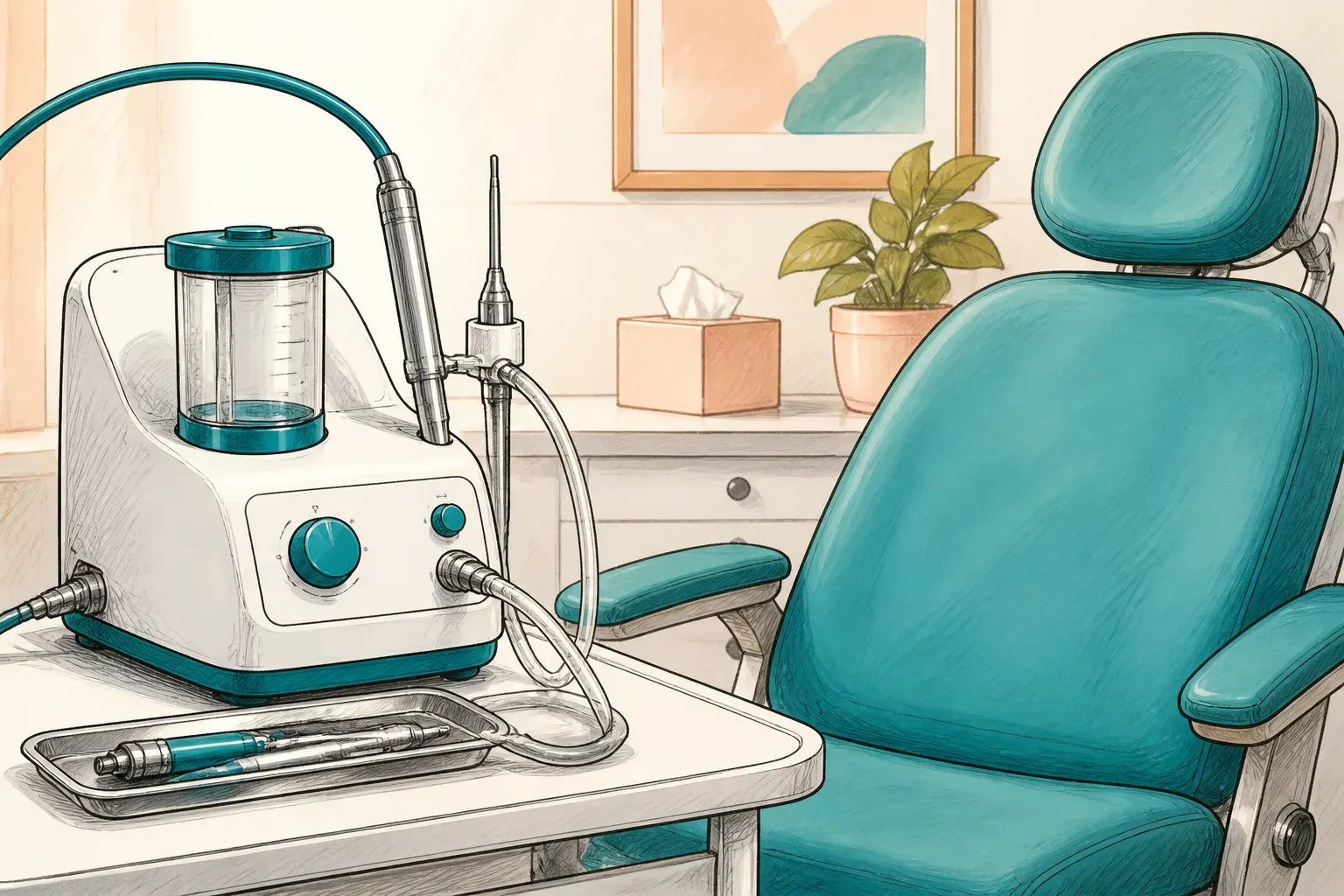
Microsuction is often discussed because it is a common, evidence based method used in specialist ear care. It involves removing wax carefully with a gentle suction device under direct view, which allows the clinician to work precisely. For many patients, that makes it a good choice when the ear is fully blocked or when a careful, controlled approach is preferred.

What to expect before your appointment
Before your appointment, you may be given simple preparation advice to help make treatment easier. In some cases, softening the wax beforehand can improve the chance of successful removal. A clinician may advise olive oil drops if this is appropriate for you, but only if there are no reasons not to use them. If you are unsure, it is always better to ask before applying anything into the ear.
Preparation is also about recognising when the ear needs a clinical review rather than immediate removal. If you have significant ear pain, discharge, suspected infection, recent ear surgery, a known perforated eardrum, sudden hearing loss, or persistent dizziness, mention this when you book. These details do not automatically mean you cannot be seen, but they may change the appointment plan or mean the clinician needs to examine you more carefully first.
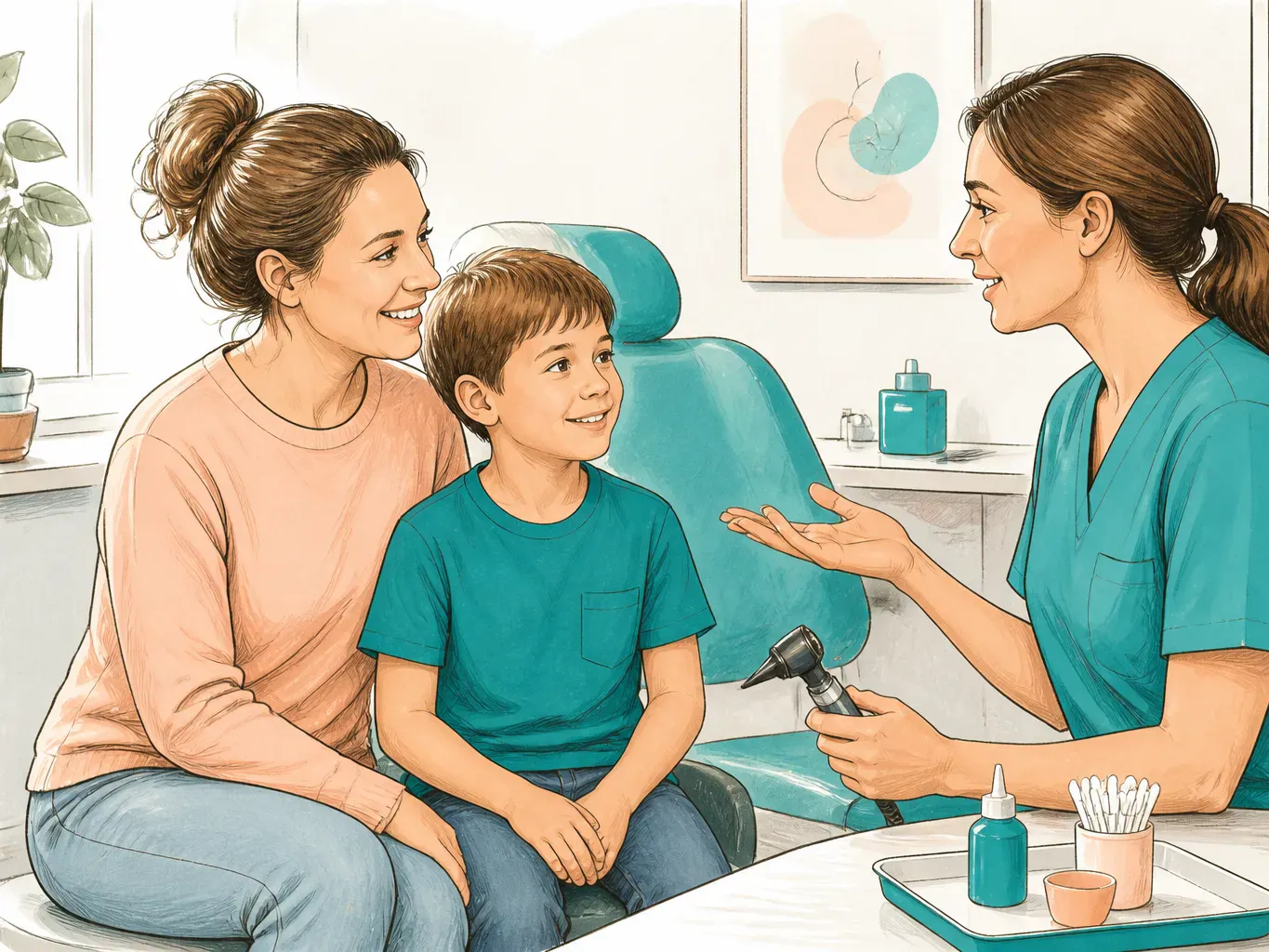
A brief pre treatment assessment is normal. The clinician will usually ask about symptoms, examine the ear canal, and decide whether wax is present and whether it is safe to remove. This is important because not every blocked ear is caused by wax alone. Ear infections, inflammation, foreign bodies, and other conditions can mimic wax build up, so a proper assessment helps ensure the right treatment is chosen.
If you wear hearing aids, remove them only if you are told to do so. In many cases, it is helpful to mention the make and type of hearing aid when booking, because this can affect both the assessment and the aftercare advice.
What happens during earwax removal
An earwax removal appointment usually follows a simple pattern. First comes the examination, then consent and explanation, then treatment, and finally aftercare. The exact experience can vary depending on how much wax is present and which method is used, but the overall process is designed to be efficient and reassuring.
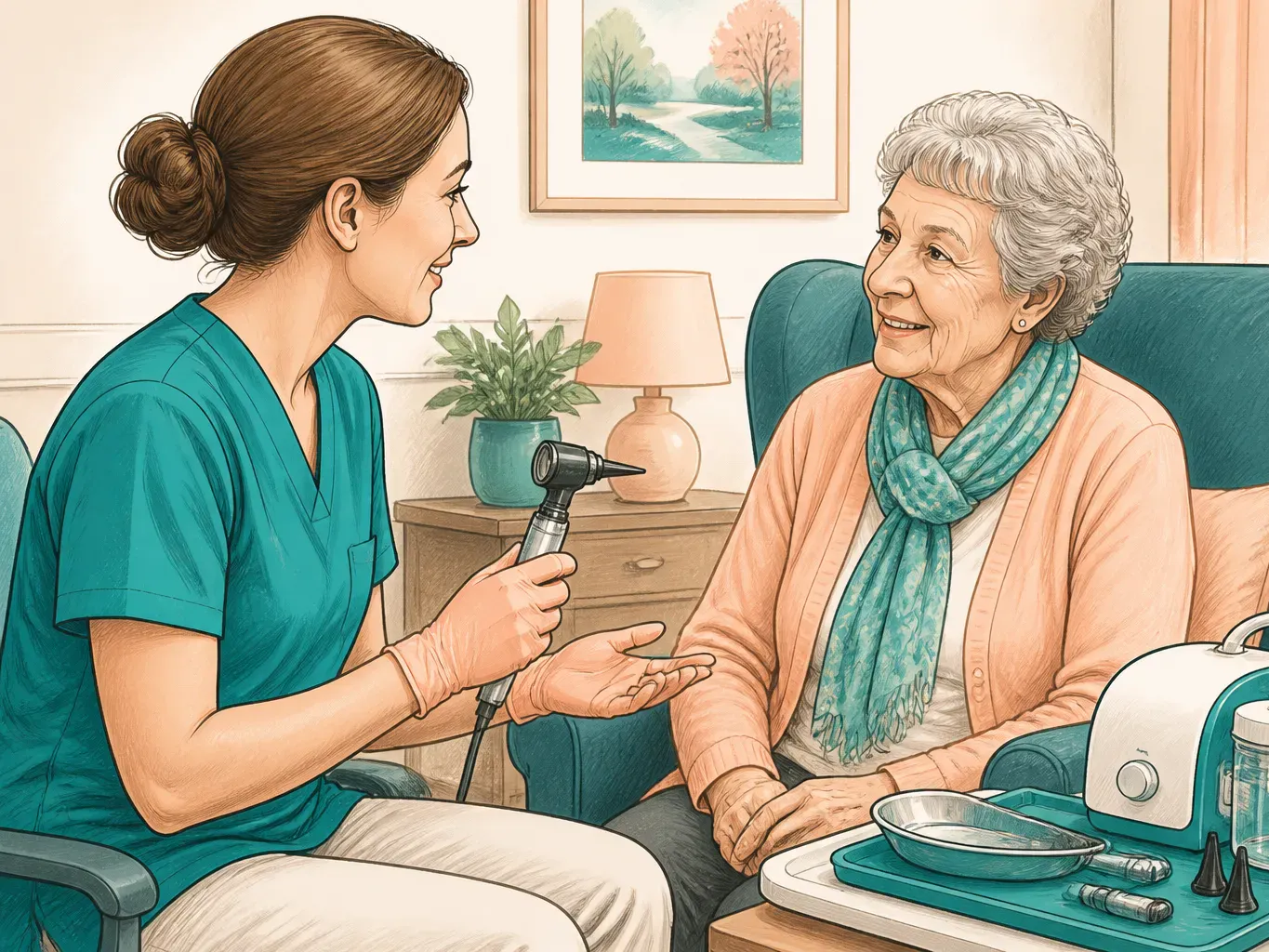
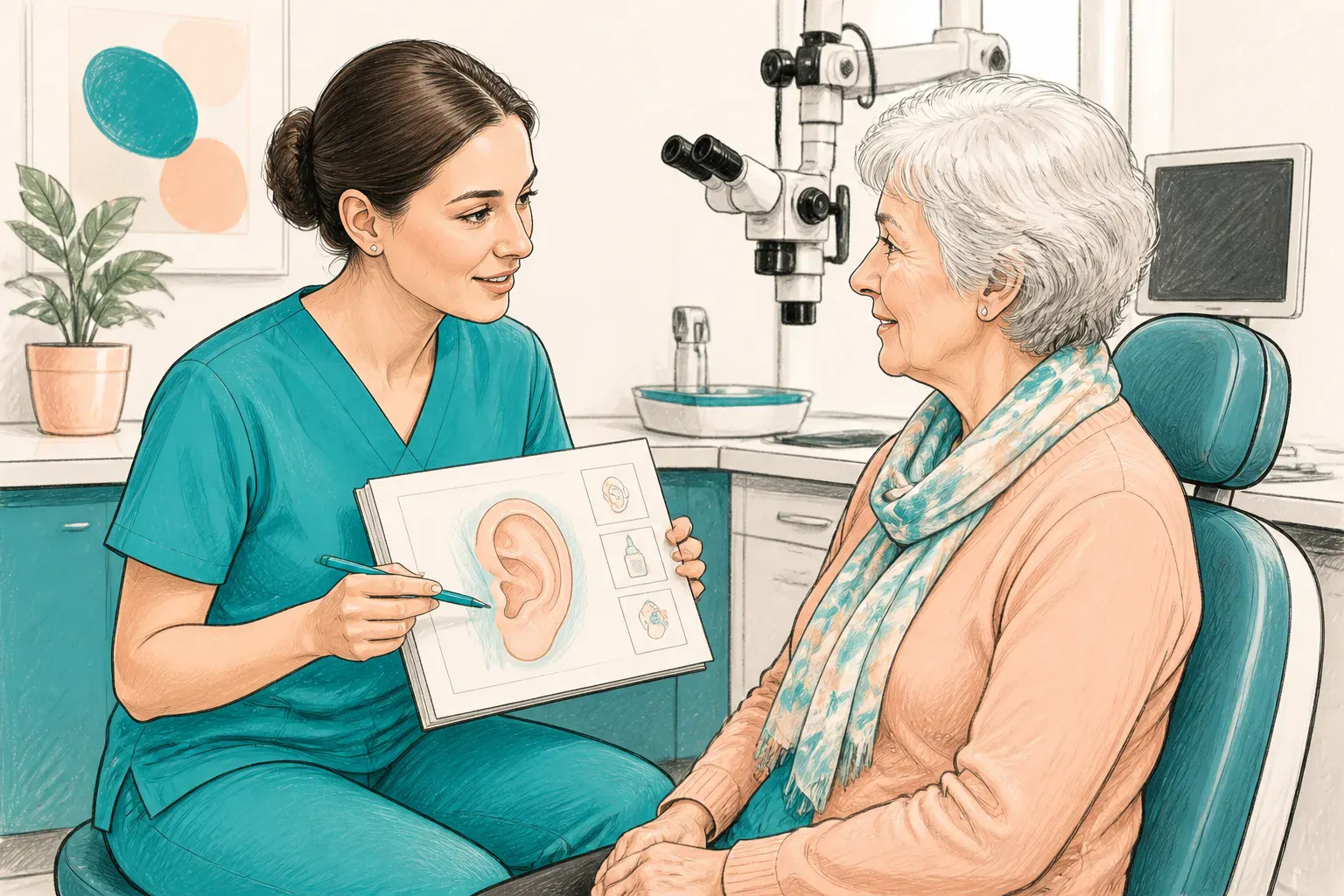
The clinician will normally start by looking into the ear with the appropriate equipment. This helps confirm whether wax is the cause of the problem and whether there are any signs that treatment should be adjusted. Once the clinician has assessed the ear and explained the plan, you will be asked for consent before treatment begins.
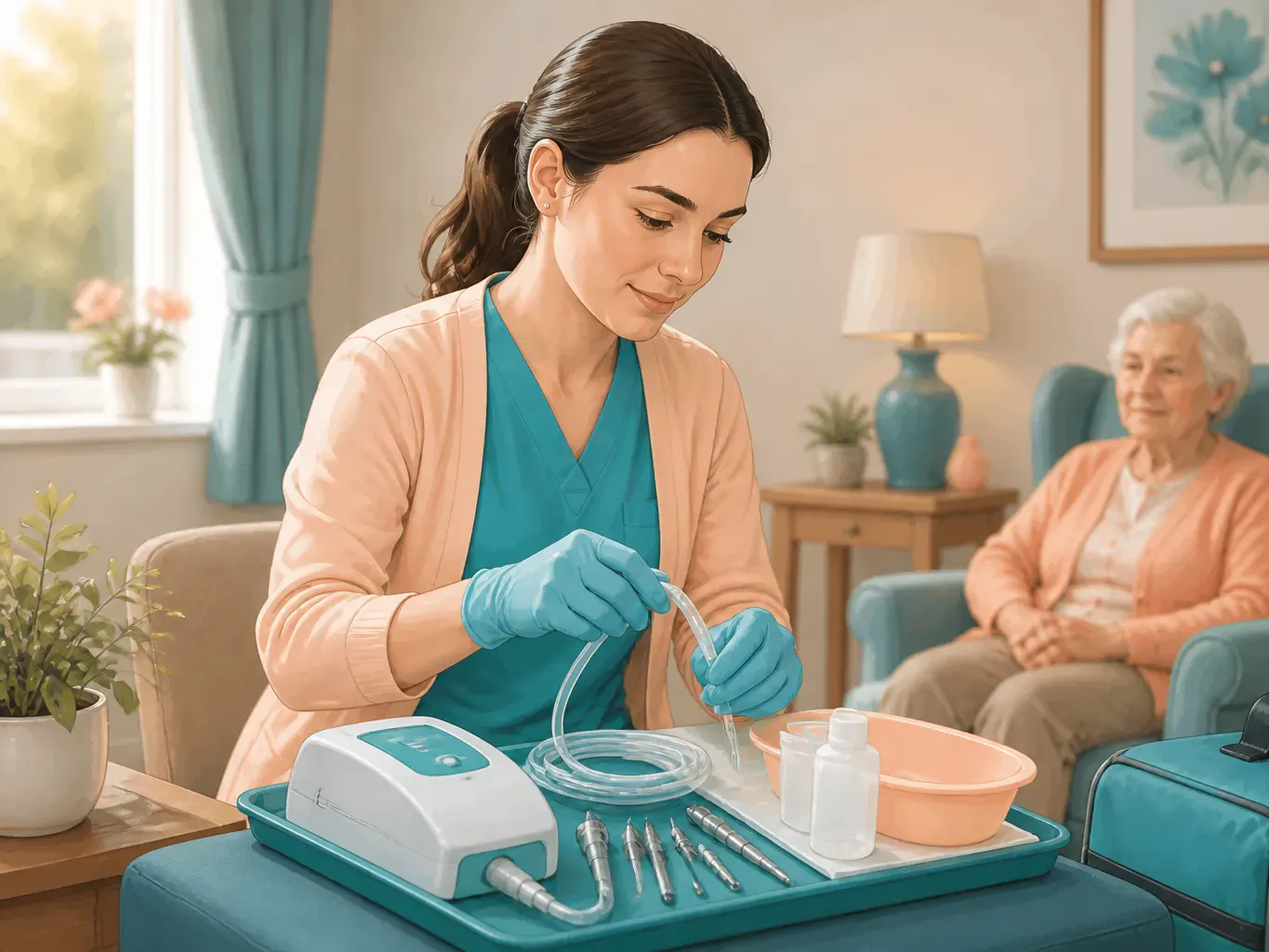
If microsuction is used, the clinician uses a small suction device to remove wax under direct view. Many patients find this method comfortable because the clinician can work precisely and stop if needed. You may hear a suction sound, and you may feel light pressure or a slight pulling sensation. These sensations are normal. The appointment should not feel rushed, and you should always be able to speak up if something feels too intense.
Other methods may sometimes be discussed depending on the situation, but the key point is that the chosen approach should fit the ear, not the other way round. A careful clinician will choose the method that offers the best balance of safety, visibility, and comfort.
After the wax is removed, the clinician will usually check the ear again to confirm the result. In many cases, hearing feels clearer straight away, although some people notice the full improvement over the rest of the day. If there is still a small amount of wax or if the ear canal is irritated, you may be given advice on what to do next or whether a follow up is sensible.
A typical appointment flow looks like this:
Stage | What happens | What you may notice |
|---|---|---|
Assessment | The clinician looks in the ear and reviews symptoms | Questions about hearing, discomfort, hearing aids, and ear history |
Consent and explanation | The treatment plan is explained clearly | Reassurance, chance to ask questions |
Removal | Wax is removed using the agreed method | Sound, slight pressure, or mild sensation |
Review | The ear is checked again | Immediate feedback on whether the wax has cleared |
Aftercare | Advice is given for the next few days | Simple guidance on cleaning, hearing, and follow up |
Is earwax removal safe and does it hurt?
Professional earwax removal is generally safe when it is carried out by a trained clinician using the right equipment and a proper examination first. That is one of the main reasons many patients prefer specialist care rather than trying to clear a blockage themselves at home.
Whether it hurts depends on the person, the amount of wax, the condition of the ear canal, and the method used. Most people do not describe it as painful, although they may notice pressure, sounds from the equipment, or mild discomfort if the wax is hard or very close to the eardrum. Severe pain is not expected and should be reported immediately if it occurs.
Home attempts are where risk tends to increase. Cotton buds, hairpins, and other objects can push wax deeper, scratch the ear canal, or worsen symptoms. Ear drops can help in some situations, but they are not suitable for everyone, especially if there is pain, infection, or a history of perforation. That is why it is usually better to ask for clinical advice before trying to manage a stubborn blockage on your own.
The main advantages and limitations of common approaches are shown below:
Approach | Pros | Cons | Safety note |
|---|---|---|---|
Professional microsuction | Precise, direct view, often well tolerated | Requires an appointment with a trained clinician | Generally preferred when suitability is confirmed |
Softening drops only | Simple, may help loosen wax | May not fully clear a blockage | Not suitable for everyone, especially with certain ear conditions |
Home tools or cotton buds | Convenient in the short term | Can worsen blockage or cause injury | Not recommended for earwax removal |
Syringing or irrigation, where appropriate | Can remove wax in some settings | May be less suitable for some ear conditions | Should only be done after proper assessment |
If you are worried because the ear feels sensitive, that is a good reason to book, not a reason to delay. The clinician can assess whether the ear is safe to treat and can suggest the gentlest suitable route.
For general background, you may find the NHS guidance on earwax build-up helpful, along with NICE guidance on managing earwax. The British Society of Audiology information on ear care is also useful for understanding why safe technique matters.
Who benefits most from booking earwax removal?
A wide range of people can benefit from booking earwax removal in Bristol, especially when hearing or comfort is being affected. The most common group is older adults, because wax can build up gradually and become difficult to shift on its own. Reduced dexterity, hearing aid use, and slower ear wax clearance can all make self care less effective.
Care home residents may also benefit, particularly if wax is affecting communication, hearing aid use, or day to day comfort. In those cases, coordinated care can reduce the stress of travel and make it easier to deliver treatment in a familiar environment if that is part of the service.
Busy families often choose earwax removal when they need a practical solution that fits around work, childcare, and school schedules. For them, convenience matters, but so does confidence that the appointment will be handled safely and efficiently.
People with hearing aids are another important group. Wax can block the ear canal, reduce sound quality, trigger feedback, or make the hearing aid feel uncomfortable. Removing wax can therefore improve both hearing and comfort, and it may help the device work more effectively.
Anxious patients often delay booking because they are worried about pain or about not knowing what will happen. A careful, gentle appointment can make a big difference. The key is to choose a clinic that explains the process clearly and invites questions at each stage.
Common signs that it is time to book include:
- muffled hearing
- a blocked or full feeling in one or both ears
- tinnitus that seems worse when the ear is blocked
- hearing aid feedback or poor fit
- discomfort, itching, or pressure
- difficulty hearing on the phone or in groups
If symptoms are affecting daily life, it usually makes sense to book sooner rather than later. That can prevent a small wax problem from turning into a bigger communication issue.
Aftercare and what happens next
After earwax removal, most people can return to normal activities quite quickly. If the ear has been treated gently and successfully, hearing may improve soon after the appointment. Some people notice clearer sound right away, while others feel that the ear settles over the next few hours.
Your clinician may give short aftercare advice, such as avoiding putting anything into the ear canal and being cautious with water exposure if the ear feels irritated. If softening drops were used before treatment, you may be told whether to continue or stop them. The exact advice depends on what was found during the appointment.

If the ear still feels blocked after treatment, that does not always mean something is wrong. Sometimes there is residual irritation, fluid, or a different underlying issue that needs review. If you are advised to return or seek further assessment, it is important to follow that guidance.
For longer term ear health, the main principle is simple: keep the ear clean on the outside, avoid probing the canal, and book professional help when blockage returns. Some people only need treatment occasionally, while others have a tendency to build wax more regularly. If that applies to you, it can be helpful to note the pattern and arrange care before symptoms become severe.
Good ear care also supports communication, balance, and confidence. When hearing is clearer, everyday tasks such as speaking with family, attending appointments, and using hearing aids tend to become easier.
Recommended reads
If you are still deciding whether to book, these resources may help you understand the process and choose the right appointment type:
- Microsuction earwax removal, for a clearer explanation of how the method works and who it suits.
- Same-day earwax removal, if you need faster relief or have a tight schedule.
- Clinic earwax removal in Bristol, if you want to understand what happens at a local appointment.
- Earwax removal services, for an overview of the available care pathway.
You may also find these external resources useful for general background and safe ear care advice:
- NHS guidance on earwax build-up
- NICE guidance on managing earwax
- Royal College of General Practitioners advice on earwax
- British Society of Audiology information on ear care
Final thoughts
If you need to book earwax removal in Bristol, the process is usually much simpler than people expect. Once you choose the most suitable appointment type and share a few basic details about your symptoms, a trained clinician can assess the ear and recommend the safest way forward.

Whether you are an older adult needing gentle support, a busy parent fitting care into a packed week, a hearing aid user wanting better sound, or someone who just wants quick relief from a blocked ear, the goal is the same: safe treatment, clear explanation, and a comfortable experience.
If your symptoms are bothering you now, it is a good time to arrange an assessment and move towards clearer hearing with confidence.