Preventing ear wax blockage is mostly about leaving the ear canal alone. Clean only the outside of the ear, avoid pushing anything into the canal, and use softening drops only when they are suitable for you. If blockage keeps happening, professional ear care can usually clear it safely and help you reduce repeat problems.
Quick summary
Ear wax blockage is often preventable with a few simple habits. The key is to avoid anything that pushes wax deeper, irritates the canal, or blocks the ear from clearing itself naturally.
For most people, that means cleaning just the outer ear, being cautious with cotton buds, and getting help early if you notice muffled hearing or fullness. If wax keeps building up, a professional ear assessment and treatment can make a real difference.
What ear wax does, and why blockage happens
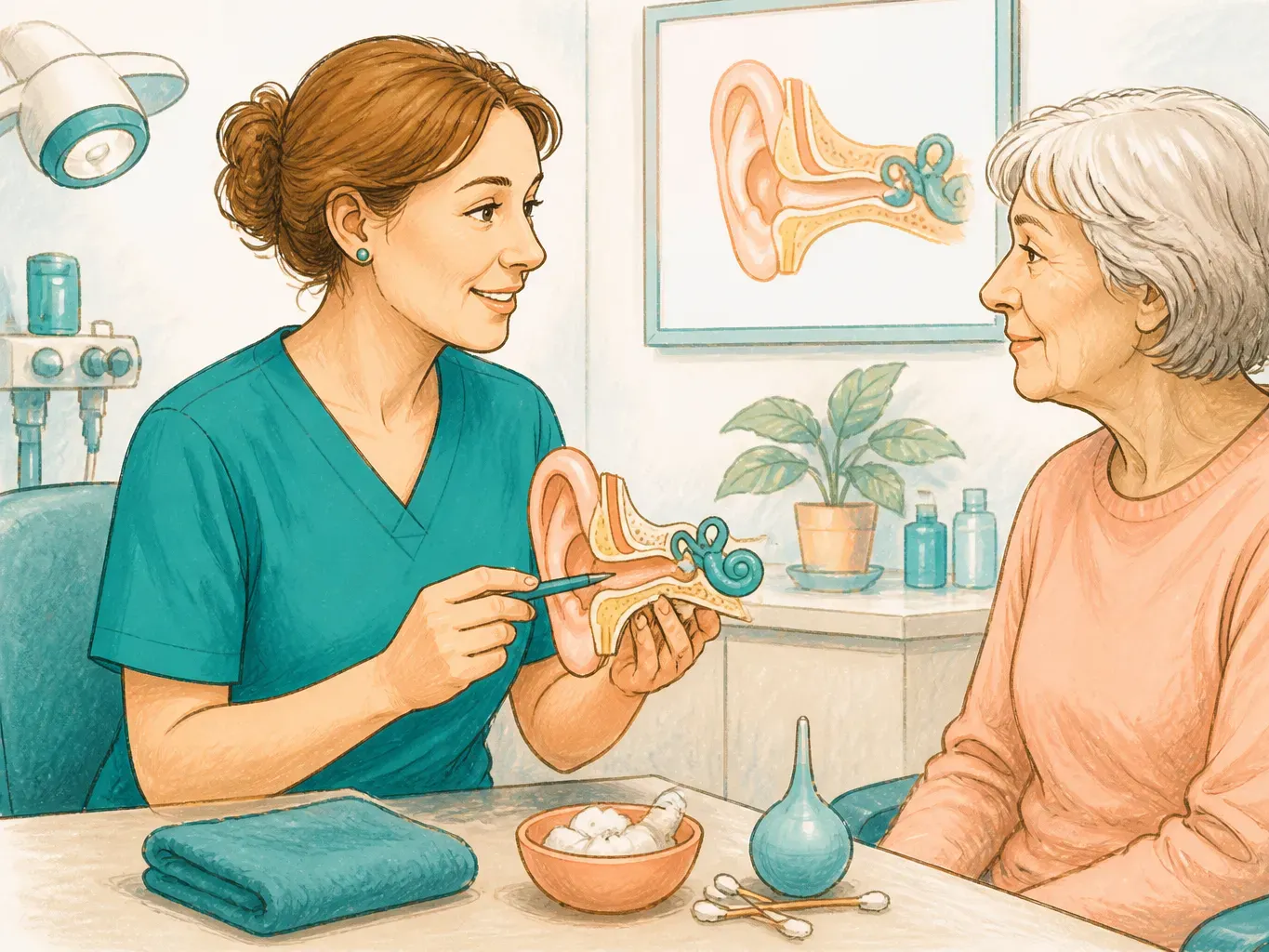
Ear wax, also called cerumen, is a normal and useful part of ear health. It helps protect the ear canal by trapping dust, skin flakes, and other debris before they travel deeper towards the eardrum. It also has natural lubricating and protective qualities, which is one reason the ear usually manages itself well without much interference.
Blockage happens when wax builds up faster than the ear can move it out. For many people, this is not caused by poor hygiene. In fact, over-cleaning is one of the most common reasons wax becomes impacted.

Several factors can make blockage more likely:
- Narrow or curved ear canals, which can make it harder for wax to move out naturally.
- Age-related changes, as ear wax may become drier and harder in older adults.
- Hearing aids, earplugs, and in-ear devices, which can block the natural movement of wax.
- Repeated use of cotton buds or other objects, which often pushes wax further in.
- Skin conditions, excess ear hair, or a history of recurrent wax build-up.
When wax becomes compacted, it can cause muffled hearing, a feeling of fullness, itching, ringing in the ears, or mild discomfort. Some people also notice that one ear seems to go blocked after a shower, a cold, or the use of earbuds. If that sounds familiar, prevention is less about scrubbing and more about protecting the ear canal from avoidable irritation.
For readers who want to understand the treatment side as well, our guide on How microsuction works explains why professional removal is often the safest option when wax has already built up.
The safest daily habits to help prevent wax build-up
The most reliable daily habit is also the simplest: leave the inside of the ear alone. The ear canal is designed to clear itself gradually, so routine deep cleaning is usually unnecessary and can actually cause more problems.
Here are the habits that help most.
Clean only the outer ear
Use a soft cloth or tissue to wipe the outer ear and the area just behind it. That is usually enough for everyday hygiene. If you see wax at the entrance of the ear, resist the temptation to dig it out. Wax near the opening will often come out on its own over time.
Do not insert objects into the canal
Cotton buds, bobby pins, paper clips, hairpins, ear picks, and ear candles should not be used inside the ear. They can scratch the skin, push wax deeper, or cause a blockage that becomes harder to remove later. Ear candles are especially unhelpful because they do not safely remove wax and may cause burns or wax residue.
Keep ears dry, but not over-treated
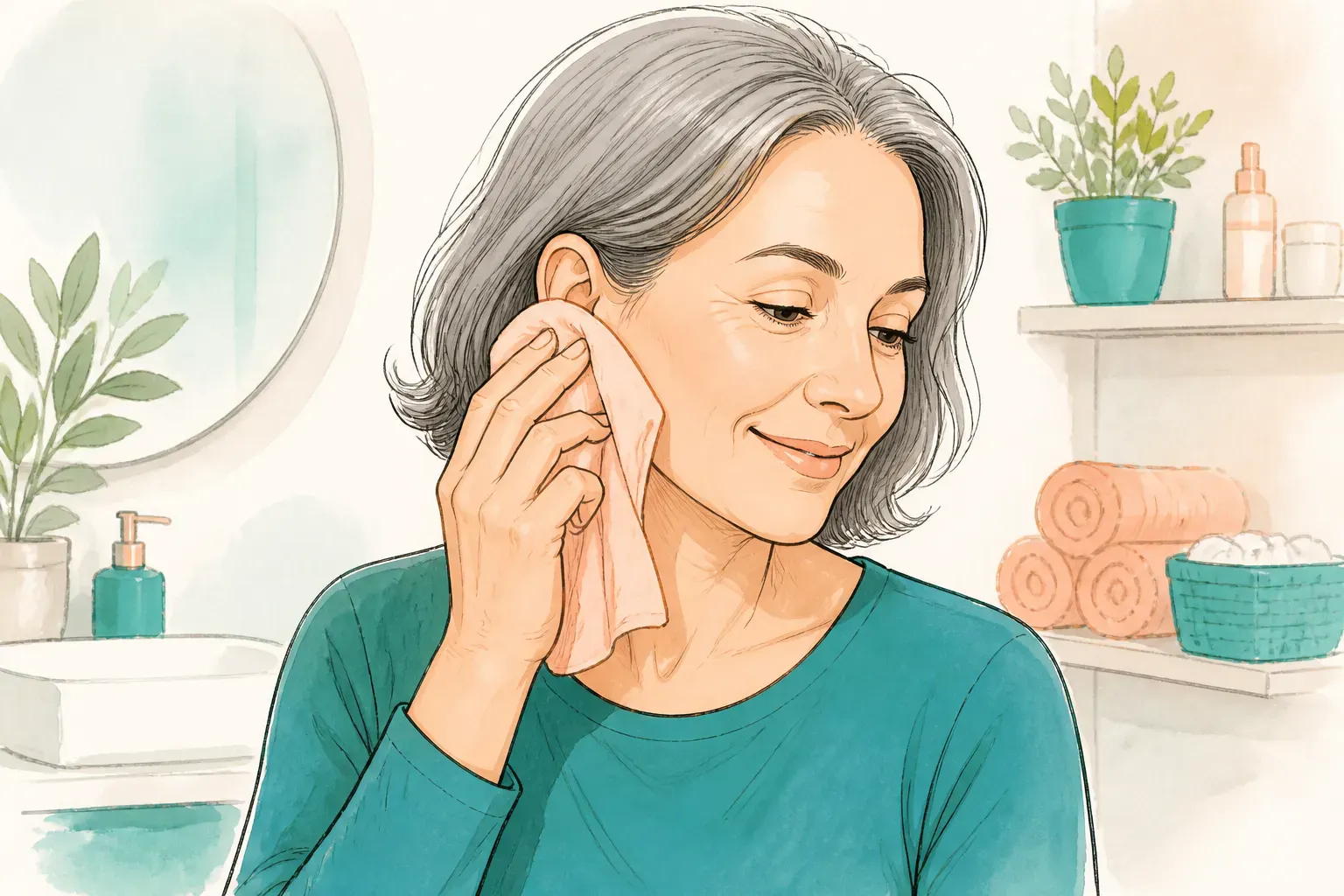
After bathing or swimming, gently dry the outer ear with a towel. Tilt the head to help water drain naturally. There is no need to probe the ear if it feels a bit damp. If moisture often seems to trigger discomfort, that is a good reason to ask a professional to check whether wax or another issue is present.
Be gentle with earbuds and hearing devices
Frequent use of earbuds, in-ear headphones, or hearing aids can press wax back into the canal. If you wear these regularly, clean the parts that come into contact with the ear according to the manufacturer’s instructions, and make sure they fit comfortably. Anything that causes irritation can contribute to inflammation and make wax build-up more likely.
Support older adults and carers with simple routines
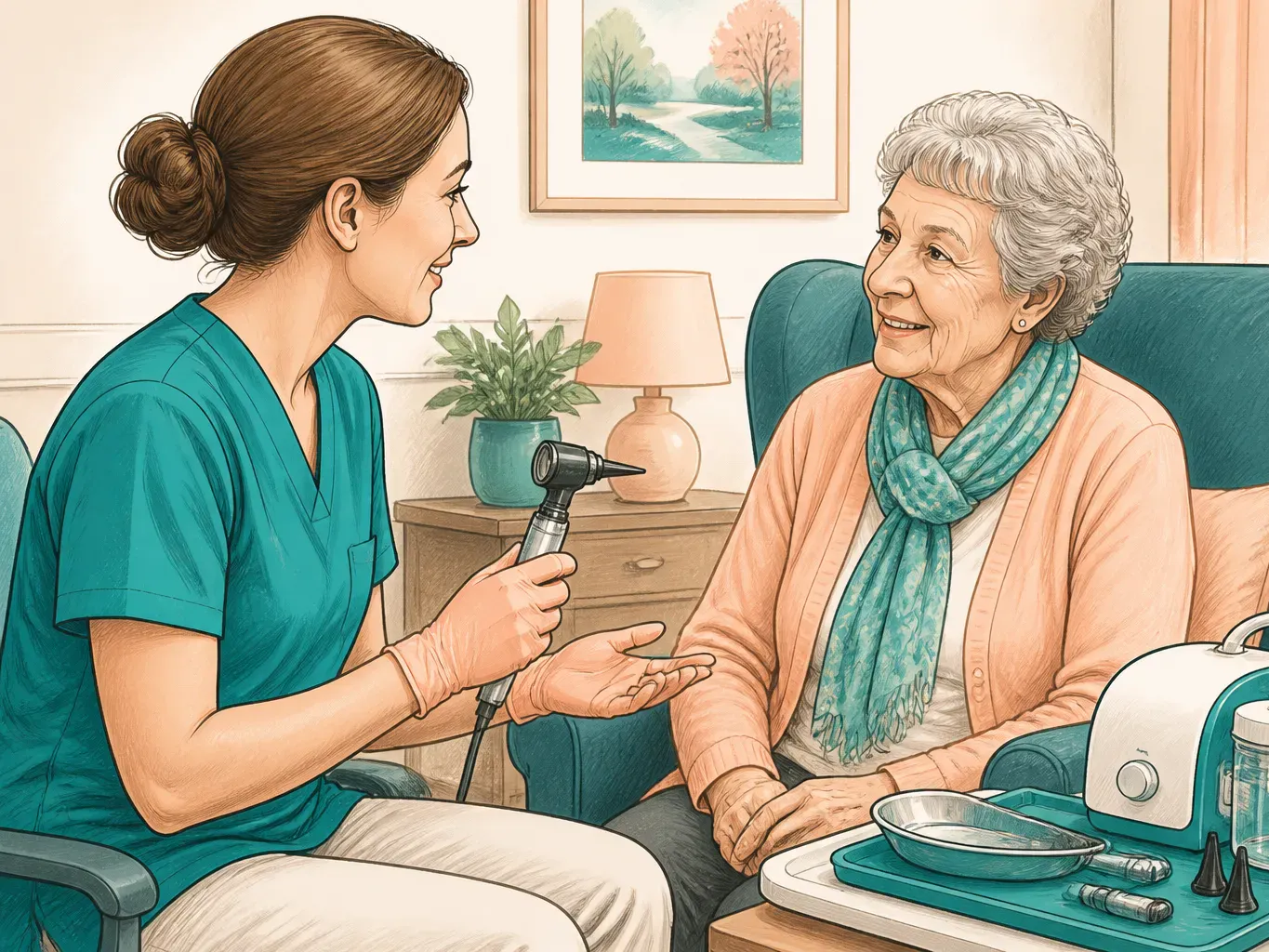
For older adults, especially those receiving help with personal care, simple habits can prevent problems before they become painful or disruptive. A carer can gently clean the outer ear, watch for signs of blocked hearing, and avoid any temptation to use tools in the canal. If someone is hard of hearing, asking them whether they have noticed a change in sound can be an early clue that wax is building up.
If you are unsure whether a symptom is due to wax or something else, an Ear health assessment can provide clarity and a plan for next steps.
When softening drops may help
Softening drops can sometimes help prevent wax from becoming hard and compacted. They are most useful when a person is prone to dry wax or feels that wax is starting to collect, but there is no pain, discharge, or known eardrum problem.
The two common approaches are olive oil and pharmacy ear drops. Olive oil can help soften wax gradually. Pharmacy products may contain ingredients designed to loosen wax more directly. The best choice depends on your ears, your symptoms, and any advice you have been given by a clinician or pharmacist.
A simple comparison can help:
Softening approach | Purpose | When it may help | Main cautions |
|---|---|---|---|
Olive oil drops | Softens dry wax gradually | Mild build-up, dry wax, routine prevention in suitable ears | Avoid if you have ear pain, discharge, or a perforated eardrum unless a clinician advises otherwise |
Pharmacy ear drops | Help loosen or break up wax | Wax feels thick or sticky and you have no signs of infection | Always follow the product instructions and check suitability first |
No drops, just observation | Lets the ear clear itself naturally | If you do not have symptoms and wax is not causing problems | Do not insert anything into the ear to check on the wax |
If you try softening drops, follow the product instructions carefully or ask a clinician or pharmacist how to use them. More is not better. Using too much, using them for too long, or using them when they are not suitable can cause irritation or delay proper care.
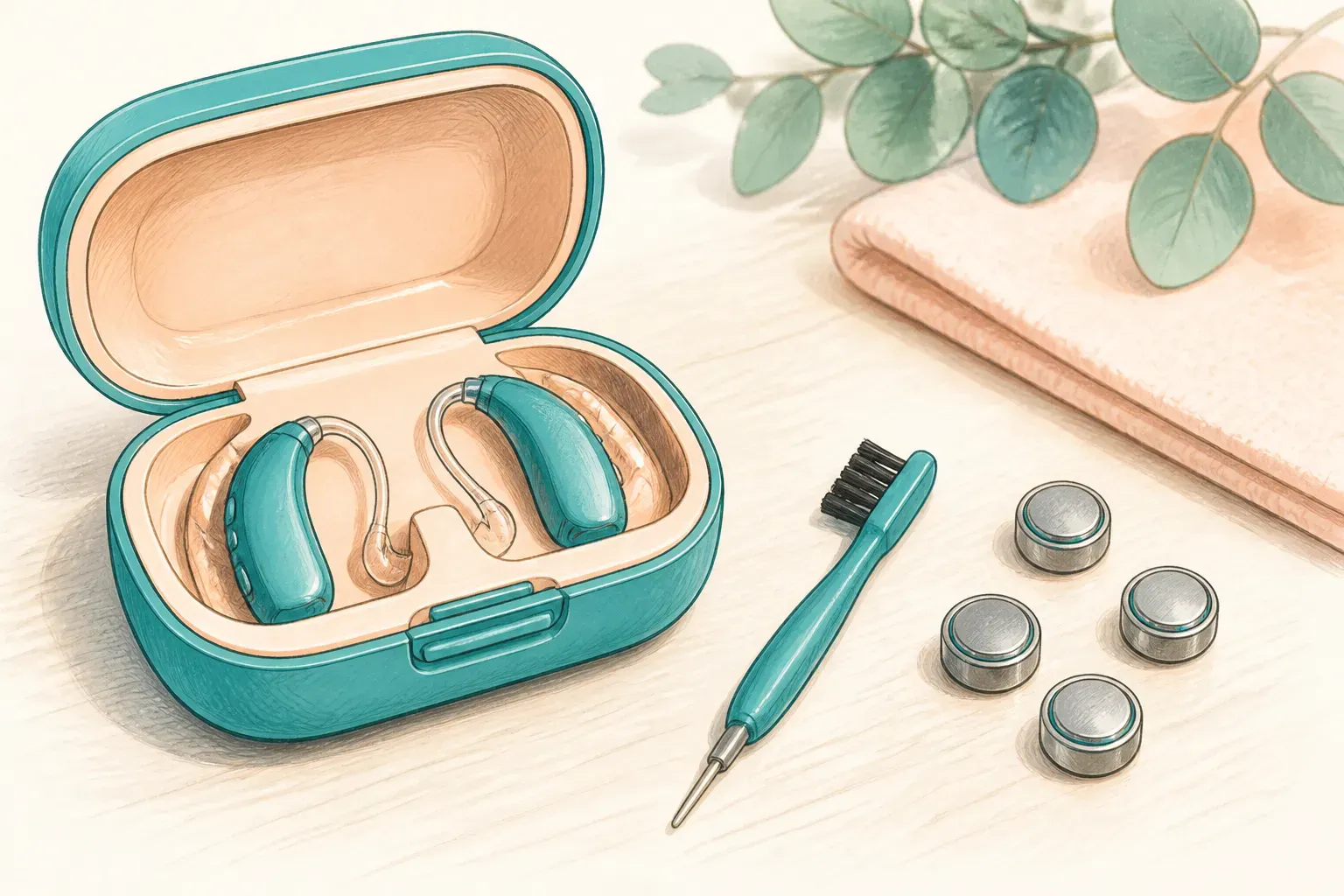
Avoid drops if you have a perforated eardrum, recent ear surgery, ongoing ear pain, discharge, or symptoms that suggest infection. If you are not certain, it is safer to ask before starting.
The NHS guidance on earwax build-up gives helpful, practical advice on when softening may be appropriate and when self-care is not enough.
Habits that increase the risk of blockage
Many people block their ears without realising it. Often, the problem is not that they fail to clean their ears, but that they clean them too aggressively.
Common habits that increase blockage include:
- Frequent use of cotton buds inside the canal.
- Repeated attempts to dig out visible wax.
- Cleaning every day in a way that irritates the skin.
- Using sharp or improvised tools to remove wax.
- Wearing earbuds or hearing devices for long periods without checking the ears.
- Ignoring early symptoms and continuing to push wax around.
These habits can lead to a cycle: the ear becomes irritated, the wax becomes drier or more compacted, and the person feels the need to clean more. That often makes the blockage worse.
Here is a practical comparison of risky habits and safer alternatives:
Risky habit | Why it can cause problems | Safer alternative |
|---|---|---|
Using cotton buds in the ear canal | Pushes wax deeper and may injure the skin | Wipe only the outer ear with a soft cloth |
Scraping with hairpins or tools | Can scratch the canal and compact wax | Leave wax in place and seek professional help if needed |
Over-cleaning every day | Irritates the ear and disrupts natural clearing | Clean the outside of the ear only when needed |
Ignoring blocked hearing | Wax can build up further and become harder to remove | Arrange an assessment when symptoms begin |
Using earbuds constantly without breaks | Can trap wax and affect airflow | Keep use moderate and clean devices properly |
If you have tried to manage wax at home but the same ear keeps blocking, that is a useful sign that your routine may be part of the problem. A clinician can look at your ears, confirm whether wax is involved, and suggest a better plan.
For readers who want to understand the treatment choices more clearly, our page on Microsuction ear wax removal explains a commonly used professional method.
How to prevent blockage if you wear hearing aids or use ear protection
People who wear hearing aids, ear defenders, earplugs, or in-ear devices are more likely to experience wax build-up. These devices can reduce the natural movement of wax out of the ear canal, and in some cases they can gently push wax inward.
If you wear hearing aids, make wax checks part of your routine. Clean the device as recommended by the audiology team or manufacturer, and keep an eye out for reduced sound quality, feedback, or a blocked feeling. These can all be signs that wax is affecting the ear or the device.
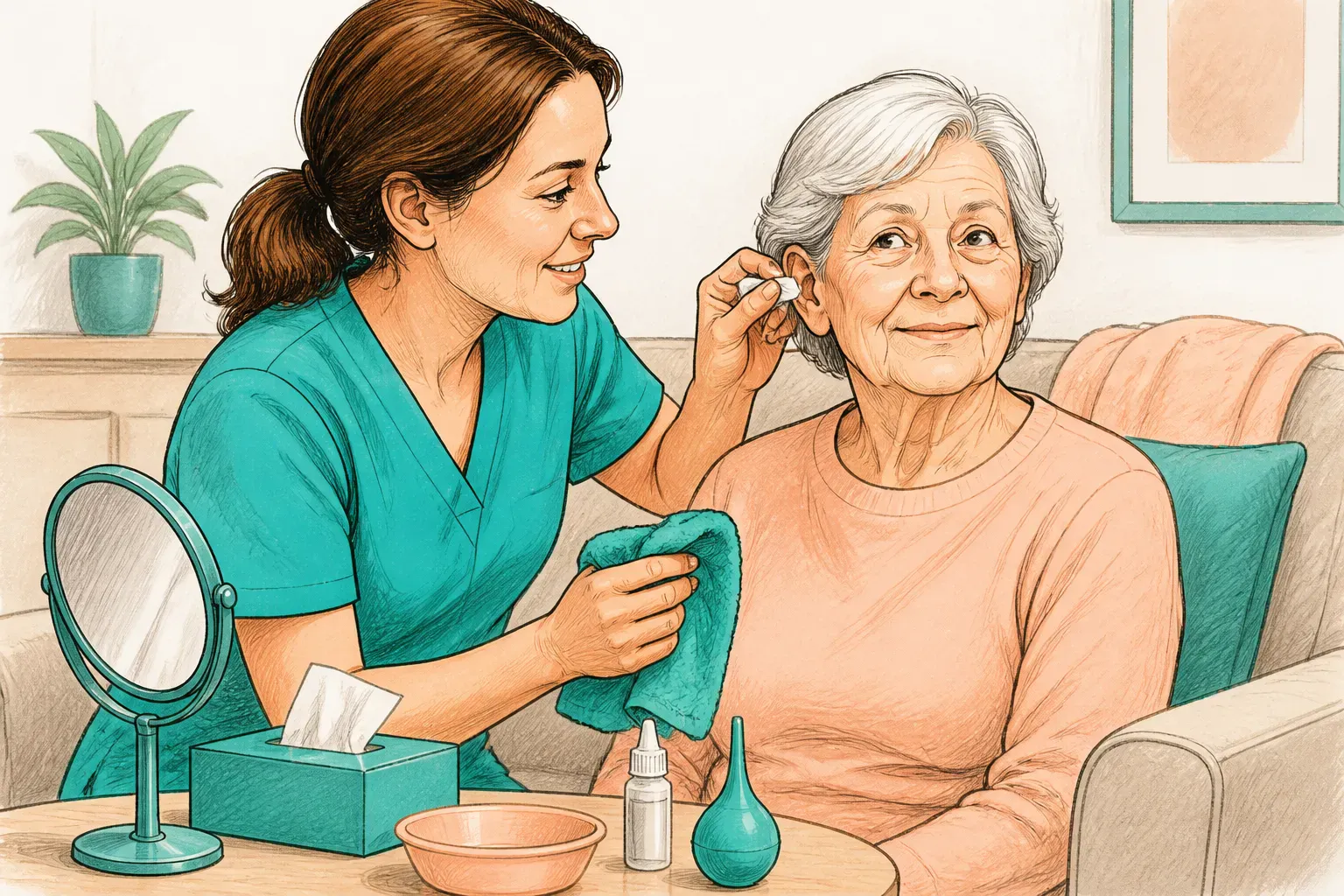
Routine ear care is especially important before hearing aid fitting, servicing, or review appointments. If wax is present, it can affect how well the device performs and may make it harder to assess hearing accurately.
The same advice applies to people who regularly use:
- Ear defenders at work.
- Earplugs for sleep or noise reduction.
- Swimmers’ ear protection.
- Earbuds or in-ear headphones for long periods.
A good prevention routine is simple: keep devices clean, do not force them into the ear, and have the ears checked if sound quality changes or you feel pressure. For people who rely on hearing support, it is often better to deal with wax early rather than wait for a major blockage.
Signs that prevention is no longer enough
Self-care has its limits. If you start to notice symptoms that do not improve, it is time to stop trying to manage the problem alone.
Look out for these warning signs:
- Sudden or marked hearing loss.
- A blocked or full feeling that does not clear.
- Ear pain.
- Discharge or fluid from the ear.
- Dizziness or balance problems.
- Ringing in the ear that is getting worse.
- Repeated wax problems in the same ear.
- Itching or irritation that becomes persistent.
Although wax is a common cause, these symptoms can also point to another ear condition. That is why it is not sensible to keep poking, flushing, or dropping random remedies into the ear if the problem continues.
Older adults, care home residents, and anyone with reduced mobility may benefit from earlier professional support, especially if blocked hearing is affecting communication, confidence, or day-to-day safety. If the person is anxious, gentle assessment can be reassuring because it confirms what is causing the symptoms and avoids unnecessary guesswork.
The NICE clinical knowledge summary on earwax and the British Society of Audiology guidance on earwax management both emphasise the importance of appropriate assessment and safe removal when self-care is not enough.
Professional options for safe ear wax removal
When prevention has not worked, professional ear wax removal is the safest next step for many people. At Pro Ear Clinic, care is centred on comfort, precision, and evidence-based practice.
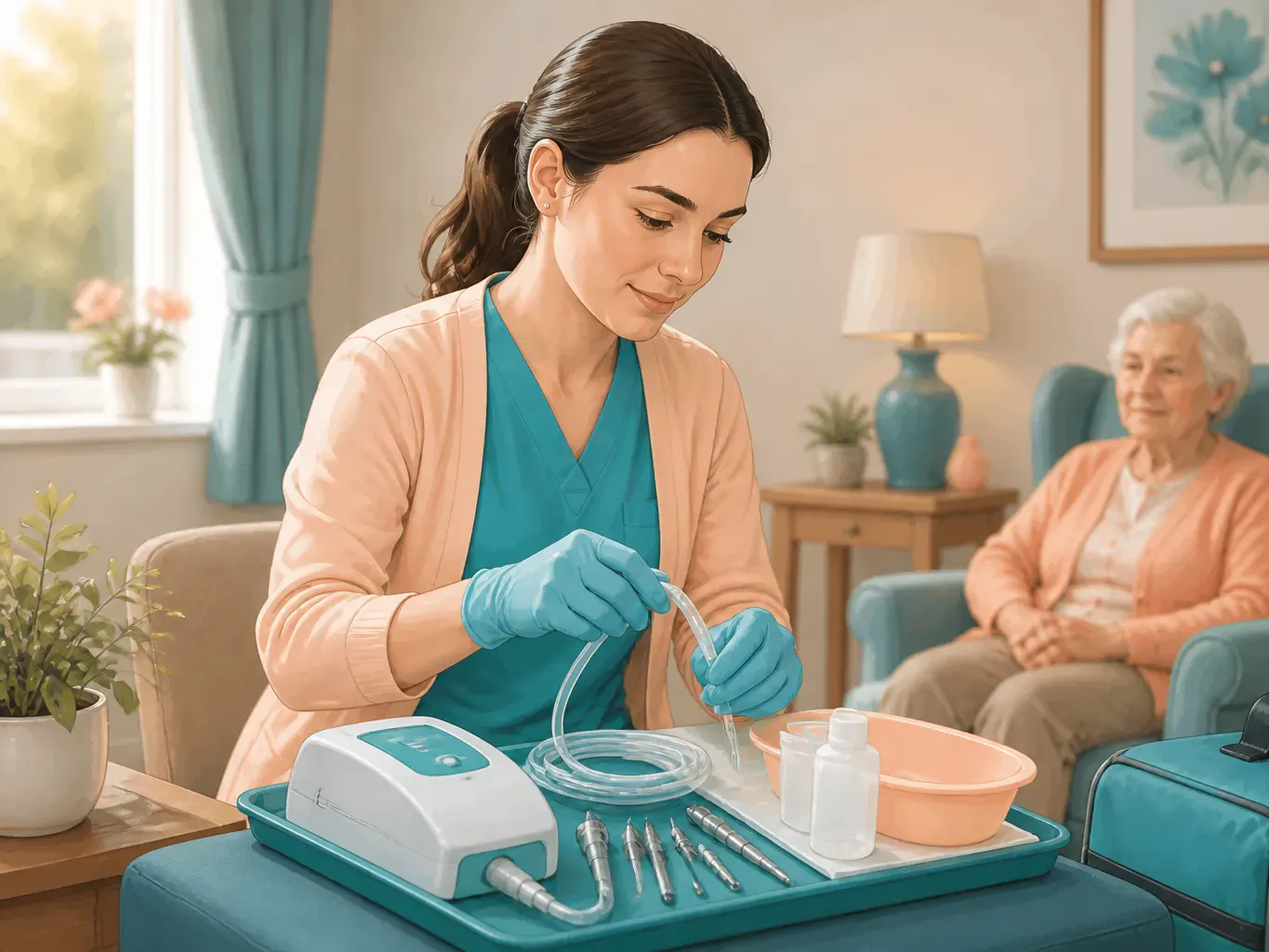
Microsuction is one of the most commonly used specialist methods. It involves using a fine suction device to remove wax under direct view, which allows the clinician to work carefully and precisely. Many patients find it reassuring because the process is controlled and does not rely on forcing liquid into the ear.
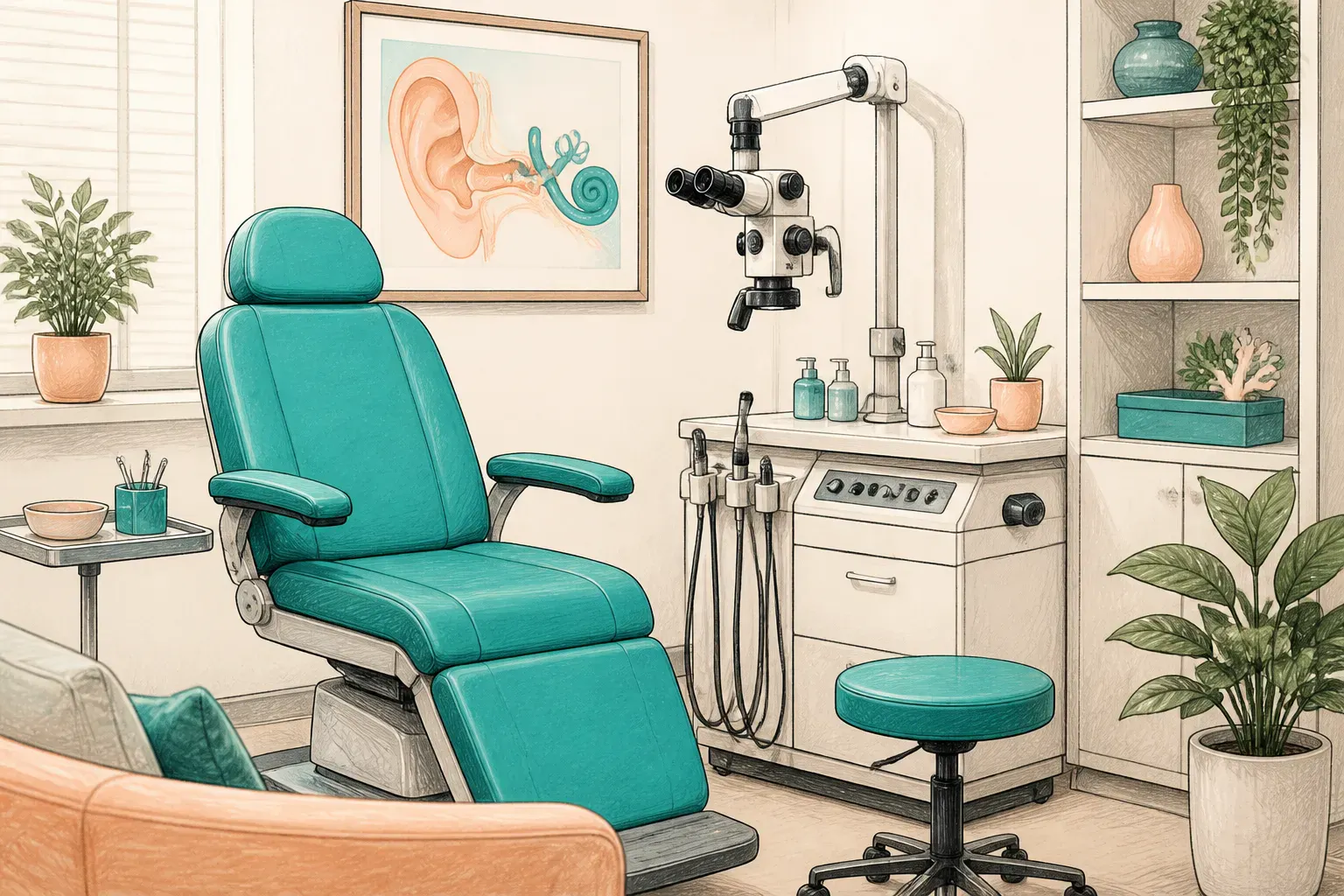
Professional care can also be helpful for people who need treatment in a more convenient setting. Some patients prefer a clinic appointment, while others may need support at home because of mobility, anxiety, or access needs.
Here is a simple comparison of common approaches:
Method | Suitability | Comfort and control | Common considerations |
|---|---|---|---|
Microsuction | Often suitable for impacted wax and many routine cases | Precise, direct, and usually well tolerated | May not be suitable in every situation, so assessment matters |
Irrigation | Sometimes used where appropriate and the ear is suitable | Can be effective, but suitability must be checked carefully | Not appropriate for everyone, especially with certain ear histories |
Home based support | Helpful for people with mobility or access needs | Convenient and reassuring for some patients | Requires proper assessment to confirm suitability and safety |
The best option depends on your symptoms, ear history, and overall health. A professional will consider whether wax is the issue, whether the ear canal looks healthy, and whether any precautions are needed before treatment.
If you want to understand how the procedure feels and why it is often recommended, our article on How microsuction works is a useful next read.
How ProEarClinic helps patients prevent repeat blockage
Preventing ear wax blockage is not only about removing wax once. It is also about understanding why it happened and what can help reduce the chance of it returning.
At ProEarClinic, that usually starts with a careful ear health assessment. Once the immediate blockage is dealt with, patients can receive practical advice that fits their routine, hearing needs, and risk factors. That may include guidance on safe cleaning, when to consider softening drops, and how often to check the ears if they wear hearing aids or ear protection.
This approach is especially helpful for:
- First-time patients who are nervous about treatment.
- Older adults who want safe, gentle care.
- Care home residents who need on-site or more accessible support.
- Busy families who want convenient ear treatment.
- Patients seeking quick relief from blocked hearing.
Educational support matters too. Understanding the difference between normal wax and problem wax helps people avoid over-cleaning and feel more confident about when to seek help. If you are comparing options or trying to plan the most appropriate route, the Home visit earwax removal page explains an option for people who need care in a more convenient setting.
By combining treatment with advice, the goal is not just to clear the ears today, but to support better ear health over the long term.
Author perspective and practical takeaways
From a clinician’s perspective, the most effective way to prevent ear wax blockage is also the least dramatic: do less, not more. The ear canal usually does a respectable job on its own, and the biggest problems often come from trying to tidy it too aggressively.
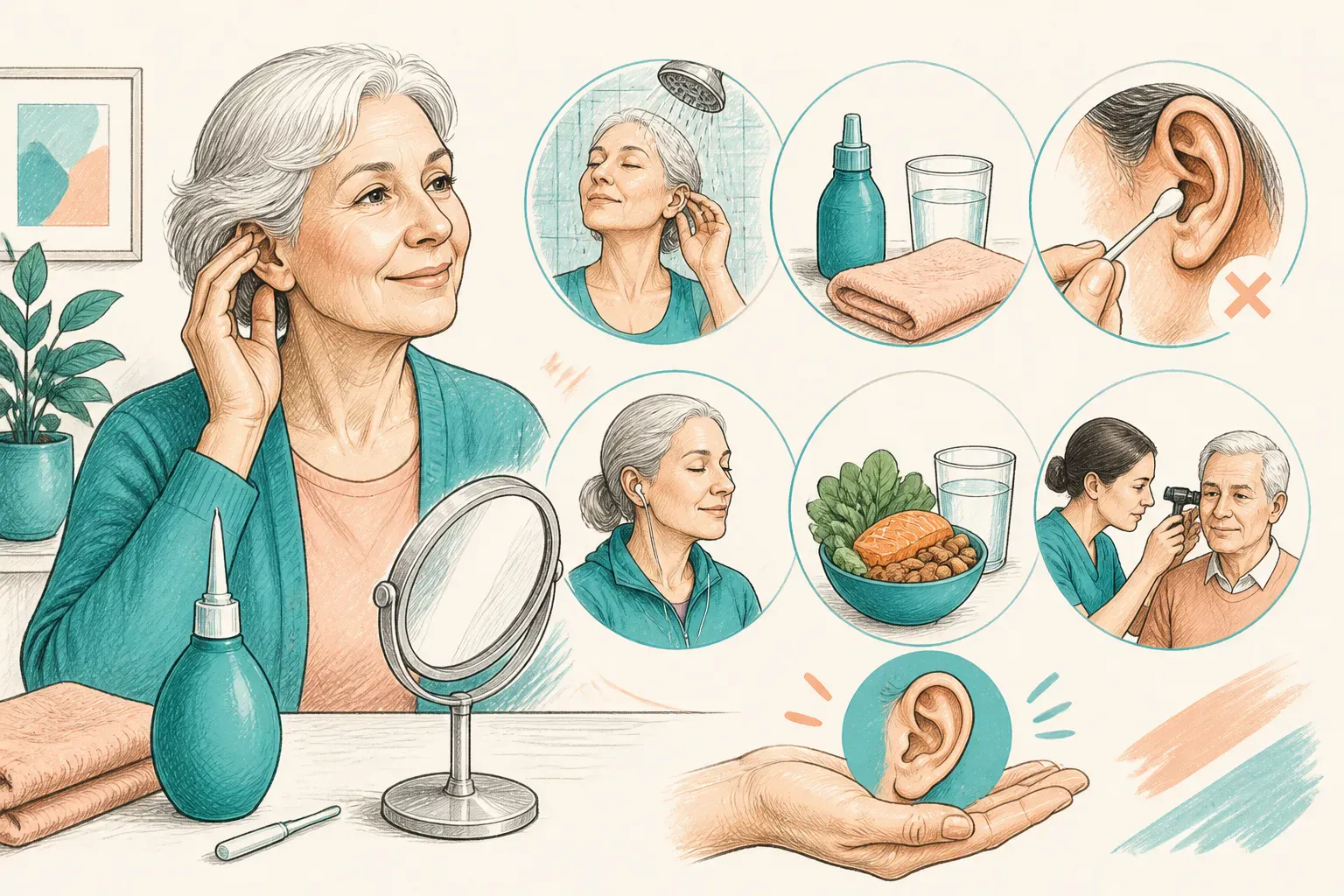
If you want a simple routine to follow, start here:
- Clean only the outer ear.
- Avoid cotton buds and other objects inside the canal.
- Use softening drops only when they are suitable.
- Keep an eye on changes in hearing, fullness, or ringing.
- Seek professional help early if symptoms do not settle.
That approach is safe, practical, and often enough for many people. If blockage keeps returning, that does not mean you have done anything wrong. It usually means your ears need a better plan, and that is where professional assessment and treatment can help.
FAQ
How often should ears be cleaned to prevent wax blockage?
Most people do not need to clean inside the ear at all. Wiping the outer ear with a soft cloth during normal washing is usually enough. If you are prone to wax build-up, a clinician may suggest a gentle routine, but routine deep cleaning is not recommended.
Can olive oil help prevent ear wax blockage?
It can help soften dry wax in some people, especially when the ear is otherwise healthy. It is not suitable for everyone, though, particularly if you have pain, discharge, a perforated eardrum, or recent ear surgery. If you are unsure, ask a pharmacist or clinician before using it.
Are cotton buds safe for removing ear wax?
No. Cotton buds are one of the most common causes of wax being pushed deeper into the ear. They can also irritate or injure the ear canal. It is safer to leave wax removal to the ear’s natural clearing process or to a professional when needed.
Why do I keep getting blocked ears even when I clean them?
Frequent cleaning can actually make blockage more likely by pushing wax deeper or irritating the canal. Blocked ears can also happen because of hearing aids, earplugs, ear canal shape, or dry wax. If it keeps happening, a professional ear assessment is a sensible next step.
When should I see a professional for ear wax removal?
You should seek professional help if hearing becomes reduced, the ear feels blocked for more than a short time, you have pain or discharge, or home care has not helped. You should also get checked if symptoms are recurring or you are unsure whether wax is the cause.
Can hearing aids make ear wax blockage more likely?
Yes. Hearing aids can trap wax and reduce the ear’s natural ability to move it out. Regular checks, good device cleaning, and prompt review when sound quality changes can help prevent bigger problems.
Recommended reads
Further reading
For readers who want trusted public health information, these resources are useful:
- NHS guidance on earwax build-up
- NICE clinical knowledge summary on earwax
- British Society of Audiology guidance on earwax management
- NHS inform advice on earwax
If your ears keep blocking despite sensible care, it is worth getting them checked. Safe removal and a personalised prevention plan can help you hear more clearly and avoid repeated discomfort.