Olive oil and earwax: a safe home softening guide
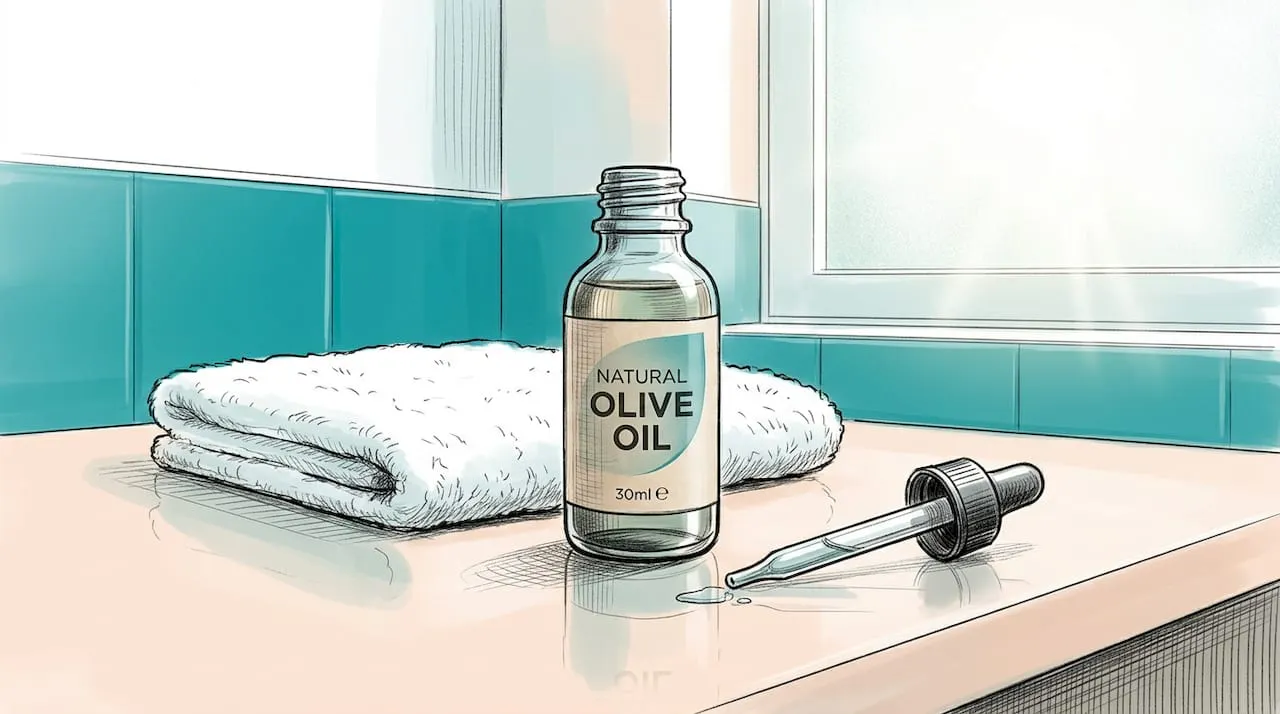
Olive oil is a clinically endorsed earwax softener, recommended by the NHS as a safe first step for managing cerumen buildup at home. Cerumen is the medical term for earwax, a natural substance produced by glands in the ear canal to protect and lubricate the skin. When cerumen accumulates and hardens, it can cause muffled hearing, a sensation of fullness, or mild discomfort. Using olive oil and earwax softening together is one of the most straightforward, low-risk approaches available, and this guide covers exactly how to do it correctly, what to realistically expect, and when to stop and seek professional help.
How does olive oil soften earwax?
Cerumen is composed of shed skin cells, fatty acids, and secretions from sebaceous and ceruminous glands. In most people, the ear canal is self-cleaning, with wax migrating naturally toward the outer ear. When this migration slows, or when wax is pushed inward by cotton buds or hearing aid use, it can compact and harden into a blockage.
Olive oil works by penetrating the cerumen mass and softening its structure. The oil’s fatty acid content loosens the bonds between the hardened wax layers, making the plug more pliable. Crucially, olive oil softens earwax rather than dissolving it instantly. This distinction matters because many people expect the wax to simply disappear after one application. It does not. What the oil does is prepare the wax for natural expulsion or, more reliably, for removal by a clinician.
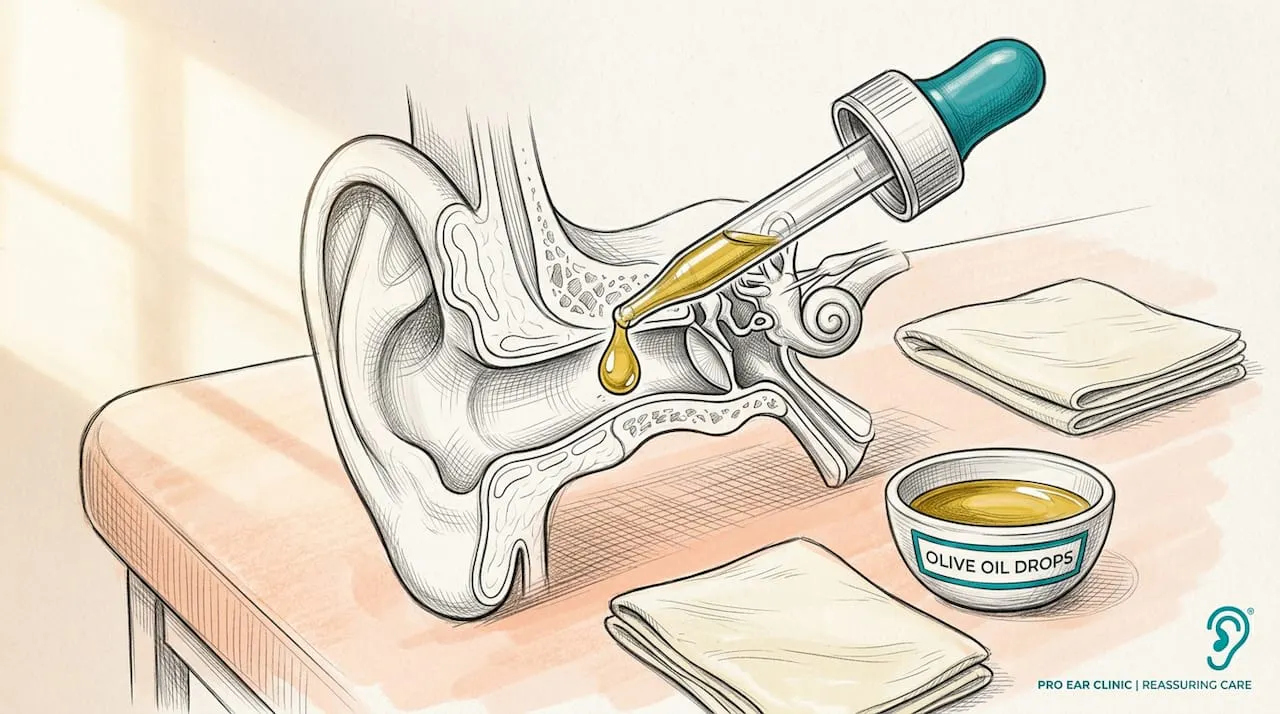
The softening process also assists the ear’s own migration mechanism. Once the wax becomes less rigid, the natural jaw movements from talking and chewing can help shift it toward the outer canal. This is why consistent, daily application over several days produces better results than a single treatment.
Pro Tip:Do not use cotton buds after applying olive oil. They push softened wax deeper into the canal and can undo the progress made by the oil.
One important limitation: olive oil has no meaningful antimicrobial effect strong enough to treat ear infections. If your symptoms include pain, discharge, or fever, olive oil is not the right tool and may delay necessary medical care.
How to use olive oil drops for earwax: step by step
Getting the application right makes a significant difference to how well the treatment works. The following method aligns with NHS guidance and current clinical best practice.
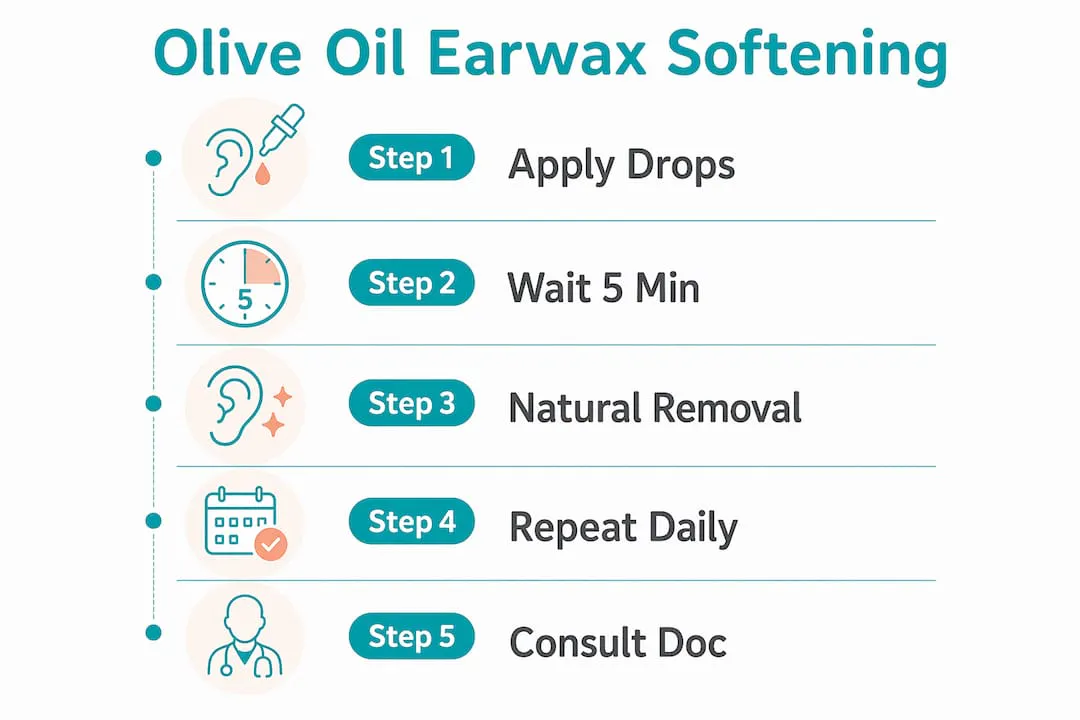
- Warm the oil first. Place a small bottle of olive oil in a cup of warm water for a few minutes. Warming olive oil to body temperature before use improves comfort and reduces the risk of dizziness caused by cold liquid entering the ear canal.
- Lie on your side. Position yourself so the affected ear faces upward. This allows gravity to draw the oil down into the canal and into contact with the wax.
- Apply 2 to 3 drops. The NHS-recommended dosage is 2 to 3 drops per affected ear, applied once daily. Use a clean dropper or a purpose-made olive oil ear spray.
- Stay still for 5 to 10 minutes. Allow the oil to sit in the canal and penetrate the wax. Gently plug the outer ear with a small piece of cotton wool to prevent the oil from running out immediately.
- Drain and wipe. Sit up slowly and allow the oil to drain onto a tissue. Wipe the outer ear gently. Do not insert anything into the canal.
- Repeat for up to five to seven days. Consistent daily application is more effective than sporadic use. If the blockage has not improved after this period, the wax is likely impacted and requires professional removal.
Pro Tip:Use a pipette or a dedicated olive oil ear drop bottle rather than pouring from a kitchen bottle. Precise dosing prevents overfilling the canal, which can cause unnecessary mess and discomfort.
Prolonged moisture in the ear canal can macerate the delicate skin lining, causing irritation and increasing infection risk. Never leave oil in the ear overnight or apply it more frequently than once daily unless a clinician has advised otherwise.
There are clear contraindications to home use. Olive oil must not be used if you have a perforated eardrum, a current ear infection, or ear tubes (grommets) in place. If you are unsure whether your eardrum is intact, a clinician must confirm this before you begin any home treatment. Proearclinic offers pre-treatment wax assessments for exactly this reason.
Olive oil drops vs sprays and other home remedies
Not all olive oil application methods are equal, and the comparison between drops and sprays is more clinically relevant than most people realise.MethodCoverageEase of useClinical supportOlive oil dropsModerate, gravity-dependentSimple, low costNHS-endorsed; widely usedOlive oil sprayBroader, more consistentSlightly easier to applySpray may improve coverage and contact with waxEar candlingUnprovenAppears simpleNo clinical evidence; injury riskOTC mechanical devicesVariableModerateNot superior to olive oil pretreatmentHydrogen peroxide dropsModerateSimpleSome evidence; harsher on skin
A recent clinical trial protocol published in PMC found that olive oil spray may provide better penetration and coverage than drops, particularly for wax lodged deeper in the canal. This is because a fine mist can coat the canal walls more evenly than a drop that pools at the base. The practical implication is that if drops have not produced results after a few days, switching to a purpose-made olive oil spray is a reasonable next step before seeking clinical help.
Ear candling, by contrast, carries genuine risks including burns, blockage from candle wax, and eardrum perforation, with no peer-reviewed evidence of benefit. Many over-the-counter mechanical cerumen removal devices also fail to demonstrate meaningful wax reduction. Olive oil remains the preferred starting point precisely because it is gentle, inexpensive, and backed by NHS guidance, rather than marketing claims.
When should you stop using olive oil and seek professional help?
Home treatment with olive oil has clear limits. Recognising when to stop is as important as knowing how to start.
Stop using olive oil and contact a clinician if you experience any of the following:
- Ear pain or increasing discomfort. Pain during or after application suggests possible infection or a reaction that warrants assessment.
- Discharge from the ear. Any fluid other than the oil you applied indicates a potential infection or perforated eardrum.
- Fever or general illness. Systemic symptoms alongside ear problems require medical attention, not home treatment.
- No improvement after five to seven days. Persistent blockage beyond this period typically indicates impacted cerumen that olive oil alone cannot resolve.
- Sudden or significant hearing loss. A sharp drop in hearing is not a normal response to earwax softening and should be assessed promptly.
- History of ear surgery, grommets, or a known perforated eardrum. Confirming an intact eardrum before any home treatment is a non-negotiable safety step.
When professional removal is needed, microsuction is preferred over syringing due to its precision and lower risk of complications. Olive oil pretreatment actively improves microsuction outcomes by making the wax easier to extract. Research from an NHS audiology service found that around 25% of patients required a repeat microsuction visit despite olive oil pretreatment, which underlines that the oil is a preparation tool, not a guaranteed solution. Proearclinic’s microsuction service in Bristol is designed to work in conjunction with home softening, not as a last resort.
Key takeaways
Olive oil softens cerumen effectively over several days of consistent use, but it does not dissolve wax or treat infection, and professional removal remains necessary for impacted cases.PointDetailsMechanism of actionOlive oil softens cerumen’s structure, aiding natural migration and clinical removal.Correct dosageApply 2 to 3 drops of warmed olive oil once daily for up to five to seven days.Spray vs dropsOlive oil spray may provide better canal coverage than drops for deeper wax.Key contraindicationsDo not use if you have a perforated eardrum, active infection, or ear tubes in place.When to seek helpPersistent blockage after seven days or any pain, discharge, or fever requires clinical assessment.
What I’ve learned from seeing olive oil used well and badly
At Proearclinic, we see the full spectrum. Some patients arrive having used olive oil correctly for five days, and the wax practically falls out during microsuction. Others arrive having poured olive oil into their ears twice a day for three weeks, sleeping on a towel, and wondering why their hearing is worse. The difference is almost always technique and expectation.
The single most common mistake I observe is treating olive oil as a cure rather than a preparation. People expect the wax to drain out visibly, and when it does not, they either give up too soon or persist far too long. Neither response serves them well. The oil is doing its job even when you cannot see evidence of it. Trust the process for the recommended duration, then reassess.
The second mistake is skipping the warming step. Cold oil in the ear canal triggers a caloric response, a brief dizziness caused by temperature change affecting the inner ear fluid. It is harmless but alarming, and it puts people off continuing the treatment. Thirty seconds of warming prevents it entirely.
My honest view is that olive oil is one of the most sensible home remedies in existence for this particular problem. It is cheap, safe when used correctly, and genuinely supported by clinical evidence. But it works best as part of a plan, not as a standalone fix. If you have been dealing with blocked ears for more than a week, or if the same ear keeps blocking every few months, that pattern tells you something olive oil cannot address on its own.
— Pro
Ready for professional earwax removal in Bristol?
If olive oil softening has not fully resolved your blocked ear, or if you would prefer a clinician to assess and treat you from the outset, Proearclinic is here to help.

Proearclinic offers professional earwax removal using microsuction and water irrigation, both in clinic and at home across Bristol. The team is experienced in treating anxious patients, elderly individuals, and those with complex ear histories. Olive oil pretreatment before your appointment genuinely improves outcomes, and the team will advise you on exactly how to prepare. Book a consultation today and get your hearing back to its best.
FAQ
How long does olive oil take to soften earwax?
Olive oil typically takes three to five days of consistent daily application to soften earwax sufficiently for natural expulsion or clinical removal. Blockages that persist beyond seven days are likely impacted and require professional treatment.
Can I use any olive oil in my ear?
Plain, pure olive oil is suitable. Avoid flavoured, infused, or blended oils, as additives may irritate the ear canal. A purpose-made olive oil ear drop product offers the most convenient and hygienic application.
Is olive oil safe for children’s ears?
Olive oil is generally considered safe for children, but a GP or audiologist should confirm the eardrum is intact before use. The dosage and method remain the same as for adults: 2 to 3 drops, warmed, once daily.
Does olive oil work better than ear drops from a pharmacy?
Olive oil and many pharmacy cerumenolytic drops share a similar softening mechanism. The NHS recommends olive oil as a first-line option because it is effective, inexpensive, and widely available, making it comparable to most over-the-counter alternatives.
When is microsuction better than home treatment?
Microsuction is the preferred option when olive oil has not resolved the blockage after five to seven days, when there is a history of ear surgery or perforated eardrum, or when hearing loss is significant. Proearclinic’s earwax removal service covers both clinic and home visit appointments across Bristol.