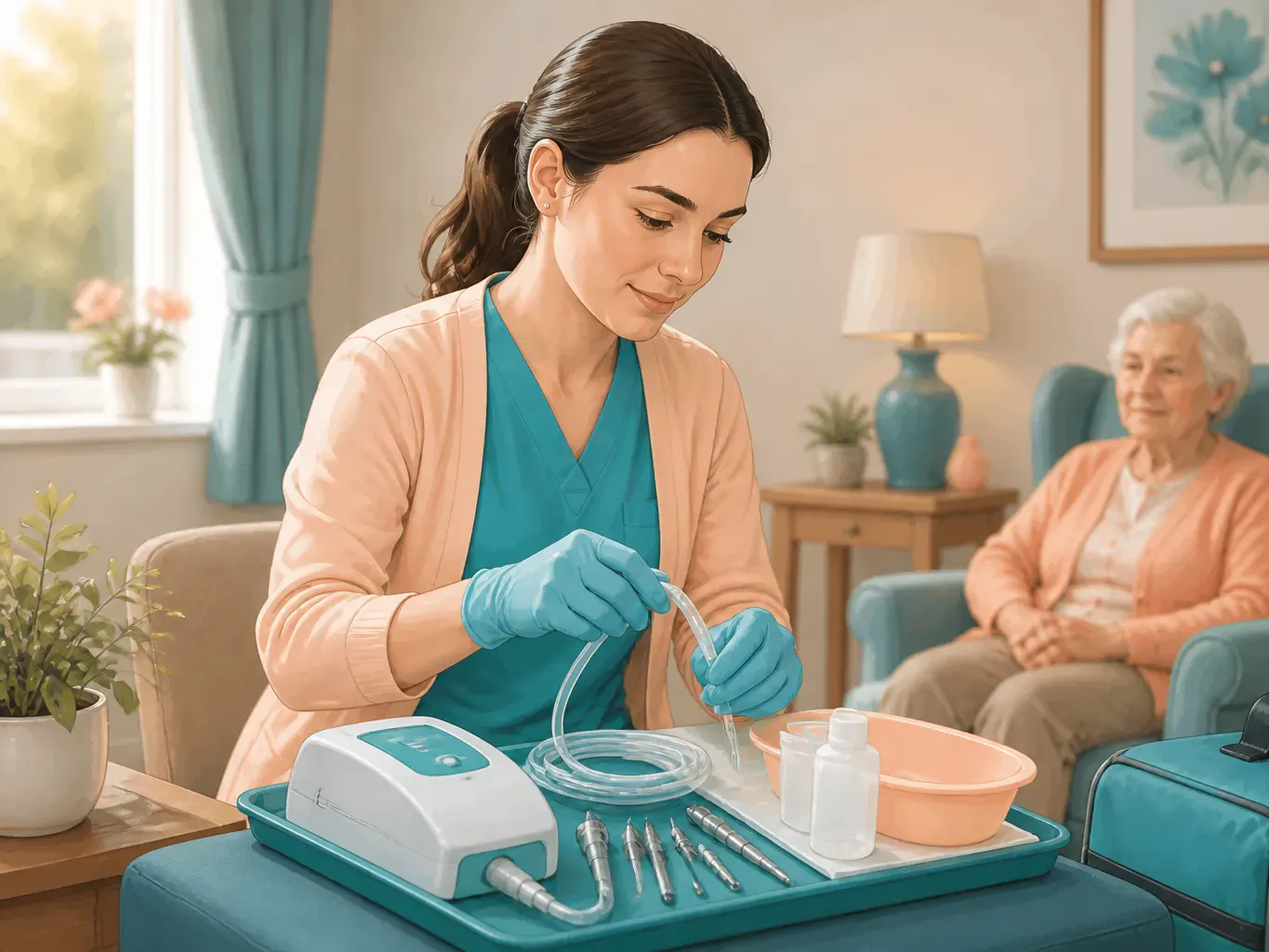
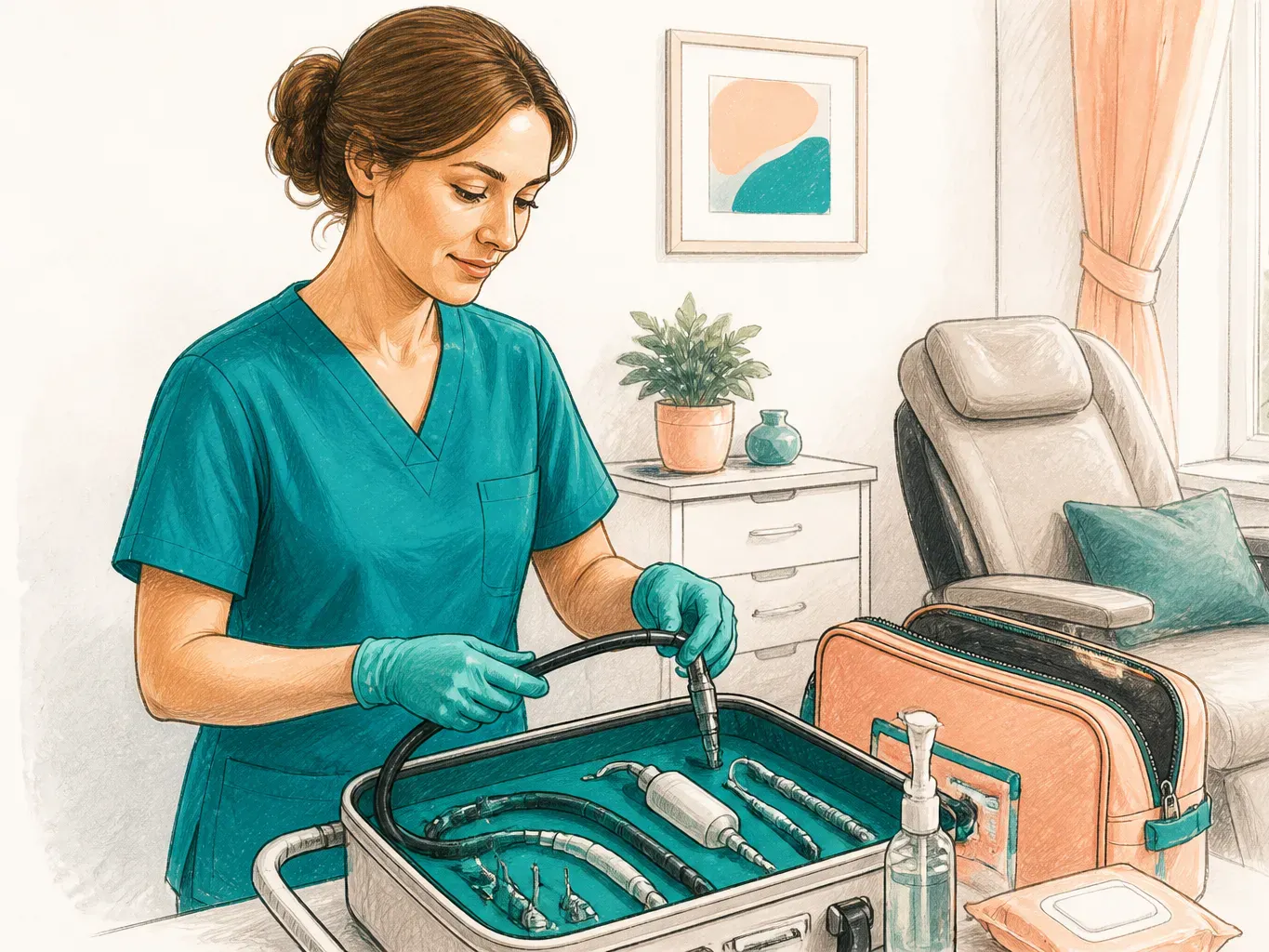
On-site earwax removal in Bristol means a qualified clinician comes to you, rather than asking you to travel to a clinic. It is still a proper clinical appointment, with assessment, treatment, and aftercare, but delivered in your home, care home, or another suitable location when convenience or mobility matters.
Quick summary: how the appointment usually works
For most people, the process is straightforward and reassuring. You book an appointment, answer a few screening questions, the clinician arrives with the equipment, checks your ears, removes wax if it is safe to do so, and then gives aftercare advice before leaving.
A typical visit is designed to feel calm and unhurried. The clinician is looking for three things before treatment begins: whether earwax is actually causing the problem, whether the ear canal and eardrum look suitable for removal, and whether there are any warning signs that mean a different approach is needed.
If wax is present and treatment is appropriate, the appointment often involves microsuction, sometimes alongside other suitable techniques depending on the case. Many patients notice improvement straight away, especially if blocked hearing, pressure, or muffled sound were caused by impacted wax.
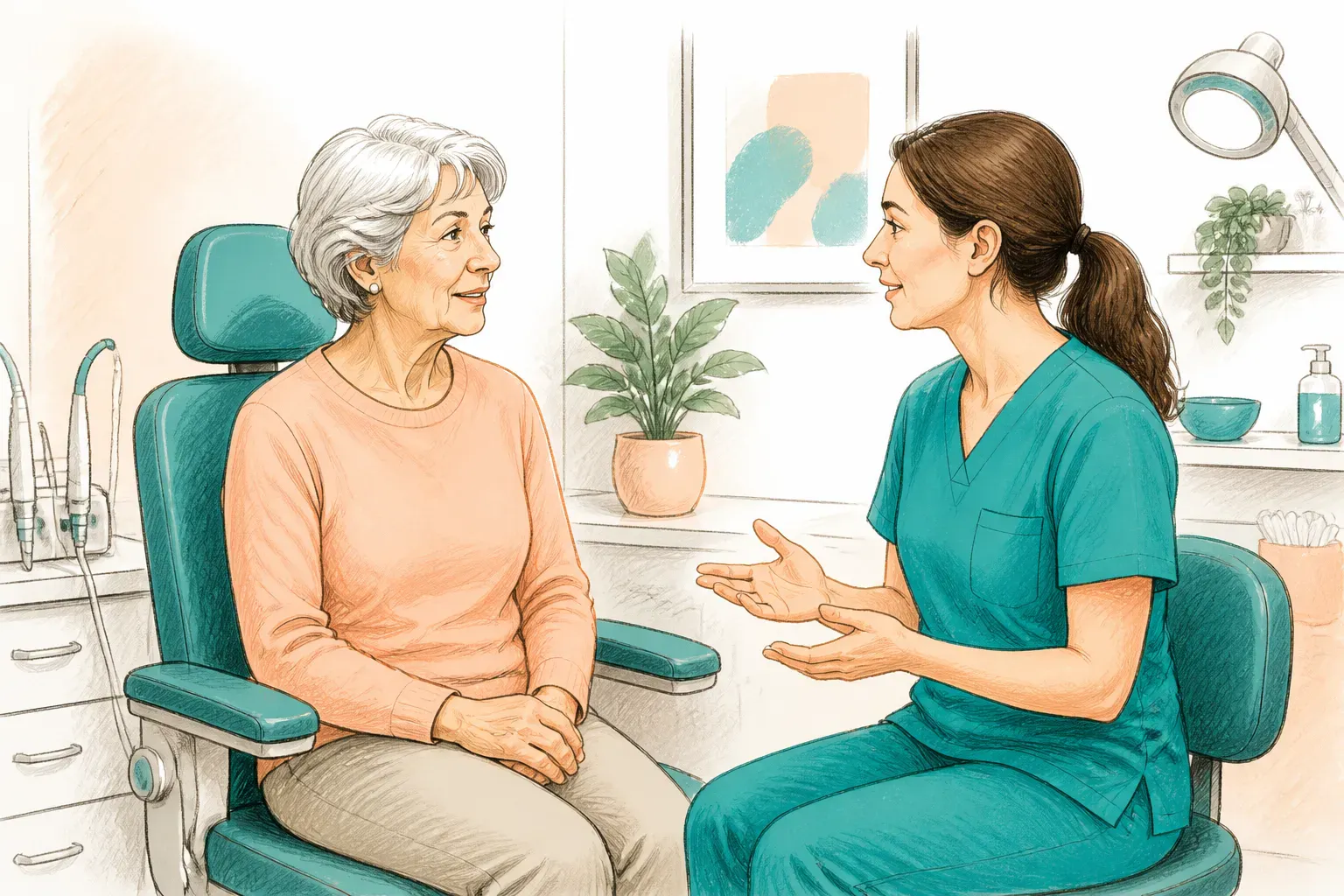
What on-site earwax removal in Bristol means
On-site earwax removal in Bristol is a service for people who want clinical ear care without the hassle of travelling to a practice. The clinician comes to the patient, which can be especially helpful for older adults, people with reduced mobility, care home residents, or busy families who need a practical appointment at home.
It is important to understand that on-site care is not a casual attempt to remove wax at home. It is a professional healthcare appointment with proper assessment, clinical judgement, and a method chosen for safety and suitability. In other words, the setting is more flexible, but the standard of care remains clinical.
This approach is often chosen when getting to a clinic is difficult, when a patient feels anxious in unfamiliar settings, or when immediate support would be more comfortable in a familiar room. For many people, that combination of convenience and reassurance makes ear care much easier to access.
Who on-site treatment is suitable for
On-site earwax removal is often a good option for several groups of people, although suitability still depends on assessment and the clinician’s judgement.
It can be especially helpful for:
- Elderly clients who find travel tiring or difficult
- Care home residents who benefit from treatment without leaving their setting
- People with mobility problems, pain, or limited transport options
- Busy families who need a more flexible appointment time
- Anxious patients who feel more relaxed at home
- People who want faster relief from blocked ears or reduced hearing
There is also a practical side to it. Some people can manage a clinic visit, but the effort of planning transport, parking, or escorting a relative makes the appointment more stressful than it needs to be. On-site treatment removes many of those barriers.
That said, being suitable for a home or care home visit does not mean treatment is automatic. The clinician still needs to make sure the earwax is the likely cause of symptoms and that the ear looks safe to treat. If there are signs that wax removal is not the right first step, a different route may be advised.
What happens before the clinician arrives
Before the visit, you will usually be asked a few questions about symptoms and medical history. This screening helps the clinician understand whether earwax is likely to be causing the problem and whether there are any reasons to be cautious.
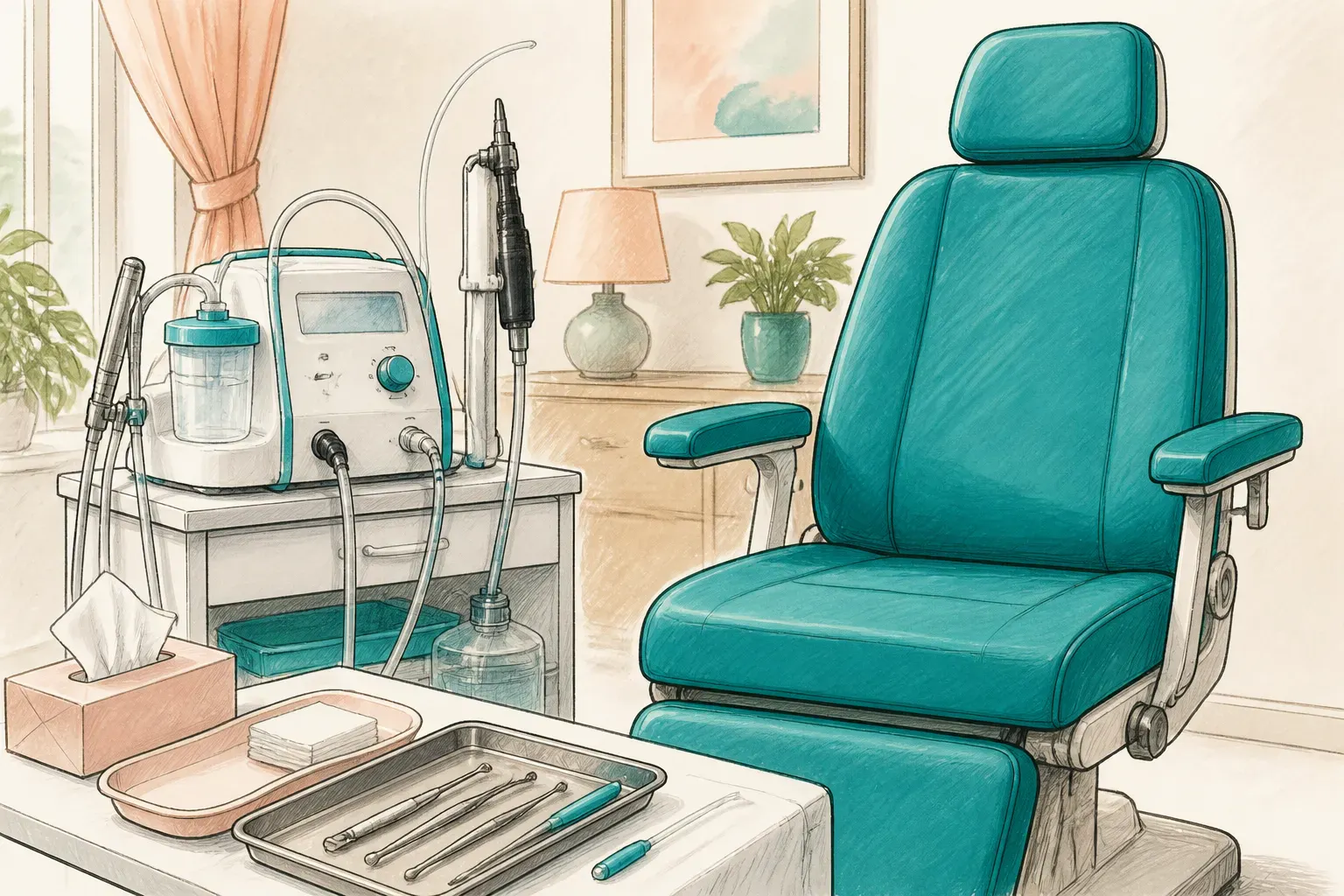
Common questions include whether you have ear pain, discharge, recent infection, perforation history, surgery, dizziness, or changes in hearing that came on suddenly. These details matter because they can influence what the clinician should do next.
A little preparation makes the appointment smoother. If possible, choose a quiet room with enough light and space for a treatment chair or bed. Keep any relevant notes nearby, such as known ear conditions, previous treatments, or medication details if they are important to your history. For care home residents, a member of staff or family member may also help with communication and reassurance.
There are also situations where the clinician may advise postponing or changing the plan. For example, if symptoms suggest infection, if the ear is very painful, or if the eardrum cannot be assessed safely, it is better to pause and arrange the right next step rather than push ahead. That careful approach is part of good ear care.
What happens during the appointment
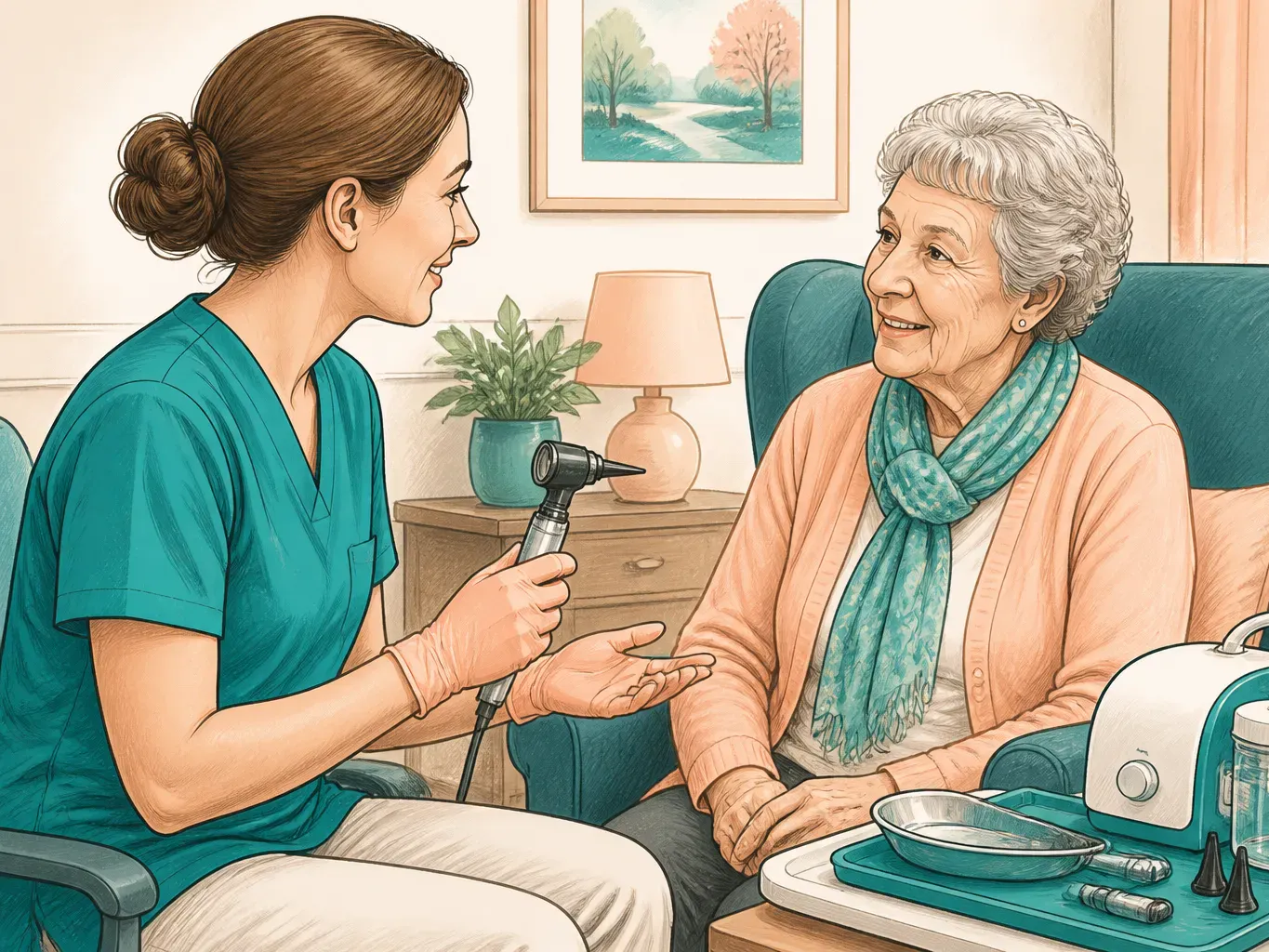
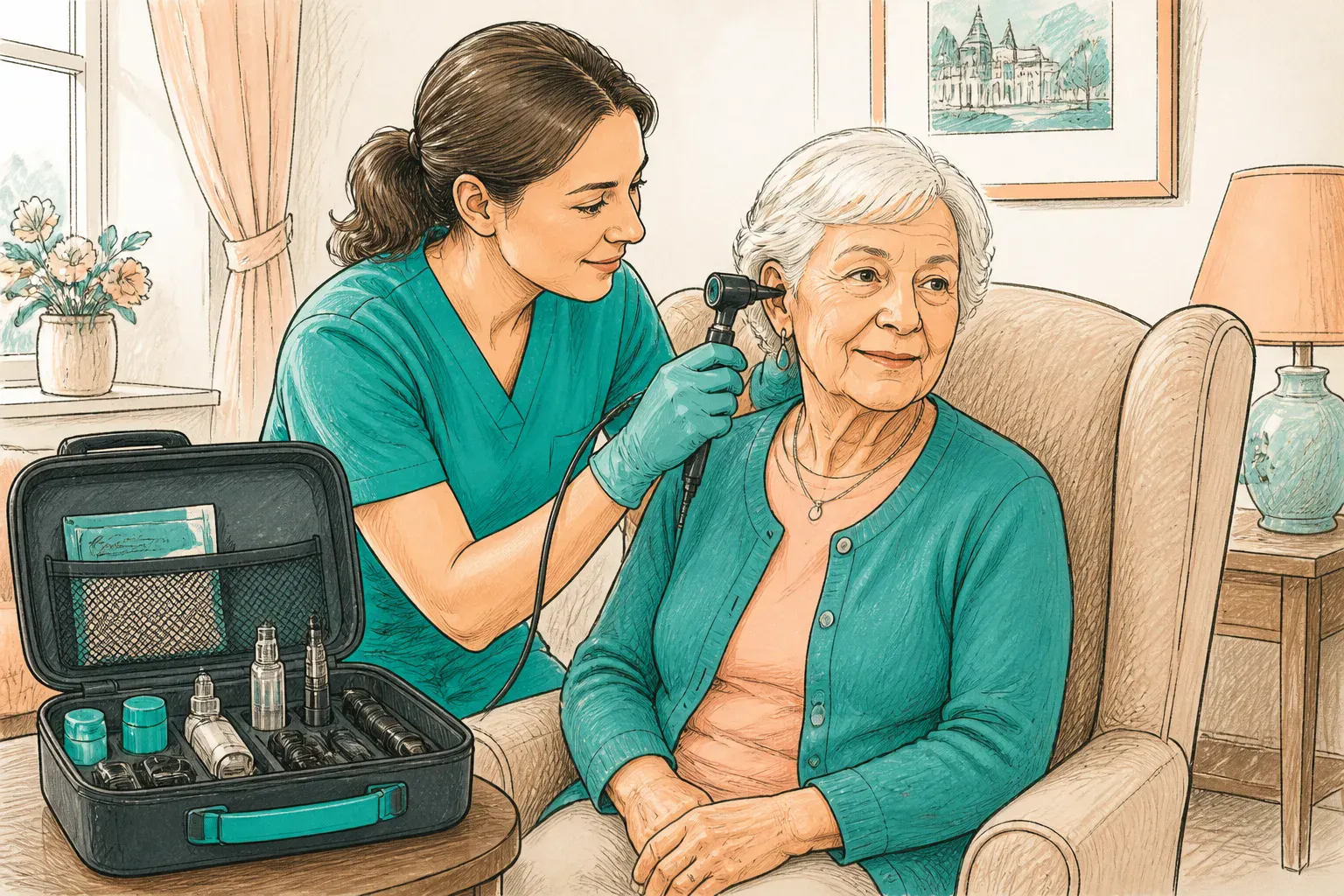
When the clinician arrives, they will usually begin with a conversation about your symptoms and a look at the ears using appropriate examination equipment. This first step confirms whether wax is present, how much there is, and whether it is likely to be causing the problem.
If wax removal is appropriate, the clinician explains the findings and the method they recommend. For many patients, this is microsuction, a common technique that uses gentle suction under direct view to remove wax from the ear canal. It is often preferred because it allows the clinician to see what they are doing throughout the procedure.
The appointment usually follows a simple sequence:
- Discussion of symptoms and relevant history
- Examination of the ear canal and eardrum if visible
- Explanation of what is found and what the treatment plan is
- Wax removal using a suitable method
- Recheck of the ear and a brief discussion of the outcome
- Aftercare advice and next steps if needed
Comfort is monitored throughout. If the patient feels pain, discomfort, or anxiety, the clinician can stop and reassess. Good ear care should never feel rushed, and it should never continue if the ear looks unsafe or the patient is struggling.
If you would like a plain-English overview of the technique itself, you may also find How microsuction works useful.

Comparison table: on-site earwax removal versus clinic visits and home remedies
Option | Best for | Advantages | Limitations |
|---|---|---|---|
On-site earwax removal in Bristol | People who need convenience, mobility support, or care home access | No travel, familiar setting, professional assessment, treatment can be personalised | Availability depends on scheduling and suitability after screening |
Clinic visit | People able to travel easily and who prefer a dedicated treatment room | Full clinic environment, straightforward access to equipment, clear follow-up pathways | Travel, parking, and time away from home can be inconvenient |
Home softening measures, such as olive oil | Mild wax build-up when advised by a clinician | Simple, low effort, can help soften wax before treatment | Not a substitute for professional removal if wax is impacted, symptoms persist, or hearing remains blocked |
Home remedies can be useful in some situations, but they are not a complete solution for everyone. If wax is hard, deeply impacted, or causing ongoing hearing loss, clinical removal is usually the more appropriate next step. For general public guidance, the NHS advice on earwax build-up is a helpful place to start, and NICE guidance on earwax management supports evidence-based care decisions.
Safety, comfort, and when treatment may not be advised
Safety is the priority in every ear appointment. A responsible clinician will not remove wax simply because a patient has booked in. They will first check that the ear canal and eardrum look suitable and that the symptoms are consistent with wax build-up.
A careful assessment matters because some ear symptoms can be caused by infection, inflammation, ear drum problems, or other issues that need a different response. In those situations, removing wax first could delay proper care or make the ear more uncomfortable.
Treatment may be postponed or not advised on the day if the clinician suspects:
- An active ear infection
- Significant pain that needs review first
- A perforated eardrum or a risk of one
- Recent ear surgery or a complex ear history
- A problem that is not actually caused by wax
This is not a failure of the appointment. It is good practice. A safe outcome is more important than completing the procedure at all costs.
Comfort also matters. Most people tolerate earwax removal well, but everyone is different. Some are nervous because they have never had an ear examination before, while others are worried about noise or sensation. A calm explanation before each step can make a big difference, especially for anxious patients or older adults who want to know exactly what is happening.
For broader professional context, the Royal College of General Practitioners guidance on earwax is another useful reference point for clinicians and patients seeking balanced information.
Aftercare and what improvement to expect
Many people notice clearer hearing very soon after wax removal, especially if the blockage was the main reason for muffled sound or pressure. Others feel a gradual improvement over the rest of the day as the ear settles.
It is also normal to feel slight sensitivity in the ear canal afterwards, particularly if the wax was very hard or the ear was blocked for a long time. This should usually settle quickly. The clinician will explain what to expect and when to get back in touch if something does not feel right.
Typical aftercare advice may include:
- Avoid putting cotton buds, fingers, or tools into the ear canal
- Keep the ears dry unless you have been told otherwise
- Follow any advice about softening drops if they are appropriate for you
- Arrange review if symptoms return or if you notice ongoing blockage
If hearing remains reduced after wax has been cleared, that is worth mentioning. Sometimes another issue is contributing, and it is better to reassess than assume everything is resolved. If pain, discharge, dizziness, or sudden hearing loss develops, seek medical advice promptly rather than waiting.
Longer term, prevention is often about avoiding the habits that push wax deeper. Cotton buds are a common cause of compacted wax, even though they feel like a quick fix. For many people, the simplest prevention strategy is to leave the ear canal alone unless a clinician recommends otherwise.
Why ProEarClinic offers a convenient on-site option
From my perspective, one of the main reasons patients value on-site ear care is that it removes the friction that often stops people getting help. If you are older, caring for someone else, managing anxiety, or balancing a packed family schedule, travelling for a simple ear problem can feel unnecessarily difficult.
Pro Ear Clinic is built around that reality. The emphasis is on gentle, evidence-based audiology care that feels approachable rather than clinical in a cold or rushed way. That matters because earwax removal is often a small appointment with a big impact. When hearing is blocked, day-to-day life can become frustrating very quickly, and a calm, accessible service can make the whole experience easier.
The brand’s wider educational approach also helps first-time patients feel informed before they book. Resources such as the blog, including practical explainers like How microsuction works, can reduce uncertainty before a visit. Patients who want to compare settings may also find it useful to look at Earwax removal clinic in Bristol or Home visit earwax removal in Bristol, depending on what feels most manageable.
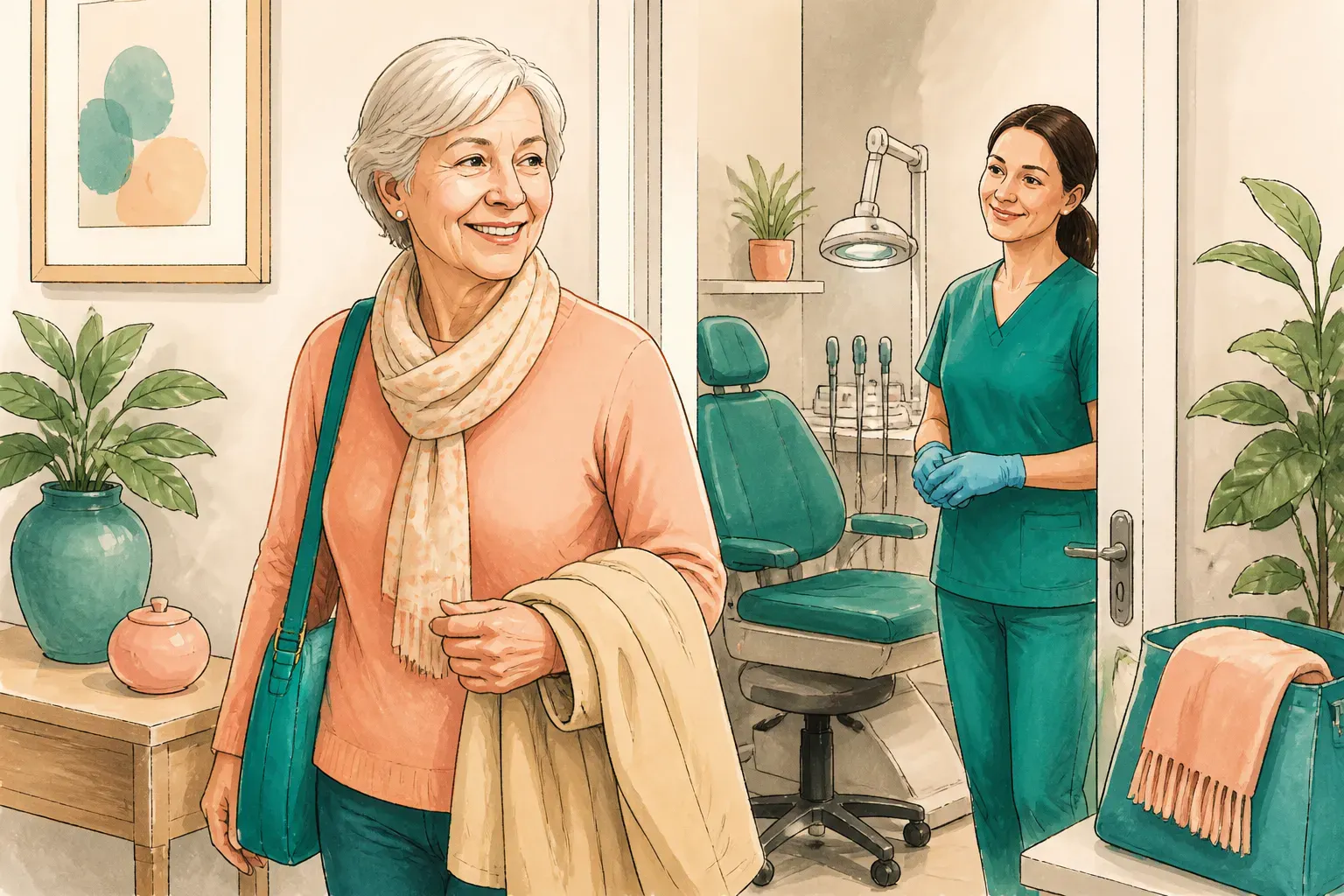
That combination of comfort, accessibility, and clarity is especially important for people who have put off treatment because they were unsure what would happen. A well-run appointment should feel reassuring from the first conversation to the final aftercare advice.
Recommended reads and next steps
If you are comparing your options or want to understand earwax care in more detail, these related pages are a good next step:
- Microsuction earwax removal, for a deeper look at the technique commonly used in safe wax removal
- Ear health assessment, if you want a broader check of ear symptoms before deciding on treatment
- Same-day earwax removal, if you need faster relief and availability matters
- Earwax removal clinic in Bristol, if attending a practice is more convenient for you
- Home visit earwax removal in Bristol, if you want to understand the service format in more detail
If you are unsure whether your symptoms are caused by wax, or you are caring for someone who may need support at home or in a care setting, start with a screening conversation and an ear assessment. That is the safest way to decide whether on-site treatment is suitable.
FAQ
How does on-site earwax removal in Bristol work?
A clinician travels to your home, care home, or another suitable location with the equipment needed for assessment and removal. They examine the ear, confirm whether wax is the likely cause of symptoms, explain the treatment, remove the wax if it is safe to do so, and then give aftercare advice.
Is on-site earwax removal suitable for elderly patients or care home residents?
Yes, it is often particularly suitable for older adults and care home residents because it removes the need to travel. Suitability still depends on an ear assessment, overall health, and whether the ears are safe to treat on the day.
How long does an on-site earwax removal appointment usually take?
The length varies depending on the amount and consistency of wax, as well as how much assessment is needed first. Many appointments are relatively brief, but it is best to allow enough time for a proper examination, treatment, and aftercare advice without feeling rushed.
Does earwax removal hurt?
It should not be painful, although some people notice mild discomfort, pressure, or a strange sensation during treatment. A good clinician checks comfort throughout and stops if the ear becomes painful or if something does not look suitable.
What happens if the clinician finds an infection or another ear problem?
If the clinician suspects infection, perforation, or another issue that makes wax removal unsuitable, they will usually pause treatment and advise the appropriate next step. Safety comes first, so it is better to delay than to carry out a procedure that is not in the patient’s best interest.
Is microsuction used for on-site earwax removal?
Often, yes. Microsuction is a common method because it allows the clinician to remove wax under direct vision. It is widely used in modern ear care and is often a good option when precision and control are important.