Private ear wax removal in Bristol is usually a straightforward, appointment-based service that clears blocked ears safely and quickly. A clinician will check your ears first, then choose the most suitable removal method, which is often microsuction, before giving simple aftercare advice so you know what to expect next.
If you are dealing with muffled hearing, pressure, discomfort, or a blocked feeling, private ear wax removal can provide fast relief without a long wait. It is usually gentle, and many people find it reassuring because the clinician assesses the ear before treatment begins and explains each step clearly.
What private ear wax removal involves
Private ear wax removal is a clinical service designed to safely clear excess earwax when it is causing symptoms or preventing proper ear examination. For many people, the process begins with a short consultation, where the clinician asks about hearing changes, fullness, tinnitus, pain, dizziness, ear infections, hearing aids, and any previous ear problems.
From there, the clinician examines the ear canal and the wax itself. Not every blocked ear should be treated immediately, because some symptoms can point to infection, inflammation, a perforated eardrum, or another issue that needs a different approach. That is one of the main reasons private treatment is valued, the ear is assessed properly before any removal is attempted.
Compared with routine pathways, private care often gives you quicker access and more choice around timing. That can be particularly useful if you need relief for work, family life, travel, or simply because the hearing loss is affecting your confidence. It can also be a good option for people who feel anxious in busy settings and would prefer a calmer, more personalised appointment.
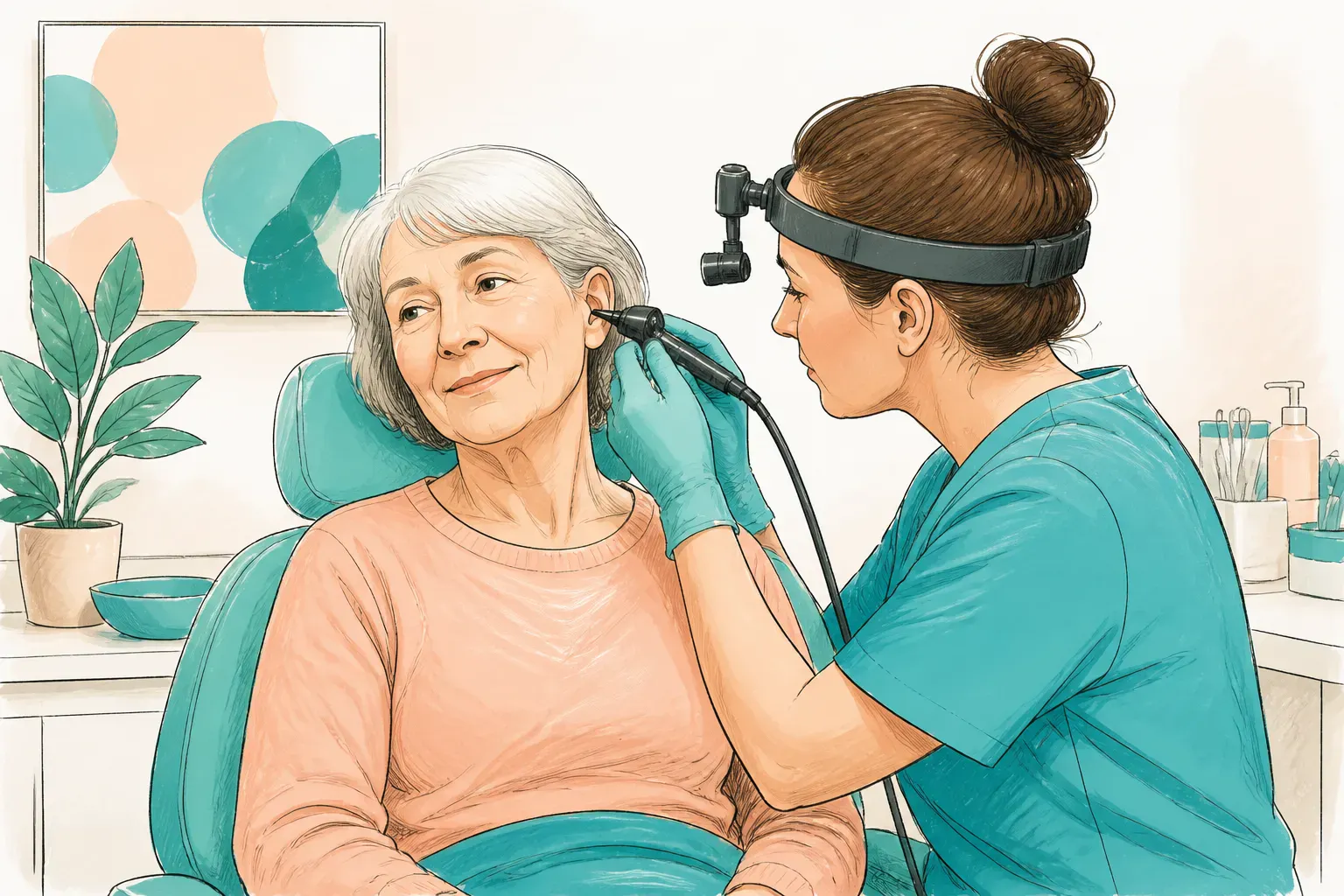
If you want to understand the technique in more detail, you can read more about microsuction ear wax removal and how microsuction works.
The clinician will usually decide whether treatment is suitable based on what they see and what you report. In most cases, the goal is not just to remove wax, but to do so in a way that protects the ear and gives you a clearer understanding of your ear health.
What happens at your appointment
A private ear wax removal appointment is usually simple and reassuring, even if it is your first time. When you arrive, you will normally be welcomed into a clinical room, asked about your symptoms, and given a chance to explain what has been happening. If you wear hearing aids, have had wax removal before, or have used drops, that information is useful because it can affect the best method.
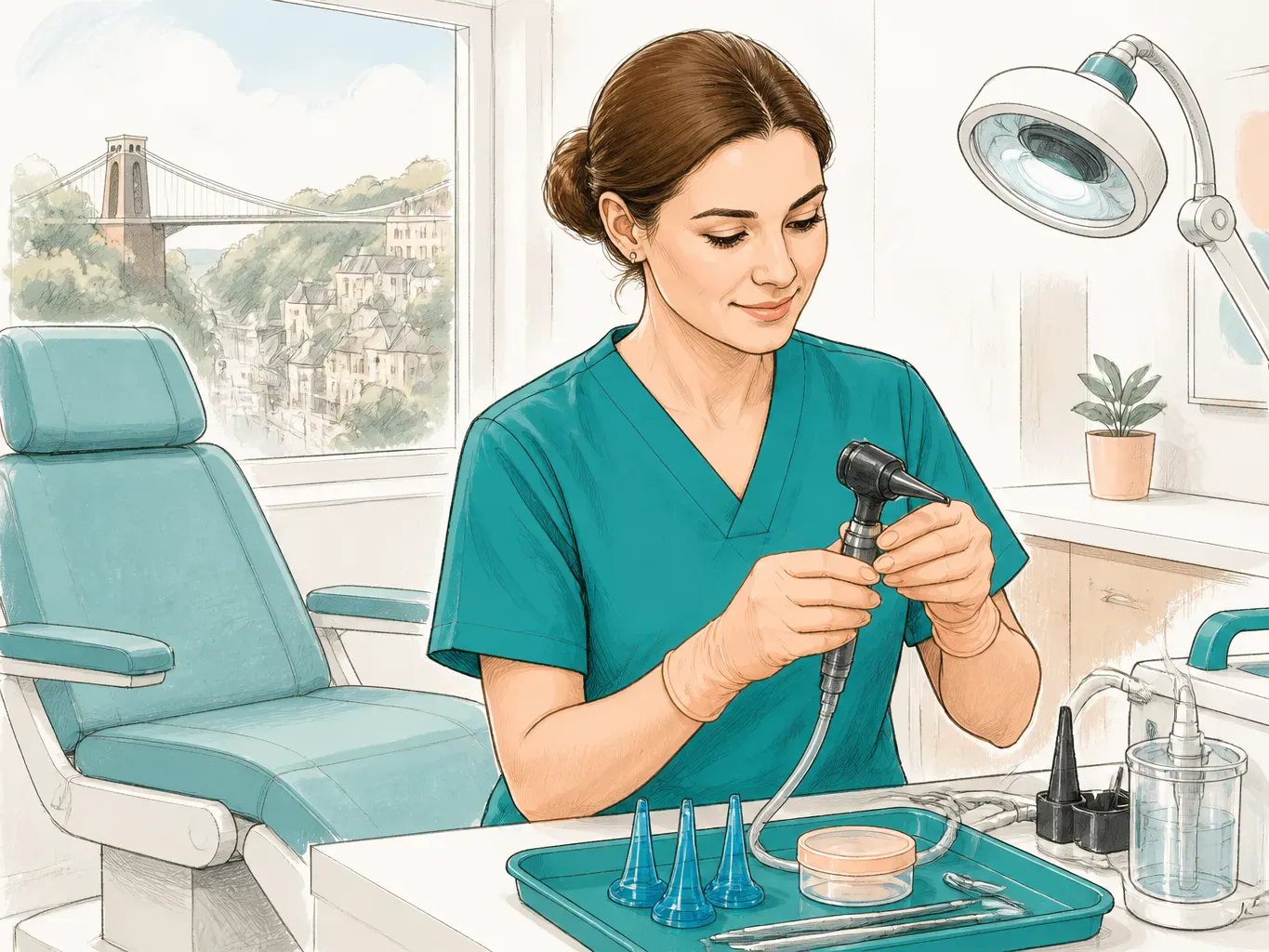
The clinician then looks inside the ear with a suitable device to check the ear canal and the eardrum area if possible. This first inspection helps identify whether the blockage is caused by soft wax, dry wax, a narrow canal, or a combination of factors. It also helps the clinician spot anything that means treatment should be delayed or modified.
Before treatment begins, you should be told what is likely to happen and asked for your consent. If you feel nervous, it is perfectly reasonable to say so. A good clinician will explain the process in plain language, give you time to settle, and pause if needed.
A typical visit may last around 15 to 30 minutes, although that can vary depending on the amount and type of wax, whether one or both ears need treatment, and whether the wax is straightforward to remove. During microsuction, you may hear a suction sound and feel some movement in the ear canal. Some people notice a sensation of pressure or tickling, while others find it almost unremarkable.
The appointment often ends with a recheck, so the clinician can confirm how much wax was removed and whether further care is needed. If the ear looks clear and your symptoms were caused by wax, you may notice a change straight away. If one ear still feels blocked, the clinician may explain why, and whether another visit, drops, or a hearing test would be sensible.
Treatment methods used in private care
Private ear wax removal in Bristol most often centres on microsuction, because it allows the clinician to remove wax while looking directly into the ear. That visual control is one reason it is so widely used in specialist practice. It is often preferred when the ear needs a precise, gentle approach, especially if the wax is dry, compacted, or close to the eardrum.
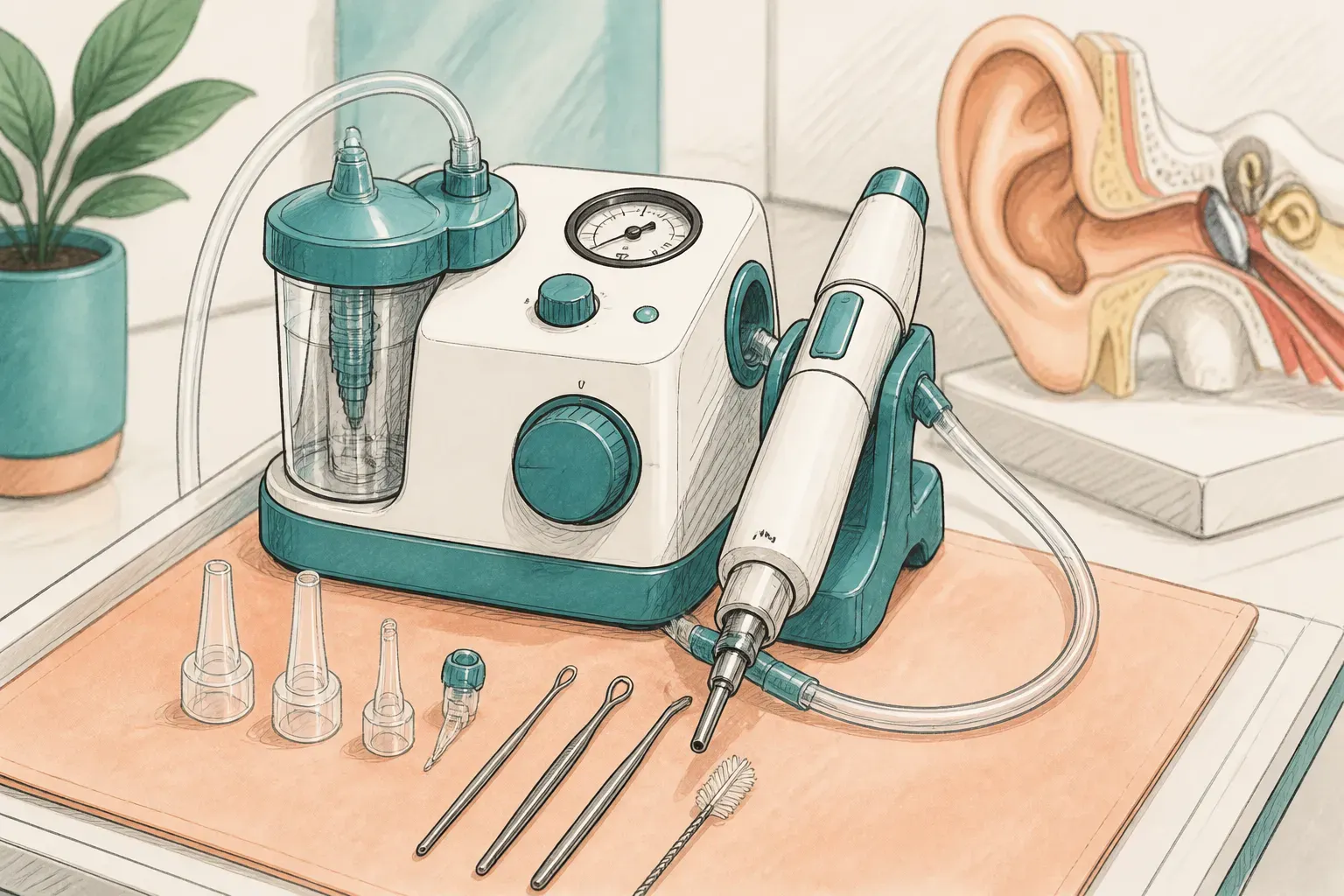
Ear irrigation, which uses water to flush wax from the canal, is another method that some clinics may offer. It can be suitable in certain situations, but it is not appropriate for everyone. For example, a clinician may avoid irrigation if there is a history of ear surgery, a perforated eardrum, recurring ear infections, or other factors that make water less suitable.
The right method depends on what the clinician sees, not on a one-size-fits-all rule. A careful assessment is the safest way to decide.
Method | Comfort | Suitability | Speed | Typical use case |
|---|---|---|---|---|
Microsuction | Usually very well tolerated, with some suction noise or mild pressure | Suitable for many patients, including people where water is not ideal | Often quick | Compact, stubborn, or visible wax needing precision |
Ear irrigation | Can be comfortable for the right patient, but may feel wetter or less predictable | Only suitable when the ear meets the right clinical criteria | May need preparation and post-treatment drying | Softer wax in ears where irrigation is appropriate |
Microsuction is commonly chosen in private practice because it is controlled, clean, and efficient. It can also be easier to adapt for anxious patients or those with complex ear histories. If you are considering treatment, you may find it helpful to compare clinic ear wax removal in Bristol with a home visit option if travel is difficult.
For broader guidance on treatment choices, useful references include the NHS guidance on earwax build-up and treatment and NICE guidance on earwax management.
Is ear wax removal painful or uncomfortable?
For most people, ear wax removal is not painful. Some patients feel little more than the sensation of a gentle vacuum or a bit of movement in the ear canal. Others notice that the sound of microsuction is louder than they expected, which can feel odd at first, even when the procedure itself is not uncomfortable.
If your ears are very sensitive, inflamed, or already irritated from repeated cleaning attempts, you may feel more awareness of the procedure. That does not automatically mean something is wrong, but it does mean the clinician should work slowly and check in with you during treatment.
Anxious patients often worry that the process will be sharp or invasive. In reality, a patient-friendly approach should be calm, gradual, and communicative. You should always be able to ask for a pause, request an explanation, or tell the clinician if something feels uncomfortable.
Older adults and people with a history of ear problems may also be concerned about discomfort. A careful assessment helps reduce risk, and the use of direct visualisation during microsuction can make the process more controlled. If the clinician sees signs that treatment may be unsafe, they should stop and advise on the next step rather than pushing ahead.
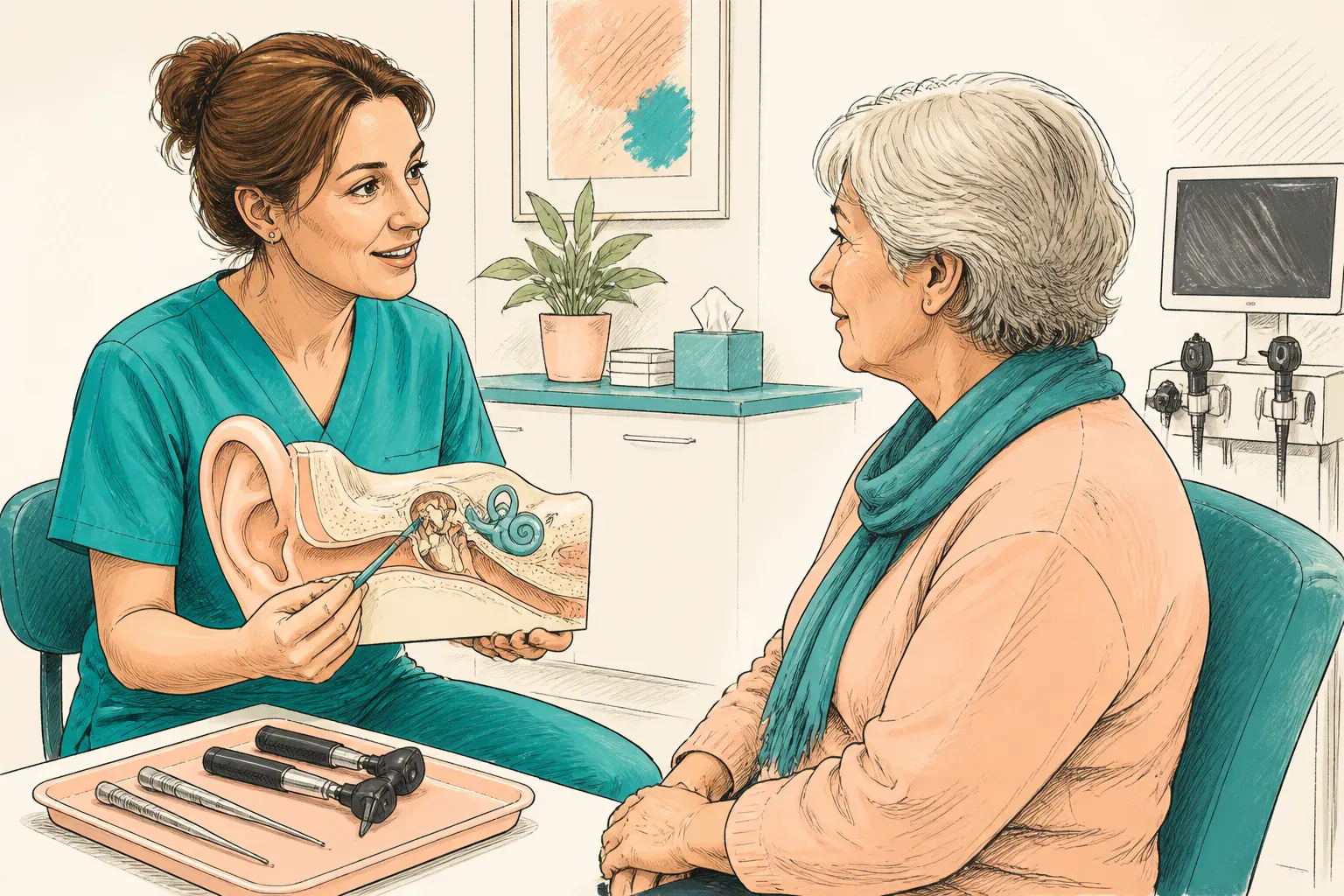
The key thing to remember is that discomfort is not something you need to endure silently. If you feel pain, sharp pressure, or dizziness, say so immediately. Safe ear care relies on communication as much as technique.
Who private ear wax removal is especially useful for
Private ear wax removal can suit a wide range of people, but it is particularly helpful if you want quick access, careful assessment, and a more convenient appointment experience.
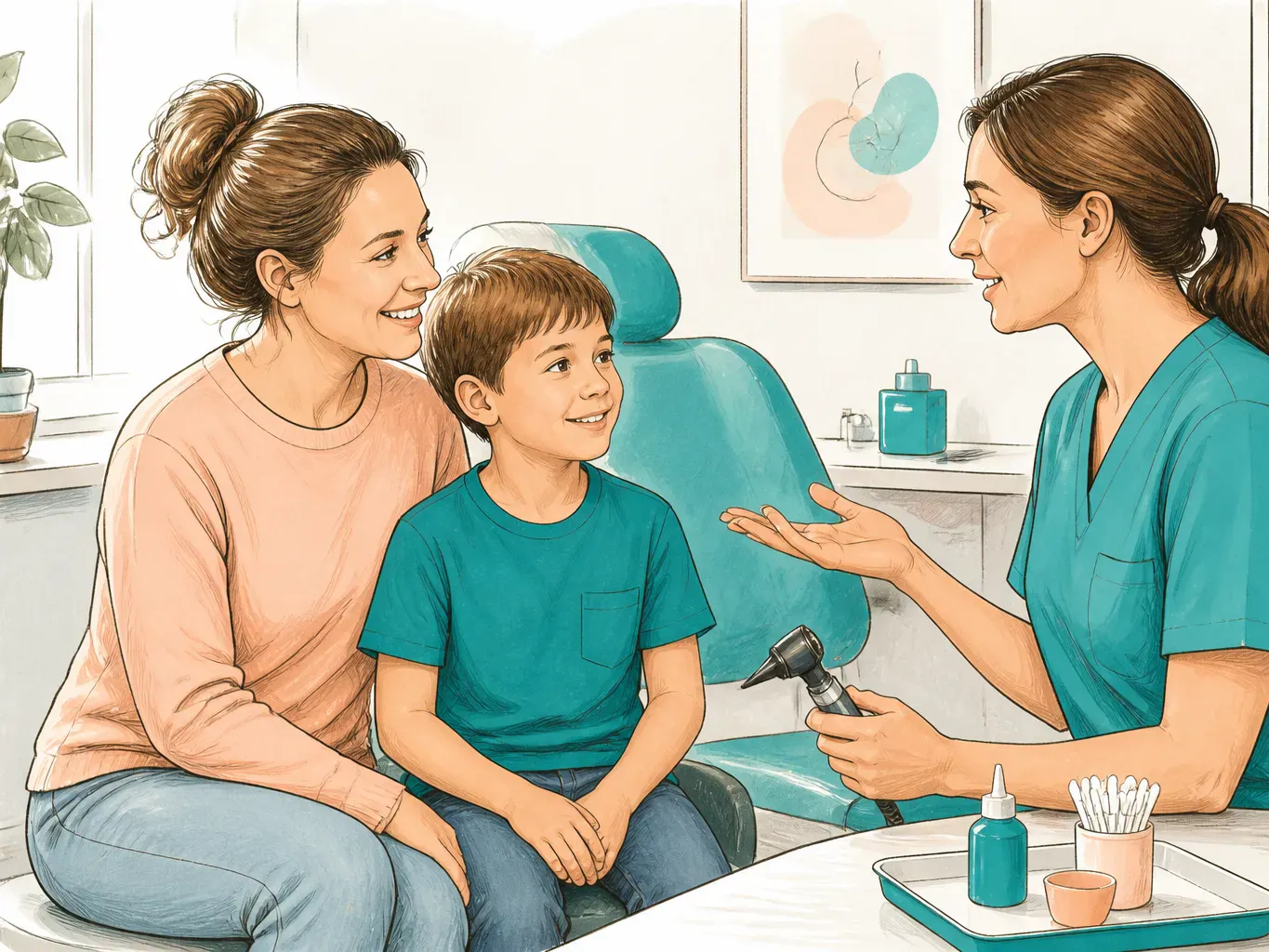
Busy families often choose private treatment because it avoids long delays and can fit around work, school, and caring commitments. When a child or adult is struggling with blocked ears, hearing difficulty can affect communication at home and in school or work, so prompt treatment can make a real difference.
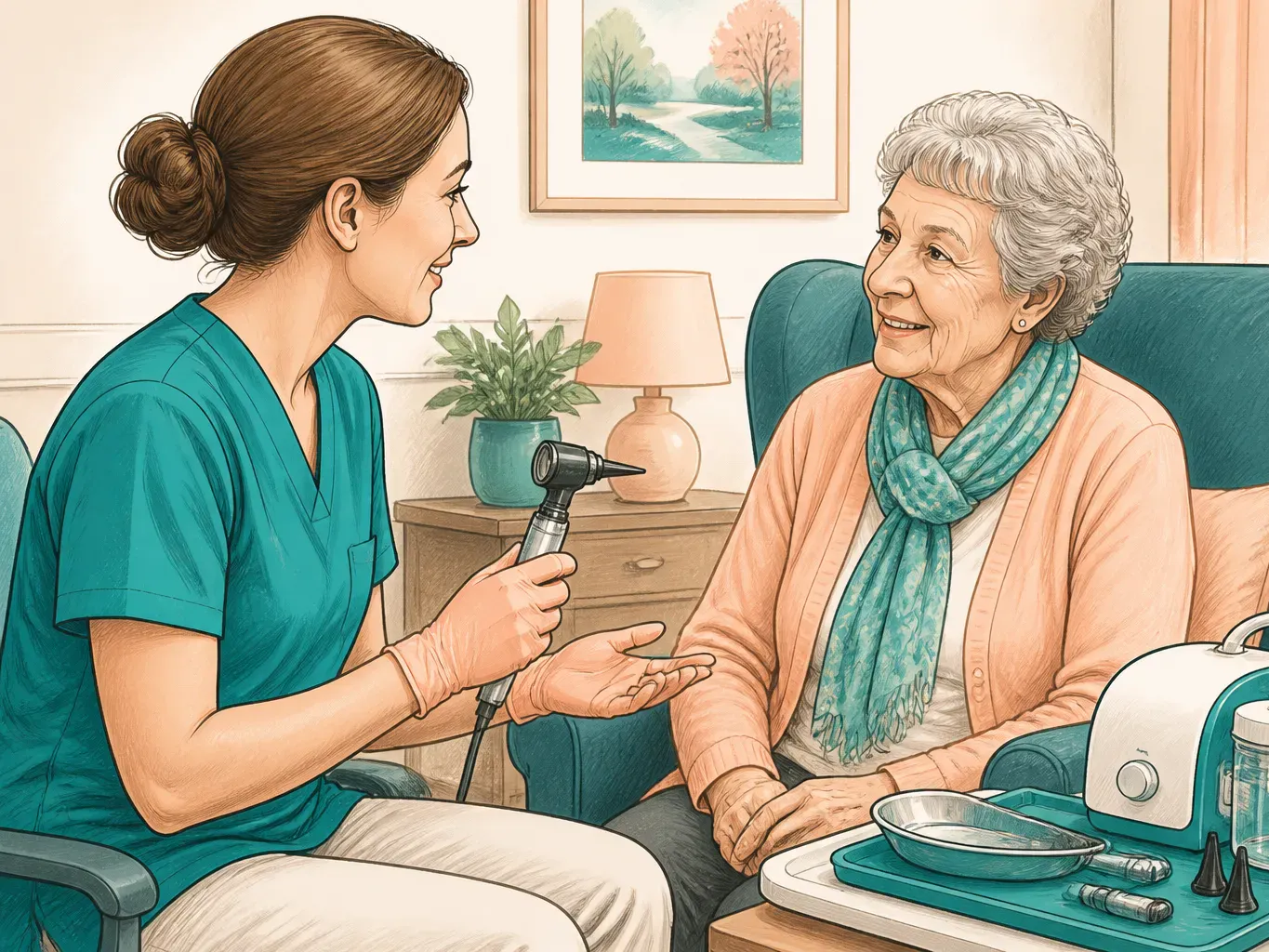
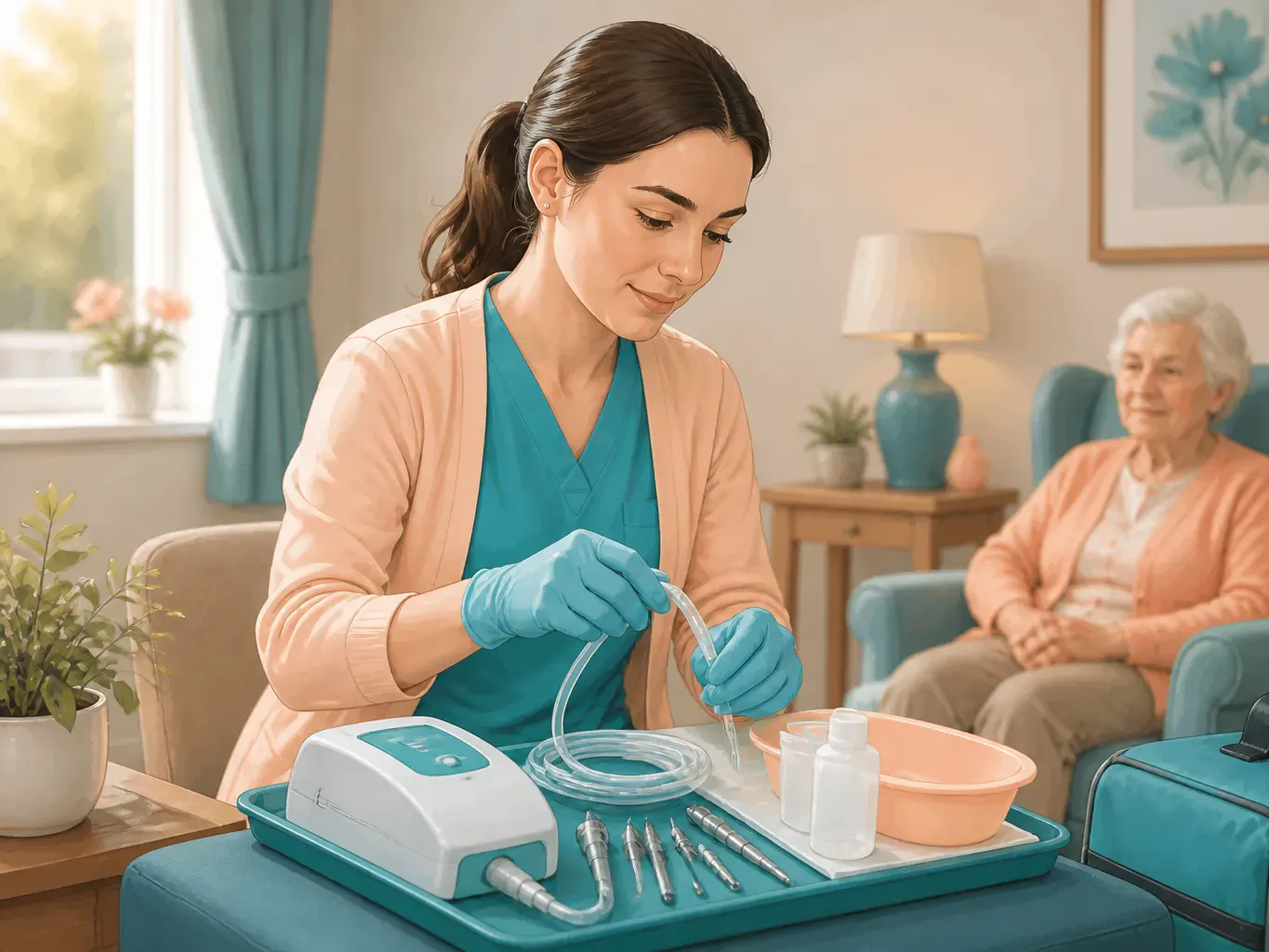
Elderly clients may also benefit, especially if mobility is limited or travel is tiring. A calm appointment, clear explanation, and unhurried approach can make the experience much easier. In some cases, a home visit ear wax removal in Bristol may be the most practical option.
Care home residents can be good candidates for on-site support when access to clinic appointments is difficult. Similarly, anxious patients often prefer private care because the environment feels less rushed and more personal. If you have been putting off treatment because you feel worried about the procedure, that is understandable, and it is exactly the kind of concern a gentle clinician should be ready to address.
Hearing aid users are another important group. Wax can reduce sound quality, cause feedback, block moulds, or make devices feel less effective. When this happens, removing the wax can improve hearing aid performance and make daily listening less tiring.
In practical terms, private ear wax removal tends to be especially useful when you need one or more of the following:
- faster relief from blocked ears
- a quieter, calmer appointment
- help for mobility or travel limitations
- treatment for hearing aid-related issues
- assessment before an event, journey, or work commitment
Aftercare, results, and what to do next
Many people notice an immediate improvement after wax removal. Hearing may sound clearer, voices may be easier to follow, and the feeling of fullness or pressure may reduce. For some, the difference is dramatic. For others, especially if the ears were very blocked or if there are other hearing issues, the change may be more gradual.

Aftercare is usually simple. You may be advised to avoid putting cotton buds or other objects into the ear, because they can push wax deeper and irritate the canal. If the clinician recommends ear drops for future softening, it is worth following that advice exactly. Some people are also told to keep an eye on recurring symptoms, especially if wax tends to build up regularly.
A few ears can feel slightly odd after treatment, particularly if the wax had been there for a long time. That sensation usually settles quickly. If you experience pain, discharge, dizziness, or ongoing hearing changes after treatment, you should seek further advice.
Good aftercare often includes these simple steps:
- keep the ear clean but do not probe inside it
- follow any specific instructions from the clinician
- note whether hearing improves in one or both ears
- arrange a follow-up if the ear still feels blocked
- ask about hearing assessment if symptoms persist
Some patients find that ear wax removal is not a one-off event, but part of a broader ear health routine. That is especially true if they wear hearing aids, have naturally narrow ear canals, or have wax build-up more quickly than average. In those cases, occasional reviews can help prevent another blockage from becoming disruptive.
For general context on hearing changes and when to seek help, the NHS information on hearing loss symptoms and when to seek help is a useful starting point.
Costs, booking, and choosing the right option
The cost of private ear wax removal can vary depending on several practical factors. These may include whether you need one ear or both, how complex the wax is, whether the appointment is in clinic or at home, and how much time the clinician needs to spend assessing and treating the ears.
Home visits are often chosen for convenience, while clinic appointments may suit people who can travel easily and want access to specialist equipment in a dedicated setting. Some patients also prefer clinics because the environment feels more clinical and predictable. Others choose home visits because they are managing pain, frailty, reduced mobility, or a care home visit arrangement.
When deciding between options, it helps to think about convenience, comfort, and clinical suitability rather than price alone.

Option | Best for | Convenience | Typical trade-off |
|---|---|---|---|
Clinic appointment | People who can travel and want a dedicated treatment environment | High for those living nearby | Requires getting to the clinic |
Home visit | Elderly clients, care home residents, people with mobility issues, and busy households | Very high at the point of care | Less suitable if a more equipment-heavy environment is needed |
Booking is usually straightforward. If you already know that the problem is wax and you want prompt relief, a private appointment can be a practical way to move ahead without delay. If you are unsure, that is fine too. A good first step is to arrange an assessment, because an ear exam can confirm whether wax is actually the cause.
If you are comparing routes, think about how soon you need help, whether you can travel, and whether you want care in a clinic or at home. The right option is often the one that gives you safe treatment with the least disruption.
When ear wax symptoms need extra caution
Although wax is a common cause of blocked ears, it is not the only possible explanation. Some symptoms need extra caution because they can indicate an infection, injury, or another ear problem that should be assessed by a clinician or medical professional.
You should seek assessment rather than assuming it is just wax if you have any of the following:
- ear pain that is strong or worsening
- fluid or discharge from the ear
- sudden hearing loss
- dizziness or balance problems
- a known or suspected perforated eardrum
- recent ear surgery
- fever, severe illness, or marked swelling around the ear
- symptoms that continue even after wax has been removed
It is also worth being careful if you have had repeated ear infections or have been told to avoid certain treatments in the past. In those situations, the clinician should review the history carefully before deciding on a method.
If symptoms feel unusual, severe, or persistent, do not rely on wax treatment alone. The safest approach is a proper assessment first. That is one of the reasons evidence-based ear care matters so much, it helps make sure the correct problem gets the correct treatment.
Why choose Pro Ear Clinic for ear wax removal in Bristol
Pro Ear Clinic focuses on specialist ear health, patient-friendly appointments, and evidence-based audiology care. That matters because earwax removal is not just about extracting wax, it is about doing so safely, clearly, and in a way that helps people feel reassured rather than rushed.
The brand approach is calm and modern, with a professional tone that aims to put patients at ease from the moment they enquire. For first-time patients especially, that can make a real difference. Many people arrive unsure whether they need treatment, whether it will hurt, or whether their symptoms are definitely wax related. A good clinic should take time to explain, assess, and guide, not simply perform a procedure.
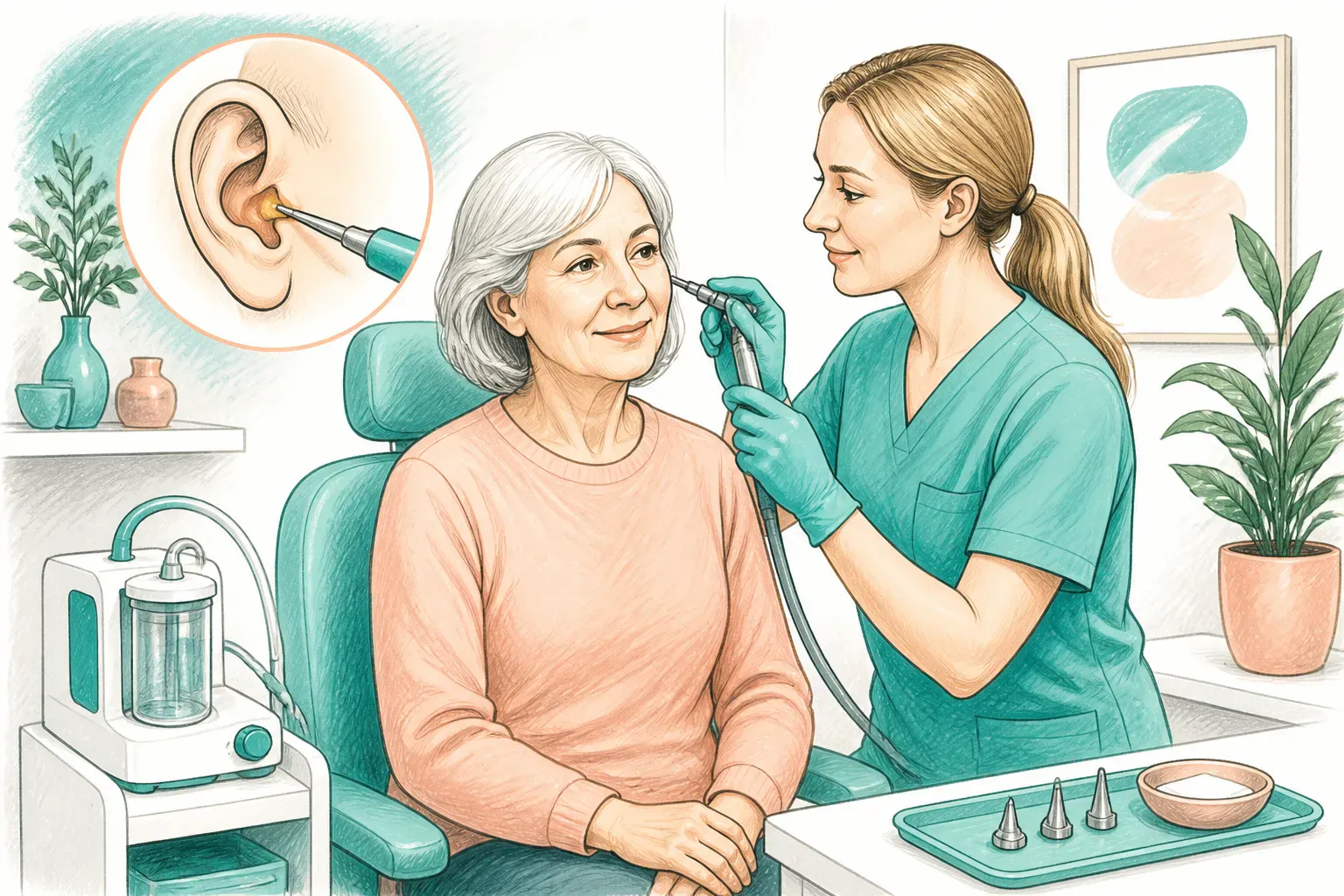
Pro Ear Clinic also supports informed decision making through educational resources. If you want to learn more before booking, the blog content is designed to answer common questions in plain English, including guides such as how microsuction works. That kind of information can be especially helpful if you are nervous, booking for a family member, or arranging care for someone in later life.
What many patients value most is the combination of specialist knowledge and a gentle approach. Ear care feels much easier when the environment is reassuring, the advice is clear, and the treatment plan is explained properly.
Recommended reads
If you want to explore related topics, these guides may be useful next steps:
- Microsuction ear wax removal
- Clinic ear wax removal in Bristol
- Home visit ear wax removal in Bristol
- How microsuction works
FAQ
How long does private ear wax removal take in Bristol?
Most appointments are fairly quick, often around 15 to 30 minutes, although that depends on how much wax is present and whether one or both ears need attention. A simple case may take less time, while a more careful assessment or stubborn blockage can take longer.
Is microsuction better than ear irrigation?
Microsuction is often preferred in private practice because the clinician can see the ear canal directly and remove wax with precision. Irrigation can still be suitable in some cases, but the best option depends on your ear health, medical history, and what the clinician finds during assessment.
Can I book private ear wax removal if I wear hearing aids?
Yes, many hearing aid users book private ear wax removal because wax can affect comfort, fit, feedback, and sound quality. If you wear hearing aids, mention this when you book so the clinician can plan the appointment properly.
What should I do before my ear wax removal appointment?
If you have been given any instructions, follow them first, especially around ear drops or avoiding cotton buds. It also helps to note your symptoms, any previous ear issues, and whether you have had pain, discharge, dizziness, or hearing changes.
Is private ear wax removal suitable for older adults?
Yes, it is often a very practical option for older adults, especially if mobility is limited or a gentle, unhurried appointment is preferred. In some cases, a home visit may be the most suitable choice if travelling to a clinic is difficult.