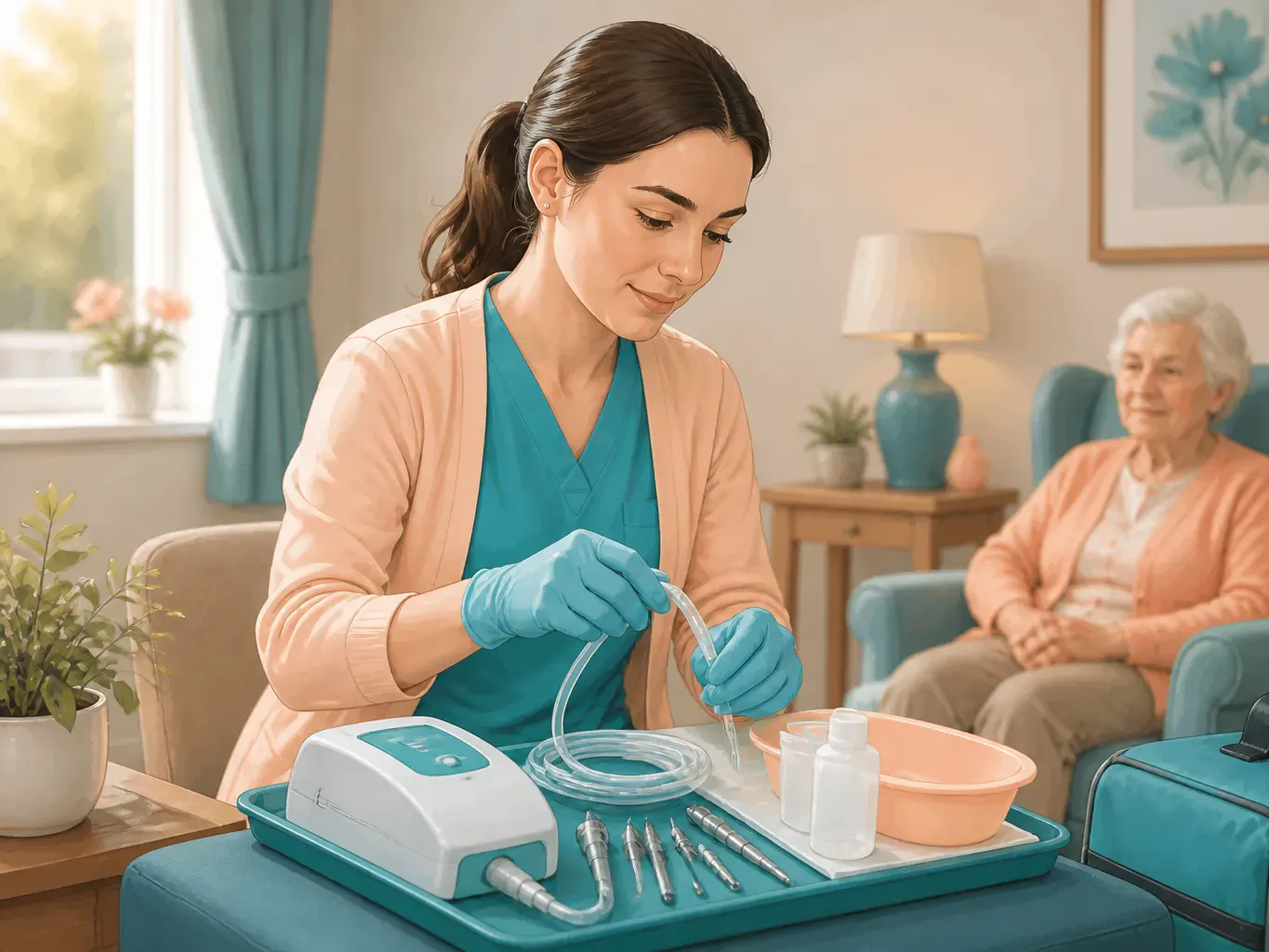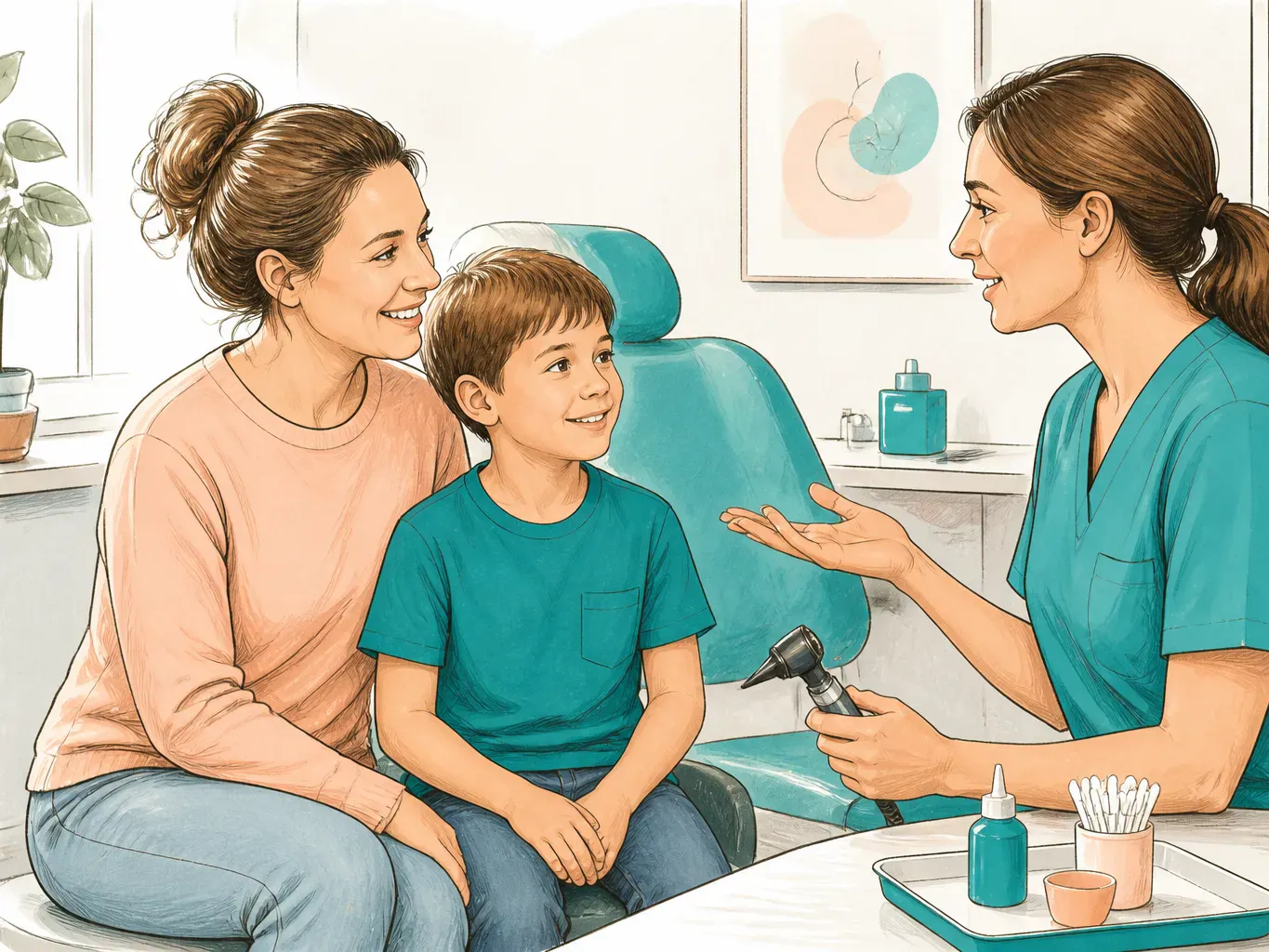

Private ear wax removal near me usually means a short ear health assessment followed by treatment if wax is confirmed and the ear is suitable. In many cases, the appointment is quick, comfortable, and leads to immediate improvement in hearing or pressure. The exact experience depends on how much wax is present, your ear health, and the method the clinician recommends.
Quick summary: what private ear wax removal usually involves
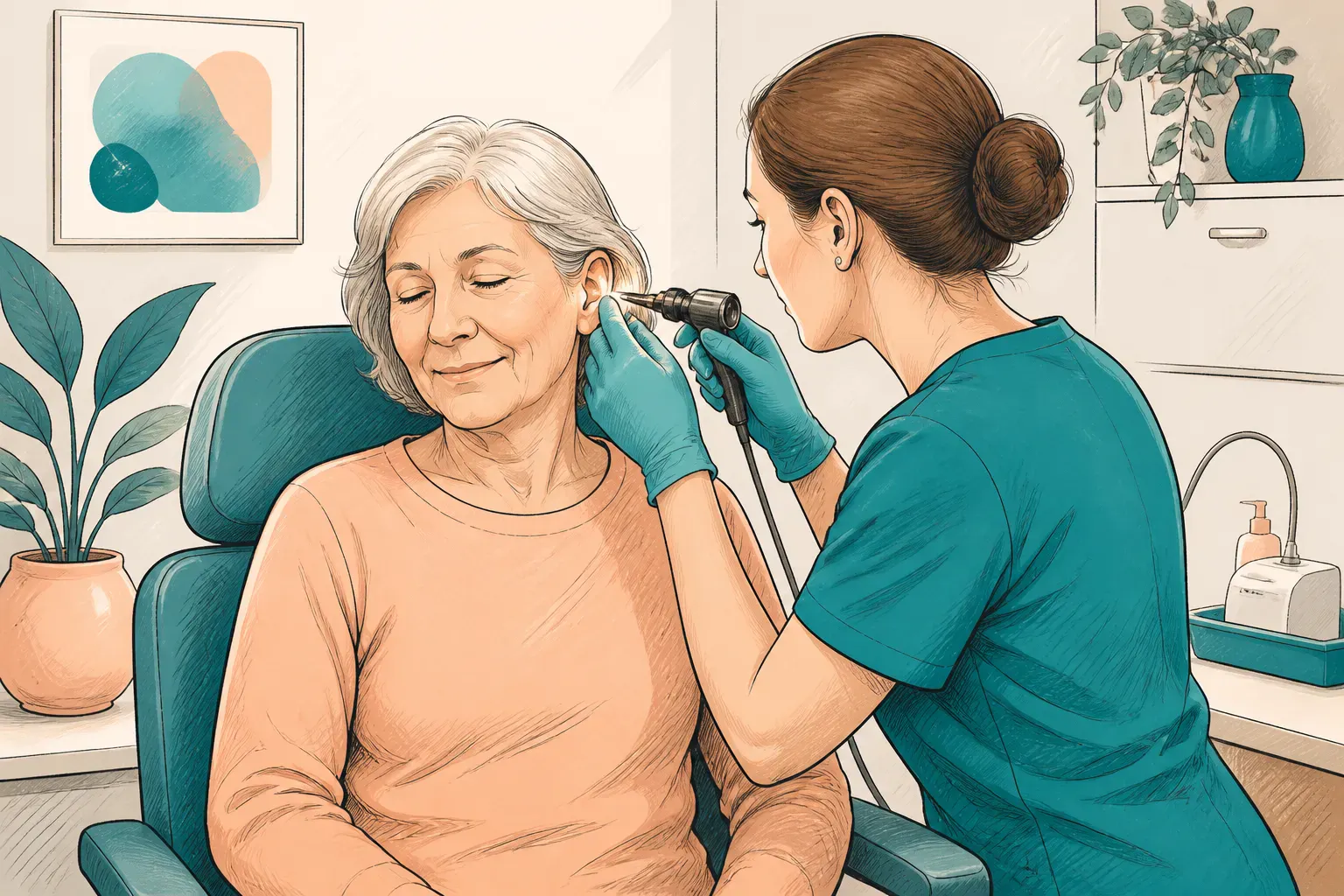
A private ear wax removal appointment normally begins with a discussion about your symptoms, medical history, and any previous ear problems. The clinician then looks inside the ear, confirms whether wax is the likely cause, and chooses the safest removal method for your situation.
For many people, the process is straightforward and reassuring. You sit in a treatment chair, the clinician explains each step, and treatment may take only a short time for one or both ears. Some patients notice relief straight away, although a little sensitivity or mild dizziness can happen briefly afterwards.
Why people search for private ear wax removal near me
People usually search for private ear wax removal near me because they want help quickly, locally, and with less uncertainty. A blocked ear can be frustrating, especially if hearing has changed suddenly or the feeling of fullness is making everyday life harder.
Common reasons include muffled hearing, a sensation of pressure, ringing or tinnitus-like symptoms, discomfort, itching, or a hearing aid that no longer seems to fit or work properly. Ear wax can also make conversations feel tiring, which is especially difficult for older adults, people with hearing loss, and busy families who rely on clear hearing day to day.
Private care appeals to many different groups. An older person may want a calm, patient appointment without a long wait. A working parent may want a convenient time that fits around school runs and work. Someone who feels anxious about ear treatment may prefer a specialist setting where the clinician can explain things slowly and gently. Care home residents may need coordinated support, and people with immediate discomfort often want a same-day or rapid appointment rather than waiting for symptoms to settle.
If you are looking for quick access, a private clinic can often be a practical choice, particularly when you want the reassurance of a focused ear health appointment. That does not mean every blocked ear is simple wax, though. A good clinician will check carefully first and make sure removal is appropriate before starting treatment.
What happens before the treatment
The first part of the appointment is usually a consultation. This is important because ear wax removal should never be treated as a one size fits all procedure. The clinician needs to understand what you are experiencing and whether there are any reasons to be cautious.
You may be asked about:
- Your current symptoms, such as blocked hearing, pain, tinnitus, discharge, or dizziness
- How long the problem has been going on
- Any history of ear infections
- Previous ear surgery, grommets, perforations, or ear drum problems
- Whether you use hearing aids, earplugs, or in ear devices
- Whether you have tried any drops or home remedies
- Any relevant medical conditions or medicines that could affect your ears
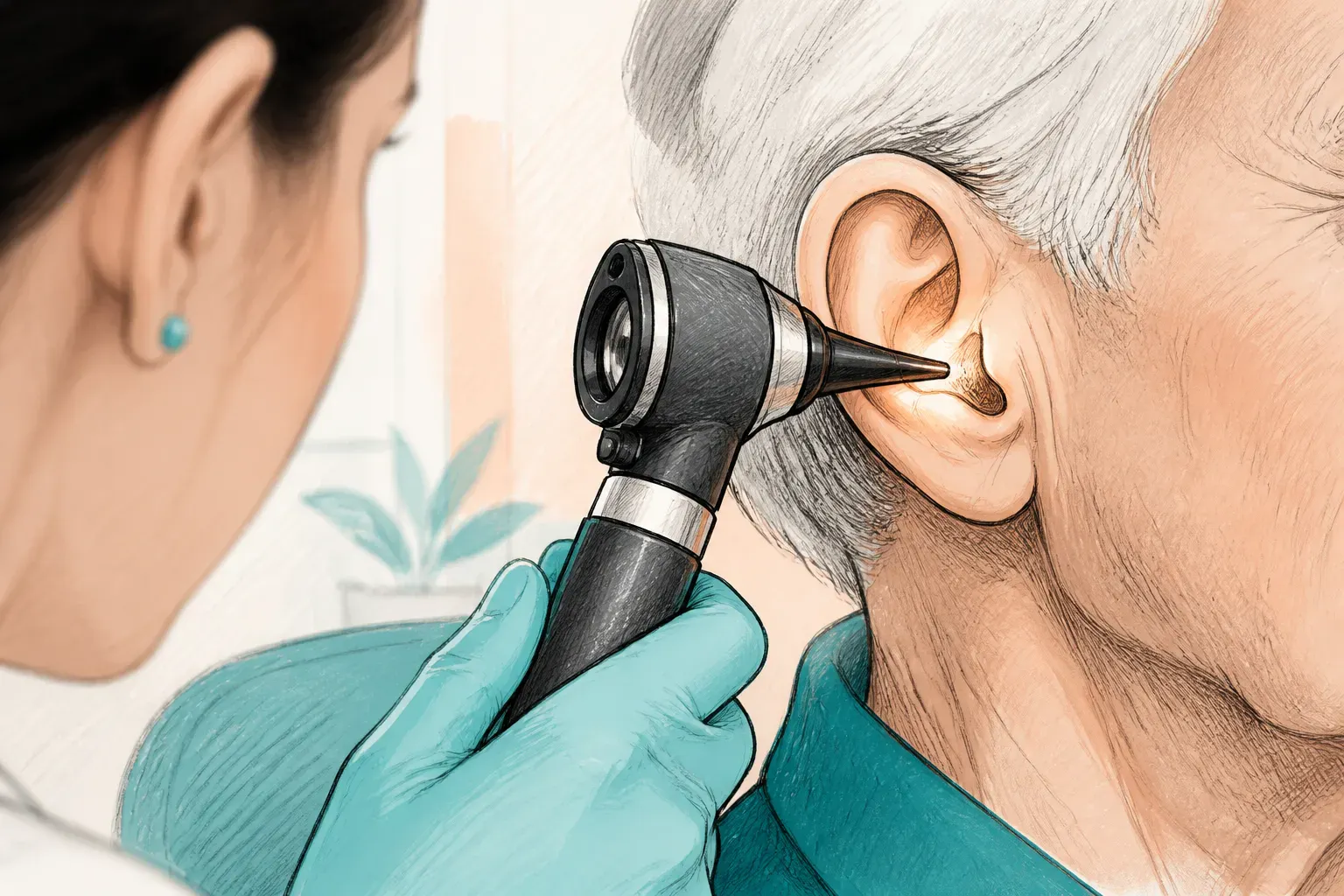
After that, the clinician will inspect the ear using an otoscope or a similar viewing device. This allows them to see whether wax is present, how deep it is, and whether the ear canal or eardrum looks healthy enough for treatment.
Sometimes the assessment shows that wax is not the main problem, or that treatment should be delayed. That can feel disappointing if you came in hoping for instant relief, but it is an important safety step. A careful ear health check helps avoid unnecessary discomfort and makes sure the right next step is chosen.
Treatment methods: microsuction, irrigation and when each may be used
Specialist clinics commonly use microsuction, and sometimes irrigation when it is suitable. The right choice depends on what the clinician sees during assessment, the type of wax, and the condition of the ear canal and eardrum.
Method | How it works | Comfort and feel | Typical use cases | Key precautions |
|---|---|---|---|---|
Microsuction | A small suction device gently removes wax under direct view | Usually well tolerated, but the suction sound can be noticeable | Often used in specialist practice, especially when wax is hard, dry, or close to the eardrum | May not be suitable if the ear canal is very sensitive or if debris is difficult to view safely |
Irrigation | Warm water is used to flush wax out of the ear canal | Can feel a little full or splashy, but is often quick | May be suitable for some people with softer wax and a healthy ear canal | Not suitable for everyone, especially with certain ear conditions, a perforated eardrum, or recent ear surgery |
Microsuction is often preferred in specialist settings because the clinician can see the ear canal directly throughout the procedure. That direct view can be especially helpful when the wax is compacted, when the ear is narrow, or when the patient has a more complicated ear history.
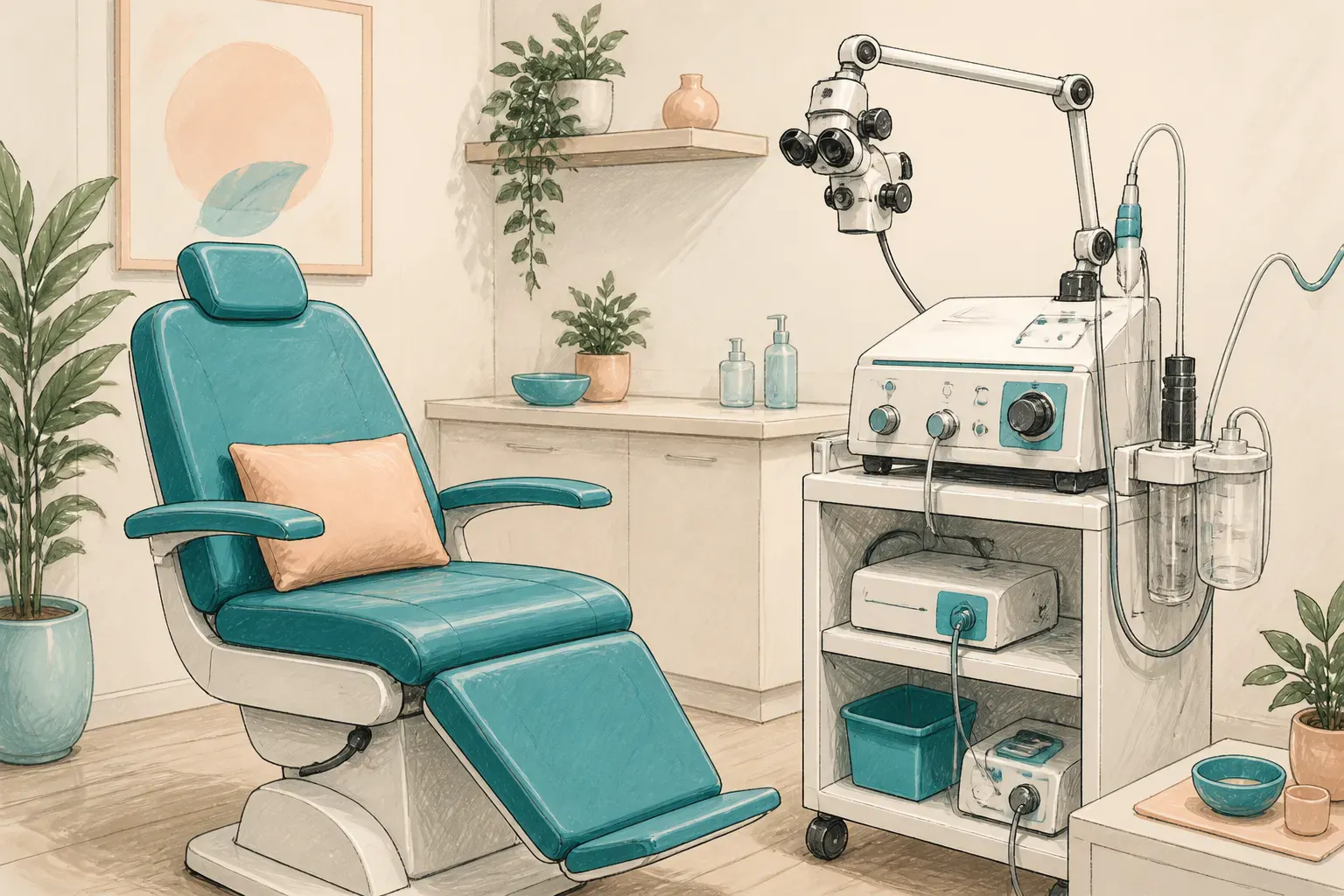
Irrigation may still be appropriate in some cases, but it is not the right option for every ear. A trustworthy clinician will decide based on safety, not convenience. If a method is not suitable, the clinician should explain why and suggest the next best option.
If you want to read more about how the process works, ProEarClinic also has a helpful guide on Microsuction ear wax removal.
What the appointment feels like
Many people feel nervous before their first ear wax removal appointment, but the experience is often easier than expected. The clinician should explain what will happen before touching the ear and should check that you are comfortable as the appointment progresses.
During microsuction, you may hear a sucking or whirring sound. Some patients also notice a faint rustling feeling as the wax is removed. The sensation is usually more unusual than painful, although the ear canal can be sensitive. If anything feels uncomfortable, the clinician should pause and adjust the approach.
During irrigation, you may feel water entering the ear and a sense of fullness or movement as the wax loosens. Some people find the sound of water strange at first, but the process is usually brief.
A typical appointment can be quite short, although the total time depends on the amount of wax and whether one or both ears need treatment. In some cases, only one ear is blocked, while the other needs a quick check rather than removal.
It is common for patients to feel a little anxious about pain. In a well-run clinic, the aim is always to keep treatment gentle, controlled, and respectful. You should never feel pushed to continue if the discomfort is too much. Clear communication matters just as much as the equipment.
Safety, suitability and when treatment may be postponed
A responsible clinician will look for reasons to be extra careful before removing wax. This is especially important for older adults, people with existing hearing problems, and anyone with a history of ear surgery or chronic ear disease.
Treatment may be postponed or adapted if you have:
- Signs of an active ear infection
- Severe or unexplained ear pain
- A suspected perforated eardrum
- Recent ear surgery
- Heavy discharge from the ear
- Significant dizziness or balance symptoms
- A canal that is too narrow or too inflamed for safe treatment
- Wax that is so impacted it needs a different approach
In these situations, the clinician may recommend medical review, a different technique, or a referral onward. That is not a failure of the appointment. It is part of safe practice.
Evidence based ear care guidance, including information from the NHS advice on earwax build-up, the NICE guidance on management of earwax, and the British Society of Audiology information on earwax and hearing, supports cautious assessment before treatment.
If you are attending with a complex history, bring any relevant details with you. Mention past perforations, surgery, infections, or hearing aid use even if they seem minor. The more the clinician knows, the easier it is to choose the safest route.
Aftercare and what to expect after the wax is removed
Many people notice better hearing very quickly after wax removal. In some cases, the change is immediate and striking. That said, the ear may feel slightly strange for a short while, especially if it has been blocked for some time.
Short term aftercare may include advice such as:
- Keeping the ears dry if the clinician recommends it
- Avoiding cotton buds or other objects in the ear canal
- Following any drop regimen only if it has been specifically suggested
- Watching for changes in hearing, pain, or discharge over the next day or two
A little temporary sensitivity is common. Some people also feel briefly light headed after treatment, particularly if they were tense during the appointment. This usually passes quickly.
You should seek follow up if you have persistent pain, discharge, ongoing dizziness, or if your hearing does not improve as expected. Sometimes the wax is not the only reason hearing feels reduced, so further assessment may be needed.
Good aftercare is about protecting the improvement you have just gained. If you have had a blocked ear for a while, it is sensible to be careful with water exposure and to avoid trying to clear the ear yourself.

Costs, convenience and how to choose a clinic
Private ear wax removal is often chosen because it is convenient, but price is only one part of the decision. A good clinic should combine clinical safety, clear communication, and a calm environment.
Common factors that can affect price include the initial assessment, whether one or both ears are treated, the removal method used, and whether same-day appointments are offered. A clinic that provides fast access may charge differently from one that focuses on longer appointments or follow up support.
Convenience matters too. For many people, the ideal clinic is one that is easy to reach, offers sensible appointment times, and explains things clearly from booking through to aftercare. This is especially important for anxious patients and for families trying to fit care around work, school, or caring responsibilities.
Here is a simple comparison of what to look for:
Factor | What to consider | Why it matters |
|---|---|---|
Access speed | Same day or short notice appointments | Useful when hearing loss is affecting work, travel, or daily life |
Assessment quality | Does the clinician inspect the ear before treating? | Helps ensure the treatment is appropriate and safe |
Treatment options | Microsuction, irrigation, or both | Gives flexibility based on the ear and the type of wax |
Patient comfort | Calm room, clear explanations, unhurried approach | Especially important for nervous patients and older adults |
Aftercare support | Clear advice on what to do next | Helps you know when to return or seek medical help |
Continuity of care | Easy follow up if symptoms continue | Useful if you have recurrent wax build up or hearing aid issues |
If you are comparing options locally, it can help to look for an established Ear wax removal clinic that offers transparent guidance rather than rushed treatment. For people who need fast access, Same-day ear wax removal may be especially helpful.
When to seek urgent medical advice instead of ear wax removal
Ear wax is common, but not every blocked ear should be treated as a simple wax issue. Some symptoms need medical assessment before any wax removal is attempted.
Seek urgent medical advice if you have:
- Sudden hearing loss
- Severe ear pain
- Bleeding from the ear
- Fever or feeling unwell with ear symptoms
- Smelly discharge or pus
- Marked dizziness or vertigo
- Facial weakness
- A recent head injury
These symptoms can point to infection, injury, or another condition that needs prompt attention. If something feels more serious than ordinary wax build up, do not wait for a routine removal appointment.

When in doubt, speak to NHS services or a clinician. It is always better to check than to assume the ear is merely blocked. Private clinics should also be happy to tell you if your symptoms sound unsuitable for ear wax removal and help you choose the right next step.
Recommended reads and next steps
If you are still deciding what to do, a good next step is to learn a little more about the treatment options and what a specialist appointment involves. ProEarClinic offers helpful educational resources, including a guide on Microsuction ear wax removal and details about Same-day ear wax removal.
If you are looking for local care or want to ask a question before booking, you can also visit the Contact ProEarClinic page. For wider reading, the clinic blog at https://proearclinic.co.uk/blog/ can help you understand ear health, blocked ear causes, and what to expect from treatment.
A good private appointment should feel calm, clear, and patient focused. You should leave understanding what was done, what your ears need next, and when to seek further help if symptoms return.
FAQ
What happens at a private ear wax removal appointment?
You usually start with a short consultation and ear examination. The clinician checks your symptoms, looks inside the ear, confirms whether wax is the likely cause, and then uses the safest suitable method to remove it if treatment is appropriate.
Does private ear wax removal hurt?
Most people do not find it painful, although they may notice unfamiliar sounds or mild sensitivity. If you feel discomfort, the clinician should stop, adjust the technique, or reconsider the approach.
How long does ear wax removal take?
The treatment itself is often brief, but the full appointment can take longer because of the assessment and aftercare discussion. The exact timing depends on the amount of wax and whether one or both ears need treatment.
Is microsuction better than irrigation?
Neither method is automatically better in every case. Microsuction is often preferred in specialist practice because the clinician can see the ear directly, but irrigation may be suitable for some ears. The safest choice depends on your ear health and the wax type.
Will I hear better straight after wax removal?
Many people do notice an immediate improvement, especially if wax was the main cause of hearing loss. However, if hearing does not improve as expected, there may be another issue that needs further assessment.
When should I avoid ear wax removal and see a doctor instead?
You should seek medical advice first if you have severe pain, sudden hearing loss, bleeding, fever, discharge, vertigo, or a recent history of ear surgery or perforation. These symptoms may need prompt medical review.
How do I know if I need ear wax removal near me?
If you have blocked ears, muffled hearing, fullness, tinnitus-like symptoms, discomfort, or problems with hearing aids, it is reasonable to have your ears assessed. A clinician can confirm whether wax is the cause and advise on the right treatment.