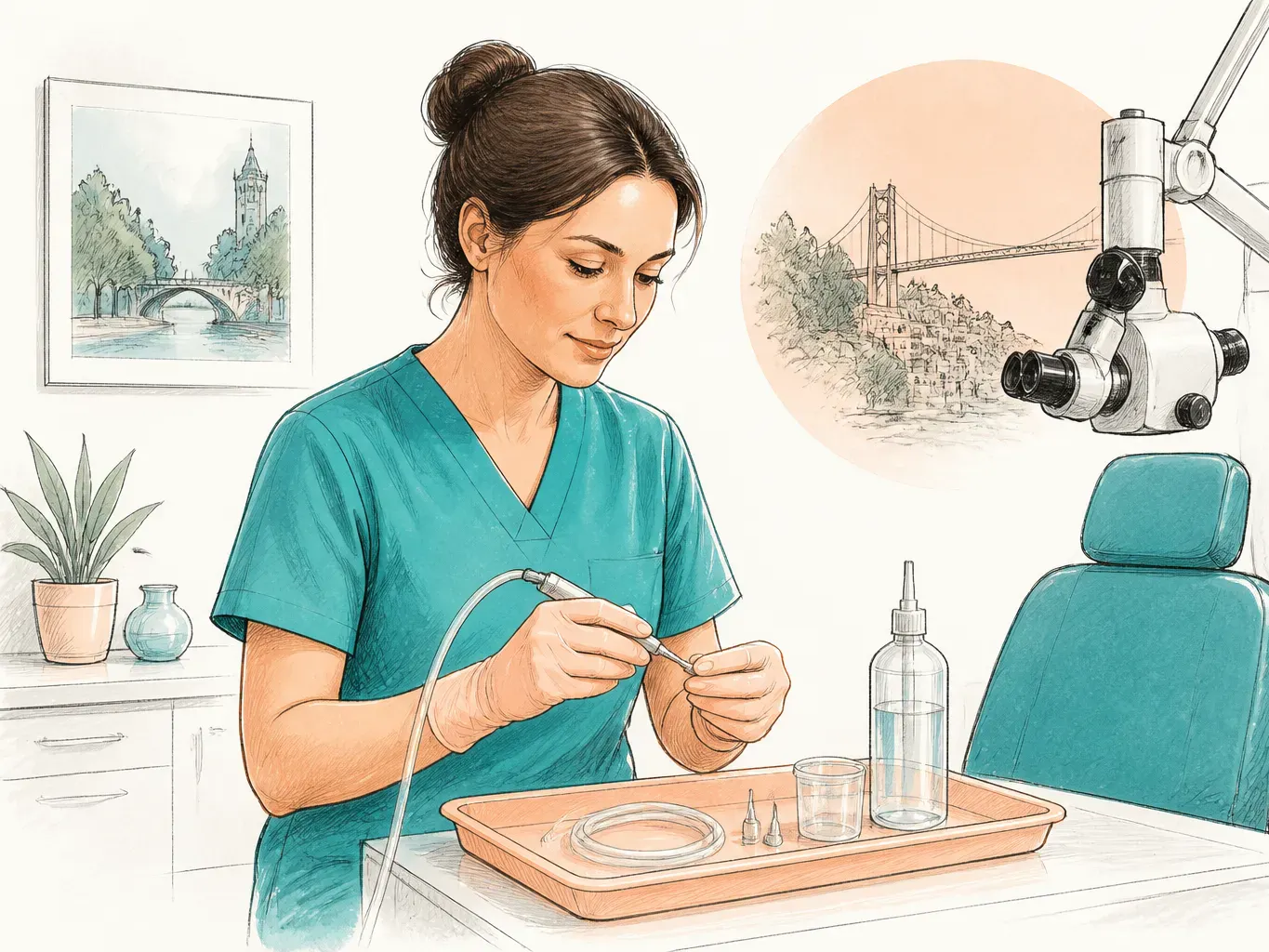
Safe earwax removal in Bristol means choosing a method that clears blocked wax without putting the ear canal or eardrum at unnecessary risk. For many people, that means a professional assessment first, then a careful treatment such as microsuction if wax is confirmed. It is especially helpful for older adults, hearing aid users, anxious patients, families managing care for a relative, and anyone who wants gentle, evidence based ear care.
What safe earwax removal means for Bristol patients
Safe earwax removal is not just about getting wax out of the ear. It is about checking that earwax is actually the cause of the problem, choosing the right method for the person in front of you, and removing wax in a way that respects the structure of the ear.
The safest approach protects the ear canal, avoids pushing wax deeper, and reduces the chance of pain, dizziness, infection, or damage to the eardrum. It also takes your medical history into account, because some ears need extra caution. If you are looking for safe earwax removal Bristol residents can rely on, the best place to start is with a proper assessment rather than a guess based on symptoms alone.
At Pro Ear Clinic, the aim is straightforward, patient friendly care. That means clear explanations, calm surroundings, careful examination, and a treatment plan based on what is actually happening in your ears. For some people, that will be a simple ear check. For others, it may involve specialist removal or advice on next steps.
Quick summary: when earwax should be treated and when to wait
Earwax does not always need removing. In fact, a small amount of wax is normal and helpful. It protects the ear canal by trapping dust and debris, and it has natural cleaning properties.
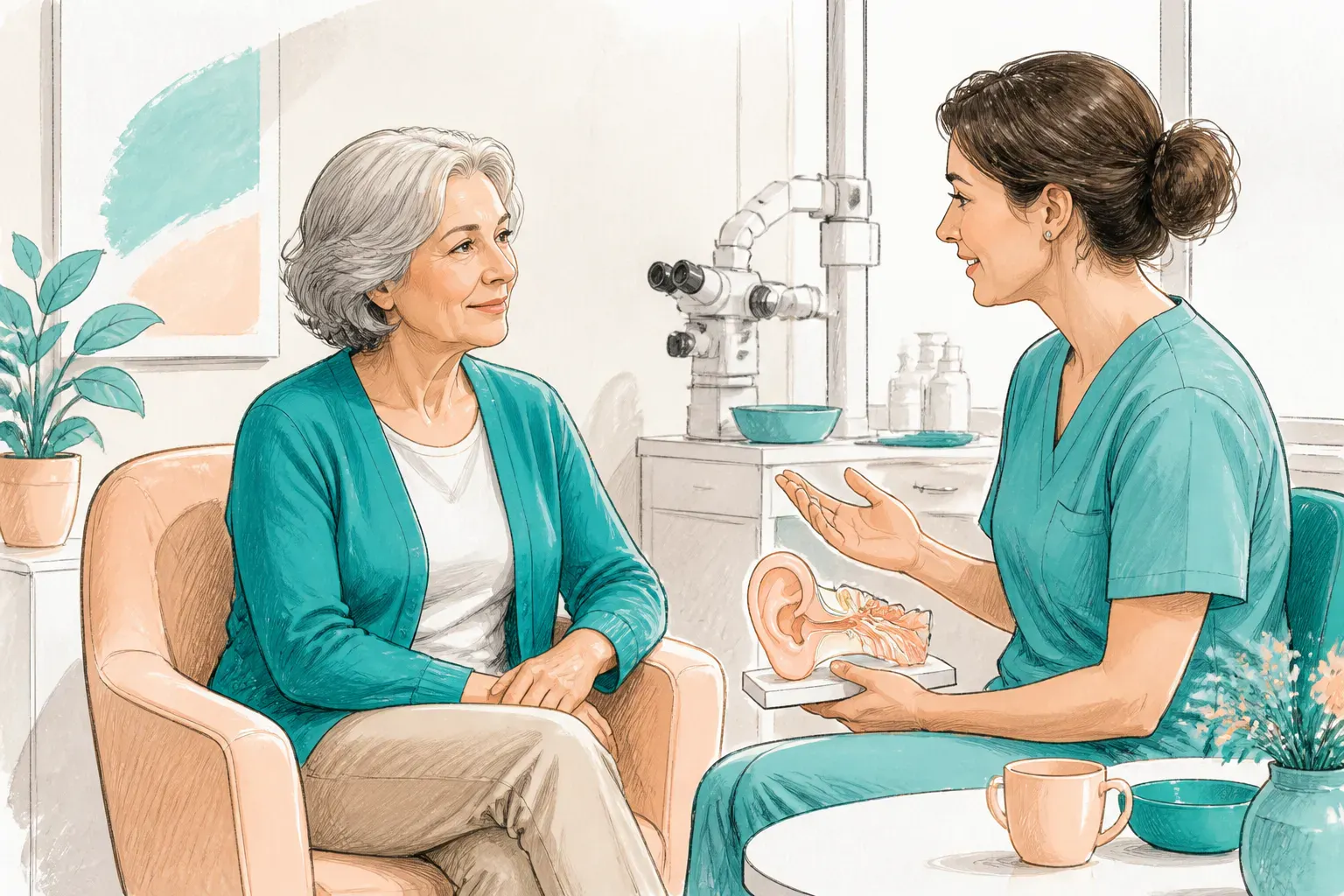
Treatment is usually worth considering if you have one or more of the following:
- blocked or muffled hearing
- a feeling of fullness or pressure in the ear
- itching or irritation
- tinnitus, especially if it seems worse on one side
- mild discomfort linked to a wax build up
- difficulty using hearing aids because of wax
- repeated problems with wax blocking the ear canal
Sometimes, softening drops and a short wait can help wax move naturally, especially if symptoms are mild and there are no warning signs. However, professional assessment is often the better choice if your hearing has changed quickly, if you are unsure whether wax is the cause, or if you have had problems with wax before.
You should not try to treat earwax as a simple home project if you have any of these red flags:
- severe ear pain
- discharge or bleeding from the ear
- sudden hearing loss
- a suspected perforated eardrum
- recent ear surgery
- a history of repeated ear infections
- dizziness, significant imbalance, or fever
If any of those apply, it is safer to seek medical advice before any wax removal attempt. For general background, the NHS guidance on earwax build-up is a useful place to start, and it explains when self care may be appropriate and when to speak to a clinician.
How earwax problems happen and why symptoms are sometimes misleading
Earwax, also called cerumen, is a normal part of ear health. It is made by glands in the outer ear canal and gradually moves outward as you chew, talk, and move your jaw. In many cases, the ear cleans itself without any help.
Problems happen when that natural movement is interrupted or when wax is pushed further in than it should be. This is why over cleaning often makes the issue worse. Cotton buds, hair pins, rolled tissue, and improvised tools can compact wax against the eardrum. They can also scratch the ear canal, creating pain and a route for infection.
Several common factors can make blockage more likely:
- narrow or curved ear canals
- age related changes in wax texture and ear canal skin
- wearing hearing aids or ear moulds regularly
- previous attempts to clean the ear yourself
- a tendency to produce dry, hard wax
- ear canal hair that traps wax more easily
It is also important to know that symptoms like muffled hearing, pressure, or a blocked feeling are not always caused by wax. Ear infections, fluid behind the eardrum, changes in hearing, and other ear conditions can feel similar. That is one reason a proper examination matters. A clinician can look into the ear and decide whether wax removal is actually the right answer.
If you have been living with a blocked sensation for a while, it can be tempting to assume wax is the problem and keep trying different remedies. A better approach is to have the ear assessed, especially if the symptom has persisted or affected daily life.
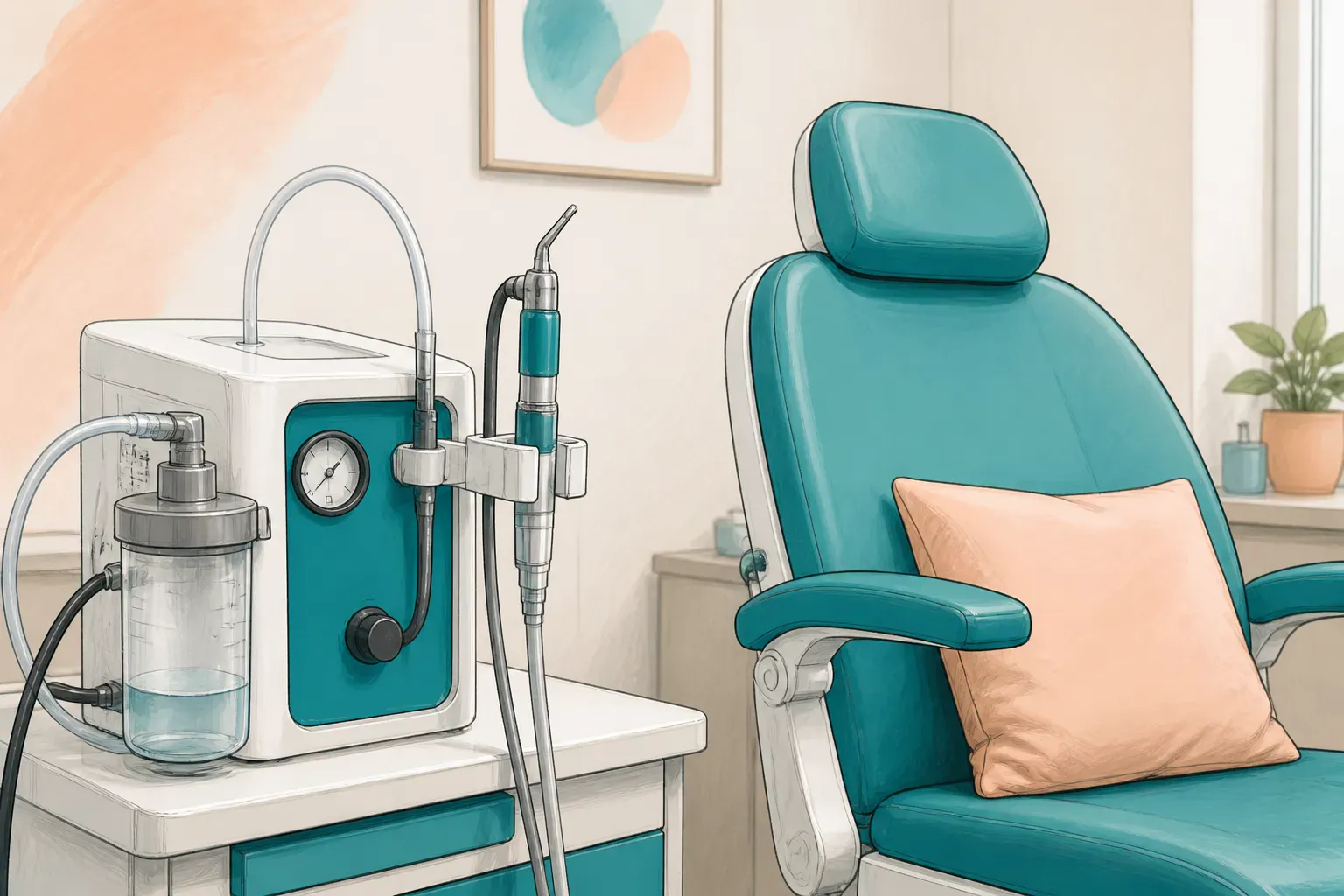
Safe options for earwax removal in Bristol
There are several ways to manage earwax, but they are not equally suitable for every person. The safest choice depends on the amount of wax, the shape of the ear canal, your symptoms, and any medical factors that increase risk.
Method | Safety profile | Comfort | Typical suitability | Notes |
|---|---|---|---|---|
Microsuction | High when performed by trained clinicians | Usually well tolerated | Blocked wax, hearing aid users, sensitive ears, complex cases | Uses gentle suction under direct vision |
Irrigation | Suitable in some cases, but not for everyone | Can feel warm or a little strange | Selected patients with healthy ears and suitable wax | Requires careful screening first |
Home softening | Low risk when used correctly | Comfortable | Mild wax build up, preparation before assessment | May help soften wax, but does not always solve blockage |
Manual removal | Can be appropriate in experienced hands | Depends on the case | Small amounts of wax, specialist settings | Needs good visibility and steady technique |
Microsuction is often a preferred specialist option because the clinician can see the ear canal clearly while removing wax. That direct vision helps keep the process controlled and targeted. It can be especially useful when wax is hard, one ear is more blocked than the other, or previous softening has not worked.
Irrigation can also be effective in the right circumstances, but it is not appropriate for everyone. A clinician should check whether there is any reason to avoid it, such as a perforated eardrum, ear infection, or a history of ear surgery. This is one reason the safest earwax removal service will not offer the same method to every patient by default.
Home softening is best thought of as preparation or support, not a guarantee of removal. Drops may soften wax so it can move more naturally, but if the blockage is significant, professional treatment is often needed.
For patients who want to understand a specialist option in more detail, our guide to microsuction earwax removal explains how the method works and why it is commonly used in clinical practice.
The British Society of Audiology earwax removal guidance and the NICE clinical knowledge summary on earwax also support careful assessment before treatment, especially where there are risk factors or uncertainty about the diagnosis.
What to expect at a Pro Ear Clinic appointment
A lot of anxiety around earwax removal comes from not knowing what will happen. A calm, clear appointment usually helps more than people expect.
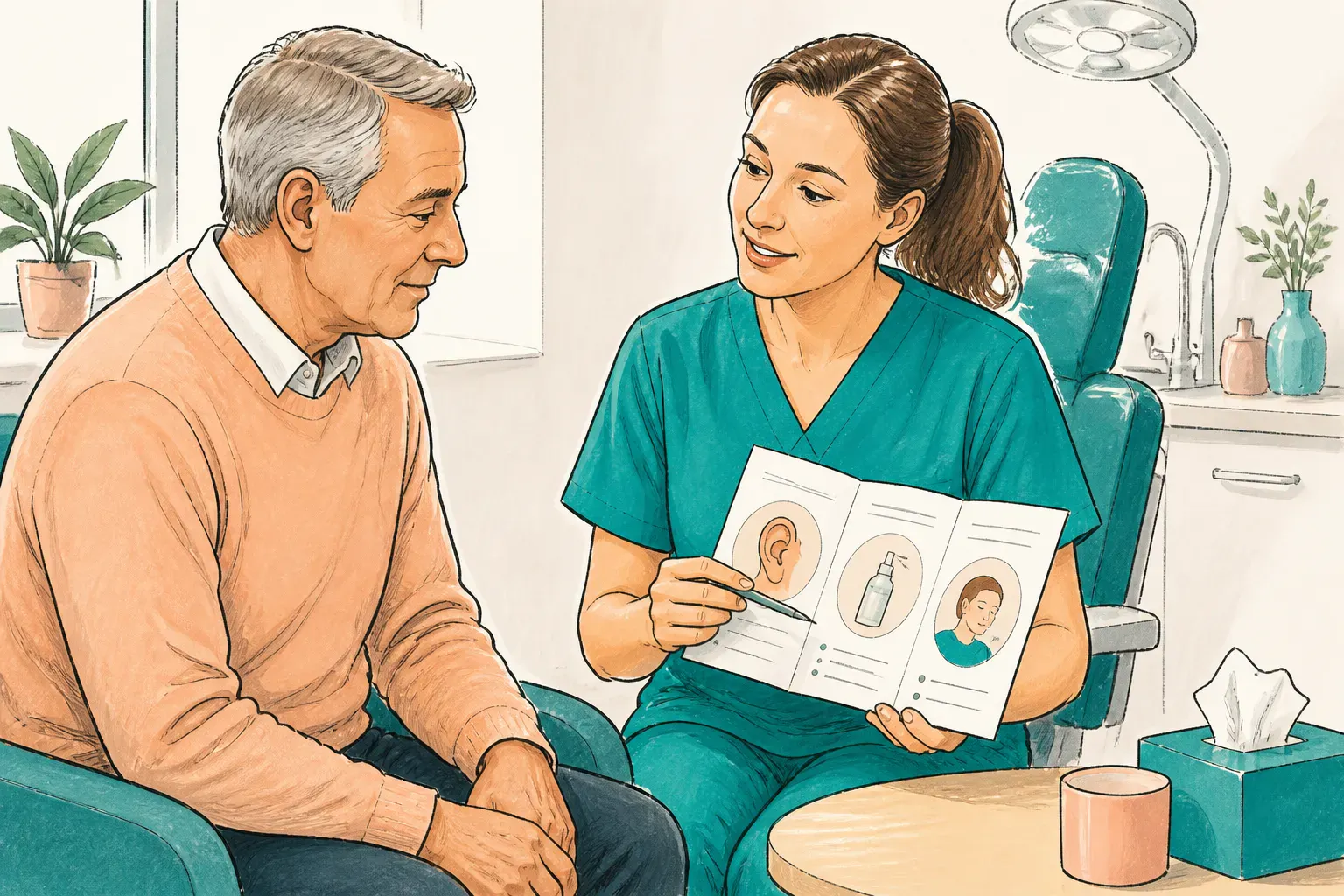
Your visit typically begins with a conversation about your symptoms, your medical history, and any previous ear problems. The clinician will ask about pain, discharge, dizziness, surgery, hearing aid use, and anything else that may affect treatment. This is not box ticking. It helps decide whether wax removal is appropriate and which method is safest.
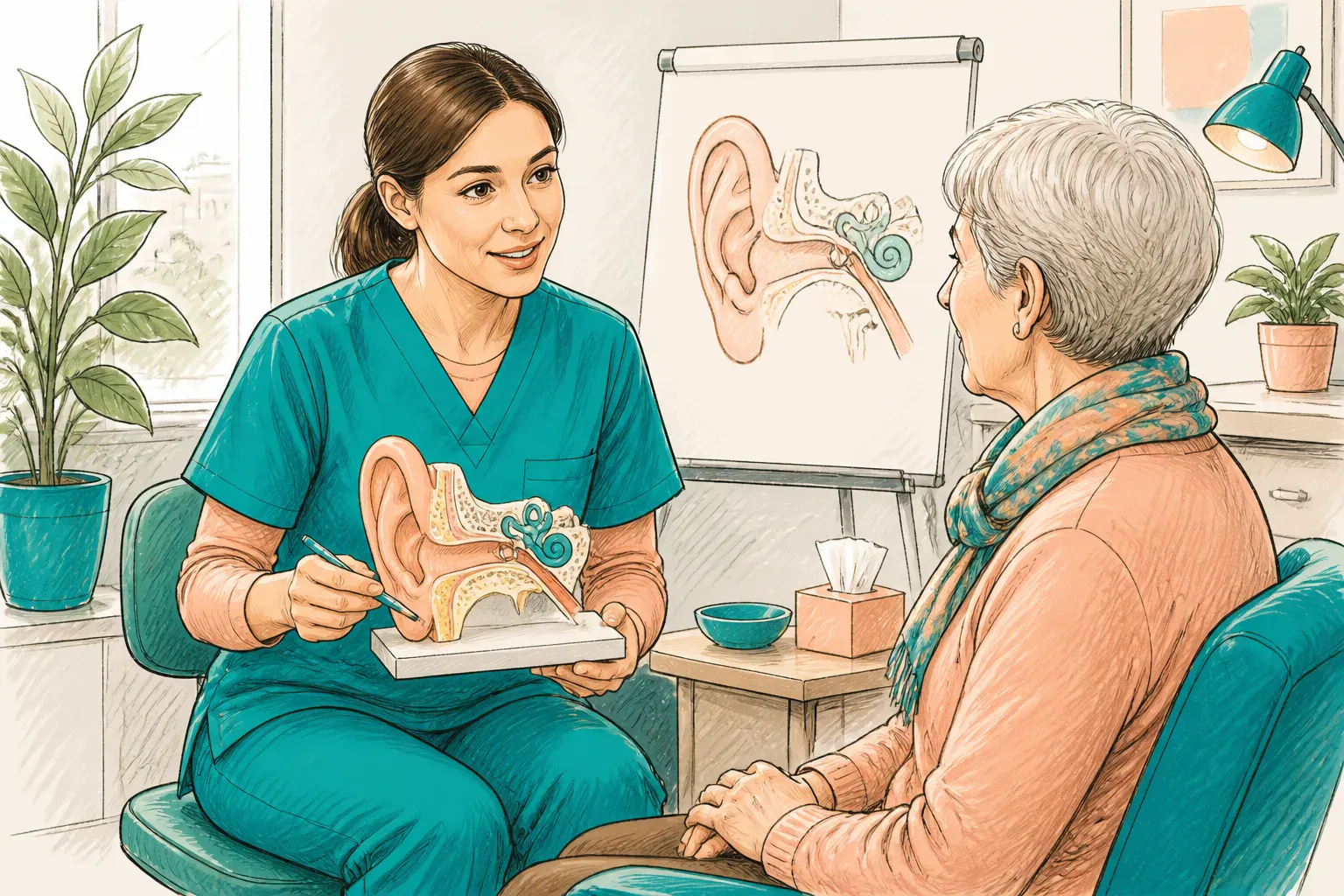
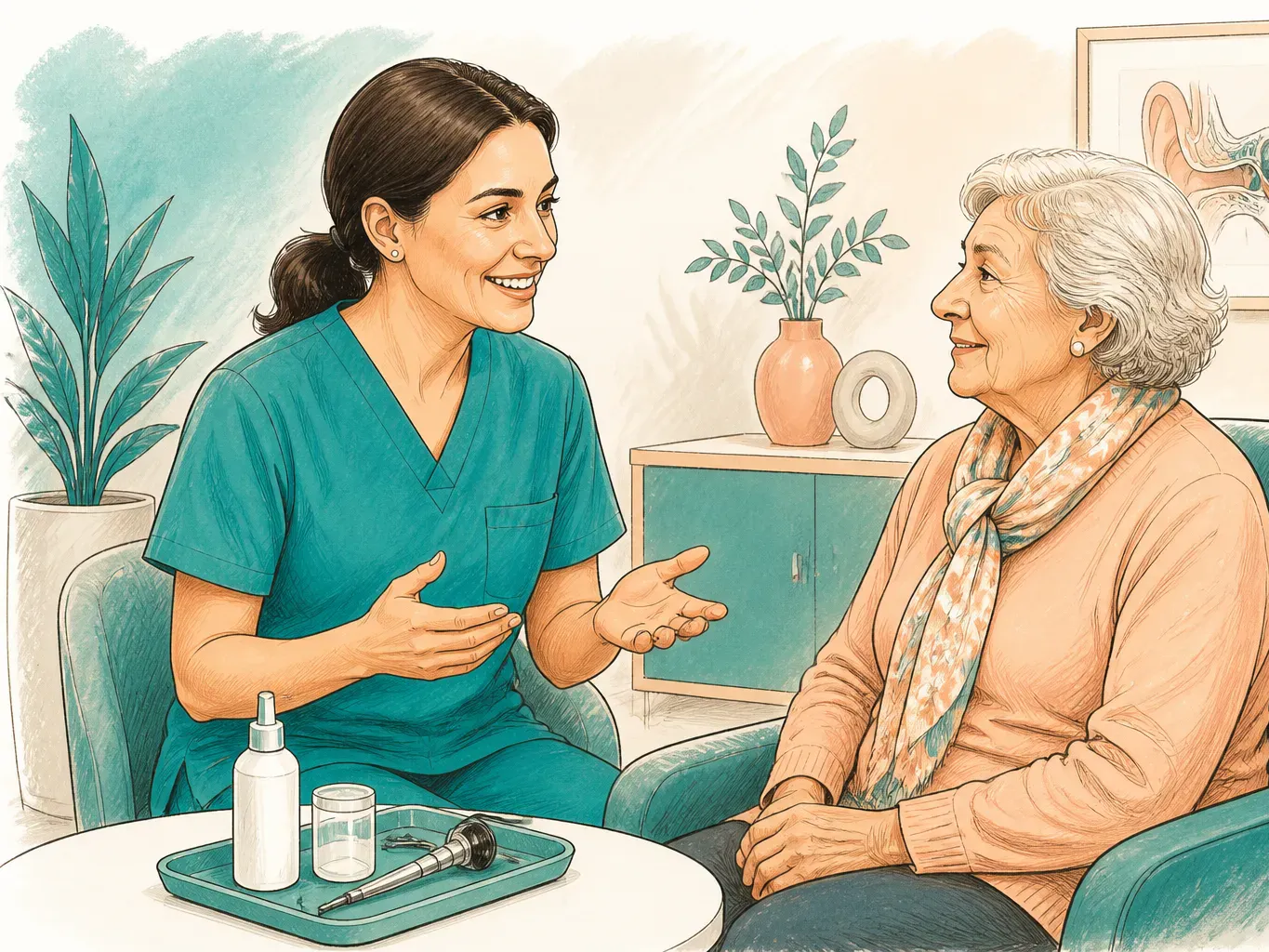
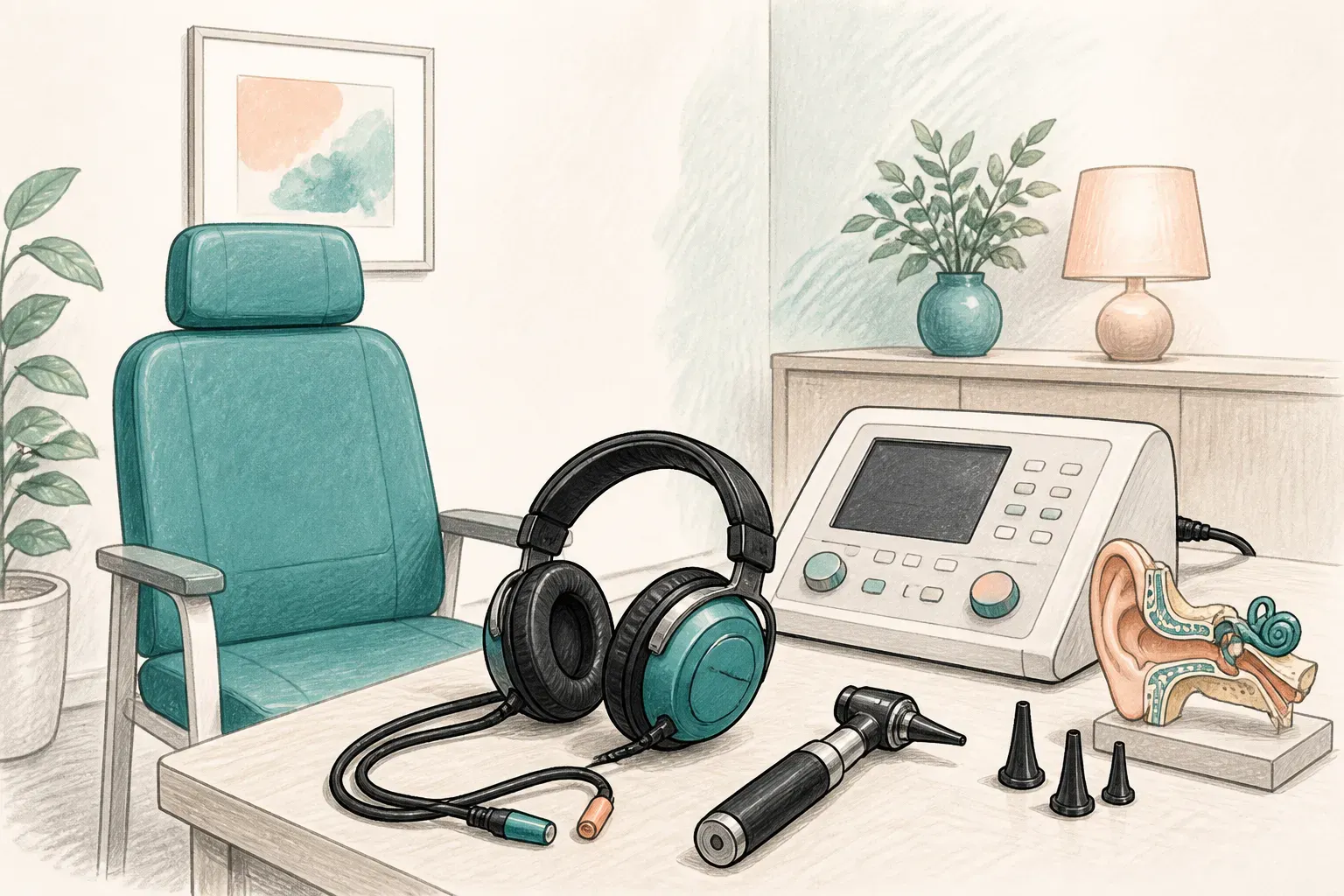
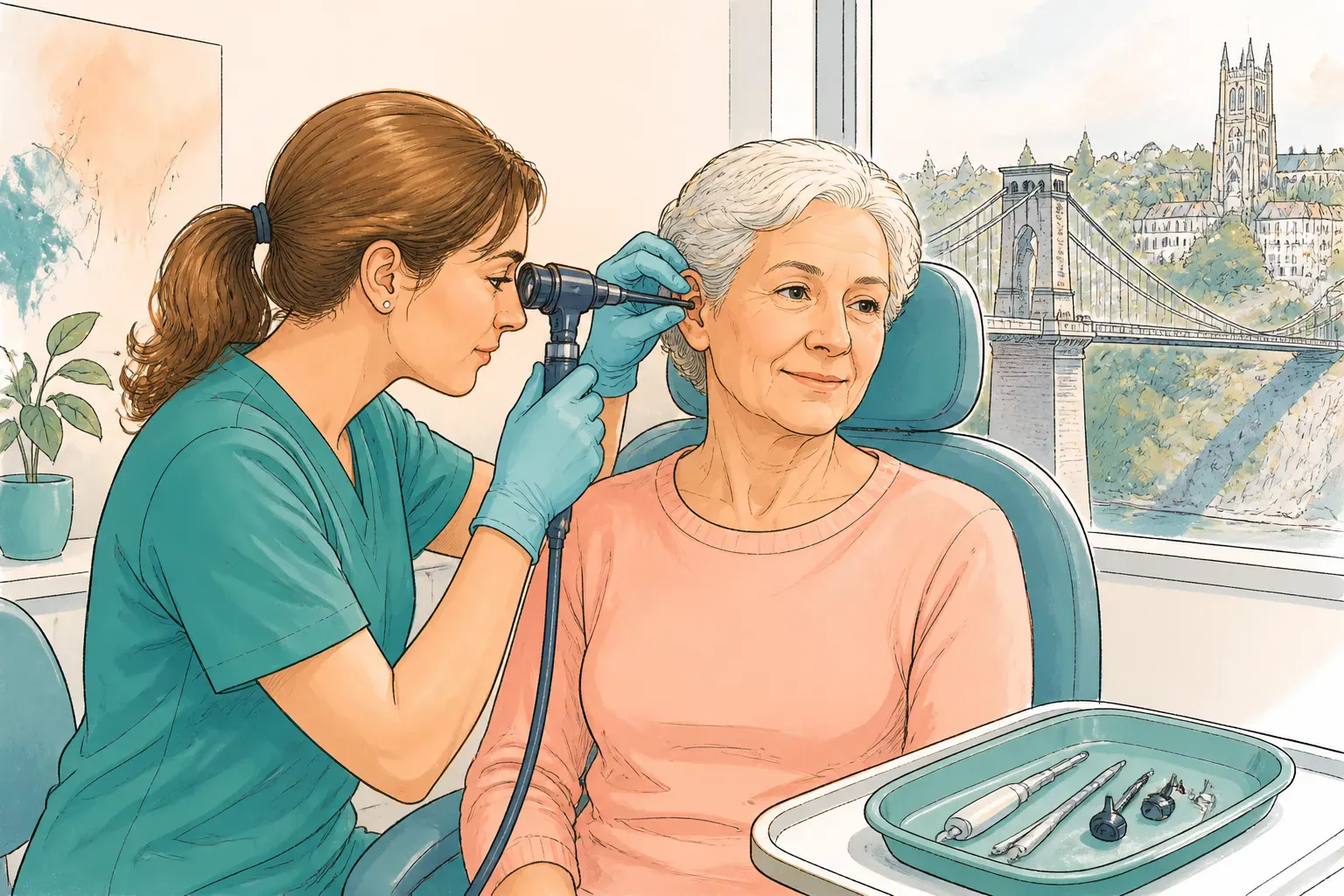
Next comes an ear examination, usually with a lighted instrument or microscope so the clinician can see the ear canal and eardrum clearly. If wax is present and removal is suitable, the clinician will explain the method before proceeding. At Pro Ear Clinic, the emphasis is on keeping you informed, comfortable, and in control throughout.
What does it feel like? Most patients describe microsuction as a sensation of suction or a low level of noise rather than pain. Some notice brief changes in hearing while the wax is being removed. Others feel a little tickle or pressure. If anything feels uncomfortable, you can say so immediately. A good appointment should move at your pace.
The procedure itself is usually quite quick, though timing depends on how much wax there is and whether both ears need attention. Some appointments are over in a few minutes, while more involved cases take longer because the clinician may need to work carefully and reassess as they go.
If you are nervous, it can help to bring a family member, especially for reassurance or practical support. That is often useful for older adults too. If you are booking for a parent or relative, ask in advance about the appointment format and any preparation that may help them feel more relaxed.
For people who want more general ear health support, an ear health assessment can be a sensible starting point before deciding on treatment.
Who may need extra care or a different approach
Some patients need a more careful plan because their ears, health conditions, or living situation make routine wax removal less straightforward.
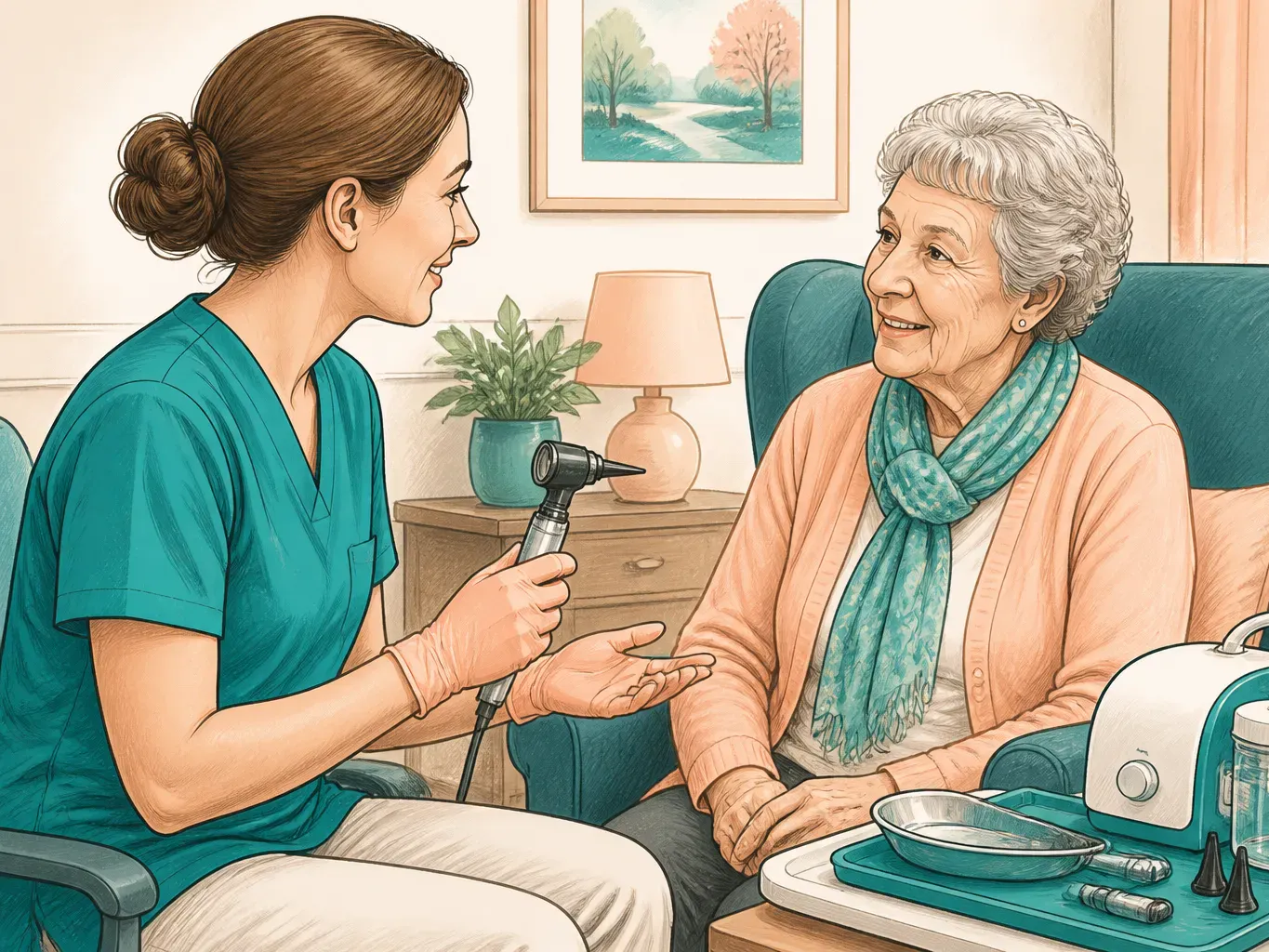
Older adults often benefit from extra patience and clear communication. Earwax can become drier with age, and hearing changes may make appointments feel more stressful. A gentle, explained process is particularly important here, and home visit care may be helpful where available.
Hearing aid users are another important group. Ear moulds and devices can trap wax, and build up can quickly affect hearing aid performance. If you wear hearing aids, regular ear checks can help prevent repeated blockage. It is also useful to ask whether your devices should be removed before treatment and when they can go back in.
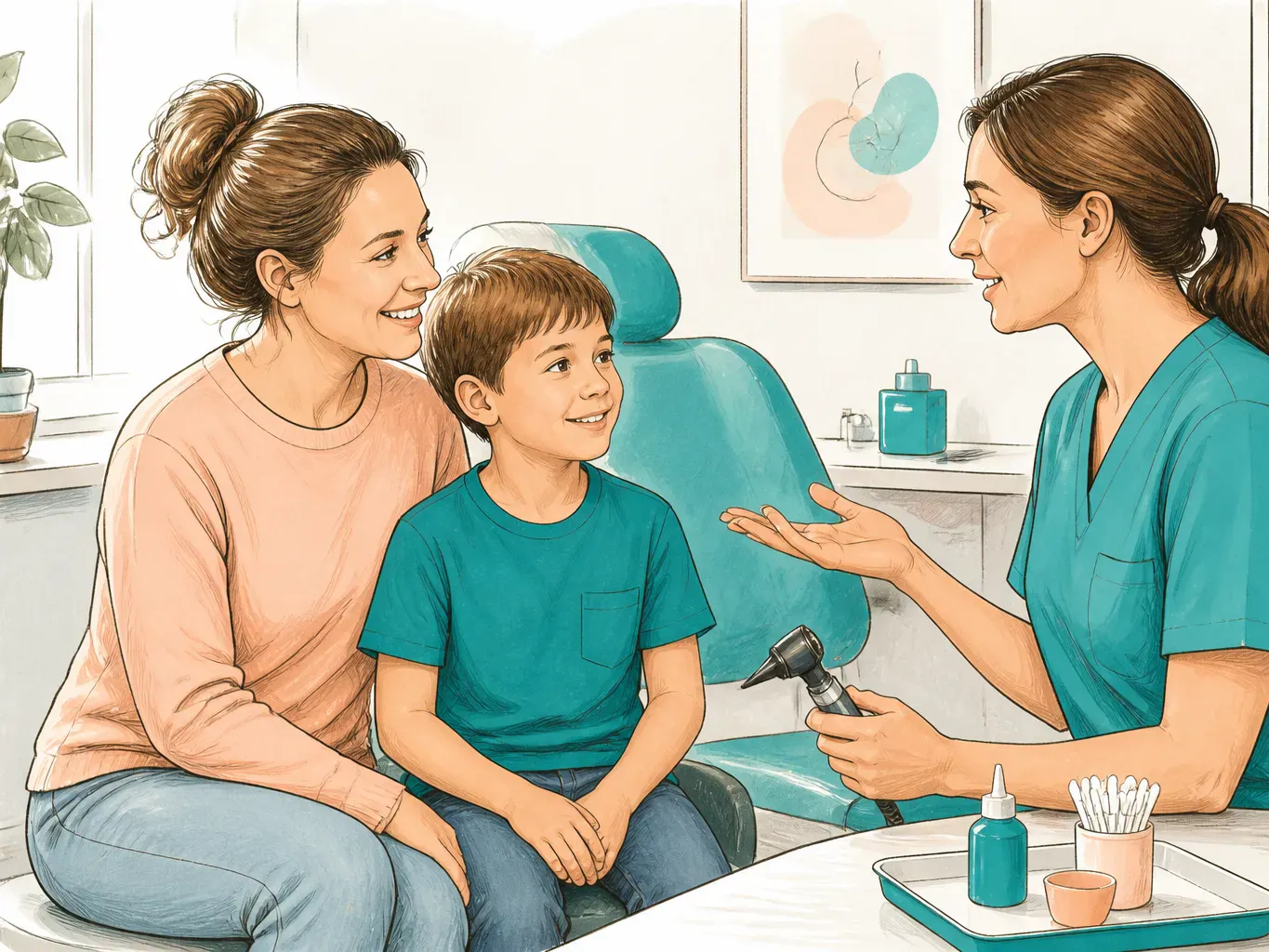
Children may have different needs again. Their ear canals are smaller, and symptoms are not always easy to interpret. If a child has ear pain, discharge, or reduced hearing, assessment is important before anyone tries to remove wax.
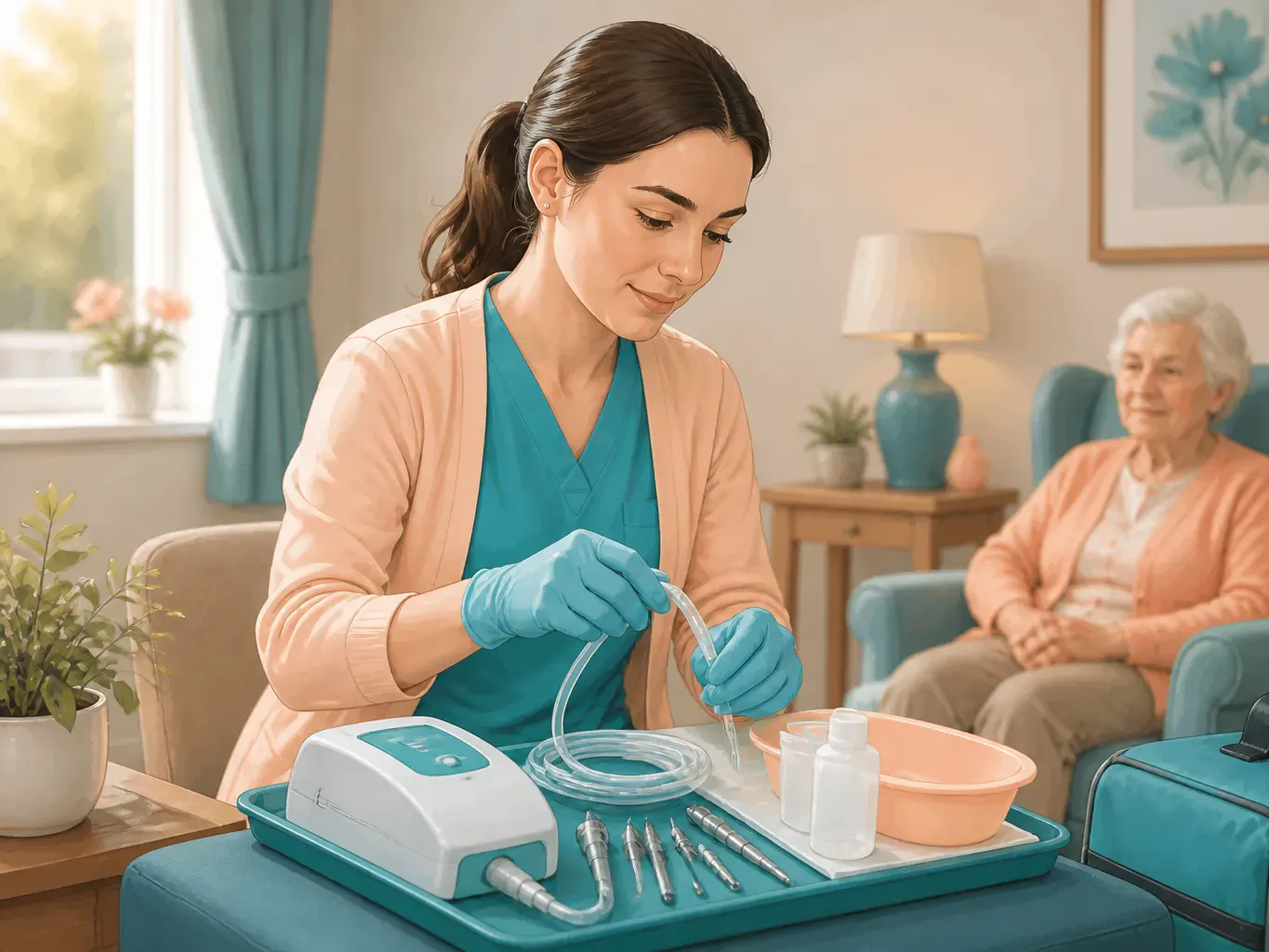
Care home residents may need on site support or extra coordination, especially if mobility, dementia, or communication difficulties are factors. In some cases, a home visit may be more appropriate than a clinic appointment, provided the clinician can assess the ear safely.
Not every person with blocked ears is a candidate for immediate removal. Sometimes the right decision is to examine, explain, and then refer if there are signs that the problem is not simple wax. That level of caution is part of safe care, not a delay.
If you are looking for a practical option that fits your circumstances, you may wish to read more about home visit earwax removal or the services at our earwax removal clinic in Bristol.
What not to do at home
The quickest way to make wax removal less safe is to treat the ear like a place to poke, scoop, or experiment.
Do not use cotton buds inside the ear canal. They often push wax further in and can irritate the skin. Do not use ear candles, which are not a reliable removal method and can cause burns or injury. Do not insert hair grips, tweezers, tissue twists, or similar objects. Even if you are trying to be careful, the ear canal is easy to scratch.
It is also wise to be cautious with unverified internet remedies. Some products and methods are harmless in the right context, but others can worsen blockage or irritate the ear. If something sounds dramatic or involves putting an unfamiliar substance into the ear, check it against recognised clinical advice first.
Safer home care generally means keeping the outside of the ear clean and, if appropriate, using softening drops in line with clinician or pharmacist advice. This is especially relevant if you are preparing for a professional assessment. However, do not use drops if you have severe pain, discharge, a suspected perforation, or recent surgery unless you have been advised to do so.
The Royal College of Nursing guidance on ear care is another useful reference point for the importance of gentle, evidence based ear care and avoiding unnecessary trauma.
Aftercare, recovery, and when to seek help again
After earwax removal, many people notice an immediate difference in hearing, especially if the blockage was significant. Others find improvement is gradual over the rest of the day, particularly if the ear canal was irritated or if there was a lot of wax.
It is normal to feel a little awareness of the ear shortly after treatment. Some people are surprised by sounds feeling louder or clearer. If drops have been used, the ear may also feel slightly damp or sensitive for a short time.
Simple aftercare usually includes:
- keeping the ear dry for the period advised by your clinician
- avoiding cotton buds and other objects in the ear
- using any prescribed drops exactly as directed
- watching for pain, discharge, or dizziness
- returning for review if symptoms do not improve as expected
If hearing does not improve after wax has been removed, there may be another cause that needs assessment. That is why follow up matters. Persistent blockage, pain, or ringing should not be ignored simply because wax was present.
Seek help again if you notice:
- increasing pain
- discharge or bleeding
- worsening hearing loss
- persistent fullness after treatment
- dizziness or balance changes
- signs of infection
For people who are prone to repeated build up, a regular ear care plan can be useful. That may include periodic checks, advice on safe softening, and reminders about when to book a repeat visit before the wax becomes too impacted.
Choosing a safe earwax removal service in Bristol
A safe service should feel calm, professional, and transparent from the first contact. It should not pressure you into treatment before a proper assessment.
Use this checklist when comparing providers:
- Are the clinicians trained in ear examination and wax removal?
- Do they explain the method they recommend and why?
- Is the equipment suitable for direct visual examination and controlled removal?
- Do they ask about ear surgery, infection, perforation, pain, or discharge before treatment?
- Do they give clear aftercare advice?
- Do they tell you what happens if they cannot remove all the wax safely in one visit?
- Do they communicate in a calm, respectful way, especially if you are anxious?
It also helps to ask practical questions before booking. For example: Can you treat hearing aid users? Do you offer support for older adults? Can the appointment be adapted if I am nervous? Is home care available if I cannot travel easily? These questions are not fussy, they are sensible.
At Pro Ear Clinic, the approach is patient first and evidence based. That means careful examination, appropriate technique, and a focus on comfort rather than rushing. If you are exploring options for safe earwax removal in Bristol, the key is to choose a team that values safety as much as convenience.
Recommended reads and further help
If you want to learn more before booking, these related topics are a useful next step:
- microsuction earwax removal, for a closer look at the treatment method many patients choose
- ear health assessment, if you are not sure whether wax is the cause of your symptoms
- home visit earwax removal, if travelling to a clinic is difficult
- the Pro Ear Clinic blog at https://proearclinic.co.uk/blog/, for practical ear care information and patient guidance
A good starting point for clinical background is also the NHS guidance on earwax build-up, which explains symptoms, self care, and when professional help is needed.
If your ears are blocked, uncomfortable, or affecting your hearing, it is worth getting checked rather than guessing. Gentle, safe care can make a noticeable difference, and the right approach is usually the one that protects your hearing while bringing relief as soon as possible.
FAQ
Is earwax removal safe in Bristol?
Yes, earwax removal can be very safe when it is done after proper assessment and with the right method for your ears. Safety depends less on the city and more on the training of the clinician, the equipment used, and whether your ear health has been checked first.
Which earwax removal method is safest?
There is no single safest method for every person, because the best option depends on your ear health, symptoms, and medical history. Microsuction is often considered a controlled specialist option because the clinician can see the ear canal directly, but irrigation or other approaches may be suitable in some cases.
How do I know if I need professional earwax removal?
You may need professional removal if you have blocked hearing, pressure, tinnitus, discomfort, or difficulty using hearing aids, especially if home softening has not helped. If you have pain, discharge, sudden hearing loss, or a suspected perforation, seek medical advice first.
Does microsuction hurt?
Most people do not find microsuction painful. They may notice suction noise, mild pressure, or a tickling sensation. If anything feels uncomfortable, tell the clinician straight away so they can adjust the approach.
Can I remove earwax myself at home?
You can sometimes use softening drops at home if the situation is mild and there are no warning signs. However, you should not try to dig wax out with cotton buds or tools, and you should avoid home treatment if you have pain, discharge, a perforation, or recent ear surgery.
How long does earwax removal take?
The appointment itself is often quite quick, but the exact time depends on how much wax is present and whether one or both ears need treatment. A simple case may take only a few minutes, while more complex cases can take longer because careful examination and removal are important.
Is earwax removal suitable for older adults or hearing aid users?
Yes, it often is, and these groups may benefit greatly from careful wax management. Older adults may need extra time and reassurance, while hearing aid users often need regular checks because devices can contribute to build up.
What should I do after earwax removal?
Follow the aftercare advice you are given, keep the ear dry if advised, avoid putting anything into the ear, and watch for any new pain, discharge, dizziness, or persistent blockage. If your hearing does not improve as expected, arrange a review.