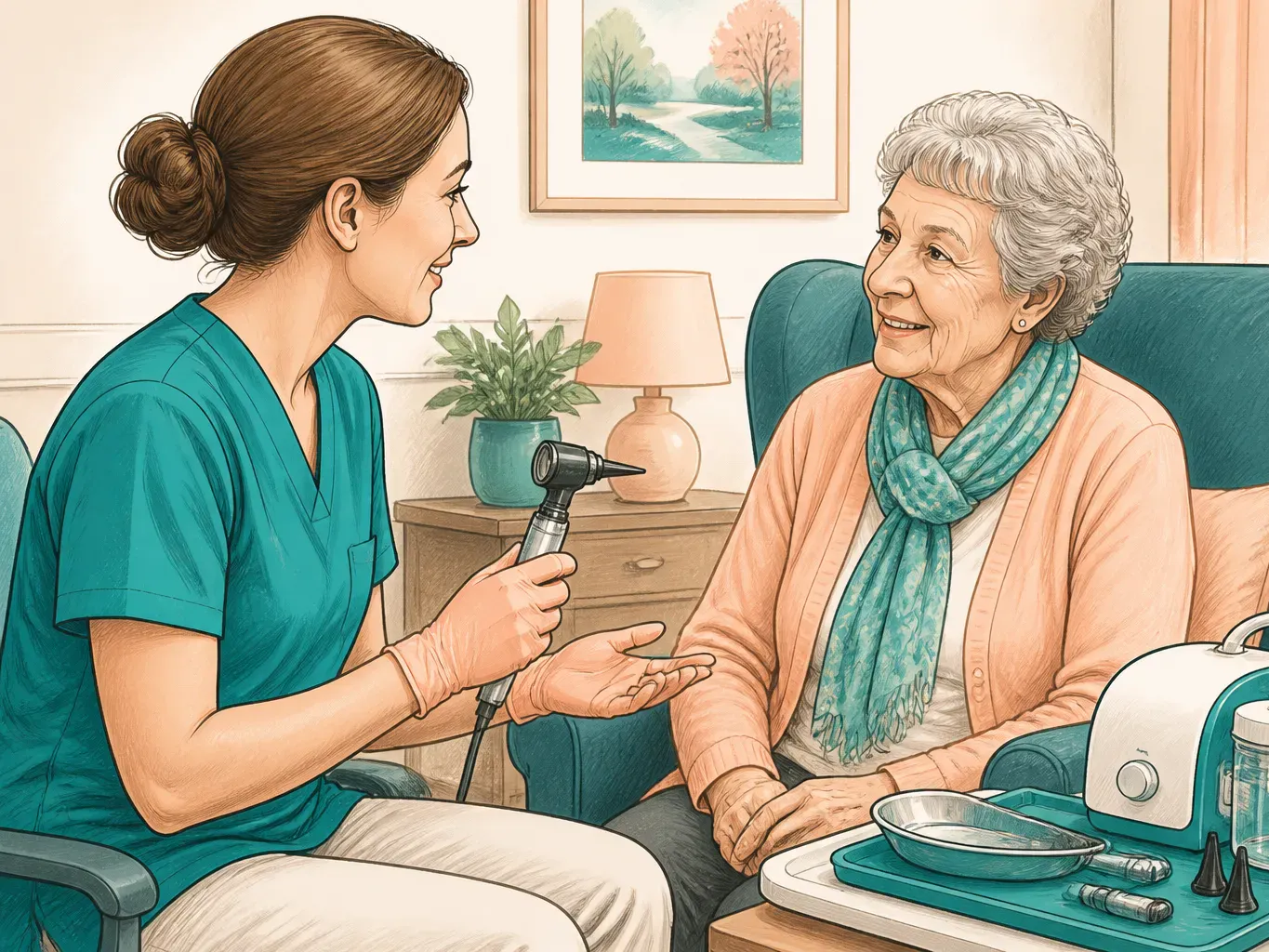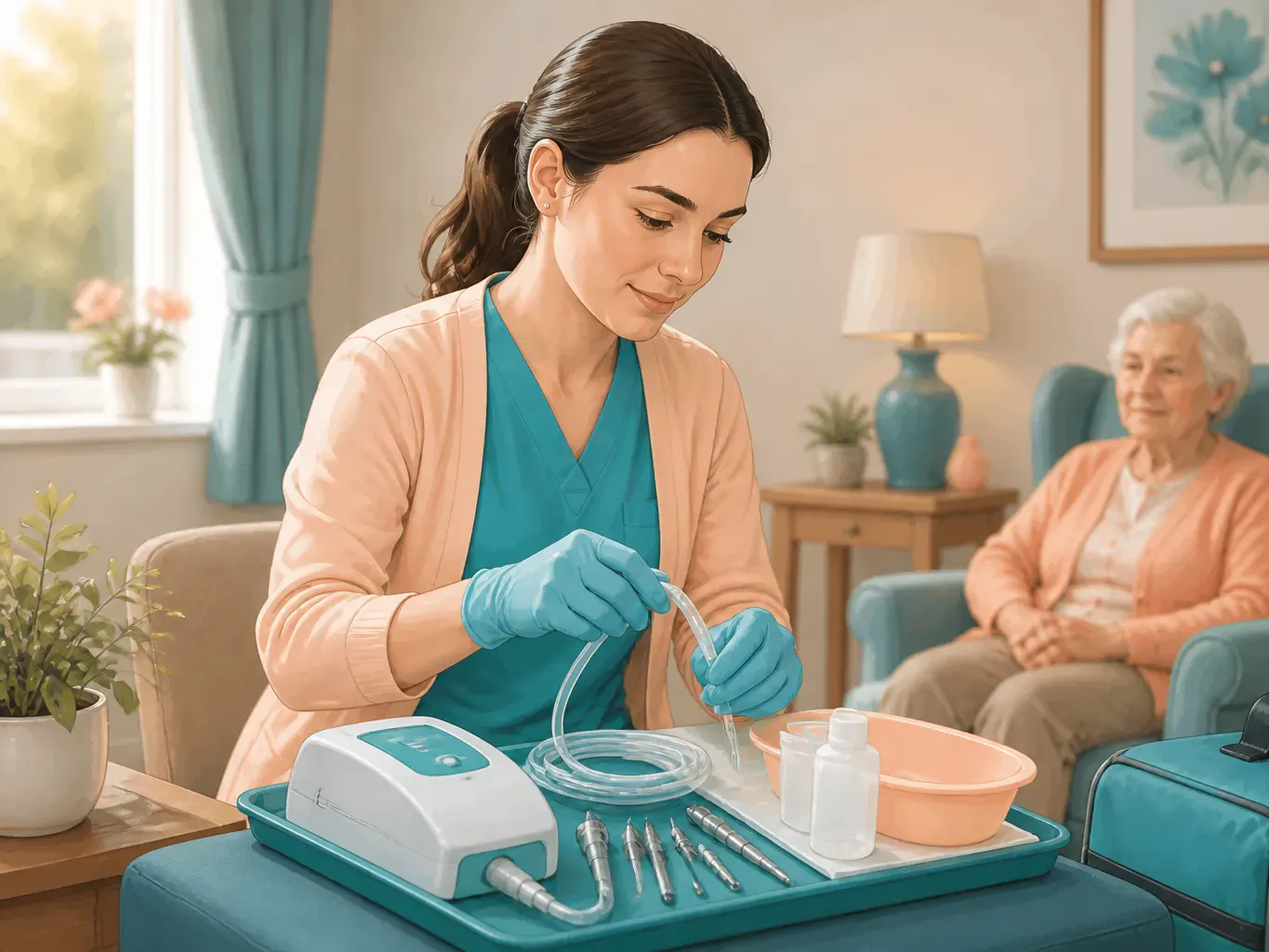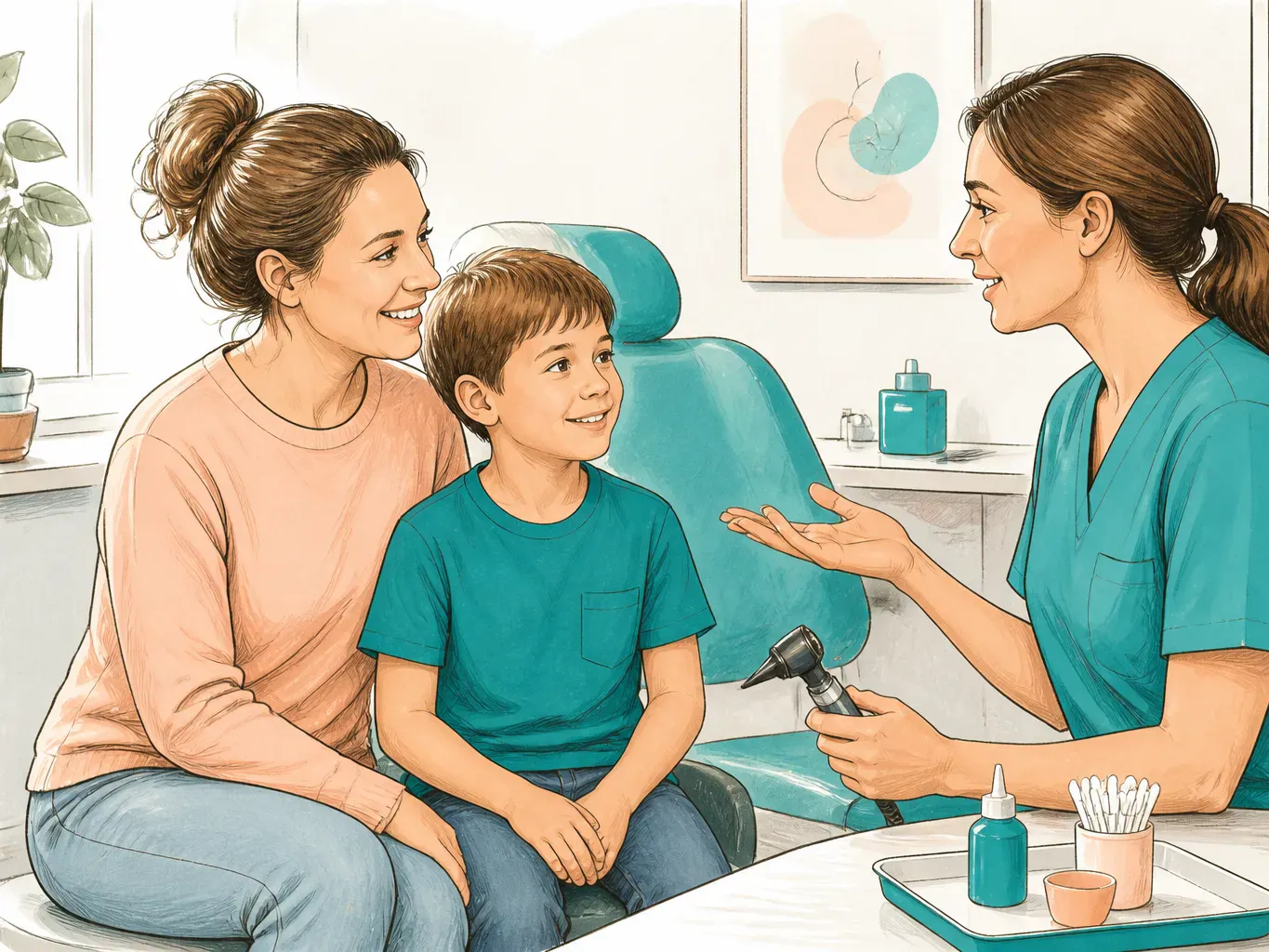

Same day ear wax removal in Bristol is designed for people who want fast relief from blocked ears, muffled hearing, fullness, or discomfort without waiting weeks for an appointment. At Pro Ear Clinic, the visit usually starts with a careful assessment of your ears, followed by the most suitable removal method for your situation, with comfort and safety kept at the centre of care.
Quick summary
If you need same day ear wax removal in Bristol, the process is usually straightforward: book, attend a clinical assessment, and, if suitable, have the wax removed during the same visit. This can be especially helpful when hearing has changed suddenly, when a blocked ear is affecting work or family life, or when hearing aids are not performing properly.
Most patients want reassurance that the appointment will be gentle and efficient. A specialist ear clinic will normally check your symptoms first, confirm that wax is the likely cause, and then use an appropriate method such as microsuction to clear the blockage with a careful, patient focused approach.
What same day ear wax removal means
Same day ear wax removal means you are seen promptly, often on the day you contact the clinic, so your ear can be assessed and treated without unnecessary delay. People often search for this service when their symptoms feel urgent, even if they are not medically emergent, because blocked ears can affect hearing, balance, concentration, sleep, and confidence.
It is important to understand that same day treatment does not mean a rushed appointment. Good ear care still begins with a proper look inside the ear canal and a discussion of your symptoms. The goal is to relieve the blockage as quickly as possible, while still choosing the safest method for your ears.
For many people, the need is practical rather than dramatic. You may have an important meeting, a school event, travel plans, a hearing test, or a hearing aid fitting and simply want your ears to be clear. Others notice a gradual build-up that suddenly becomes obvious when one ear feels blocked or sounds become muffled. In both situations, fast access can make a real difference.
Some people try cotton buds, drops, or home remedies first, but these do not always solve the problem and can sometimes make things worse. That is why specialist assessment matters. A clinic can confirm whether earwax is the issue, whether the wax is suitable for same day removal, and whether another ear condition needs attention instead.
For readers who want to understand the service in more detail, our same day ear wax removal service page explains how appointments are arranged and what is typically involved.
Why people choose urgent ear wax care
Common reasons include:
- Sudden blocked sensation in one or both ears
- Muffled hearing that is affecting daily tasks
- Ear discomfort or pressure
- Hearing aid feedback or reduced hearing aid performance
- Preparation for travel, work, school, or a hearing appointment
- Anxiety about dealing with the problem alone at home
Who is a good candidate for a same day appointment
A same day appointment is often a good option for adults and older people who want quick relief, particularly when wax build-up has made communication difficult. It can also suit busy families who need a practical solution around work and school commitments, as well as hearing aid users who rely on clear ear canals for proper device function.
Care home residents may also benefit where a prompt, professional ear check is needed and a visit needs to be organised around comfort and mobility. Anxious patients, including first timers, often find it easier to choose a clinic setting because they want a calm explanation and a careful approach rather than trying to manage the problem themselves.
Same day treatment can be especially helpful if you are trying to restore hearing quickly before:
- A GP or audiology appointment
- A holiday or business trip
- A wedding, family event, or important social occasion
- A hearing aid fitting or review
- A work shift where clear hearing matters
However, not every person with blocked ears should book straight into wax removal without thought. There are times when medical review comes first. If you have severe ear pain, discharge, fever, bleeding, recent trauma, or a suspected perforated eardrum, a clinic may decide that wax removal is not appropriate until you have been assessed more fully.
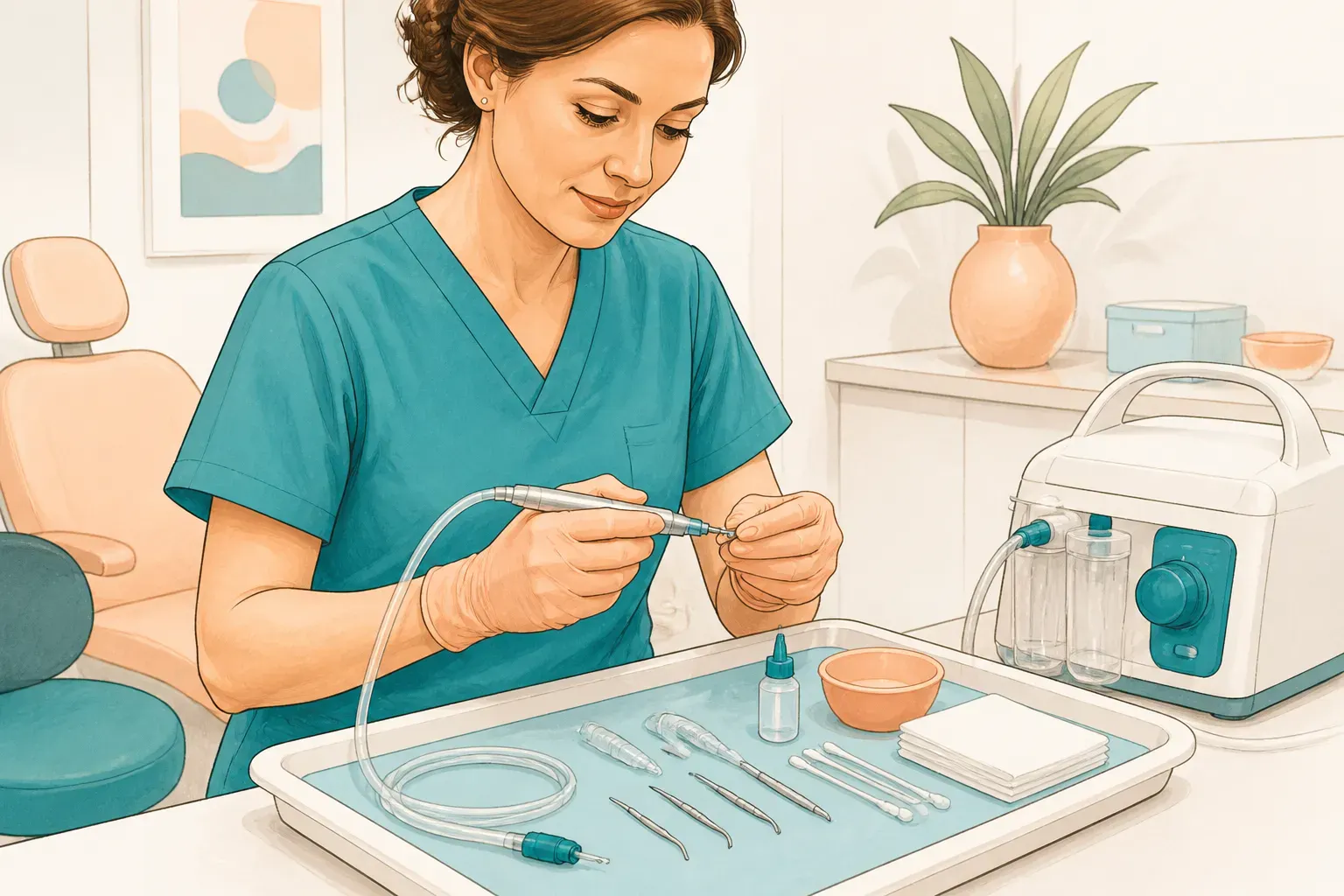
If you are unsure, an ear health assessment can help determine whether wax removal is suitable or whether you need another form of care. If you have urgent concerns that sound beyond wax build-up, the NHS guidance on earwax build-up is a useful starting point, but it is not a substitute for individual clinical advice.
When to seek medical advice first
You should usually speak to a GP or seek urgent medical advice before booking wax removal if you notice:
- Strong pain rather than mild discomfort
- Pus, blood, or fluid coming from the ear
- Sudden hearing loss that is not clearly linked to wax
- Dizziness with severe symptoms
- A history of eardrum perforation or recent ear surgery unless a clinician has advised otherwise
- Signs of infection, such as fever or significant swelling
What happens before the procedure
Before the procedure, the clinic will usually ask a few questions about your symptoms, medical history, and any previous ear problems. This helps the clinician understand whether earwax is likely to be the cause and whether any precautions are needed before treatment.
You may be asked about:
- How long the blockage has been present
- Whether one ear or both ears are affected
- Any pain, discharge, tinnitus, dizziness, or infection symptoms
- Past ear surgery, grommets, perforation, or chronic ear conditions
- Whether you use hearing aids
- Whether you have tried drops or other home methods already
After that, the clinician examines the ear canal, usually with proper lighting and magnification, to see how much wax is present and whether the ear looks suitable for same day removal. This step matters because not all wax is the same. Some wax is soft and easily removable, while other wax is dry, compacted, or sitting deep in the canal.
If the wax is too hard or too far back to remove safely there and then, you may be advised to use softening drops for a short period and return for treatment. In some cases, this staged approach is the safest and most comfortable option. It is still a useful outcome because it prevents unnecessary irritation and improves the chance of successful removal at the next visit.
For patients who want to read more about the service itself, Pro Ear Clinic also provides information on microsuction ear wax removal, which is the method most often associated with specialist ear care.
A typical arrival experience
A typical visit usually feels more like a calm clinical appointment than a hurried procedure. You will be welcomed, asked about your symptoms, and then guided through the next step. Good communication is important, especially for anxious patients, because knowing what is happening often reduces stress before any treatment begins.
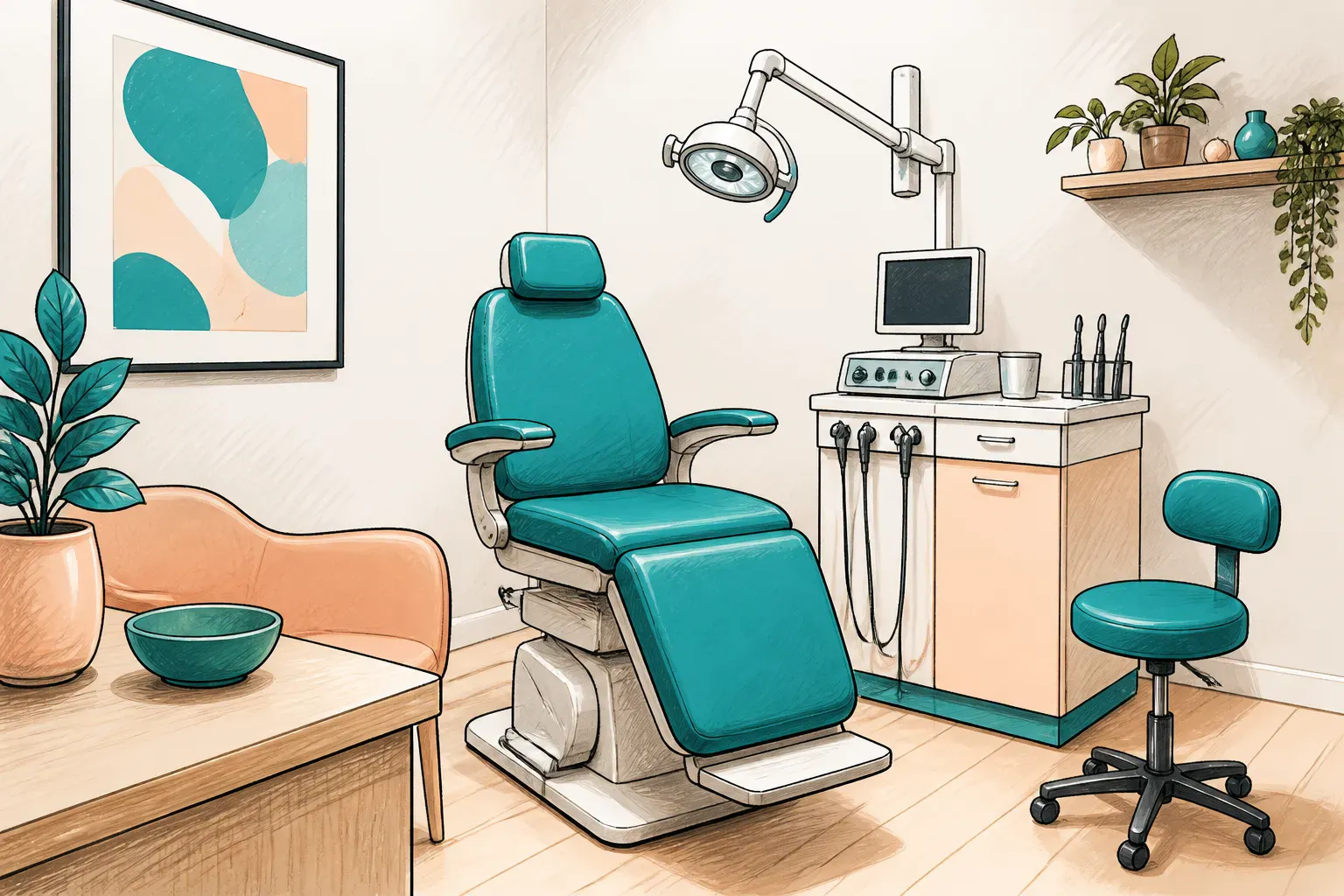
The treatment options used in clinic
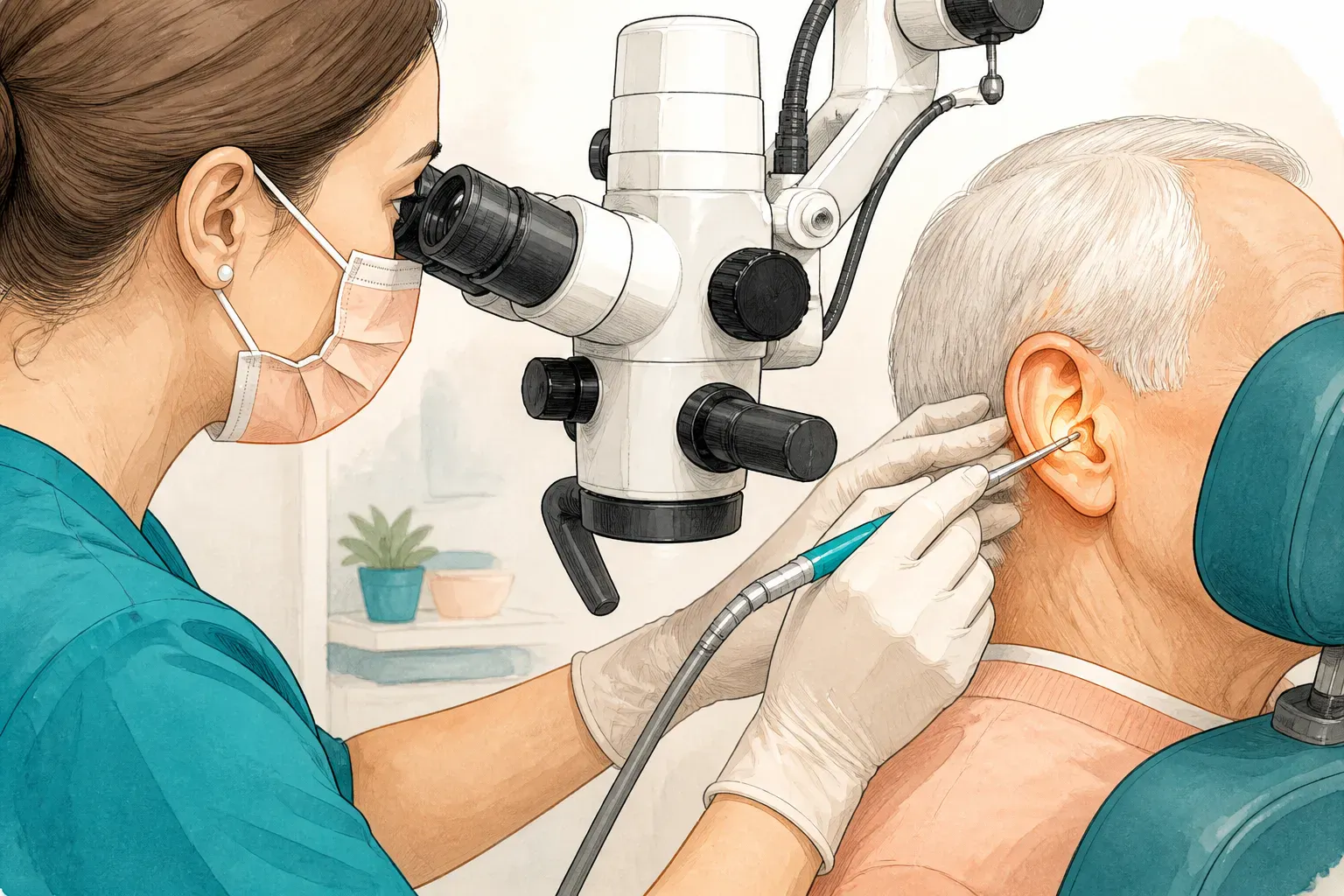
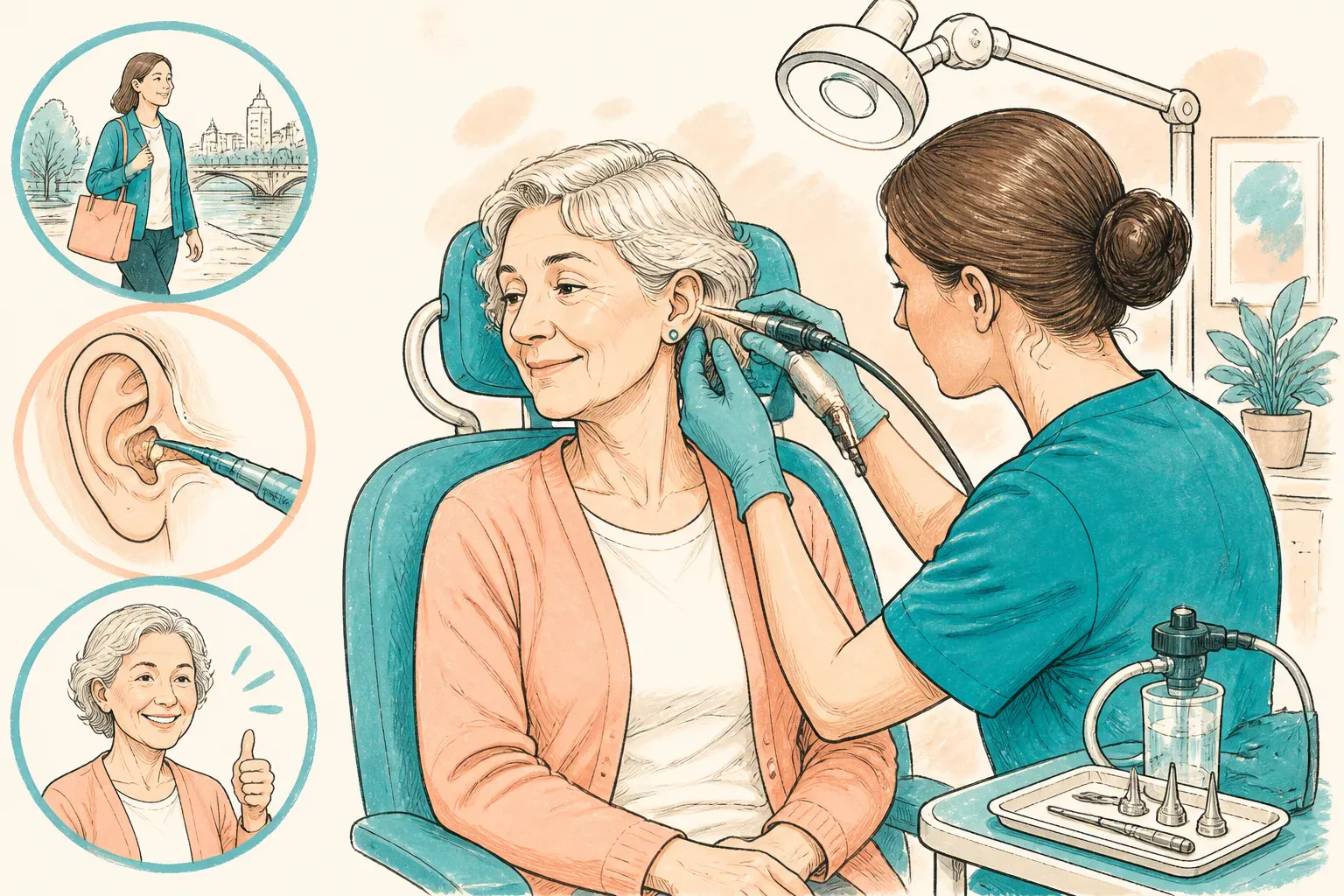
In specialist ear care, microsuction is often the main evidence based treatment for earwax removal. It uses gentle suction under close visual guidance to remove wax from the ear canal. Because the clinician can see what they are doing throughout the process, it is generally considered a controlled and precise method.
The right option depends on the condition of your ear, the amount and texture of wax, and your comfort. A clinician may also take into account whether the ear canal is narrow, whether the wax is near the eardrum, and whether there is a history of ear disease.
Here is a simple comparison of common approaches:
Method | Suitability | Comfort | Speed | When it may be used |
|---|---|---|---|---|
Microsuction | Often suitable for compacted or stubborn wax, and for many patients seeking specialist care | Usually well tolerated, with brief noise or suction sensations | Often quick once the ear is assessed | Preferred in many clinics when precise control is needed |
Water irrigation | May be used in some settings where the ear and wax are suitable | Can feel warm or splashy, but is generally manageable | Can be efficient in appropriate cases | Sometimes used when there are no contraindications and the wax is suitable |
Home softening | Suitable for softening wax before a visit, or when removal must be delayed | Usually comfortable if used correctly | Takes time rather than offering immediate removal | Helpful when wax is hard, dry, or not ready for same day removal |
Microsuction is often favoured because it does not rely on water pressure and allows close inspection throughout the procedure. That said, no single method suits every ear. A good clinician chooses the approach that balances effectiveness, comfort, and safety.
The NICE guidance on earwax management supports an evidence informed approach to assessment and treatment, while the British Society of Audiology ear care resources provide further context on good ear care practice.
Why the method matters
Selecting the right removal method is not just a technical detail. It affects how comfortable the appointment feels, how quickly the blockage is relieved, and whether you need follow up. For someone who is anxious, a method that allows more control and explanation during treatment can make a real difference.
What the procedure feels like
Most patients describe the appointment as manageable and less unpleasant than they expected. If microsuction is used, you may hear a suction sound, notice brief changes in pressure, or feel a light tickling sensation as wax is removed. Some people are aware of the sound more than the sensation itself.
The procedure is usually short, and the clinician will talk you through what is happening. That matters because ear care can feel quite personal, especially for first time patients or those who are nervous about anything involving the ears.
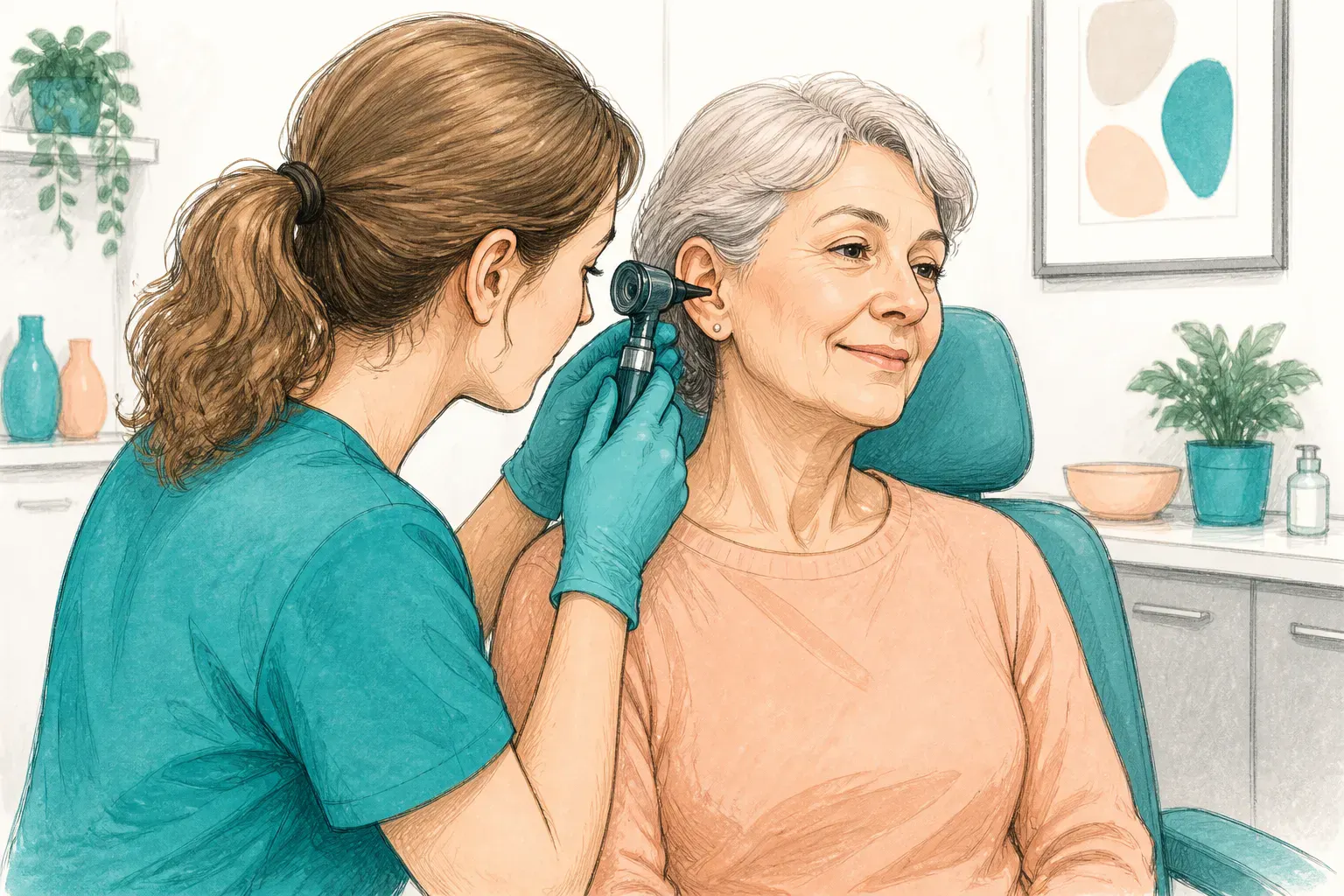
You should feel able to say if anything feels uncomfortable. Good clinical practice means the appointment can be paused, reassessed, or adapted if needed. Many anxious patients find it reassuring to know they do not have to just sit in silence and endure the process. Clear communication, calm pacing, and a step by step explanation can make the experience much easier.
If one ear is more blocked than the other, treatment may take a little longer on that side. Some people only need a few minutes of active removal after the assessment, while others need more time because the wax is dry or the ear canal is sensitive.
A note for nervous patients
It is completely normal to feel tense before earwax removal, especially if you have had a bad experience elsewhere or you are worried about pain. Letting the clinician know in advance allows them to work more slowly, explain each stage, and check in with you throughout.
How long it takes and what affects the timing
A same day appointment usually includes two parts: the consultation and, if appropriate, the treatment itself. In some cases the whole visit can be fairly quick. In others, it may take longer because the clinician needs to take extra care or because the ear needs softening before full removal can safely happen.
Several factors can affect timing:
- How hard or compacted the wax is
- Whether one ear or both ears are affected
- The shape and narrowness of the ear canal
- Whether the wax sits close to the eardrum
- Whether you have already used softening drops
- Whether there is irritation or sensitivity in the canal
It is helpful to think of same day availability as quick access to assessment, not as a guarantee of instant treatment in every case. Sometimes the safest outcome is a brief appointment that confirms you need a staged plan, such as drops first and removal later. That is still valuable because it means the clinician has checked your ears properly rather than forcing a one size fits all approach.
For people with busy lives, the convenience is often the key benefit. You can usually plan around a single visit rather than waiting for repeated appointments. That matters for carers, parents, older adults arranging transport, and anyone trying to fit ear care into a full week.
Aftercare, hearing improvement, and follow-up
Many patients notice improvement straight away after wax is removed. Hearing may seem clearer, pressure may ease, and speech may sound less muffled. For some, the change is immediate and obvious. For others, it becomes more noticeable over the next few hours as the ear settles.

Aftercare advice usually focuses on keeping the ears healthy and reducing the chance of another build-up. Common advice includes:
- Avoid cotton buds, which can push wax deeper
- Follow any drop advice exactly as given
- Be mindful of short term tenderness or sensitivity
- Keep an eye out for symptoms that do not settle
- Return for review if the problem comes back repeatedly
It is normal for the ear canal to feel slightly different after treatment, especially if the wax had been causing pressure for a while. A little sensitivity does not automatically mean something is wrong, but ongoing pain, discharge, or worsening hearing should be checked.
If symptoms persist after wax has been removed, the issue may not have been wax alone. That is one reason a professional assessment matters. Earwax can coexist with other hearing problems, and if the symptoms are not resolved as expected, further review may be needed.
What happens if hearing does not improve fully
If your hearing remains reduced after treatment, possible reasons include:
- Another blockage that was not wax related
- Residual irritation or fluid in the ear
- An underlying hearing issue
- A need for further assessment by your GP or audiology service
Costs, convenience, and why people choose a specialist clinic
For many people, the decision comes down to three things: how quickly they need help, how comfortable they want the experience to be, and how confident they feel about the clinical setting. Same day care is especially attractive when blocked ears are affecting daily life right now, not later in the week.
This is particularly true for carers and families who need a practical solution that fits around school runs, work, and transport. It is also important for older adults and care home residents, where hearing problems can affect communication and wellbeing in a very direct way.
Choosing a specialist clinic often gives people extra reassurance because the service is focused on ear health rather than being a generalised add on. At Pro Ear Clinic, the emphasis is on safe, evidence informed earwax removal, clear explanation, and a calm patient experience. That combination can be especially helpful for anyone who feels anxious about the procedure or who has tried to cope with blocked ears for too long.
Here is a simple comparison of care options:
Option | Safety | Speed | Comfort | Best for |
|---|---|---|---|---|
Specialist clinic care | Clinician assessed and guided | Often same day or prompt | Usually calm and controlled | People wanting professional removal and advice |
Waiting for symptoms to pass | Variable | Slow | May be frustrating | Mild cases where hearing is not badly affected |
Home attempts only | Less predictable | Depends on the method | Can be uncomfortable if done badly | Limited situations where softening is all that is needed |
The best choice depends on the ear itself, not just on convenience. Still, for many people, same day access is worth it because it prevents days or weeks of unnecessary muffled hearing and uncertainty.
If you are ready to explore options, you can contact Pro Ear Clinic to ask about availability and suitability.
Recommended reads
If you want to learn more, these related resources may help:
- How microsuction works for a clearer explanation of the treatment approach used in specialist ear care
- Urgent ear wax appointments and blocked ears for practical advice on when prompt treatment is most useful
- Safe home softening and when clinic care is better for guidance on what you can try at home and when to stop
FAQ
How quickly can I get same day ear wax removal in Bristol?
If appointments are available, you may be seen on the same day you enquire. Availability depends on clinic capacity and whether your symptoms are suitable for immediate assessment and treatment.
Is microsuction painful?
Most people find it tolerable rather than painful. You may notice suction noise, a light pulling sensation, or brief discomfort if the wax is very dry, but the clinician should keep the process as gentle as possible.
Do I need to soften ear wax before my appointment?
Not always. Some wax can be removed straight away, but if it is very hard or compacted, softening drops may be advised before or after the first assessment.
Can I come in if I have blocked ears and muffled hearing?
Yes, blocked ears and muffled hearing are among the most common reasons people book earwax removal. A clinician will first check that wax is the likely cause and that treatment is appropriate.
What should I avoid before my appointment?
Avoid putting cotton buds, tools, or other objects into the ear canal. If you have been given specific pre appointment advice, follow that guidance, especially about softening drops.
How long does ear wax removal usually take?
It varies, but the consultation and removal are often completed within a single visit. The timing depends on how much wax is present, whether one or both ears are affected, and how hard the wax is.
Will my hearing improve straight away after treatment?
Many people notice improvement immediately or soon after treatment. If hearing does not improve as expected, there may be another cause that needs further assessment.
When should I see a GP instead of booking ear wax removal?
See a GP or seek medical advice first if you have severe pain, discharge, fever, sudden unexplained hearing loss, dizziness with serious symptoms, or a history of eardrum perforation or recent ear surgery.
For general background, you can also read the NHS guidance on earwax build-up.