Need urgent earwax removal in Bristol? In many cases, the fastest and safest route is a professional assessment followed by same-day microsuction or a suitably arranged home visit. If you have severe pain, discharge, bleeding, a sudden major change in hearing, or feel unwell, do not wait for routine wax removal, seek medical advice first.
Quick answer, what to do if you need urgent earwax removal in Bristol
If your ear feels blocked and you want relief today, the safest approach is to book a professional ear examination rather than trying to remove the wax yourself. For many people, the quickest options are a same-day clinic appointment, same-day earwax removal, or a home visit if travelling is difficult. In suitable cases, microsuction can clear the blockage quickly and with very little disruption.
As a clinician would tell you, the main goal is not simply to get the wax out, but to do it safely. Earwax can be stubborn, and the wrong attempt at home can push it deeper, irritate the ear canal, or mask a problem that needs medical attention.
Quick summary
- Earwax blockage often causes muffled hearing, fullness, pressure, or ringing.
- The fastest safe option is usually professional removal, not digging or flushing at home.
- Microsuction is commonly used for urgent cases because it can work quickly and does not rely on water.
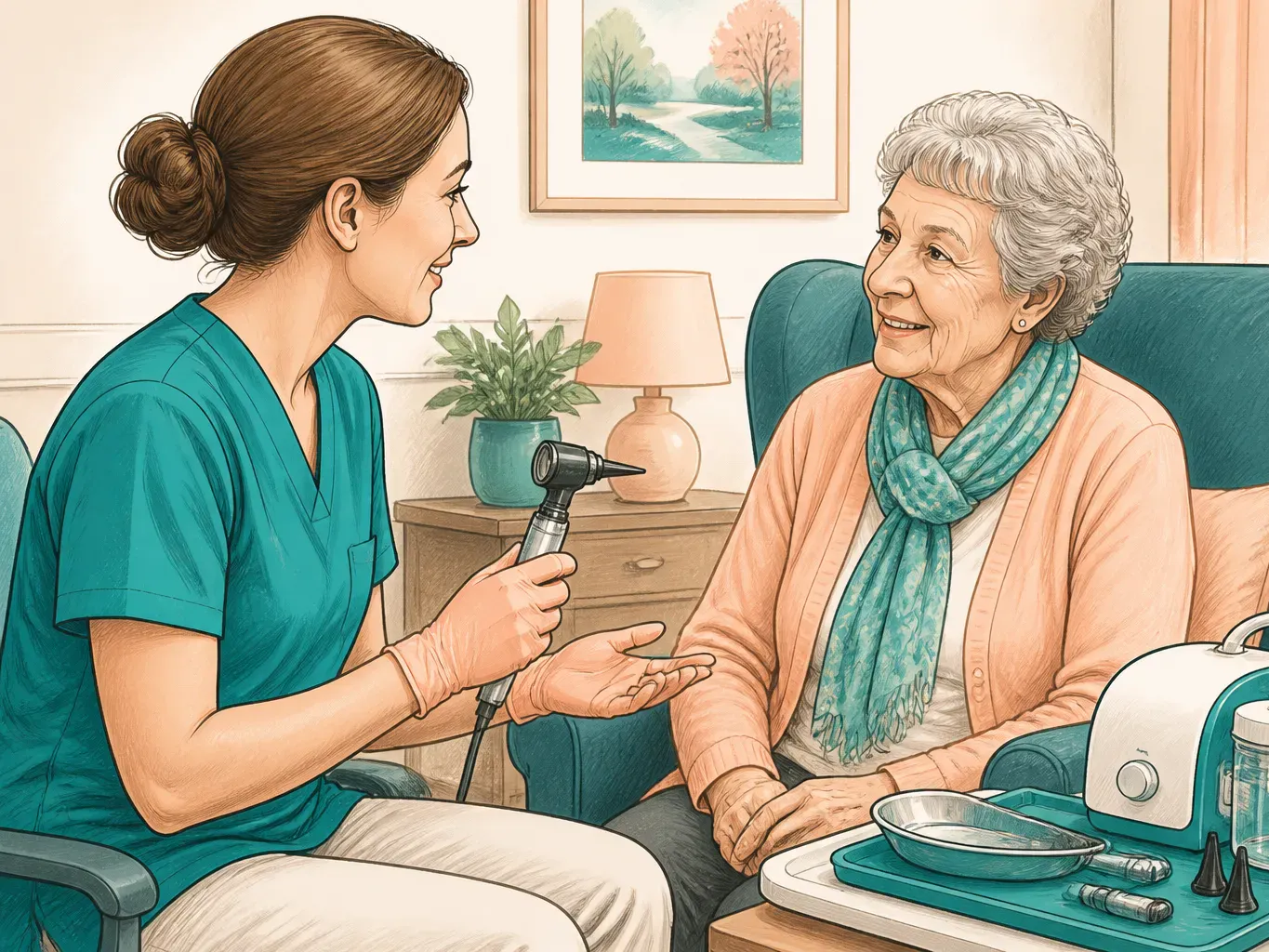
- Home visits can be a practical solution for older adults, anxious patients, and care home residents.
- If you have severe pain, discharge, fever, bleeding, or sudden hearing loss, seek medical advice first.
Signs your earwax needs prompt attention
Blocked earwax is common, but when symptoms appear suddenly it can feel alarming. Many people only realise there is a problem when hearing changes noticeably, especially after a shower, a flight, or trying to use hearing aids. Others notice itchiness or a sense of pressure that just will not clear.
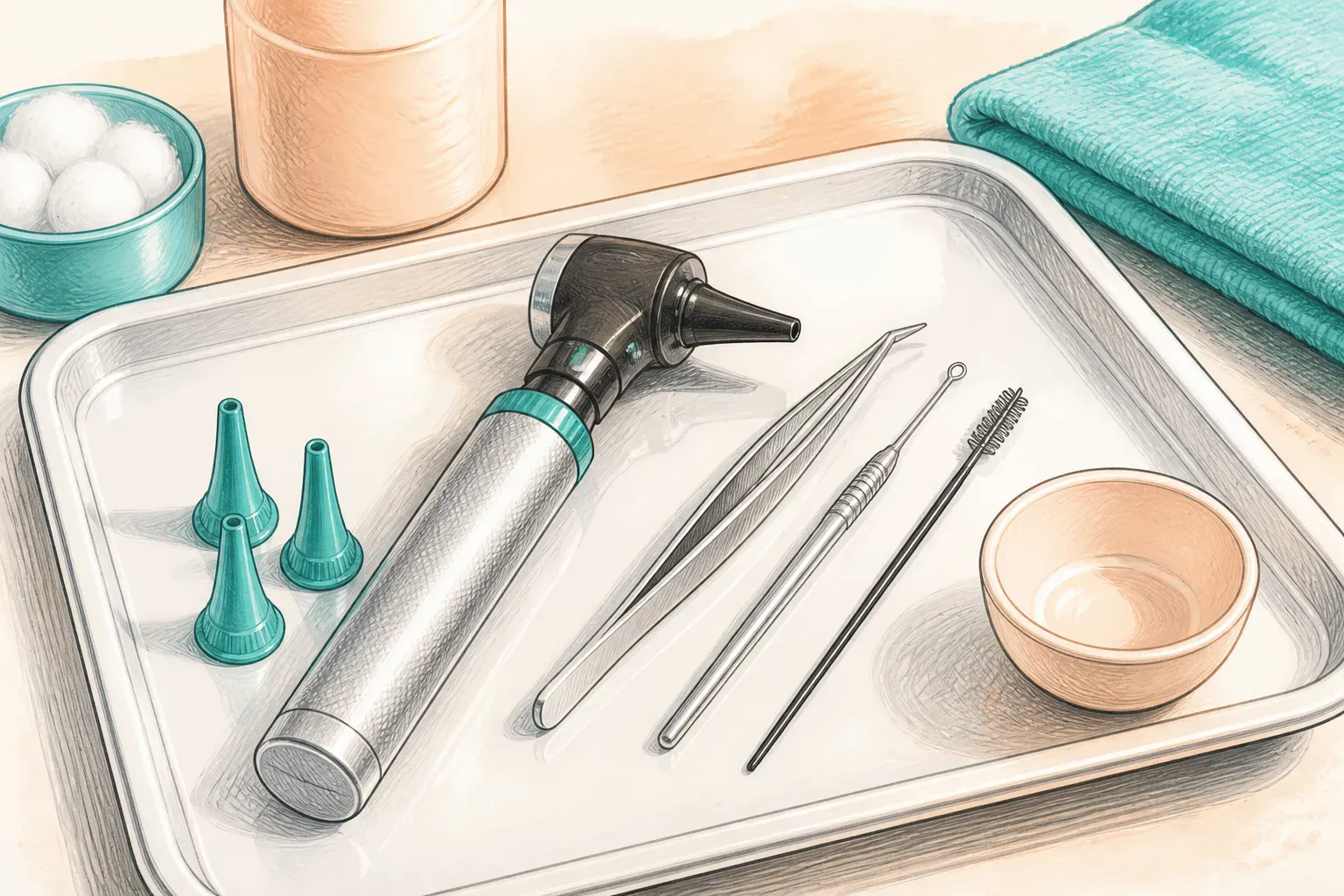
Common signs that wax may need prompt attention include:
- Sudden muffled hearing in one or both ears
- A feeling of fullness, pressure, or blockage
- Earache or discomfort
- Ringing or buzzing, sometimes called tinnitus
- Itchiness in the ear canal
- Dizziness or a sense of imbalance
- Hearing aids sounding weak, distorted, or not fitting properly
- A crackling sensation when chewing or moving the jaw
These symptoms can certainly happen with earwax, but they are not exclusive to wax. Ear pain, discharge, fever, or a sudden severe drop in hearing may point to infection, a perforated eardrum, or another ear problem that needs medical assessment.
A helpful rule is to think about change. If your hearing worsened quickly, if one ear is very different from the other, or if you feel unwell as well as blocked, do not assume it is only wax.
Simple checklist for today
Consider urgent help if any of these apply:
- Your hearing changed suddenly or significantly
- You are struggling to function at work or at home because of blocked hearing
- You wear hearing aids and they are no longer working as expected
- You have tried softening drops and there is still no improvement
- You have a build-up history and the blockage feels like previous impaction
- You need assistance because you are older, frailer, or cannot travel easily
If you are unsure, a clinician can often tell quite quickly whether the problem is wax, or whether you need a different kind of care. That first look matters, because the right treatment depends on what the ear actually needs.
Fast relief options available in Bristol
When people search for urgent earwax removal in Bristol, they usually want three things: speed, safety, and comfort. In practice, the best option depends on how blocked the ear is, how quickly you need help, and whether you can get to a clinic.
Here is a simple comparison of the main options.
Option | Speed | Best for | Comfort | Notes |
|---|---|---|---|---|
Same-day clinic appointment | Often fastest if slots are available | People who can travel and want quick treatment | Usually very good | Allows direct assessment and immediate treatment if suitable |
Urgent appointment | Fast, but may depend on availability | Moderate symptoms or people who can wait a short time | Good | Useful when same-day is not available |
Home visit | Fast for people who cannot travel | Elderly clients, care home residents, anxious patients, mobility issues | Very good for those who prefer familiar surroundings | Needs suitable home setup and clinical assessment |
Ear irrigation | Sometimes appropriate, but not always | Selected cases with suitable ear health | Can be comfortable for some, less suitable for others | Not appropriate for everyone, especially with certain ear conditions |
Self treatment at home | Not a true urgent solution | Limited situations only | Variable | Can make the problem worse if done incorrectly |
For many patients, same-day clinical care is the most efficient option because the clinician can examine the ear and remove the wax in one visit if it is safe to do so. If travel is a barrier, a home visit can be a more realistic way to get relief without delay.
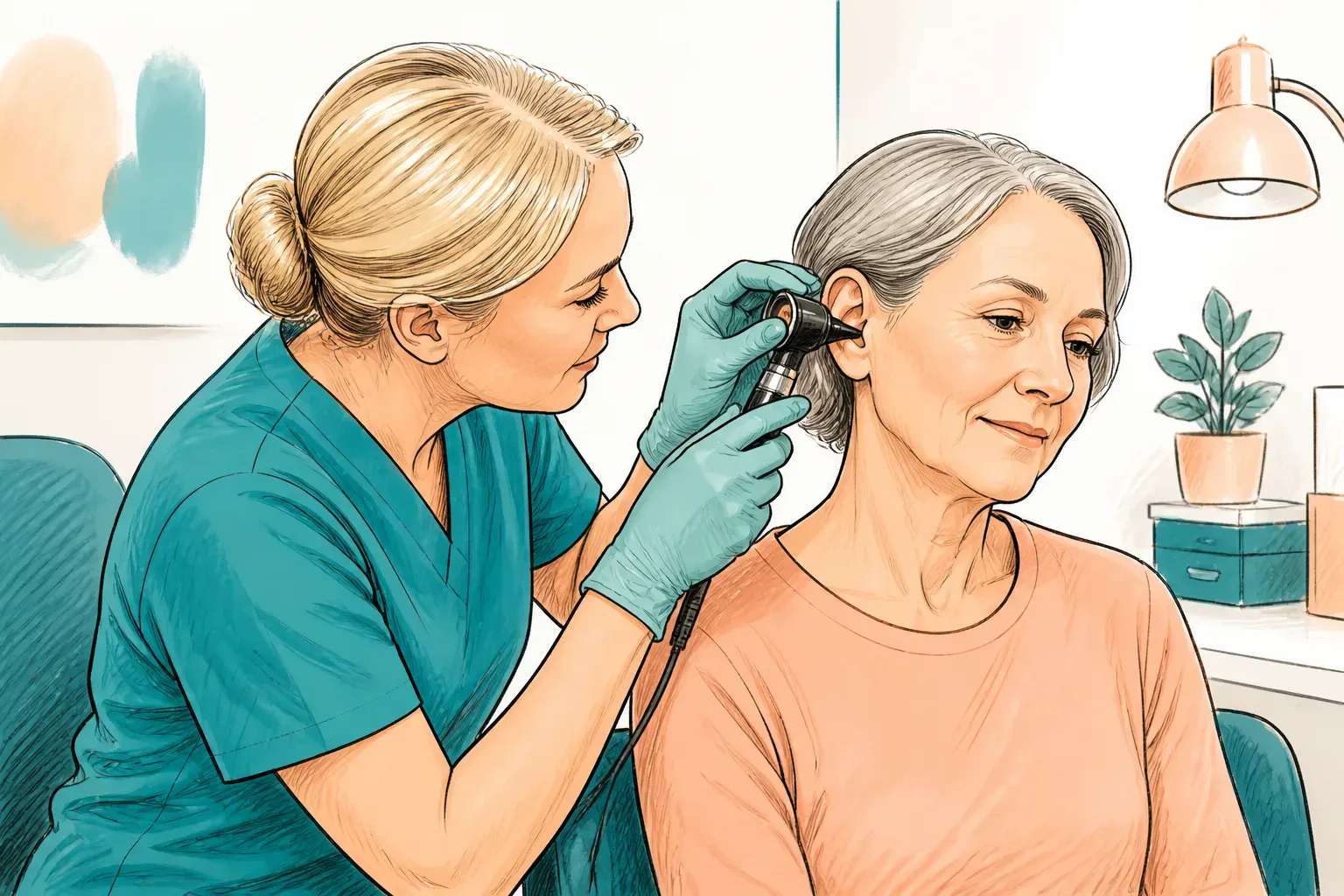
What about ear irrigation?
Ear irrigation involves using water to flush out wax. It can be helpful in some cases, but it is not suitable for everyone. A clinician must check that the ear is appropriate for irrigation, because recent infection, a perforated eardrum, some surgery histories, and other factors can make water-based removal unsuitable.
That is why urgent care should start with a proper assessment. A method that sounds quick on paper is not always the safest choice for your ears.
Why microsuction is often the preferred urgent option
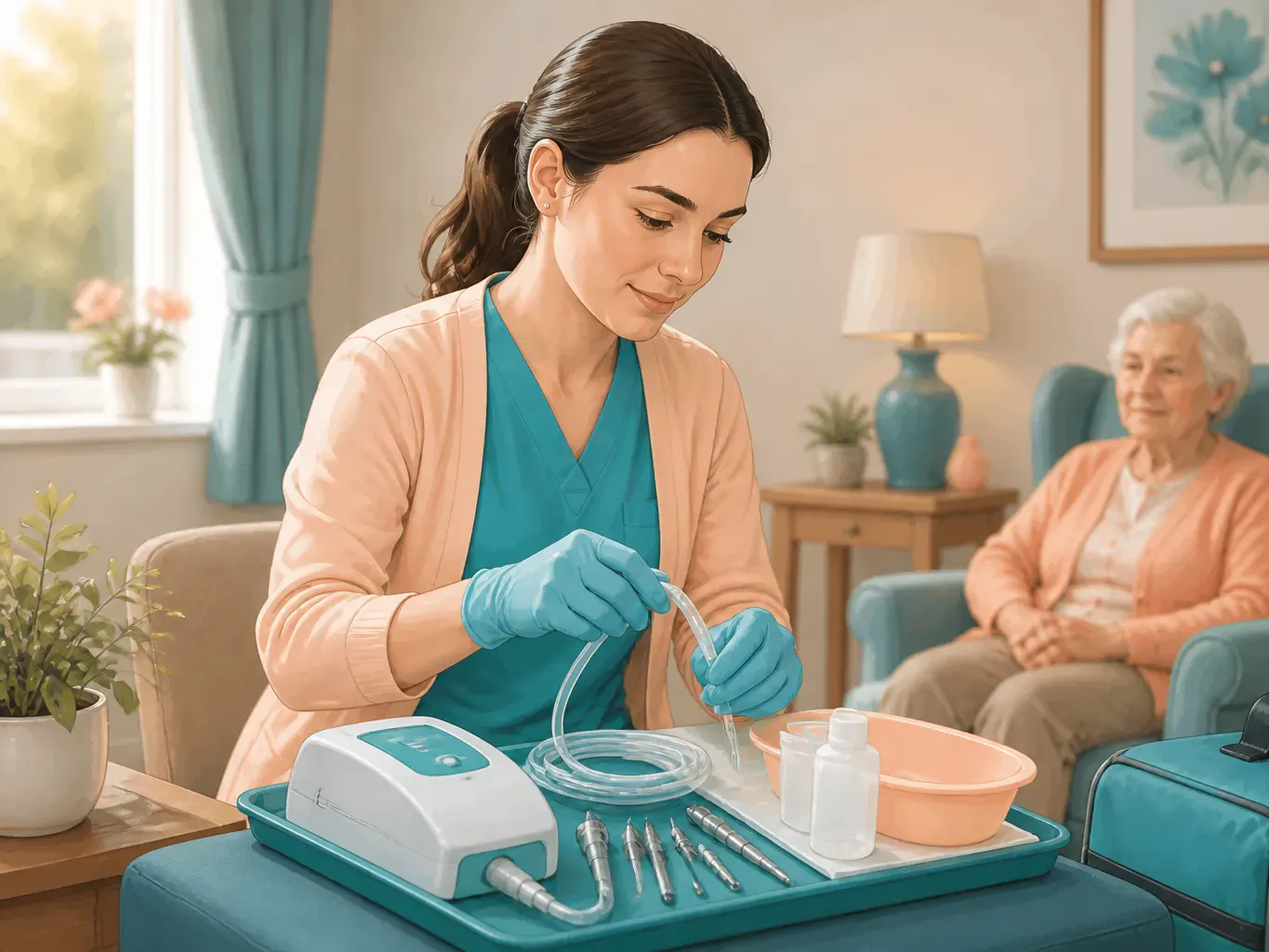
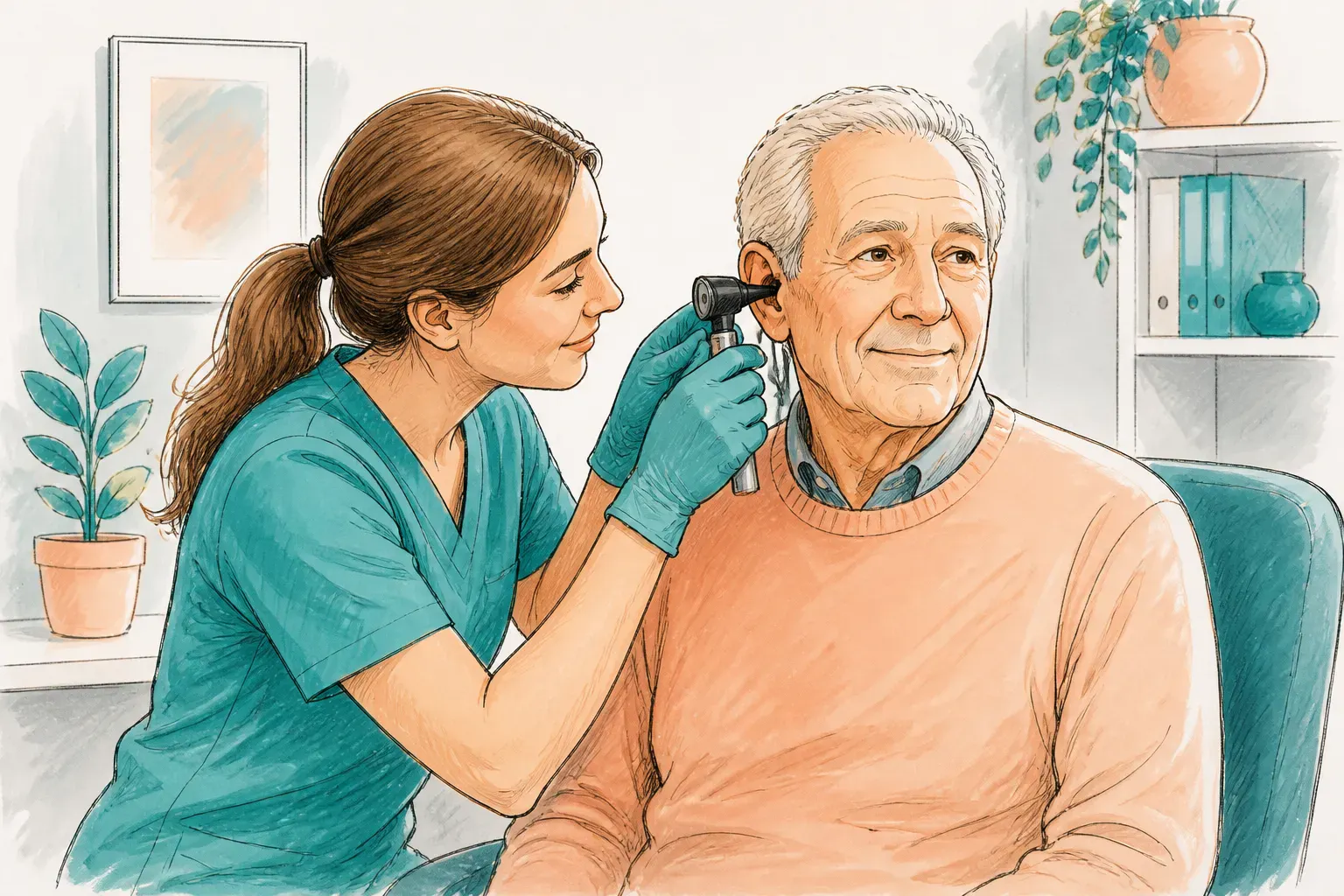
Microsuction is one of the most commonly used methods for removing troublesome wax, especially when speed matters. In plain English, it uses gentle suction under direct vision to lift wax out of the ear canal. Because the clinician can see what they are doing, the process is often precise and controlled.
One reason microsuction is popular for urgent relief is that it does not rely on water. That can make it more suitable when the ear feels sensitive, when wax is very impacted, or when a patient has a history that makes irrigation less suitable.
Why it is often chosen for urgent cases
- It can provide quick relief, sometimes within the same appointment
- The clinician can inspect the ear directly while working
- It avoids introducing water into the canal
- It can be a good option for patients who are anxious about more invasive feeling treatments
- It is often suitable for people who need a more controlled approach
At Pro Ear Clinic, microsuction is part of the specialist ear care approach, and it sits well with patients who want evidence based treatment in a calm setting. If you would like to understand the method in more detail, the clinic’s microsuction earwax removal page and the blog article on how microsuction works are useful next steps.
Is microsuction always right?
No. Like any clinical procedure, it depends on what is found during the assessment. If the ear canal is very narrow, if there is debris other than wax, or if there is a suspected infection or perforation, the clinician may recommend a different pathway or refer you onward.
That is a good thing, not a limitation. Proper triage is what keeps urgent ear care safe.
What it can feel like
Many patients describe microsuction as odd rather than painful. Some notice a temporary high pitched sound from the suction, and others feel a little movement or pressure in the ear. Good communication matters here, especially for anxious patients or first timers. A reassuring clinician will explain each step before starting and pause if needed.
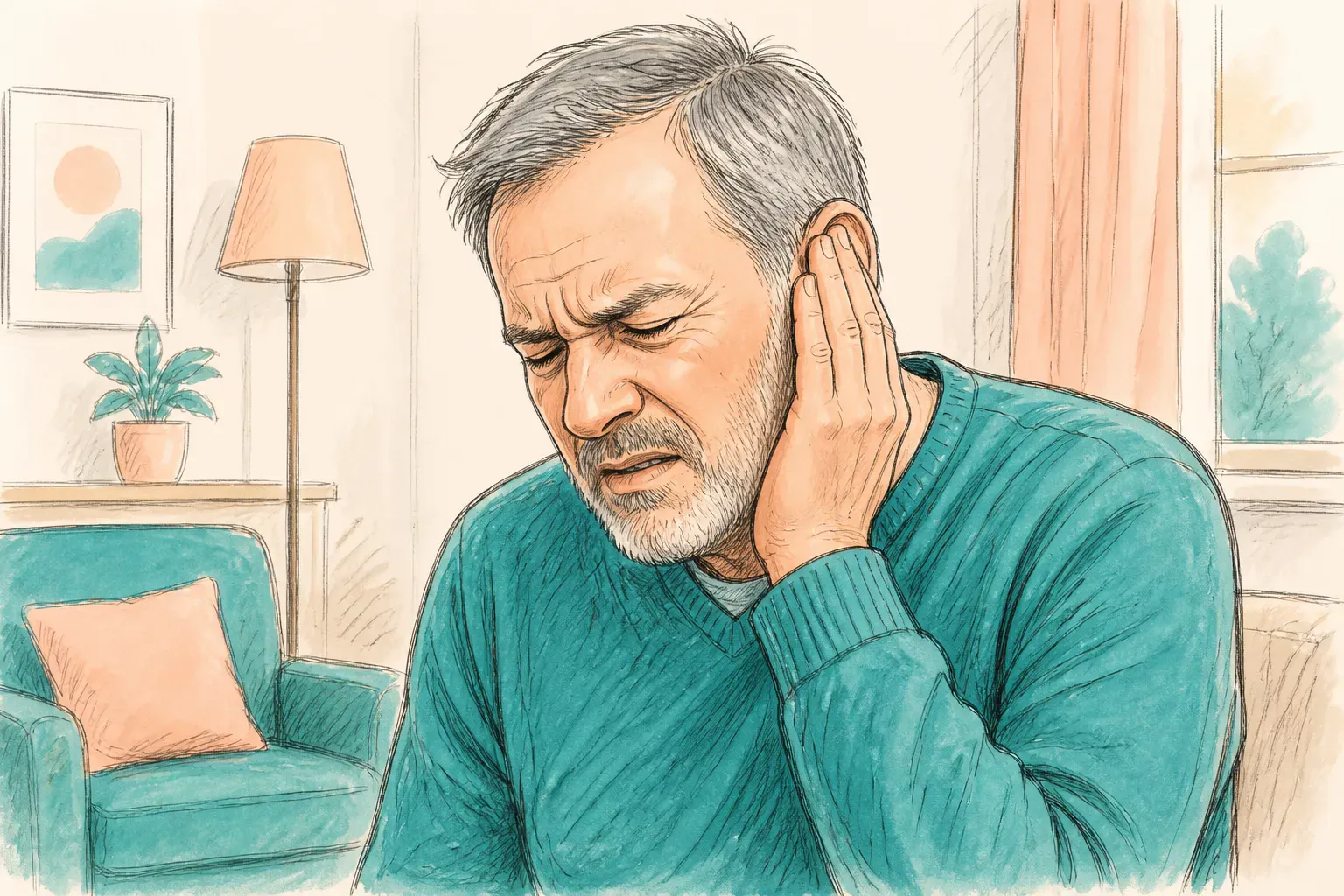
What to do before your appointment to avoid making it worse
If you are waiting for urgent treatment, the main goal is simple: do not aggravate the ear. Many problems arise not from the wax itself, but from attempts to fix it too quickly.
Avoid these common mistakes
- Do not use cotton buds to dig inside the ear
- Do not use hairpins, ear picks, or improvised tools
- Do not keep flushing the ear repeatedly at home
- Do not insert tissues or cotton wool into the canal
- Do not put in random drops if you are unsure whether they are suitable
Cotton buds are especially unhelpful because they often push wax deeper rather than removing it. They can also scratch the ear canal, which makes the ear more sore and more difficult to treat.
Should you use olive oil or softening drops?
Sometimes softening drops, including olive oil, may be advised before treatment. The idea is to soften hard wax so it is easier to remove. However, this should only be done when appropriate. If you have pain, discharge, suspected infection, a perforated eardrum, or any other red flag, get advice first rather than starting drops automatically.
If you are told softening might help, usually a few drops once or twice a day for several days is enough. It is not about forcing the wax out, it is about making the ear easier to treat.
What to note before your visit
It helps to write down a few details before your appointment:
- Which ear feels blocked
- How long the symptoms have been present
- Whether hearing loss was sudden or gradual
- Any pain, discharge, dizziness, or ringing
- Whether you use hearing aids
- Any previous ear surgery, infections, or perforations
- Whether you have tried drops already
For hearing aid users, it is also helpful to bring the devices, chargers, and any recent concerns about poor fit or reduced performance. For care home residents or vulnerable adults, a short summary of symptoms and relevant medical history can make the appointment smoother and safer.
Same-day clinic visits versus home visits: which suits your situation?
People looking for urgent earwax removal in Bristol are not all in the same situation. Some want to get to a clinic quickly during a lunch break. Others cannot travel easily, feel nervous about treatment, or need care in a residential setting. Both clinic visits and home visits can be sensible, but they suit different needs.

Factor | Clinic visit | Home visit |
|---|---|---|
Speed | Often very fast if a same-day slot is available | Fast when arranged and suitable |
Convenience | Good for people who can travel | Excellent for those who cannot or prefer not to travel |
Clinical visibility | Very strong, with full equipment in one place | Good, depending on the home setup and access |
Comfort | Reassuring for people who like a dedicated clinical environment | Often best for anxious, frail, or mobility limited patients |
Ideal use cases | Busy adults, families, straightforward urgent blockage | Elderly clients, care home residents, housebound patients |
Follow-up | Easy to arrange if needed | May require further planning if follow-up care is needed |
A clinic visit often works best when you want a straightforward assessment and treatment in one place. A home visit is often the practical choice for older adults, care home residents, or anyone for whom travel would make the day harder than it needs to be.
At Pro Ear Clinic, a home visit earwax removal in Bristol service can be especially valuable when access is the main barrier. The key is suitability. A clinician still needs to assess whether the ear condition is appropriate for home treatment.
Which option is usually best for different people?
- Older adults: home visits may reduce stress, travel strain, and waiting room time
- Busy families: clinic appointments can be quicker to arrange around school and work
- Anxious patients: a calm home setting or a gentle specialist clinic both can help
- Care home residents: on-site visits can make treatment much easier and less disruptive
- People with sudden blocked hearing: same-day clinic care is often the quickest route if travel is possible
When earwax symptoms need medical attention rather than routine removal
Not every blocked ear should go straight to wax removal. This is important, because urgent treatment should not delay the right medical assessment when there are warning signs.
Seek medical advice, including NHS 111 where appropriate, if you have:
- Severe ear pain
- Blood or pus like discharge
- Fever or feeling generally unwell
- Sudden hearing loss that is substantial or dramatic
- A recent injury to the ear
- Concern about a perforated eardrum
- Vertigo, significant dizziness, or severe imbalance
- Symptoms that developed after an ear infection
If you are experiencing discharge, fever, or intense pain, it may be more than wax. Similarly, a sudden big change in hearing should be taken seriously. Earwax can reduce hearing, but a rapid major change can also be a sign of another issue that needs prompt attention.
You can find general safety guidance through the NHS guidance on earwax build-up and urgent help options via NHS 111 urgent care advice.
For clinicians, guidance from the NICE advice on earwax management and the British Society of Audiology earwax removal guidance helps support safe, evidence based care.
The important boundary
A professional wax removal service is very helpful when the problem is wax. It is not a substitute for urgent medical evaluation when the symptoms point elsewhere. A safe provider will know when to treat and when to pause, assess, or refer.
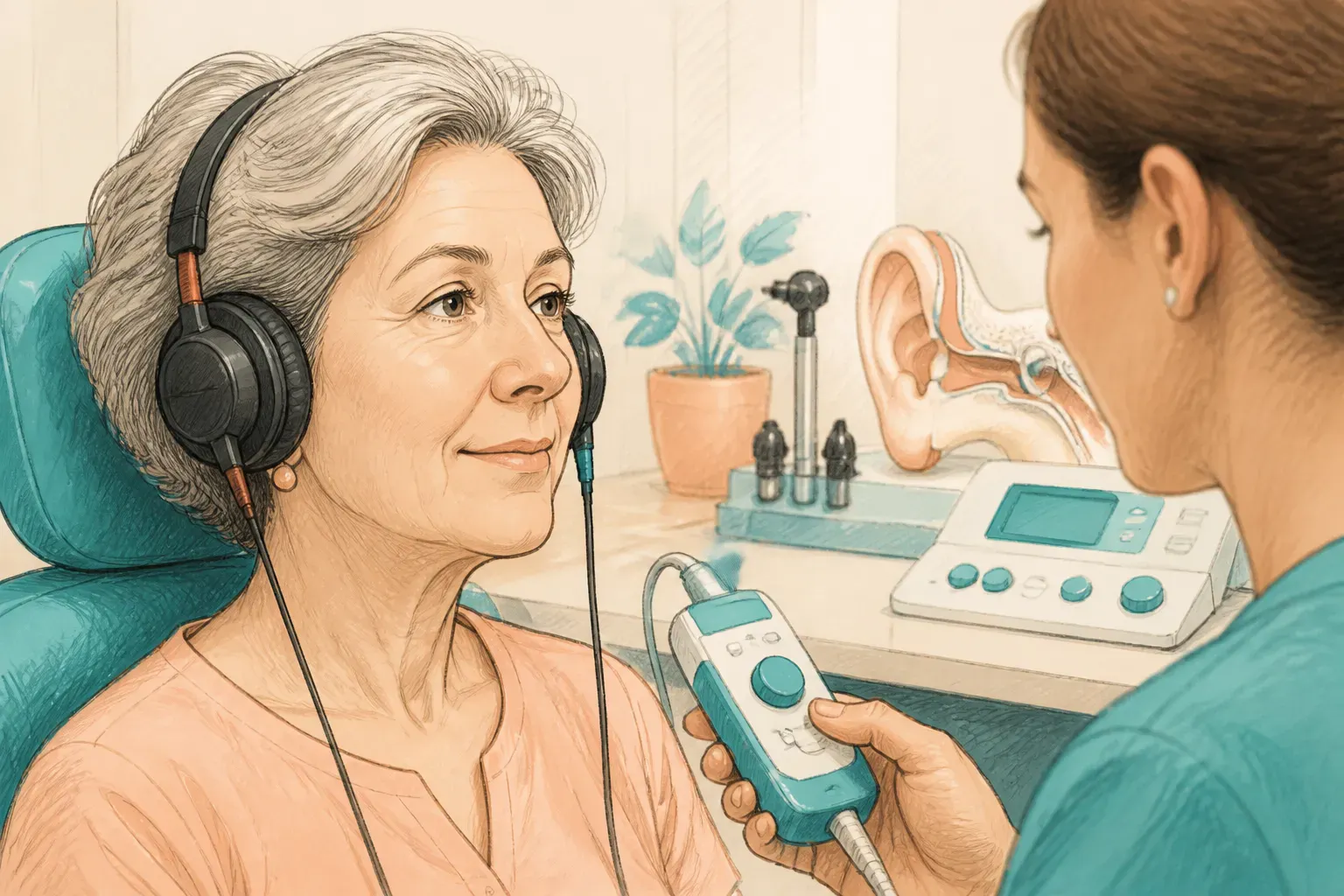
What to expect at Pro Ear Clinic
If you are looking for urgent earwax removal in Bristol and want the process to feel calm and straightforward, knowing what happens next can make a big difference. At Pro Ear Clinic, the emphasis is on safe, patient friendly care, with a modern but reassuring atmosphere.
Step 1, booking and initial discussion
The first step is usually a brief discussion about your symptoms, any red flags, and whether you are a suitable candidate for clinic treatment or a home visit. This helps determine the quickest and safest route.
Step 2, ear assessment
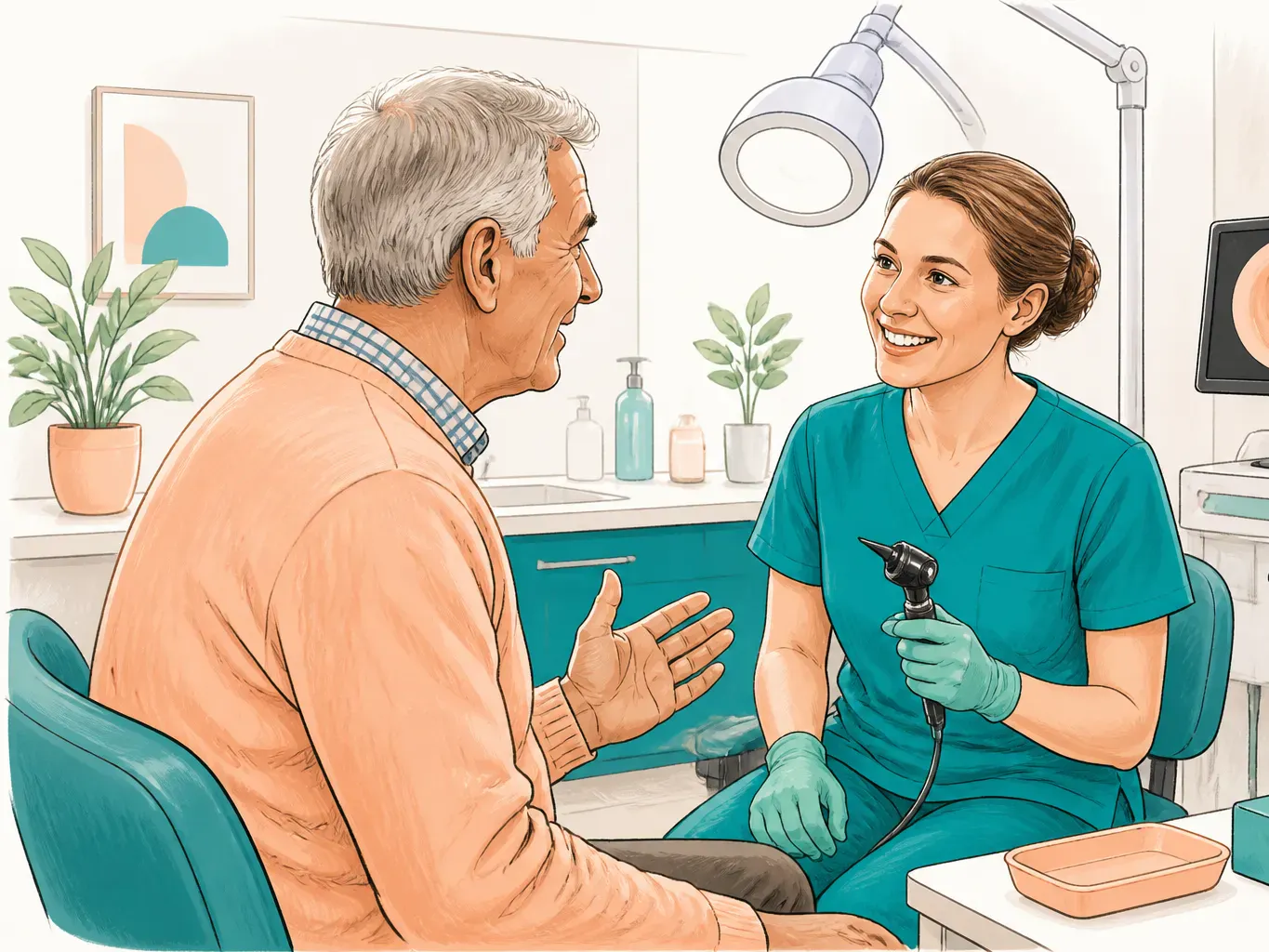
Before removing wax, the clinician checks the ear canal and eardrum where appropriate. This assessment is important because it confirms whether the blockage is wax and whether the chosen method is suitable.
Step 3, treatment
If microsuction is appropriate, the wax is removed under direct vision. The aim is to keep the process as gentle and efficient as possible. If another approach is needed, the clinician will explain why and what happens next.
Step 4, aftercare advice
After treatment, you may be given simple advice about keeping the ear comfortable, avoiding further irritation, and monitoring for any new symptoms. Some people feel immediate relief. Others notice the ear settling over a short period, especially if it has been blocked for some time.
Step 5, follow-up if needed
Not every case needs follow-up, but it can be helpful if the wax was particularly impacted, if you have recurrent build-up, or if your hearing still does not feel quite right after removal.
If you are comparing options, the earwax removal clinic in Bristol page is a useful place to understand the clinic pathway, while the blog and service pages can help first time patients feel more prepared.
A note from a clinician’s perspective
From experience, the people who do best are usually those who seek help early, avoid probing the ear themselves, and arrive ready to explain what they have noticed. That makes assessment quicker and helps ensure the right treatment is chosen the first time.
Recommended reads and next steps
If you are still deciding what to do, a few related resources can help you narrow the best route.
Recommended next reads:
- same-day earwax removal
- microsuction earwax removal
- home visit earwax removal in Bristol
- earwax removal clinic in Bristol
If your ear feels blocked today, the safest next step is to arrange an assessment rather than wait and hope it clears on its own. If you are unsure whether your symptoms are due to wax or something more urgent, it is better to ask first. That small step can save time, reduce anxiety, and help you get the right treatment sooner.
FAQ
How quickly can I get urgent earwax removal in Bristol?
In many cases, the fastest options are same-day clinic appointments or a home visit if you cannot travel. Availability depends on scheduling, your symptoms, and whether the ear is suitable for treatment after assessment.
Is microsuction safe for urgent earwax removal?
Microsuction is widely used and is often suitable for urgent removal because it allows direct visual control and does not use water. It is still important that a clinician checks whether it is appropriate for your ear, especially if you have pain, infection, or a history of ear problems.
Should I use olive oil before my appointment?
Sometimes olive oil or other softening drops may help, but only if they are suitable for your situation. If you have ear pain, discharge, suspected infection, or any concern about a perforated eardrum, ask for advice before using drops.
When is blocked earwax an emergency?
Blocked earwax becomes more urgent when it is accompanied by severe pain, blood or discharge, fever, significant dizziness, or sudden major hearing loss. In those cases, seek medical advice rather than waiting for routine wax removal.
Can I have earwax removal at home or do I need a clinic visit?
Both can be appropriate. A clinic visit is often best when you can travel and want quick treatment, while a home visit may be better for older adults, care home residents, anxious patients, or anyone with mobility issues.
Why does earwax make my hearing suddenly worse?
Earwax can move and block the ear canal quite quickly, especially after swimming, showering, using earbuds, or if it was already close to becoming impacted. When that happens, sound cannot pass through the canal as easily, so hearing may seem to drop suddenly.