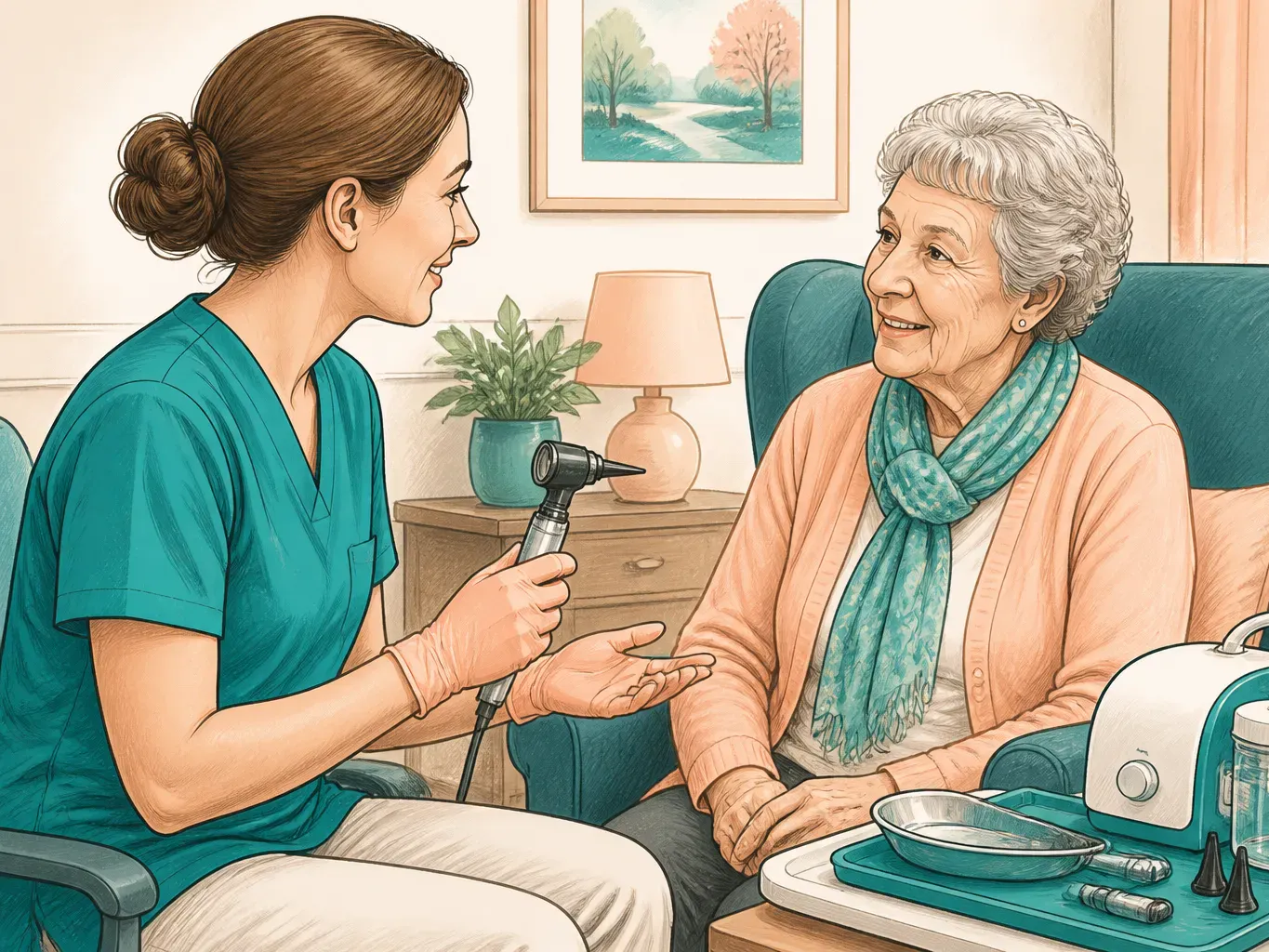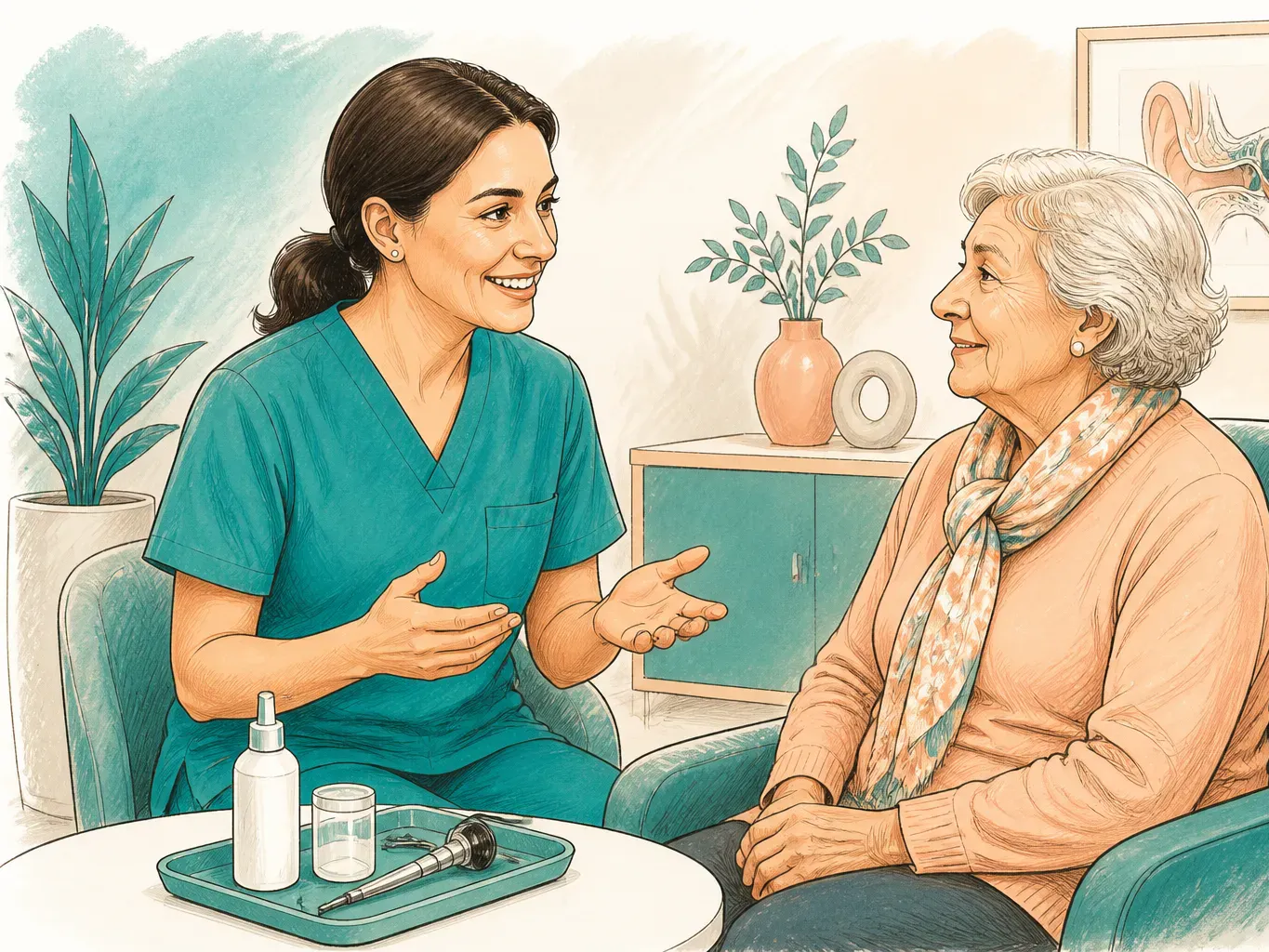
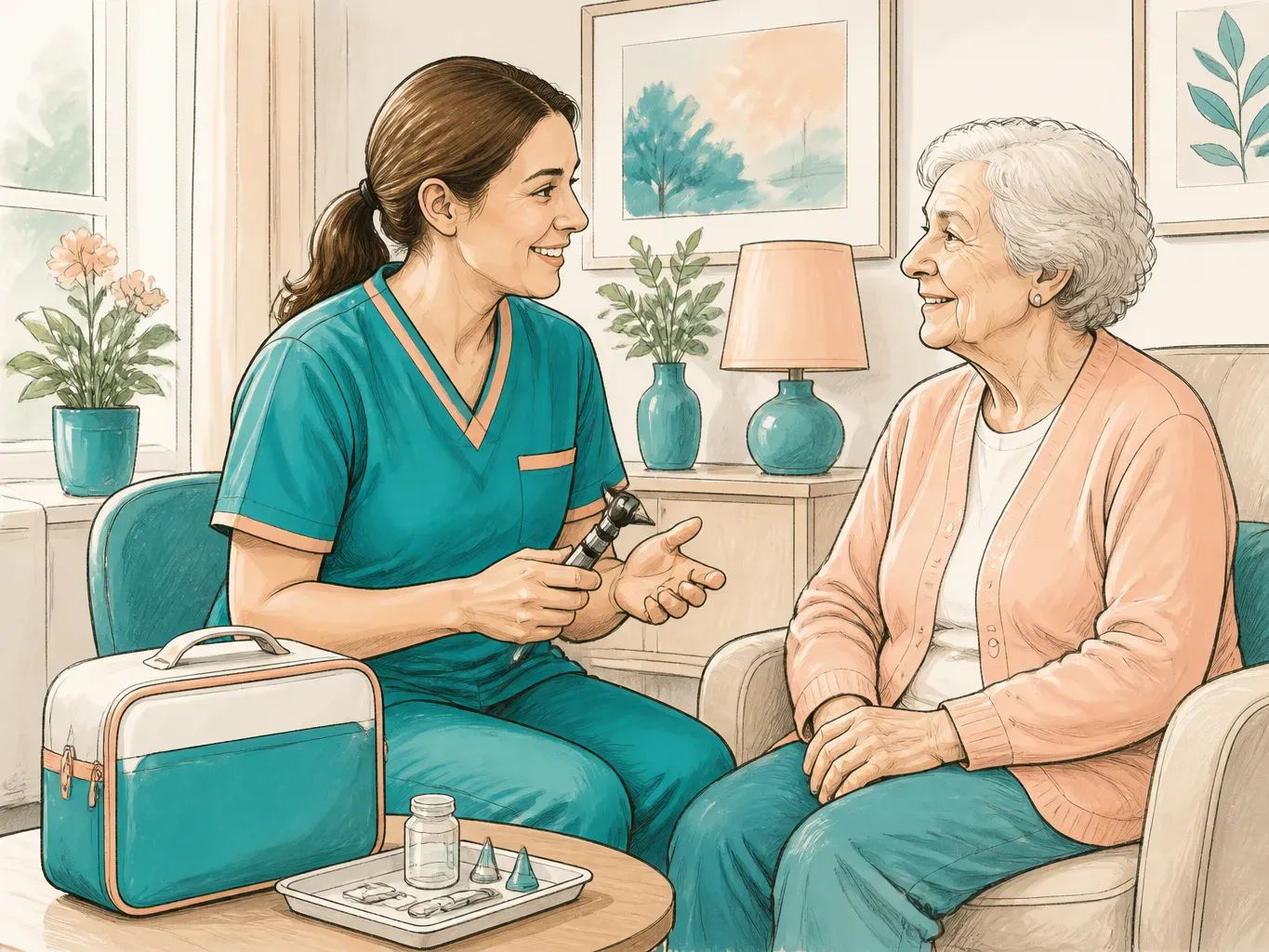
A care home ear health service brings ear checks, wax assessment, and appropriate treatment directly to residents in their own care home. It is designed for people who may find travel, waiting rooms, or clinic appointments difficult, while keeping care calm, safe, and practical.
For many residents, on-site ear care can improve comfort, communication, and day-to-day wellbeing. It also helps care teams spot issues earlier and arrange timely support without the disruption of off-site visits.
What a care home ear health service is
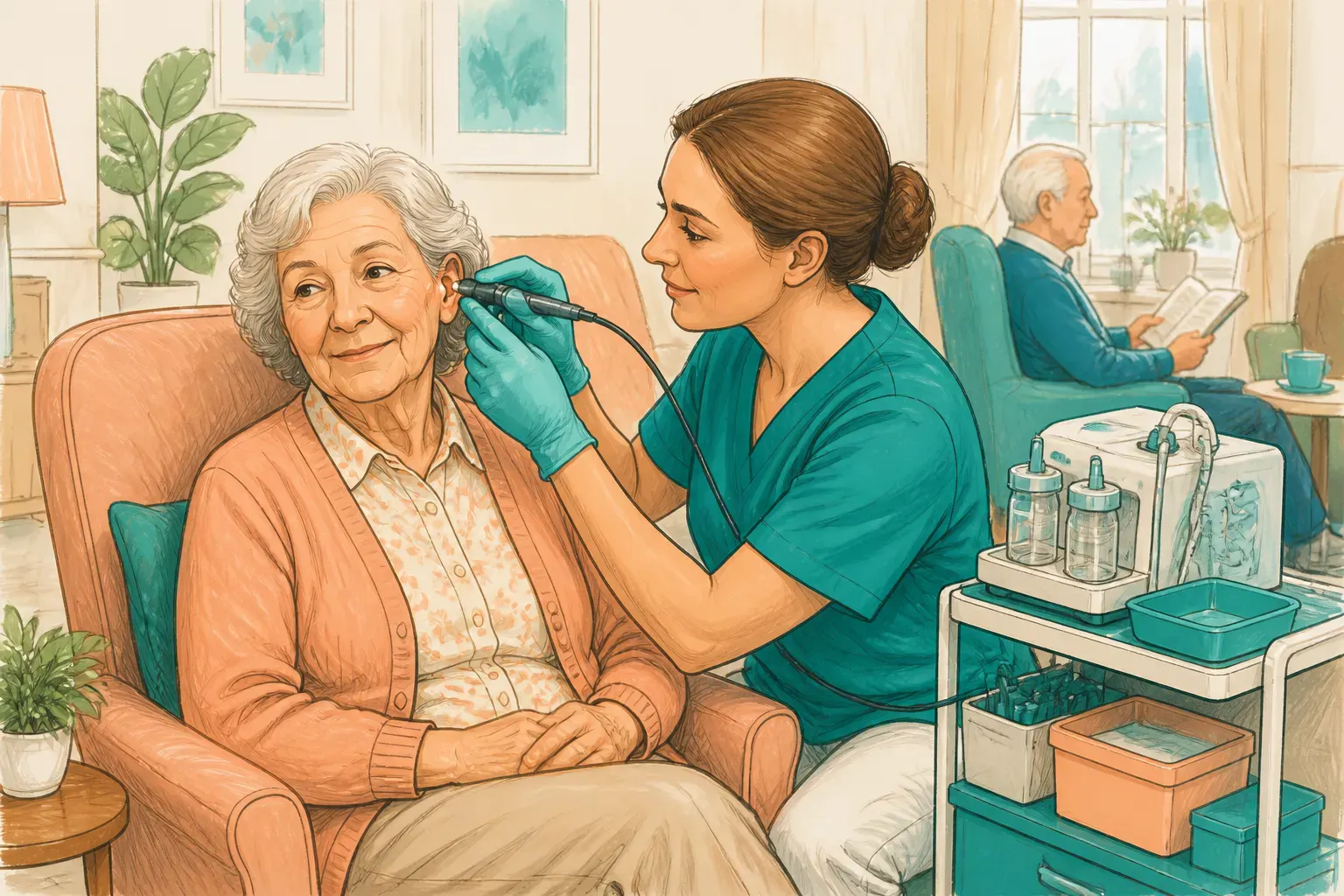
A care home ear health service is a visiting ear care appointment carried out within the care home itself. Rather than asking a resident to travel to a clinic, the clinician comes on site with the equipment needed to examine the ears, identify wax build-up, and provide treatment when it is clinically appropriate.
At Pro Ear Clinic, this type of care follows a patient-friendly, evidence-based approach. The goal is to make ear health checks feel calm and manageable for residents, while also supporting staff and families who are looking after them.
In most cases, the appointment begins with a short ear history and a conversation about symptoms. The clinician then examines the ears, checks whether wax is present, and decides whether removal is suitable on the day. If treatment is needed, it is planned with the resident’s comfort and safety in mind.
This service is especially helpful for people who struggle with clinic attendance, including those with mobility problems, frailty, dementia, anxiety, or communication barriers. It can also be valuable for residents who repeatedly build up wax or use hearing aids, because they may need ear checks more often.
Who benefits most from on-site ear care in care homes
A care home ear health service is not only for residents who already complain of blocked ears. It can help a wide range of people whose hearing and comfort may be affected by wax or other ear problems that are easy to miss in everyday care.
Older adults are more likely to develop wax build-up, partly because earwax can become drier and less mobile with age. When someone also has reduced dexterity, hearing loss, or limited ability to explain symptoms, the problem can go unnoticed for longer. On-site care helps because it meets the resident where they are, instead of creating another barrier to treatment.
The residents most likely to benefit include:
- People with reduced mobility or frailty
- Residents living with dementia or cognitive impairment
- Those who become distressed by travel or unfamiliar clinical settings
- Hearing aid users who need regular checks for wax and device function
- Residents with repeated blocked ear episodes or sudden muffled hearing
- People who are anxious about ear treatment but cope better in familiar surroundings
Untreated wax can affect much more than hearing alone. It may make speech harder to follow, reduce confidence in group activities, and increase frustration during conversations with staff or family. A resident may appear withdrawn, sleepy, or less engaged when the real issue is that they cannot hear clearly.
That matters in everyday care. If a person misses instructions during meals, personal care, or medication support, the consequences can be frustrating for both the resident and the team. Clearer hearing often makes communication feel easier and more reassuring.
Families also notice the difference. A resident who has been struggling with blocked ears may suddenly seem more alert, more responsive, and more connected once the wax is managed. That can make the service feel especially worthwhile when the resident was not able or willing to attend a clinic.
How a care home visit usually works
A good care home ear health service should be organised, respectful, and tailored to the resident’s needs. Although every clinic may manage the workflow slightly differently, the overall process is usually similar.
Before the visit, the care home may be asked for background information. This can include details of symptoms, hearing aid use, relevant medical history, allergies, recent ear problems, and whether the resident can give consent or needs support with decision-making. Good pre-visit information helps the clinician prepare and reduces delays on the day.
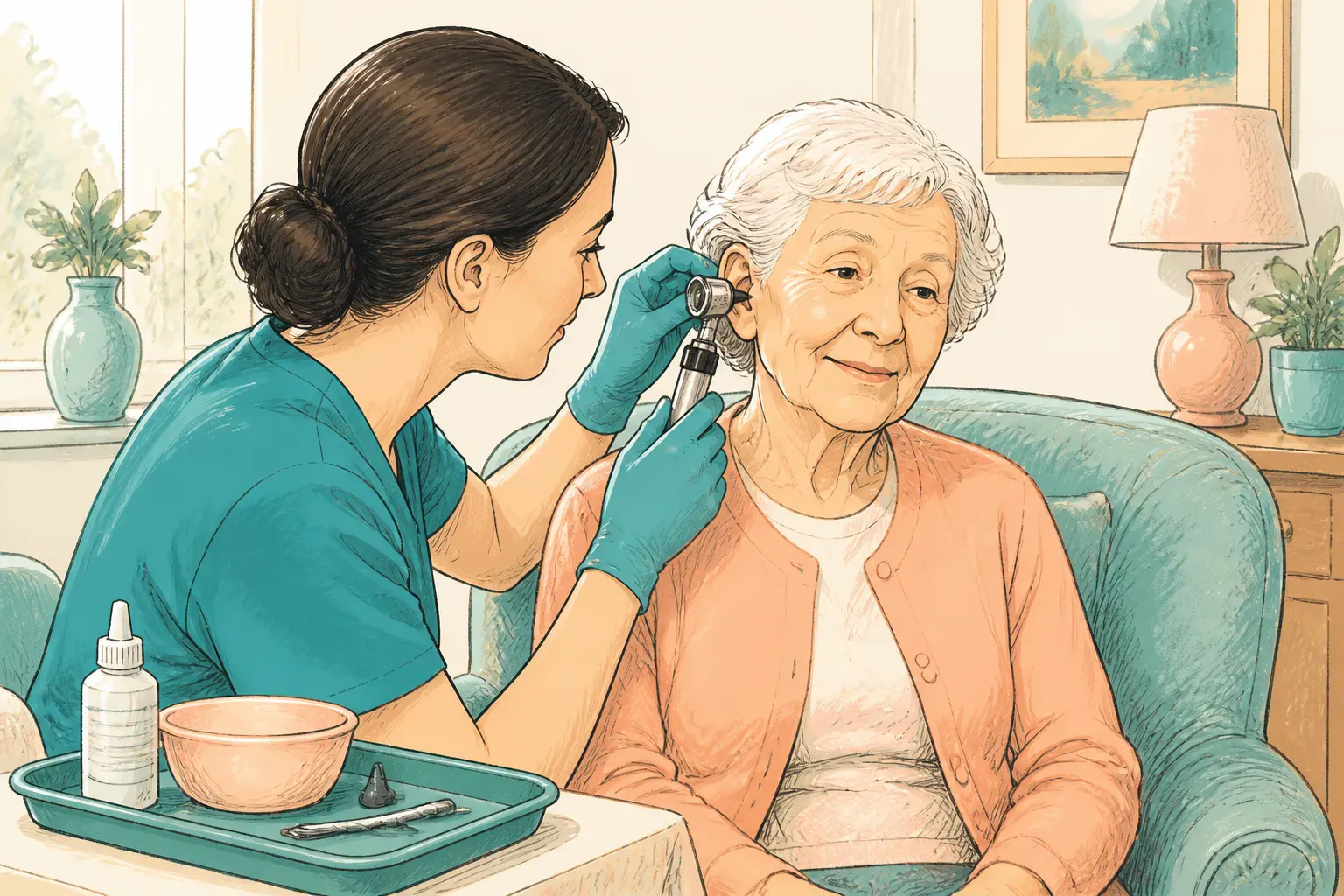
On arrival, the clinician usually speaks with the resident and, where appropriate, a member of staff or a family representative. Consent is checked carefully. The resident should understand what is being done and have the opportunity to ask questions or decline treatment.
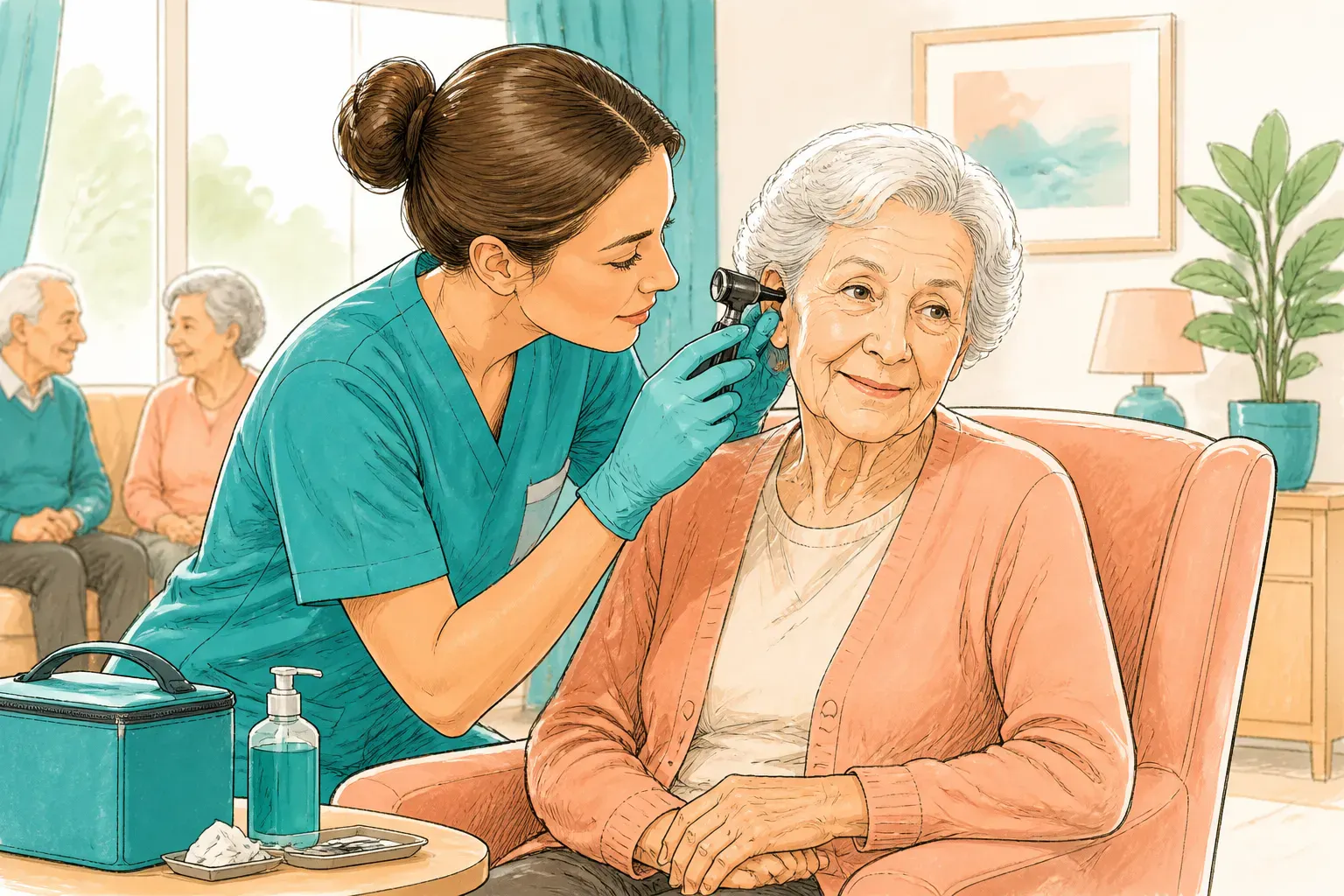
The ear examination then takes place. The clinician uses specialist equipment to look into the ears and assess whether wax is present, whether it is affecting hearing, and whether treatment is suitable. If wax removal is appropriate, the resident is guided through the process at a pace that suits them.
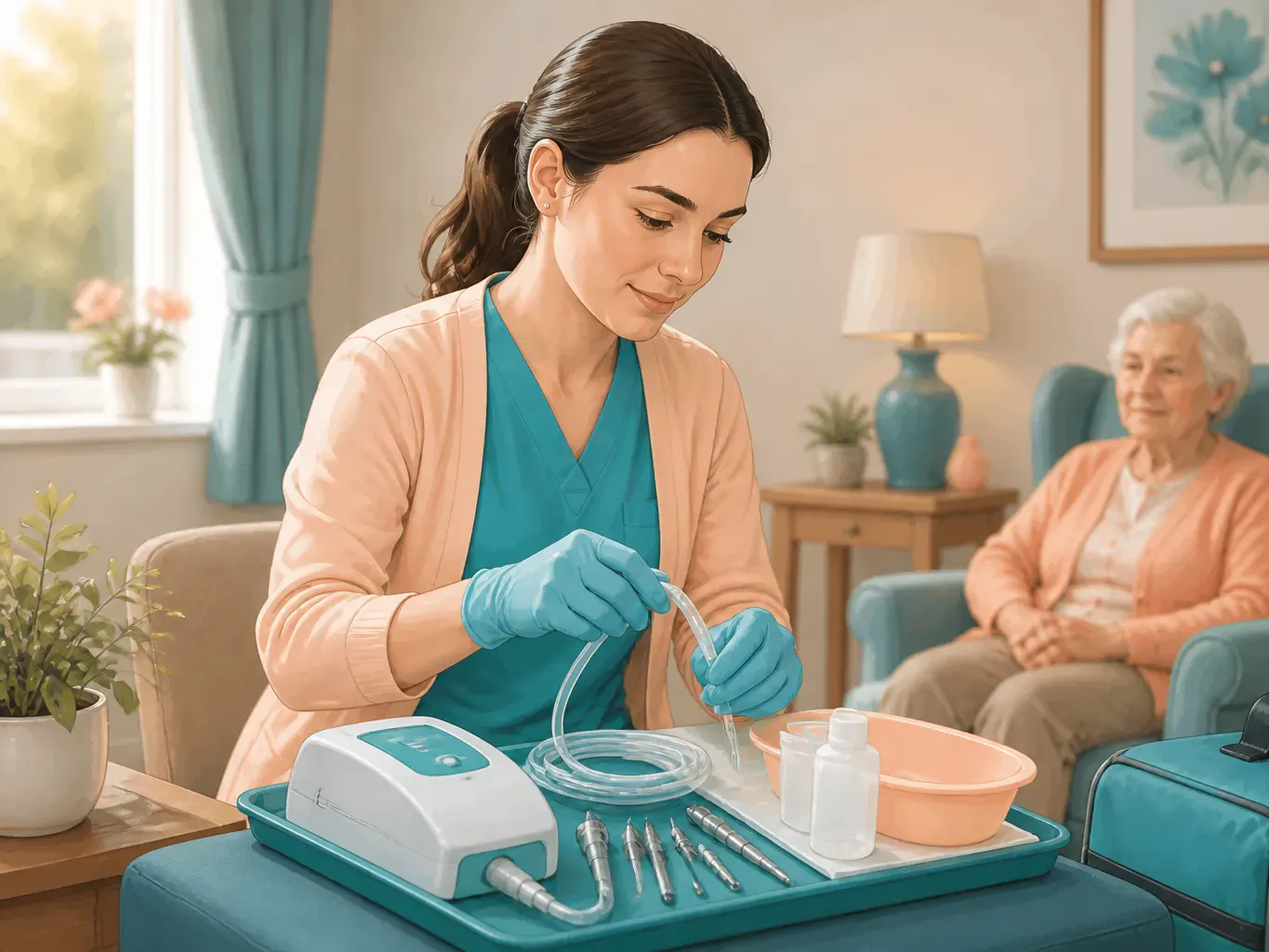
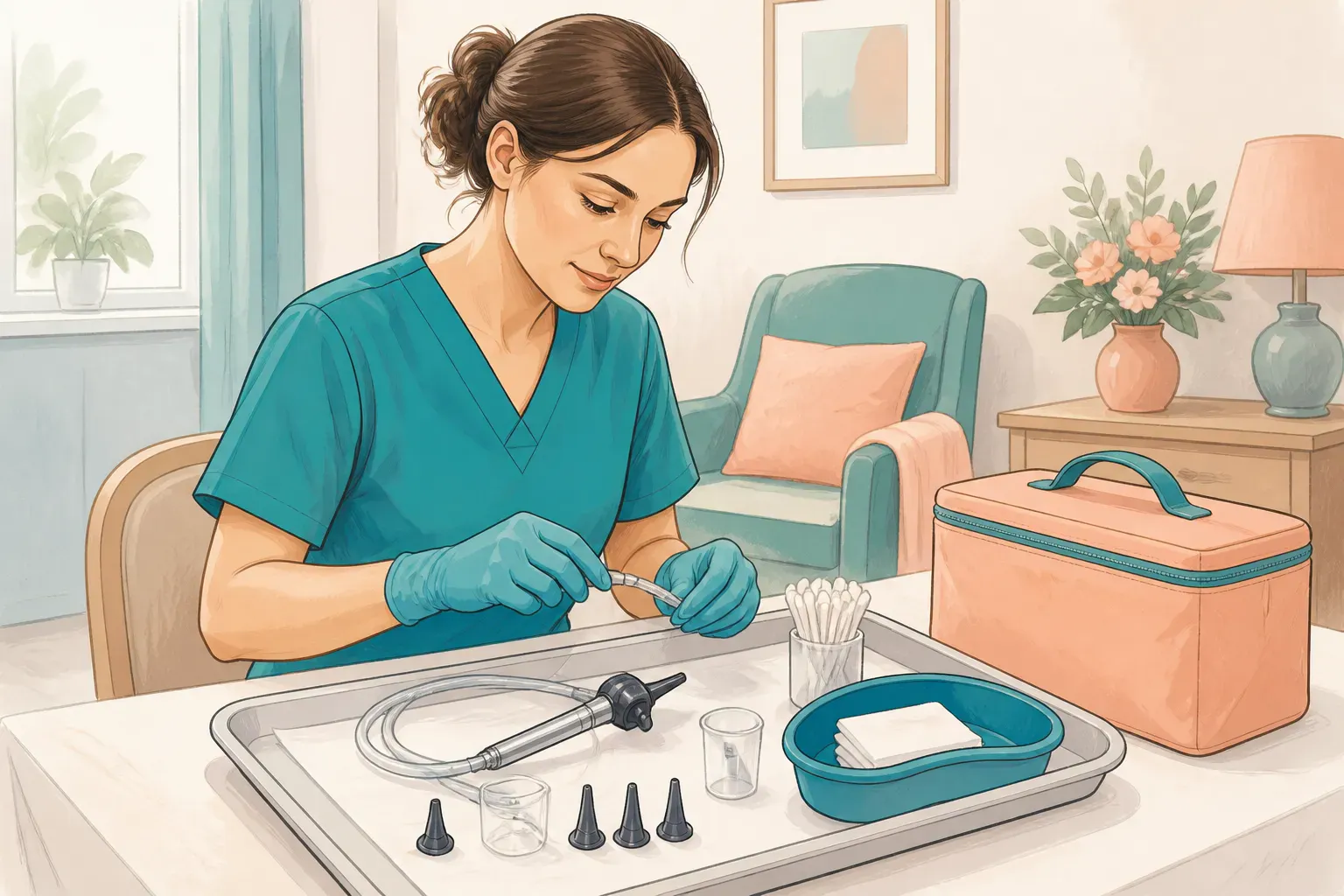
Typical equipment brought on site may include:
- A portable examination light or otoscope
- Microsuction equipment, if treatment is being provided by that method
- Disposable instruments and infection control supplies
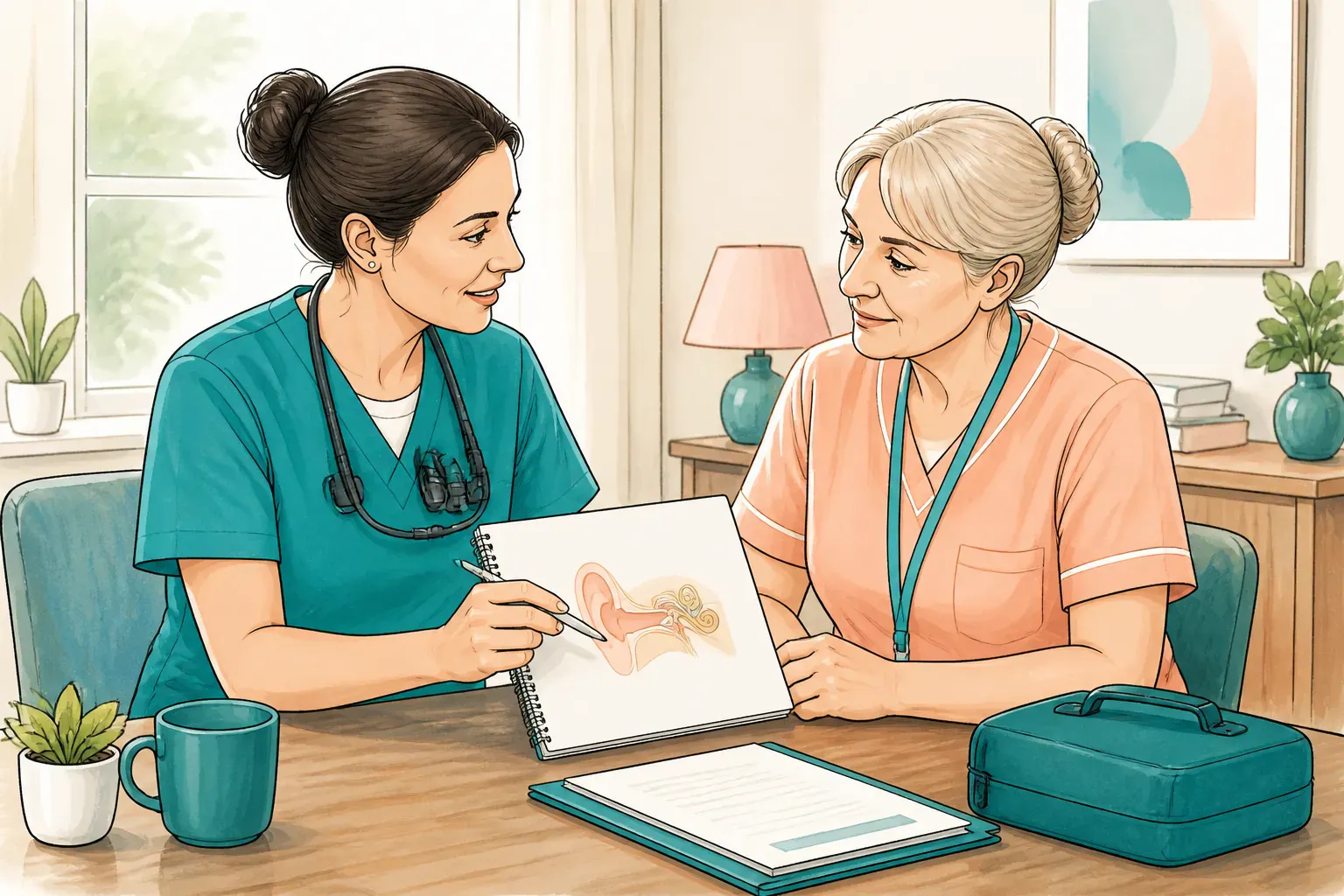
- Documentation for findings and aftercare advice
A practical appointment flow often looks like this:
- The resident is greeted and the process is explained clearly.
- Consent is confirmed and any concerns are discussed.
- The ears are examined to assess wax, irritation, or other issues.
- If appropriate, wax is removed using the agreed method.
- The ears are checked again to confirm the outcome.
- Aftercare advice is given to the resident and care staff.
- Follow-up is arranged if needed.
The clinician should adapt to the resident’s comfort level throughout. Some people prefer short explanations before each step. Others need pauses, reassurance, or a slower pace. That flexibility is one of the main strengths of on-site care, because it can be more humane than a rushed clinic appointment.
Methods used for earwax removal and ear care
For specialist ear care in care homes, microsuction is often the main treatment method. It involves using a gentle suction device to remove wax under direct visual guidance, which allows the clinician to work carefully and monitor the ear canal throughout the procedure.
Microsuction is valued because it is precise and does not rely on flushing water into the ear. That can make it suitable for many residents, particularly those who are more vulnerable, more anxious, or less able to remain still for long periods.
In some cases, softening the wax before the appointment may be advised. This is not a treatment on its own, but it can sometimes make removal easier if the clinician thinks it is appropriate. The exact advice depends on the resident’s ear health, symptoms, and the findings on examination.
Here is a simple comparison of common approaches to earwax management:
Method | What it involves | Comfort | Suitability in care homes | Common limitations |
|---|---|---|---|---|
Microsuction | Wax is removed under direct vision using gentle suction | Often well tolerated when explained clearly | Highly suitable for many residents | May still be unsuitable if the resident cannot cooperate or if the ear needs medical review first |
Wax softening advice | Drops or other softening measures are used before removal | Usually simple, but can feel inconvenient | Useful as preparation in selected cases | Does not remove wax by itself |
Irrigation | Water is used to flush wax from the ear | Can be uncomfortable for some people | Not ideal for every resident | Not suitable in some ear conditions and may be inappropriate if there is a history that raises risk |
It is important not to assume that one method suits everyone. A good clinician will assess the resident’s ears, medical history, and symptoms before deciding on the safest approach. If the wax is not ready to remove, or if there are signs that another problem may be present, the appointment may need to be delayed or referred onward.
For readers who want to understand the specialist method in more detail, this guide to Microsuction earwax removal is a useful place to start. You can also read about Ear health assessment to understand how clinicians decide what treatment is appropriate.
Safety, consent, and when treatment should be delayed
Safety is central to any care home ear health service. Residents in care settings may have multiple health conditions, communication challenges, or cognitive impairment, so the clinician must work carefully and respectfully at every stage.
Consent is especially important. The resident should be given a clear explanation of what is happening, in plain language, and in a way they can understand. If a person lacks capacity to make the decision themselves, the clinician should work with the care home team and any relevant family or legal decision-maker, following the appropriate safeguards and best interests process.
Before treatment, the clinician should ask about symptoms and medical history. This includes hearing aid use, ear pain, previous ear surgery, perforated eardrum history, discharge, dizziness, recent infections, and any known sensitivities. These details help determine whether treatment is safe to carry out on the day.
There are times when treatment should be delayed or a medical review is needed first. Examples include:
- Ear pain that is unexplained or severe
- Discharge from the ear
- Suspected perforation of the eardrum
- Recent ear surgery
- Marked dizziness or imbalance
- Signs of infection or inflammation
- A resident who is too distressed or unable to cooperate safely
When these signs are present, the right decision may be to pause rather than proceed. That is not a failure of care, it is good clinical practice.
The best services also explain what will happen if wax cannot be removed safely. Sometimes the answer is further softening, sometimes it is referral for medical assessment, and sometimes it is simply waiting until the resident is better able to tolerate treatment. Clear communication helps the resident and care staff feel reassured rather than left uncertain.
For general reference, the NHS guidance on earwax build-up is a helpful public resource, and the British Society of Audiology recommendations on earwax management provide professional background on safe practice.
Benefits for care homes, families, and staff
The benefits of a care home ear health service extend beyond the individual resident. When ear care is provided on site, it can improve convenience, reduce disruption, and support better communication across the whole care environment.
For residents, the most obvious benefit is comfort. They do not need to travel, wait in a clinic, or cope with an unfamiliar setting. That matters a great deal for people who become distressed by change or who tire easily during outings. A familiar environment can make the experience feel gentler and more manageable.
For families, the service can be reassuring because it addresses a common but often overlooked cause of hearing problems. If a relative has seemed less responsive, more confused, or harder to engage in conversation, checking for wax can be a practical first step. When treatment is delivered quickly, families often feel that the resident’s quality of life improves sooner.
For staff, on-site ear care can reduce the time spent organising external appointments, transport, and escort arrangements. It may also make day-to-day communication easier if a resident hears instructions more clearly after treatment.
The wider benefits often include:
- Less travel burden for residents and staff
- Faster access to ear assessment and relief
- Fewer missed conversations during meals, activities, and care routines
- Better support for hearing aid users
- Earlier identification of ear-related problems
- Reduced disruption to the care home schedule
There is also a wellbeing dimension. When residents can hear better, they are more likely to take part in social interaction, enjoy group activities, and feel confident speaking with staff and visitors. That can make a noticeable difference to quality of life, especially in settings where social engagement is already a priority.
For care homes that want to understand broader wellbeing expectations, Royal College of Nursing guidance on care homes and resident wellbeing is a useful starting point for background reading on resident-centred care, while NICE guidance on hearing loss in adults helps frame hearing support within broader adult care.
Aftercare, follow-up, and preventing earwax build-up
Aftercare should be straightforward and easy for care staff to follow. Once treatment is complete, the clinician usually explains what was found, what was done, and whether anything needs monitoring.
In a care home context, aftercare may include checking that the resident feels comfortable, noting any temporary sensitivity, and watching for changes in hearing or balance. If hearing aids are used, the team may also be asked to reinsert them carefully once the clinician says it is appropriate.

Useful aftercare and prevention points include:
- Avoid putting cotton buds or other objects into the ear canal
- Clean hearing aids regularly according to the manufacturer’s guidance
- Report new pain, discharge, dizziness, or sudden changes in hearing promptly
- Keep a simple record of residents who need repeated ear checks
- Arrange reassessment if blocked ears seem to return
For residents who repeatedly build up wax, a routine ear health review can be helpful. The frequency depends on the individual, but people who use hearing aids or have a history of wax impaction often benefit from periodic monitoring rather than waiting until hearing drops noticeably.
Care homes can support prevention by keeping communication open between staff, families, and visiting clinicians. If one resident repeatedly seems sleepy, withdrawn, or slow to respond, it is worth considering whether hearing or wax may be contributing. That kind of observation can lead to earlier intervention and less frustration for everyone involved.
If you are unsure whether a resident’s symptoms could be caused by wax, this article on Signs you need earwax removal may help with early recognition.
When to choose a care home ear health service instead of a clinic visit
For some residents, a clinic appointment is still a perfectly good option. For others, on-site care is clearly the better choice. The decision usually comes down to mobility, comfort, urgency, and how well the person manages travel and new environments.
Here is a simple comparison:
Factor | Care home ear health service | Clinic visit |
|---|---|---|
Convenience | Treatment comes to the resident | Resident travels to the clinic |
Mobility needs | Ideal for reduced mobility or frailty | Better for people who can travel comfortably |
Environment | Familiar, calm, and predictable | Standard clinical setting |
Speed of access | Can reduce delays when arranged in advance | Depends on transport and appointment logistics |
Suitability | Useful for many care home residents and anxious patients | Suitable for those who prefer a clinic atmosphere |
Staff involvement | Can be coordinated with care home staff | Often needs escort planning and transport support |
A care home ear health service is especially helpful when travel is difficult, when a resident tires quickly, or when behaviour and anxiety make unfamiliar settings hard to manage. It can also be the most practical option for people with hearing aids, recurrent wax, or communication needs that make quick access important.
A clinic visit may still suit someone who prefers a standard appointment room or whose clinical history suggests they need a fuller outpatient style assessment. The key point is that both options can have value, but the best one is the one that fits the resident’s needs safely and comfortably.
If the person is not in a care home but still struggles to get to a clinic, a Home visit earwax removal appointment may be a useful alternative to consider.
Quick summary and recommended next steps
A care home ear health service can make ear care easier, safer, and more comfortable for residents who would otherwise struggle to attend a clinic. It supports timely assessment, appropriate wax removal, and follow-up advice in a familiar setting.
The main advantages are:
- Less travel and less disruption for residents and staff
- Gentler care for people who are anxious or frail
- Better hearing support for communication and wellbeing
- Practical monitoring for hearing aid users and those with recurring wax
- Earlier identification of ear problems that might otherwise be missed
If a resident seems to have muffled hearing, frequent blocked ears, hearing aid feedback, or reduced engagement in conversation, an on-site ear assessment is often a sensible next step. It is also worth considering if the resident has repeated appointments cancelled because travel is too difficult, or if the care team wants a more convenient way to manage ongoing ear health.
Recommended reads
- Microsuction earwax removal
- Ear health assessment
- Home visit earwax removal
- Signs you need earwax removal
Author perspective
As clinicians and writers focused on practical ear health, we see again and again how much difference timely, gentle ear care can make in care settings. When a resident can hear more clearly, conversations improve, routines feel smoother, and the whole environment often becomes calmer for everyone involved.
FAQ
What is a care home ear health service?
It is an on-site ear care appointment delivered in a care home. The clinician assesses the ears, checks for wax or other concerns, and provides treatment if it is safe and appropriate.
Who can have earwax removed in a care home?
Residents who are suitable for treatment after assessment can often have wax removed on site. The clinician will first check symptoms, consent, medical history, and whether there are any reasons to delay treatment.
Is microsuction suitable for elderly care home residents?
Often, yes. Microsuction is commonly used because it is precise and can be gentle when carried out by an experienced clinician. Suitability still depends on the resident’s ears, health history, and ability to cooperate.
How long does an on-site ear care appointment take?
The length varies depending on the number of residents, the complexity of each case, and whether wax removal is needed. A single resident appointment is often relatively short, but extra time may be needed for consent, explanation, and aftercare.
What happens if a resident has ear pain or discharge?
Pain or discharge may mean treatment should be postponed and the resident reviewed more carefully. These symptoms can suggest infection or another issue that needs medical attention before wax removal is attempted.
Can hearing aid users benefit from regular ear checks?
Yes. Hearing aid users are often more likely to notice the effects of wax build-up, and ear checks can help keep hearing clearer and devices working properly. Regular monitoring can also reduce repeated problems.
How can care homes help prevent earwax build-up?
Care homes can help by avoiding cotton buds, keeping an eye on residents who repeatedly seem to hear less well, supporting hearing aid hygiene, and arranging regular ear reviews for those most at risk.
For general background, the NHS guidance on earwax build-up remains a useful reference for symptoms and self-care, while professional guidance from the British Society of Audiology recommendations on earwax management supports safe clinical decision-making.