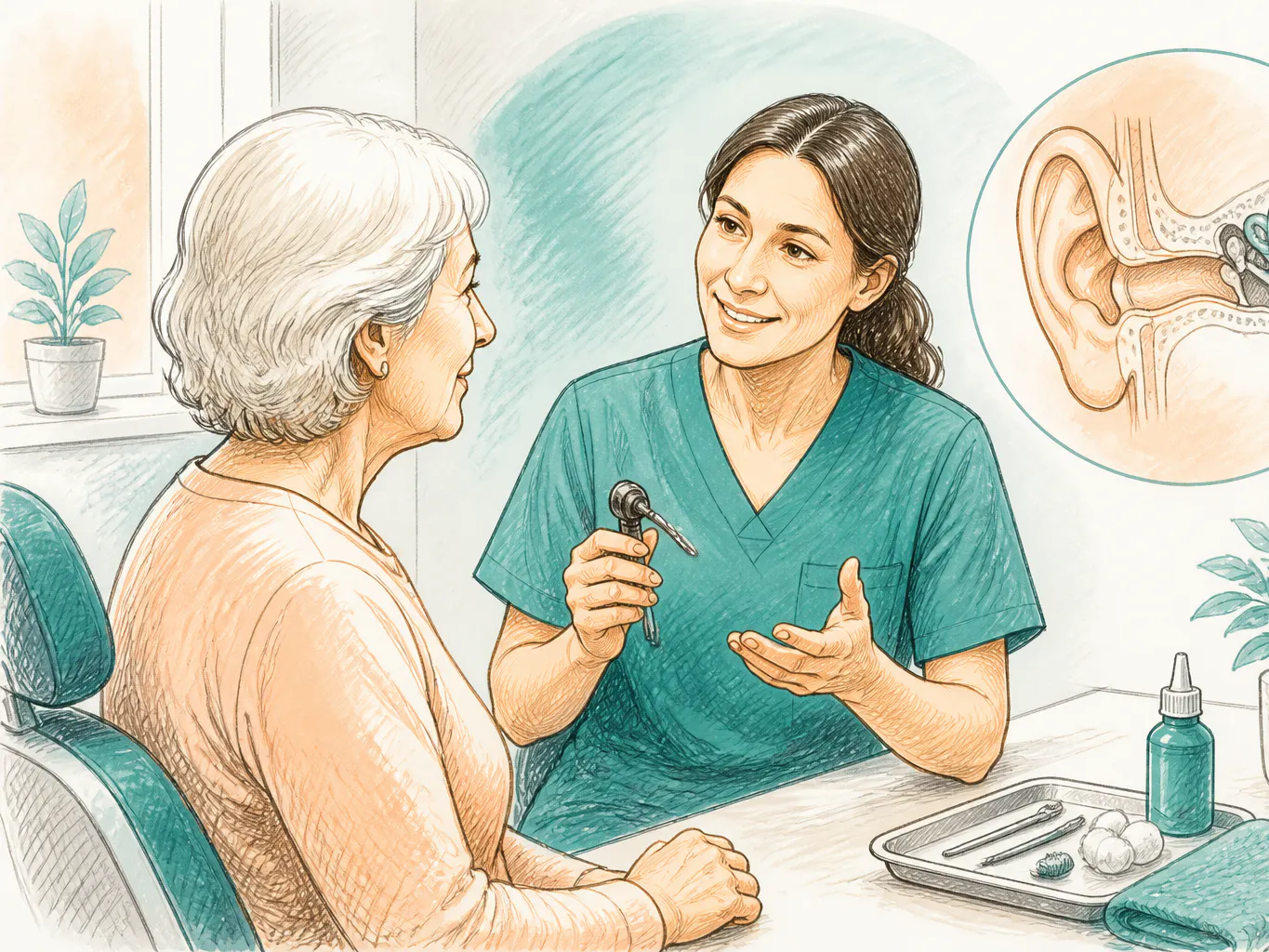
Safe ear care usually means leaving the ear canal alone, because ears are designed to clear wax naturally. If wax becomes troublesome, softening drops and gentle professional treatment are usually safer than trying to clean inside the ear yourself. For people in Bristol who are dealing with blocked ears, hearing changes, or recurring wax build-up, help is available without fuss.
Quick summary: the 7 ear care tips at a glance
If you want the safest approach to ear cleaning in Bristol, the short version is simple: do not put anything inside the ear canal, soften wax when appropriate, and seek professional help if symptoms suggest a blockage. Most people only need light outer-ear care and occasional checks, not frequent cleaning.
Here are the seven tips at a glance:
- Stop using cotton buds inside the ear canal. They often push wax deeper and can irritate the skin.
- Soften wax gently if it is building up. Olive oil or pharmacy ear drops may help some people.
- Learn the warning signs of blockage. Reduced hearing, fullness, tinnitus, and discomfort can all point to wax.
- Choose professional removal when home care is not enough. Microsuction is often a precise, comfortable option.
- Keep ears dry and clean around devices. Moisture and hearing aids can both affect wax behaviour.
- Book earlier if you are at higher risk. Older adults, hearing-aid users, and care home residents often benefit from routine checks.
- Pick a calm, evidence-based provider. Clear explanations and patient comfort matter, especially if you feel anxious.
For official background, you can also read the NHS guidance on earwax build-up and the NICE guidance on earwax management, both of which support gentle, conservative care first.
Tip 1: Stop putting cotton buds and objects into the ear canal
This is the most important ear care habit to change. Cotton buds, hairpins, fingers, tissue twists, and similar objects do not clean the ear in the way most people expect. Instead, they often push wax further into the canal, where it can compact and cause a blockage.

The ear canal is a delicate space. The skin inside is thin, easily scratched, and prone to irritation. A small scratch may seem minor, but it can lead to soreness, itching, or infection. In some cases, pushing too far can even damage the eardrum. That is why the safest approach is usually to leave the canal itself alone.
Many people use cotton buds because they want to remove visible wax near the entrance. The trouble is that the ear naturally moves wax outward over time. If you keep clearing it from the outside, you can interrupt that process and encourage wax to build up deeper inside.
A better routine is very simple:
- wash the outer ear gently with water in the shower, if comfortable
- dry the outside with a soft towel
- wipe only the parts you can see, without inserting anything
- leave the canal alone unless a clinician advises otherwise
If you often feel the urge to tidy your ears, that may be a sign that wax is already collecting. Rather than trying to dig it out, it is better to consider softening drops or a professional assessment. If you are unsure what is safe for your ear, How microsuction works is a useful read for first time patients.
Tip 2: Soften wax safely before it becomes a problem
If wax is the issue, softening it can help the ear clear naturally. This is often the first step before any procedure is considered. For many people, a short course of olive oil or pharmacy ear drops makes wax less sticky and easier to move out of the ear canal.
The aim is not to flood the ear. It is to lubricate and soften the wax so that it loosens over time. This can be particularly useful when the ear feels full, sounds muffled, or seems to block up after a bath or swim.
That said, softening is not suitable for everyone. If you have ear pain, discharge, a known perforated eardrum, grommets, recent ear surgery, or suspected infection, you should check with a clinician before putting anything into the ear. When in doubt, it is safer to get examined first.
Here is a quick comparison of common softening approaches:

Option | Pros | Cautions | Suitable for |
|---|---|---|---|
Olive oil | Simple, low cost, widely used to soften dry wax | Not suitable if there is pain, discharge, or a perforated eardrum unless advised by a clinician | Adults with uncomplicated wax build-up |
Pharmacy ear drops | Designed for earwax softening, easy to use | Always follow the instructions, and stop if irritation occurs | People who want a purpose made option |
Doing nothing | No treatment burden, no risk of overuse | Wax may worsen and become impacted, especially in higher risk groups | People without symptoms or blockage |
A practical routine, if softening is appropriate, is usually to use drops for a few days before a planned appointment. This can make professional removal easier and sometimes more comfortable. For reliable background, RNID offers helpful RNID advice on earwax and hearing health.
Do not keep adding drops for weeks on end without review if symptoms are not improving. Persistent blockage may need assessment, especially if hearing is affected or you are relying on your ears for work, conversation, or caring responsibilities.
Tip 3: Know the signs that your ears are blocked
Earwax does not always cause problems, and that is why many people miss the early signs of blockage. Some symptoms creep up slowly, so you may assume you are just tired, distracted, or in a noisy environment. Recognising the signs sooner helps you act before daily life becomes frustrating.
Common symptoms of blocked ears include:
- reduced hearing, especially if it happens suddenly or on one side
- a feeling of fullness or pressure in the ear
- tinnitus, which may sound like ringing, buzzing, or rushing
- itching or mild irritation
- occasional discomfort or a dull ache
- dizziness or imbalance in some people
- hearing aids not sounding as clear as usual
It helps to think of normal earwax as part of the ear’s self-protection system. It becomes a problem when it builds up enough to affect hearing, comfort, or device function. A little wax at the edge of the ear is not usually a concern. A blocked canal that makes speech sound distant, particularly if it keeps happening, is worth assessing.
A simple checklist can help you decide whether to book an appointment:
- Has your hearing changed over a few days or weeks?
- Do you feel fullness or blockage in one or both ears?
- Are you having to turn the television up more than usual?
- Do your hearing aids whistle, feel blocked, or not sit properly?
- Have softening drops not helped after a reasonable period?
- Do you have pain, discharge, or repeated ear problems?
If several of these apply, it is sensible to seek professional help rather than trying more home remedies. Persistent tinnitus or dizziness should also be assessed, because wax may not be the only cause.
Tip 4: Use professional earwax removal when home care is not enough
When earwax is too impacted to clear naturally, professional removal is usually the safest next step. In many cases, microsuction is preferred because it is precise, controlled, and does not rely on water entering the ear canal.
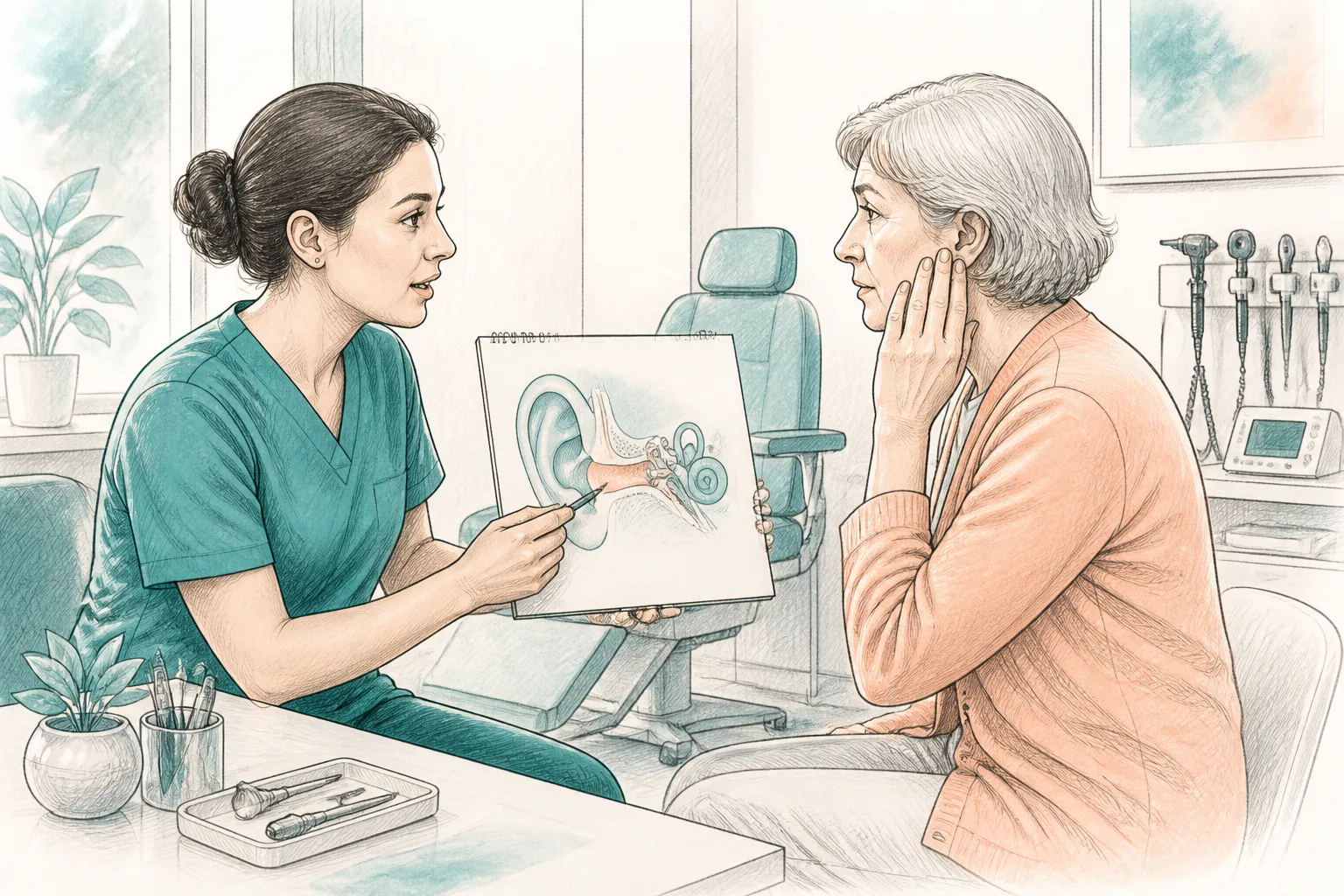
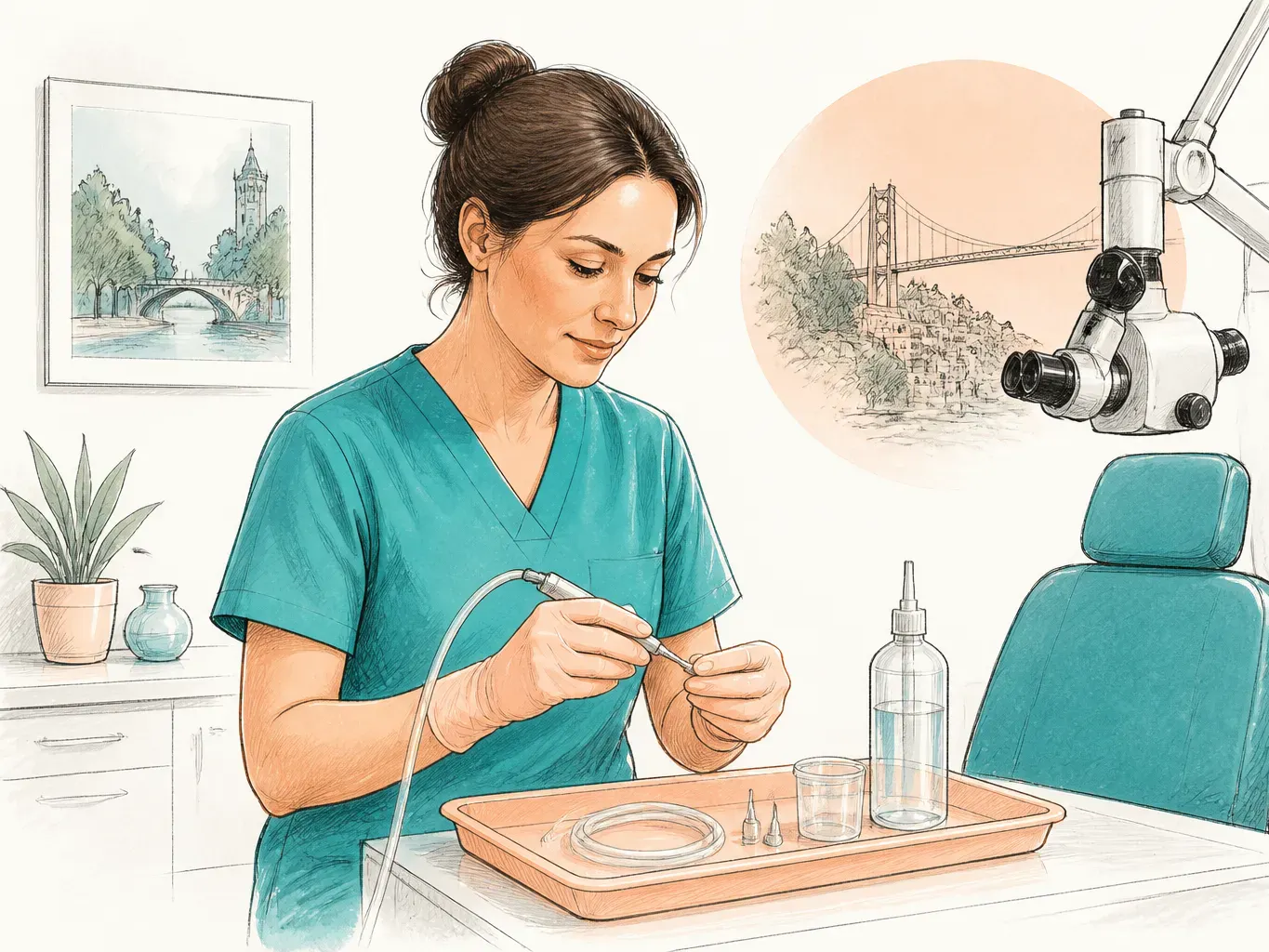
Microsuction uses a gentle suction device and a good view of the ear under magnification. That means the clinician can remove wax carefully while seeing exactly what they are doing. For many patients, this feels reassuring because the process is quick and highly targeted.
This can be especially helpful for people who are anxious, those with a history of ear infections, and anyone who wants to avoid the mess and unpredictability that can sometimes come with water based methods. At Pro Ear Clinic, the focus is on safe, patient friendly earwax removal with clear explanations at every stage.
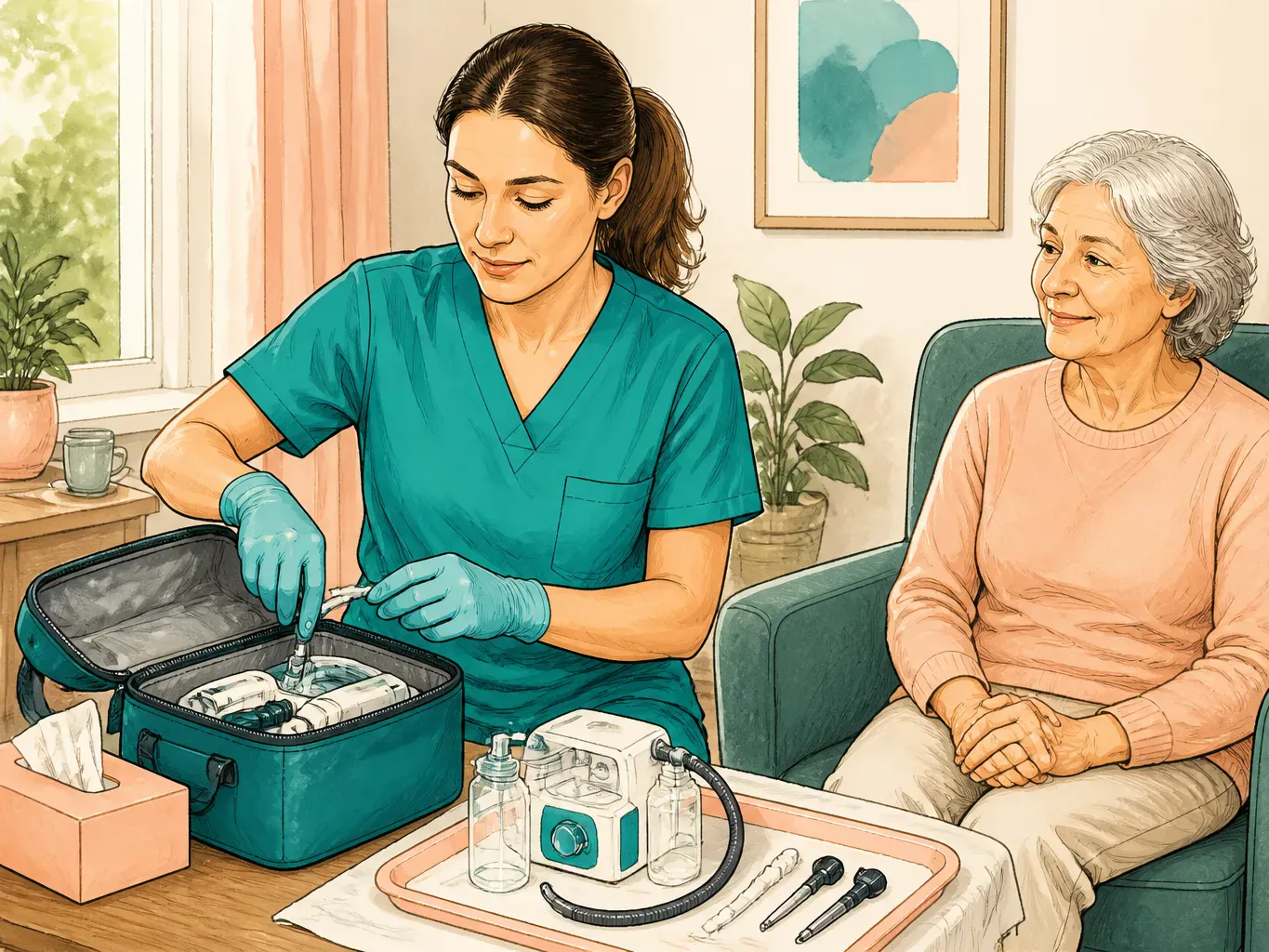
Some patients benefit from clinic visits, while others need more convenient support at home. Busy families, older adults, and care home residents may find a home visit earwax removal in Bristol service particularly practical. If someone needs help urgently, same-day earwax removal can be an important option when appointments are available.
Here is a simple comparison of common approaches:
Approach | Best for | Comfort | Speed | Main risks or limits |
|---|---|---|---|---|
Microsuction | Impacted wax, many blocked ear cases, anxious patients wanting a controlled procedure | Often well tolerated, with direct visual guidance | Usually quick | Mild noise sensitivity, not suitable for every ear condition |
Water irrigation | Selected patients with suitable ear anatomy and no contraindications | Can be comfortable for some, less suitable for others | Can be efficient | Moisture, dizziness, infection risk, and not ideal for certain ear histories |
Home care | Mild wax build-up without major symptoms | Very gentle when appropriate | Slow and variable | May not resolve a true blockage |
If you want to understand the process in more detail, the blog post How microsuction works explains what first time patients can expect.
The British guidance is consistent on one central point: if wax is affecting hearing or causing symptoms, it should be managed in a way that minimises harm. That is one reason NICE guidance on earwax management is often referenced by professionals.
Tip 5: Protect ears during bathing, swimming, and hearing-aid use
Daily routines can influence wax build-up more than many people realise. Moisture, device use, and routine cleaning habits all affect whether wax stays soft, dries out, or becomes impacted.
Bathing and showering are usually fine, but too much moisture trapped in the ear can make things uncomfortable. If water remains in the ear canal, it can contribute to a sensation of blockage or make existing wax swell. After bathing, it is usually enough to tilt the head, let water drain naturally, and dry only the outer ear with a towel.

Swimming can be similar. Some people find that water exposure makes their ears feel blocked for hours afterwards. If this happens regularly, a clinician can check whether wax is collecting or whether there is another reason the ear feels sensitive.
Hearing aid users need a little extra care. Devices can change how wax behaves inside the ear, and wax can also build up around the aid itself. If a hearing aid sounds dull, whistles more than usual, or feels uncomfortable, the problem may be wax rather than the device. Regular cleaning of the device, following the manufacturer’s instructions, is helpful, but it does not replace ear checks.
Useful habits include:
- drying the outer ear after showers and swimming
- avoiding poking at the ear if water feels trapped
- cleaning hearing aids as instructed by the audiology provider
- checking for wax if a hearing aid suddenly sounds weaker
- arranging review sooner if you rely on devices every day
These routines are especially relevant for older adults and carers, because hearing changes can affect communication, confidence, and safety. For some people, what seems like a small wax problem can quickly become a bigger challenge if it is not addressed early.
Tip 6: Get ear checks earlier if you are at higher risk
Some people are more likely to develop wax problems or need help clearing them. If that sounds like you, it is usually better to book checks earlier rather than waiting until the ear becomes completely blocked.
Higher risk groups often include:
- older adults
- hearing-aid users
- care home residents
- people with narrow or hairy ear canals
- people with skin conditions affecting the ears
- anyone who has had repeated wax build-up in the past
For these groups, prevention matters. Earwax can accumulate gradually, and by the time hearing becomes noticeably worse, the blockage may already be firm. Early review can help avoid sudden disruption, especially if hearing is important for conversation, medication prompts, work, or care routines.
Care homes and families supporting older relatives may also benefit from home or on-site services. In those situations, access and reassurance matter just as much as the procedure itself. A calm, well explained visit can make a significant difference to someone who feels nervous about treatment.
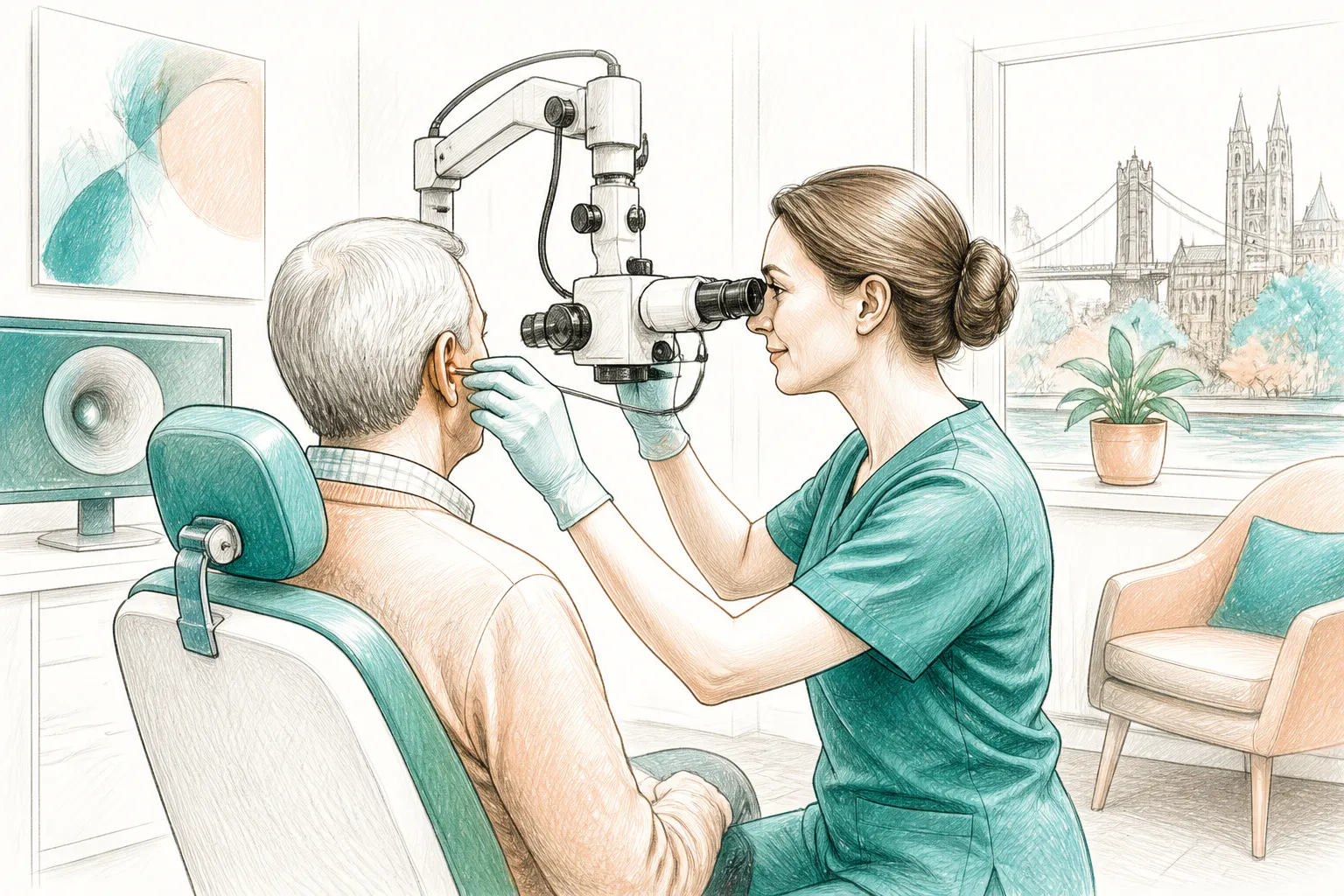
If a person wears hearing aids, it may be sensible to think of ear checks as part of routine maintenance. That is not because wax is dangerous by default, but because build-up can mask gradual hearing decline and make devices less effective. Small issues are often simpler to manage than large blockages.
When people delay, they sometimes end up with symptoms that are harder to ignore, such as sudden muffling, repeated need to turn up the TV, or one ear sounding noticeably worse than the other. Early checks reduce that risk and can save time in the long run.
Tip 7: Choose a gentle Bristol provider for fast, reassuring help
When you decide professional help is needed, the provider you choose matters. Good ear care should feel calm, clear, and respectful, especially if you are worried, in pain, or trying to arrange support for a parent, grandparent, or care home resident.
A good Bristol earwax provider will usually do several things well:
- explain what is happening in plain language
- check whether wax removal is appropriate before starting
- use safe, evidence based methods
- prioritise comfort and consent throughout the appointment
- tell you what to expect afterwards
- offer advice on preventing repeat build-up
At Pro Ear Clinic, that kind of patient centred approach is at the heart of the service. The clinic focuses on professional earwax removal and education, with a modern, reassuring style that suits both anxious first timers and people who have had blocked ears before. The aim is not just to remove wax, but to help you understand how to keep your ears healthy afterwards.
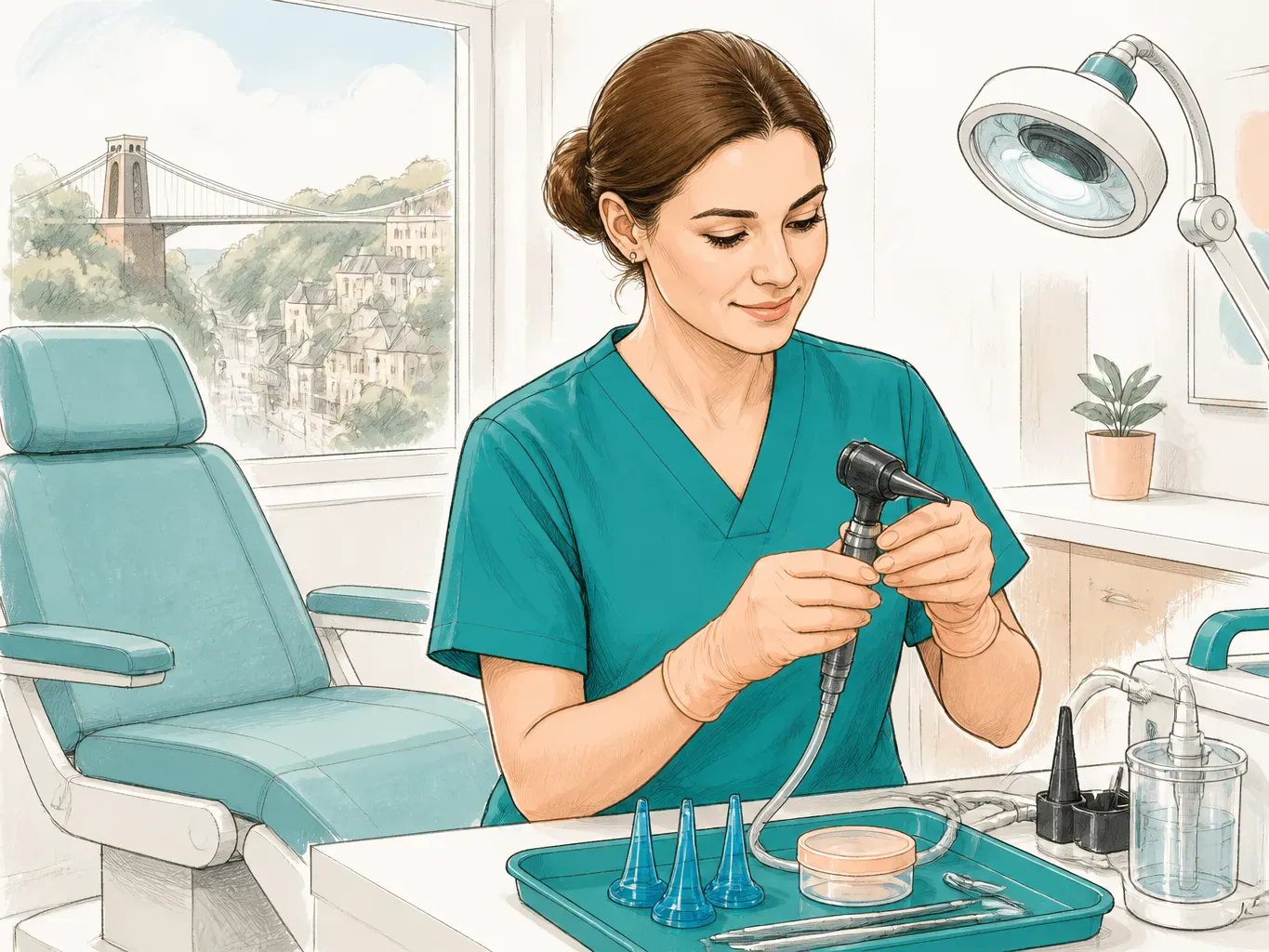
A first appointment typically involves a discussion of symptoms, a look inside the ear, and a decision about the safest next step. If microsuction is suitable, the clinician can usually explain the process before beginning, which helps many patients feel more at ease. If another approach is better, that should be discussed openly.
If you are comparing providers, look for clarity rather than pressure. The best service is the one that listens, checks for contraindications, and uses the method that suits your ear, not just the easiest option for the clinic.
For readers who want to learn more about the technique itself, the blog post How microsuction works is a helpful starting point. If you already know you need treatment, the service pages for Microsuction ear wax removal and Same-day earwax removal may be the most direct next step.
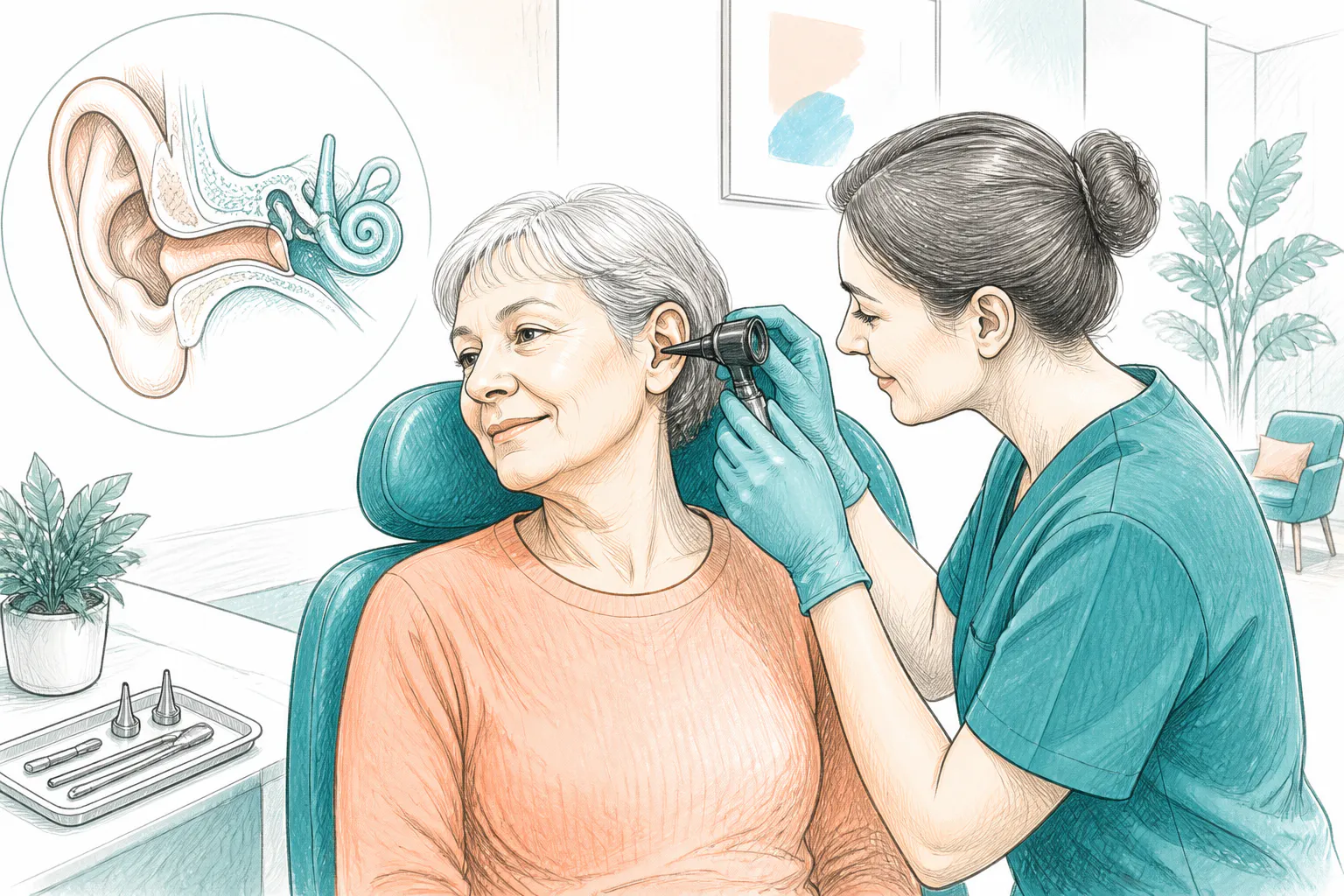
Recommended reads and next steps
If this guide has helped you think differently about ear cleaning in Bristol, the next step is usually to choose the lightest effective option. For mild wax build-up, that may mean safe softening and observation. For blocked ears, it may mean booking professional removal rather than trying more home remedies.
Recommended reading and useful next steps:
- Microsuction ear wax removal for a service overview
- Home visit earwax removal in Bristol for patients who need treatment at home or in a care setting
- Same-day earwax removal for faster support when symptoms are affecting daily life
- How microsuction works for a clear explanation of what to expect at an appointment
If you want more evidence based background, these external resources are also worth a look:
- NHS guidance on earwax build-up
- NICE guidance on earwax management
- RNID advice on earwax and hearing health
FAQ
What is the safest way to clean ears at home?
The safest home approach is usually to clean only the outer ear with a soft cloth and leave the ear canal alone. If wax is becoming a problem, softening drops may help, but if symptoms persist, professional assessment is usually better than trying to remove wax yourself.
Can olive oil help with earwax build-up?
Yes, olive oil can help soften dry wax for some people, which may allow the ear to clear more naturally. It is not suitable in every situation, especially if there is pain, discharge, a perforated eardrum, or recent ear surgery, so it is sensible to check first if you are unsure.
When should I get professional earwax removal in Bristol?
You should consider professional removal if your hearing is reduced, your ear feels blocked, softening drops have not helped, or you rely on hearing aids and they are not working properly. If you have pain, discharge, dizziness, or repeated ear problems, it is better to be assessed rather than continue self treatment.
Is microsuction better than ear syringing?
For many patients, microsuction is preferred because it is precise and does not introduce water into the ear canal. That said, the best method depends on your ear health, symptoms, and medical history. A clinician should decide which approach is safest for you.
Can I use cotton buds to clean my ears?
No, cotton buds should not be used inside the ear canal. They often push wax deeper, can scratch the skin, and may even injure the eardrum. It is much safer to clean only the outside of the ear.
How do I know if my ears are blocked by wax?
Common signs include muffled hearing, fullness, ringing, itching, and sometimes mild discomfort. If the change is new, one sided, or affecting your daily life, it is worth arranging an ear check rather than assuming it will clear by itself.
Safe ear care is usually simple, gentle, and preventive. If you need support with ear cleaning in Bristol, choosing the right advice early can save discomfort and help protect your hearing.