An ear microsuction specialist in Bristol removes earwax using controlled suction and direct visualisation, which makes treatment precise and gentle. For many people with blocked ears, hearing aid issues, or anxiety about wax removal, it is a safe and practical option when carried out by a trained clinician.
What an ear microsuction specialist in Bristol does
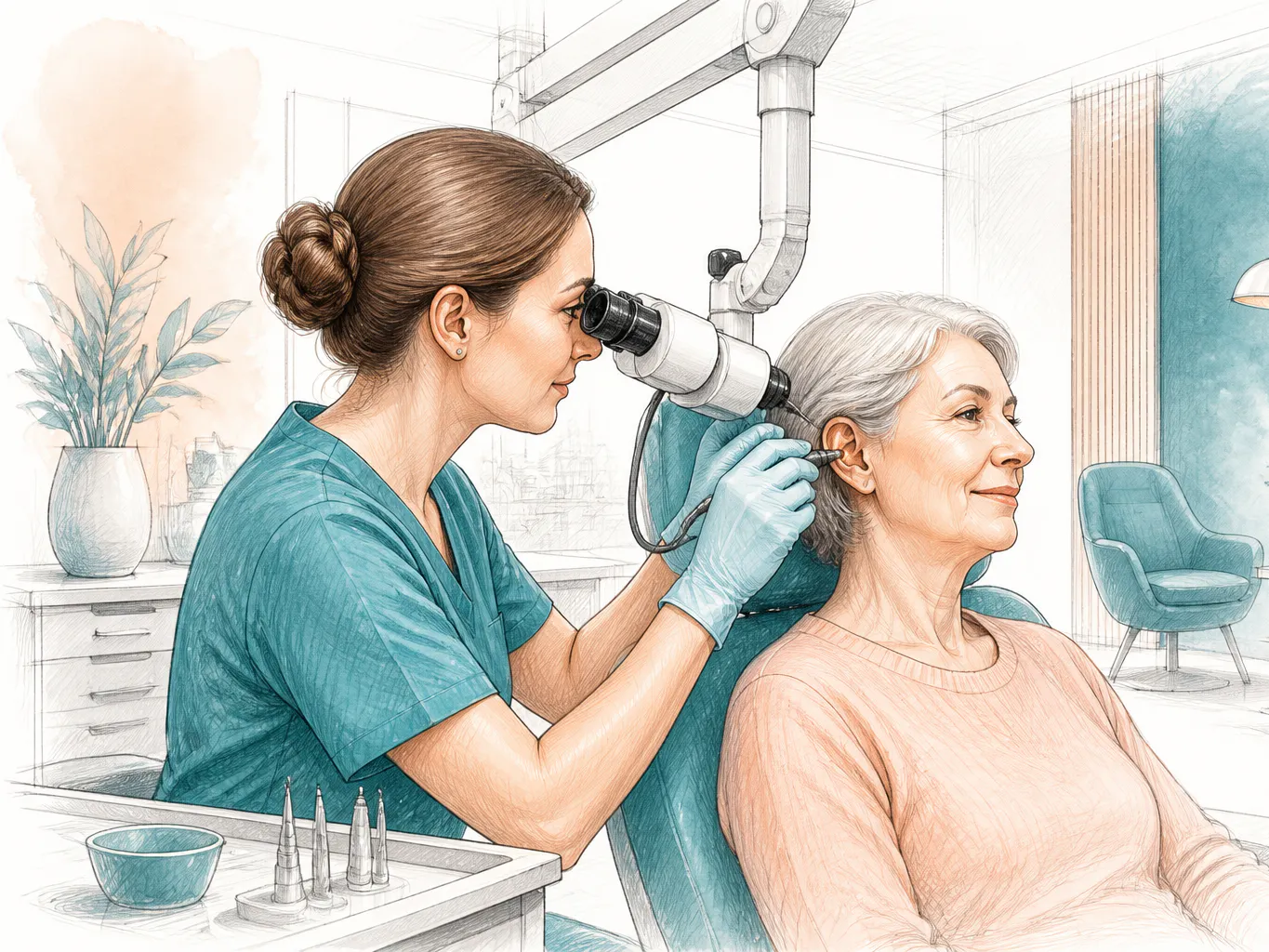
An ear microsuction specialist in Bristol assesses earwax build-up and removes it using a fine suction instrument while looking directly into the ear with magnification. This allows the clinician to see the ear canal clearly, work with precision, and adapt treatment to what is actually present.
Many people book because their hearing feels muffled, one ear feels blocked, or a hearing aid is no longer fitting or sounding properly. Others seek help because of discomfort, tinnitus that seems worse when wax is present, or a history of difficult ear cleaning. At Pro Ear Clinic, the aim is to keep the process calm, safe, and straightforward, especially for patients who want reassurance as much as relief.
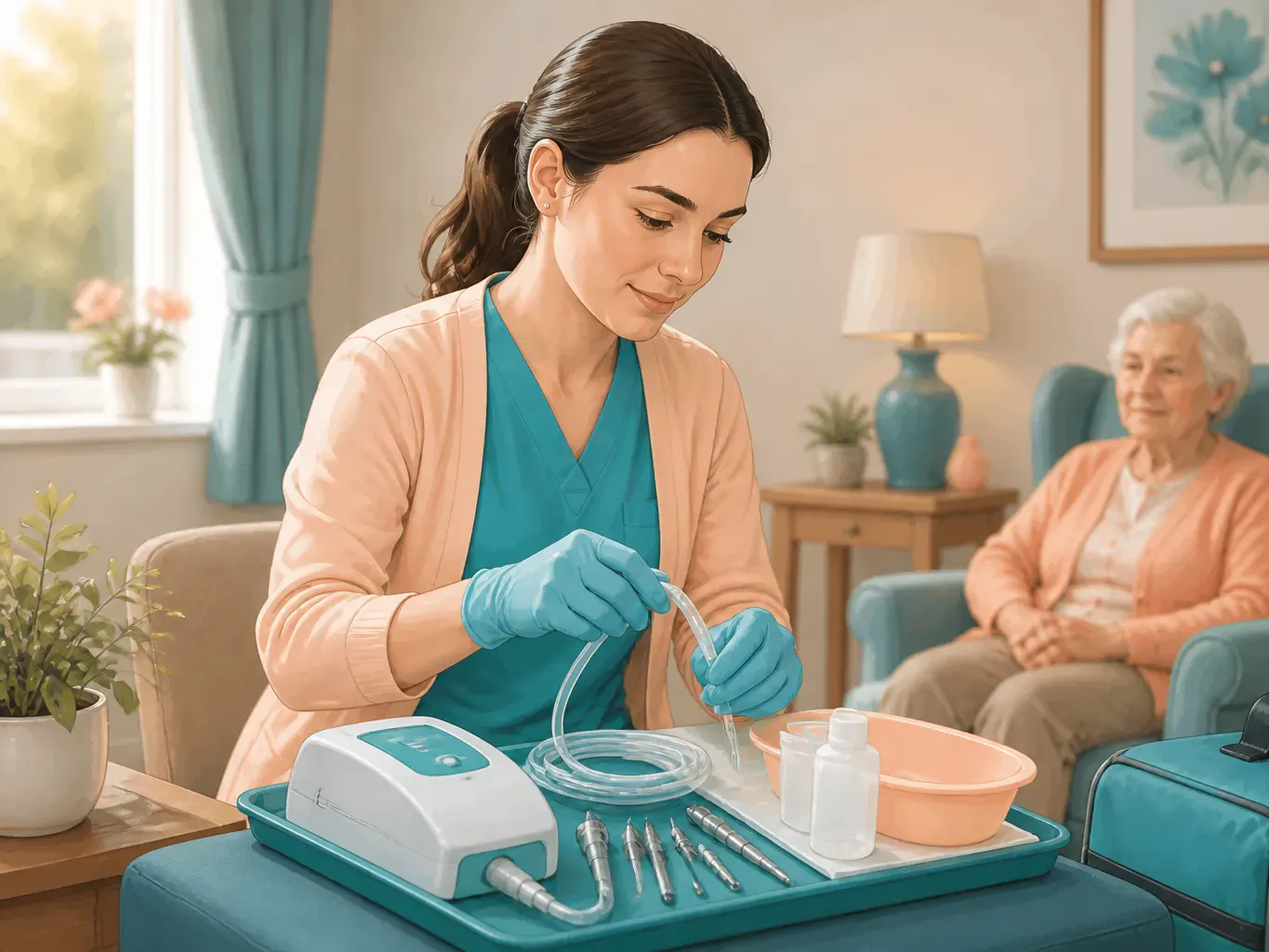
Microsuction is often chosen by older adults, anxious first time patients, busy families who want a practical appointment, and care home residents who may benefit from on site support. It can also suit people who have found earwax management frustrating in the past and want a more controlled option. If you want a broader introduction to the method itself, you may also find How microsuction works helpful.
Quick summary: when microsuction is a good option
Microsuction is commonly used when earwax is causing symptoms and a clinician has confirmed that wax removal is appropriate. It may be a good option when speed, accuracy, and direct visual control matter, especially if there are concerns about the eardrum or if irrigation is not the best fit.
A simple way to think about it is this:
- It can help when ears feel blocked, full, or muffled.
- It is often useful for hearing aid users whose devices are being affected by wax.
- It may suit people who want a clear, clinician led appointment rather than relying on home remedies for too long.
- It is often preferred when wax is hard, compacted, or difficult to remove by other means.
- It may not be the right first choice if there is active infection, significant pain, or other ear conditions that need assessment first.
Quick scan summary:
- Good fit for: blocked ears, wax related hearing changes, hearing aid users, anxious patients who want precision, many older adults, and some home visit patients.
- May need extra caution: ear infection, recent ear surgery, known or suspected eardrum perforation, severe pain, or unusual discharge.
- Main appeal: direct visibility, careful control, and fast relief when wax is the cause of the problem.
If you are deciding between appointments at a clinic or at home, clinic earwax removal in Bristol and home visit earwax removal in Bristol are useful starting points.
How microsuction works, step by step
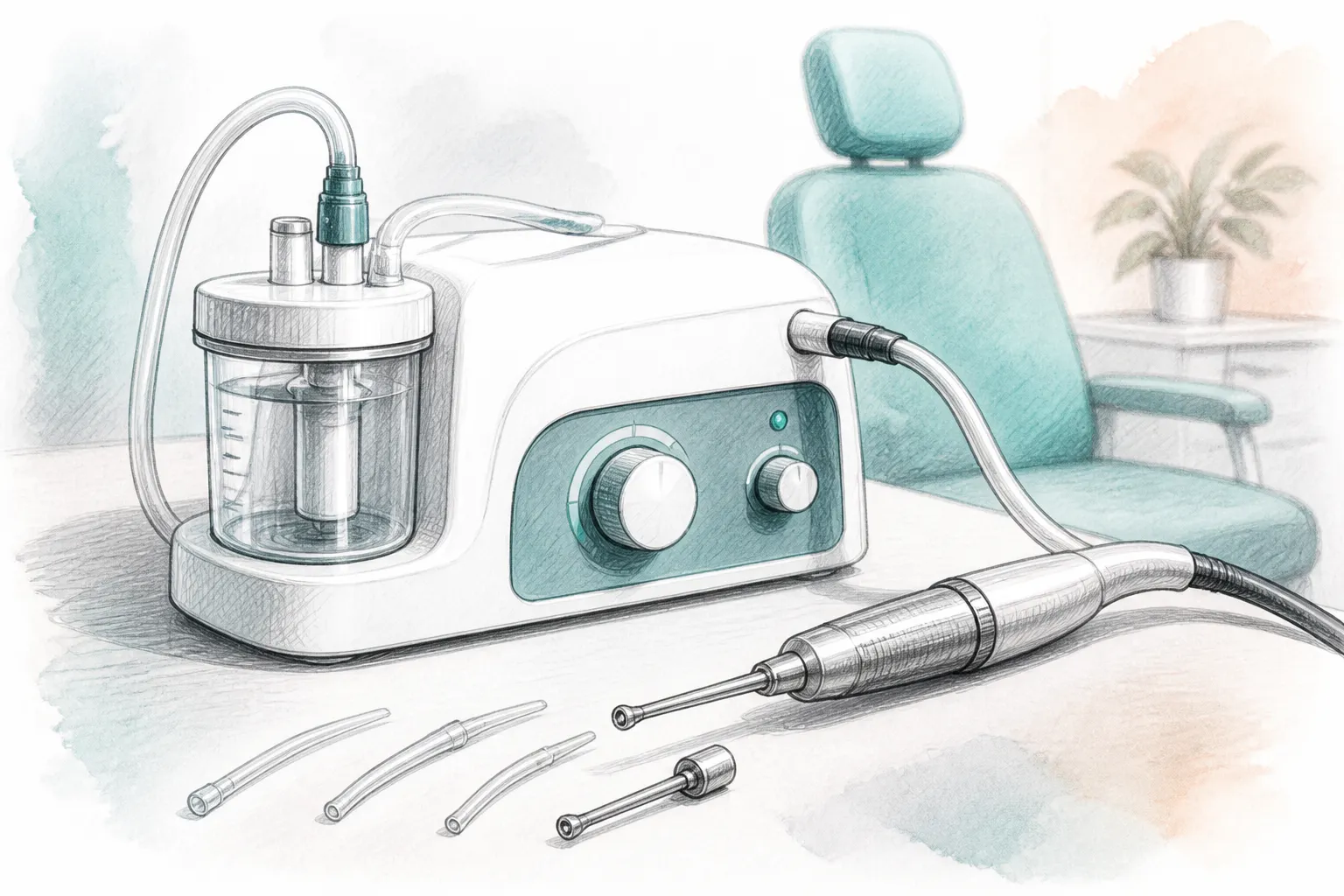
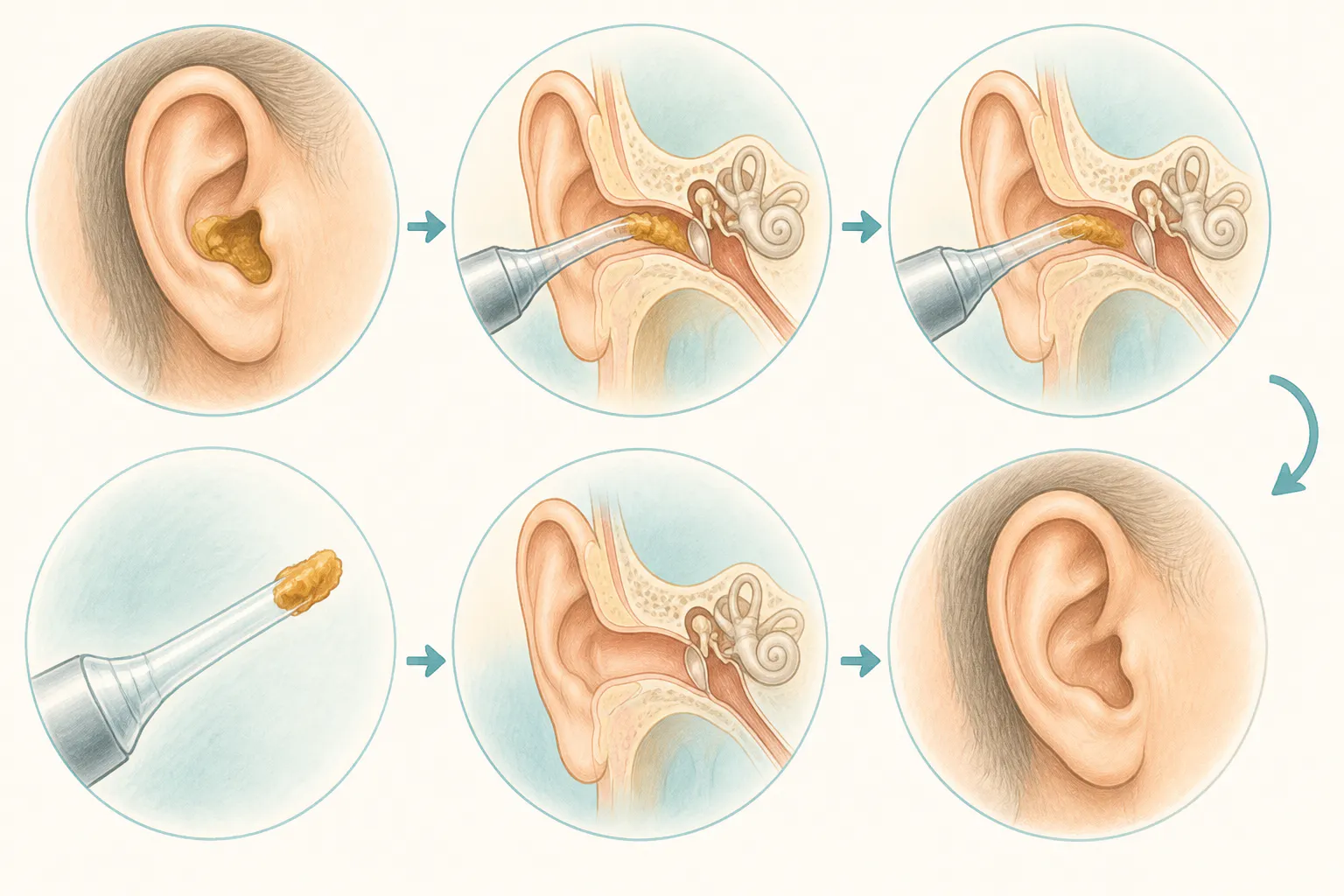
Microsuction is designed to be controlled and visible from start to finish. Instead of removing wax blindly, the clinician uses a microscope or magnified viewing equipment to see the ear canal and guide a very small suction probe.
Stage | Purpose | What the patient usually experiences |
|---|---|---|
Assessment | Check whether wax is the cause and whether microsuction is suitable | A conversation about symptoms, medical history, and any discomfort |
Visual examination | Look into the ear canal carefully | Light pressure from the speculum or viewing equipment, but no removal yet |
Wax removal | Gently suction wax away under direct vision | A whistling or suction sound, sometimes a light tickle |
Reassessment | Confirm the ear canal is clear and check the eardrum if appropriate | Brief pause while the clinician checks progress |
Aftercare advice | Explain what to do next and when to return | Clear instructions and reassurance |
The key advantage is visibility. Because the clinician can see what they are doing, they can be selective and precise, which matters when the canal is narrow, wax is hard, or there are other factors to consider. This is one reason many people search for microsuction ear wax removal when they want a modern, evidence based approach.
A typical appointment often begins with a few questions about symptoms, medical history, ear infections, surgery, dizziness, pain, or any previous ear care. The clinician then examines the ear to confirm whether wax is present and whether microsuction is the right method. If it is, the wax is removed gradually, with pauses as needed, rather than in a rushed way.

What might you hear or feel? Some patients notice a soft whirring sound from the suction device. Others notice a slight cool sensation as wax is lifted away. A little sensitivity can happen, particularly if the wax is dry or if the ear canal is already tender, but the procedure is generally intended to be tolerable and controlled.
For a first time patient, it often helps to know that the appointment is not usually a long ordeal. The most important part is the assessment. If the ear is not suitable for microsuction that day, a good specialist should explain why and advise on the next step rather than forcing treatment.
Microsuction versus other earwax removal methods
There are several ways to manage earwax, and the best option depends on symptoms, ear health, and the way wax is sitting in the canal. Microsuction is one of the most precise methods, but it is not the only one.
Method | Best suited to | Comfort | Speed | Main considerations |
|---|---|---|---|---|
Microsuction | Compact wax, blocked ears, hearing aid users, cases needing direct visual control | Usually comfortable, though some noise or tickling is normal | Often quick once assessment is complete | Requires a trained clinician and suitable ear examination |
Irrigation | Some wax build-up where the ear is suitable for water based removal | Can feel warm or splashy, sometimes less comfortable for sensitive ears | Can be efficient | Not suitable for everyone, especially certain ear conditions |
Olive oil softening | Preparing wax before a procedure or helping wax soften over time | Very gentle | Slow, as it is not an immediate removal method | Helpful as preparation, but may not clear a blockage on its own |
The right method depends on the individual ear, not just the symptom. That is why careful assessment matters. A person with a history of eardrum problems, frequent infections, or pain may be better suited to a different approach than someone with straightforward wax build-up.
Microsuction is often recommended because it does not rely on water and gives the clinician more control. That can be particularly useful if the ear canal is delicate, if the wax is stubborn, or if the patient wants a treatment that can be completed with clear visual oversight. For a deeper comparison, see the clinic’s guidance on microsuction versus ear syringing and related ear care resources.
Olive oil softening has its place too. It may be used before an appointment, especially if the wax is hard or dry. However, softening alone is not always enough, and it can take days rather than minutes. Irrigation can also be helpful in selected cases, but it depends on the ear being suitable and the patient being a good candidate for that method.
The most important point is that no single method is right for everyone. A safe ear specialist should explain the options, discuss the pros and cons, and recommend what is most appropriate based on the ear exam.
Benefits, risks, and who should be cautious
Microsuction has several well recognised benefits, but like any procedure it also has limitations and possible side effects. Balanced information helps patients make informed decisions.
Main benefits
- Direct visual control, which supports precision.
- Often quick relief when wax is causing symptoms.
- Useful for compacted or stubborn wax.
- No water is used, which some patients prefer.
- Can be suitable when other methods are less appropriate.
- Often reassuring for patients who want a professional, observed procedure.
Possible risks or temporary effects
- Mild discomfort or sensitivity during suction.
- Temporary ringing, tickling, or brief noise related to the device.
- Slight dizziness in some patients, especially if the ear canal is sensitive.
- Rare minor irritation of the ear canal.
- In some cases, wax may not be fully removable on the first attempt if it is especially hard or the ear is not suited to the procedure that day.
When to be cautious
Microsuction may need extra care or may be postponed if there is:
- an active ear infection,
- recent ear surgery,
- suspected or known perforation of the eardrum,
- significant ear pain,
- unexplained discharge,
- a history that suggests the ear should be reviewed differently first.
This is where evidence based practice matters. The NHS guidance on earwax build-up explains that earwax is common and not every blocked feeling means something serious, but it also supports getting the right assessment before treatment. The NICE clinical guidance on earwax management and the British Society of Audiology recommendations on earwax removal are helpful references for understanding safe practice.
Pros and cons at a glance
Pros
- Precise
- Fast in many cases
- Suitable for many different ear types
- No water involved
- Helpful for anxious patients who want a controlled method
Cons
- Can be noisy
- May feel odd or slightly uncomfortable for some people
- Not appropriate for every ear condition
- Requires trained assessment and equipment
A good ear microsuction specialist will not promise that every ear will be cleared instantly. Instead, they will explain what they can do safely and what to expect if more than one step is needed.

Educational tips before your appointment
A little preparation can make an ear wax removal appointment smoother, especially for older adults, families managing several appointments, or anyone who feels nervous about ear treatment.
Simple checklist before you go
- Follow any advice given about softening wax beforehand.
- Bring a list of medicines if you take regular treatment and are unsure whether it matters.
- Wear comfortable clothing so you can relax during the appointment.
- Arrive a little early if you need time to settle your nerves.
- If you use hearing aids, bring them along, as the clinician may want to understand how the wax has affected them.
- If you are arranging care for someone else, note the symptoms, duration, and any previous ear history.
If you have been advised to soften wax, do so only as instructed. Softening can help in some cases, but overdoing home treatments or inserting objects into the ear can make matters worse. Never use cotton buds to try to clear a blockage, because they often push wax deeper rather than removing it.
Tips for anxious patients
If you are worried about the sensation of treatment, tell the clinician before the appointment begins. A calm clinician can explain each step, pause when needed, and check that you are comfortable. Knowing that you can ask for a break often helps reduce anxiety.
Tips for home visit patients and care home residents
For home visit appointments, a quiet room with a chair and a bit of space is usually enough. If you are helping someone in a care home, make sure the person has their usual glasses, hearing aids, and any relevant notes to hand. It is also useful to reduce background noise if possible, because it helps communication and makes the visit more relaxed.
Common questions to have ready
- How long have the symptoms been present?
- Is the hearing change in one ear or both?
- Is there any pain, discharge, or dizziness?
- Have you had previous ear infections or surgery?
- Have drops or softening treatments already been used?
These details help the clinician decide whether microsuction is appropriate and whether anything else should be considered first.
What to expect during and after treatment
Most patients want two things from an appointment: a clear explanation and a good result. A considerate ear specialist will provide both.
The visit usually starts with a conversation and examination. If microsuction is suitable, the clinician removes the wax gradually under magnified view. Once the ear is clear, they may recheck the canal and the eardrum as appropriate, then explain what happens next.
Many people notice immediate benefits, especially if wax had been causing blocked hearing or a feeling of pressure. Some describe the result as suddenly hearing more clearly, while others simply notice that the blocked sensation has eased. That said, it is normal if the ear feels a little sensitive for a short time afterwards.

Aftercare tips
- Avoid cotton buds and other objects in the ear.
- Follow any advice about keeping the ear dry if the clinician recommends it.
- Report persistent pain, discharge, or dizziness if these occur.
- Give the ear a little time if it feels unusually sensitive.
- Use hearing aids again as advised, especially if they were not fitting well because of wax.
If the ear still feels blocked
Sometimes a blocked sensation lingers even after treatment. That does not always mean wax is still present. It may be due to temporary sensitivity, residual debris, or a separate issue such as a cold, sinus congestion, or ear canal irritation.
A short troubleshooting list can help:
- Check whether the clinician said the ear was fully clear.
- Wait a short while for the ear canal to settle if it feels tender.
- Avoid repeated self cleaning attempts.
- Seek review if you have pain, discharge, fever, or worsening hearing.
- If symptoms continue, ask for reassessment rather than assuming wax is the cause.
If you have blocked ears and want to understand the method more fully, the clinic’s How microsuction works article is a useful follow up read.
Choosing the right ear microsuction specialist in Bristol
Choosing a provider is about more than proximity. You want someone who can assess the ear properly, explain options clearly, and keep the experience calm and safe.
What to look for
- Clear ear examination before treatment.
- Training and experience in earwax removal.
- Hygienic equipment and good infection control.
- Willingness to explain what they see and why a method is or is not suitable.
- A patient centred approach, especially for anxious people or those with mobility needs.
- Options that suit different lifestyles, including clinic appointments and home visits.
From my perspective, the best consultations feel unhurried. Patients should not feel pushed into treatment. They should feel listened to, informed, and involved in the decision.
Clinic appointments versus home visits
Setting | Best for | Advantages | Points to consider |
|---|---|---|---|
Clinic appointment | Patients who can travel and want a dedicated treatment space | Full equipment setup, controlled environment, efficient care | Travel and parking may need planning |
Home visit | Elderly clients, care home residents, people with mobility issues, or very busy families | Convenience, familiar surroundings, less travel stress | Space and lighting need to be suitable |
If you are deciding between the two, compare clinic earwax removal in Bristol with home visit earwax removal in Bristol. Some patients prefer the structure of a clinic, while others value the comfort and accessibility of a visit at home or in a care setting.
Accessibility matters too. A good service should be able to support people who need extra time, patients who are nervous, and families coordinating care for someone else. For busy households, a clear appointment process can make the whole experience much easier to manage.

Recommended reads and next steps
If you want to keep learning, the following resources can help you build a fuller picture of earwax care and microsuction:
- Microsuction ear wax removal
- Clinic earwax removal in Bristol
- Home visit earwax removal in Bristol
- How microsuction works
You can also browse the blog and service pages on ProEarClinic to explore related topics, from blocked ear guidance to practical preparation advice. For trustworthy external reading, the RNID information on blocked ears and ear health is a useful patient friendly resource.
If you are still unsure whether microsuction is right for you, the next best step is to request an assessment or speak with a clinician who can explain your options. A good ear wax service should feel calm, clear, and respectful, not rushed.
FAQ
What does an ear microsuction specialist do?
An ear microsuction specialist examines the ear canal and removes excess wax using a suction device under direct visual guidance. The aim is to clear the wax safely and decide whether microsuction is appropriate before treatment begins.
Is microsuction better than ear syringing for blocked ears?
It depends on the ear and the situation. Microsuction is often preferred when direct visual control is important, when wax is hard or compacted, or when irrigation is not ideal. A clinician should assess the ear first and recommend the most suitable method.
Does ear microsuction hurt?
Most people do not find it painful, but some notice mild discomfort, a tickling feeling, or noise from the suction device. If you are anxious or sensitive, tell the clinician before treatment so they can explain each step and pause if needed.
How should I prepare before an ear microsuction appointment?
Follow any advice you are given about softening wax, bring any relevant medical information, and avoid putting anything into the ear. If you are having a home visit, make sure the space is quiet, well lit, and easy for the clinician to work in.
How long does ear microsuction take?
The time varies depending on how much wax is present and how easy it is to remove. Many appointments are fairly quick, but the assessment and aftercare discussion are important parts of the visit as well.
Is microsuction suitable for older adults or care home residents?
Yes, it often is, provided the ear is suitable for treatment. It is also a practical option for home visits or care home appointments, which can reduce travel stress and make access easier for people with mobility needs.
What should I do if my ears still feel blocked after treatment?
If the feeling is mild and the clinician has said the ears are clear, it may settle on its own. If the blockage persists, or if you have pain, discharge, dizziness, or worsening hearing, ask for a review rather than trying to clean the ear yourself.