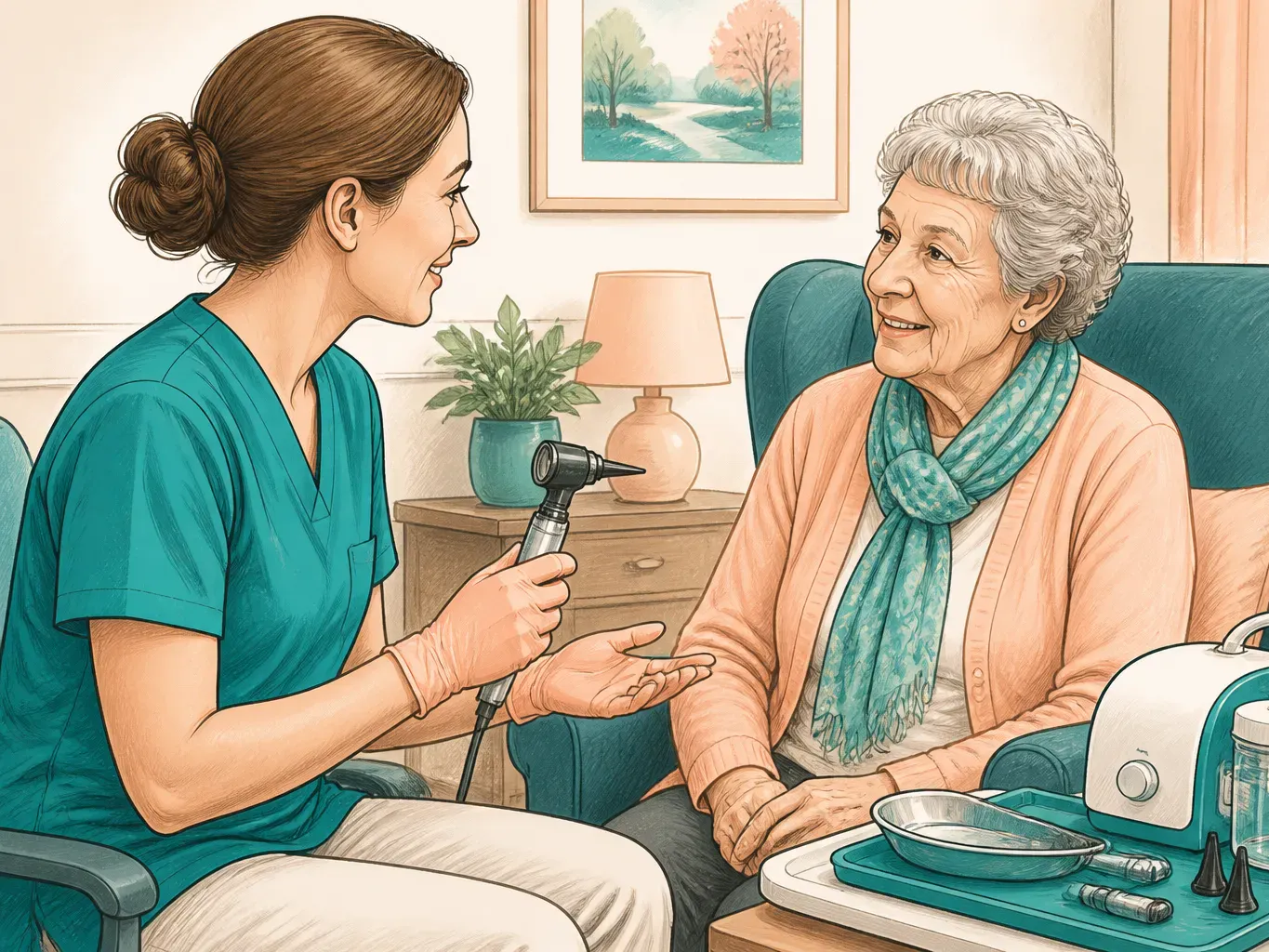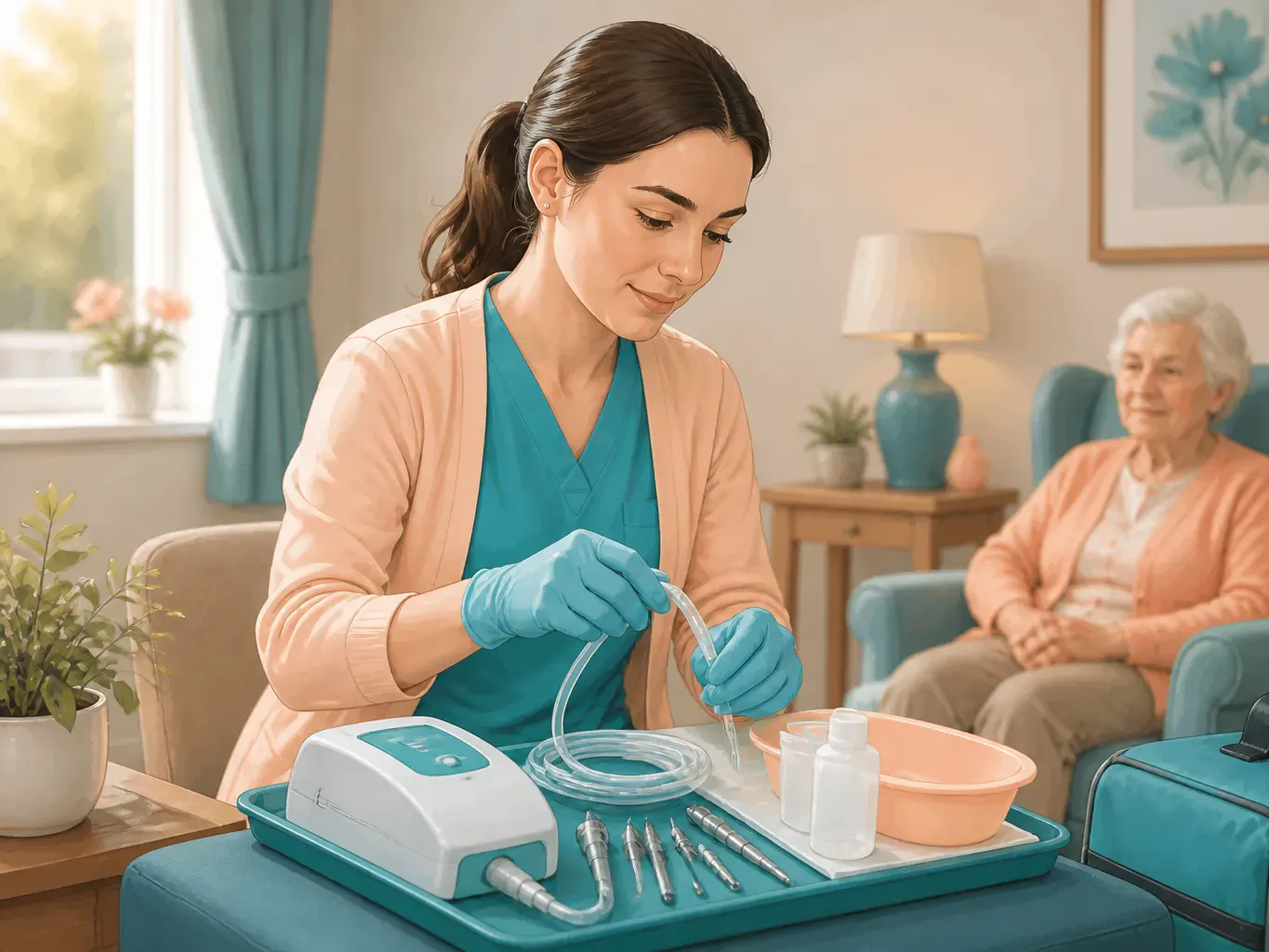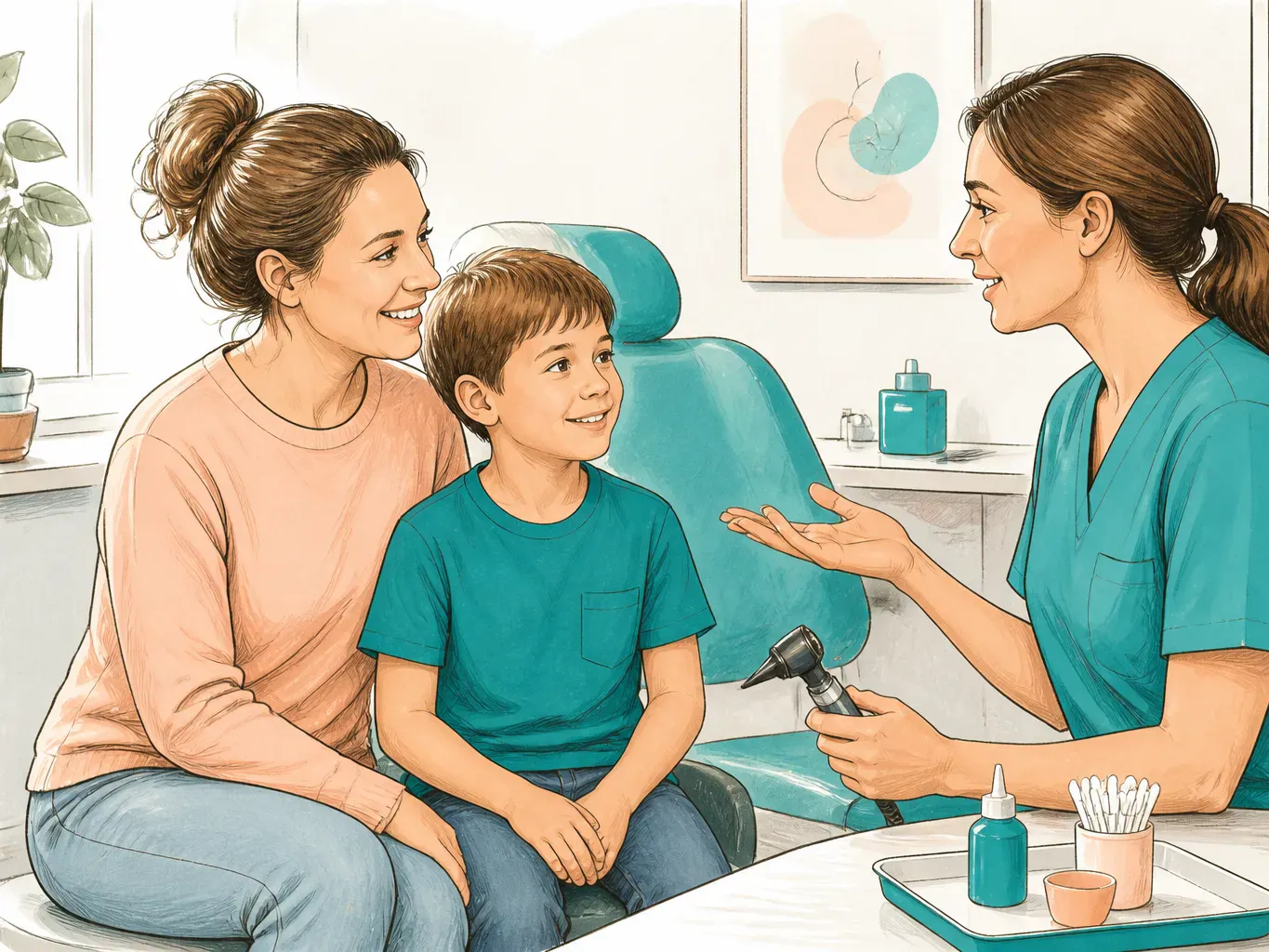

If you are searching for an earwax removal clinic in Bristol city centre, the main thing to know is that professional treatment is usually the safest and most efficient way to clear blocked ears. A specialist clinic can assess your ears properly, remove wax with controlled techniques such as microsuction, and help you decide whether you need treatment now or simple self-care first.
Quick summary
An earwax removal clinic in Bristol city centre is designed to help people with blocked ears, muffled hearing, discomfort, tinnitus, or issues caused by wax build-up, including hearing aid problems. For many patients, the appeal is straightforward, you get a local appointment, a professional assessment, and a treatment plan that is safer than trying to remove wax yourself.
At Pro Ear Clinic, the focus is on gentle, evidence-based care, with a calm approach that suits first-time visitors, older adults, busy families, and anyone who feels nervous about treatment. This guide explains what earwax does, what to expect at a clinic appointment, the main removal methods, and how to decide whether to book a visit soon.
What earwax does, and when it becomes a problem
Earwax, also called cerumen, is a normal substance produced by the ear canal. It helps protect the skin inside the ear, traps dust and debris, and can reduce the risk of irritation by keeping the canal lubricated. In most cases, earwax is useful and does not need to be removed.
Problems begin when wax builds up faster than it clears naturally. Some people produce more wax than others, while others have ear canals that make it easier for wax to become compacted. When that happens, the wax can partially or fully block the ear canal and cause symptoms that feel very noticeable in daily life.
Common signs of a wax blockage include:
- muffled or reduced hearing
- a feeling of fullness or pressure in the ear
- itching or irritation
- tinnitus, such as ringing or buzzing
- mild discomfort
- difficulty hearing on the phone or in meetings
- hearing aid feedback, whistling, or poor fit
Some people are more prone to recurring blockage. This often includes older adults, hearing aid users, people with narrow or hairy ear canals, and people who have had repeated wax problems before. Those who use cotton buds or other objects in the ear may also push wax deeper, making symptoms worse.
A small amount of wax may clear with time, but a blocked ear that keeps affecting hearing or comfort is usually better assessed by a professional. That is especially true if you are not sure whether the problem is wax, an infection, fluid, or something else. The NHS guidance on earwax build-up is a useful starting point for understanding the basics and when to seek help.
Why choose a Bristol city centre earwax removal clinic
Choosing a Bristol city centre earwax removal clinic is often about practical convenience as much as clinical care. If you work in the centre, commute through it, or need to fit an appointment between errands, a local clinic can make treatment much easier to organise. That matters for people balancing work, school runs, appointments for relatives, or care duties.
There is also a care advantage. Specialist earwax removal is not just about getting wax out, it is about looking at the ear first and choosing the safest method for that person’s ear health. A professional clinic can check whether the ear canal looks suitable for treatment, whether wax is dry or soft, and whether there are signs that another issue may be present.
Many people also feel more reassured in a clinical setting. Hygiene standards are clear, equipment is designed for ear care, and the clinician can explain each step before treatment begins. That can be especially helpful for anxious patients or older adults who want a gentle, straightforward experience.
Here is a simple comparison of the main options people often consider:
Option | Safety | Speed of relief | Convenience | Best for |
|---|---|---|---|---|
Bristol city centre clinic visit | High, with direct assessment | Often same day after treatment | Good for people already in or near the city centre | Most patients with clear symptoms or uncertain causes |
Home softening with drops or olive oil | Safe when appropriate | Slower, may take days | High, as it can be done at home | Mild wax build-up when advised by a clinician |
DIY removal with cotton buds or tools | Low, can worsen blockage | Unreliable | Appears easy, but often causes problems | Generally not recommended |
If your main priority is same-day earwax removal, a local clinic may be the most efficient route. If mobility is limited, a home visit earwax removal in Bristol service may be more suitable. The right choice depends on symptoms, travel ability, and how quickly you want relief.
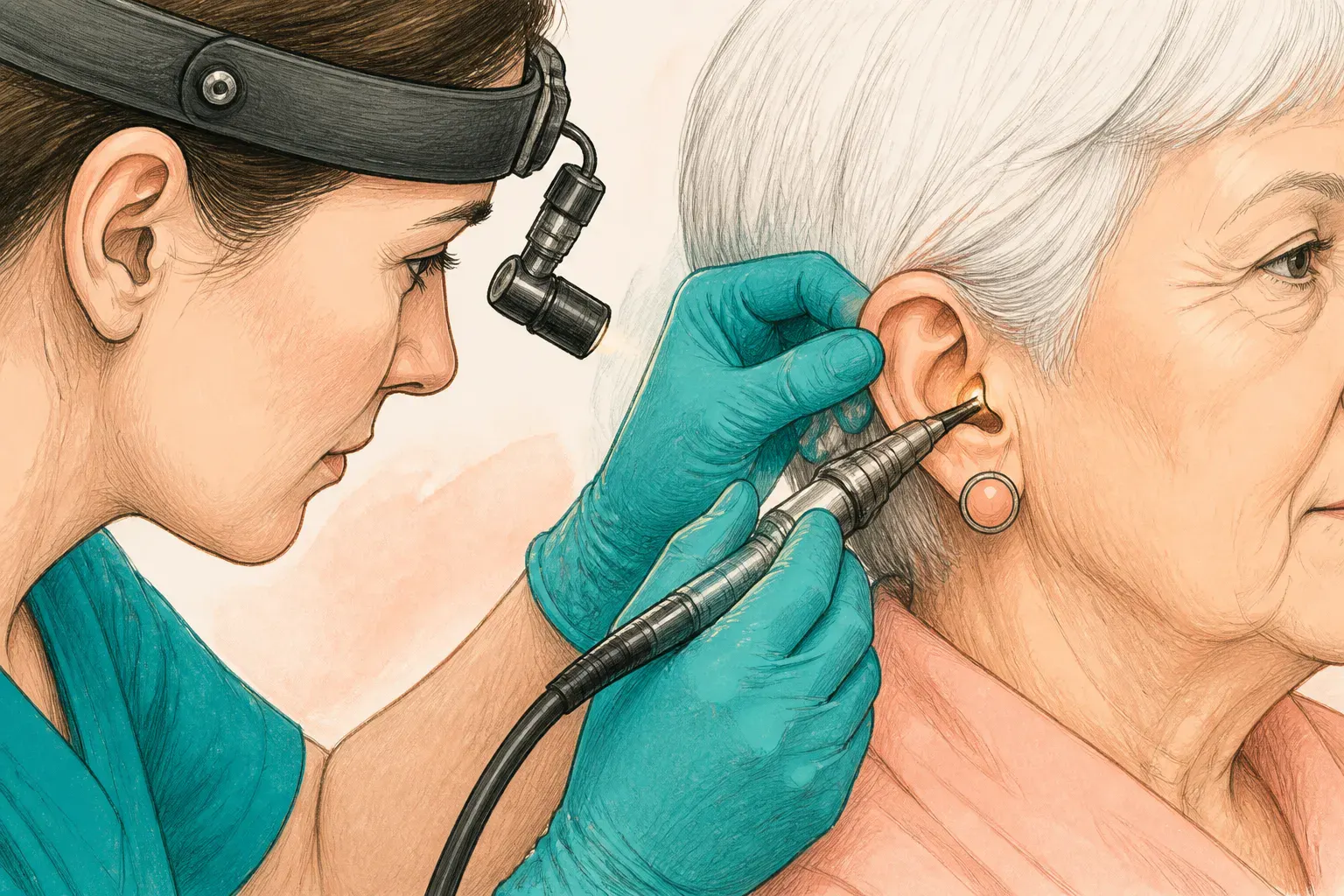
For readers who want to understand the visit itself in more detail, what to expect from a clinic visit is a helpful related read.
What happens during an earwax removal appointment
A first appointment is usually more straightforward than people expect. The aim is to check what is happening in the ear, confirm whether wax is the cause, and remove it safely if appropriate.
Most clinics begin with a short discussion about your symptoms and medical history. You may be asked when the problem started, whether both ears are affected, whether you use hearing aids, whether you have had infections, surgery, perforations, or previous ear treatment, and whether you are taking any medication that may be relevant. This part matters because it helps the clinician choose the safest method.
Next comes examination. The clinician looks into the ear canal with specialist equipment to see how much wax is present and whether the eardrum can be seen. This is important, because treatment should only go ahead when the ear is suitable. If the ear appears inflamed, painful, blocked by debris that is not wax, or otherwise unsuitable, the clinician may pause and advise next steps instead.
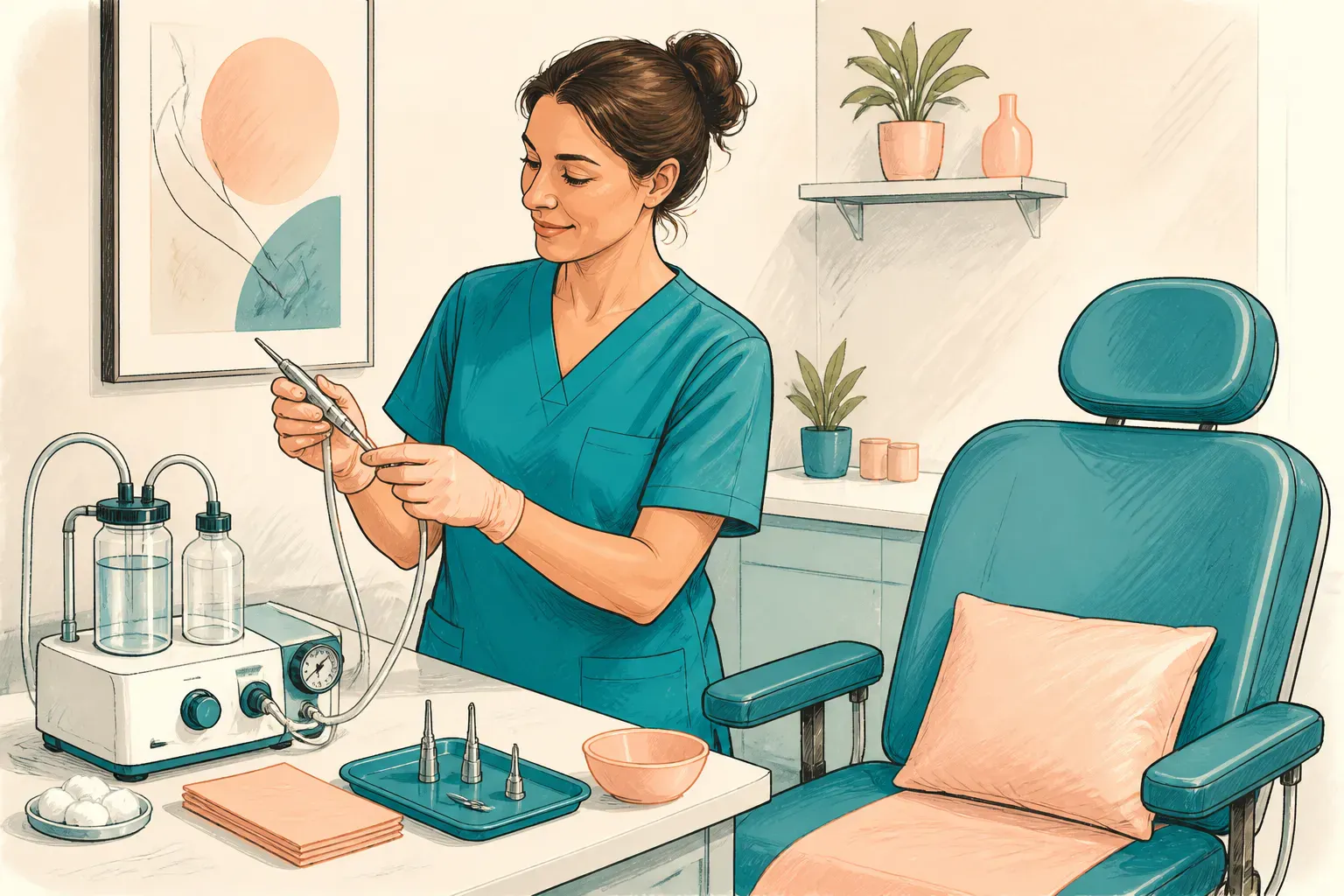
If treatment is appropriate, microsuction is often used. The clinician uses a microscope or a close visual aid and a fine suction device to remove wax piece by piece. Because the ear is viewed directly, the treatment can be controlled and precise. Patients often describe the sound of the suction rather than pain. Some notice mild pressure or brief sensitivity, but many find the process manageable, especially when the clinician explains what is happening as they go.
An appointment may take around 15 to 30 minutes, although this varies. If both ears are affected, if the wax is hard, or if there is a lot to clear, it may take a little longer. In some cases only one ear needs treatment, while the other may be clear or only need observation.
The best appointments feel calm and unhurried. A good clinic should not rush the process, because careful examination is part of safe ear care.
Microsuction and other removal methods
Microsuction is widely used because it gives the clinician direct visibility and good control. It does not rely on flushing the ear with water, which makes it suitable for many patients who cannot or do not want irrigation. It is often a preferred option when the ear canal is narrow, when the wax is difficult to soften, or when there is a need for careful precision.

The main advantage of microsuction is that the clinician can see what is being removed as it happens. That reduces the risk of pushing wax deeper and makes it easier to stop if the patient becomes uncomfortable.
Water irrigation is another method used in some settings. It involves introducing water into the ear canal to dislodge wax. This can work well for some people, but it is not suitable for everyone. For example, a history of perforated eardrum, ear surgery, certain infections, or some types of ear disease may make irrigation less appropriate. The clinician should always decide based on the ear and the person’s medical history.
Here is a practical comparison:
Method | Suitability | Comfort | Precision | Typical use case |
|---|---|---|---|---|
Microsuction | Suitable for many patients, including those needing careful assessment | Usually well tolerated, though the sound can be noticeable | Very high | Most specialist earwax removals |
Water irrigation | Suitable for selected patients only | Often comfortable, but not always suitable | Moderate | Some straightforward wax blockages |
Home softening drops | Suitable as preparation in some cases | Usually easy to do | Low, it does not remove wax on its own | Pre-treatment softening or mild cases |
The safest method depends on the ear, the symptoms, and any medical history. That is why a proper examination matters before treatment starts. If you are unsure which route is best, a specialist assessment is preferable to guessing.
The British Society of Audiology earwax management guidance is a useful professional reference for understanding why careful assessment and appropriate technique matter.
Who should book sooner rather than later
Some people can wait a little while and try simple softening measures if advised, but others should not delay. If earwax is affecting hearing, daily communication, or confidence, earlier treatment is often worthwhile. That is especially true for older adults, hearing aid users, and anyone who depends on clear hearing at work or at home.
Prompt booking may also be sensible for care home residents and people who rely on carers to help with communication or personal care. In these situations, even a small amount of wax can create a big practical problem, because it affects understanding, engagement, and sometimes balance and comfort.
You should seek assessment sooner if you notice:
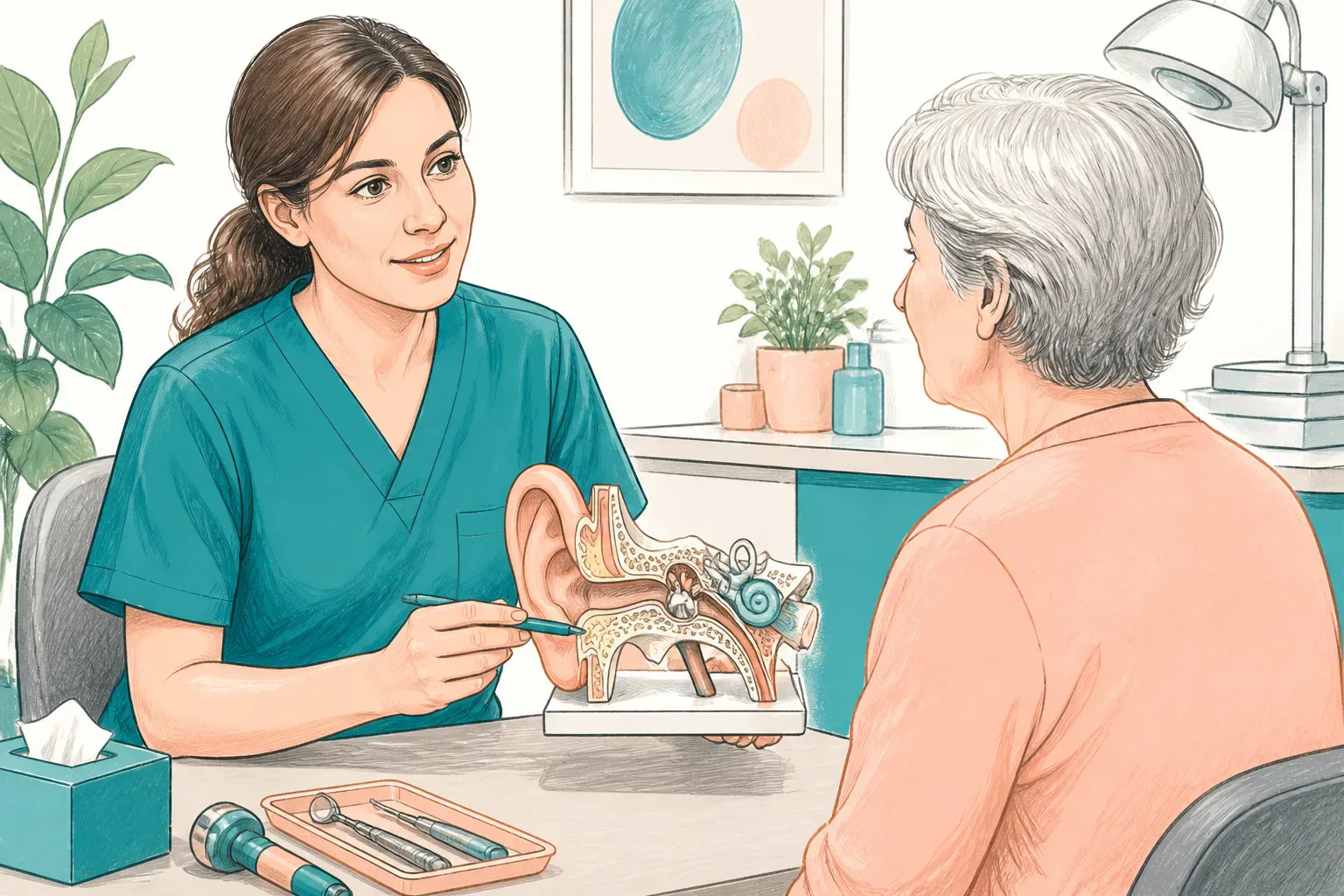
- sudden or significant worsening of hearing
- ear pain
- discharge from the ear
- dizziness or vertigo
- one ear feeling very blocked compared with the other
- tinnitus that is new or worsening
- symptoms that do not improve after simple measures
Severe pain, sudden hearing loss, or discharge may indicate something other than wax and should be assessed promptly. Earwax can certainly cause discomfort, but it should not be assumed to be the only explanation when symptoms are sharp, sudden, or unusual.
If hearing loss is a broader concern, the NICE guidance on hearing loss in adults offers useful context on when professional hearing assessment is recommended.
How to prepare for your appointment
Good preparation makes the appointment smoother and helps the clinician make safe decisions. Start by thinking about your symptoms. It is useful to note which ear feels blocked, how long it has been happening, whether hearing has changed, and whether you have had pain, discharge, dizziness, or tinnitus.
Bring a list of medicines if you can, especially if you take medication that affects bleeding risk or if you have any ongoing medical conditions the clinician should know about. Also share any ear-related history, including previous surgery, recurring infections, perforations, a past grommet, or prior problems with wax removal.
Some patients are told to soften wax before the appointment. That may involve olive oil or another softening product, depending on the advice you receive. If you have not been told to do this, do not assume it is necessary. Olive oil can be useful in some cases, but it is not appropriate for every situation, particularly if you have pain, discharge, an infection, or a known perforation.
A few practical tips can help older adults and carers:
- write down key symptoms before attending
- bring hearing aids, their case, and any batteries or accessories
- allow extra time for travel and check-in
- choose loose, comfortable clothing for easier appointment access
- if someone is anxious, stay with them for reassurance if the clinic allows it
For people with limited mobility, it may be worth considering whether clinic attendance or a home visit is more realistic. The aim is to choose the setting that feels safe, practical, and least stressful.
Aftercare, hearing changes, and when to get follow-up help
Many patients notice clearer hearing straight away after wax is removed. That can be a relief, particularly if the blockage had been affecting conversations, television volume, or hearing aid use. In some cases the ear may feel a little sensitive or unusually open for a short time after treatment, especially if it had been blocked for a while.
Aftercare is usually simple. If the clinician gives specific instructions, follow those first. You may be advised to keep the ear dry for a short time, avoid putting anything into the ear canal, and watch for any unusual symptoms. In general, it is best to avoid cotton buds and other tools, because they can irritate the canal and encourage wax to build up again.
What is normal after treatment can vary a little from person to person, but these are the main points to watch:
- improved hearing or reduced pressure is common
- mild temporary sensitivity can happen
- a little awareness of the ear may settle quickly
- ongoing blocked feeling, pain, or discharge should be reported
If symptoms persist, return, or feel different from the original wax problem, follow-up is sensible. Sometimes the issue is not wax at all, or there may be recurring build-up that needs a maintenance plan. Hearing aid users may need more regular checks, because wax can interfere with both comfort and sound quality.
If you are prone to repeat blockage, ask about a prevention strategy rather than waiting until hearing becomes badly affected. Regular care can save time and reduce discomfort later.
Choosing the right earwax removal option in Bristol
The right choice depends on your symptoms, urgency, mobility, age, and ear history. A city centre clinic is often the best starting point when you want quick, professional help and can travel easily. A home visit may be more suitable if getting out is difficult, while a same-day appointment can help when the blockage is affecting work, travel, or daily communication.
Here is a practical comparison of the main routes:
Option | Best for | Advantages | Possible limits |
|---|---|---|---|
Clinic treatment in Bristol city centre | Most people with blocked ears who can travel | Direct examination, controlled treatment, often efficient | Requires travel and appointment timing |
Home visit care | People with limited mobility, care home residents, those who cannot travel easily | Convenient, familiar environment, reduced travel stress | Depends on access and suitability of the home setting |
Same-day appointment | People needing fast relief | Quick access, useful for urgent but non emergency symptoms | Availability can vary |
Busy families often prefer a clinic because it can be fitted around school, work, and errands. Older adults may value the reassurance of a calmer environment with professional oversight. Care home residents may benefit more from on-site support if travel would be stressful or impractical.
The key point is that professional assessment is usually the safest route when you are not sure what is causing the symptoms. A blocked ear may be wax, but it can also be something else, and the right method depends on seeing the ear properly first.
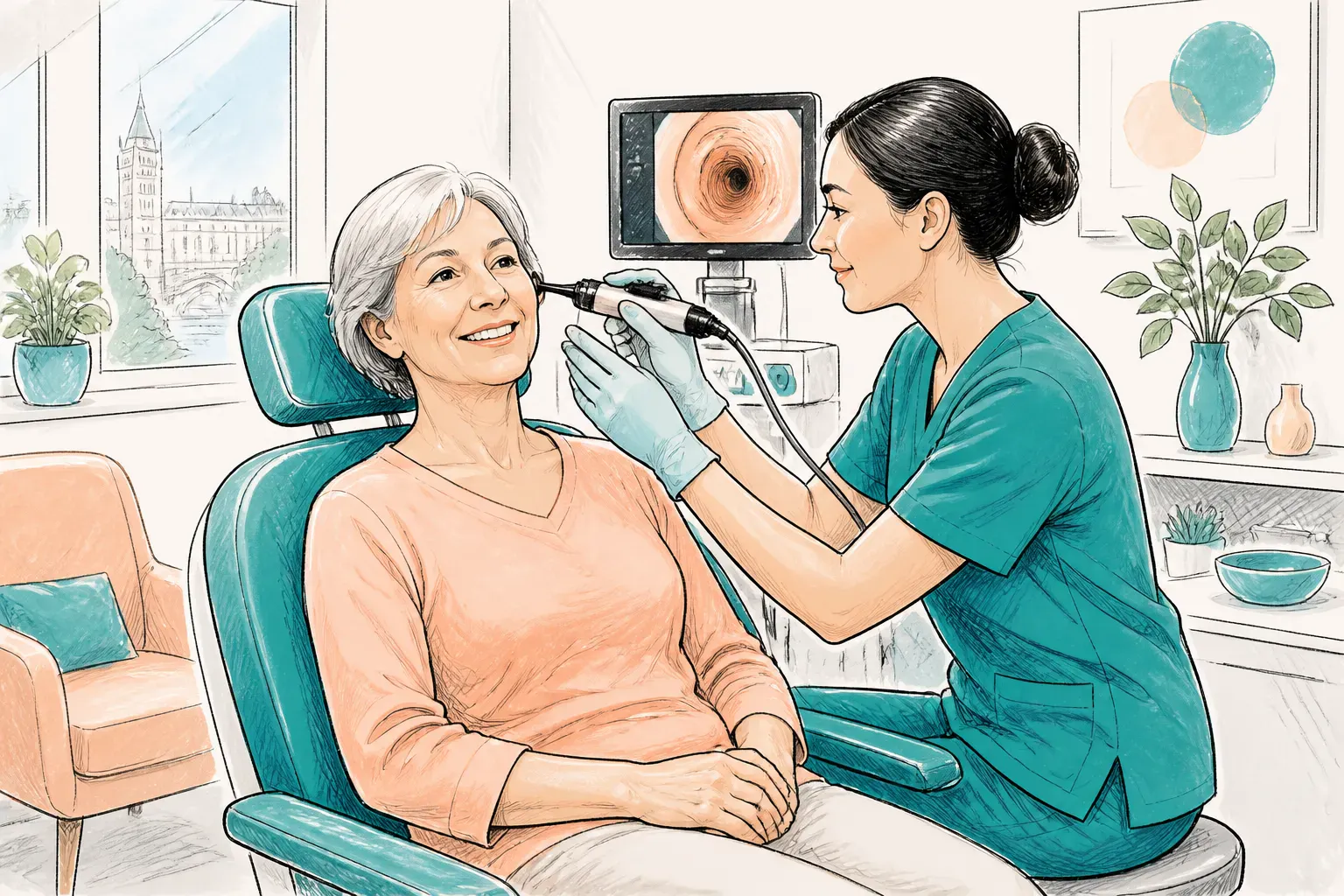
If you would like to learn more about the practical side of treatment, you may also find microsuction ear wax removal useful as a service overview.
Recommended reads
If you are preparing for your first visit or helping a relative decide what to do next, these related resources may help:
- microsuction ear wax removal, for a closer look at the main treatment method
- home visit earwax removal in Bristol, for patients who need care at home or in a care setting
- same-day earwax removal, for people wanting faster access
- what to expect from a clinic visit, for a simple walkthrough of the appointment process
You may also want to browse the Pro Ear Clinic blog at proearclinic.co.uk/blog/ for more ear health guidance.
FAQ
How do I know if I need earwax removal?
If your hearing is muffled, your ear feels blocked, you have tinnitus, or your hearing aid is not working as expected, wax may be the cause. The safest way to know is to have the ear examined by a professional.
Is microsuction safe for older adults?
Microsuction is commonly used for older adults because it allows direct visual control of the ear canal. Whether it is suitable still depends on the person’s ear health and medical history, so an assessment first is important.
How long does an earwax removal appointment usually take?
Many appointments take around 15 to 30 minutes, but this can vary depending on whether one or both ears need treatment and how much wax is present.
Does earwax removal hurt?
Most people find it more unusual than painful. You may hear the suction and feel some pressure, but treatment is usually well tolerated when done carefully.
Can I use olive oil before my appointment?
Sometimes, yes, but only if it is appropriate for your situation. If you have pain, discharge, a suspected infection, or a perforated eardrum, do not start anything without advice.
How soon will my hearing improve after treatment?
Some people notice improvement straight away once the wax is removed. Others may need a short time to adjust if the ear had been blocked for a while.
What should I do if I have ear pain or discharge before booking?
Do not assume it is just wax. Ear pain or discharge should be assessed promptly, because these symptoms can indicate infection or another problem that needs different care.
For more general background, the NHS guidance on earwax build-up is a reliable public resource, and NICE guidance on hearing loss in adults is helpful if you are also concerned about hearing changes beyond wax.