Microsuction ear wax removal: what it is and how it works
Microsuction ear wax removal is a clinical procedure that extracts ear wax using a fine suction probe under direct microscopic visualisation, without water, without touching the eardrum, and without the risks associated with traditional syringing. Endorsed by ENT UK and aligned with NICE 2025 guidelines, it is now the preferred method for patients with complex ear histories, perforated eardrums, or wax so impacted that other techniques would cause discomfort. Appointments typically run 15 to 30 minutes and deliver immediate results. If you are experiencing muffled hearing, a blocked sensation, or persistent tinnitus, this article explains exactly what to expect and whether microsuction is right for you.
What is microsuction ear wax removal?
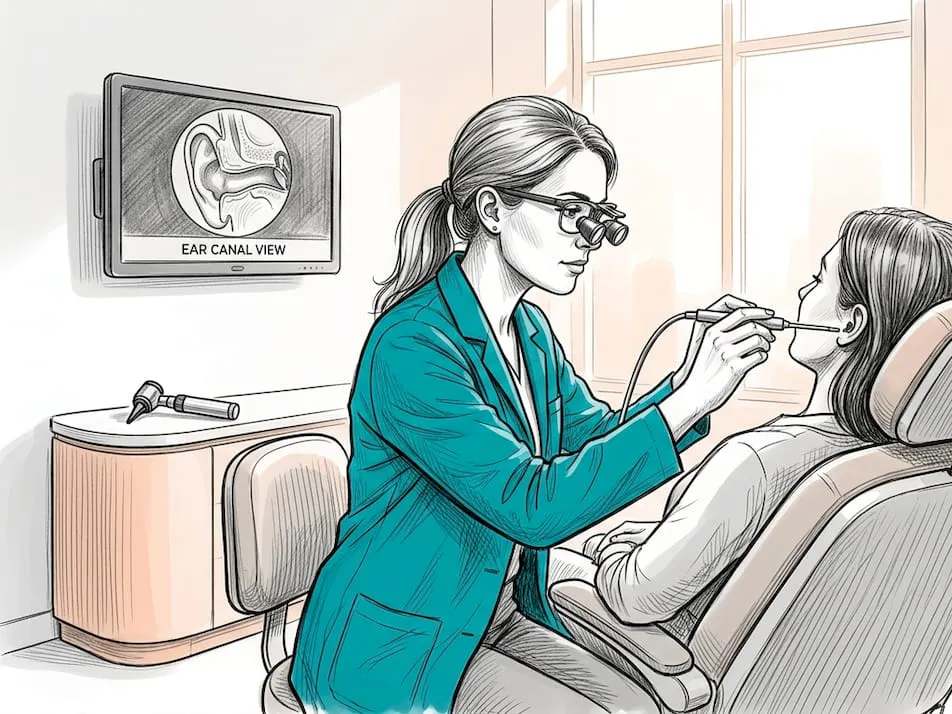
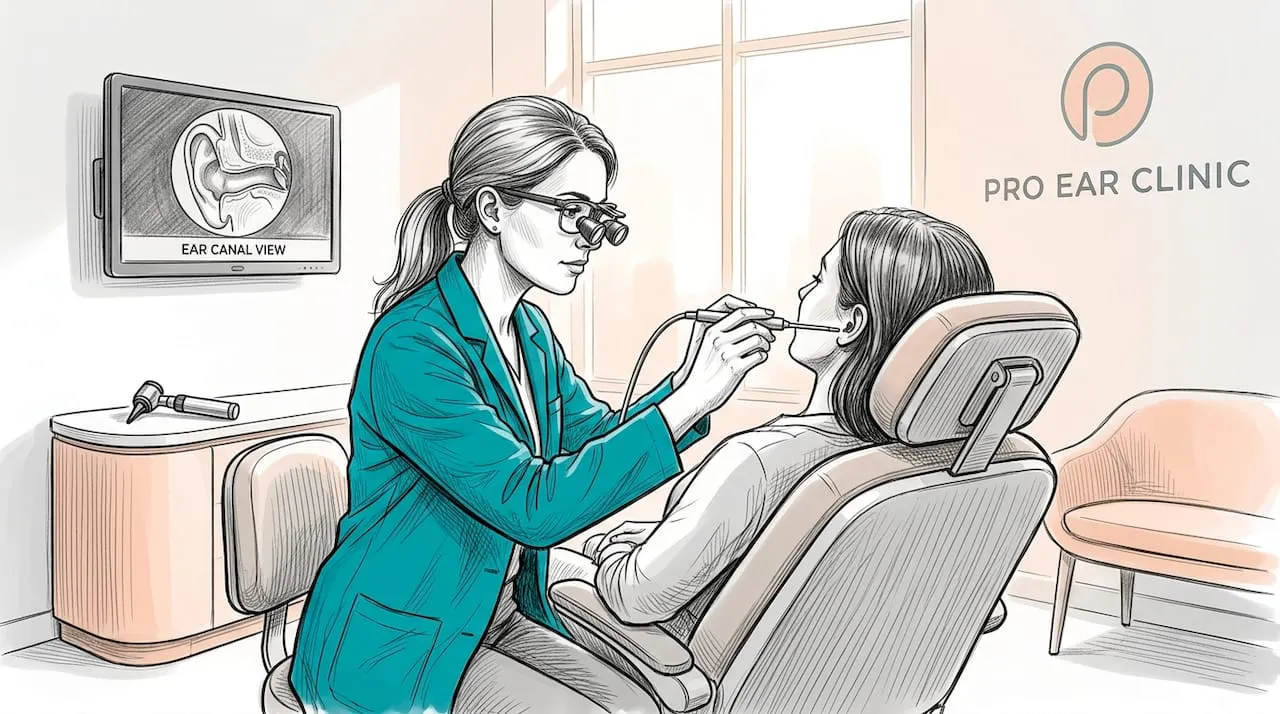
Microsuction is defined as the controlled removal of ear wax using low-pressure suction through a probe measuring 1 to 3mm in diameter, guided by a microscope or magnifying loupes that give the clinician a clear, magnified view of the ear canal throughout the procedure. This direct visualisation approach means the clinician can see exactly what they are removing at every moment, making it fundamentally safer than techniques performed without sight of the canal.
The procedure is dry. No water enters the ear at any point, which is the single most important distinction between microsuction and ear irrigation or syringing. Because water is absent, the technique is safe for patients who have a perforated tympanic membrane, ear tubes (grommets), or a history of ear surgery. The British Academy of Audiology and ENT UK both recognise microsuction as the safest available method when contraindications to water-based removal exist.
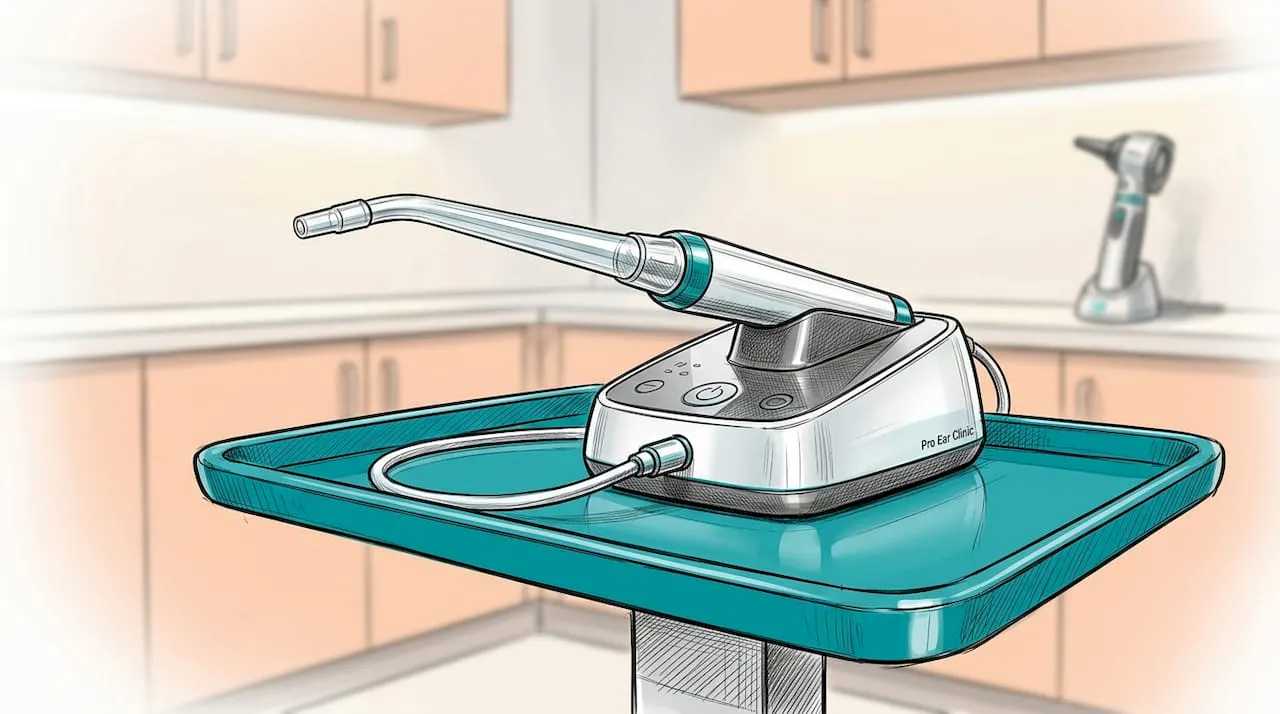
Clinicians control suction strength with fingertip pressure, adjusting airflow in real time to match the consistency and position of the wax. This level of control is not possible with a syringe or an irrigation machine, where water pressure is applied broadly rather than precisely. The result is a procedure that is both thorough and gentle, even for patients with sensitive ear canals.
How does the microsuction procedure work step by step?
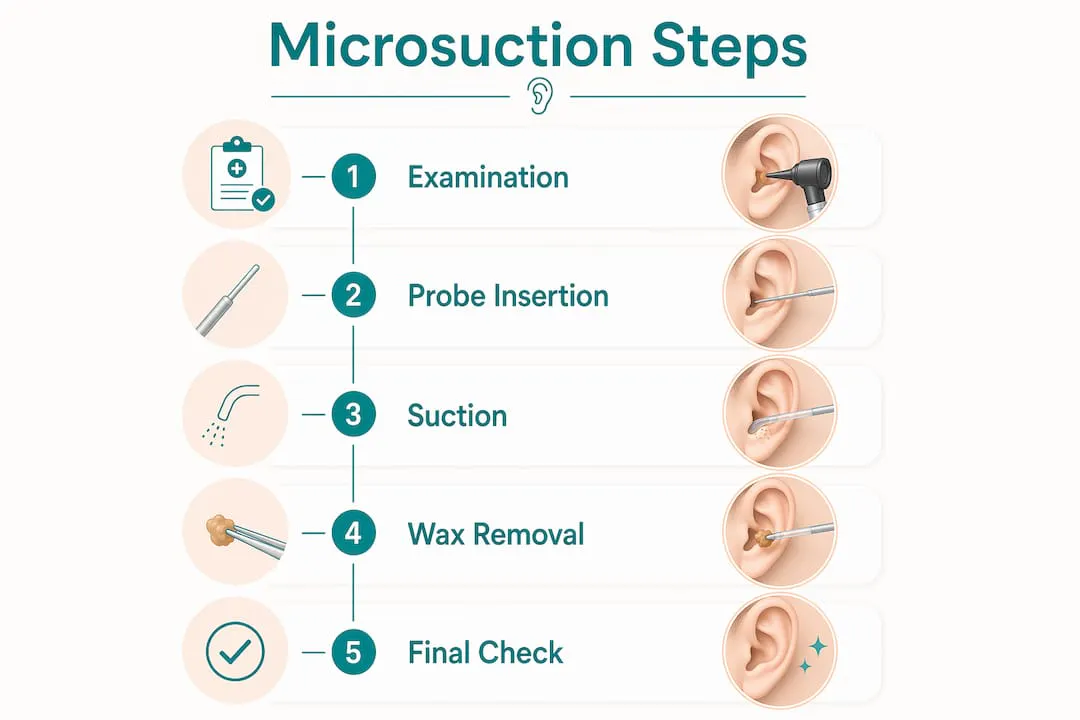
The procedure follows a clear sequence that most patients find straightforward once they know what to expect.
- Pre-examination. The clinician uses an otoscope to inspect both ears before any suction begins. This confirms the presence and type of wax, checks the condition of the eardrum, and identifies any contraindications that would make the procedure unsuitable.
- Positioning. You sit upright in a clinical chair, tilting your head slightly to give the clinician the best angle. The microscope or loupes are positioned to provide continuous magnification throughout.
- Wax removal. The suction probe is introduced gently into the ear canal. The clinician removes wax piece by piece under magnification, pausing regularly to reassess. Hard or impacted wax is broken down gradually rather than pulled out in one movement, which reduces irritation to the canal wall.
- Post-procedure check. Once the wax is cleared, the clinician inspects the ear again to confirm the canal and eardrum are clear and undamaged.
During the procedure, you will hear a noticeable whooshing sound from the suction device. Modern microsuction equipment operates at around 75 dB or below, a significant improvement on older devices that could exceed 140 dB. Most patients also feel mild pressure or a tickling sensation. Sharp or acute pain is not expected and should be reported to the clinician immediately.
Pro Tip:If you feel any sudden sharp pain during the procedure, raise your hand rather than pulling away. This allows the clinician to pause safely without risk of the probe moving unexpectedly.
The eardrum is never touched during a correctly performed microsuction procedure. The suction probe size of 1 to 3mm and the continuous visual guidance make accidental contact with the eardrum effectively impossible when the procedure is carried out by a trained clinician.
Microsuction vs ear syringing: which is safer?
The differences between microsuction and ear syringing matter significantly for patient safety and comfort. The table below sets out the key comparisons.FeatureMicrosuctionEar syringing / irrigationWater usedNoYesVisual guidanceContinuous (microscope)None or limitedSafe with perforated eardrumYesNoSafe with grommetsYesNoNoise levelModerate whooshingVariable water pressure soundsPrecisionHigh (piece by piece)Lower (broad water pressure)DiscomfortMild pressure or ticklingPossible dizziness, discomfort
Ear syringing, the older technique, uses a pressurised stream of water to dislodge wax. It is performed without direct sight of the canal, which means the clinician cannot see whether the water is pushing wax deeper or whether the eardrum is under stress. NICE guidance advises that earwax removal should only be carried out by clinicians aware of contraindications, and recommends microsuction as a safer alternative to manual syringing in complex cases.
Water irrigation is a modernised version of syringing that uses a controlled flow rather than a syringe, and it remains appropriate for straightforward cases in patients with no contraindications. For a detailed comparison of both methods, including which suits different patient profiles, the clinical picture is nuanced rather than absolute.
Potential side effects of microsuction are mild and uncommon. They include:
- Temporary dizziness, particularly if the ear canal is cold or the suction causes a brief pressure change
- Minor soreness in the ear canal if wax was particularly hard or impacted
- A temporary feeling of fullness or altered hearing as the ear adjusts
Serious complications are rare when the procedure is performed by a trained clinician in a regulated setting. The British Academy of Audiology guidance standardises safe practice across clinical environments, covering indications, risks, training requirements, and appropriate settings.
Pro Tip:Ask your clinician whether they use a microscope or loupes. Both are acceptable, but a binocular microscope provides the highest level of magnification and is particularly useful for complex or deeply impacted wax.
How to prepare for microsuction and what to do afterwards
Preparation is straightforward but makes a genuine difference to how smoothly the procedure goes.
The most effective step is to soften the wax before your appointment. Using olive oil drops for 3 to 5 days before the procedure loosens hardened wax, making it easier to remove and reducing the time spent in the chair. Proprietary ear drops such as Earol or sodium bicarbonate drops work equally well. Tilt your head to the side, apply two to three drops, and remain in that position for a few minutes to allow the oil to reach the wax.
On the day of your appointment:
- Arrive with clean, dry ears. Do not attempt to remove wax yourself with cotton buds or ear candles beforehand.
- Inform the clinician of any history of ear surgery, perforated eardrum, grommets, ear infections, or hearing aids.
- Let the clinician know if you experience any dizziness, tinnitus, or pain in the lead-up to the appointment.
After the procedure, your hearing may feel noticeably clearer almost immediately. This is normal and expected. For the first 24 to 48 hours, keep water out of the ear canal. Avoid swimming, and use a shower cap or cotton wool with a small amount of petroleum jelly when washing your hair. If you notice increased pain, discharge, or a sudden change in hearing after the procedure, contact your clinician promptly.
The cost of microsuction ear wax removal in the UK typically ranges from £50 to £100 per session depending on the provider, location, and whether one or both ears are treated. For hard or particularly impacted wax, a second session may occasionally be needed. Preparing thoroughly with softening drops reduces the likelihood of needing a follow-up appointment.
Common ear wax issues and when microsuction is the right choice
Earwax becomes a clinical concern when it causes symptoms or prevents proper examination of the ear. The most common presentations include:
- Gradual or sudden reduction in hearing in one or both ears
- A sensation of fullness or blockage in the ear canal
- Tinnitus (ringing, buzzing, or humming sounds) that worsens when wax is present
- Earache or mild discomfort without signs of infection
- Wax visible at the entrance to the canal that is preventing an otoscopic examination
Microsuction is the recommended choice when irrigation is contraindicated. These contraindications include a perforated tympanic membrane, ear tubes or grommets, a history of ear surgery, active ear infection, or a patient who cannot remain still during the procedure. In each of these cases, water-based removal carries a risk of complications that microsuction avoids entirely.
For patients with straightforward wax build-up and no contraindications, water irrigation remains a clinically appropriate option. Watchful waiting with softening drops alone is also reasonable for mild cases where wax is not causing significant symptoms. The decision should always be made by a trained clinician following an otoscopic examination, not on the basis of self-assessment.
Home remedies such as ear candles have no clinical evidence of effectiveness and carry a documented risk of burns and wax deposits. Cotton buds push wax deeper into the canal rather than removing it, which is a common cause of the impacted wax that eventually requires professional removal.
Key takeaways
Microsuction is the safest and most precise method of ear wax removal because it uses direct visual guidance, no water, and controlled suction, making it suitable even for patients with perforated eardrums or complex ear histories.PointDetailsDry procedureNo water is used, making microsuction safe for perforated eardrums and grommets.Visual guidance throughoutA microscope or loupes give the clinician continuous sight of the ear canal.Prepare with softening dropsUse olive oil or ear drops for 3 to 5 days before your appointment to improve results.Mild side effects onlyTemporary dizziness or minor soreness may occur; sharp pain is not expected.Trained clinician requiredNICE and the British Academy of Audiology require expert-led procedures with contraindication checks.
What I have learnt from years of ear wax consultations
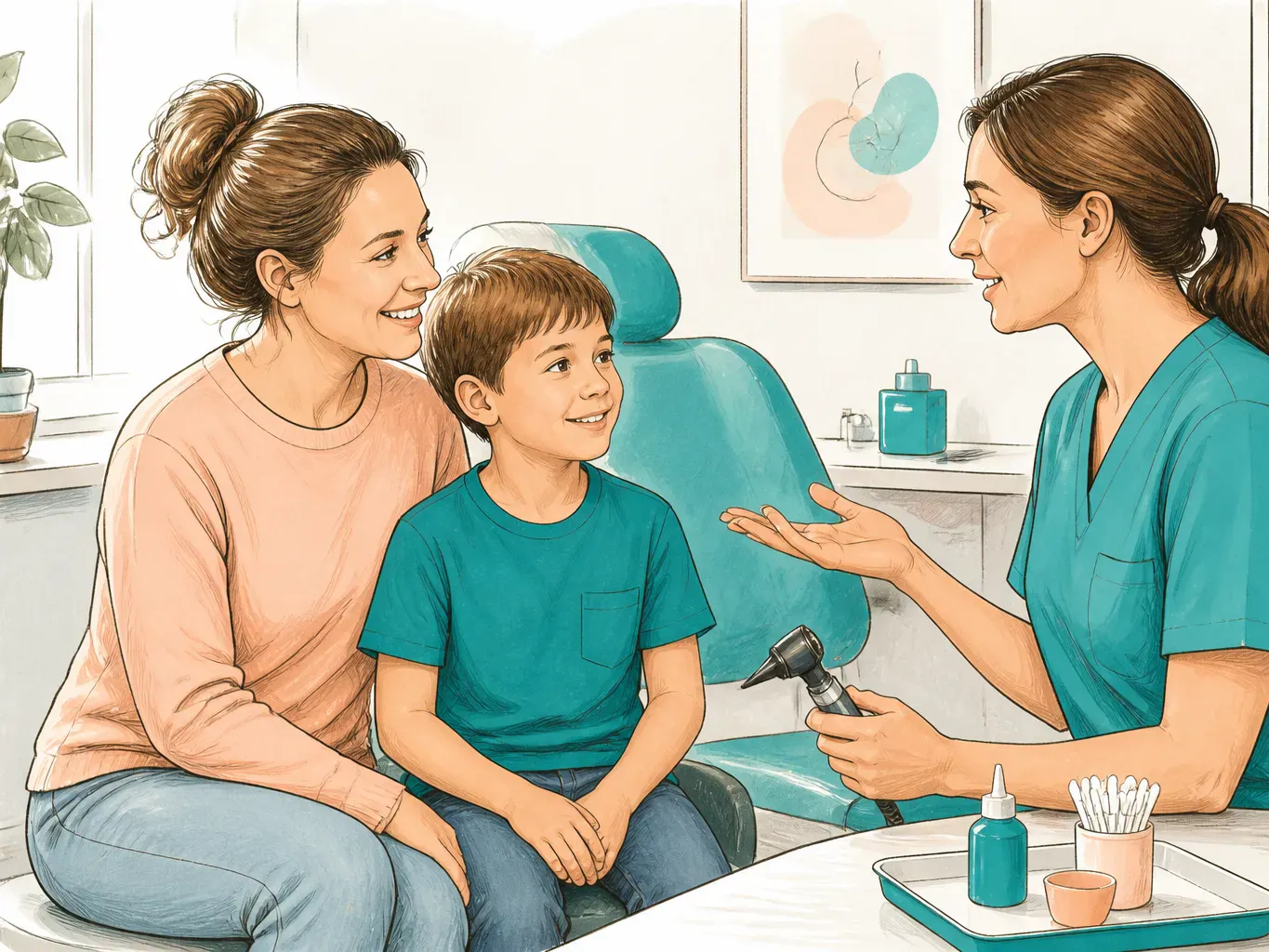
The most common thing patients say before a microsuction appointment is that they waited too long. They assumed the muffled hearing would resolve on its own, tried cotton buds, made things worse, and arrived with wax far more compacted than it needed to be. The procedure itself is not the difficult part. The delay is.
What I find genuinely underappreciated is how much preparation changes the experience. Patients who arrive having used olive oil drops for four or five days consistently report a smoother, quicker appointment. The wax comes away more easily, the suction time is shorter, and the post-procedure comfort is better. It is a small step that makes a meaningful difference, yet many patients skip it because no one explained why it matters.
There is also a persistent myth that microsuction is uncomfortable or frightening. The whooshing sound surprises people, but once they know to expect it, most patients find the procedure entirely manageable. The clinician’s skill matters enormously here. A practitioner who explains each step, pauses when needed, and adjusts suction strength in response to patient feedback produces a very different experience from one who rushes through.
My honest view is that the gold standard label microsuction has earned is deserved, but only when it is performed properly. The procedure is only as good as the person carrying it out. Choosing a qualified, experienced clinician in a regulated setting is not optional. It is the whole point.
— Pro
Get professional microsuction ear wax removal at Proearclinic
If blocked ears, muffled hearing, or persistent discomfort are affecting your daily life, professional care is the most direct route to relief.

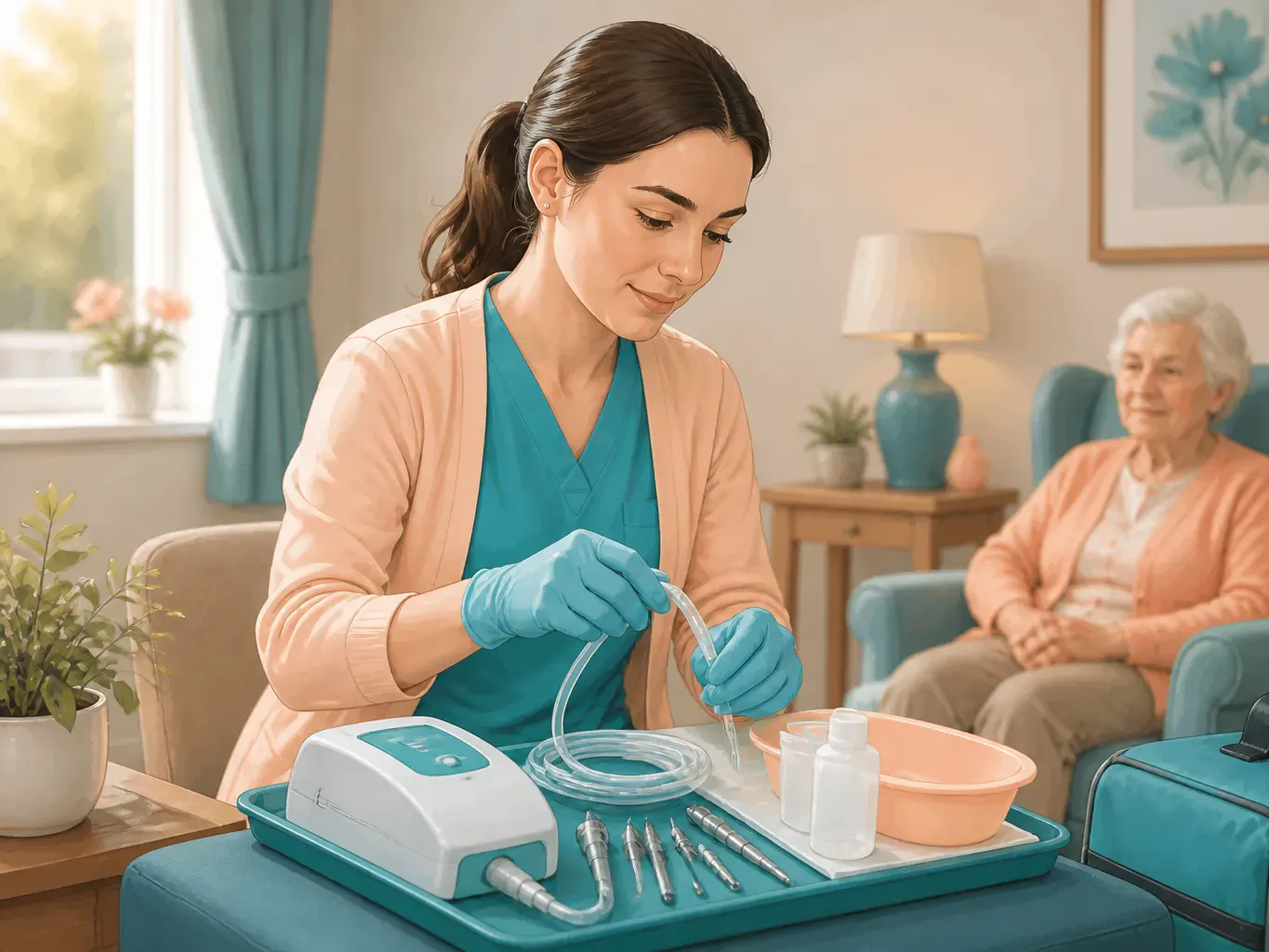
Proearclinic offers microsuction ear wax removal in Bristol using modern equipment and clinicians trained to the standards set by the British Academy of Audiology. Appointments are available both in-clinic and at home, making the service accessible for elderly patients, busy families, and care home residents who cannot easily travel. Booking is straightforward, appointments typically take 15 to 30 minutes, and aftercare guidance is provided as standard. To arrange an appointment or ask about your specific situation, visit Proearclinic’s earwax removal page and take the first step towards clearer hearing today.
FAQ
What does microsuction ear wax removal feel like?
Most patients feel mild pressure or a tickling sensation and hear a whooshing sound from the suction device. Sharp pain is not expected and should be reported to the clinician immediately.
How long does a microsuction appointment take?
A standard microsuction appointment lasts 15 to 30 minutes, including the pre-examination and post-procedure check. Heavily impacted wax may take slightly longer or require a second session.
Is microsuction safe for a perforated eardrum?
Yes. Microsuction is dry and uses no water, making it the recommended method for patients with a perforated tympanic membrane, grommets, or a history of ear surgery where irrigation is contraindicated.
How much does microsuction ear wax removal cost in the UK?
The cost typically ranges from £50 to £100 per session depending on the provider and whether one or both ears are treated. Preparing with softening drops beforehand reduces the chance of needing a follow-up appointment.
Can I remove ear wax at home instead of having microsuction?
Softening drops such as olive oil can help mild wax build-up, but ear candles and cotton buds are ineffective and carry documented risks. For symptomatic wax or complex ear histories, professional removal by a trained clinician is the appropriate course of action.