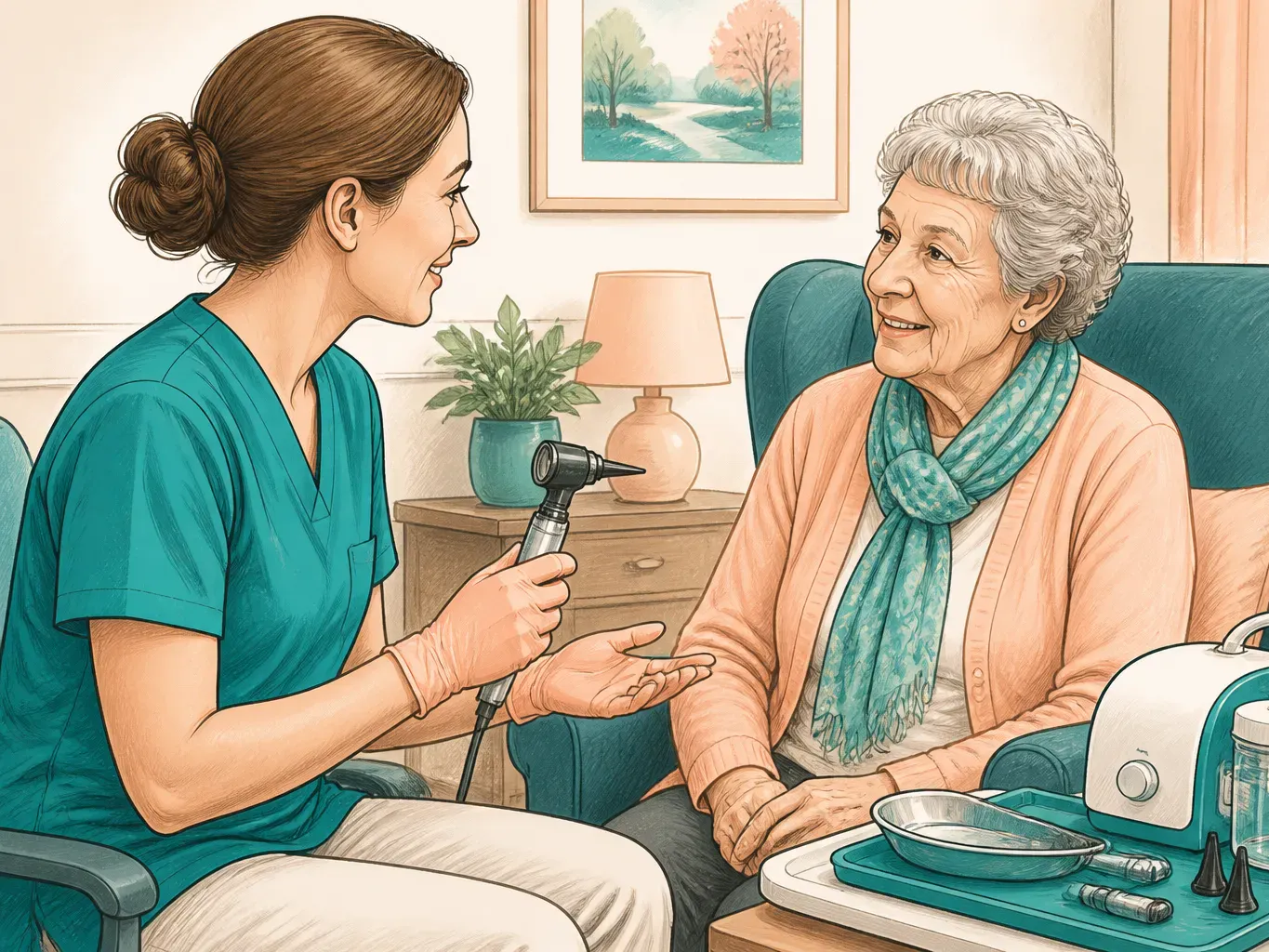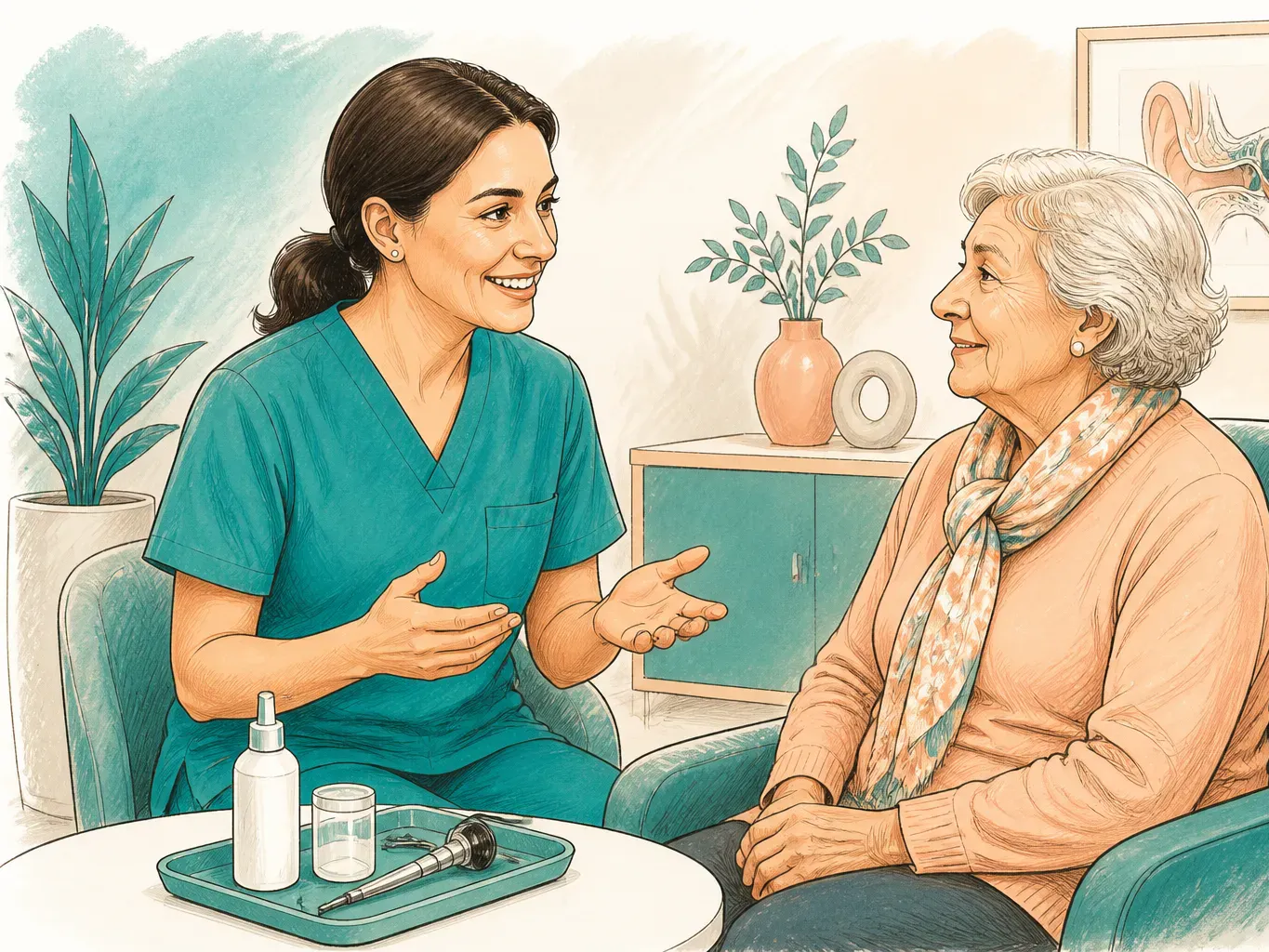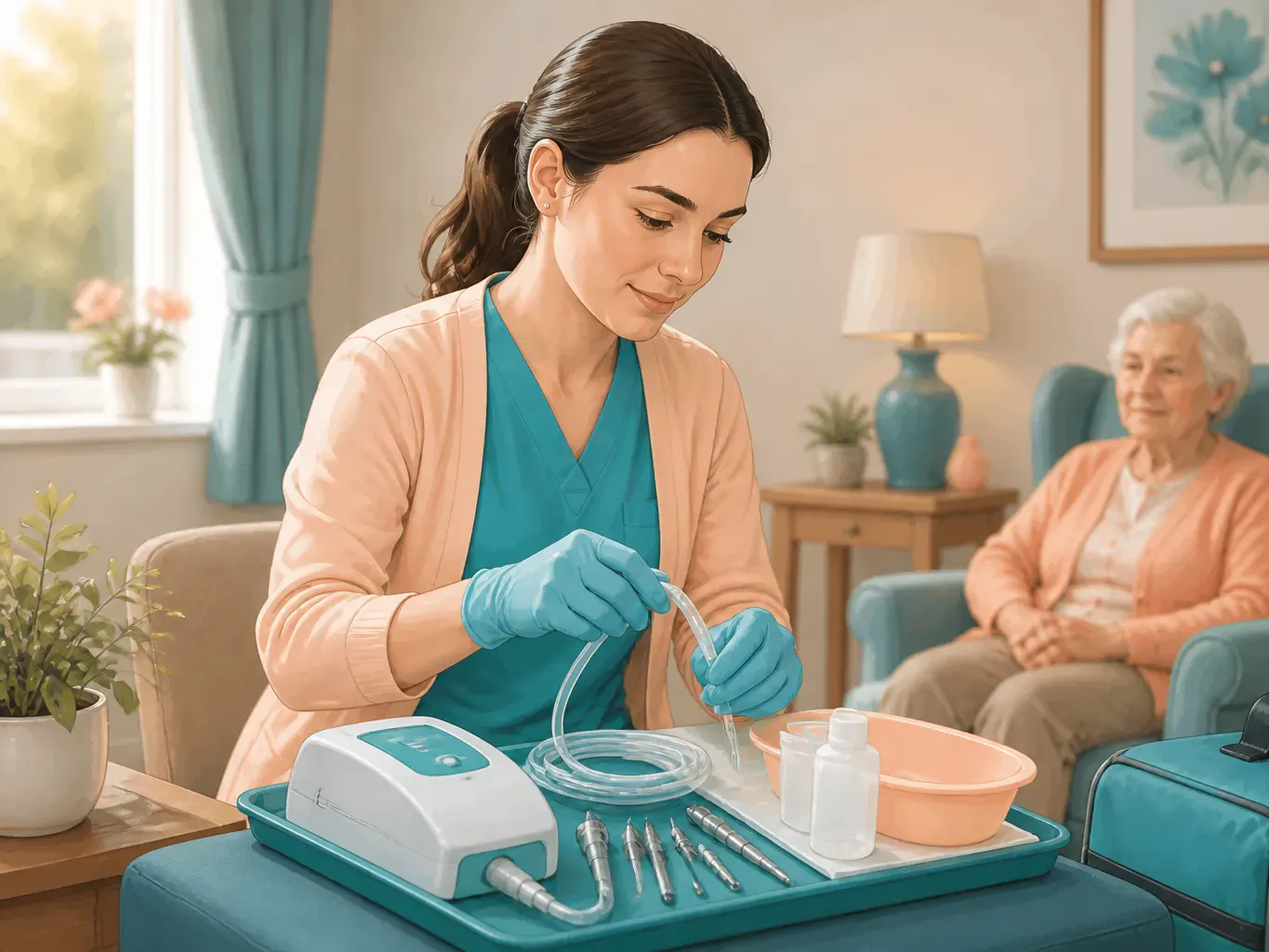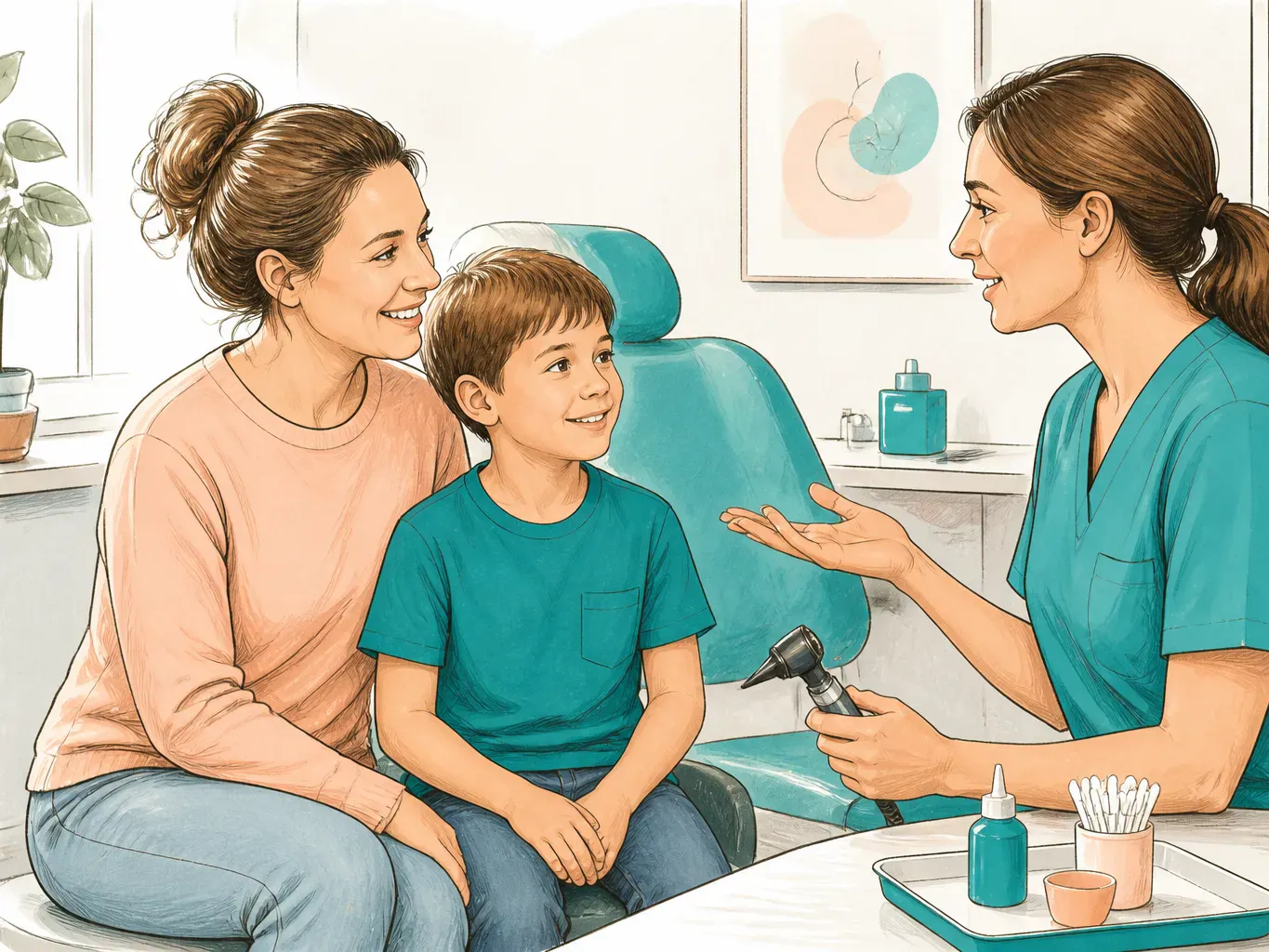
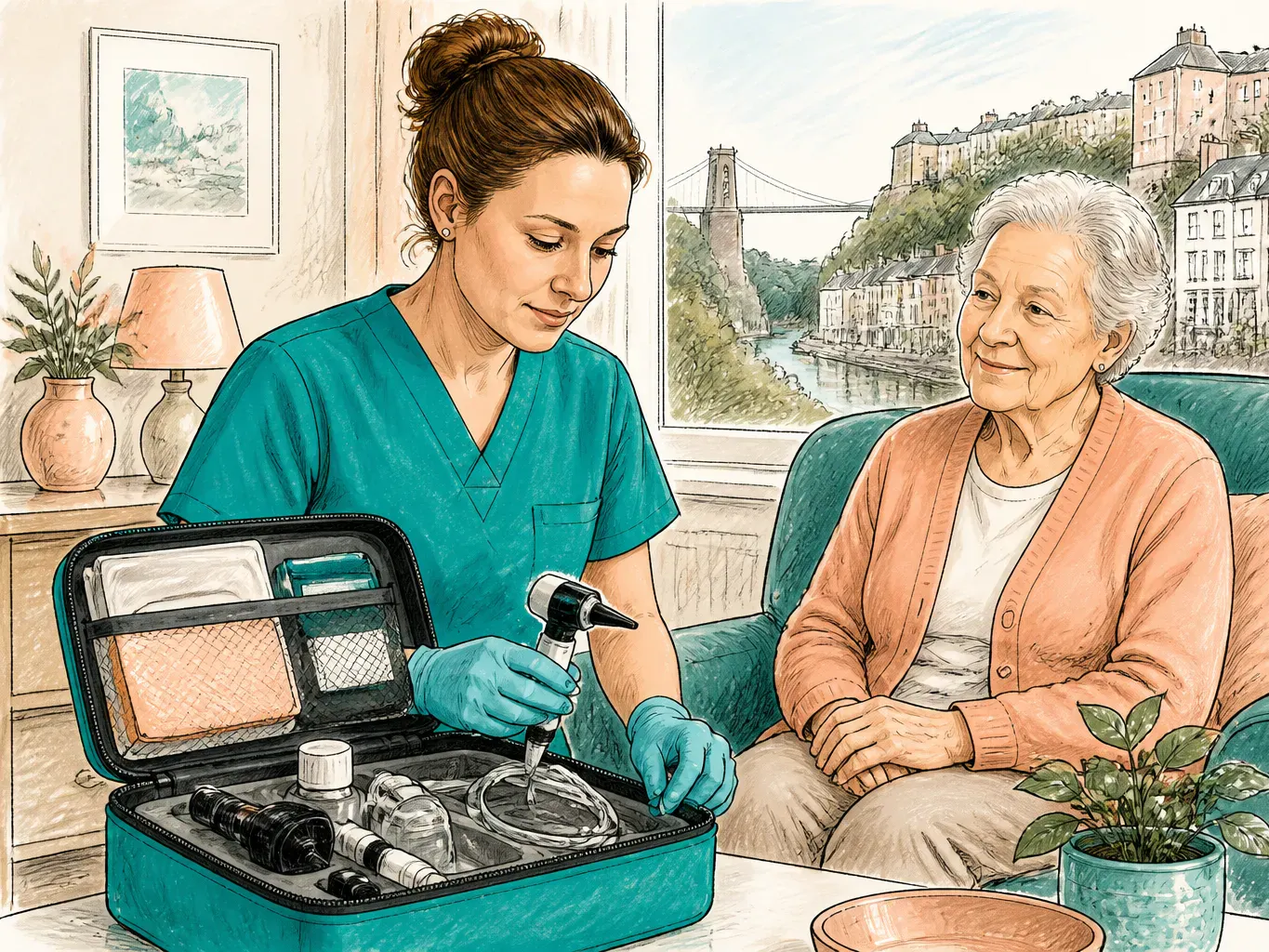
Mobile earwax removal in Bristol means a trained ear care clinician visits you at home, in a care setting, or at another suitable location to assess and remove earwax safely where appropriate. It is especially helpful for older adults, busy families, anxious patients, and care home residents who want convenient care without the stress of travelling.
The most important thing to know is that earwax is normal, but it is not always safe to try to clear it yourself. Gentle home softening can sometimes help, yet symptoms such as pain, discharge, sudden hearing loss, dizziness, or a history of a perforated eardrum need professional assessment before any removal attempt.
Quick summary: when at-home care helps and when to call a specialist
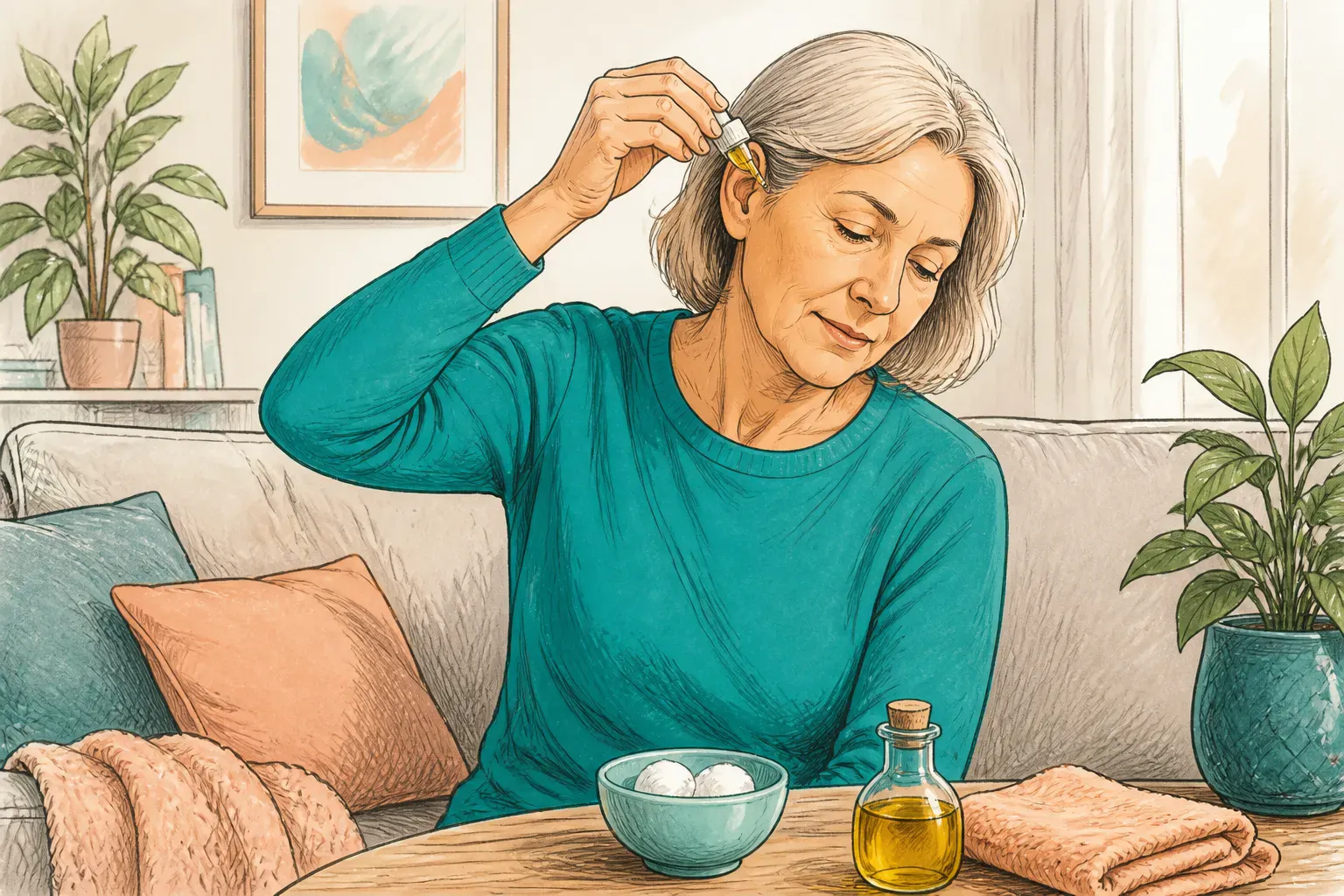
If you are dealing with a blocked feeling, reduced hearing, or a bit of fullness in the ear, a short period of safe softening at home may help. Olive oil ear drops are commonly used for uncomplicated wax build-up, as long as you do not have pain, discharge, or a known eardrum problem.
You should book a specialist assessment sooner rather than later if the blockage keeps coming back, if hearing aids are not fitting or working properly, or if you are unsure whether wax is really the cause. Mobile earwax removal can be a practical answer when travel is difficult or when you would prefer care in a familiar setting.
Seek prompt medical advice first if you have:
- Ear pain that is new or worsening
- Discharge, bleeding, or a bad smell from the ear
- Sudden hearing loss
- Dizziness or vertigo
- Fever, recent trauma, or severe tenderness
- A known perforated eardrum, ear surgery history, or grommets
Table of contents
- What causes earwax to build up in the first place?
- Safe at-home care before a visit
- Mobile earwax removal in Bristol: how the service works
- Home visit or clinic visit: which option is better?
- When earwax symptoms need urgent attention
- How ProEarClinic approaches gentle ear care
- Recommended reads and further guidance
- Frequently asked questions
What causes earwax to build up in the first place?
Earwax, also called cerumen, is a normal part of ear health. It protects the ear canal by trapping dust and debris, helping to prevent dryness, and supporting the ear’s natural cleaning process. For many people, wax moves out on its own without any help.
Problems begin when wax becomes impacted or builds up faster than the ear can clear it. This is more common in certain situations.
Common reasons include:
- Narrow or unusually shaped ear canals, which make it harder for wax to travel out naturally
- Hearing aids, earplugs, or in ear headphones, which can push wax deeper or reduce natural movement
- Cotton bud use, which often compresses wax rather than removing it
- Age related changes, because earwax may become drier and less able to move out on its own
- Repeated cleaning attempts, which can irritate the ear and stimulate more wax production in some people
It is worth remembering that muffled hearing does not always mean wax is the problem. Ear infections, changes in the middle ear, fluid, pressure problems, and hearing loss from other causes can feel similar. That is why a proper look in the ear matters before treatment is chosen.
The NHS advises against putting cotton buds or other objects into the ear canal, because they can cause damage and worsen blockage rather than help it. You can read more in the NHS guidance on earwax build-up.
Safe at-home care before a visit
If you think the ear is blocked by wax and there are no red flags, a short course of softening drops may make removal easier. For many people, olive oil drops are the simplest first step.
A common approach is to place a few drops of medical grade olive oil into the affected ear once or twice daily for several days. This can soften hard wax and help it move more naturally. If you are using over the counter products, follow the manufacturer’s instructions carefully and stop if you notice pain, irritation, or worsening symptoms.
Safe at-home care usually means supporting the ear, not trying to force the wax out. That means no cotton buds, no tweezers, no hairpins, and no ear candles. Ear candling is not recommended, and forceful flushing can be risky, especially if you have never had your eardrum checked.
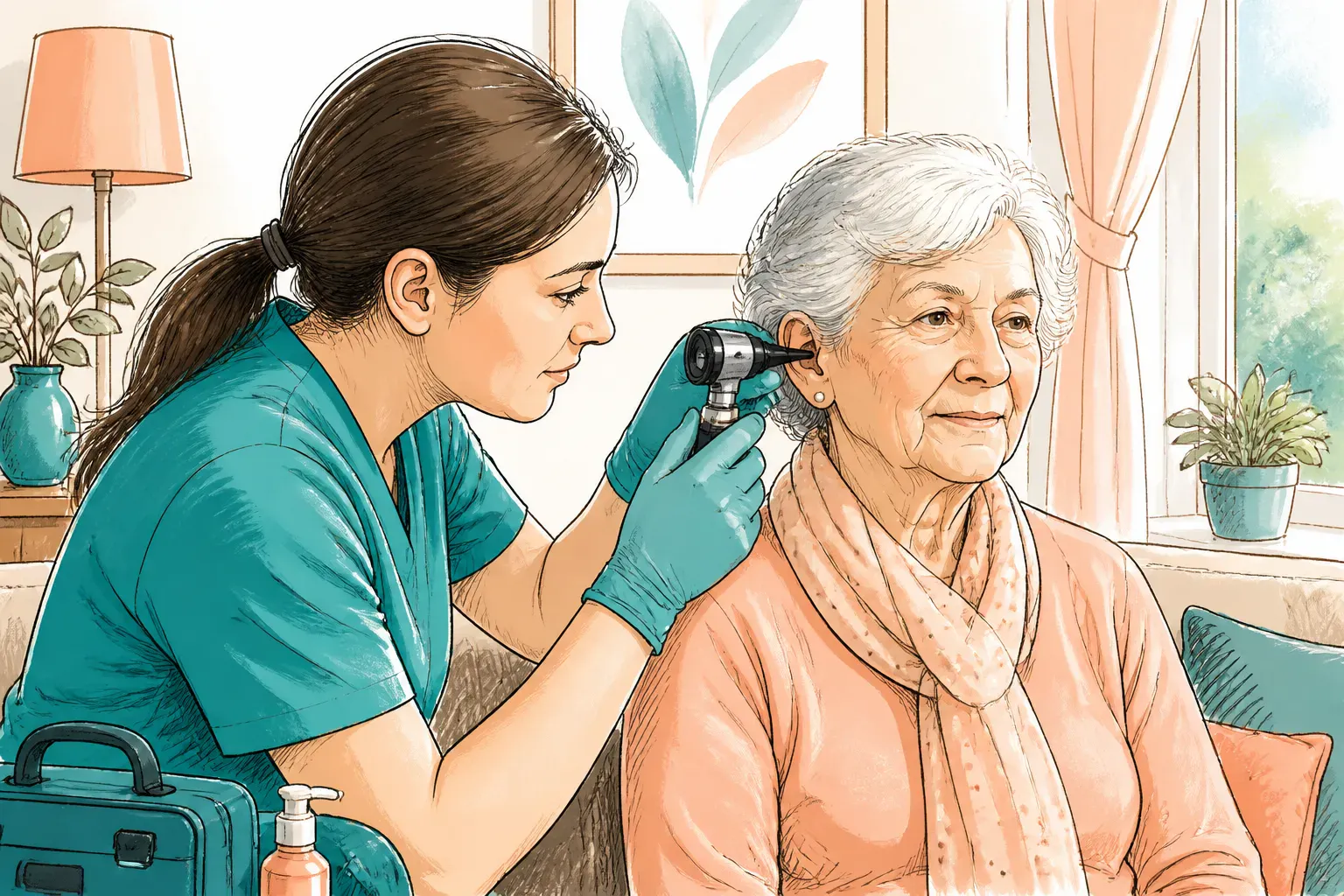
Practical tips for home care:
- Warm the drops slightly in your hands before use, so they feel more comfortable
- Lie on your side for a few minutes after applying drops, allowing them to reach the wax
- Keep the ear dry, but do not poke or scrub inside it
- If you wear hearing aids, remove them as advised while using drops, and keep them clean
- If you are helping an older relative, explain each step clearly and move slowly, especially if they are anxious
For carers supporting someone at home, the key is consistency and observation. If the person’s hearing, balance, or comfort does not improve after a few days of softening, it is sensible to arrange professional assessment rather than continuing to self treat.
There are cases where you should not attempt home softening at all. If there is a history of a perforated eardrum, ear surgery, grommets, recurrent infections, or unexplained ear pain, speak to a clinician first. The Royal College of General Practitioners advice on ear care is a useful reference point for cautious, patient centred ear care.
Mobile earwax removal in Bristol: how the service works
A mobile earwax removal appointment is designed to bring the assessment and treatment to you. At Pro Ear Clinic, the process is intended to feel calm, efficient, and reassuring, especially for people who find clinic visits tiring or stressful.
A typical home visit usually follows these steps.
- Booking and pre visit questions
You will usually be asked about your symptoms, medical history, any ear surgery, whether you have a perforation or grommets, and whether you have tried drops already. These questions help the clinician decide whether home treatment is appropriate. - Preparing the space
The clinician will need a quiet, well lit area with a chair or recliner. Good access matters more than a special clinical room. A small table nearby can be helpful for equipment. - Examination
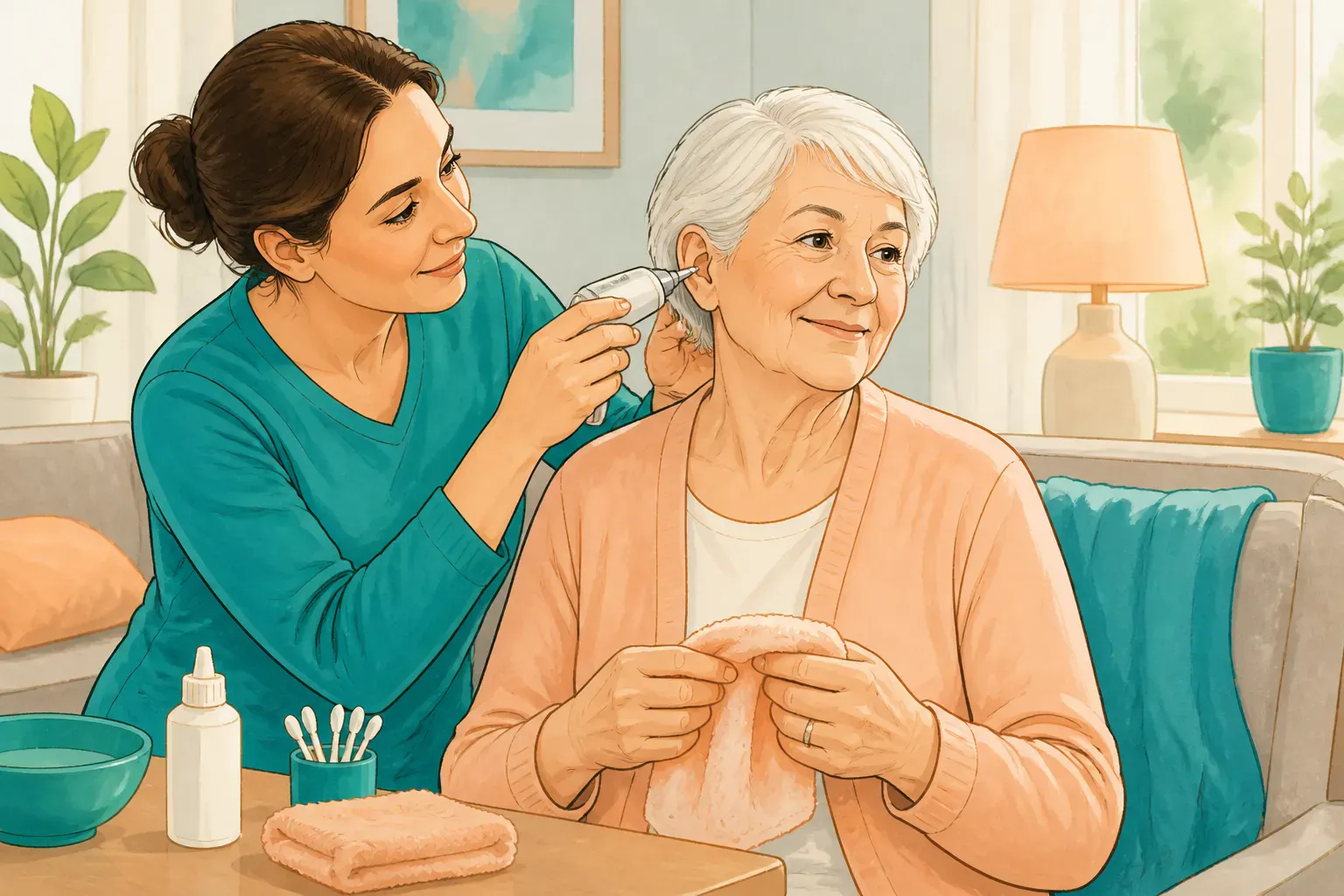
The clinician checks the ear with an otoscope or similar equipment to confirm whether wax is actually the issue and to look for anything that would make treatment unsafe.
- Treatment choice
If wax removal is appropriate, the clinician decides on the best method. In many cases, this may involve microsuction, which uses gentle suction to remove wax under direct vision. Some ears may also need a different technique, depending on anatomy and the type of wax. - Aftercare and advice
Once the wax is removed, you should be told what was found, whether both ears were affected, and what to watch for afterwards. You may also receive advice on how to reduce future build up.
The appeal of mobile treatment is not just convenience. It can also reduce anxiety for people who dislike travel, struggle with mobility, or are caring for someone with limited independence. In a familiar environment, many patients find it easier to relax and cooperate with treatment.
If you want to understand the technique in more detail, see our microsuction earwax removal page or learn more about home visit earwax removal in Bristol.
Home visit or clinic visit: which option is better?
Both options can work well, but they suit different needs. A clinic visit is often best for people who are able to travel easily and want access to a fully equipped clinical space. A home visit is usually better when comfort, mobility, or convenience matters most.
Factor | Home visit | Clinic visit |
|---|---|---|
Convenience | Highest, treatment comes to you | Requires travel and parking or transport planning |
Mobility support | Ideal for limited mobility, frailty, or care needs | Can be difficult for some patients |
Anxiety | Often calmer in a familiar setting | Helpful for those who prefer a dedicated clinical environment |
Equipment setup | Clinician brings portable equipment | Full clinical setup available on site |
Speed of access | Often very practical for time poor households | May be easier to fit into routine travel plans |
Best suited for | Older adults, carers, care homes, housebound patients | Patients who prefer clinic based care and can attend easily |
A home visit often makes the most sense if the person is elderly, lives in a care home, has transport barriers, or becomes distressed in busy waiting rooms. It can also be a good option for family members organising care on someone else’s behalf.
A clinic appointment may still be preferable if there is a complex ear history, if a fuller assessment is needed, or if the patient simply feels more comfortable in a dedicated practice setting. If you are unsure, a brief pre assessment conversation can help match the appointment type to the patient’s needs.
For those comparing the two more closely, our guide on earwax removal at home vs clinic in Bristol gives a fuller breakdown.
When earwax symptoms need urgent attention
Not every blocked ear is harmless wax. Some symptoms suggest an infection, injury, or another issue that needs medical assessment first.
Get checked promptly if you have:
- Significant pain, especially if it is getting worse
- Discharge, blood, or pus
- A sudden drop in hearing
- Vertigo, spinning sensations, or severe imbalance
- Fever or feeling generally unwell
- Recent trauma to the ear or head
- Tinnitus that started suddenly with hearing loss
These signs matter because removing wax without understanding the cause could delay proper treatment. If the eardrum is damaged, if there is infection, or if the canal is inflamed, the safest first step is assessment, not removal.
Extra caution is needed if you have ever had ear surgery, a perforated eardrum, or grommets. In those cases, even common home remedies may not be appropriate. A clinician should review the situation before anything is placed into the ear canal.
The NICE guidance on hearing loss in adults is also useful background if you are trying to work out whether earwax, hearing loss, or another condition might be contributing to symptoms.
How ProEarClinic approaches gentle ear care
At Pro Ear Clinic, the aim is simple, safe ear care that feels respectful and reassuring from the first conversation through to follow up. We understand that many people seeking mobile earwax removal in Bristol are not just looking for a quick procedure. They want clarity, kindness, and treatment that feels manageable.
Where appropriate, microsuction is a key part of our service because it allows wax to be removed under direct vision. For many patients, that means a cleaner and more controlled experience than trying to flush wax away blindly. It can be particularly helpful when wax is hard, stubborn, or affecting hearing aid use.
We also recognise that ear care can feel personal and sometimes a little daunting. That is why we place so much emphasis on calm explanations, gentle pacing, and patient comfort. If someone is anxious, we take time to explain what we are doing and why, rather than rushing through the appointment.
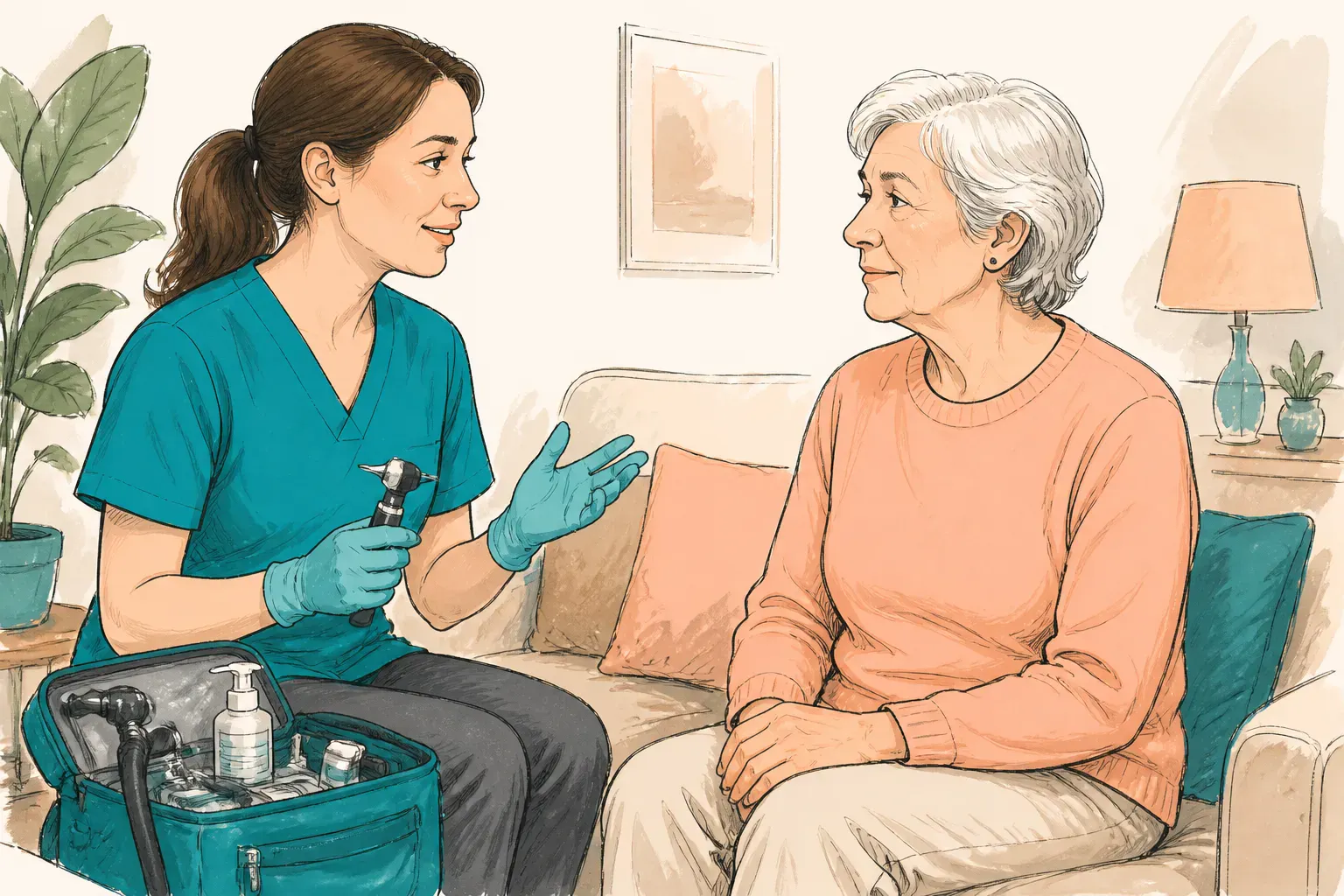
From my perspective as a clinician, the most effective appointments are the ones where the patient feels informed. A good earwax removal visit should never feel mysterious. You should know what was seen, why a certain method was chosen, and what to do next.
If you are choosing care for a family member, particularly an older adult, reassurance matters just as much as technical skill. A mobile service can make ear treatment easier to arrange, but it should still feel professional and evidence based. That is the standard we aim to deliver at ProEarClinic, both in the home and in clinic.
Recommended reads and further guidance
If you want to keep learning, these resources may help:
- same-day earwax removal, for people who need prompt relief and want to understand rapid access options
- microsuction earwax removal, for a clearer explanation of how the procedure works
- home visit earwax removal in Bristol, for details on arranging care at home
- earwax removal at home vs clinic in Bristol, for help deciding which appointment type suits you best
For general health guidance, these external references are also helpful:
- NHS guidance on earwax build-up
- NICE guidance on hearing loss in adults
- Royal College of General Practitioners advice on ear care
Frequently asked questions
Is mobile earwax removal safe for older adults in Bristol?
Yes, it can be very suitable for older adults, provided the ear is assessed first and there are no red flag symptoms. A mobile appointment can reduce travel stress, support independence, and allow treatment in a familiar setting.
Can I soften earwax at home before a clinician visit?
Often, yes. Olive oil drops are commonly used for uncomplicated wax build up, but they should not be used if you have pain, discharge, a perforated eardrum, or a history of ear surgery unless a clinician has advised you to do so.
How do I know if my ear is blocked by wax or something more serious?
Wax often causes muffled hearing, fullness, or mild discomfort. More serious problems are more likely if you have severe pain, discharge, dizziness, fever, sudden hearing loss, or a recent injury, so those symptoms should be assessed promptly.
What should I avoid doing when trying to clear earwax at home?
Avoid cotton buds, hairpins, ear candles, and forceful syringing at home. These can push wax deeper, irritate the ear canal, or cause injury.
Does mobile earwax removal use microsuction?
It often does when microsuction is the most suitable option. The clinician will decide after examining the ear, because the best method depends on the type of wax, the ear canal shape, and your medical history.
When should I book a same-day appointment instead of waiting?
Book sooner if you have sudden hearing loss, severe blockage affecting daily life, hearing aid problems, or an urgent need for relief, such as before travel or an important event. If you have pain, discharge, or dizziness, seek medical advice first before any removal attempt.