Children’s earwax removal should always be gentle, age appropriate, and carried out by a trained professional when wax is causing symptoms or getting in the way of hearing, comfort, or school life. For parents in Bristol, the safest approach is to avoid cotton buds and home digging, watch for warning signs, and choose a clinician who understands paediatric ear care.
Quick summary: what parents in Bristol should know first
Earwax is normal and helpful, it protects the ear canal and traps dust and debris. The problem starts when it builds up enough to cause discomfort, block hearing, or make your child seem less settled than usual.
The main message for Bristol families is simple: do not try to remove wax with cotton buds, hair grips, or other household tools. If your child has symptoms, a professional assessment is the safest next step, and the rest of this guide explains the 10 most useful tips for getting children’s earwax removed safely and confidently.
Table of contents
- 1. Know when earwax is a problem, not just a nuisance
- 2. Avoid cotton buds and other at-home digging tools
- 3. Use only gentle softening advice if a clinician says it is suitable
- 4. Choose a paediatric-friendly ear care provider in Bristol
- 5. Understand which removal method may be most suitable
- 6. Prepare your child for the appointment to reduce anxiety
- 7. Know when a home visit may be the best option
- 8. Ask about aftercare and what normal recovery looks like
- 9. Use earwax removal as part of a wider ear health check
- 10. Book early if symptoms are affecting school, sleep, or behaviour
- Recommended reads and helpful Bristol ear care resources
- FAQ
1. Know when earwax is a problem, not just a nuisance
Earwax does not always need treatment. Many children naturally make wax, and in most cases the ear clears it on its own. It becomes a concern when it starts affecting comfort, hearing, or day-to-day functioning.
Common signs that earwax may be causing a blockage include muffled hearing, a feeling that the ear is full, itching, mild discomfort, or your child asking you to repeat yourself more often. Younger children may not describe symptoms clearly, so look for changes in behaviour, more television volume requests, difficulty following instructions, or frustration in noisy settings.
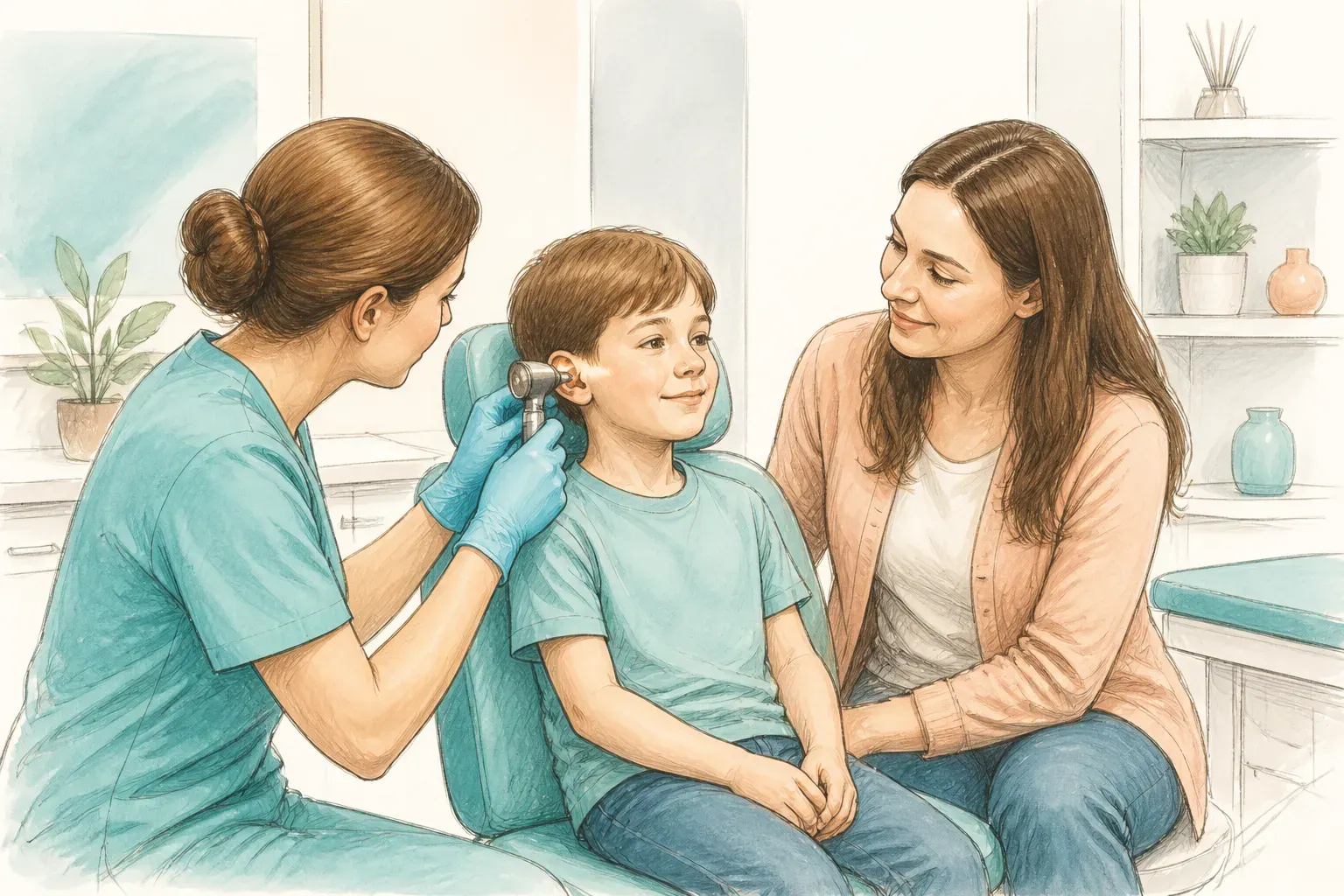
At school, blocked ears can show up as missed instructions, distraction, or seeming less responsive than usual. If a child who previously managed well in class is now struggling to hear the teacher, earwax is one possible reason worth checking.
Seek prompt assessment if you notice any of the following:
- ear pain
- ear discharge
- fever
- dizziness or balance problems
- sudden hearing change
- repeated blockage in the same ear
- symptoms after a recent cold or ear infection
A simple checklist before booking can help:
- Is your child complaining of blocked ears or hearing difficulty?
- Are they asking for the television or device volume to be turned up?
- Have teachers mentioned concentration or listening concerns?
- Is there pain, discharge, or a recent illness?
- Has wax been a recurring issue?
If you answer yes to any of these, it is sensible to arrange a professional ear check. For families looking for Children's earwax removal in Bristol, a proper assessment helps confirm whether wax is the real issue and whether removal is appropriate.
2. Avoid cotton buds and other at-home digging tools
Cotton buds are one of the most common reasons earwax becomes worse instead of better. They do not remove wax safely, they usually push it deeper into the canal, and they can irritate delicate skin. In a child, this can quickly turn a minor blockage into a tighter, more uncomfortable impaction.
Children are especially vulnerable because they may wriggle, turn their head suddenly, or pull away at the wrong moment. Even a small movement can lead to a scratch in the ear canal or, in rare cases, injury to the eardrum. Sharp objects, ear picks, bobby pins, and similar tools carry even greater risk.
It is also worth remembering that the outer part of the ear does not need to be cleaned inside. The canal has a natural self clearing process, and the best thing parents can usually do at home is leave it alone unless a clinician advises otherwise.
Safer alternatives are straightforward:
- watch for symptoms rather than digging
- book a professional assessment if hearing or discomfort is affected
- ask a clinician whether softening drops are suitable
- keep the outer ear clean with a soft cloth only
If your child has a habit of inserting fingers, toys, or cotton buds into the ear, a calm, consistent explanation often helps more than repeated attempts at cleaning. The aim is to protect the ear, not to force it clean.
3. Use only gentle softening advice if a clinician says it is suitable
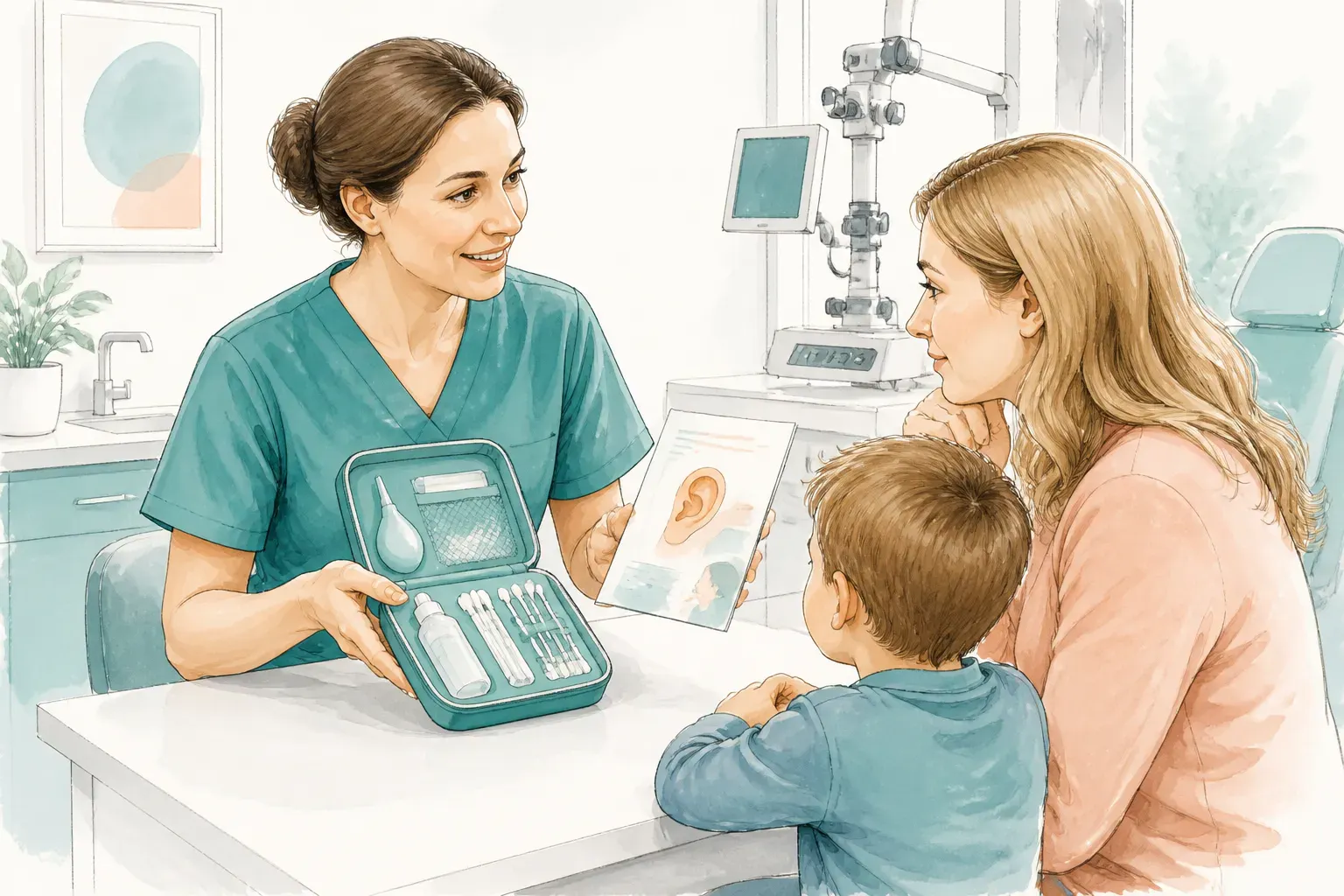
In some cases, a clinician may recommend softening earwax before removal. This can make the wax easier to clear, especially if it is dry or compacted. However, softening is not suitable for every child, so it should only be used if a professional says it is appropriate.
Olive oil drops or other ear softeners are sometimes suggested, but they are not a universal solution. They may be helpful for some children with simple wax build-up, yet they are not appropriate if there is suspected infection, a perforated eardrum, ear surgery in the recent past, grommets, or unexplained pain or discharge.
Here is a quick comparison of common softening approaches:
Softening option | May be suitable when | Cautions | Stop and seek help if |
|---|---|---|---|
Olive oil drops | Wax is dry and a clinician has advised softening | Not for every child, and not a substitute for assessment | Pain, discharge, worsening blockage, or no improvement |
Pharmacy earwax softeners | A professional has said a softener is safe to use | Read the instructions carefully and use as directed | Irritation, dizziness, or any suspected infection |
No softening, direct assessment | Child is anxious, symptomatic, or has a complex ear history | This may be the safest option when the ear needs inspection first | Symptoms worsen while waiting |
The key point is that softening is only a tool, not a decision in itself. If you are unsure, it is better to have the ear examined first. Guidance from the NHS guidance on earwax build-up is a good starting point, but a child’s age, symptoms, and medical history still matter.
4. Choose a paediatric-friendly ear care provider in Bristol
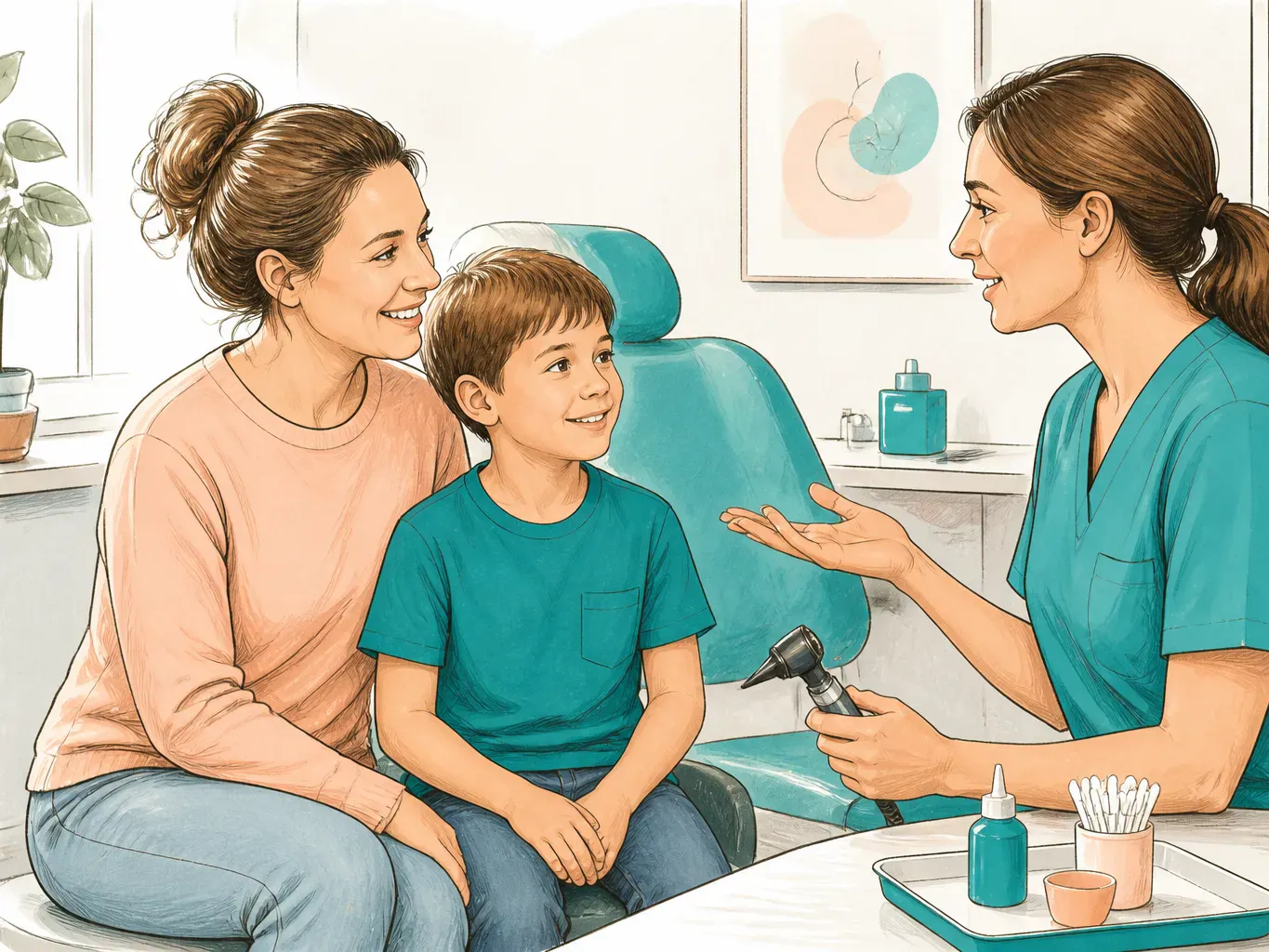
Not every earwax appointment feels the same, especially for children. A good provider will have the right training, explain each step clearly, and make the visit as calm as possible for both child and parent.
When choosing a service, look for these qualities:
- experience working with children
- a gentle approach to examination and treatment
- clear explanation of what is happening and why
- good aftercare advice in plain English
- willingness to pause, reassure, and adapt to the child’s pace
- a clean, well organised environment that feels calm rather than rushed
For anxious children, the atmosphere matters. A clinician who speaks softly, gives choices where possible, and checks consent and comfort throughout can make a big difference. Busy families also benefit from flexible appointment options and practical scheduling.
It can help to ask a few questions before booking:
- Do you regularly treat children?
- What happens if my child is too anxious on the day?
- Which removal methods do you offer?
- Do you provide advice if wax returns?
- Is there an option for Microsuction ear wax removal if that is the best method?
If travel is difficult, or if you are arranging care for another household member at the same time, you may also want to ask about Home visit earwax removal Bristol. The best provider is not just technically skilled, but also able to reduce stress.
5. Understand which removal method may be most suitable
Professional earwax removal can be done in different ways, and the best option depends on the child’s age, the shape of the ear canal, the type of wax, and any relevant ear history. A proper assessment should always come first.
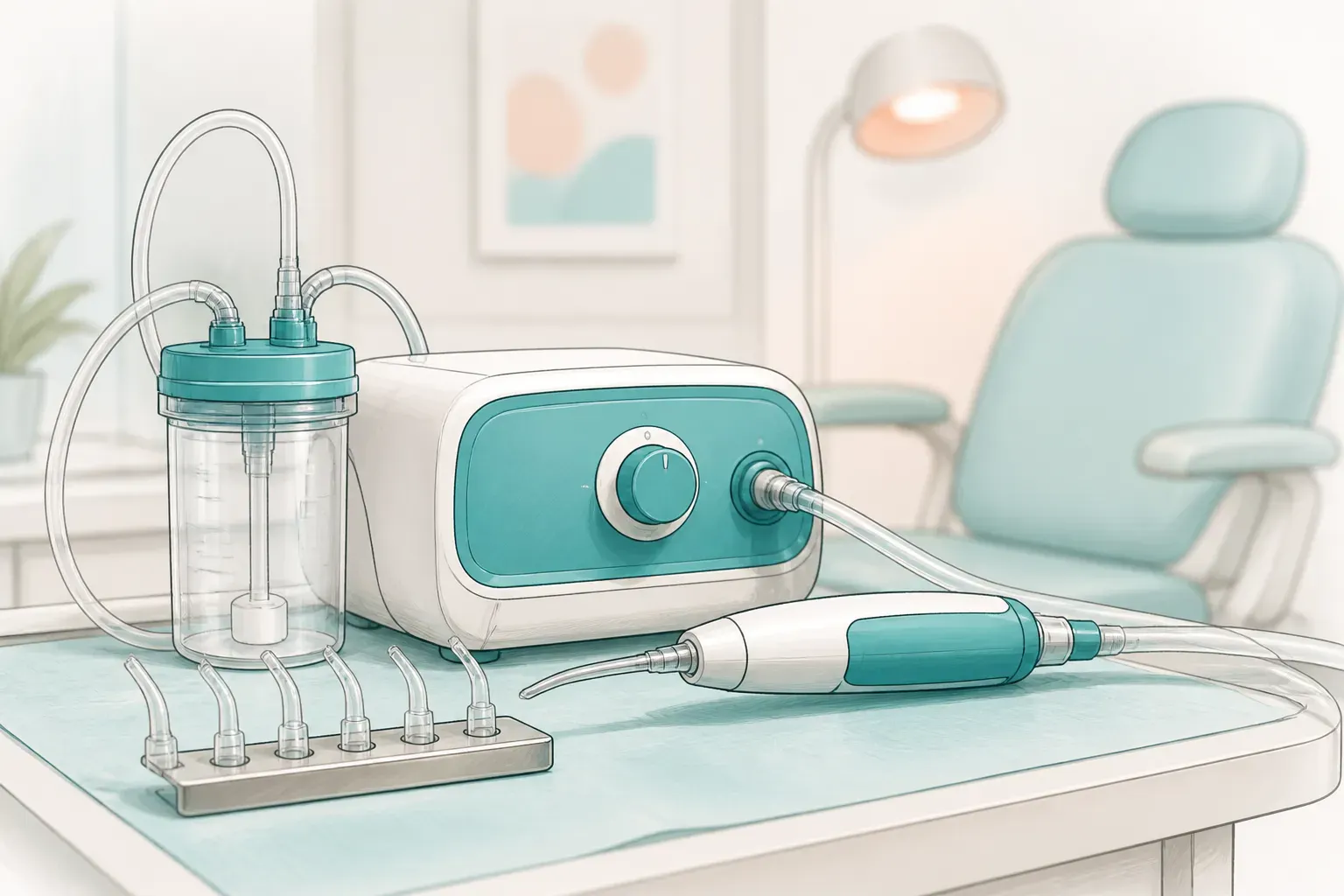
The main methods are microsuction, irrigation, and manual removal. Each has its own advantages and limitations.
Method | How it works | Comfort and safety | When it may suit children | Points to consider |
|---|---|---|---|---|
Microsuction | Uses a small suction device to remove wax under direct view | Often precise and controlled | Frequently preferred when a clinician needs careful visibility | May sound a little noisy, so reassurance helps |
Irrigation | Uses water to flush wax out | Can be effective in selected cases | Sometimes suitable, but not always ideal for children | Not appropriate for everyone, especially with some ear histories |
Manual removal | Wax is removed with specialist instruments | Can be efficient in skilled hands | May suit certain ears and wax types | Requires stillness and a very careful approach |
Microsuction is often favoured for children because it is controlled and allows the clinician to see exactly what they are doing. That said, there is no one-size-fits-all answer. A child with sensitive ears, a history of infections, or a narrow canal may need a different approach.
If you want to understand the process in more depth, the clinic’s article on How microsuction works is a helpful next read.
For evidence-based background, the NICE evidence on management of earwax and related clinical guidance can help explain why clinicians assess each case individually rather than using a single method for everyone.
6. Prepare your child for the appointment to reduce anxiety
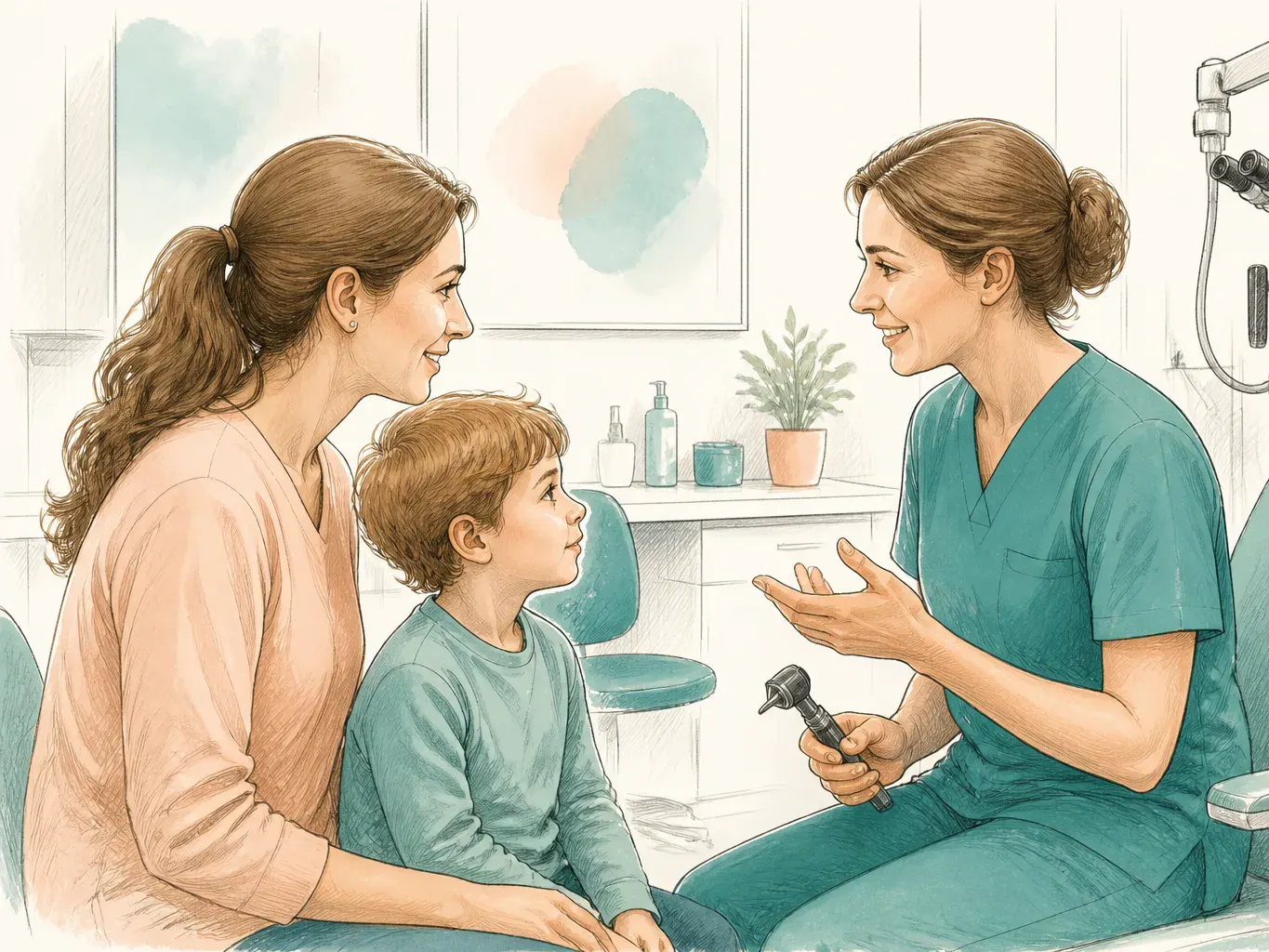
A little preparation often makes the whole experience smoother. Children usually cope better when they know what to expect in simple, reassuring terms.
For younger children, keep the explanation short: the clinician will look in the ear, talk gently, and help remove the wax if it is safe to do so. For older children, you can explain that the appointment is about helping them hear more comfortably and checking that the ear is healthy.
Helpful preparation tips include:
- bring a comfort item, such as a favourite toy or book
- avoid overexplaining if your child becomes more worried with too much detail
- let them know they can ask questions
- remind them that they do not need to be brave in silence, they can say if they feel unsure
- note down symptoms, recent colds, ear infections, and any previous treatment
If your child is sensitive to noise, tell the clinician in advance. Microsuction can sound unfamiliar, and knowing that the noise is normal often reduces concern. If your child is very anxious, say so when booking, because some appointments can be paced more gently with extra time for reassurance.

Busy parents often need appointments to fit around school, work, and sibling schedules. A calm, efficient visit usually starts before you arrive, with clear information and realistic expectations.
7. Know when a home visit may be the best option
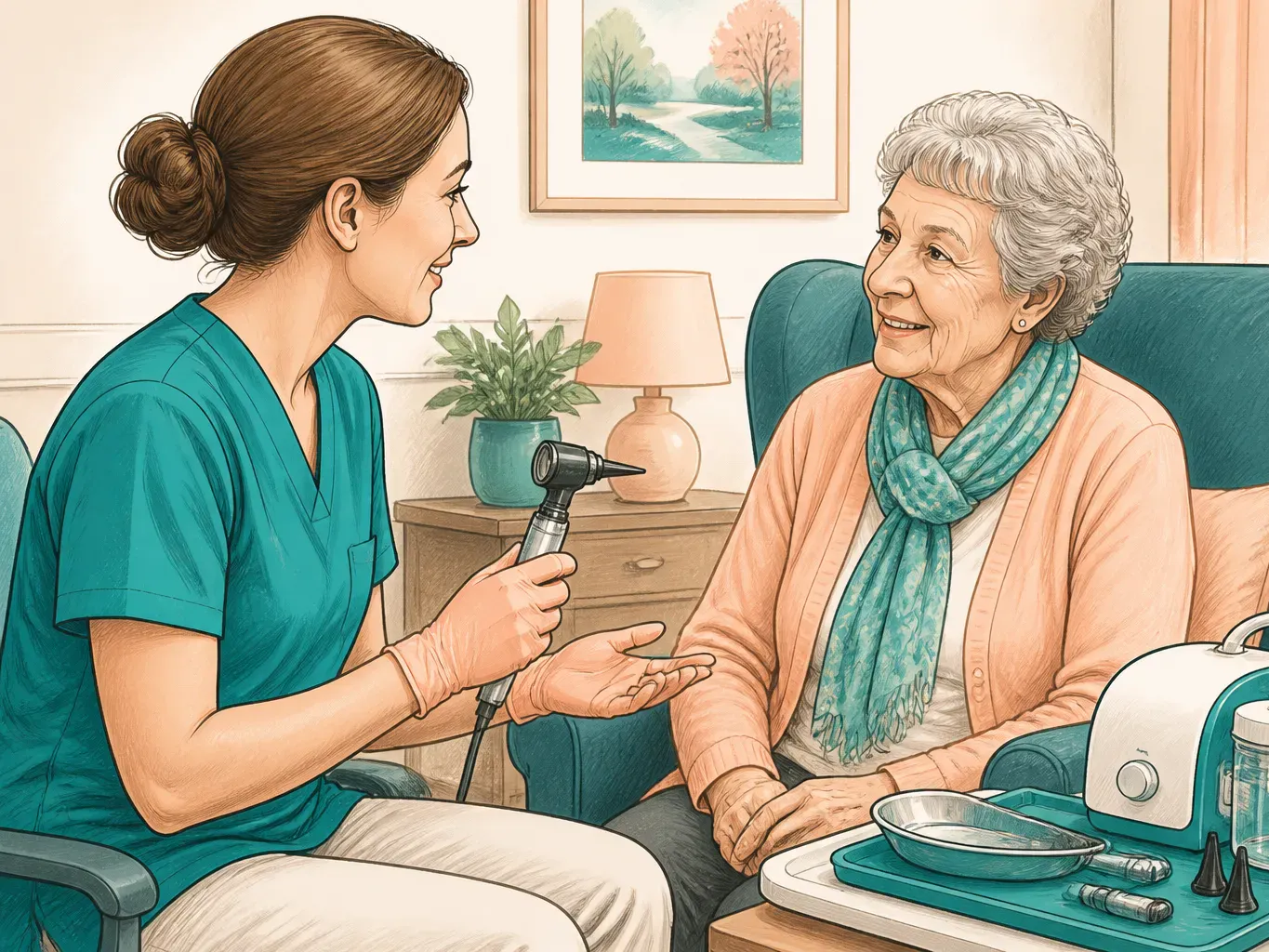
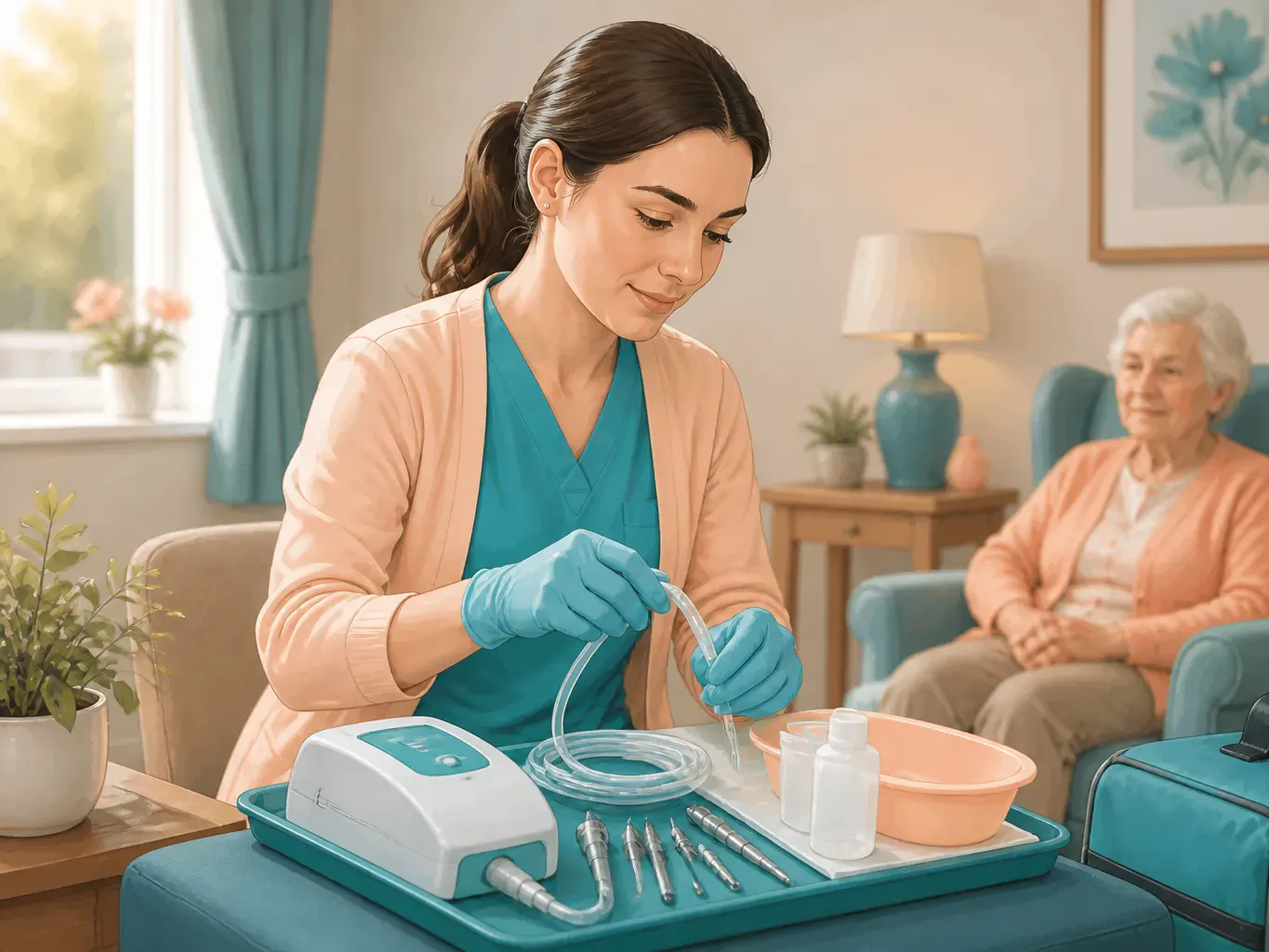
Home-based care can be helpful when travel is difficult, the family schedule is tight, or the child feels more settled at home. It may also be relevant for care home residents, people with mobility limitations, or families managing several appointments.
For children, a home visit can sometimes reduce stress because the setting is familiar. However, it is still important that the clinician can work safely and comfortably in the space provided.
Here is a simple comparison:
Option | Pros | Cons | Best for |
|---|---|---|---|
Clinic appointment | Full clinical setup, often easier for assessment and treatment | Requires travel and waiting | Most straightforward paediatric earwax removals |
Home visit | Convenient, familiar setting, helpful for some families | Needs suitable space and good lighting | Busy families, mobility challenges, or added reassurance |
A home visit may be suitable when:
- getting to clinic is difficult
- the child is more relaxed at home
- there are practical access issues
- an assessment has already suggested that home treatment is appropriate
It is worth remembering that not every child is a perfect home-visit candidate. Privacy, room to work, consent, and the child’s ability to cooperate still matter. If you are exploring this option, it helps to ask whether the service can safely assess and treat children in the home environment.
8. Ask about aftercare and what normal recovery looks like
After earwax removal, many children feel relief quite quickly. They may also notice sounds seem louder, which is usually just a sign that hearing has improved after the blockage has been cleared.
Short-term sensations can include mild sensitivity in the ear canal, a slight awareness of airflow, or a brief feeling that the ear is unusual because it is no longer blocked. These effects are usually temporary.
Aftercare is simple but important:
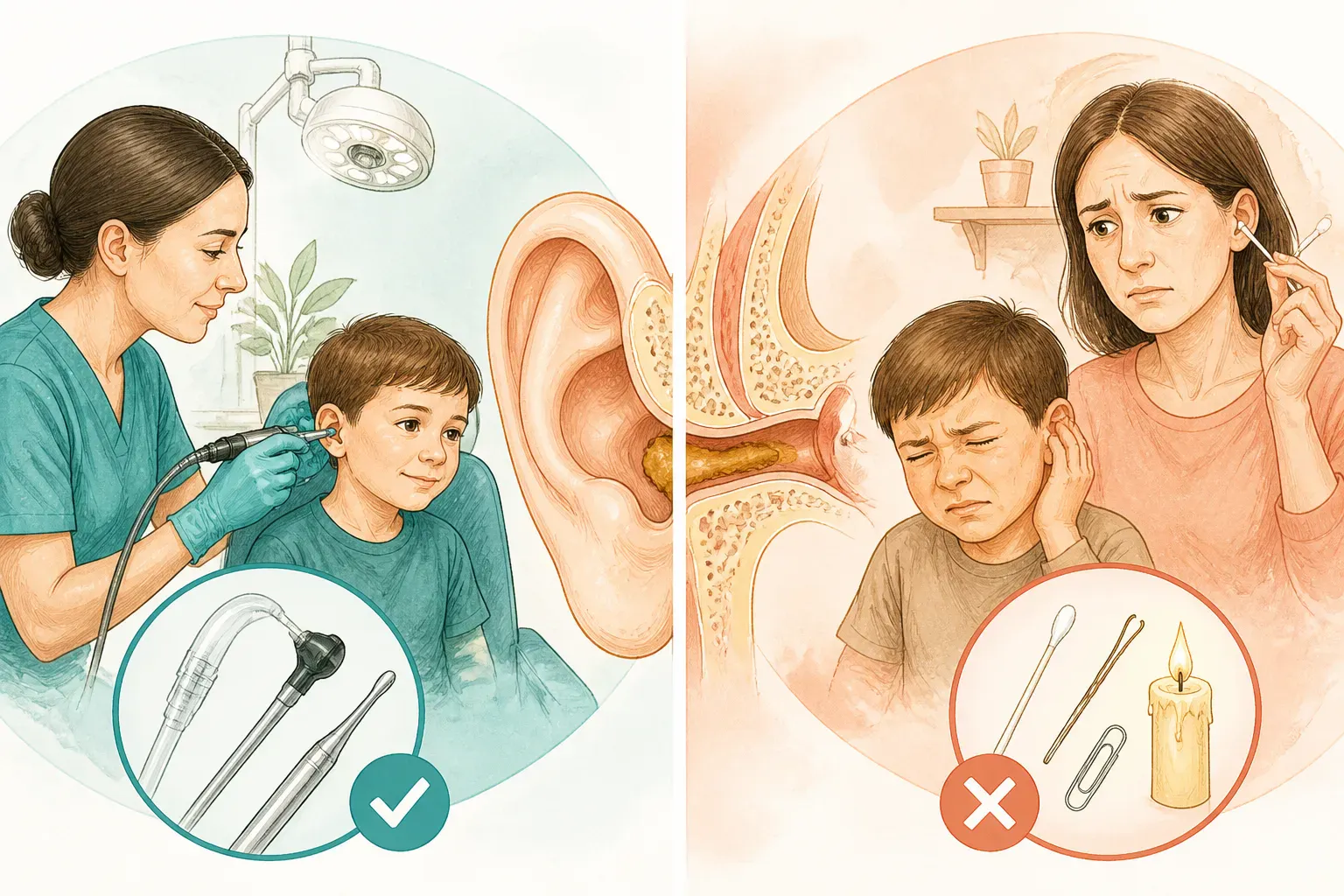
- keep the ear dry unless told otherwise
- avoid putting anything into the ear canal
- monitor for pain, discharge, dizziness, or bleeding
- follow any advice about softening or recheck appointments
- return if hearing does not improve as expected
Contact the clinician promptly if your child develops significant pain, dizziness, or persistent hearing problems after treatment. These are not the usual recovery pattern and deserve a review.
A straightforward aftercare plan gives parents confidence and helps prevent repeat problems. Good clinicians explain what is normal, what is not, and when to return.
9. Use earwax removal as part of a wider ear health check
Sometimes earwax is the main issue. At other times it can hide a second problem, or sit alongside another ear concern such as infection, eustachian tube dysfunction, or ongoing hearing difficulty.
That is why recurrent blockage should not be ignored. If your child repeatedly gets wax build-up, or if hearing concerns continue after removal, it may be sensible to think about a broader ear health review.
This matters for several reasons:
- hearing affects classroom participation and concentration
- children may appear to ignore instructions when they simply cannot hear clearly
- recurrent ear discomfort can affect sleep and behaviour
- frequent infections may need separate assessment
The NHS page on ear infections and hearing concerns is useful if your child has had repeated ear symptoms, discharge, or recent illness. If a child has ongoing hearing concerns at school, a hearing check or further ear assessment may be appropriate even after wax has been removed.
For families who want to understand the broader pathway, internal resources on earwax removal and microsuction can be especially helpful. A service that looks beyond the blockage itself is often better placed to support long-term ear health.
10. Book early if symptoms are affecting school, sleep, or behaviour
Waiting too long can make a simple earwax problem harder for a child to manage. If symptoms are affecting school, sleep, or mood, it is better to book sooner rather than later.
Children who cannot hear clearly may become tired from concentrating harder, more withdrawn in noisy rooms, or more frustrated at home. Parents sometimes notice behaviour changes before the child can explain what is wrong. In those cases, wax removal can be a practical first step.
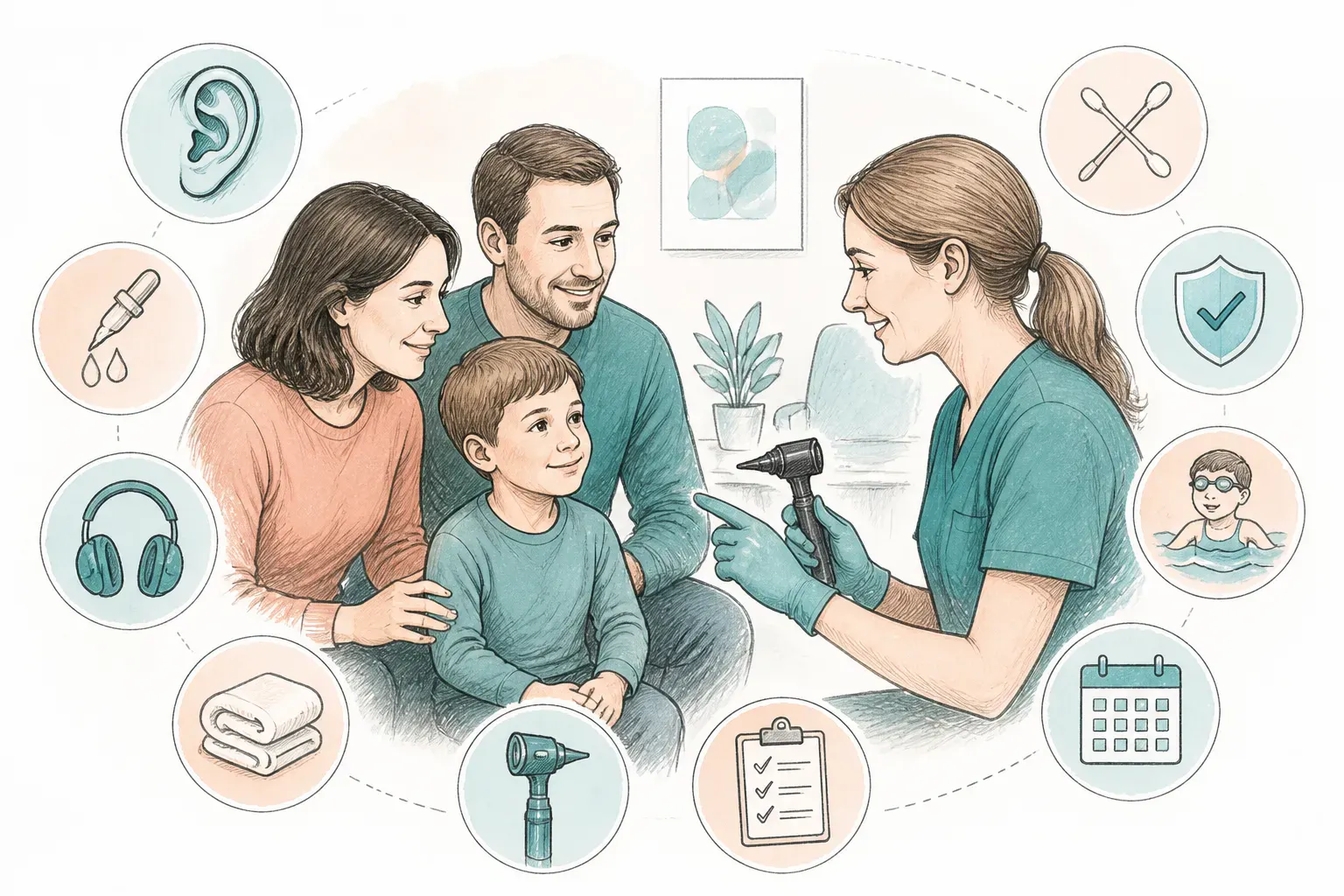
Booking early can help because:
- school listening becomes easier again
- the child may feel less anxious once the problem is identified
- a clinician can check whether wax is truly the cause
- treatment can be planned around family routines
If you are in Bristol and want a gentle, evidence-based approach, ProEarClinic aims to make the pathway straightforward for families. Start with an assessment, ask questions, and choose the setting that feels most comfortable for your child.
Recommended reads and helpful Bristol ear care resources
If you are exploring ear care further, these resources may help:
- Children's earwax removal in Bristol for a service overview and practical next steps
- Microsuction ear wax removal if you want to understand a common professional treatment option
- Home visit earwax removal Bristol for families who need care at home
- How microsuction works for a simple explanation of the procedure
For external guidance, these pages are also useful:
- NHS guidance on earwax build-up
- Royal College of Paediatrics and Child Health guidance on children's ear health
- NICE evidence on management of earwax
- NHS page on ear infections and hearing concerns
FAQ
Is earwax removal safe for children?
Yes, when it is assessed and carried out by a trained professional using an appropriate method. The ear should be examined first, because not every child needs removal and not every method suits every ear.
When should I take my child to a professional for earwax removal?
Book a professional assessment if your child has muffled hearing, ear fullness, discomfort, repeated blockage, school listening problems, or if you are unsure whether wax is the cause. Seek prompt help if there is pain, discharge, fever, or dizziness.
Can I use olive oil drops for my child’s earwax?
Sometimes, but only if a clinician says it is suitable. Olive oil or similar softeners are not appropriate for all children, especially if there may be infection, a perforation, grommets, or recent surgery.
Is microsuction better than irrigation for children?
Microsuction is often preferred because it is controlled and performed under direct view, but the best method depends on the child and the ear findings. A proper assessment should decide the safest option.
How do I know if my child has a blocked ear or an ear infection?
Blocked earwax usually causes fullness, muffled hearing, or mild discomfort. An ear infection is more likely if there is pain, fever, discharge, or your child seems generally unwell. When in doubt, arrange an assessment.
Can earwax affect my child’s hearing at school?
Yes. Even a partial blockage can make it harder to hear the teacher, follow instructions, or keep up in noisy classrooms. If school staff have raised concerns, earwax is one possible cause to check.
Do children need a GP referral for earwax removal in Bristol?
Not always. It depends on the service and the child’s symptoms. Some providers may accept direct bookings, while others may ask for a referral if the case is complex or if there are other ear concerns.