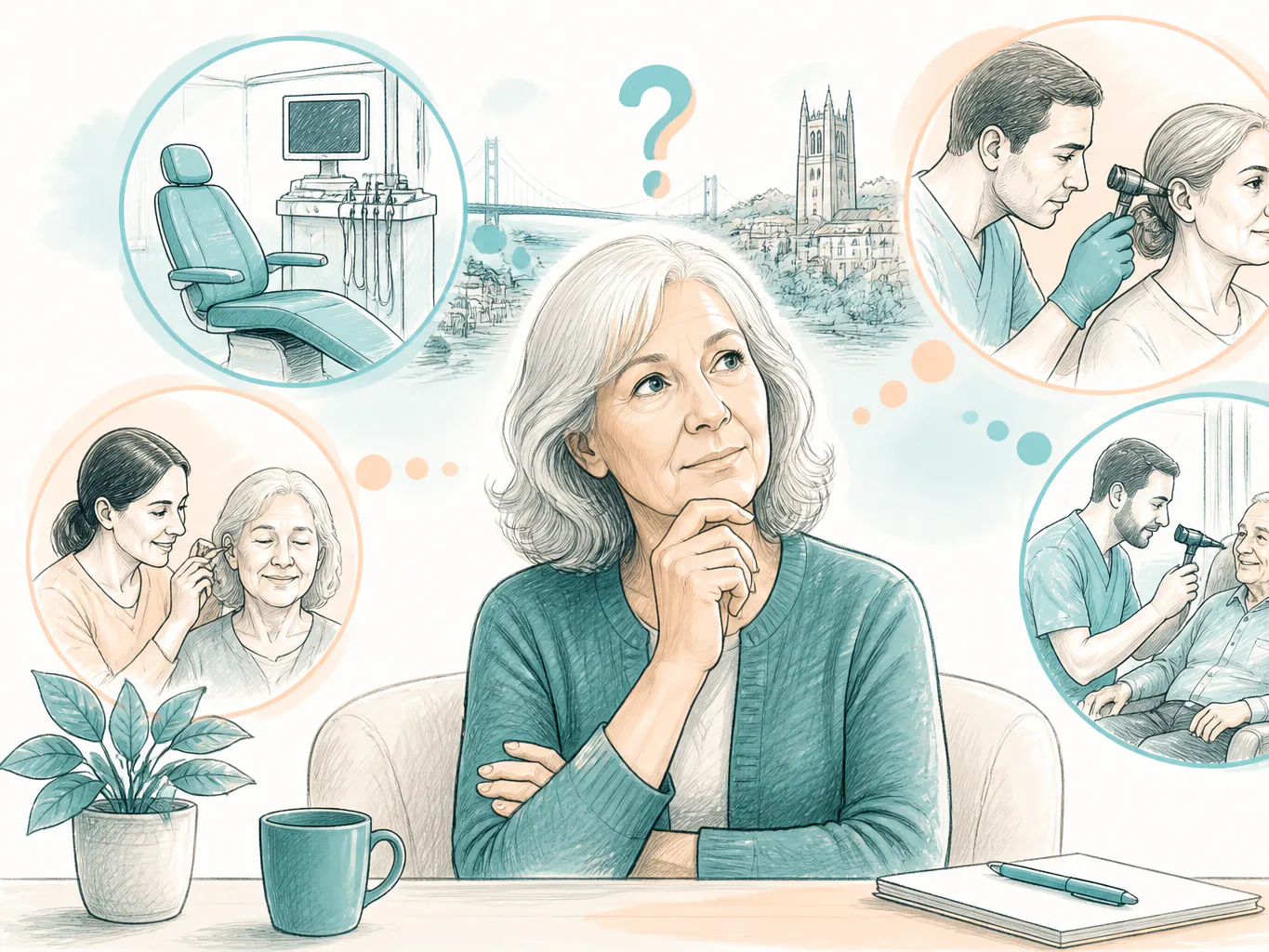
If you are searching for earwax removal near me in Bristol, the best choice usually comes down to how quickly you need relief, whether you can travel, and how comfortable you feel with treatment. For many people, microsuction is a fast and precise option, while home visits are often the most practical choice for older adults, care home residents, or anyone who cannot easily get to a clinic.
If you have ear pain, discharge, fever, dizziness, sudden hearing loss, or suspect an ear infection, do not rely on home treatment alone. A professional assessment is the safer next step.
Quick summary: the best Bristol earwax removal options at a glance
For most people looking for earwax removal in Bristol, the best option is the one that matches the situation, not just the nearest provider. Microsuction is often the most popular choice because it is precise, usually quick, and does not require water to be introduced into the ear canal. Clinic appointments suit people who want a full in person assessment, while home visit earwax removal is especially helpful for frail adults, care home residents, and anyone with mobility or transport difficulties.
Water irrigation can still be appropriate in some cases, but it is not ideal for everyone and may be less suitable if there is a history of ear problems or if the ear needs a more careful assessment first. The right service should feel safe, clear, and proportionate to your symptoms.
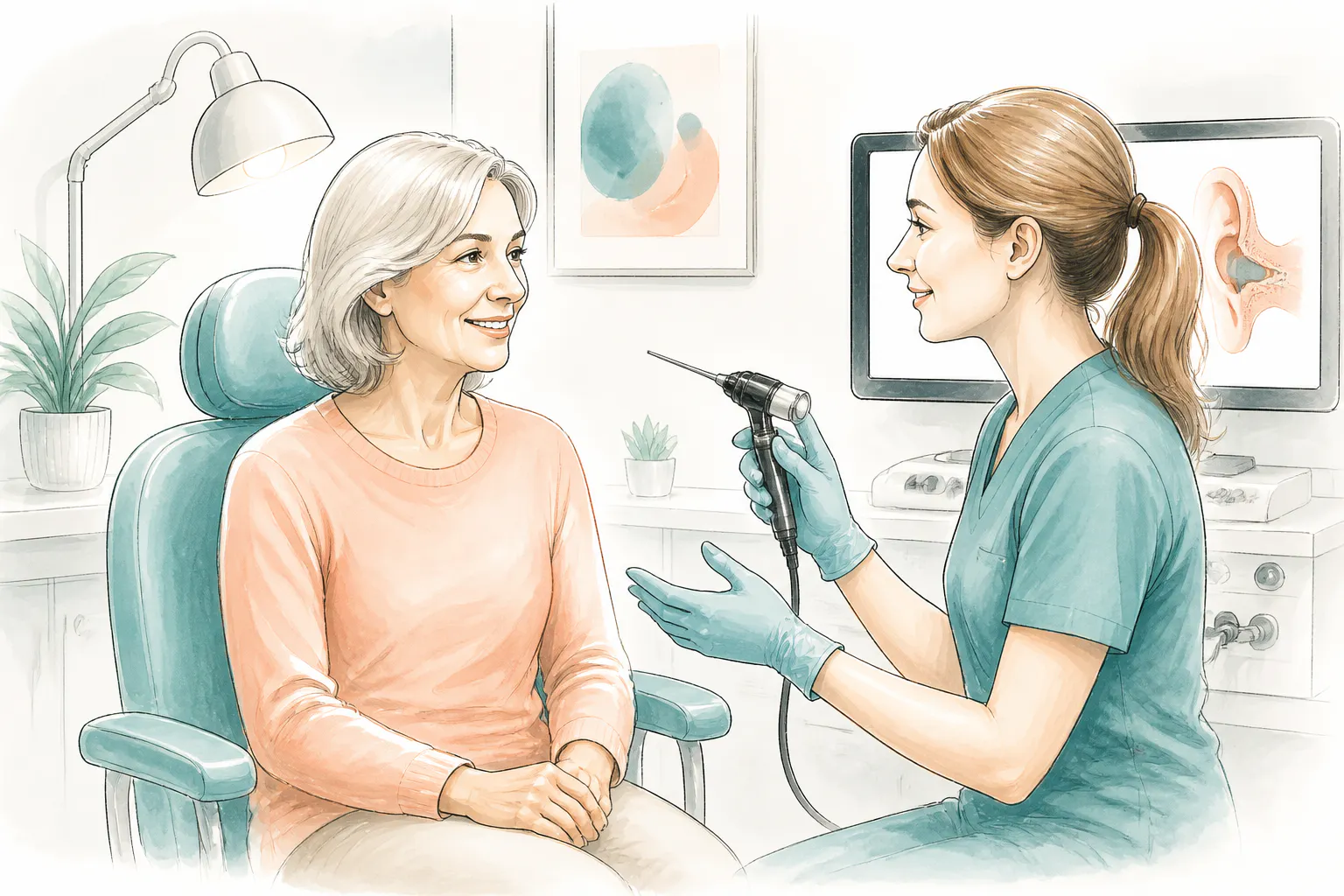
A good rule of thumb is simple. If you want fast relief and can travel, a clinic appointment may be the best fit. If leaving home is difficult, a home visit is often more convenient. If the symptoms are more complex, or you are unsure whether wax is the only cause, book a professional ear health assessment before choosing a method.
How to choose earwax removal near you in Bristol
The phrase “earwax removal near me” sounds simple, but the right answer depends on your circumstances. Bristol has a mix of private clinics, mobile services, and general health providers, so it helps to narrow the choice using a few practical questions.
Start with location and access. If you live centrally, or near transport links, a clinic may be straightforward. If you live further out, care for someone at home, or are managing stairs, buses, or parking, a home appointment may save a lot of stress. For older adults, that convenience can make the difference between getting treatment soon and putting it off.
Next, consider urgency. If you have a blocked ear that is affecting hearing, work, or daily communication, you may want the quickest available appointment. If you are a hearing aid user, wax build up can make devices less effective and may need prompt attention. If you are anxious about treatment, look for providers who explain the process clearly and use gentle techniques.
Your ear history matters too. Repeated blockages, prior ear surgery, perforations, grommets, chronic ear infections, or discomfort with pressure or noise should all influence the choice of method. In those situations, a professional assessment is better than trying to guess what is happening.
For carers and family members, convenience is important, but so is continuity. If someone in a care home needs wax removal, a provider who offers on site treatment may reduce disruption, avoid unnecessary travel, and make it easier to coordinate with staff.
A simple checklist can help:
- Do I need treatment quickly, or can I wait a few days?
- Can I travel safely to a clinic, or would a home visit be easier?
- Do I have any ear health concerns that need assessment first?
- Am I looking for the gentlest option, or the most convenient one?
- Would I prefer a full ear health check as part of the appointment?
If you want to understand a treatment approach in more depth, you may find How microsuction works useful. If you are still deciding between appointment types, Book an ear health assessment is a practical starting point.
For general background, the NHS explains when earwax can be managed safely and when you should seek help: NHS guidance on earwax build-up.
Comparison table: Bristol earwax removal methods, costs, speed and suitability
The table below compares the main earwax removal options you are likely to see in Bristol. Exact pricing and appointment availability vary by provider, location, and whether treatment is done in clinic or at home.
Method | Typical setting | Best for | Speed | Main pros | Main limitations |
|---|---|---|---|---|---|
Microsuction | Clinic, sometimes mobile | Most blocked ear cases, anxious patients, hearing aid users, people wanting precision | Often quick, sometimes same day | No water in the ear, accurate, commonly well tolerated, direct visual control | May not suit every ear condition, needs trained clinician |
Clinic earwax removal | Ear clinic or audiology setting | People who can travel and want a full assessment | Usually quick once booked | Specialist equipment, structured assessment, easy follow up | Travel and waiting time may be inconvenient |
Home visit earwax removal | Home, care home, supported living | Older adults, frail patients, carers, people with mobility issues | Convenient, but scheduling may vary | No travel required, ideal for limited mobility, less stressful for vulnerable patients | Equipment can be more limited than in clinic, appointment windows may be broader |
Water irrigation | Clinic or some primary care settings | Selected cases where wax is suitable for irrigation | Can be fast if appropriate | Familiar method, effective in some simple blockages | Not suitable for all ears, water based, may need more caution with ear history |
When comparing services, look beyond the method name. Ask whether the provider offers an ear health assessment, what happens if wax is too hard or the ear is not suitable for removal on the day, and whether aftercare is included. A lower price is not always the best value if you need a second appointment or a method that is less appropriate for your ears.
The British Society of Audiology guidance on earwax removal is a useful reference point for safe practice, especially when comparing methods and understanding why proper assessment matters.
Microsuction: why many patients choose it for fast, gentle relief
Microsuction is one of the most widely used methods for earwax removal in specialist settings. In plain English, it involves using a fine suction device, under direct view, to remove wax from the ear canal. Because the clinician can see what they are doing, the treatment is usually precise and controlled.
One reason many people prefer microsuction is that it does not involve putting water into the ear. That matters for patients who have had ear problems before, those who dislike the feeling of water, and people who want a cleaner, more targeted approach. It is often described as a gentle option when performed by an experienced clinician who explains each step.
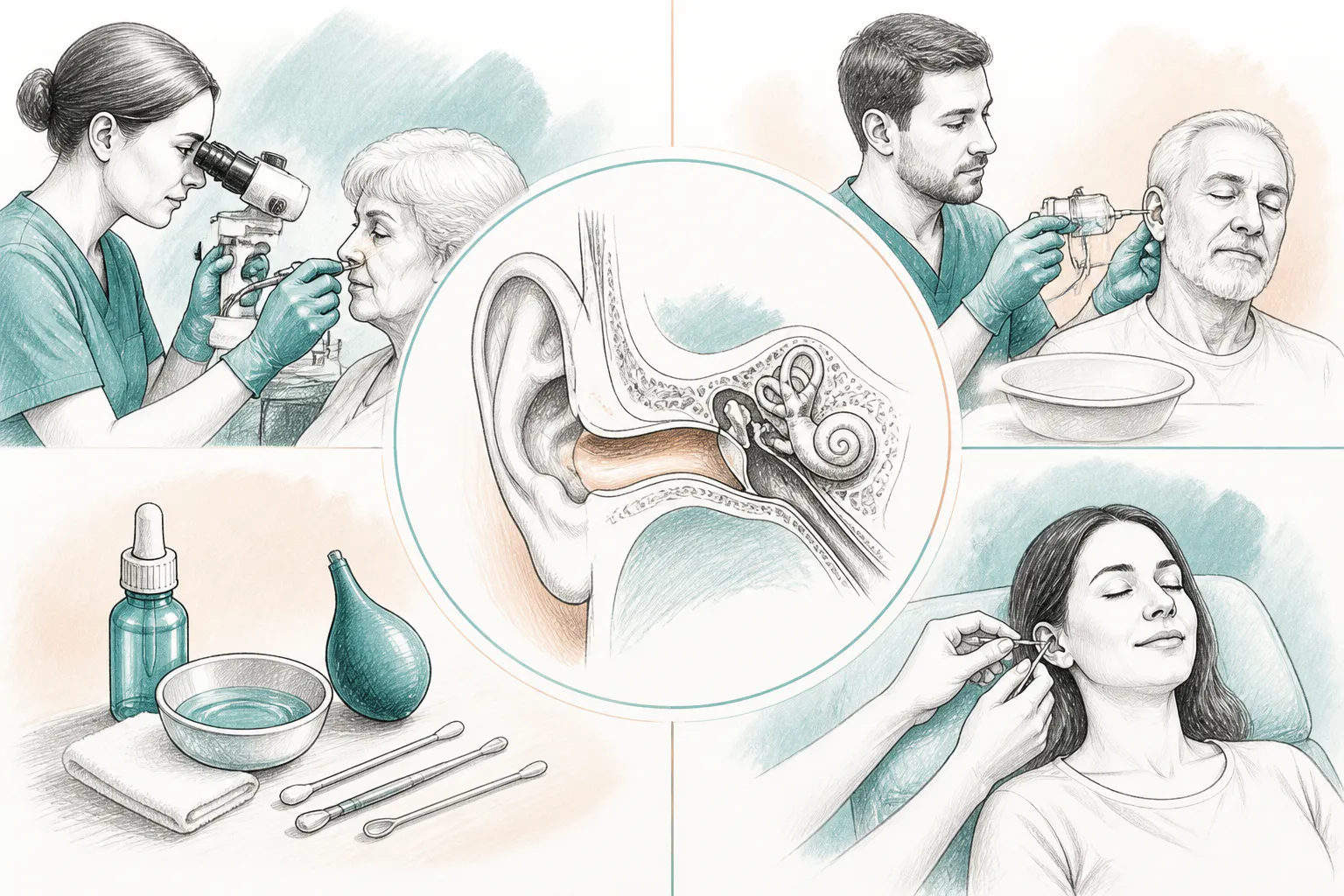
Microsuction can be especially suitable for people with stubborn build up, hearing aid users, and those who have tried drops or had blocked ears return repeatedly. It is also often chosen by patients who want a quick appointment with immediate improvement in hearing or pressure.
That said, no earwax removal method is automatically right for everyone. A clinician should assess the ear first. If there are signs of infection, a perforated eardrum, recent surgery, or unusual pain, the treatment plan may need to change. Good providers do not rush this part.
If you want a fuller explanation of the process, see How microsuction works. If you are comparing methods, Microsuction vs ear syringing is a useful read as well.
From a patient perspective, microsuction often strikes the best balance between speed and reassurance. It is a strong choice if you want a modern, evidence based treatment and you would rather not wait for wax to loosen over several days.
Clinic earwax removal versus home visit earwax removal
Choosing between a clinic and a home visit is often less about the wax itself and more about convenience, comfort, and overall needs.
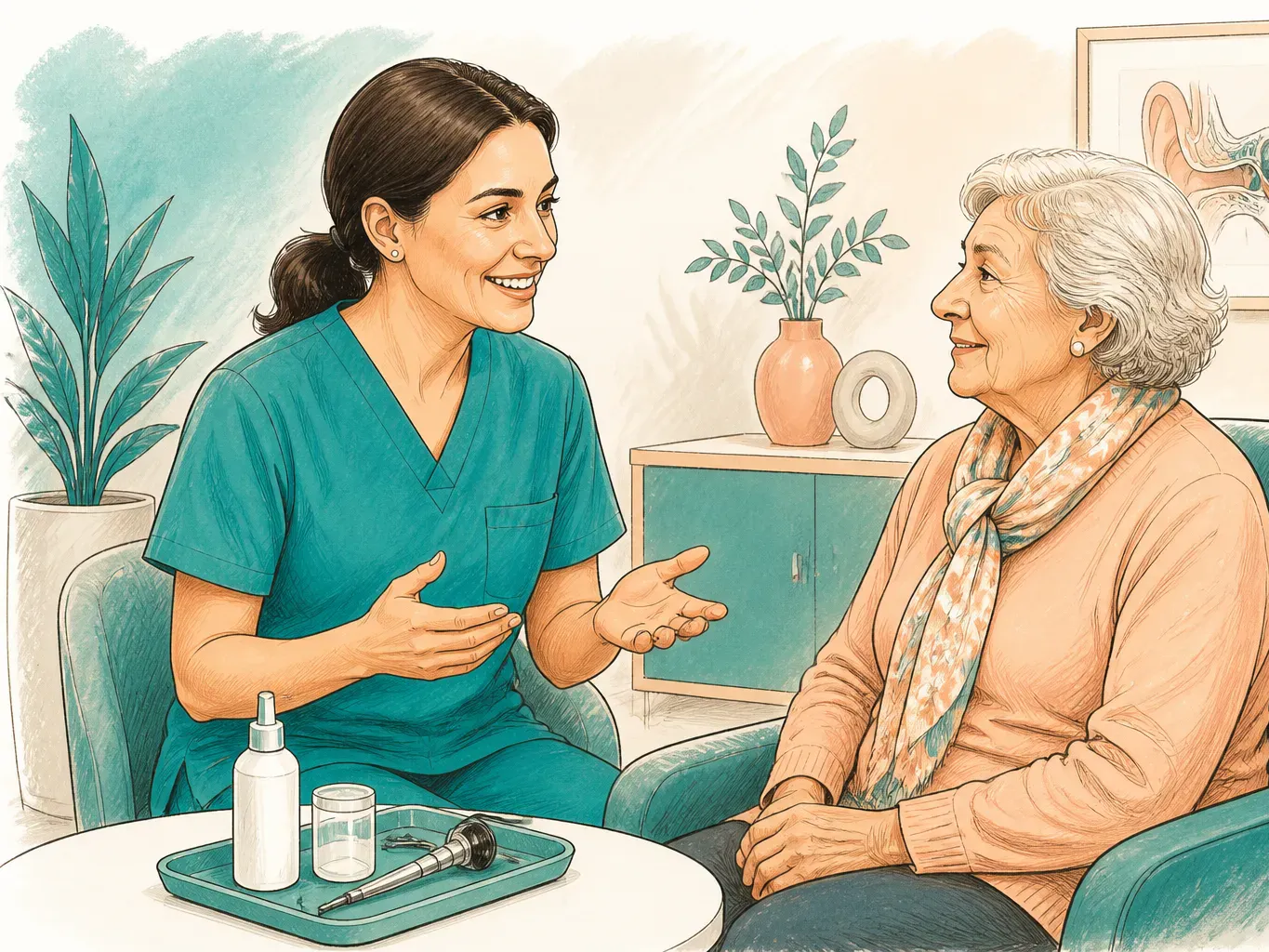
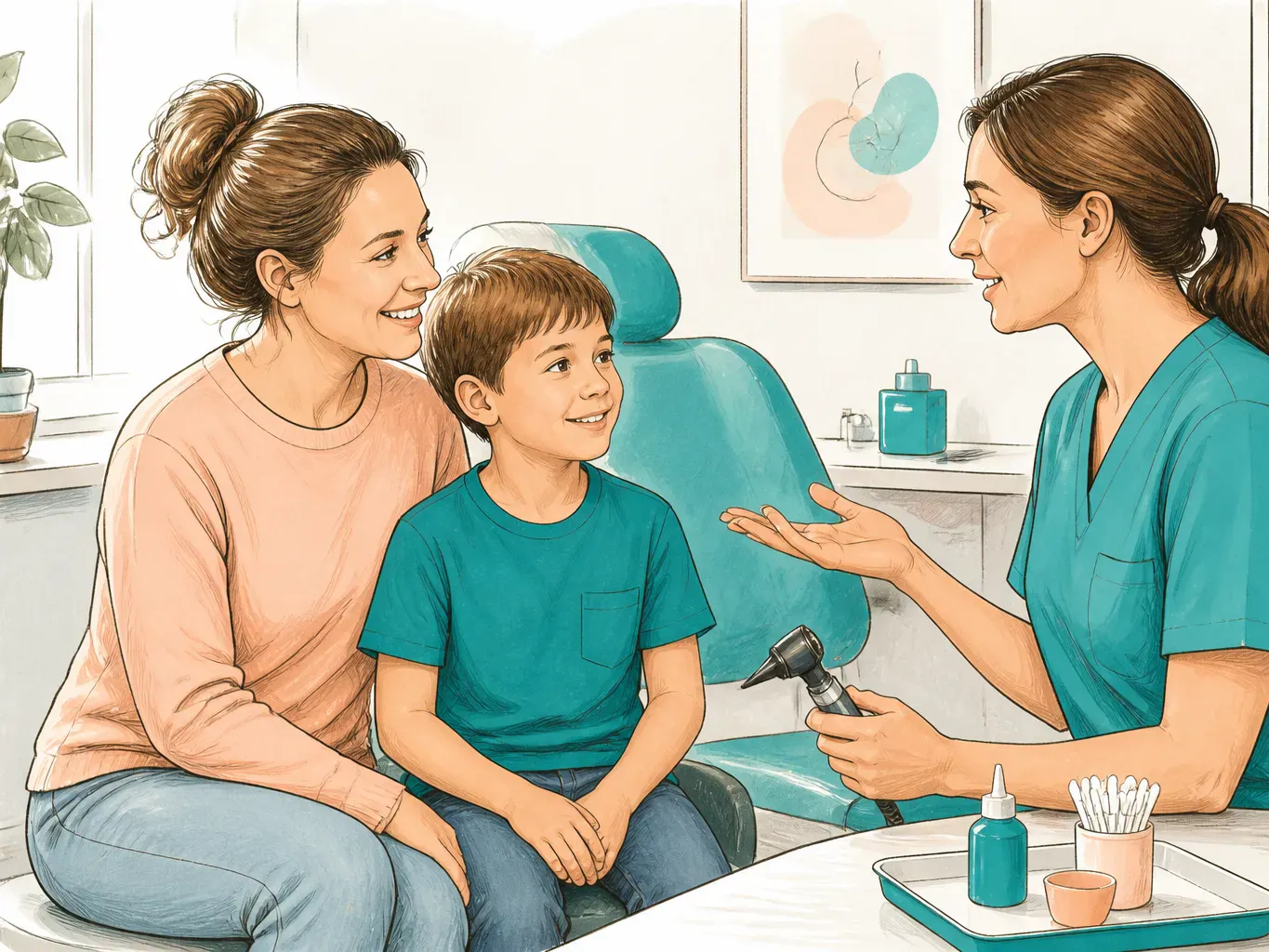
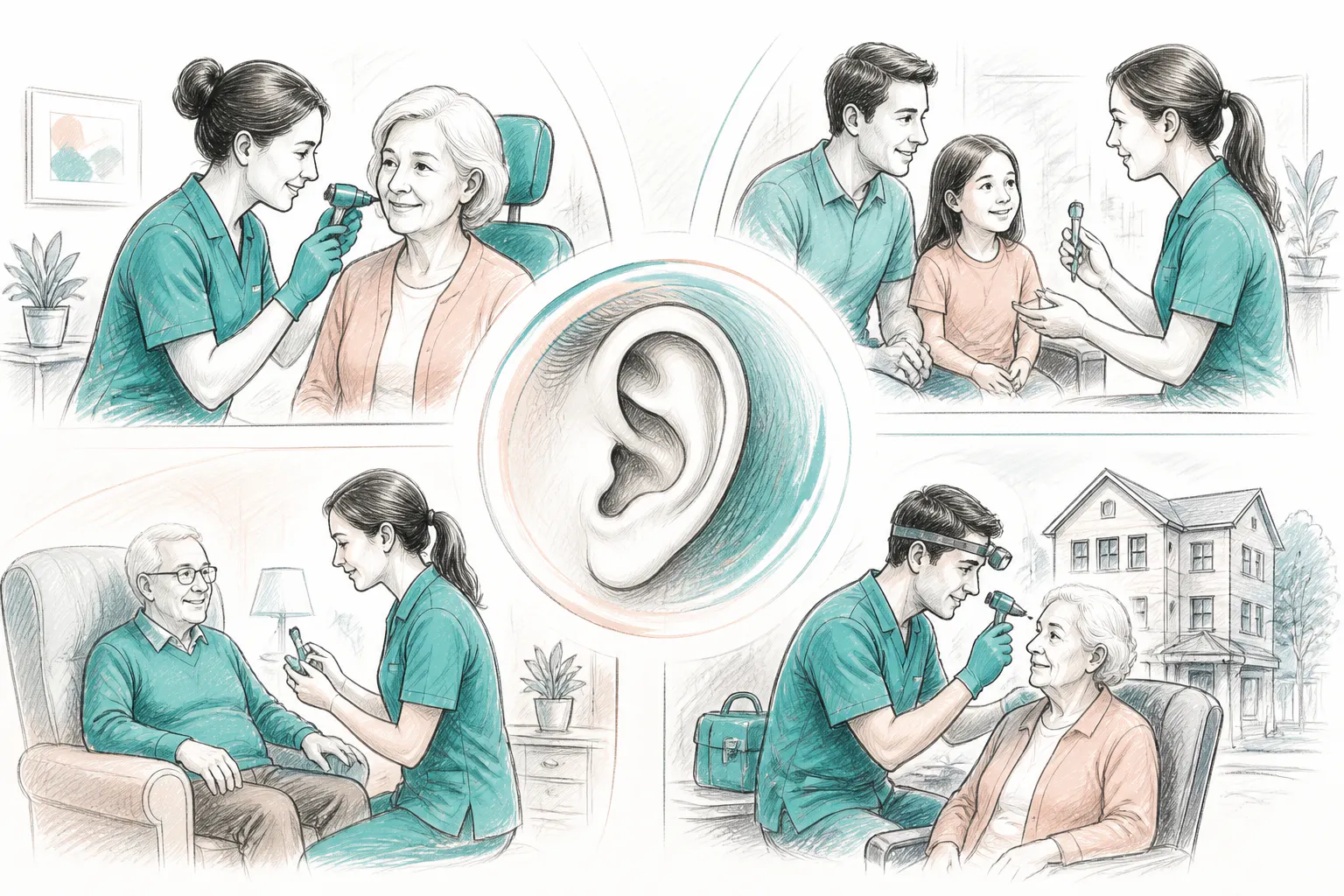
A clinic appointment works well for many people because the environment is set up for ear care. The clinician usually has a broader range of equipment available, can complete a more structured examination, and may be able to advise on additional ear health issues at the same visit. Clinic care can feel reassuring if you want a professional setting and prefer everything to be checked in one place.
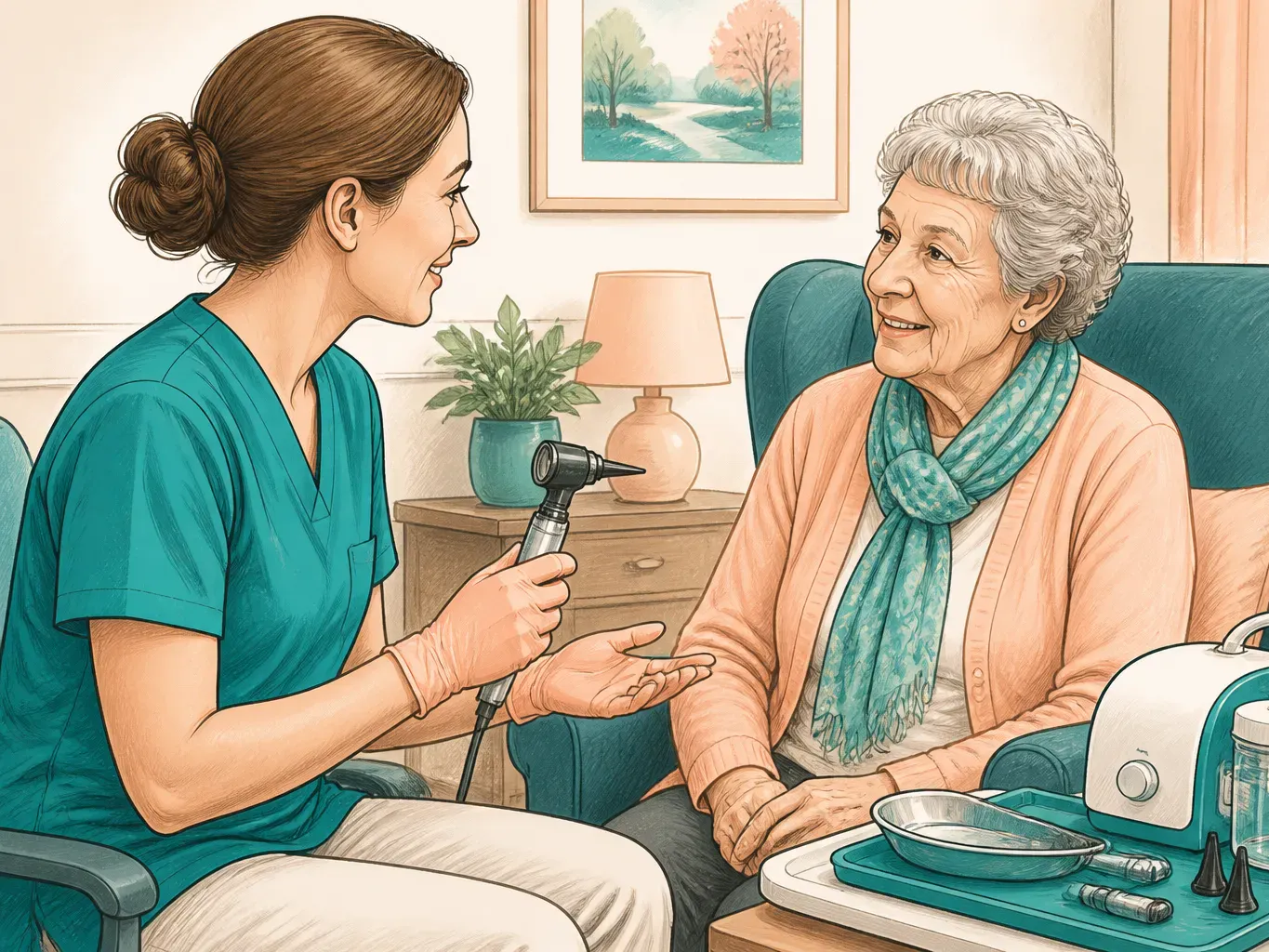
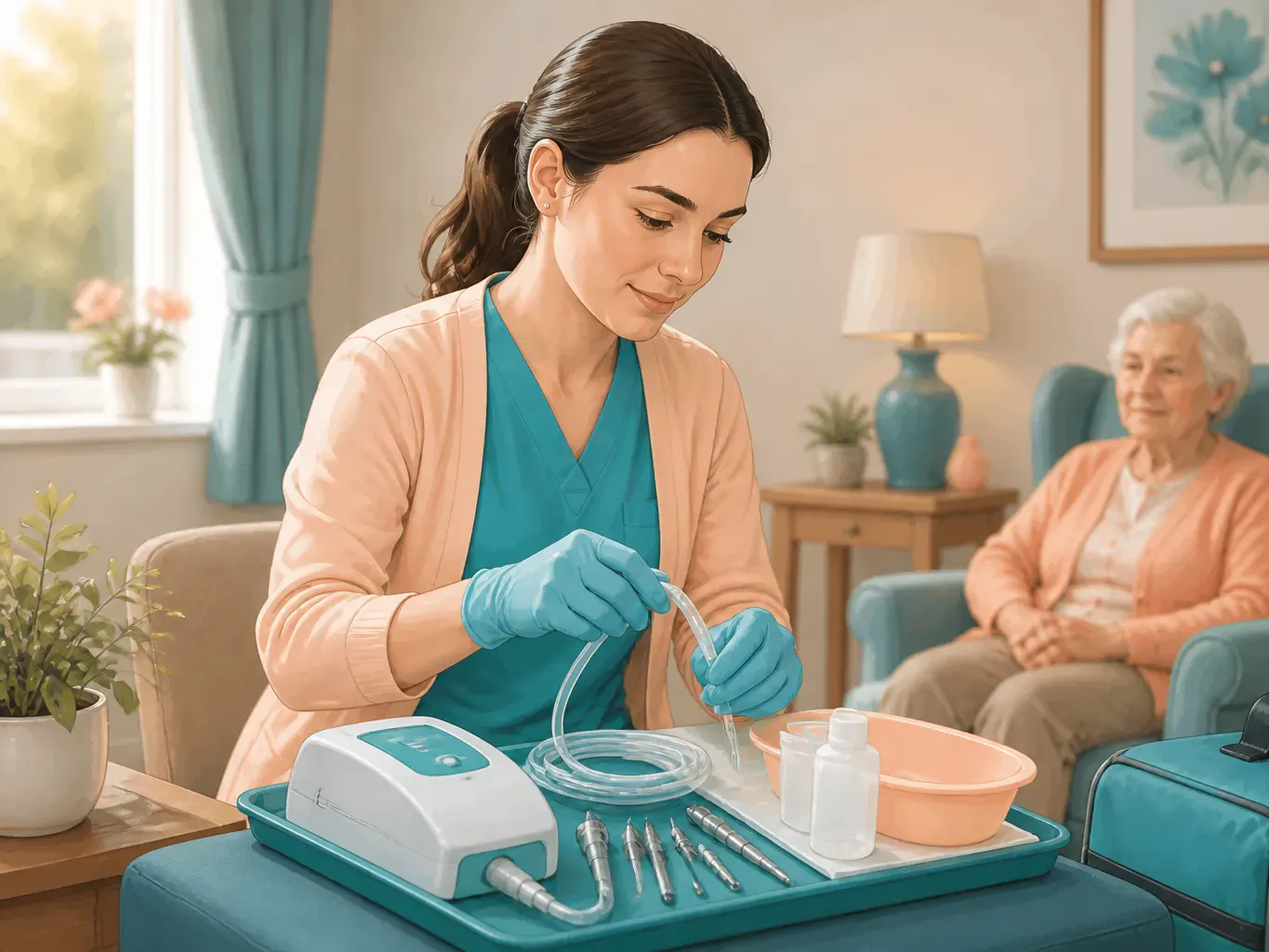
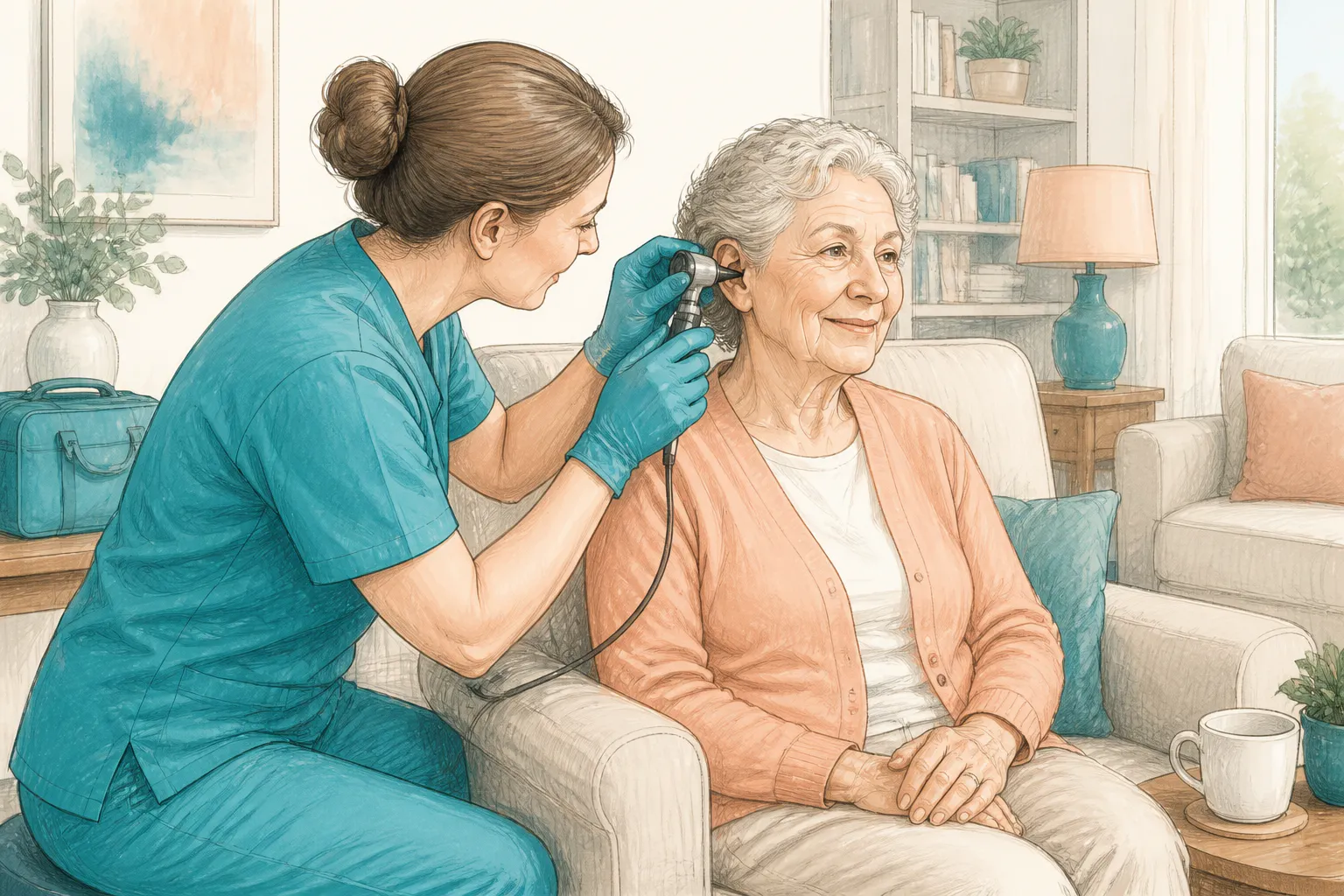
Home visit earwax removal is different. It is designed for people who cannot easily travel, do not want to navigate transport, or would feel more comfortable being treated in their own familiar surroundings. This is particularly useful for older adults, care home residents, and people with reduced mobility or anxiety about leaving home.
There are some practical differences to think about:
- Convenience: Home visits win when travel is difficult. Clinics win when you can travel easily and want a wider assessment.
- Privacy: Both can be discreet, but some people feel more relaxed at home, while others prefer the professional structure of a clinic.
- Equipment: Clinics may have more comprehensive equipment on site. Home visits are still effective, but the setup must be portable.
- Access for carers: Home visits can make life easier for family members and care staff, because they reduce the need for transport and coordination.
- Urgency: Clinic slots may sometimes be easier to fit into a same day or short notice schedule, while home visits depend on route planning and appointment availability.
If you are booking for a parent, relative, or resident in care, home treatment can be a very practical solution. If you are unsure whether wax is the only issue, or want a more detailed ear check, a clinic appointment may be the better starting point.
For local readers, Clinic earwax removal in Bristol and Home visit earwax removal in Bristol are useful pages to review before booking.
Safety, risks and when not to use home remedies
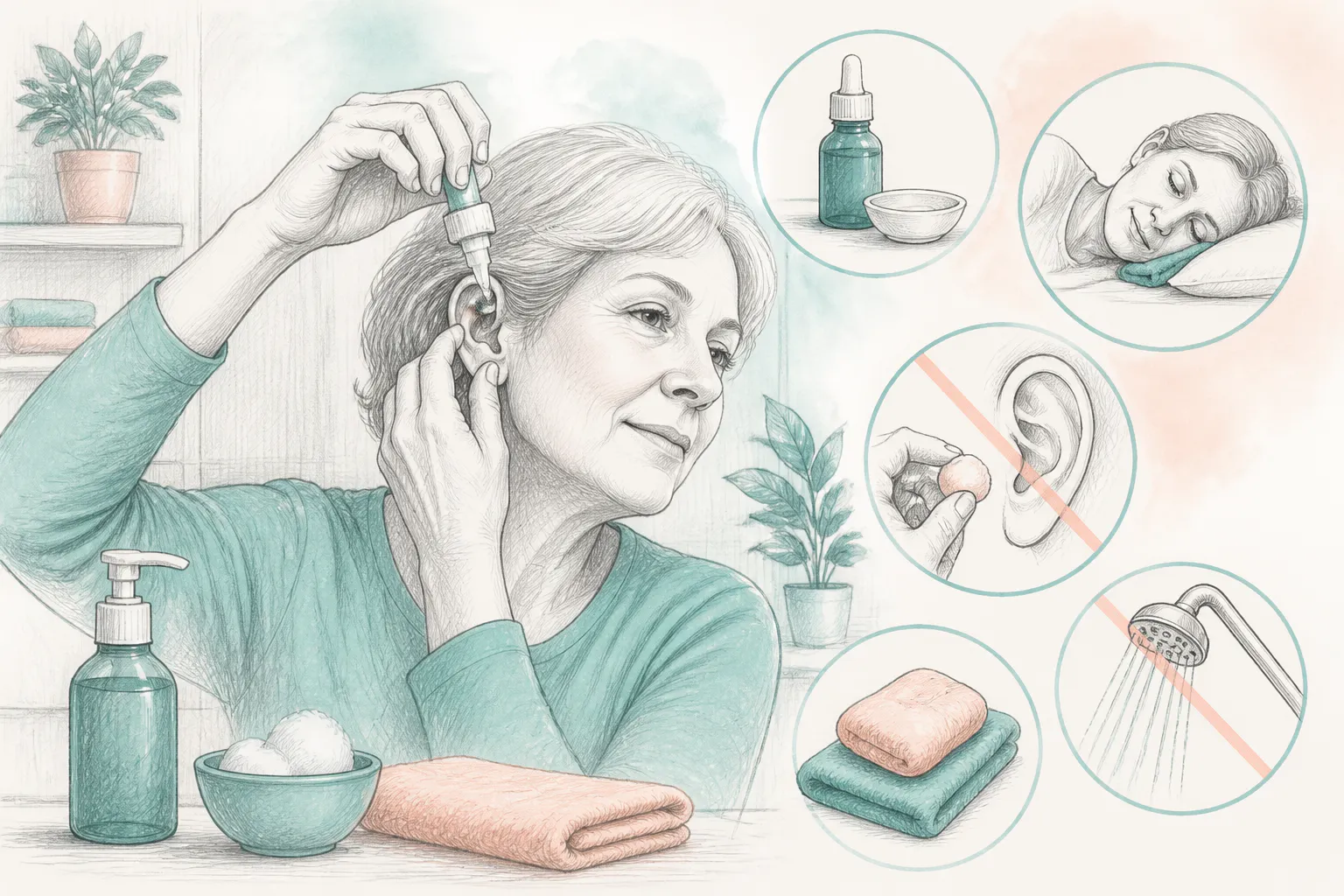
Safe earwax management starts with knowing what not to do. Cotton buds should be avoided because they can push wax deeper into the ear canal, making the blockage worse and sometimes causing irritation. Ear candling is also not recommended. It does not reliably remove wax and can create a burn or injury risk.
Some people find that softening drops, such as olive oil, help before an appointment. This can make wax easier to remove, especially if it is dry or compacted. However, softening is not a cure all. If the ear is painful, leaking, or there are symptoms beyond simple blockage, drops should not be treated as a substitute for assessment.
Seek professional advice rather than self treating if you notice any of the following:
- Ear pain or tenderness
- Discharge or a bad smell from the ear
- Fever or feeling generally unwell
- Dizziness or balance problems
- Sudden hearing loss
- Recent ear surgery
- A known or suspected perforated eardrum
- Recurrent ear infections
- Ongoing tinnitus that feels new or significantly worse
These symptoms can mean the cause of your problem is not just wax. A proper examination helps avoid unnecessary delay.
The UK’s NICE guidance on hearing loss and earwax management supports careful assessment and appropriate referral when symptoms are more complex. Bristol residents may also find local public health and care information useful through Bristol City Council public health and care information.
If you are unsure whether home softening is appropriate, ask the provider before your appointment. A good clinic will tell you clearly whether drops are helpful and whether you should avoid them in specific circumstances.
What to expect before, during and after treatment
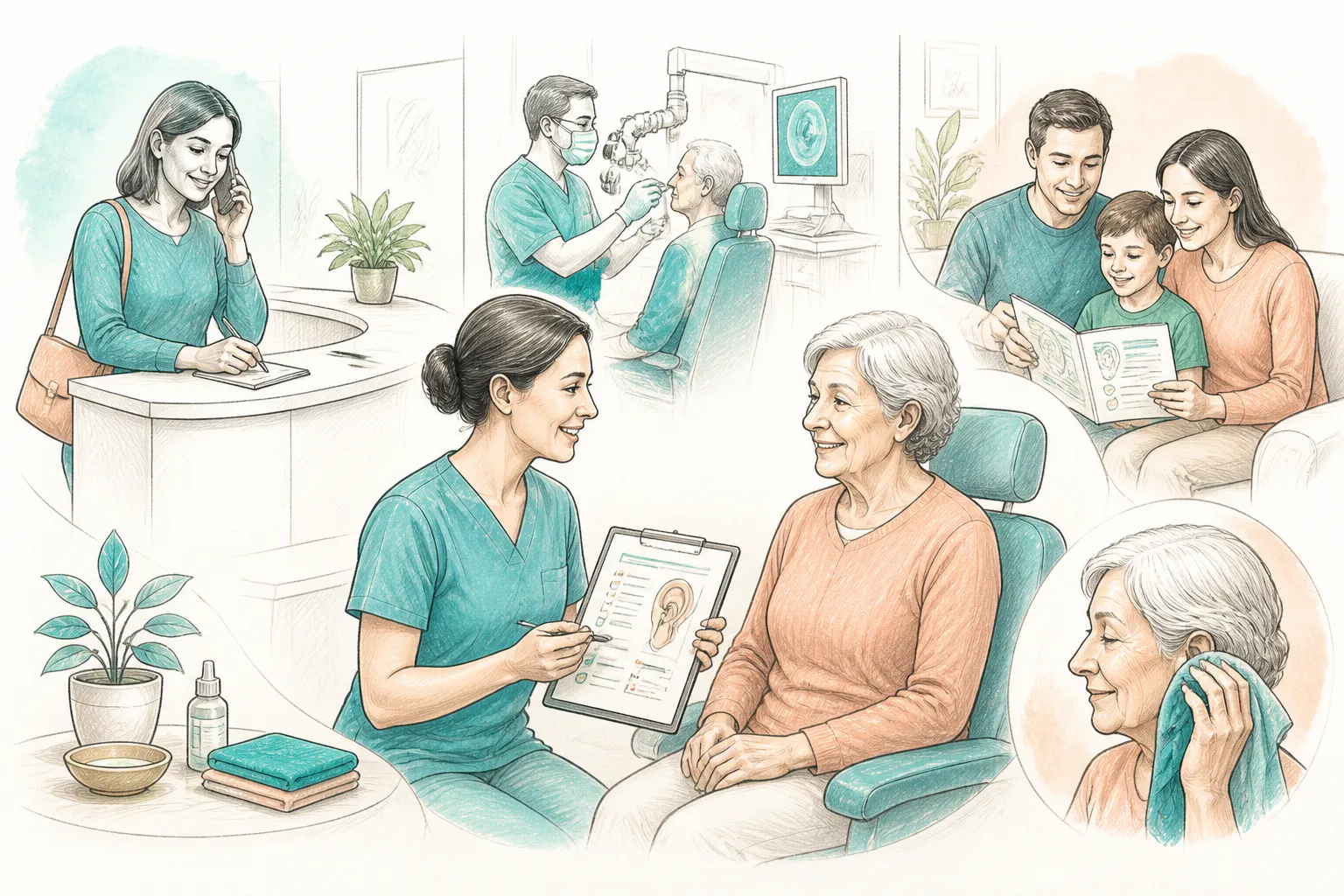
A good earwax appointment should feel calm, clear, and unhurried. If you are nervous, that is completely normal. Many first time patients worry about noise, discomfort, or whether the blockage will be too hard to remove, but a professional should guide you through the process step by step.
Before the appointment, you may be asked to soften the wax for a few days, depending on your situation. You might also be asked about your ear history, hearing aids, pain, previous infections, or surgery. If you wear hearing aids, it is helpful to bring them or note the details, because wax buildup can affect device performance and may recur.
During treatment, the clinician will usually inspect the ear first. They then choose the most appropriate method and explain what they are about to do. With microsuction, you may hear a soft suction sound, but the process should still be manageable and closely monitored. Comfort matters, so the clinician should check in with you throughout.
After treatment, many people notice improved hearing, less pressure, or a general sense of relief straight away. Some mild temporary sensitivity can occur, especially if the ear was quite blocked or the canal was irritated. You may be advised to keep the ear dry for a short period or to return if symptoms do not improve as expected.
Good aftercare should include clear guidance on what is normal and what is not. If you still feel blocked, dizzy, or sore after treatment, you should contact the provider for advice rather than assuming it will settle on its own.
This is one reason specialist services matter. They do not just remove wax, they help you understand why it happened and what to do next.
Recommended reads and local next steps
If you are deciding on your next step, these resources may help:
- Microsuction ear wax removal, for a closer look at the most popular specialist treatment
- How microsuction works, for first time patients who want a simple explanation
- Microsuction vs ear syringing, for a direct comparison of the two approaches
- Clinic earwax removal in Bristol, if you can travel and want an in person assessment
- Home visit earwax removal in Bristol, if travel is difficult or you are arranging care for someone else
- Book an ear health assessment, if you are not sure which treatment is right
- Contact ProEarClinic, if you want tailored advice before booking
For many patients, the smartest move is not to wait until the blockage becomes frustrating or painful. A quick assessment can save time, reduce anxiety, and help you choose the safest option first.
FAQs about earwax removal near me in Bristol
What is the best earwax removal option near me in Bristol?
The best option depends on your needs. Microsuction is often the best all round choice for speed and precision, while home visit treatment is often best for people who cannot travel easily. If your symptoms are unclear, an ear health assessment is the safest place to start.
Is microsuction better than ear syringing for blocked ears?
Microsuction is often preferred because it is done under direct view and does not use water in the ear canal. That said, the right method depends on the ear exam and your medical history. A clinician should decide what is suitable for you.
Can earwax removal be done at home in Bristol?
Yes, in many cases it can. Home visit earwax removal is a practical choice for older adults, care home residents, and anyone with mobility issues or limited transport. It is important to choose a provider that can assess whether your ears are suitable for treatment in a home setting.
How quickly can I get earwax removal if I need urgent relief?
Availability varies by provider, but many patients can be seen quickly, especially in a specialist clinic. If you need rapid help, ask whether same day or short notice appointments are available. If symptoms include pain, discharge, dizziness, or sudden hearing loss, seek clinical advice rather than waiting for routine wax removal.
Do I need to soften earwax before my appointment?
Sometimes, yes. Softening drops can make removal easier if the wax is dry or compacted. However, you should only do this if the provider says it is appropriate for your ears. If you have pain, discharge, or a history of ear problems, ask first.
Is earwax removal safe for older adults or hearing aid users?
Yes, it can be safe when done properly and after an appropriate assessment. Older adults often benefit from gentle, accessible care, including home visits. Hearing aid users may also need regular wax checks because build up can affect sound quality and device performance.
When should I avoid earwax removal and seek medical advice instead?
Do not book routine wax removal as the only solution if you have ear pain, discharge, fever, dizziness, sudden hearing loss, or a suspected eardrum perforation. In those cases, medical assessment is more important than immediate wax removal.
If you are weighing up earwax removal near me in Bristol, think about safety first, then convenience, then speed. The right provider should make the process feel clear, gentle, and appropriate for your situation, whether that means a clinic appointment or a home visit.