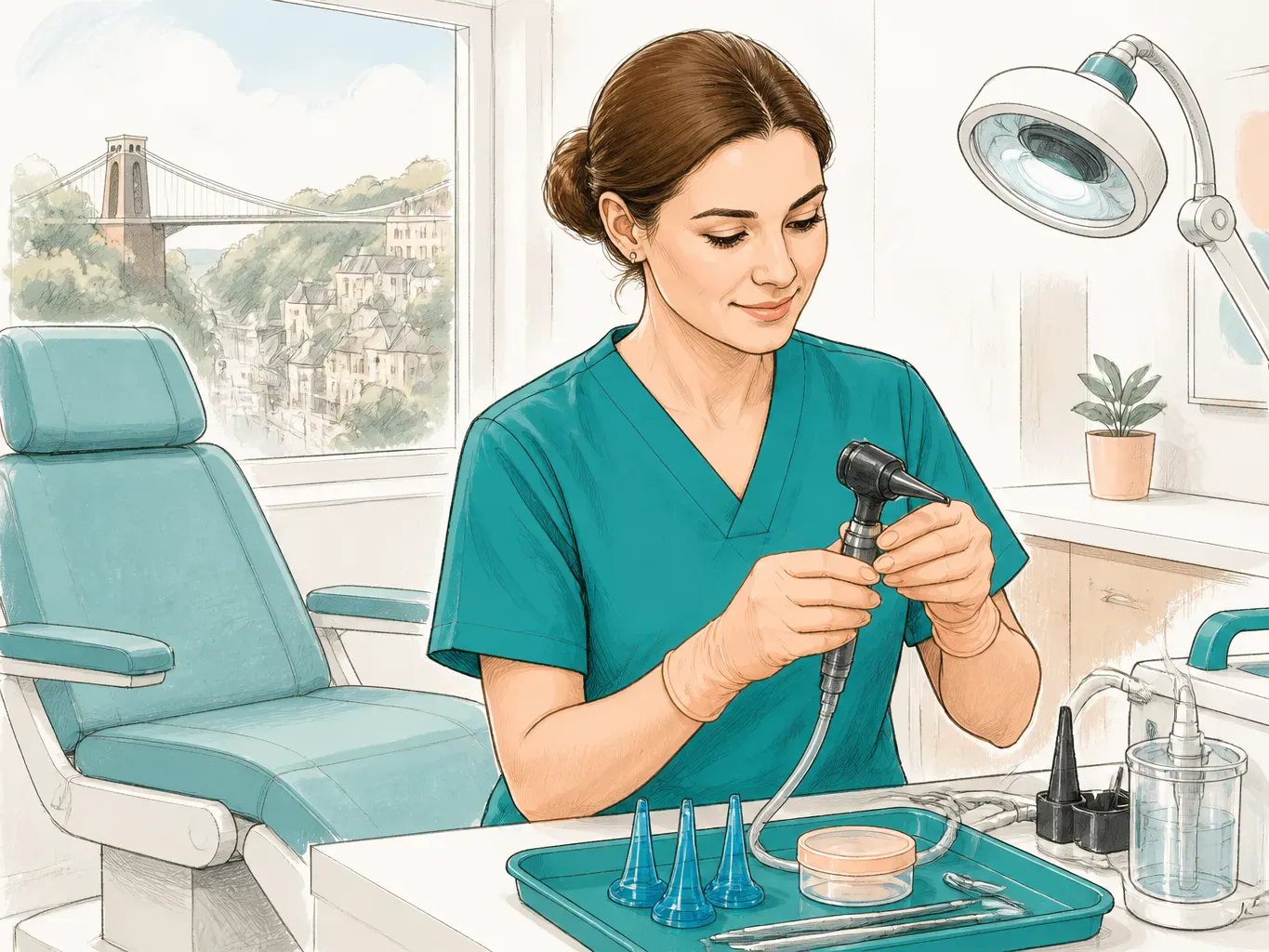
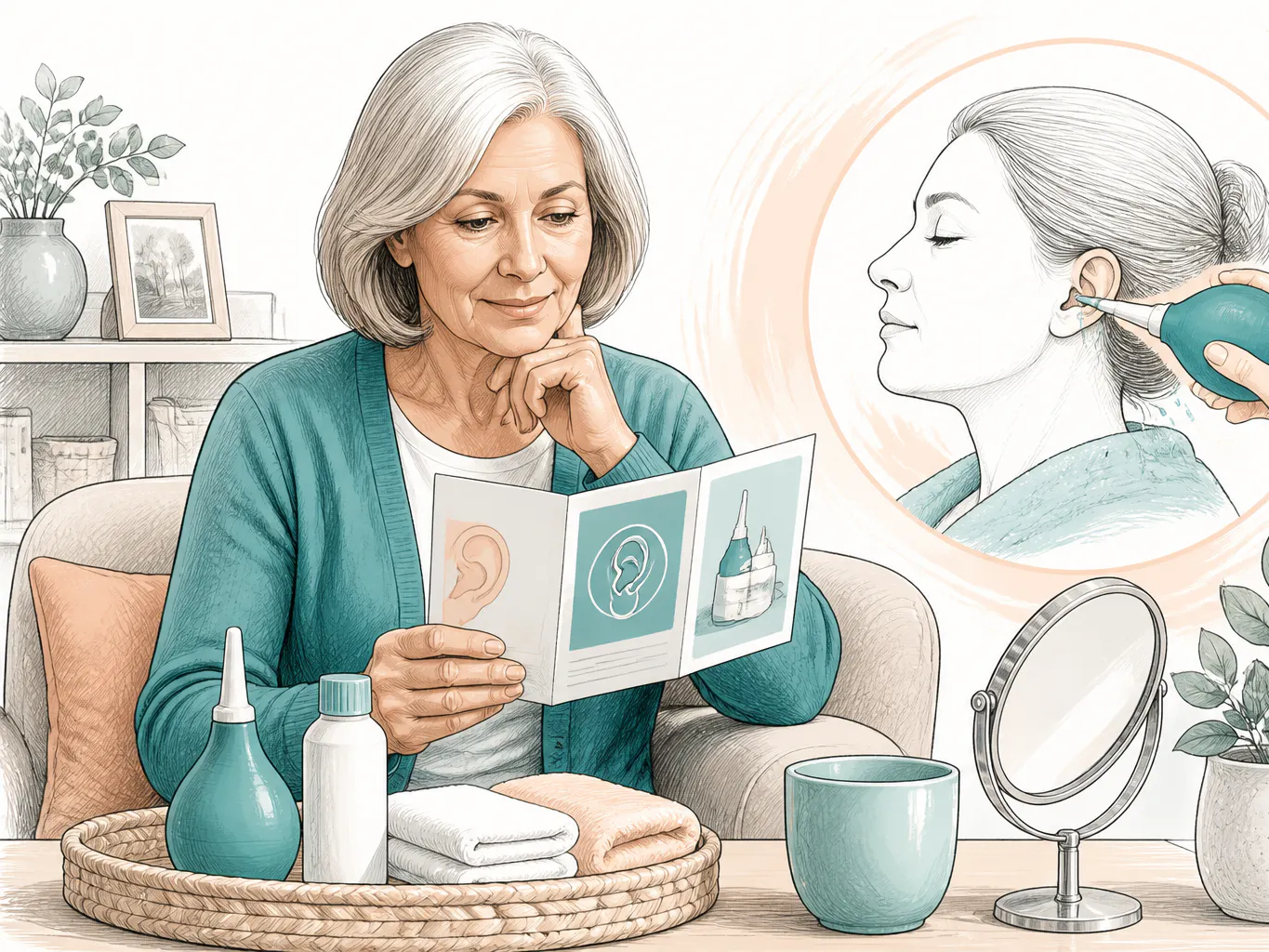
Ear syringing at home in the UK is not recommended, and true ear syringing should not be carried out as a DIY procedure. What most people really need is safer earwax softening, advice on when to stop self-care, and a professional earwax removal method such as microsuction or irrigation when appropriate.
Introduction: what ear syringing at home means in the UK
If you are searching for ear syringing at home UK, you are probably looking for a fast way to clear blocked ears without leaving the house. The short answer is that true ear syringing should not be done at home, because it can be unsafe and may make the problem worse. In most cases, the safer home step is to soften earwax first, then arrange professional removal if the blockage does not clear.
Quick summary: the safest way to deal with blocked earwax at home
For many people, the safest first step is simple earwax softening, usually with olive oil drops if these are suitable for you. If your hearing remains muffled, your ear feels blocked after a few days, or you have any pain, discharge, or dizziness, it is better to book a professional ear assessment than to keep trying DIY removal.
Option | Best for | Convenience | Typical risk | Speed of relief |
|---|---|---|---|---|
Olive oil softening at home | Mild wax build-up, cautious self-care | High | Low when appropriate | Slow, usually days |
Home irrigation kit | Some adults with a simple blockage | Medium | Moderate to higher than softening | Moderate |
GP or nurse irrigation | People suitable for water-based removal | Medium | Lower than DIY, but still procedure-based | Often same day or short wait |
Clinic microsuction | Fast relief, wax that needs precise removal | Medium to high | Low when performed by trained clinician | Usually immediate |
Home visit earwax removal | Frail patients, elderly clients, care home residents | Very high | Low when done by specialist | Usually immediate |
The practical rule is simple: home care can help prepare the ear, but professional treatment is usually the safer choice for faster, more reliable relief. If you want a deeper comparison between techniques, our guide to Microsuction vs ear syringing is a helpful next read.

What people usually mean by ear syringing at home
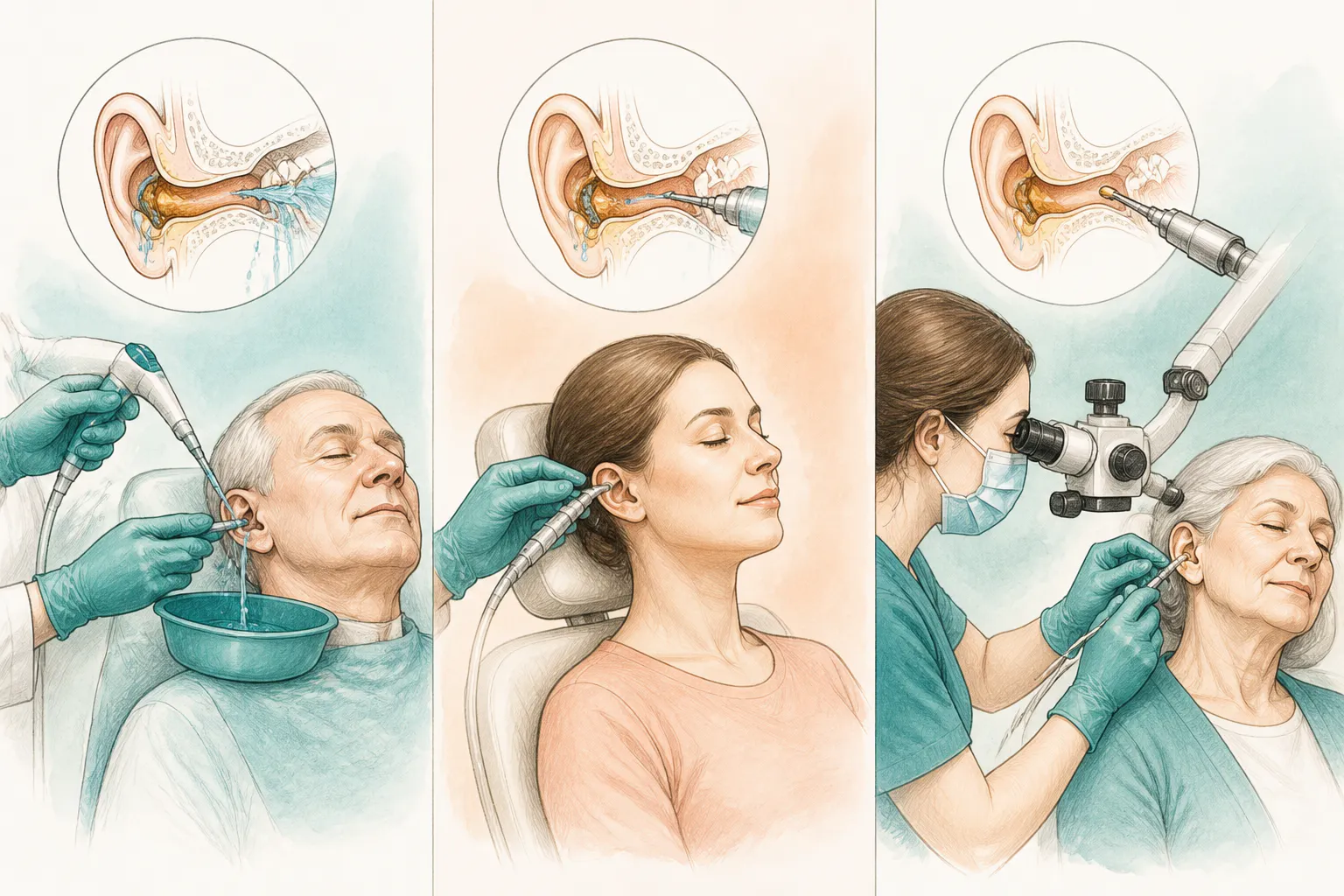
The phrase ear syringing often gets used loosely online, but it can mean several different things. Traditional ear syringing used a controlled stream of water to flush wax out of the ear canal. In modern UK practice, this term is used less often than it used to be, because many services now prefer irrigation systems or microsuction, depending on the patient and the type of wax involved.
People searching for home syringing may actually be looking at one of these options:
- ear irrigation kits sold for home use
- olive oil or other softening drops
- bulb syringes or squeeze bottles
- ear candles, which should not be used
- cotton buds, which can push wax deeper
- online gadgets marketed as ear cleaners
The issue is that some of these products can damage the ear if used without examination first. A blocked ear can be caused by wax, but it can also be linked to infection, trapped water, skin conditions, or other ear problems. That is why a simple home fix is not always the right answer.
If you are unsure whether wax is the issue, our overview of Blocked ears causes can help you understand the possibilities before you try anything else.
Is home ear syringing safe in the UK?
In general, no, DIY ear syringing is not considered safe in the UK. It can cause pain, infection, dizziness, a perforated eardrum, or worsening blockage if wax is pushed further into the canal. The risk rises sharply if you have never had your ears examined, because you cannot know whether the eardrum is intact or whether there is another reason for your symptoms.
UK guidance tends to favour assessment before removal, especially when a person has recurring wax, a history of ear disease, or any ear symptoms beyond simple fullness. For example, the NHS guidance on earwax build-up explains when self-care is suitable and when professional help is needed. The NICE Clinical Knowledge Summaries on impacted earwax also support a cautious approach, particularly for patients with risk factors.
You should avoid home syringing entirely if you have:
- a perforated eardrum or a history of eardrum perforation
- grommets or a recent ear operation
- ear pain, discharge, bleeding, or suspected infection
- severe hearing loss that started suddenly
- previous problems with dizziness or vertigo during ear cleaning
- a known narrow ear canal or impacted wax that keeps returning
Professional clinicians also use a careful assessment to decide whether irrigation is suitable. The Royal College of Nursing guidance on ear irrigation highlights the importance of competence, assessment, and safety checks before the procedure is done.
Comparison table: home softening, ear irrigation, microsuction, and clinic visits
Choosing the right option depends on your symptoms, your comfort level, and whether you need immediate relief.
Method | How it works | Safety profile | Comfort | Speed | Suits whom best |
|---|---|---|---|---|---|
Olive oil softening | Softens wax over several days | Very safe when appropriate | Usually comfortable | Slow | People who want cautious home preparation |
Home irrigation kit | Uses water to try to flush wax out | Mixed, depends on ear health and technique | Can be uncomfortable | Fairly quick | Only selected adults with simple cases |
GP or nurse irrigation | Controlled water irrigation after assessment | Safer than DIY | Usually tolerable | Often quick | People suitable for water-based removal |
Microsuction | Uses gentle suction under direct view | Very safe in trained hands | Often well tolerated | Immediate | Anxious patients, recurrent wax, quick relief seekers |
Home visit earwax removal | Specialist comes to you | Very safe when provided by a qualified clinician | Often most comfortable for vulnerable patients | Immediate | Elderly clients, care home residents, people with mobility issues |
For many patients, microsuction is the most practical professional choice because it is precise, does not rely on water pressure, and can work well even when wax is hard or stubborn. If you are comparing service options, our Microsuction ear wax removal page explains the treatment in more detail, and our Water irrigation earwax removal page covers the water-based alternative.
How to soften earwax at home before treatment
If your ears are blocked with wax and you have no red flags, gentle softening is usually the safest home step. Olive oil is commonly used in the UK because it is inexpensive, easy to apply, and generally well tolerated when it is suitable for the individual. A dedicated guide such as our Olive oil and earwax: a safe home softening guide can help you use this approach sensibly.
A simple approach is:
- Lie on your side with the blocked ear facing up.
- Put a few drops of olive oil into the ear, if this has been recommended or is otherwise suitable.
- Stay in that position for a few minutes so the oil can settle.
- Repeat once or twice a day for a few days, unless advised otherwise.
- Stop if you feel pain, dizziness, or worsening blockage.
What to expect:
- You may notice no change for the first day or two.
- The wax may soften before it begins to move.
- Hearing may improve gradually, or not at all if the wax is tightly packed.
- You may still need professional removal even after softening.
Do:

- keep the ear dry apart from the softening drops
- read the product instructions carefully
- use a clean dropper or applicator
- seek help if the blockage does not improve after a few days
Do not:
- insert cotton buds, hairpins, or tools into the canal
- try repeated flushing if the ear hurts
- use ear candles
- keep adding drops for weeks without reassessment
For older adults and care home residents, gentle softening can be a helpful preparation step, but it should not replace a proper ear check if hearing is still reduced. A person with dementia, poor balance, or limited dexterity may be better supported by a family member or professional carer when arranging treatment rather than by trying to manage it alone.
When not to try anything at home
There are times when home treatment should stop immediately. Ear symptoms are not always caused by wax, and trying to remove the blockage yourself can make a different problem more complicated.
Avoid home earwax removal and get professional advice if you have:
- ear pain
- discharge or pus
- bleeding from the ear
- fever or feeling unwell
- sudden hearing loss
- severe ringing in the ears
- dizziness, spinning, or nausea
- a recent cold with marked ear pain
- a history of ear surgery, grommets, or eardrum damage
Children should not be managed with DIY syringing at home. Their ear canals are smaller, they may not sit still, and the risk of injury is higher. People with recurrent wax, eczema in the ear canal, diabetes, immune problems, or previous complications also need a more tailored assessment.
For care home residents and frail patients, the safest and least stressful option is often a professional appointment arranged around mobility needs. In some cases, a home visit is more appropriate than asking a vulnerable person to travel to clinic.
Best professional alternatives to ear syringing at home
If you cannot safely manage earwax at home, there are several professional options available in the UK. The best one depends on the type of wax, your ear history, and how quickly you want relief.

Microsuction
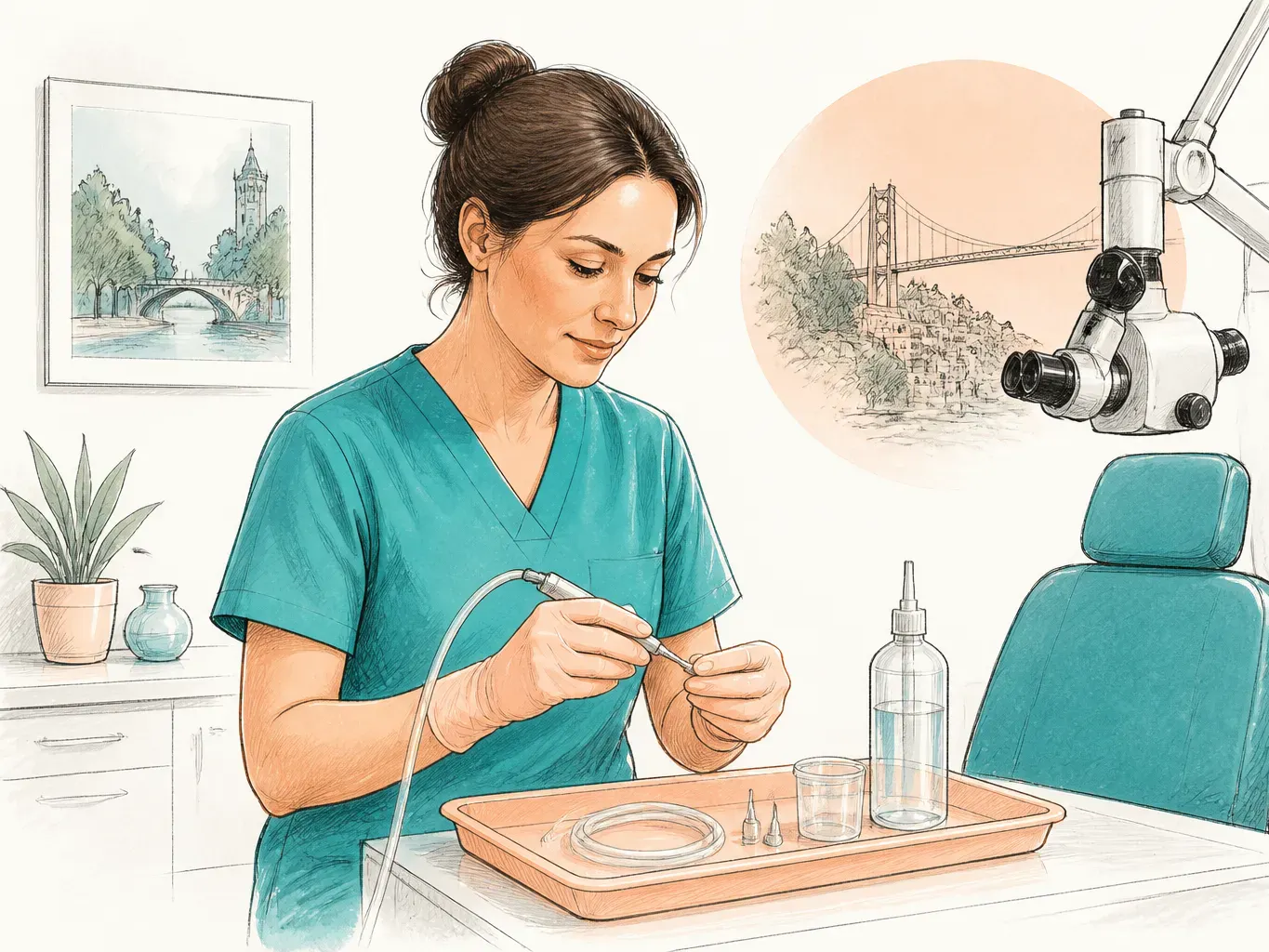
Microsuction uses a small suction device to remove wax while the clinician views the ear canal directly. It is often chosen because it is precise, does not rely on water pressure, and can be effective even when wax is dry or compacted. Many anxious patients prefer it because the clinician can explain each step and stop if needed.
Water irrigation
Water irrigation uses controlled water flow to dislodge wax after the ear has been assessed. It may suit some people, but not everyone. It is usually not the first choice for those with a history of ear problems, grommets, or recurring infections.
Home visit earwax removal
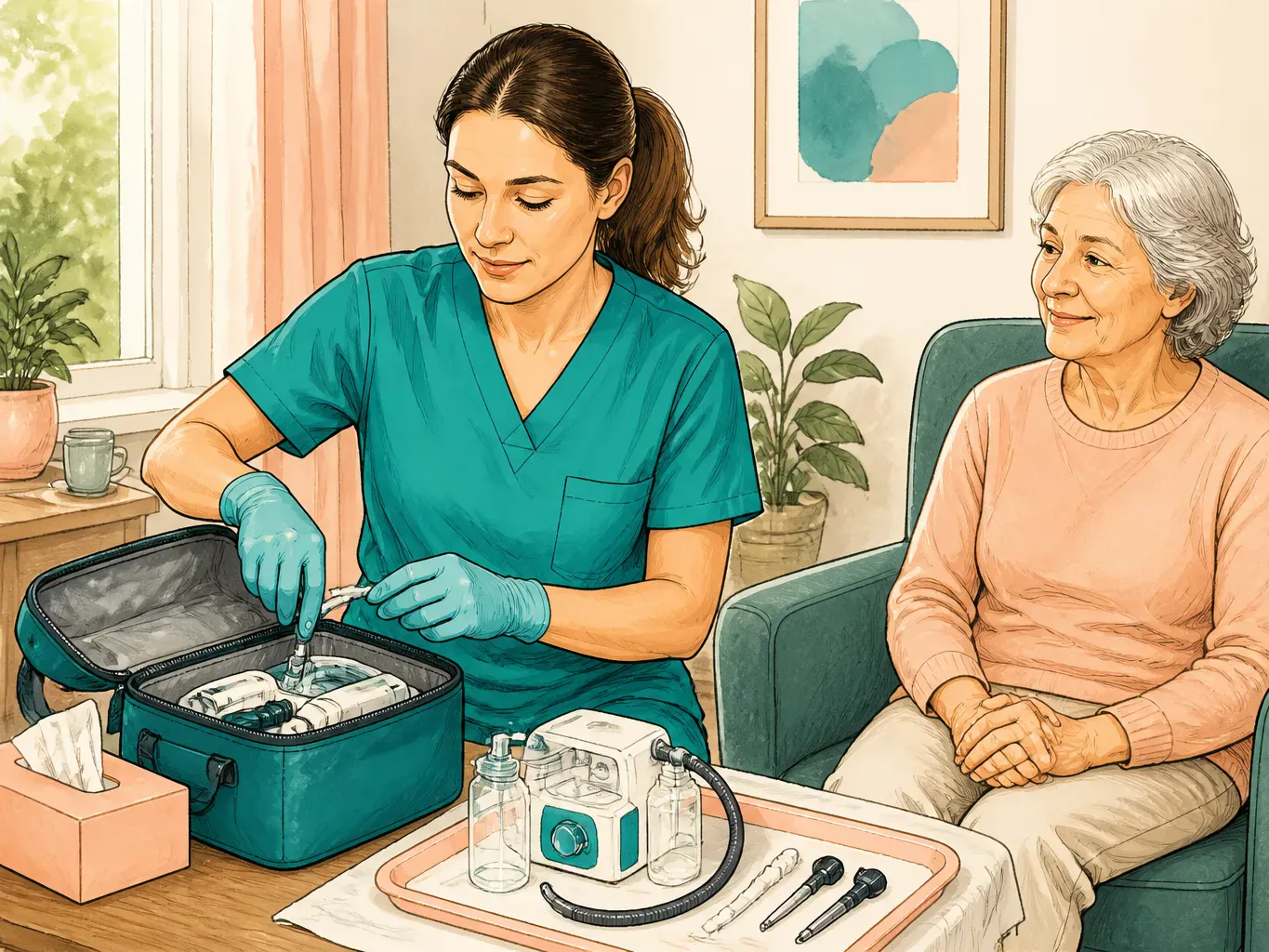
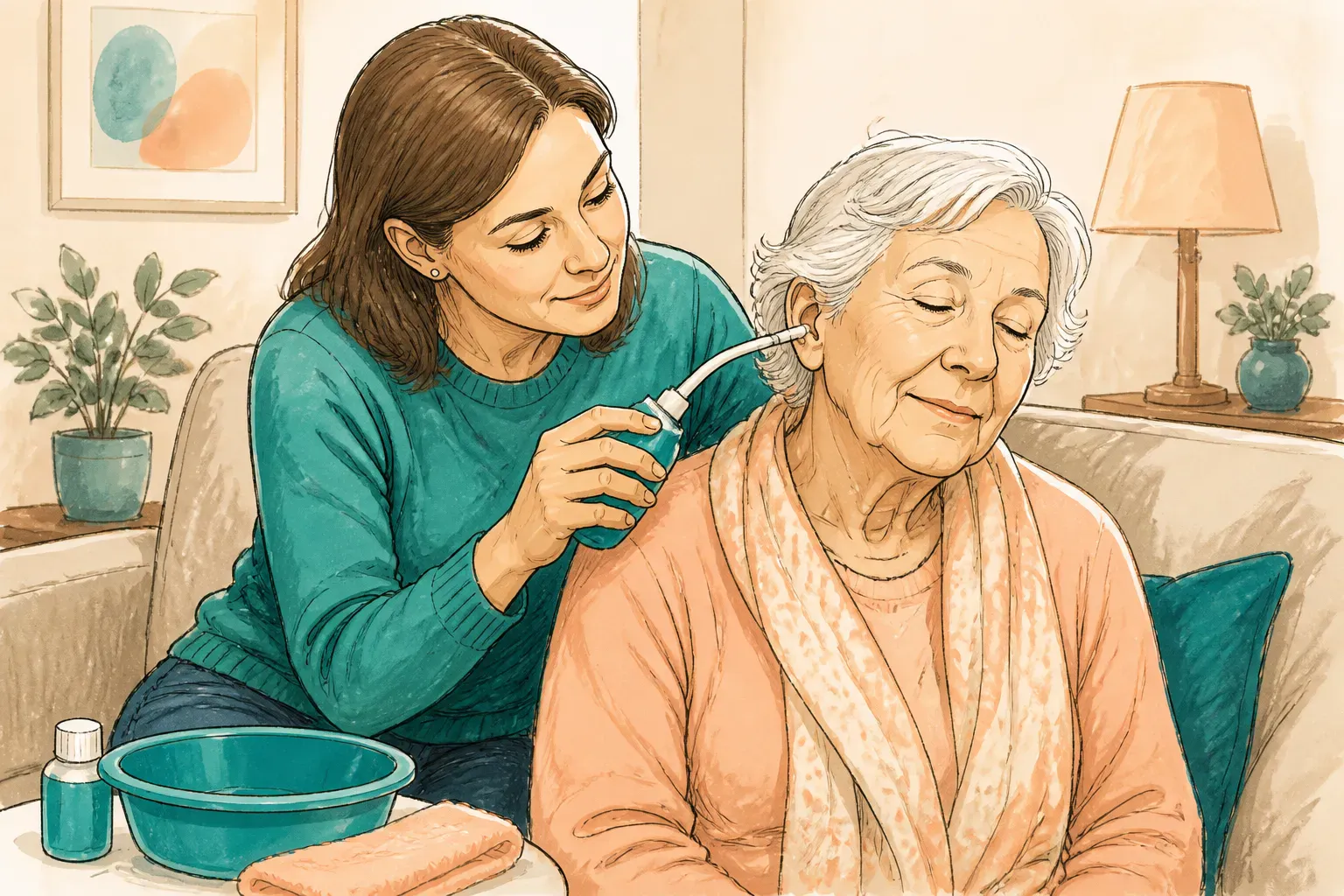
For people who cannot travel easily, a home visit can be the most practical option. This is especially useful for elderly clients, people in care settings, or patients with mobility difficulties who want specialist support in a familiar environment.
Professional option | Main advantage | Main limitation | Often preferred by |
|---|---|---|---|
Microsuction | Precise and fast | Not ideal if the canal is too sensitive on the day | Patients wanting immediate relief |
Water irrigation | Familiar and widely available | Not suitable for all ear histories | People with simple wax and suitable ears |
Home visit treatment | Highly convenient | Availability can be limited | Elderly clients and care home residents |
If you want to explore a home-based specialist option, see our Home visit earwax removal page for more information.
What to expect at Pro Ear Clinic
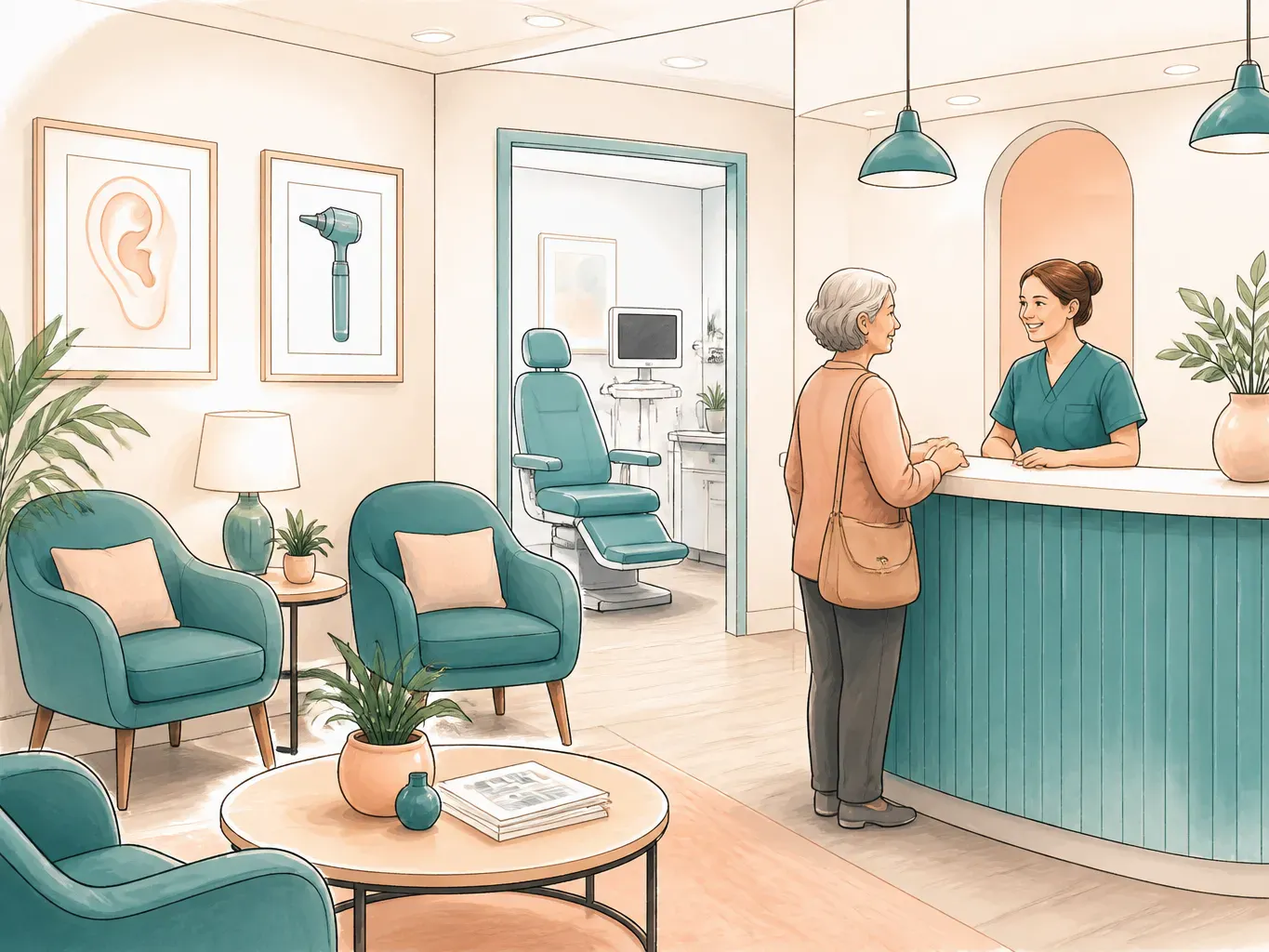
From my perspective, the biggest reassurance patients need is knowing that the appointment will be calm, straightforward, and respectful. At Pro Ear Clinic, the process is designed to feel unhurried and patient-friendly, especially for people who are anxious or who have had uncomfortable ear treatments in the past.
A typical appointment usually includes:
- A brief discussion of your symptoms and medical history.
- A look inside the ear to check whether wax is the main issue.
- A recommendation on the most suitable removal method.
- Careful treatment, often with microsuction when appropriate.
- Aftercare advice so you know what to expect next.
This approach matters because people often search for ear syringing at home UK when they really want fast relief with minimal stress. A proper assessment can save time by choosing the right method first rather than repeating ineffective home attempts.
Pro Ear Clinic focuses on evidence-based audiology and safe earwax removal. If you are new to professional ear care, our main blog guide, How Microsuction Works, is a good place to start before booking.
Recommended reads and next steps
If you are still deciding what to do next, these resources may help you compare options and understand your symptoms more clearly:
- Microsuction vs ear syringing
- Olive oil and earwax: a safe home softening guide
- Blocked ears causes
- Microsuction ear wax removal
- Water irrigation earwax removal
If you are unsure what applies to you, the safest next step is a professional assessment. You can also use our Contact Pro Ear Clinic page to ask about clinic treatment or a home visit if travel is difficult.
FAQ
Can you do ear syringing at home in the UK?
No, true ear syringing should not be done at home in the UK. It is safer to soften wax first and then book a professional assessment if the blockage remains.
Is it safe to use a home ear irrigation kit?
Sometimes, but only for carefully selected adults with uncomplicated earwax and no ear problems. If you have pain, discharge, a history of ear surgery, or uncertainty about the cause, it is better not to try it.
What is the safest way to soften earwax at home?
For many people, olive oil drops are a simple and gentle option if they are appropriate for you. They can soften wax over several days, making professional removal easier if needed.
How do I know if my ear is blocked with wax or if it is an infection?
Wax usually causes muffled hearing, fullness, and sometimes mild tinnitus. Infection is more likely if you have pain, discharge, fever, tenderness, or a feeling that the ear is inflamed.
What is better, microsuction or ear syringing?
Microsuction is often preferred because it is precise, does not use water pressure, and works well for many types of wax. Ear syringing or irrigation may still suit some people, but only after proper assessment.
When should I avoid trying home earwax removal?
Avoid home removal if you have pain, bleeding, discharge, dizziness, sudden hearing loss, a perforated eardrum, grommets, or a history of ear surgery. These symptoms need professional advice.
Can elderly people use ear drops or home wax softeners safely?
Often yes, but only if there are no red flags and the person is able to use them correctly. Elderly patients who are frail, confused, or have recurring ear problems may be better served by a professional appointment or a home visit.
If you are in doubt, treat the ear gently, avoid inserting anything into the canal, and choose a professional assessment sooner rather than later. That is usually the quickest way to get safe relief and protect long-term hearing health.